
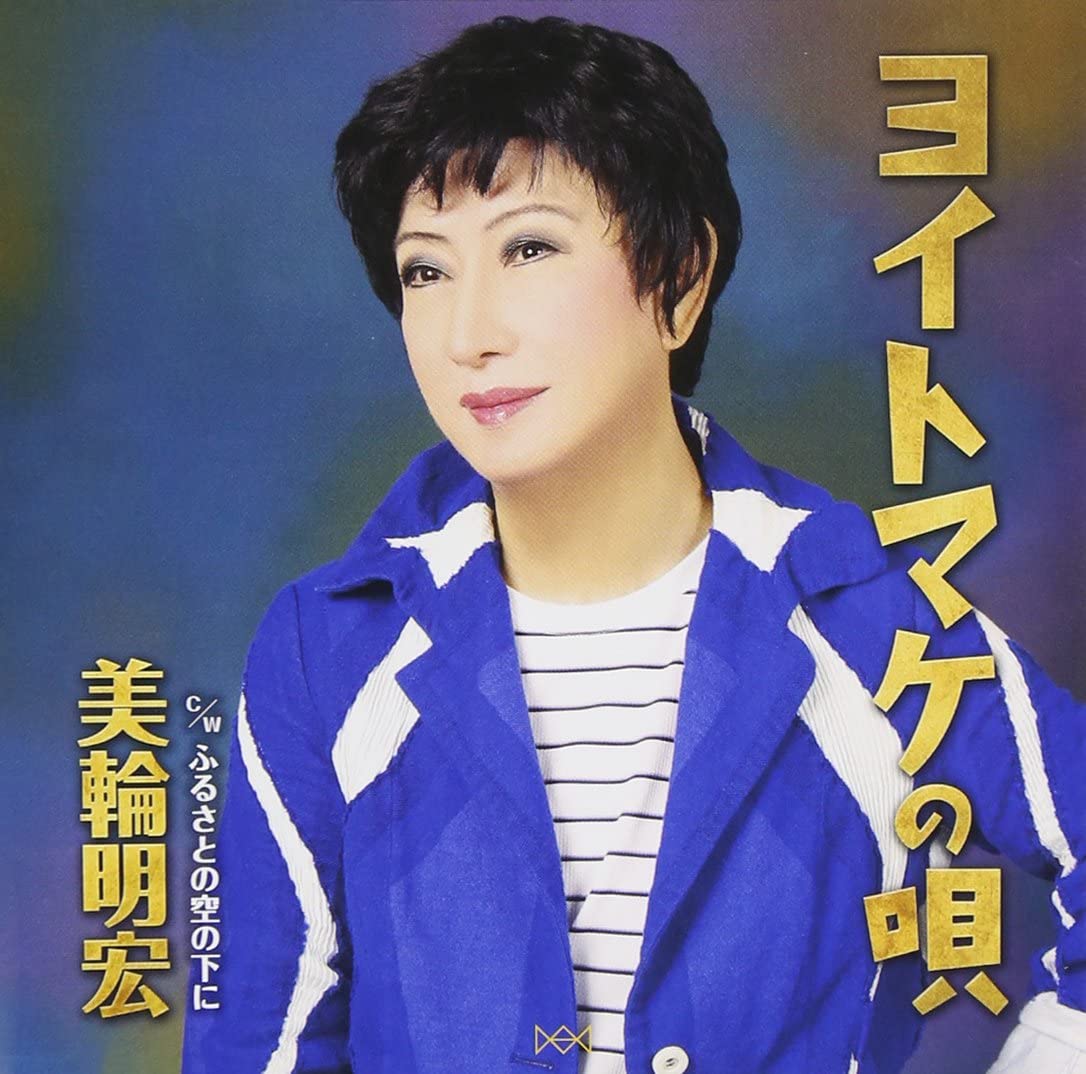
Akihiro Miwa's "Yoitomake no Uta" was impressive at the 2012 Kohaku Uta Gassen. There are songs like "Yoitmake" that have been banned from the airwaves even though they are very good songs. There are also songs that were banned in the past but are now on the public airwaves.
Here are some of these "banned" songs.
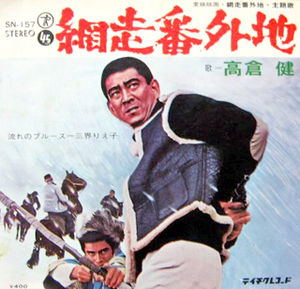
"Abashiri Bangaichi" Ken Takakura
Source: blog.goo.ne.jp
Abashiri Bangaichi Ken Takakura
There is a theory that yakuza language and jargon are "banned from broadcasting" and that they are "beautifying prisons."
Abashiri Bangaichi (Toei) - Wikipedia
ja.wikipedia.org
The film had been banned from broadcasting on the grounds that it' beautified prisons,' but in 1965, the same year that the film was released, Teichiku released the film without going through the Recording Standards and Ethics Committee (Recolun), which caused problems in the recording industry.
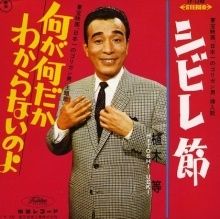
Sweetbread Bushi' Crazy Cats (Hitoshi Ueki)
Source: ameblo.jp
Sweetbread Bushi Crazy Cats (Hitoshi Ueki)
The third part of the song's lyrics reads, "The old man is also middle-spirited and numb."
Crazy Cats - Wikipedia
ja.wikipedia.org
There was a problem with part of the third lyric of' Sweetbread bushi,' so it was banned to be broadcast (some stations require special attention). For a long time, the best version and so on recorded the edited version of the problematic part, but the best version now on sale contains the original sound source.
Paralysis - Wikipedia
ja.wikipedia.org
Chufu (also called chubu, chubuu, or chufu in some regions) is now used to refer to paralysis on one side of the body, paralysis on the other side of the body, speech impairment, numbness and paralysis of the hands and feet, and so on, which are the aftereffects of cerebrovascular accidents (partial wind). Chufu, stroke, or colloquially' yoi-yoi' are also used.
Mid-air = mid-air Late effects of cerebrovascular disease
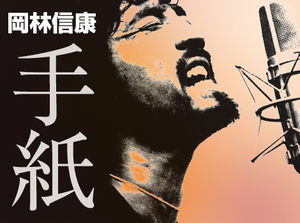
"Letters" by Nobuyasu Okabayashi
Source: blog.goo.ne.jp
Letter Nobuyasu Okabayashi
The broadcast was banned because the theme was Buraku discrimination.
Nobuyasu Okabayashi - Wikipedia
ja.wikipedia.org
Letters' and' Tulip Applique' with the theme of buraku discrimination are said to be representative examples of songs that are banned from broadcasting (in fact, there is no song that is banned from broadcasting).
Self-regulation and self-restraint for fear of protests).
Tegami Nobuyasu Okabayashi (banned song) full cover
"Phantom Folk Singer" Kazuhiko Yamahira
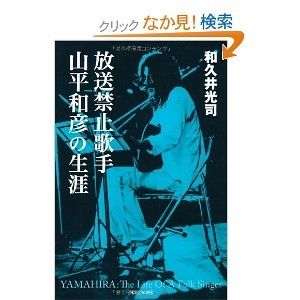
Source: www.amazon.co.jp
Life of banned singer Kazuhiko Yamahira Koji Wakui
Two songs from his album "Hanaban Uta" (Songs Banned from the Air) were considered obscene and their release was banned, and 忽焉 disappeared from the music world after only a short period of activity. Just as he made a comeback in this century, he followed the footsteps of a "phantom folk singer" who was killed in a hit-and-run accident.
Kazuhiko Yamahira - Wikipedia
ja.wikipedia.org
In 1970, a single was released from URC Records under the names of Kazuhiko Yamahira and The Sherman.
In 1972, he made his debut as an album with his album "Broadcast-prohibited songs" (Bellwood).
Songs that were banned from being broadcast in the title track were literally banned from being broadcast, causing controversy over the replacement of recorded songs.
"Love Me Tender" RC. Succession Kiyoshiro Imawano
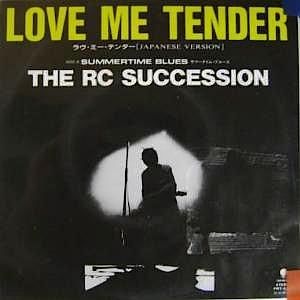
Source: cress30.exblog.jp
Love Me Tender RC. Succession Kiyoshiro Imawano
The release of the song as a single was banned due to the anti-nuclear power plant song that openly criticized nuclear power plants.
COVERS (RC Succession album) - Wikipedia
ja.wikipedia.org
It was scheduled to be released on August 6, 1988 (Hiroshima Peace Memorial Day) by Toshiba EMI (now EMI Music Japan). However, anti-nuclear and anti-nuclear power were sung in "Love Me Tender" and "Summer Time Blues." The latter, in particular, was an anti-nuclear power song that openly criticized nuclear power, so it was said that it was pressured by its parent company, Toshiba, which is also a Japanese nuclear power plant supplier. [1] Together with the preceding single "Love Me Tender" (scheduled to be released on June 25), the release was cancelled with a newspaper advertisement (in the national newspaper on June 22, 1988) that said, "It is too great to be released."
Love Me Tender / Lyrics
protestsongs.michikusa.jp
Introducing "Love Me Tender tender" sung by Kiyoshiro Imawano to Elvis Presley's famous song "Love Me Tender" with Japanese lyrics that convey a message against nuclear power. The single was scheduled to be released, but the release was canceled due to pressure. However, it is included in RC Succession's Best Album. Lyrics Video Succession: Masterpieces of Tests and Topikaru Songs
Kiyoshiro Imawano LOVE ME TENDER [No need for radioactivity!]
"Nuclear Gypsy" Kato Tokiko
Source: wagamamakorin.client.jp
Nuclear gypsy Kato Tokiko
Anti-nuclear song. Later, it was renamed' Shadow Gypsy' but the word' gypsy' was also considered a discriminatory term and was further renamed' In the Darkness'.
Nuclear gypsy Kato Tokiko
protestsongs.michikusa.jp
A song about subcontractor workers working at a nuclear power plant. When it was released, it was treated as a banned song because discriminatory terms were used.
Kato Tokiko Nuclear Power Plant Gypsy Lyrics Are a Day
ameblo.jp
The daily article, the lyrics of Kato Tokiko and nuclear gypsies.
"Chernobyl": The Blue Hearts

Tags
Contents
- What is broadcasting prohibited in the first place?
- ' Yoito Make-up Song' by Akihiro Miwa (Akihiro MARUYAMA)
- Imjin River The Folk Crusaders
- Young people at the time of "Riot Squad Blues"
- "Nerikan Blues" Keiko Fuji
- "Bourbon in Penny Lane" Takuro Yoshida
- "I'll eat you," said Gachapin
- "Love Barber" Juro Kara
- "I LOVE YOU IS A ONE PERSON THING" Yuko Hara New Half Betei
- "Repent for all your songs!" Keisuke Kuwata
- "ProstitUte Kazuko" Takajin Yashiki
- "The quays, Father," said Hibari Misora
- "Motor Show Song" by Akira Kobayashi
- "Abashiri Bangaichi" Ken Takakura
- Sweetbread Bushi' Crazy Cats (Hitoshi Ueki)
- "Letters" by Nobuyasu Okabayashi
- "Phantom Folk Singer" Kazuhiko Yamahira
- "Love Me Tender" RC. Succession Kiyoshiro Imawano
- "Nuclear Gypsy" Kato Tokiko
- "Chernobyl": The Blue Hearts
- "Neverending Song": The Blue Hearts
- "S ・ O ・ S" Pink Lady
- "Carnival" Momoe Yamaguchi
- "Playback part2" Momoe Yamaguchi
- "The Tragic Battle": Kenichi Nagira
- Fuchu Torimotsu Hikae' Alfie
- "Kinta no Daibōken" Tsuboinorio
- "Oheji Obachan" Yukadan
- "Sometimes like a." Toshio Kurosawa
- "Uguisudani Music Hall" Tsuruko Shofukutei
- "From back to front," Yoko Hatanaka
- "Bunchaka bushi" Kitajima Saburo
- "Guts!" Ulfuls
- "What shall we do?" Toshihiko Tahara
- MARI-CHAN: "THERE IS A WAY OF LIFE FOR A UGLY WOMAN."
- "Kyodai shinju" (double suicide) by Hako Yamasaki
- "Memorial Tree" Appa School Students
- "NANA" The Checkers
- "Nameless Poetry" Mr. Children
- "Tamori 3: History of Postwar Japanese Songs" by Tamori