
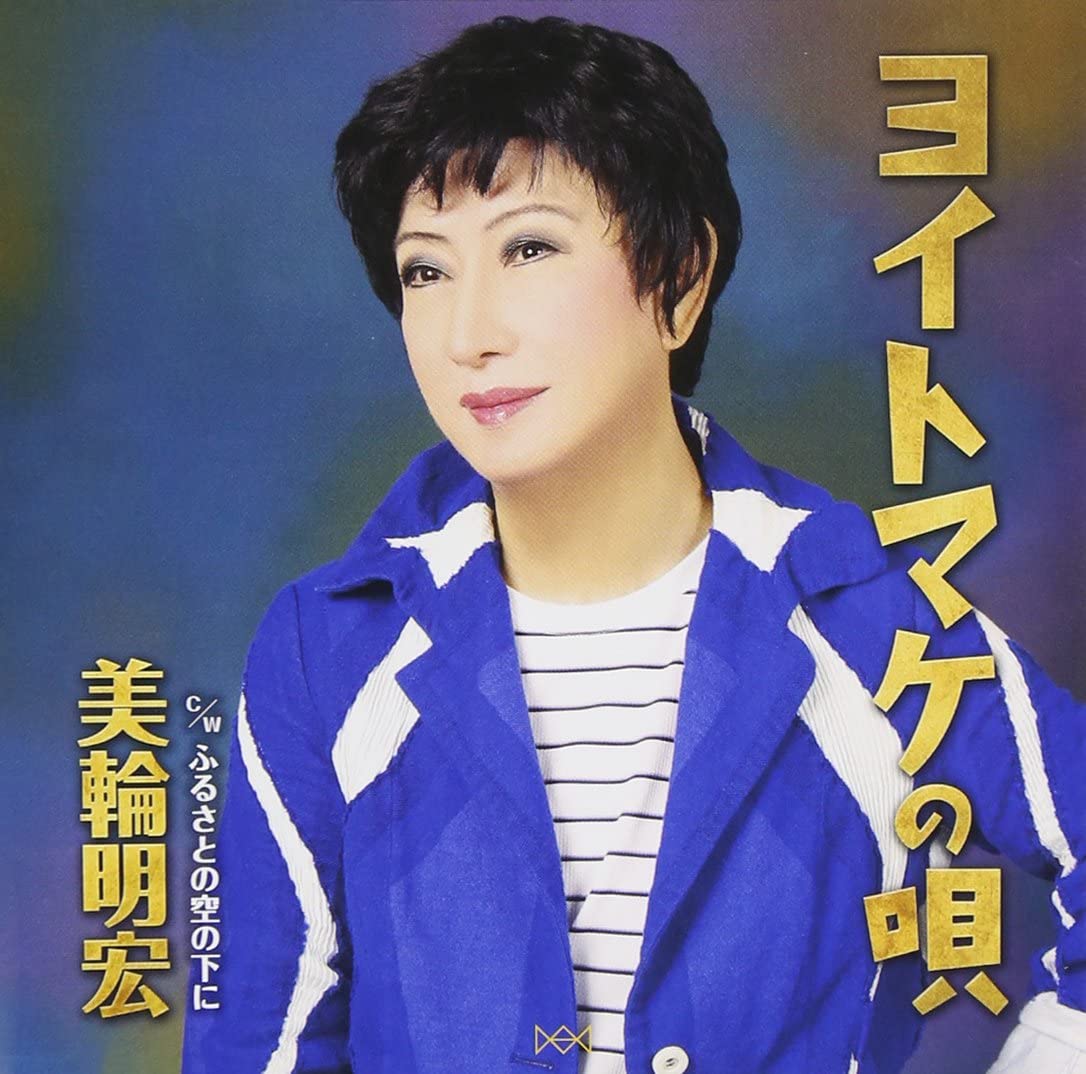
Akihiro Miwa's "Yoitomake no Uta" was impressive at the 2012 Kohaku Uta Gassen. There are songs like "Yoitmake" that have been banned from the airwaves even though they are very good songs. There are also songs that were banned in the past but are now on the public airwaves.
Here are some of these "banned" songs.
Nagira Kenichi / Lyric: The Tragic Battle / Utatappu Lyric Free Search
www.utamap.com
It is the lyric of "The Tragic Battle" by Kenichi Nagira.
The Tragic Battle
Fuchu Torimotsu Hikae' Alfie
Fuchu Torimotsu Hikae - Wikipedia
ja.wikipedia.org
A parody of the 300 million yen case was scheduled to be released on December 10, 1975 (the day of the statute of limitations for the 300 million yen case) with the singing of ALFIE (now THE ALFEE), but on the day before the release, it was suddenly stopped because' it did not suit the company's common sense.'
THE ALFEE BARKS MUSIC NEWS: THE ALFEE BARKS MUSIC NEWS: THE ALFEE BARKS MUSIC NEWS: THE ALFEE BARKS MUSIC NEWS: THE ALFEE BARKS MUSIC NEWS: THE ALFEE BARKS MUSIC NEWS: THE ALFEE BARKS MUSIC NEWS: THE ALFEE BARKS MUSIC NEWS: THE ALFEE BARKS
www.barks.jp
In commemoration of the 40th anniversary of THE ALFEE, which made its record debut on August 25, 1974 with the single "Natsushigure", the CD "Seishun no Omoide + 2" will be released on December 17. It has been revealed that the phantom single "Fuchu Torimono Hikae" will be included for the first time in the CD, which contains all the recording from the time of VICTOR.
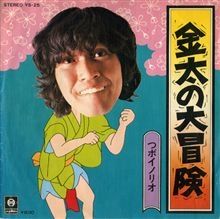
"Kinta no Daibōken" Tsuboinorio
Source: blog.blochiita.jp
Kinta no Daibōken Tsuboinorio
The lyric written on the lyric card does not contain any words that would prohibit broadcasting, but the problem is that the words starting with' ma' after the lyric' Kinta' are used to repeatedly call out' Kinta ma × ×' (ex: Kinta make-or-break).
Kinta Adventure - Wikipedia
ja.wikipedia.org
It is characterized by the fact that a rhetorical technique is incorporated in the middle, and the' kingyoku' (balls of gold), which is often avoided to be uttered in Japanese, is pronounced clearly.
Kinta no Daibōken Lyrics
www.biwa.ne.jp
Kinta no Daibōken (Words): One day, while Kinta was walking, a beautiful princess ran away from her. I'M BEING TAKEN CARE OF BY A BAD PERSON. Kinta PROTECT ME, PROTECT ME, MITAMA MOTTE. BUT. A. A. A. A. A. A. A. A. A. A. A. A. A. A. A. A. A. A. A. A Kinta Kinta Kinta Kinta Kinta Kinta ケガオオイ Kinta
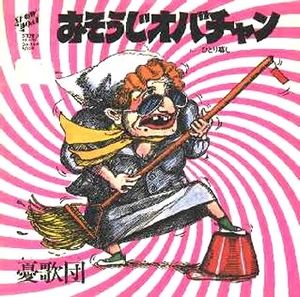
"Oheji Obachan" Yukadan
Source: homepage2.nifty.com
Cleaning Obachan Yukadan
Broadcasting was prohibited on the grounds that the song' discriminates against cleaning women.'
Yukadan - Wikipedia
ja.wikipedia.org
"" "The Cleaning Lady" ", which is known as their representative song, was banned from broadcasting on the grounds that it was" "a discriminatory song against cleaning women" ". [2]"
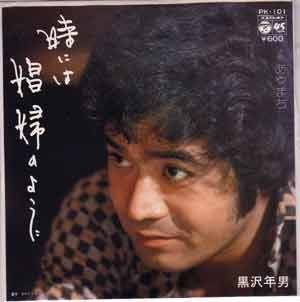
"Sometimes like a." Toshio Kurosawa
Source: www.nax.ne.jp
Sometimes like a. Toshio Kurosawa
Because of the critical content, it was later treated as' special attention required depending on the time zone and the audience' under the designation system of Kayokyoku requiring special attention by the Japan Commercial Broadcasting Federation.
Sometimes like a - Wikipedia
ja.wikipedia.org
Although the lyrics of the song are sexual and the content of the song is critical, it became a hit with 600000 pieces as a song that skillfully expressed feelings between men and women. However, due to its critical content, it was later treated as' special attention required depending on the time zone and the audience' under the designation system of Kayokyoku requiring special attention by the Japan Commercial Broadcasting Federation.
"Uguisudani Music Hall" Tsuruko Shofukutei
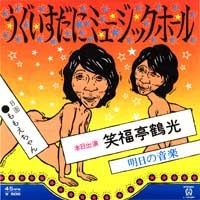
Source: www14.atwiki.jp
Uguisudani Music Hall - Tsuruko Shofukutei
Because the lyrics are obscene (strip song).
On February 22, 2013, Nippon Broadcasting System's "All Night Nippon 45th Anniversary" because it was a commemorative program.
"From back to front," Yoko Hatanaka
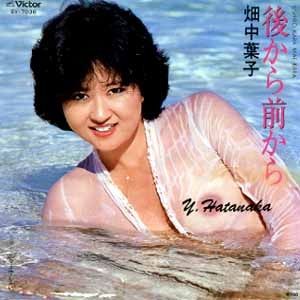
Source: nappy-happy.cocolog-nifty.com
From back to front, Yoko Hatanaka.
It is a theme song of Nikkatsu Romance and its lyrics are obscene.
From back to front - Wikipedia
ja.wikipedia.org
The lyrics were deemed inappropriate for prime-time TV
"Bunchaka bushi" Kitajima Saburo
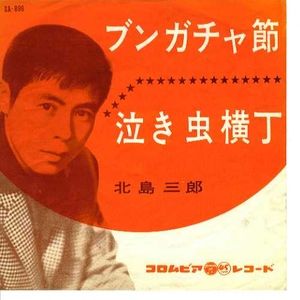
Source: ag-skin.com
Bunchaka Kitajima Saburo
This is Kitajima Saburo's debut song.
The onomatopoeic part of the lyrics, "kyu kyu kyu kyu kyu" (kyu kyu kyu kyu.
It was regarded as a problem because it was associated with sound.
Kitajima Saburo - Wikipedia
ja.wikipedia.org
This song was released by changing the lyrics of Haruka (猥歌), a song sung by Nagashi in downtown areas such as Shibutani, and was banned from broadcasting within a week of its release [2] (There is also a popular belief that the Ai-no-te in the lyrics is associated with the creaking sound of the bed and is obscene).
"Guts!" Ulfuls

Tags
Contents
- What is broadcasting prohibited in the first place?
- ' Yoito Make-up Song' by Akihiro Miwa (Akihiro MARUYAMA)
- Imjin River The Folk Crusaders
- Young people at the time of "Riot Squad Blues"
- "Nerikan Blues" Keiko Fuji
- "Bourbon in Penny Lane" Takuro Yoshida
- "I'll eat you," said Gachapin
- "Love Barber" Juro Kara
- "I LOVE YOU IS A ONE PERSON THING" Yuko Hara New Half Betei
- "Repent for all your songs!" Keisuke Kuwata
- "ProstitUte Kazuko" Takajin Yashiki
- "The quays, Father," said Hibari Misora
- "Motor Show Song" by Akira Kobayashi
- "Abashiri Bangaichi" Ken Takakura
- Sweetbread Bushi' Crazy Cats (Hitoshi Ueki)
- "Letters" by Nobuyasu Okabayashi
- "Phantom Folk Singer" Kazuhiko Yamahira
- "Love Me Tender" RC. Succession Kiyoshiro Imawano
- "Nuclear Gypsy" Kato Tokiko
- "Chernobyl": The Blue Hearts
- "Neverending Song": The Blue Hearts
- "S ・ O ・ S" Pink Lady
- "Carnival" Momoe Yamaguchi
- "Playback part2" Momoe Yamaguchi
- "The Tragic Battle": Kenichi Nagira
- Fuchu Torimotsu Hikae' Alfie
- "Kinta no Daibōken" Tsuboinorio
- "Oheji Obachan" Yukadan
- "Sometimes like a." Toshio Kurosawa
- "Uguisudani Music Hall" Tsuruko Shofukutei
- "From back to front," Yoko Hatanaka
- "Bunchaka bushi" Kitajima Saburo
- "Guts!" Ulfuls
- "What shall we do?" Toshihiko Tahara
- MARI-CHAN: "THERE IS A WAY OF LIFE FOR A UGLY WOMAN."
- "Kyodai shinju" (double suicide) by Hako Yamasaki
- "Memorial Tree" Appa School Students
- "NANA" The Checkers
- "Nameless Poetry" Mr. Children
- "Tamori 3: History of Postwar Japanese Songs" by Tamori