

MEIKO is a vocal sound source and character for desktop music (DTM) and voice synthesis software released by Crypton Future Media (commonly known as Crypton), a company that develops and sells music production software. It was the first vocal sound source compatible with VOCALOID (commonly known as Vocaloid), a speech synthesis system developed by Yamaha. Based on the voice of singer-songwriter Meiko Higo, the software is suitable for a variety of music genres.
Overview of MEIKO
MEIKO is a type of vocal source and character for Desktop Music (DTM), a voice synthesis software sold by Krypton Future Media (commonly known as Krypton), a company that develops and sells music production software. MEIKO is a vocal source compatible with the "VOCALOID" voice synthesis system developed by Yamaha, one of the brands of musical instruments and electronic musical instruments. It is a system in which a melody and lyrics are input and the source is made to sing. MEIKO is the first voice synthesis system for Japanese produced using the "VOCALOID" system.
It was released on November 5, 2004. At that time, many DTM software had already been released, but there was no text-to-speech software such as MEIKO. However, the DTM software industry did not respond very well to MEIKO at the time of its release because it was a machine voice that was unnatural compared to a live voice. Even so, the fact that songs with lyrics can be made only with a PC, without special equipment or personal connections, has attracted a lot of amateur rather than professional DTM fans. As a result, the DTM software industry, which is said to be able to sell 1,000 copies a year, sold 3000 copies in about one year, an unusual number.
Later, "Hatsune Miku," a voice synthesis software based on "VOCALOID2," the successor of "VOCALOID," which was released in 2007, became an explosive hit, selling about 42000 copies a year. Triggered by this, "VOCALOID" (common name: VOCALOID), a voice synthesis software using the "VOCALOID" system of MEIKO, started to gain popularity mainly on the Internet. Not only the posting of songs using VOCALOID to various video sites, but also the sales of goods related to VOCALOID were carried out, which caused a sensation in the Internet music scene. As a result, MEIKO, which was released before Hatsune Miku, attracted attention again, and MEIKO spread its name to the world together with Hatsune Miku.
History of MEIKO
2004: MEIKO was born.
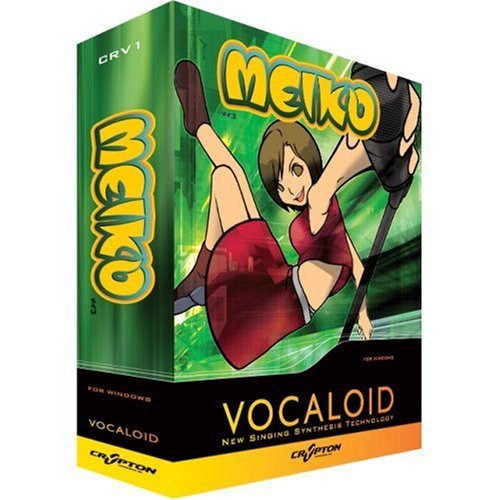
This is the first package of MEIKO software to be released.
MEIKO went on sale on November 5, 2004. It was the first DTM software for vocal parts using Yamaha's "VOCALOID" voice synthesis system. There have been many music source software for DTM, but this was the first time that the software was based on the voice of a human (singer songwriter Meiko Haigo). However, the response from the DTM software industry was not very good because the singing voice was still machine-like and unnatural compared to the real voice. However, it gained a lot of support from amateur DDTM lovers because it was possible to make songs with lyrics only with a personal computer without special equipment or network of people. As a result, the DTM software industry, which is said to be a hit if it sells 1,000 songs a year, sold about 3000 songs in the first year.
In 2005, the DTM magazine "DTM Magazine" published a series of articles introducing how to make full use of MEIKO, and many works using MEIKO were contributed to the reader's contribution corner "Super Extremely Spicy Dojo" in the magazine, and in the July issue of the same year, Meiko Haigo, the voice of MEIKO, appeared as a guest on the audio program (disk) attached as an appendix of the magazine.
In this way, MEIKO attracted the attention of many DTM enthusiasts, but in the end, its popularity remained only among enthusiasts and did not spread to the world.
In 2007, "Hatsune Miku" sparked the first Pokaro boom
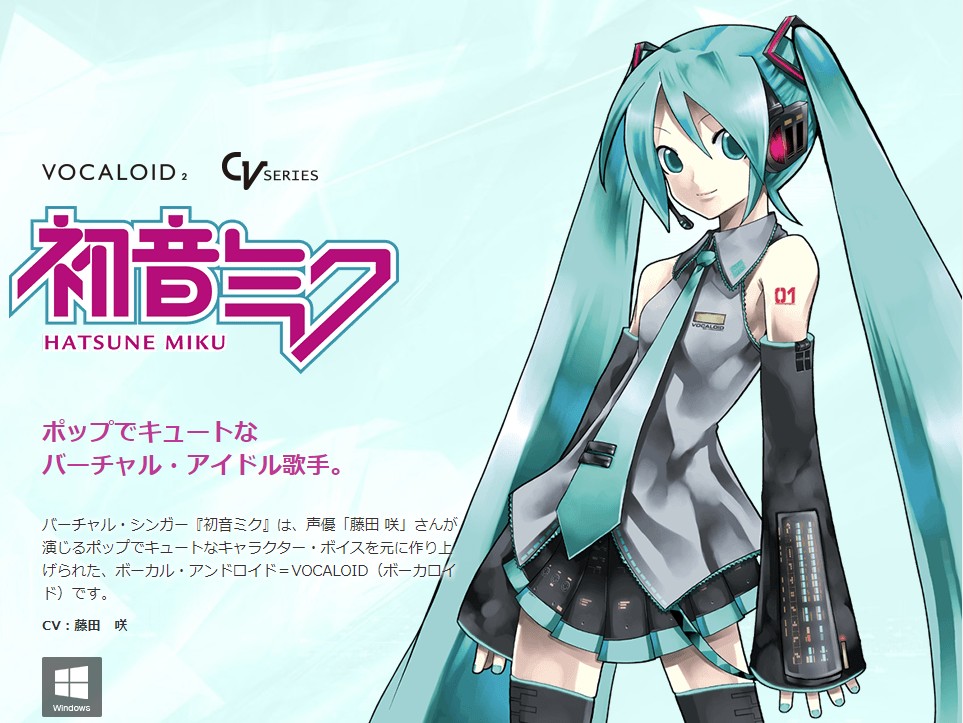
"Hatsune Miku" was released in 2007 as the first Vocalo produced using "VOCALOID2", the successor of the voice synthesis system "VOCALOID", which is the origin of MEIKO.
A major change in the popularity of MEIKO took place in 2007, when VOCALOID "Hatsune Miku" was born. Hatsune Miku was the first VOCALOID produced using VOCALOID2, which was the successor of VOCALOID, the system used at MEIKO. At the same time, it was also the first VOCALOID character created with "moe" in mind. At that time, the VOCALOID characters on sale were MEIKO and KAITO, a male voice character created using VOCALOID just like her. MEIKO and KAITO were both given human characters, but the design insisted on singing, and Hatsune Miku became the first VOCALOID filled with "moe" like Hatsune Miku.
Hatsune Miku gained a lot of popularity because of his cute appearance and the ease with which he could adjust his voice. Hatsune Miku began to post songs on video-sharing sites, as well as derivative works related to Hatsune Miku on illustration sharing sites, causing a huge boom on the Internet. After that, the number of new Vocalo software and characters increased, and the popularity of Vocalo increased. As a result, MEIKO, the earliest model of Vocalo, began to attract attention again. He became recognized by Vocalo fans as Vocalo's "eldest daughter," and became one of the people who liven up the Vocalo scene with Hatsune Miku.
2014: The First Follow-On Software in 10 Years
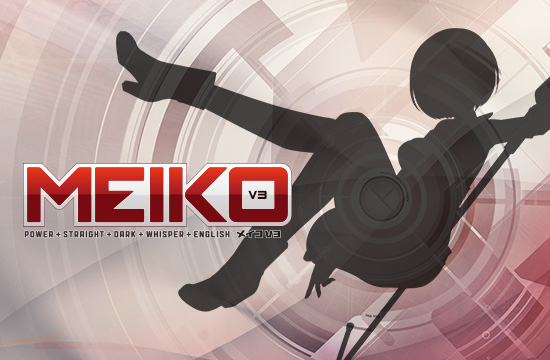
This illustration was posted on Hatsune Miku's official blog when the release schedule of MEIKO's new software "MEIKO V3", which was created after 10 years, was announced.
Thanks to Hatsune Miku's "Pokaro Boom," MEIKO has gained the attention of many people who have gone beyond the realm of enthusiasts. However, while Hatsune Miku releases new software one after another, MEIKO does not make any major progress.
However, on November 5, 2013, about nine years after its birth, it was decided that MEIKO's new software "MEIKO V3" would be released, and pre-orders began. "MEIKO V3" was the software using "VOCALOID3", which was the successor of "VOCALOID2" used as Hatsune Miku's first software, and it was made using the latest version of "VOCALOID", the voice synthesis system at that time. In addition, while the VOCALOID version had only one type of MEIKO's singing voice, "MEIKO V3" contained five types of singing voice library: "POWER", "STRAIGHT", "DARK", "WHISPER", and "ENGLISH". As a result, it became possible to sing in more various ways than in the VOCALOID version, and at the same time, MEIKO's singing voice, which was compatible only with Japanese, was upgraded to be compatible with English lyrics.
"MEIKO V3" V3 "was released on February 4, 2014 without any problems such as the delay of the release. MEIKO's new product, which was released for the first time in about 10 years, attracted many MEIKO users.
MEIKO's Expanding Media Presence
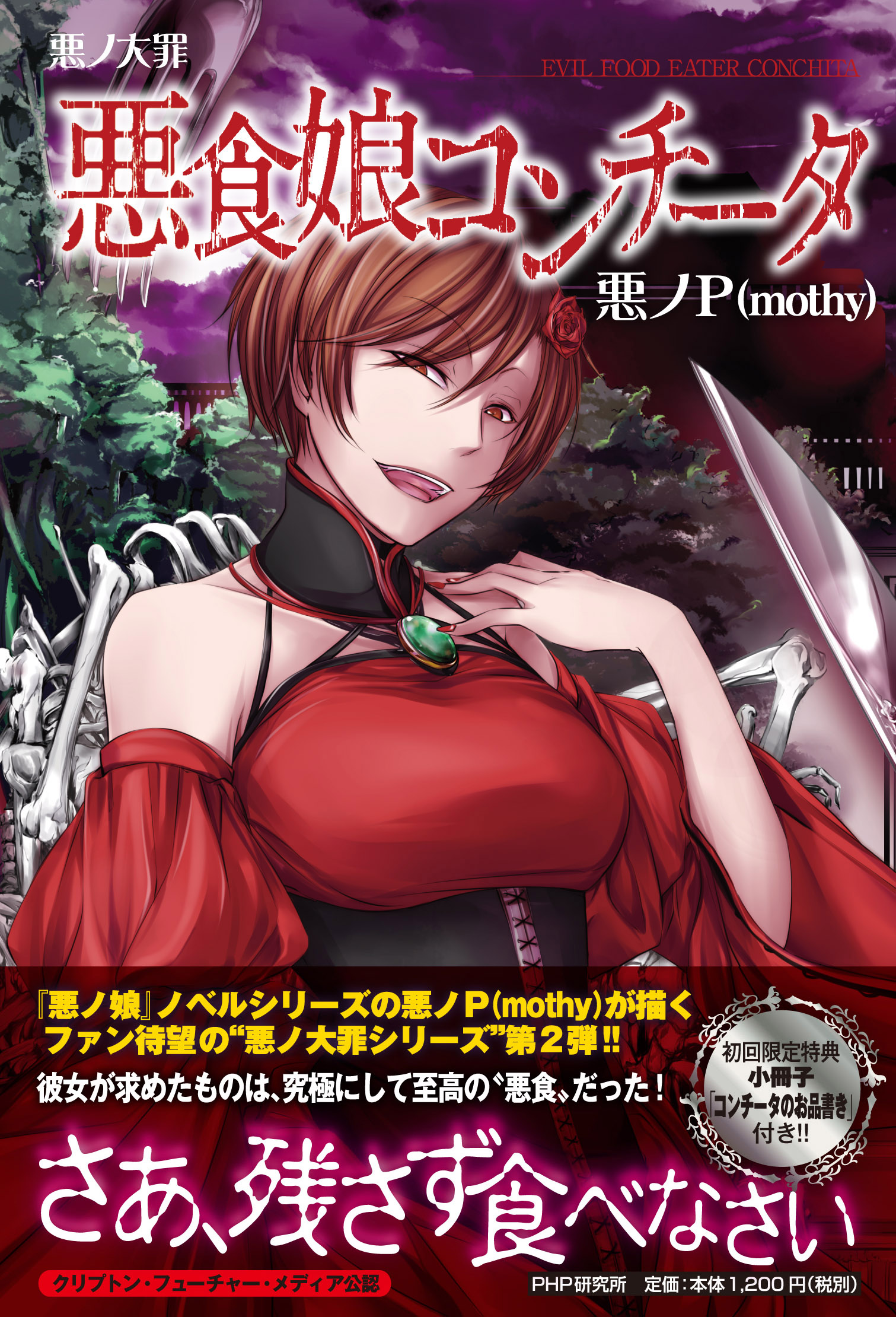
This is the cover of the novel version of "悪食 musume konchita" (Meiko's singing song, composed by mothy).
With the birth of Hatsune Miku, the popularity of Vocalo began to spread through various media beyond music. Hatsune Miku and MEIKO Vocalo gained popularity not only as software but also as "characters." As a result, not only various goods such as figurines were developed, but also Vocalo-related live events such as "Hatsune Miku Live Party" (aka. ミクパ) and "Magical Mirai" were held.
Around 2011, a genre of novel called "Bokoro-shosetsu" (Bokoro-novel) became popular. Bokoro-shosetsu is a novel based on Bokoro-music. At first, many of them were single-volume works, but gradually longer series based on "Gakukyoku Series" (Music Series), such as "Kagero Project" (The Mayfly Project), composed of multiple pieces of music based on the same world view, began to be produced. Some of them were based on songs sung by MEIKO, and many of them became novels, such as MEIKO's song "悪食 Musume Konchita" by Bokoro-P Akuno-P, and bokoro-All Star's song "Bad ∞ End ∞ Night" by Hitoshizuku P.
The development of these Vocaloid genres continued to evolve, and not only was Vocaloid adapted as a novel but also as a comic book, an animated cartoon, a comic book, an animated cartoon, and even as a stage, so that Vocaloid attracted more and more public attention.
In addition, many singers who used to cover Bokoro-P, Bokoro-kyoku, and so on, released major CDs through Bokoro-kyoku or debuted as artists who did not use Bokoro-kyoku. By making use of the experience of producing Bokoro-kyoku, the number of people who provide music to other artists as composers in various forms such as anime OP and game insert songs, or those who develop various activities such as releasing original songs as artists apart from Bokoro-kyoku has increased, and popular artists such as Kenshi Yonezu, Keina Suda, Mafumafu and Eve have been born one after another.
As a result of this development, the recognition of Vocalo music increased, and it became known as one of the genres called Internet music. Along with this trend, the name of MEIKO also spread to the world.
List of MEIKO software
MEIKO

Initial design of MEIKO.
The first software in the MEIKO series, which goes on sale on November 5, 2004, is based on VOCALOID, the first version of Yamaha's VOCALOID series of voice synthesis systems. It is the first voice synthesis software that uses VOCALOID.
The voice was created based on the voice of singer / songwriter Meiko Haigo. It does not specify which genre of music or BPM is suitable, and it is possible to sing in any genre of music.
The short hair of the brown hair is a characteristic female character that is dressed in mature clothes with red as a precious color, and the microphone is held in the hand. At first, there was no plan to draw such a humanoid character, and it was planned to be only an illustration of the microphone. However, this design was made to emphasize the "singing personality" from the idea of "making it easier for people who have no experience with DTM to get interested."
It was revealed that the person in charge of the illustration production was a Krypton employee at that time, Ishii.
MEIKO V3

"MEIKO V3" version of MEIKO.
A successor to the original MEIKO. Released on February 4, 2014, the software was based on "VOCALOID3," the latest version of the then Yamaha "VOCALOID" series.
In contrast to the had only one type of voice, this version contains five types of voice: "POWER", "STRAIGHT", "DARK", "WHISPER", and "ENGLISH". This makes it possible to have more diverse voices than before, and at the same time, since "ENGLISH" has been added, it is possible to sing English lyrics.
In addition, various libraries essential for Vocalo's music production, such as the vocal editor "Piapro Studio" and DAW software "Studio One," were sold together.
The illustrator in charge of the illustrations is iXima, who also worked on "Hatsune Miku V3" and "Kagamine Rin/Len V3", both of which use the same "VOCALOID3" software. The basic shape is the same as the original software, but the detailed design has been modified with the addition of necklaces and bracelets.
History of MEIKO activities
There are various live and festival events in Vocalo. In addition to those listed in this section, there are many events and live events hosted by MEIKO users and fans such as VocaloP, as well as major events related to companies.

Related Articles

In-depth summary of Hatsune Miku (VOCALOID)
Hatsune Miku is a vocal sound source and character for desktop music (DTM) and voice synthesis software released by Crypton Future Media (commonly known as Crypton), a company that develops and sells music production software. The character is based on the voice of Saki Fujita, a voice actress, and is compatible with VOCALOID, a voice synthesizer developed by Yamaha. The software was the catalyst for the VOCALOID boom in Japan, and is one of the most popular VOCALOID characters.
Read Article

In-depth summary of KAITO (VOCALOID)
KAITO is a character and a type of vocal sound source for voice synthesis software and desktop music (DTM) released by Crypton Future Media (commonly known as Crypton), a company that develops and sells music production software. It was created as a vocal sound source compatible with VOCALOID (commonly known as Vocaloid), a voice synthesizing system developed by Yamaha. It is a male-voiced vocaloid created based on the voice of studio musician Naoto Fuuga, and is suitable for a variety of music genres.
Read Article
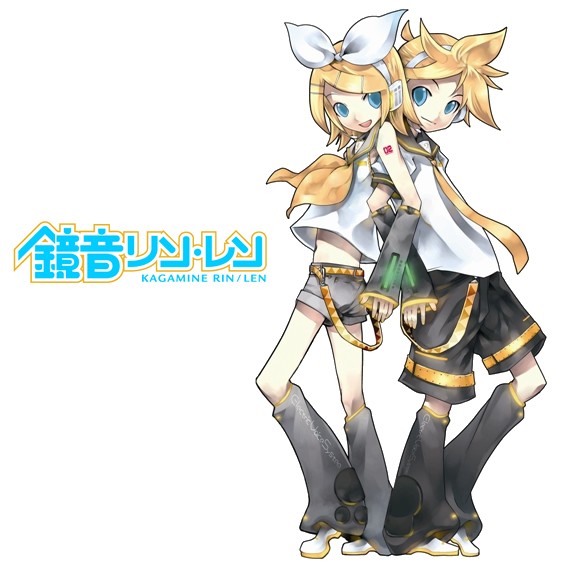
In-depth summary of Kagamine Rin/Len (VOCALOID)
Kagamine Rin/Len is a character and a type of vocal sound source for desktop music (DTM) and voice synthesis software released by Crypton Future Media, a company that develops and sells music production software. It is based on the voice of voice actress Asami Shimoda, and is a vocal sound source compatible with VOCALOID (commonly known as Vocaloid), a voice synthesis system developed by Yamaha. It was produced after Hatsune Miku, which triggered the Vocaloid boom, and sold 20,000 copies in about seven months.
Read Article

In-depth summary of Luka Megurine (VOCALOID)
Luka Megurine is a character and a type of vocal sound source for voice synthesis software and desktop music (DTM) released by Crypton Future Media (commonly known as Crypton), a company that develops and sells music production software. It was created based on the voice of voice actor Yu Asakawa, and is a vocal sound source compatible with VOCALOID, a voice synthesizing system developed by Yamaha, and is the first VOCALOID software to support both Japanese and English.
Read Article
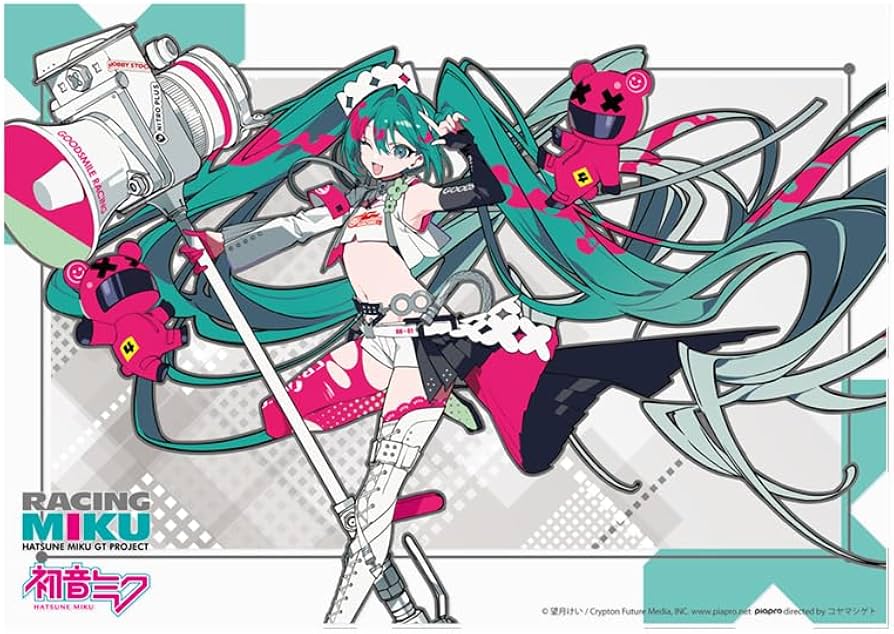
The diva that landed on the track! A look back at the successive generations of Hatsune Miku "Racing Miku" with figures!
Hatsune Miku is a symbol of pop culture that has become famous from the world of the Internet. The Miku Hatsune, who is active in a variety of scenes, has been landing on circuits as the official mascot of a racing team! This time, we would like to introduce you to the figure of "Racing Miku," who has been shining on the circuit every year since her appearance!
Read Article
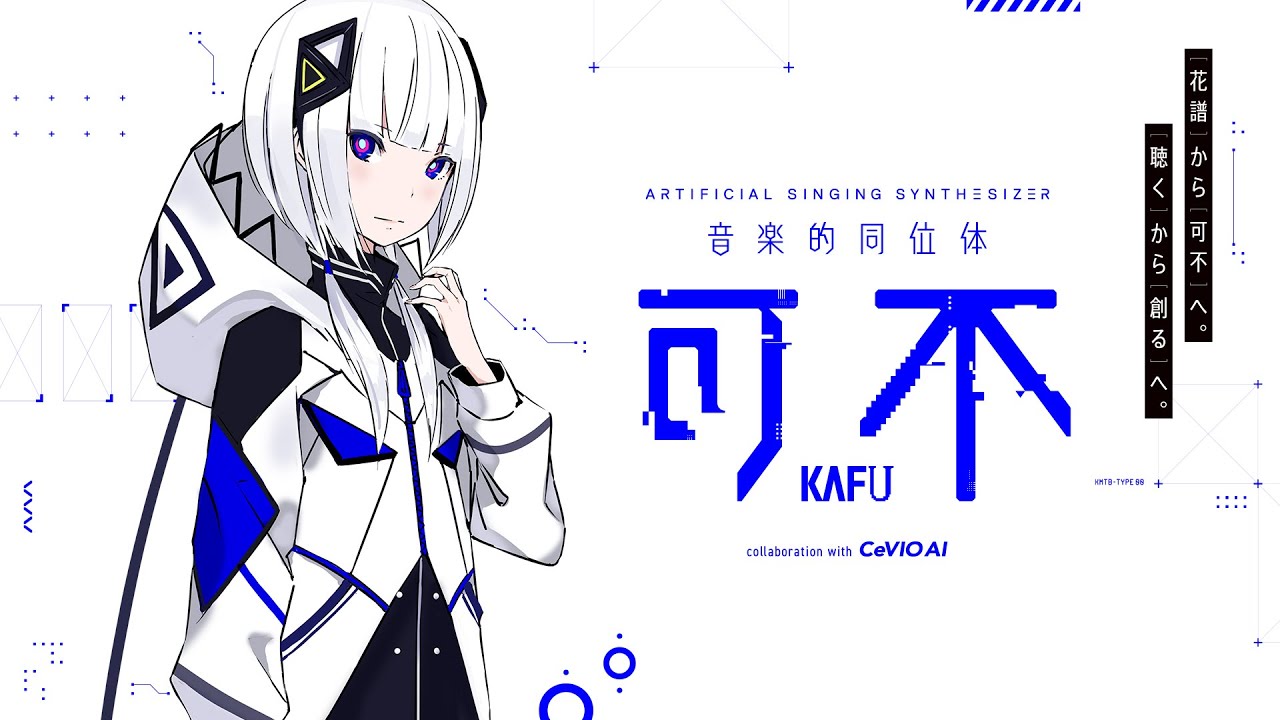
In-depth summary of KAFU/KAFU (VOCALOID)
KAFU is a vocal sound source and character for desktop music (DTM) and voice synthesis software, planned by the creative label KAMITSUBAKI STUDIO and produced by CeVIO, a company consisting of several companies in Nagoya, using its own voice synthesis software "CeVIO AI". It is a type of vocal sound source and character created by "CeVIO AI," a company owned by several Nagoya companies. Its official name is "Musical Isotope KAFU," and it became a hot topic because it was created based on the voice of "Hanafu," a popular virtual YouTuber belonging to KAMITSUBAKI STUDIO.
Read Article

In-depth summary of IA (VOCALOID)
IA is a character and a type of voice synthesizer for desktop music (DTM) released by 1st PLACE, a company that plans, develops, and sells music, videos, software, etc. It is based on the voice of Lia, an artist belonging to 1st PLACE. The voice was created based on the voice of Lia, an artist belonging to 1st PLACE. In addition to being a voice synthesizer, Lia is also involved in various activities as a "virtual artist" belonging to 1st PLACE, such as being involved in the virtual space project "Virtual Planet HABINA".
Read Article
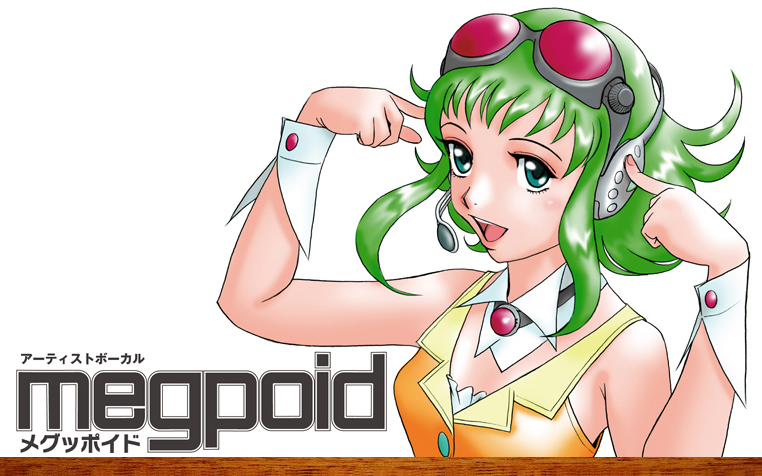
In-depth summary of GUMI (VOCALOID)
GUMI is a type and character of vocal sound source for voice synthesis software and desktop music (DTM) released by Internet, a company that develops and sells DTM and other software. It was created as a vocal sound source compatible with VOCALOID (commonly known as Vocaloid), a speech synthesis system developed by Yamaha. Its official name is "Megpoid" and GUMI is a nickname. Based on the voice of Megumi Nakajima, a voice actress and singer, GUMI was created with the aim of creating a "human-like voice.
Read Article

In-depth summary of v flower (VOCALOID)
v flower is a character and a type of vocal sound source for voice synthesis software and desktop music (DTM) released by GAINOID, a label that discovers and fosters the next generation of artists, mainly vocaloids. It was created as a vocal sound source compatible with VOCALOID (commonly known as Vocaloid), a speech synthesis system developed by Yamaha. The character's name is "flower. Her nickname is "flower-chan. It was created as a vocaloid with a powerful, neutral female voice specializing in rock. The provider of the voice is undisclosed.
Read Article

In-depth summary of Shigen Teto (VOCALOID, UTAU, Virtual Idol)
Kasane Teto is a virtual idol character that originated on "2channel," one of Japan's largest electronic bulletin boards, and a type and character of vocal sound source for voice synthesis software and desktop music (DTM) created based on the character. It is a derivative of the voice synthesizing software "VOCALOID" (commonly known as "vocaloid"), and was created as a free voice synthesizing software "UTAU" for singing. The voice is based on multi-creator Mayo Oyamano.
Read Article
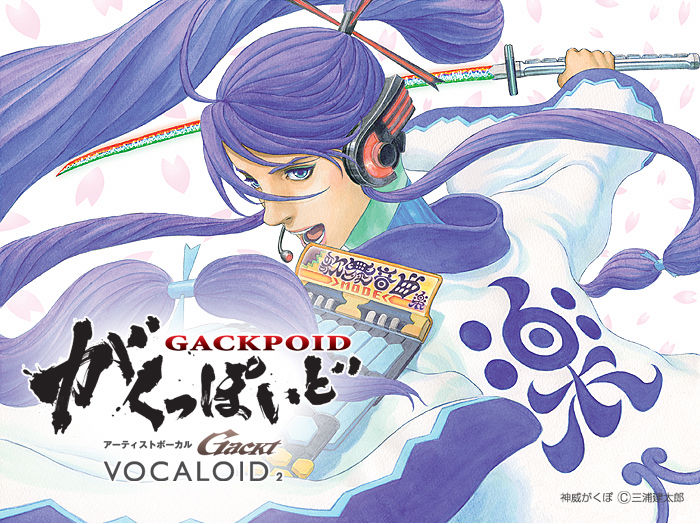
In-depth summary of Kamui Gakupo (VOCALOID)
Kamui Gakupo is a type and character of vocal sound source for voice synthesis software and desktop music (DTM) released by Internet, a company that develops and sells DTM and other software. It was created as a vocal sound source compatible with VOCALOID (commonly known as Vocaloid), a speech synthesis system developed by Yamaha. Its official name is "Gakudyokido. Kamui Gakupo is the name of the character. It was created based on the voice of singer GACKT (Gakuto). It is also the first vocaloid software and character created by an Internet company.
Read Article
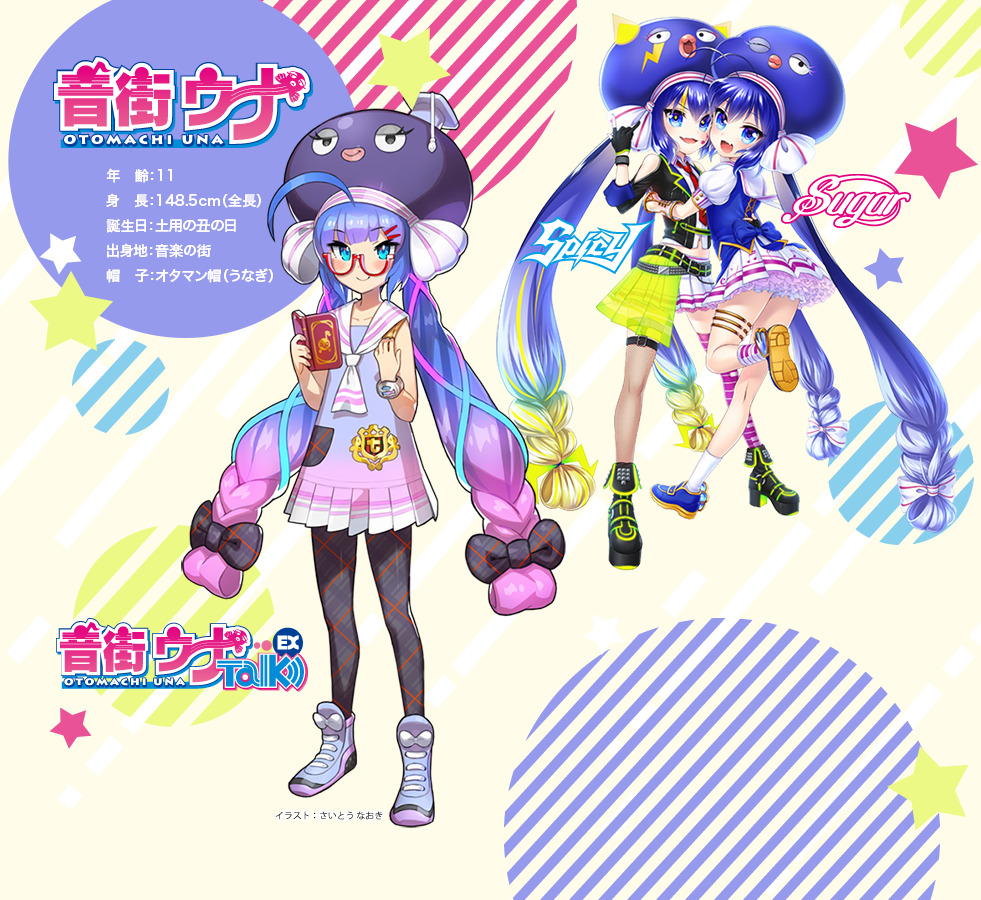
In-depth summary of OTOMACHI UNA (VOCALOID)
Una Otomachi is a character and a type of vocal sound source for voice synthesis software and desktop music (DTM), created by the CG and character design company "MTK" and published by "Internet" Inc. It was created as a vocal sound source compatible with Yamaha's VOCALOID (commonly known as Vocaloid) voice synthesis system. The voice was created based on the voice of voice actress Aimi Tanaka, and later software was developed for speech using "AITalk" developed by A.I. Corporation.
Read Article

In-depth summary of Yukari Yuzuki (VOCALOID)
Yukari Yuzuki is a type and character of vocal sound source for voice synthesis software and desktop music (DTM) produced and released by AH-Software, a company that develops and releases PC software planned by the VOCALOMAKETS, a VOCALOID production team comprised of vocaloid Ps. A vocal sound source and character for DTM (desktop music). The software is compatible with VOCALOID, a speech synthesis system developed by Yamaha Corporation, and AI Talk, developed by A.I. Corporation. The voice is by Chihiro Ishiguro, a voice actress.
Read Article
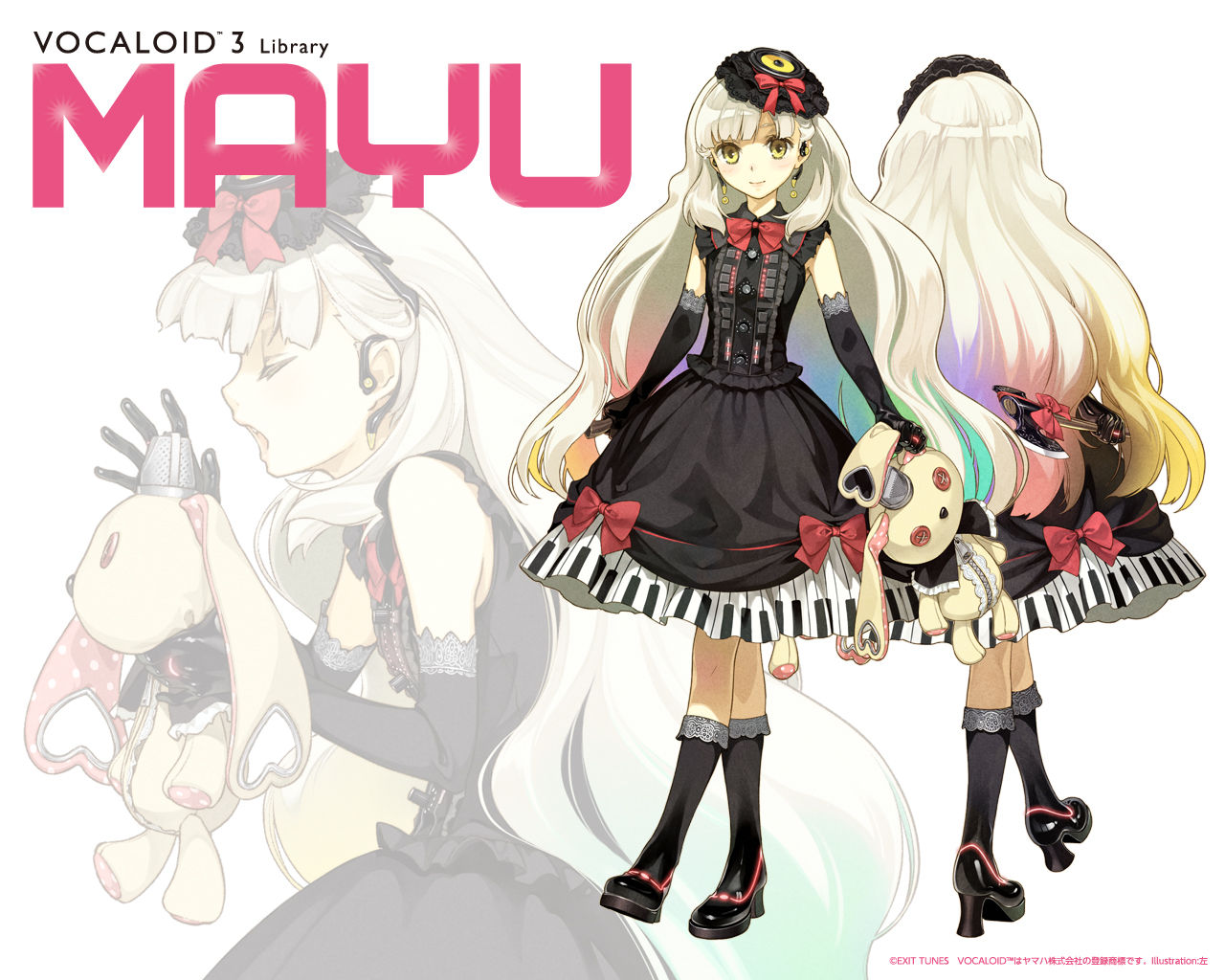
In-depth summary of MAYU (VOCALOID)
Mayu is a type of vocal sound source and character for the voice synthesizer software Desktop Music (DTM) released by EXIT TUNES, a music label operated by Pony Canyon Inc. It is the only vocal sound source and character released by EXIT TUNES.
Read Article

In-depth summary of Lily (VOCALOID)
Lily is a type and character of vocal sound source for voice synthesis software and desktop music (DTM) released by Internet, a company that develops and sells DTM and other software. It is a vocal sound source compatible with the VOCALOID (a.k.a. Vocaloid) voice synthesis system developed by Yamaha, and was originally created as the image character for the anime song cover album "anim.o.v.e." The voice is based on the voice of the music group "m.o.v.e.," which is a Japanese word for "animation. The voice is based on yuri, vocalist of the music group m.o.v.e.
Read Article

In-depth summary of Koharu Rokka (VOCALOID)
Koharu Rokka is a character created by "TOKYO6 ENTERTAINMENT," a joint venture company that plans and produces text-to-speech software with characters and produces and sells goods related to music, as part of its first "Character Project. The project was funded through crowdfunding. Funds were raised through crowdfunding, and the software was released as software compatible with both the speech creation software "CeVIO AI" and the singing voice synthesis software "SynthesizerV". The voice was based on the voice actor Yoshinoh Aoyama.
Read Article
How to start MMD & how to use it! Includes instructional videos and more for beginners! MikuMikuDance
MMD (MikuMikuDance) is a free 3DCG movie production tool developed by Masaru Higuchi aka "Higuchi M" and released free of charge on his website "VPVP (Vocaloid Promotion Video Project)". MMD is a free 3DCG movie production tool developed by Masaru Higuchi, a.k.a. "Higuchi M." and released for free on his website, VPVP (Vocaloid Promotion Video Project). This article is recommended for those who want to learn how to use MMD and contribute videos to Nico Nico Douga.
Read Article
Summary of how to modify MMD models! Let's make an original video! MikuMikuDance
This page summarizes how to modify MMD (MikuMikuDance) models. It includes information on how to add bones, change the color of a model, add facial expressions, and make a model glow. It also includes an explanation site for beginners.
Read Article
Summary of how to modify MMD models! A must-see for those who want to make their models look the way they want them to look! MikuMikuDance
Here is a collection of how to modify MMD models. We show you how to attach accessories, put on bunny ears, add tattoos, change clothes, and more. If you would like to customize the appearance of your models to your own liking and create your own original videos, please refer to this section.
Read Article

A compilation of recommended Vocalo Jazz songs! Includes 24 large-volume tracks! [JAZZ
There are various music genres in the world of Vocaloids, and this article introduces jazz music from among them. This article introduces 24 songs with music videos, including "Miracle Paint," "Gossip," and "Bathroom Garden," so those interested in vocaloid and jazz music should definitely check them out.
Read Article

VOCALOID Songs with Cherry Blossom Theme! 10 recommended songs that give you a sense of harmony! Cherry Blossom Season
A collection of Japanese-style VOCALOID songs with a cherry blossom theme. Listed here are 10 songs with a Japanese feel, including "Sakura no Season," a song about goodbye, and "Sakura Zensen Anomaly Nashi," a cool Japanese-style rock song. For each song, we will introduce the video of the original singer and the video link of the recommended singer.
Read Article

Have we reached the SEKAI NO OWARI of the music industry? VOCALOID "Fukase" is the real deal.
Hatsune Miku, Kagamine Rin-Rin, KAITO, and Megurine Luka...... have established themselves as "artists" in Japan and are growing in popularity, and it is said that Vocaloids will further enter the music industry through their activities as artists, including appearances in Kohaku Vocaloid has already established itself as an "artist" in Japan and is growing in popularity. In the midst of all this, that artist has become a Vocaloid. What does that mean? You may be thinking, "What does that mean?" But anyway, you will be surprised when you see the reference video.
Read Article

A compilation of inspiring Vocaloid songs [from Paprika and First Steps].
Here we have compiled a list of inspiring Vocaloid songs that will naturally bring tears to your eyes when you hear them. The songs range from covers such as "Paprika" by Yonezu Genshi and "Kimi no Shiranai Monogatari" by supercell to original songs such as "Ira" and "Hajime no Ippo kara".
Read Article

Summary of Recommended Vocaloid Songs [Hearing Impaired Boys Can't Beat It, Hibana].
This article compiles a list of recommended songs sung by Vocaloids. It focuses on songs sung by well-known characters such as Hatsune Miku, Kagamine Rin/Len, and Megurine Luka, which have been inducted into the Legendary and Hall of Fame. All are highly addictive masterpieces.
Read Article
![VOCALOID] 10 Songs for Valentine's Day - From sweet love songs to tragic love songs, we have it all! VOCALOID](https://renote.net/files/blobs/proxy/eyJfcmFpbHMiOnsiZGF0YSI6ODU1MDE5NywicHVyIjoiYmxvYl9pZCJ9fQ==--edf3fa103c7e5891b98b30a1091fe390db340f38/79466807%20(5).jpg)
VOCALOID] 10 Songs for Valentine's Day - From sweet love songs to tragic love songs, we have it all! VOCALOID
Here are 10 VOCALOID "Sing-Along Songs" recommended for Valentine's Day. These include "Chokomama☆Long," a popular song with cute lyrics and tune, "Koi Sou Enka Chokorei Horik," a rock-style Valentine's Day song, and "Jyoren Patisie," a song about a sad love story. From sweet and soothing to heartbreaking tragic love songs, there are plenty of songs to suit each mood and taste.
Read Article
Osomatsu-san x Vocaloid Movie Summary! Tear Gland Collapse & Goosebumps Can't Stop [with Story Tale Series Commentary]!
We have collected videos of the popular anime "Osomatsu-san" x Vocaloids. Including "Dokurinbo Envy," "Nakimushi Robo," "Jikkaku Mujiro," and "Yona Yona Yona," we introduce you to Vocaloid songs whose illustrations and the world of the songs are irresistible. Comments from Osomatsu-san fans are also included.
Read Article

Winter and Christmas Vocaloid Songs Summary [VOCALOID
Here we have compiled a list of winter- and Christmas-themed Vocaloid songs. Popular vocaloids such as Hatsune Miku, Megurine Luka, Kagamine Rin/Len, and Lily sing original songs and covers of famous Christmas songs. Listen to your favorite Vocaloid songs and get excited for Christmas.
Read Article
![Hatsune Miku] 10 Selected Songs! Great Vocaloid songs to listen to at Christmas! GUMI](https://renote.net/files/blobs/proxy/eyJfcmFpbHMiOnsiZGF0YSI6ODUzMjQ1MywicHVyIjoiYmxvYl9pZCJ9fQ==--aaa21f0470f96115cc2e367986afde42acdab054/205.jpg)
Hatsune Miku] 10 Selected Songs! Great Vocaloid songs to listen to at Christmas! GUMI
Merry Christmas! Whether you're feeling sad, lonely, or wistful, have a good night listening to Vocaloid Christmas songs! Let's spend a nice night listening to Vocaloid Christmas songs! We have carefully selected 10 recommended "I tried singing it" and "the original" songs to introduce. There are negative songs, sad songs, and warm songs, so we hope you find a Christmas song you can relate to.
Read Article
![VOCALOID] 10 Recommended VOCALOID Spring Songs [STEP TO YOU](https://renote.net/files/blobs/proxy/eyJfcmFpbHMiOnsiZGF0YSI6ODU2NDMzOCwicHVyIjoiYmxvYl9pZCJ9fQ==--d9b81f113fe49b3f4fe7d18f19aebf44dd61633b/12_101_l.jpg)
VOCALOID] 10 Recommended VOCALOID Spring Songs [STEP TO YOU
We have collected VOCALOID spring songs. We have compiled refreshing songs such as "STEP TO YOU," a famous song that is also available for karaoke distribution, and "Harurenochizakura," a song that makes you feel spring, which we hope you will listen to in this season of encounters and partings. We will introduce a total of 10 songs, the videos of the original singers and links to videos of recommended singers.
Read Article
![VOCALOID] 10 Recommended VOCALOID Graduation Songs [Sakura no Ame](https://renote.net/files/blobs/proxy/eyJfcmFpbHMiOnsiZGF0YSI6ODU2NDMzOSwicHVyIjoiYmxvYl9pZCJ9fQ==--75f877a97632c9b7342a22a4918081b62645f907/sg009_1376_1.jpg)
VOCALOID] 10 Recommended VOCALOID Graduation Songs [Sakura no Ame
We have compiled a list of recommended VOCALOID graduation songs. Listed here are 10 songs that you should pay attention to for their heart-wrenching lyrics, including "Sakura no Ame," which is also sung at graduation ceremonies. Here are the original videos of popular VOCALOID songs, as well as video links to recommended singers.
Read Article

Summary of tags for VOCALOID songs
We have compiled a list of unique tags that are attached to songs using VOCALOID. VOCALOID tags such as "Kira Kira Pop," "Menhera Rock," "VOCALOID Rock," "VOCALOID Metal," "VOCALOID Grunge," and "Baka Rock" are all creative and interesting.
Read Article

VOCALOID Hatsune Miku's Cute Wallpapers and Illustrations! Over 1200 pictures!
Here's a collection of Miku's cutest wallpaper and illustration images! Hatsune Miku is a vocal sound source and character for voice synthesis and desktop music released by Crypton Future Media. She is 16 years old, 158 cm tall, and weighs 42 kg.
Read Article
The transformation of the characters who have become Japanese ▶︎Chinese
Japan's most popular anime and manga are often parodied and imitated because of the attention they attract. In China, as you all know, these characters have been transformed into extraordinary-looking characters and taken down. In this article, we will take a look at some of the Chineseized Japanese characters that have undergone such a transformation.
Read Article
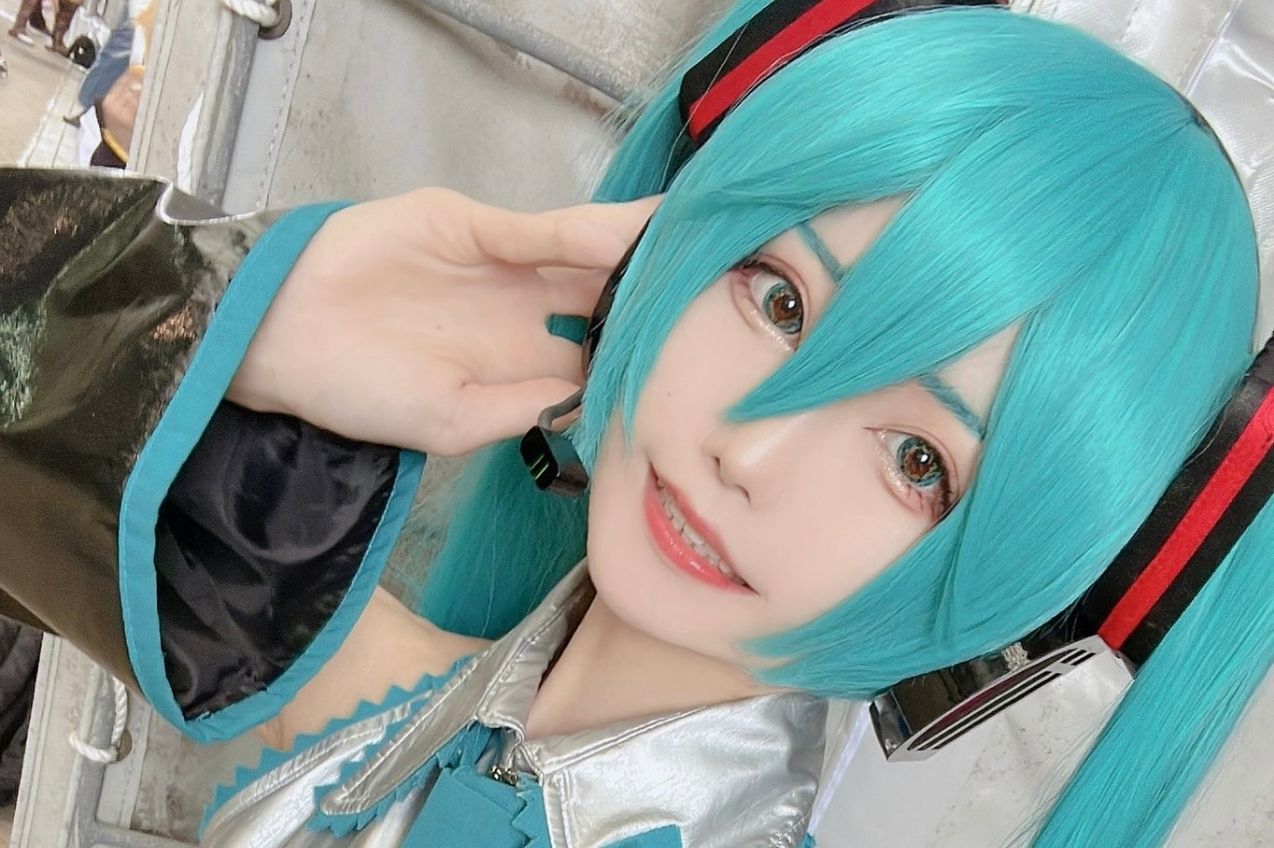
Sexy and beautiful cosplay images compilation
Here we have compiled images of sexy and beautiful cosplay. In addition to characters from popular works such as Hatsune Miku, "Neon Genesis Evangelion," and "Hell Girl," the site also features beautiful women in a variety of costumes, including cats, rabbits, Japanese goth, sweet lolita, and gothic lolita.
Read Article
![Hatsune Miku] Not Only "DIVA"! Summary of games featuring Hatsune Miku [Vocaloid](https://renote.net/files/blobs/proxy/eyJfcmFpbHMiOnsiZGF0YSI6Mjg4MTEsInB1ciI6ImJsb2JfaWQifX0=--6dffb3c9d98786b81ec19555a08903c95f3d026f/001.jpg)
Hatsune Miku] Not Only "DIVA"! Summary of games featuring Hatsune Miku [Vocaloid
Hatsune Miku is a well-known Vocaloid, and her popularity has led to a variety of media mixes. This summary introduces game productions based on the theme of Hatsune Miku and other vocaloid characters.
Read Article

Hatsune Miku Derivative Character + Goods Summary
Miku Hatsune, our diva of song, has recently come in a variety of forms. Her popularity has been so great that she has been adapted into goods, animated cartoons, and even made its way to overseas markets. In this issue, we have compiled a list of characters derived from Miku Hatsune, along with their cute goods. Who is your favorite Miku character?
Read Article
Tags
Contents
- Overview of MEIKO
- History of MEIKO
- 2004: MEIKO was born.
- In 2007, "Hatsune Miku" sparked the first Pokaro boom
- 2014: The First Follow-On Software in 10 Years
- MEIKO's Expanding Media Presence
- List of MEIKO software
- MEIKO
- MEIKO V3
- History of MEIKO activities
- THE VOC@LOiD M@STER
- Hatsune Miku Live Party
- Miku's Thanksgiving Day
- Magical Mirai
- HATSUNE MIKU EXPO/HATSUNE MIKU EXPO 2016 JAPAN TOUR
- Hatsune Miku Symphony
- SNOW MIKU
- 15th Anniversary of MEIKO's Birth ~ Fleur Rouge ~
- MEIKO 15th Anniversary
- Profile and personality of MEIKO
- Meiko discography
- "EXIT TUNES Vocalo" combination series
- "EXIT TUNES PRESENTS Vocalostar feat. Hatsune Miku"
- "EXIT TUNES PRESENTS Vocalogenesis feat. Hatsune Miku"
- "EXIT TUNES PRESENTS Vocaloanthems feat. Hatsune Miku"
- "EXIT TUNES PRESENTS Vocalonexus feat. Hatsune Miku"
- "EXIT TUNES PRESENTS Vocalonation feat. Hatsune Miku"
- "EXIT TUNES PRESENTS Vocalocluster feat. Hatsune Miku"
- "EXIT TUNES PRESENTS Vocalodream feat. Hatsune Miku"
- "EXIT TUNES PRESENTS Vocaloconnection feat. Hatsune Miku"
- "EXIT TUNES PRESENTS Vocalosensation feat. Hatsune Miku"
- "EXIT TUNES PRESENTS Vocalofuture feat. Hatsune Miku"
- "EXIT TUNES PRESENTS Vocalospace feat. Hatsune Miku"
- "EXIT TUNES PRESENTS Vocalofantasy feat. Hatsune Miku"
- "EXIT TUNES PRESENTS Vocalocreation feat. Hatsune Miku"
- "EXIT TUNES PRESENTS Vocaloseasons feat. Hatsune Miku Autumn"
- "EXIT TUNES PRESENTS Vocaloseasons feat. Hatsune Miku Winter"
- "EXIT TUNES PRESENTS Vocaloseasons feat. Hatsune Miku Spring"
- "EXIT TUNES PRESENTS Vocaloseasons feat. Hatsune Miku Summer"
- "EXIT TUNES PRESENTS Vocalostream feat. Hatsune Miku"
- "EXIT TUNES PRESENTS Meikonic feat. MEIKO"
- "Cinnamon Philosophy"
- "Hatsune Miku -Project DIVA - Original Song Collection" series
- "Hatsune Miku -Project DIVA - 2nd NONSTOP MIX COLLECTION"
- "Hatsune Miku -Project DIVA-extend Complete Collection -"
- Meiko's signature songs
- Bannagi
- CRASH! CRASH!
- Yūyami no Satsume Uta
- MEIKO music video (MV/PV)
- 悪食 Musume Conchita
- Nostalogic
- Resonance between you and me
- MEIKO's Inside Stories, Trivia, and Small Stories / Episodes and Anecdotes
- MEIKO recognized as a "sake lover"
- It was the jingle from the radio show "Hikaru Ijuin: The Power of Midnight Madness."