
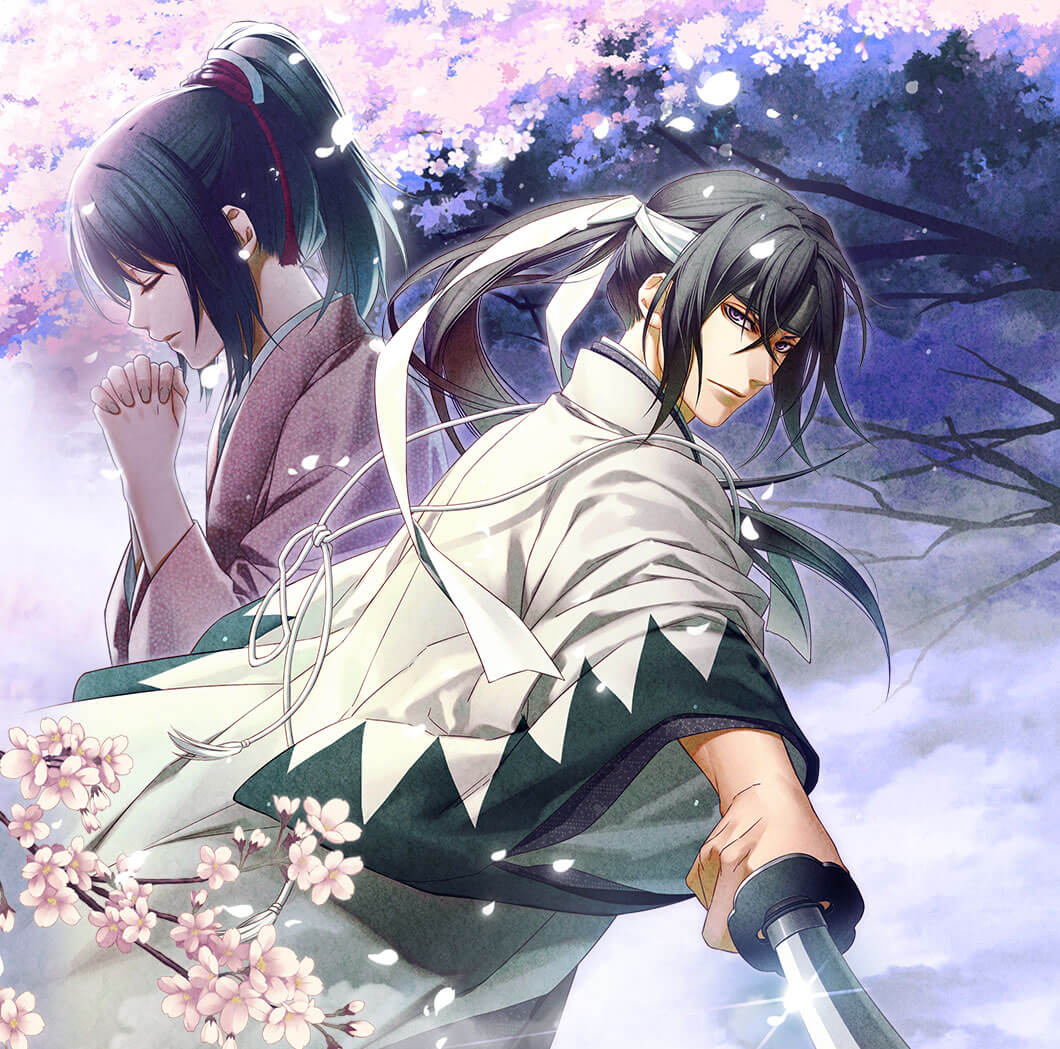
Hakuouki" is an otome game series released by Otomate, a video game brand for women. The story is based on the real-life Shinsengumi roshi troop. The game is a historical romance adventure game about a group of ronin who fought through the turbulent "Bakumatsu" period. In addition to many follow-up series, a Switch remake "Hakuouki Shinpai Fuukaden" has been released, and the game has been developed into novels, anime, movies, OVA, stage performances, musicals, and various other media, making it a popular title representing the otome game world.
We have compiled a list of sacred places associated with the popular game "Hakuouki" and the "Shinsengumi".
Overview of Hakuoki
"Hakuoki" is a series of women's games released by "Otomeit", a women's game brand jointly established by Idea Factory, a game maker, and Design Factory Co., Ltd., which produces game graphics. On September 18, 2008, the first series, "Hakuoki 〜 Shinsen-gumi Kitan 〜" was released. Since then, in addition to the subsequent series that inherited the world view, the Switch remake "Hakuoki Shinkai Fuka Den" and fan discs have been released. In addition, it is a popular women's game that has been developed in various media such as novels, animations, movies, OVAs, stages, and musicals.
The story begins in 1863, at the end of the Edo period, in Kyōto. The main character, Chizuru SESSON, came to Kyōto from Edo looking for his lost father, Tsunamichi. Tsunamichi worked as a Ranpoi in Kyōto, but one day he suddenly lost contact with Sakai. Chizuru became worried and headed to Kyōto alone. However, in those days, it was not a very safe place for a woman to travel alone. So Chizuru dressed as a man and headed to the town of Kyōto. Chizuru arrived in Kyōto safely, but the people waiting for her were members of the Shinsen-gumi (Tokugawa Shogunate police force) who were sucking human blood.
Shinsen-gumi was a group of roshi (masterless samurai who had no master to serve) formed to protect the security of Kyoto. Chizuru was stunned by the shocking sight of them sucking blood, but the members of the group attacked Chizuru to suck his blood. However, it was also the members of Shinsen-gumi who helped him. Chizuru was saved by the deputy commander of Shinsen-gumi, Toshizo HIJIKATA, and the members led by Toshizo, and had to live under the supervision of them because he found out the secret of Shinsen-gumi. However, Chizuru found out that his father, Tsunamichi, was deeply involved in the secret of Shinsen-gumi, and he followed the whereabouts of Tsunamichi together with Shinsen-gumi.
"Hakuoki" is a romance adventure game at the end of the Edo period that follows the actual history of Shinsen-gumi and also develops a unique story as a otome game. The stage in the movie is a real place. I will summarize "Hakuoki" and the holy land related to Shinsen-gumi that is the subject of the game.
Holy land of Hakuoki
' Nijo-jo Castle' guarded by Shinsen-gumi when Shogun' Tokugawa Iemochi' went to Kyoto
In February 1863, Iemochi TOKUGAWA, the 14th Shogun of the Edo bakufu (Japanese feudal government headed by a shogun), came to Kyoto (to enter Kyoto). The shogunate was looking for a roshi-gumi (masterless samurai group) to guard Iemochi, and the school of martial arts called' Tennen Rishin-ryu' and its head Isami KONDO applied, which led to the birth of' Shinsen-gumi' (at the time of its establishment, it was called' Mibu Roshi-gumi').
It is said that when Shogun Iemochi TOKUGAWA went to Kyoto, the members of the Tennenrishin-ryu School led by Isami KONDO guarded' Nijo-jo Castle,' a castle built on a plain in the city of Kyoto City.
Nijo Castle was built in 1603 (Keicho 8) as a place for Ieyasu Tokugawa, the first Shogun of the Edo Shogunate, to stay when the Shogun went to Kyoto. There was also the Kyoto Gosho, where the Emperor lived, in Kyoto at that time. It was also built to protect the Kyoto Gosho. When the Shogun was absent, it seems to have been protected by the samurai "Nijo Zaiban" dispatched from Edo.
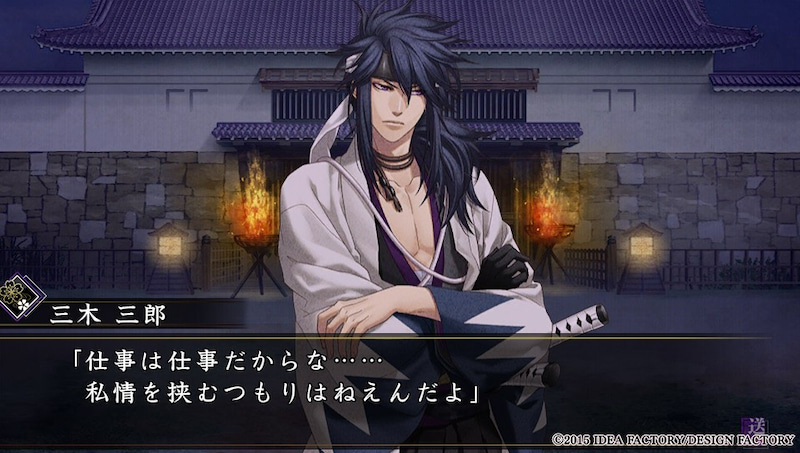
The castle gate (the gate behind the characters) of' Nijo-jo Castle,' which appeared in "Hakuoki Shinkai Fuka Den."
In April 1999, it was registered as a World Heritage Site as a cultural asset, and it is the place where Shinsen-gumi started, and at the same time, it is a sightseeing spot representing the ancient capital of Kyoto.
In the main part of "Hakuoki," Chikage KAZAMA and his subordinates, who knew the secret of the birth of Chizuru SESSON, the main character, made an appearance in front of Shinsen-gumi.
Shinsen-gumi quarters' Maekawa Residence' and' Yagi Residence'
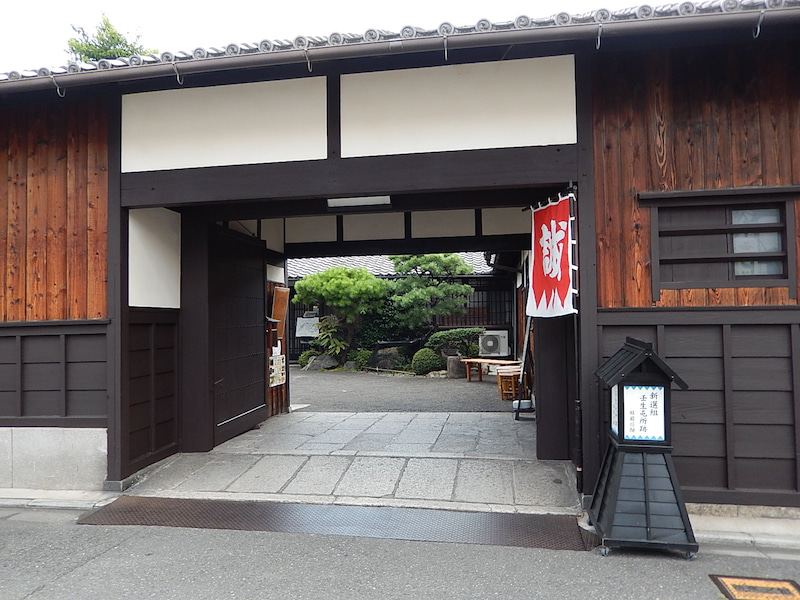
The gate of' Maekawa Tei' (currently the former Maekawa Tei), one of the Shinsen-gumi post offices.
When Shinsen-gumi carried out its activities in Kyoto, it was required to secure' Tonsho' as a base for its activities.
As a result, they succeeded in building a base in the form of lodging in four places,' Maekawa-tei,' which was close to Nijo-jo Castle,' Yagi-tei,'' Nanbu-tei,' and' 新徳 Zen-ji Temple.'
Except for the Nanbu residence, three of them still exist even after the end of the Edo period, and among them, the Maekawa residence and the Yagi residence are famous holy places among Shinsen-gumi fans.
The Maekawa residence, which was the center of the four quarters, was used by the Shinsen-gumi as a residence for the shogun Iemochi Tokugawa when he went to Kyoto as a mere "roshi-gumi." In the third year of the Bunkyu era, the people of the Maekawa family were working as "kakeya" who exchanged the annual rice tax and commercial crops sent from the domains in various places for money and sent it to the feudal lords. They were also in charge of the receipts and disbursements of public money for the Imperial Palace and Shoshidai (the person in charge of public security in Kyoto), the management of funds for the Bugyo-sho (magistrate's office), and various other public offices, and as a result, the family was highly trusted by officials such as Shoshidai and Bugyo-sho (the office where the bugyonin (magistrate) in charge of government affairs worked) was in charge, and the family was also familiar with the situation in the city. It is said that this was the reason why the residence was chosen as the residence for the roshi-gumi
Later, the Roshi-gumi changed its name to' Mibu-Roshi-gumi' and began operating as a Roshi-gumi of Oazukari of the Aizu Domain, and as a result, the Maekawa residence became the base of Mibu-Roshi-gumi activities. As a result, the residents of the Maekawa family were forced to evacuate to the money exchange shop of the head family of the Maekawa family located in Rokkaku, Aburanokoji, Kyoto at that time.
After the Meiji period, after going through various processes, people have been living there as ordinary residences. The inside cannot be seen, but it seems that original goods of the former Maekawa residence and goods related to Shinsen-gumi are sold only from 10:00 to 17:00 on weekends and, Sundays and national holidays at the "entrance" used by Shinsen-gumi as a back gate at that time.
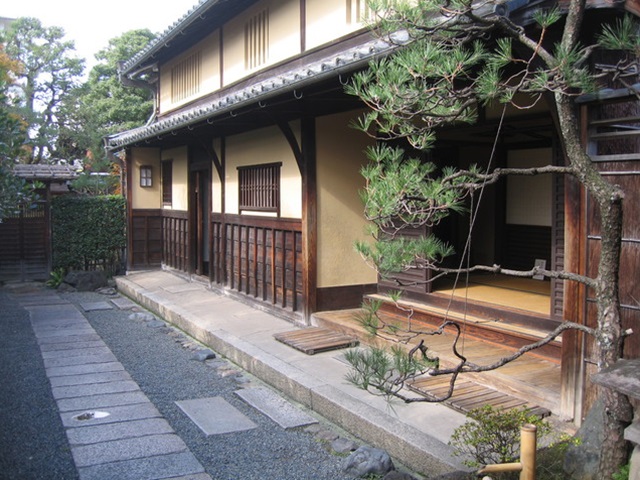
The back gate of "Yagi House".
The Yagi residence is located in what is now Mibu, Nakagyo Ward, Kyoto City, and is also known as the "Site of the Mibu Headquarters."
The former residence of the Yagi family, which is said to be the oldest family in the village "Mibu Village" and to have served as an elder. There is a sword wound on the pillar which is a trace of Shinsen-gumi's activities, and it is a residence where you can clearly feel the existence of them.
On June 1, 1983, it was designated as a tangible cultural property of Kyoto City.
In the "Hakuoki," it appears as a post where Chizuru SESSON and members of Shinsen-gumi live together.
Art of War Chorenba of Shinsen-gumi,' Mibu-dera Temple'
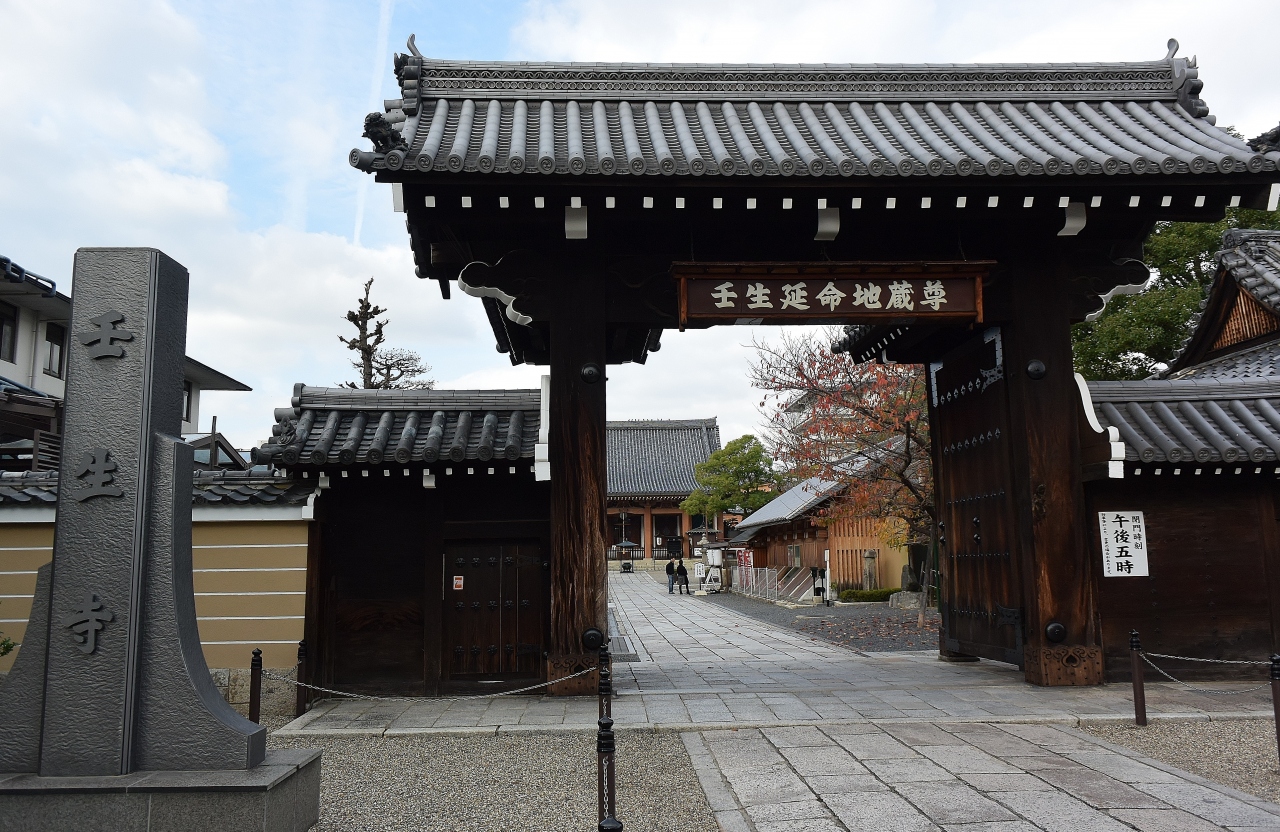
Mibu-dera Temple is located near the Yagi residence. The temple is said to have been founded by Engaku Shonin, who restored the temple during the Kamakura period, to pass down the Mibu-Dainembutsu-Kyogen.
It is said that Isami KONDO, the leader of Shinsen-gumi, and Serizawa Kamo, the first head of Shinsen-gumi, were stationed there, and they were also used as Heiho Chorenba of Shinsen-gumi. It seems that they were trained in martial arts, cannons, and various martial arts. In addition, there are many anecdotes about Shinsen-gumi such as that Okita Soji, the leader of Ichiban-tai (first squad), played with children in the precincts, that all the members watched Mibu-Dainembutsu-Kyogen, and that they organized a sumo tournament and served sumo wrestlers dishes using fish from the Hojo Pond (Japanese mountain asceticism-shamanism incorporating Shinto and Buddhist concepts) and Suppon.
There is also a Shinsen-gumi gravestone called' Mibuzuka' in the precincts.
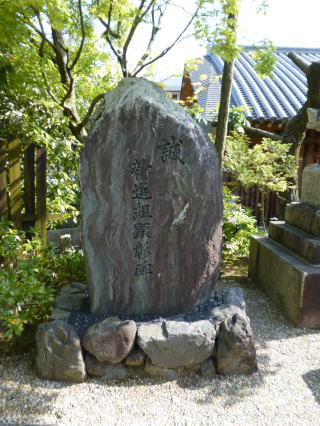
It is one of the "Mibuzuka" in the precincts of "Mibu-dera Temple".
There are several tombstones called "Mibuzuka" in the precincts of Mibu-dera Temple, which were built by surviving members of Shinsen-gumi and their families after the end of the Edo period.
On July 16 every year, the "Shinsen-gumi Tsuchi Memorial Service" is held. It is said that many Shinsen-gumi fans visit there to pray for the freedom to participate.
' Ikeda-ya Trace,' the site of the' Ikedaya Incident,' which was the representative incident of Shinsen-gumi
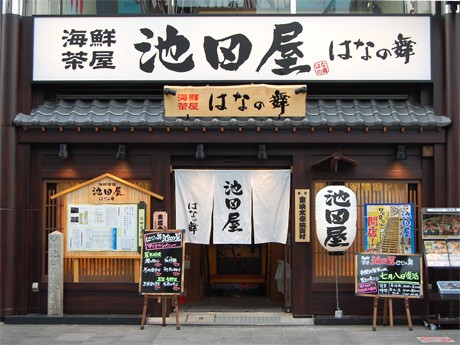
"Hana-no-Mai" in Ikeda-ya Trace
On June 5, 1864, the' Ikedaya Incident,' a major incident that left a big name in the history of Shinsen-gumi, occurred.
The Ikedaya Incident was an incident in which the Shinsen-gumi fought against the Joi Roshi (masterless samurai) of the anti-shogunate faction. As a result of torturing the Joi Roshi captured by the Shinsen-gumi, they found out that they were going to execute a member coup against the shogunate, and in order to stop it, they boarded the Joi Roshi who were discussing the coup. The place where they boarded at that time was Ikedaya, which was an inn at that time.
The Ikedaya Incident is said to have caused the death of many excellent Ishin no shishi (royalists of the Meiji Restoration), and it became a big incident that was described as' an incident that delayed the Meiji Restoration for several years.'
In the main part of "Hakuoki," the story also diverges greatly, and the individual route (the story route dedicated to the target) to be taken depends largely on what action Chizuru SESSON takes during this incident.
After the actual Ikedaya Incident, the Ikedaya Inn where the incident took place stopped operating and closed its business. However, after that, various shops continued to be built in the place, and finally, it seems to have settled down as an izakaya.
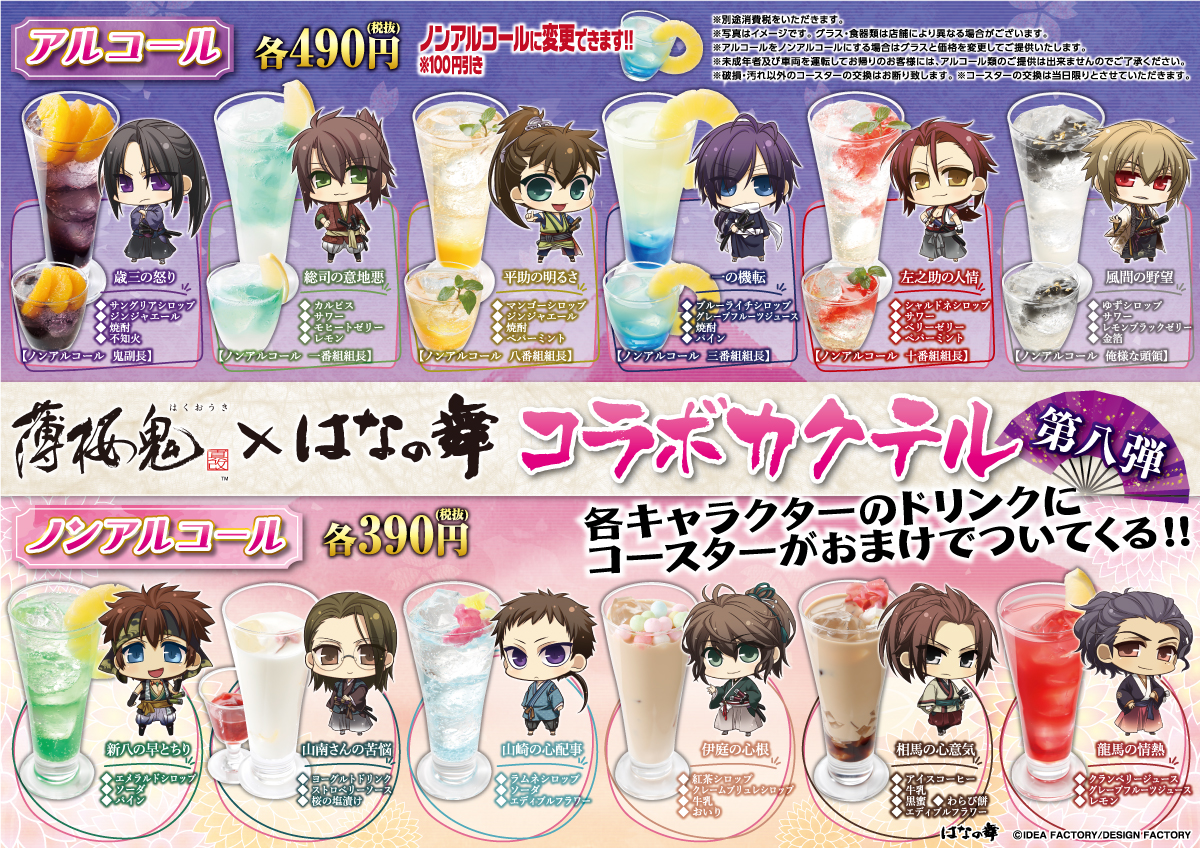
This is the menu for the eighth collaboration cocktail between "Hana-no-Mai" and "Hakuoki".
There are also special cocktails made in collaboration with "Hakuoki." This collaboration seems to be taking place on a regular basis.
Not only Shinsen-gumi, but also fans of "Hakuoki" can enjoy this bar.
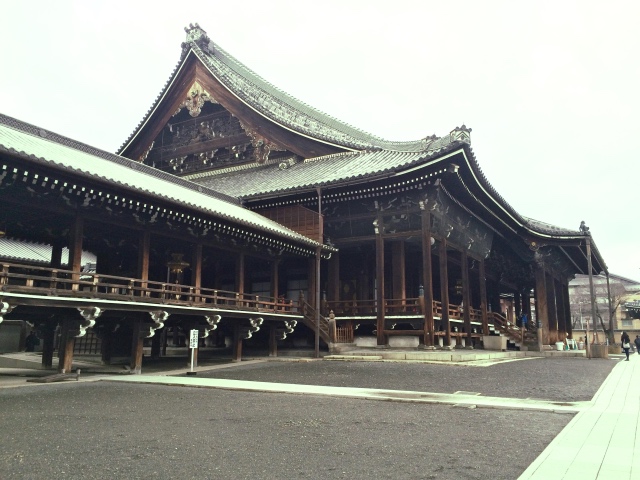
Shinsen-gumi, the second post' Nishi Hongan-ji Temple'

Related Articles
Spoiler commentary and discussion of Hakuouki (game and anime)
A TV anime that aired from April 2010. It is based on the romance adventure game "Hakuouki: Shinsengumi Kitan. The main anime (featuring the same main character) was broadcast separately as the first season "Hakuouki" and the second season "Hakuouki: Heki Bokuroku". The year is Bunkyu 3, the end of the Edo period. The main character "Chizuru Yukimura" disguises herself as a man and visits the city of Kyoto to search for her father. There she has a fateful encounter with the Shinsengumi. The Shinsengumi and Chizuru. Together they run through the turbulent times.
Read Article
Hakuouki MAD Summary
A romance adventure game for women released by Idea Factory (Otomate) on September 18, 2008. Here is a compilation of its MAD. (Spoiler alert!!!!)
Read Article
Summary of characters and historical models of Hakuouki
Hakuouki" is an otome game series released by Otomate, a game maker and brand for women. Based on the historical facts of the "Shinsengumi," a group of ronin who actually existed at the end of the Tokugawa shogunate, the series is supported by a wide range of audiences, from otome game fans to women who love history, thanks to its meticulously crafted story background. In addition to many follow-up works, the series has been developed into novelizations, animations, movies, OVAs, stages, musicals, and various other media. The following is a summary of the people who served as models for the characters who appear in "Hakuouki.
Read Article
Summary of back stories, trivia, small stories/episodes and anecdotes of Hakuouki
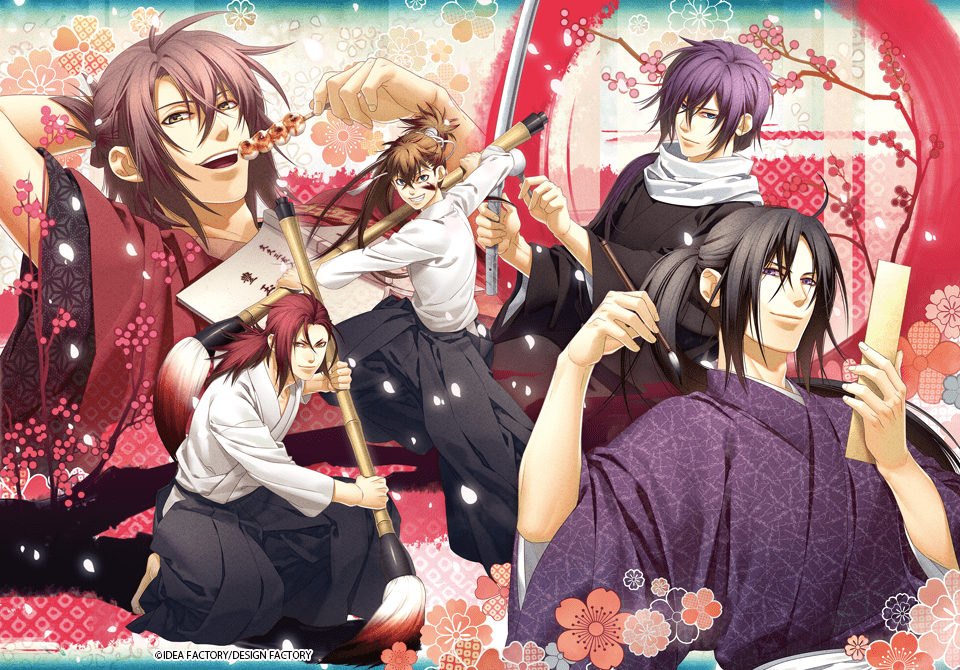
Hakuouki" is an otome game series released by Otomate, a video game brand for women. The story is based on the real-life Shinsengumi roshi troop. The game is a historical romance adventure game about a group of ronin who fought through the turbulent "Bakumatsu" period. In addition to many follow-up series, this popular title has been developed in a variety of media, including the Switch remake "Hakuouki Shinpai Fuukaden," novels, anime, movies, OVA, stage performances, and musicals. We have compiled a list of behind-the-scenes stories, trivia, small stories/episodes, and anecdotes related to the popular otome game "Hakuouki".
Read Article
Fudoshi girls obsessed with "virtual boyfriends" were publicly executed on Fuji TV's "Mr. Sunday"! Summary of SNS reactions
Fuji Television's "Mr. Sunday" aired on October 14, 2012, and featured a special program about women who are obsessed with two-dimensional boyfriends. In the program, various manga and anime works for rotten girls were introduced. Here is a collection of reactions and interesting tweets from the fujoshi who watched "Mr. Sunday".
Read Article
A compilation of manga and anime characters modeled on historical figures! Isamu Kondo, etc.
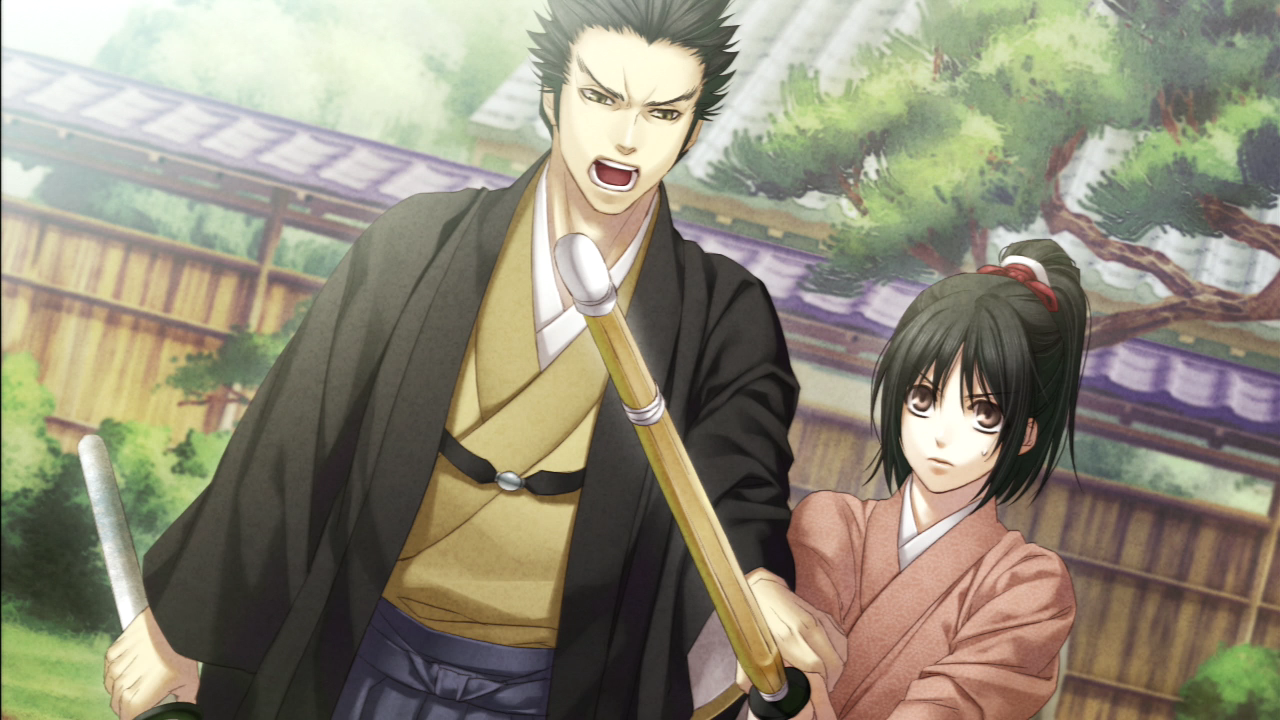
Here we have compiled a list of anime and manga characters based on historical figures, grouped by character. Famous characters such as Kondo Isamu and Hijikata Toshizo appear in several works. Characters from popular works such as "Hakuouki," "Gintama," and "Rurouni Kenshin" are also listed.
Read Article
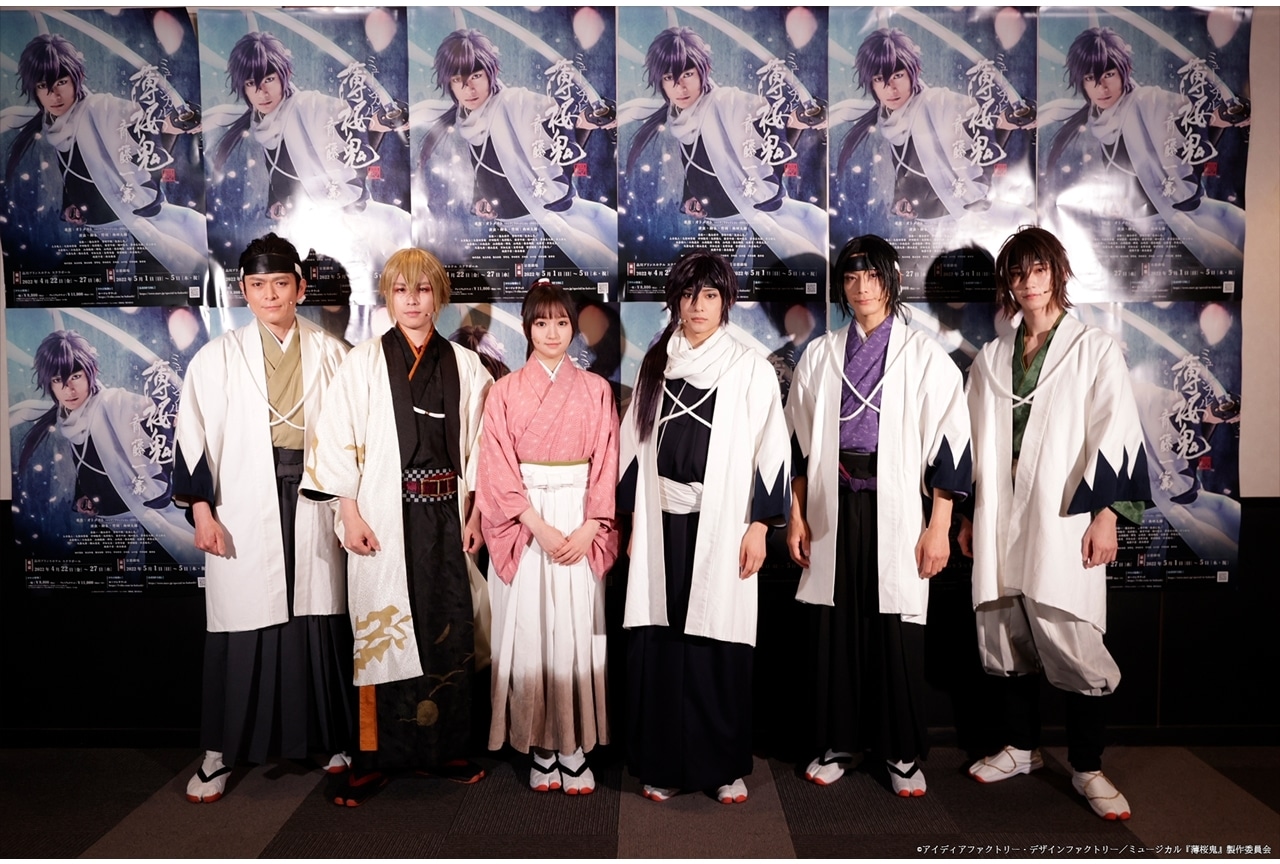
Introducing the musical version of "Hakuouki" cast of Saito, Okita, Hijikata, Kazama, and Todo in the past! In-depth explanation of Reimei, SSL, and Kitan!
The musical version of "Hakuouki: Shinsengumi Kitan" introduces the previous cast members. Set at the end of the Edo period, this work depicts a girl with demon blood who gets involved with the swordsmen of the Shinsengumi and becomes entangled in her own destiny, and is extremely popular, especially among women.
Read Article
![Hakuouki] The charm of "Kazama Chikage," a hidden target character [Shinsengumi Kitan].](https://renote.net/files/blobs/proxy/eyJfcmFpbHMiOnsiZGF0YSI6Mzc1MTUsInB1ciI6ImJsb2JfaWQifX0=--b244661faa50e4ff95c59962525d747c2da9186b/icon_kazama.jpg)
Hakuouki] The charm of "Kazama Chikage," a hidden target character [Shinsengumi Kitan].
This is a brief introduction to Hakuouki and a step-by-step introduction to "Chikage Kazama," a hidden target character in the work. He repeatedly attacks the Shinsengumi in an attempt to take the protagonist as his wife, but he also shows his loyal side, such as "I will keep my promise once I made it.
Read Article
Tags
Contents
- Overview of Hakuoki
- Holy land of Hakuoki
- ' Nijo-jo Castle' guarded by Shinsen-gumi when Shogun' Tokugawa Iemochi' went to Kyoto
- Shinsen-gumi quarters' Maekawa Residence' and' Yagi Residence'
- Art of War Chorenba of Shinsen-gumi,' Mibu-dera Temple'
- ' Ikeda-ya Trace,' the site of the' Ikedaya Incident,' which was the representative incident of Shinsen-gumi
- Shinsen-gumi, the second post' Nishi Hongan-ji Temple'
- Hijikata Toshizo, Shinsen-gumi Vice Commander,' Jihi' (monument) built at the place of his death
- Kadoya, a Japanese-style restaurant frequented by Shinsen-gumi, was also used as a banquet room for musicals.