
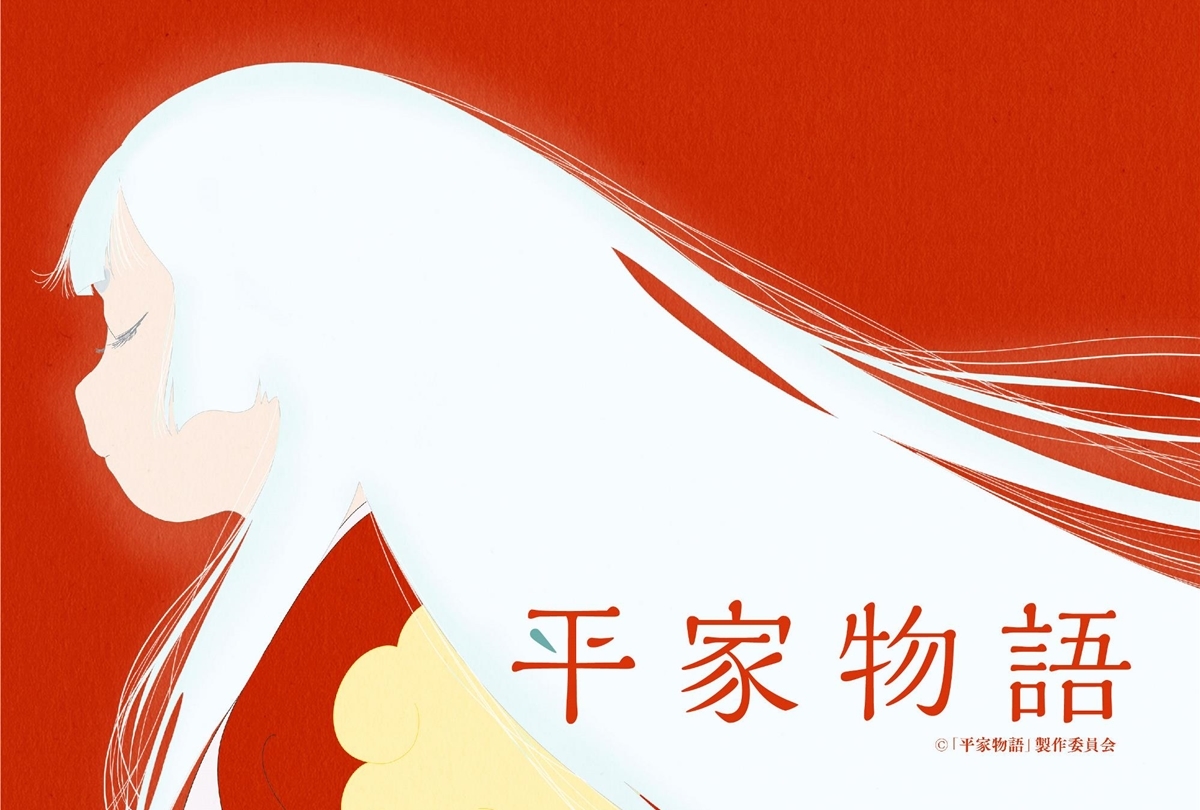
Heike Monogatari" is a TV animation produced by Science SARU and broadcast from January 2022, based on a modern translation by Hideo Furukawa of "The Tale of the Heike," a military chronicle from the Kamakura period. Biwa, a biwa priestess who is the narrator of the story, is set as the main character as an original anime character. Biwa, the daughter of a biwa master with the power to see the future, comes to live in the Heike family mansion and observes the rise and fall of the dying family with her own eyes. Centered on Biwa's interaction with the people of the Heike clan, the film tells the story of a group of people who lived their lives to the fullest, despite being tossed about by the times.
Toryo (master builder)
The term Toryo is often used today to mean' Oyakata of Daiku,' but it originally referred to the Mune and Hari, which are the main parts of the roof of a building. Since the Mune and Hari are the highest and most important parts of a building, they are sometimes used to refer to an important person in an organization such as the state. In the 10th and 11th centuries, when samurai appeared, the term "Buke no Toryo" spread.
Sessho (regent)
In general, Sessho in the history of Japan is defined as taking charge of government affairs on behalf of the Emperor by receiving an Imperial command from the Emperor, or as his or her post.
Shirabyoshi (Shirabii)
It refers to a kind of utamai (singing and dancing) that occurred from the end of the Heian period to the Kamakura period, and also refers to the performers who performed it. In addition, yujo () and children dressed in men's clothes often danced while singing imayo (traditional Japanese music performed by male actors) or roei (recitation of a Japanese poem).
Direct petition
After the mid-Heian period, sohei (armed priests) and jinin (associates of Shinto shrines) showed off the authority of Butsujin (the Buddha god) and made collective appeals and demands to the Imperial Court and the bakufu (Japanese feudal government headed by a shogun), and in the Edo period, farmers demanded reduction and exemption of nengu (land tax) from feudal lords. Kofuku-ji Temple and Enryaku-ji Temple on Mt. Hiei, which were ranked with' Nanto Hokurei,' were regular goso (direct petitions); Kofuku-ji Temple held the sacred tree of Kasuga-taisha Shrine (Kasuga-Kinoki) and Enryaku-ji Temple held the' divine power' of mikoshi (portable shrine) of Hiyoshi-taisha Shrine and pushed them to the dairi (Imperial Palace) in Kyoto to make a demand, and when the demand did not pass, they left the sacred tree and mikoshi in front of the gate of the Imperial Palace to virtually stop
Pardon (Onsha)
It refers to a system in which all or part of the state's punitive authority is extinguished or reduced by administrative authority (or legislative authority).
Ryoji
A document issued under the ritsuryo system (a system of centralized government based on the ritsuryo code) to convey the orders of the Crown Prince and the Three Empresses (Grand Empress Dowager, Empress Dowager, and Empress). After the mid-Heian period, in addition to the Crown Prince and the Three Empresses, orders of the Imperial family such as the Nyoin (the Retired Emperor's Office) and the Imperial Prince (the Empress) came to be called ryoji.' Ryoji of Prince Mochihito' was issued by Prince Mochihito, who was neither the Crown Prince nor the Imperial Prince, in order to enhance the legitimacy of the orders, while defying the title of Imperial Prince.
Saeda no Fue
Another name is Aoba no Fue. This flute is said to have been treasured by Taira no Atsumori. When Kobo Daishi was in Tang, he made it at Shoryuji Temple. It had a mysterious green leaf growing on it. When he came back to Japan, he presented it to Emperor Saga. It was later handed down to the Taira family and became Atsumori's. Kumagai Naozane who killed Atsumori brought it back to Suma-dera with his head and it is said to have been handed down to the present day.
Words, lines, scenes and scenes of "Heike Monogatari"
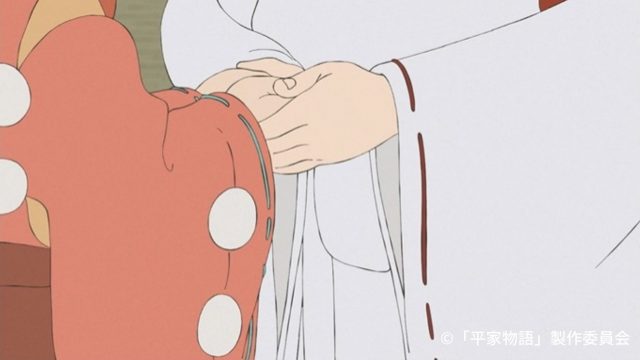
Loquat "Someday is a good word. Tomorrow, the day after tomorrow. I'm looking forward to the future a little."
Source: fugaofftime.com
The loquats look forward to seeing Gio again.
The words that Biwa said when Gio asked Kiyomori to speak to Hotoke Gozen, whom he loved instead of Gio, instead of him. Biwa was told by her mother in Shirabyoshi, "I'm sure we'll see each other someday," and she murmured happily, "Someday is a good word. Tomorrow, the day after tomorrow. I'm looking forward to the future a little bit." Biwa, who sees the future, was living with the Taira family, which was destined to be destroyed, but she was afraid of the future. When she parted from Gio, she said, "This time again," to Biwa, who said, "This time again, nice words," and smiled softly. This is the exchange of feeling the calm, relaxed and warm temperature of daily life of Biwa. Gio
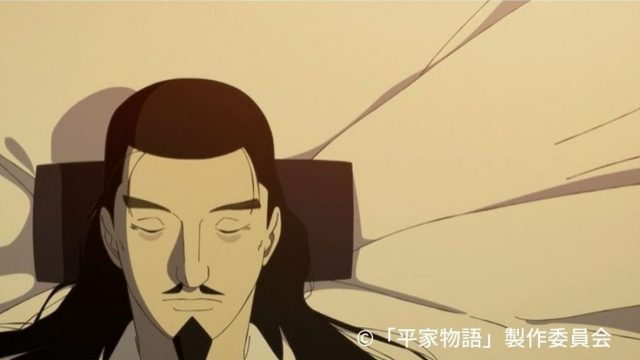
Taira-no Shigemori said,' I have involved you. You are going to be ruined by the family called Heike.'
Source: fugaofftime.com
Shigemori listens to the sound of the biwa at the end.
When Shigemori was in critical condition, Shigemori called a biwa and apologized, saying,' I'm sorry.' Then, he said,' I got you involved. It's going to ruin, for the family called the Taira family.' Shigemori was a hard-working person who worked hard to get rid of Kiyomori's tyranny and was deeply trusted by the Cloistered Emperor Goshirakawa. He was different from himself who saw the dead, but he was telling everything to the biwa who saw the future. He fell just as he was beginning to see the decline of the Taira family's glory, so he felt sorry for inviting the biwa to the Taira family. Shigemori asked the biwa to play the biwa in the end and passed away in the sound. The biwa held on to the body of Shigemori and cried.
Taira no Tokuko "I want to think that the world is not just painful. So I forgive, forgive, forgive."
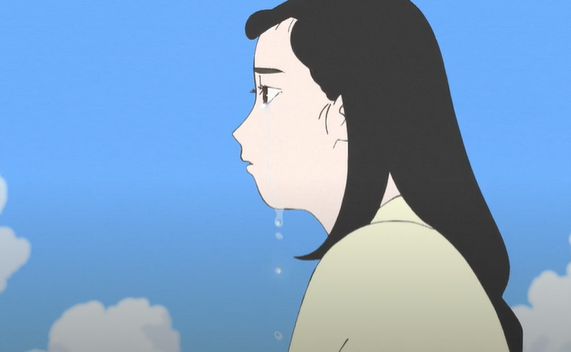
Tokuko talking to a loquat and running tears.
Tokuko fell in love little by little with Emperor Takakura, who was married to her in an unwanted marriage. However, it was not near Tokuko that Emperor Takakura felt relieved. She said that she could not possibly love someone as a human being because she was born as a daughter of the Taira family. She tearfully said to her lover, who came to her like a cat, "I want to think that the world is not only painful. So I will forgive, forgive, forgive." Tokuko's feeling of "I want to forgive" is overflowing, both in her own family, who defeated those who were against the Taira family in battle, and in her loved ones, who left her with the blood of her family.

Related Articles
In-depth summary of sheep literature (bands)
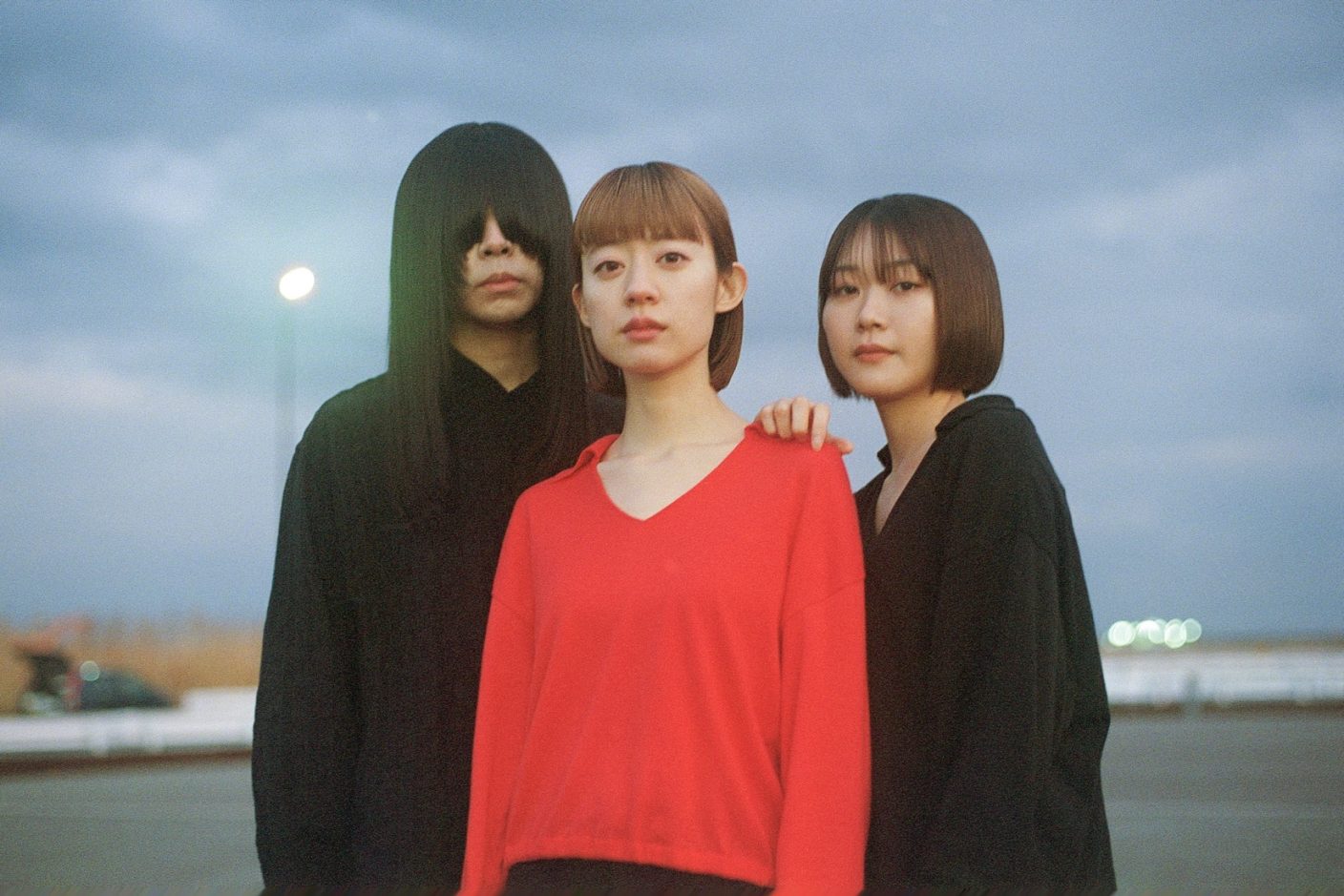
Sheep Literature is an alternative rock band formed in 2011. The band was originally a five-member group, but since the members were high school students, they went through several member changes, including suspensions and withdrawals due to entrance exams; Hiroa Fukuda joined in 2015 and Yurika Kawanishi in 2017, and the three have been performing together with Moeka Shiotsuka, the founder of Hitsuyo Bungaku ever since. Their songs contain a positive message of "live your life as it is," and their unpretentious appearance and sensitive music have touched the hearts of many fans and resonated with them.
Read Article
犬王(INU-OH)のネタバレ解説・考察まとめ
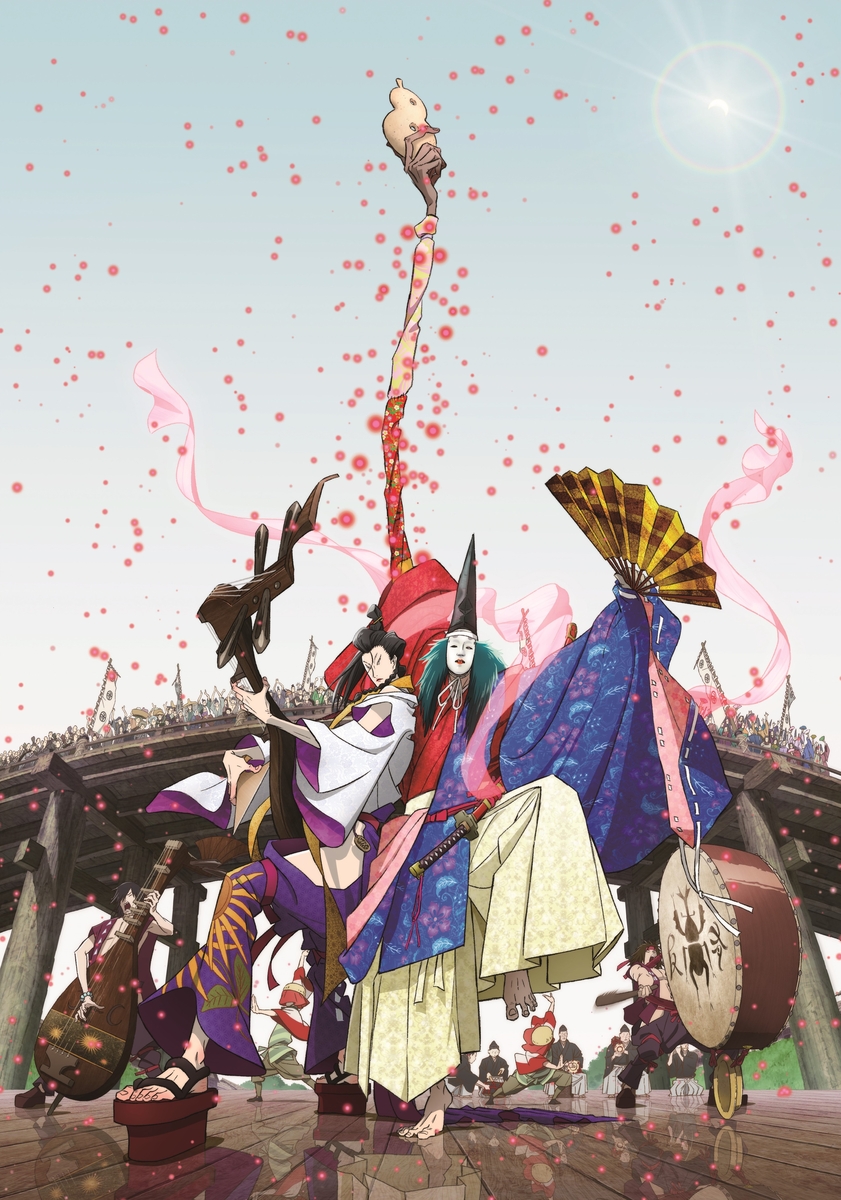
『犬王』とは、2022年5月に劇場公開された湯浅政明監督によるミュージカルアニメ映画。小説『平家物語 犬王の巻』を原作として、室町時代活躍した能楽師・犬王と琵琶法師の友魚の友情を描く物語となっている。別々の場所で生まれ育った2人が、出会いをきっかけにそれぞれ演舞や演奏の才能を開花させ、人々を魅了する存在へと成長していく。室町時代の能に現代のロックミュージックを取り入れた演奏が特徴的で、犬王と友魚の唯一無二の演舞が見どころの作品である。
Read Article
Summary of Collaboration and the Lexi Name in Lexi's Second Album "Lexit"
Featuring history, the popular artist "Lexi" continues to push forward on his own unique path. The artists that Lexi collaborates with are always gorgeous. Whenever Lexi collaborates with an artist, the artist is given a name called "Lexi Name," which has become a topic of conversation. In this article, we will introduce the artists who collaborated on Lexi's second album "Lexitsu" and their Lexi-names.
Read Article
Tags
Contents
- Outline of "Heike Monogatari"
- Outline and story of "Heike Monogatari"
- The Encounter of Heike and Biwa
- Gio's Fate and Tokuko's Marriage
- Memories of Itsukushima and the direct petition of Enryaku-ji Temple
- Shishigatani conspiracy
- Order of Prince Mochihito
- The appearance of Atsumori and the Battle of Fujigawa
- Death of Kiyomori
- The battle of Kurikara Pass and the exile from the capital
- Kiyotsune's death, Biwa no Haha
- The Battle of Ichinotani and Atsumori
- Koremori's death
- The Tale of the Ruined Heike
- Characters in "Heike Monogatari"
- Key person
- Loquat
- Taira-no Shigemori
- People of the Taira family
- Taira no Tokuko (Taira no Tokuko)
- Taira no Koremori (The Paulownia Court)
- Taira no Sukemori (The Paulownia Court)
- Taira no Kiyotsune
- Taira no Tsuneko
- Taira no Munemori (The Paulownia Court)
- Taira no Tomomori
- Taira-no-shigehira
- Taira no Atsumori
- TAIRA no Kiyomori
- Taira no Tokiko
- Taira no Tokitada (Taira no Tokitada)
- Taira no Takakiyo
- Shin Dainagon no Tsubone
- Taira no Tadanori
- Taira no Noritsune
- Genji people
- MINAMOTO no Yoritomo
- Masako Hōjō
- MINAMOTO no Yoshitsune
- Musashibo Benkei (Musashibo Benkei)
- Shizuka Gozen
- Yoshinaka KISO
- Tomoe Gozen
- Kumagai Naozane
- Imperial Court
- Cloistered Emperor Go-Shirakawa
- Taira no Shigeko
- Emperor Emeritus TAKAKURA
- Emperor Antoku
- Emperor Gotoba
- Prince Mochihito
- Other characters
- Gio
- Asagi no Kata
- The Father of Loquats
- Fujiwara no Narichika
- Shunkan
- Terms used in "Heike Monogatari"
- Biwa
- Biwa Hoshi
- Kaburo (Kamuro)
- Toryo (master builder)
- Sessho (regent)
- Shirabyoshi (Shirabii)
- Direct petition
- Pardon (Onsha)
- Ryoji
- Saeda no Fue
- Words, lines, scenes and scenes of "Heike Monogatari"
- Loquat "Someday is a good word. Tomorrow, the day after tomorrow. I'm looking forward to the future a little."
- Taira-no Shigemori said,' I have involved you. You are going to be ruined by the family called Heike.'
- Taira no Tokuko "I want to think that the world is not just painful. So I forgive, forgive, forgive."
- Biwa: "I want to see the future of the Taira family. Seeing it, I play the biwa with prayers."
- The Battle and Death of Atsumori
- Taira-no Shigemori and biwa (loquats):' The sound of the bell of Gion Shoja Temple'
- The behind-the-scenes stories, trivia, and small stories / episodes and anecdotes of "Heike Monogatari"
- Tokuko no Monogatari
- Biwa singing is certified by professionals
- Koremori's weakness is necessary for "Heike Monogatari"
- Theme song and inserted song of "Heike Monogatari"
- OP (opening): Western literature "When Shining"
- ED (ending): Kensuke Ushio feat. ANI (Scha Dara Parr) "unified perspective"