
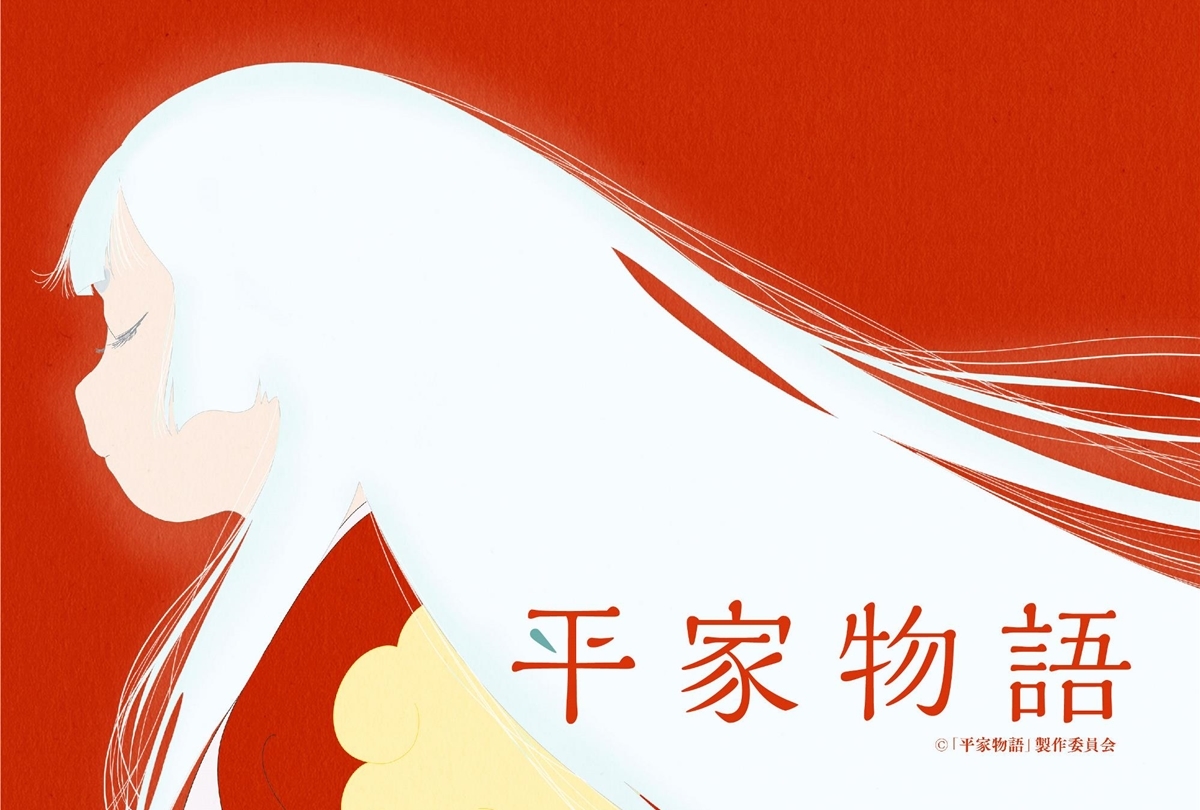
Heike Monogatari" is a TV animation produced by Science SARU and broadcast from January 2022, based on a modern translation by Hideo Furukawa of "The Tale of the Heike," a military chronicle from the Kamakura period. Biwa, a biwa priestess who is the narrator of the story, is set as the main character as an original anime character. Biwa, the daughter of a biwa master with the power to see the future, comes to live in the Heike family mansion and observes the rise and fall of the dying family with her own eyes. Centered on Biwa's interaction with the people of the Heike clan, the film tells the story of a group of people who lived their lives to the fullest, despite being tossed about by the times.
Voice: Hina Kino
He was a son of Emperor Emeritus Takakura and was backed up by Cloistered Emperor Goshirakawa.
Prince Mochihito
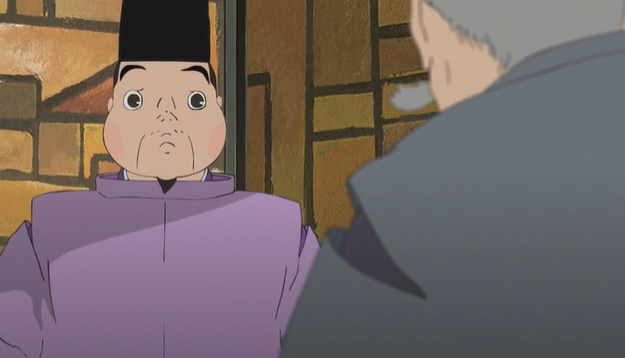
Source: www.tyoshiki.com
Voice: Daichi Hara Fuji
He was the older paternal half-brother of Emperor Emeritus Takakura and the son of Cloistered Emperor Goshirakawa. Although he had a grudge against the Taira family, he was pushed by his feelings and tried to gather the soldiers of the Minamoto clan, but he was soon exposed and killed.
Other characters
Gio
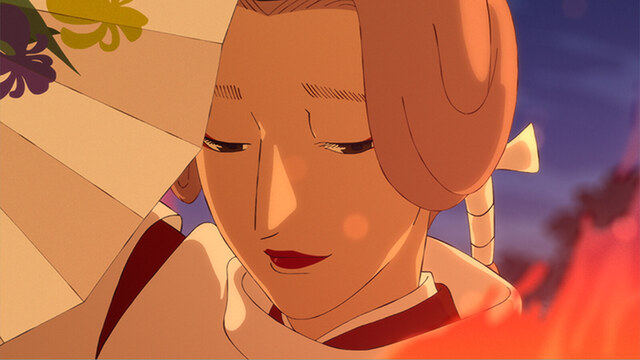
Voice: Kikuko Inoue
She was loved by Kiyomori in Shirabyoshi. She was talking with him at Kiyomori's residence for Hotoke Gozen, who came to be loved instead of her. She was a beautiful woman with long, cut eyes and thin hair. Later, she became a priest with her sister and mother, who were also Shirabyoshi.
Asagi no Kata
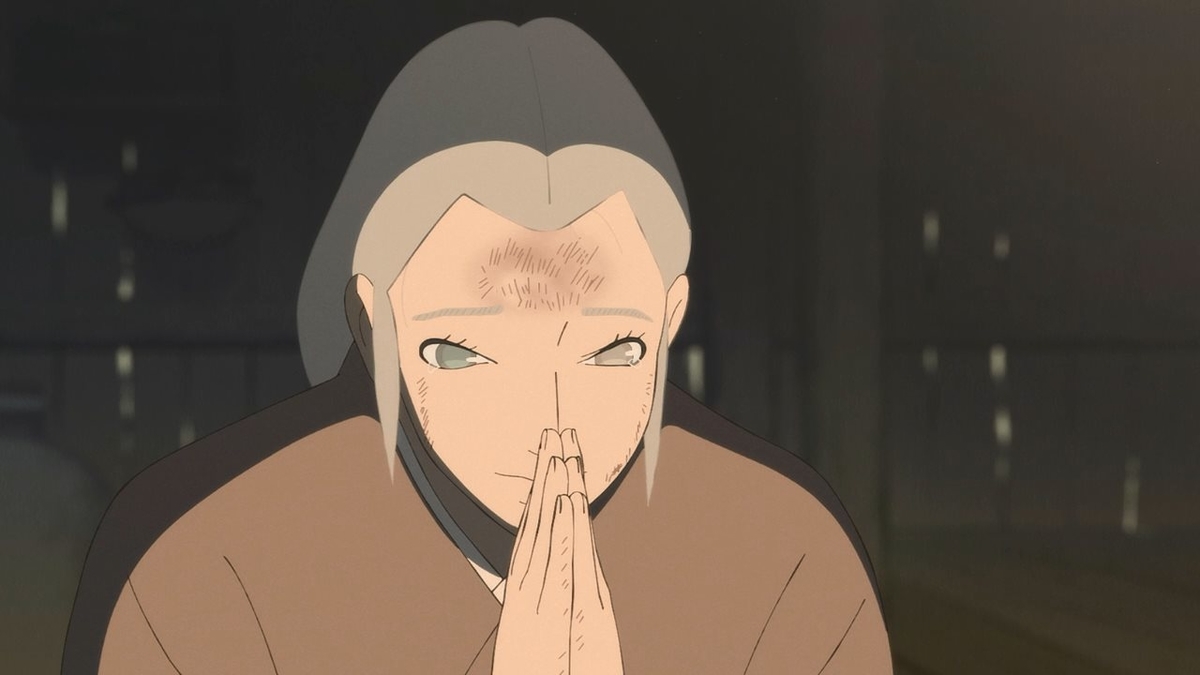
Voice: Sayaka Ohara
Loquat's mother, former Shirabyoshi. Like a loquat, she had one pale blue-green eye. As time passed, she gradually lost her sight, and when the loquat came to her, she was blind in both eyes.
The Father of Loquats
Voice: Kenji Sugimura
He was killed on the spot to protect Biwa from being punished for complaining about the Taira family. He was blind, a Biwa Hoshi, and told Biwa not to see the future. He was also worried about his daughter's future and had her dress like a boy.
Fujiwara no Narichika
Voice: Ryu Morimiya
He was Shigemori's older brother-in-law and Koremori's father-in-law, and was made a transfer to a remote branch because he was present at the scene of the Shishigatani plot.
Shunkan
Voice: Hiroshi Tsuchida
He was banished to Kikaiga-shima Island because he had a secret discussion to defeat the Taira family at a banquet held at his residence. He was not released by amnesty and ended his life there.
Terms used in "Heike Monogatari"
Biwa
The biwa is one of the stringed instruments of East Asia. It was introduced to Japan around the 7th and 8th centuries. It is characterized by playing the strings with a half-open fan or a plectrum similar to the shape of a ginkgo leaf. There is also a type of biwa called the Heike biwa, which is used when telling "Heike Monogatari" (The Tale of the Heike). The Heike biwa is preferred to be small, with a large plectrum and a wide opening at the tip.
Biwa Hoshi
In the 15th century, the Ichikata school and the Yasaka school (also known as the Shirogata school) reached the height of their popularity. In the Kamakura period, the "Heike Monogatari" (The Tale of the Heike) was told by a blind priest named Show-Boo, whose genealogy is called Heikyoku.
Kaburo (Kamuro)
It means that there is no hair on the head, and it refers to the hairstyle of childhood with the shoulders cut off, or children with that hairstyle. In "Heike Monogatari" (The Tale of the Heike), he was described as a spy of the Taira family who was released to Heian-kyo (the ancient capital of Japan in current Kyoto). Kamuro gathered information about people in the city, especially criticism of the Taira clan and information about conspiracy, and reported it to Kiyomori.

Related Articles
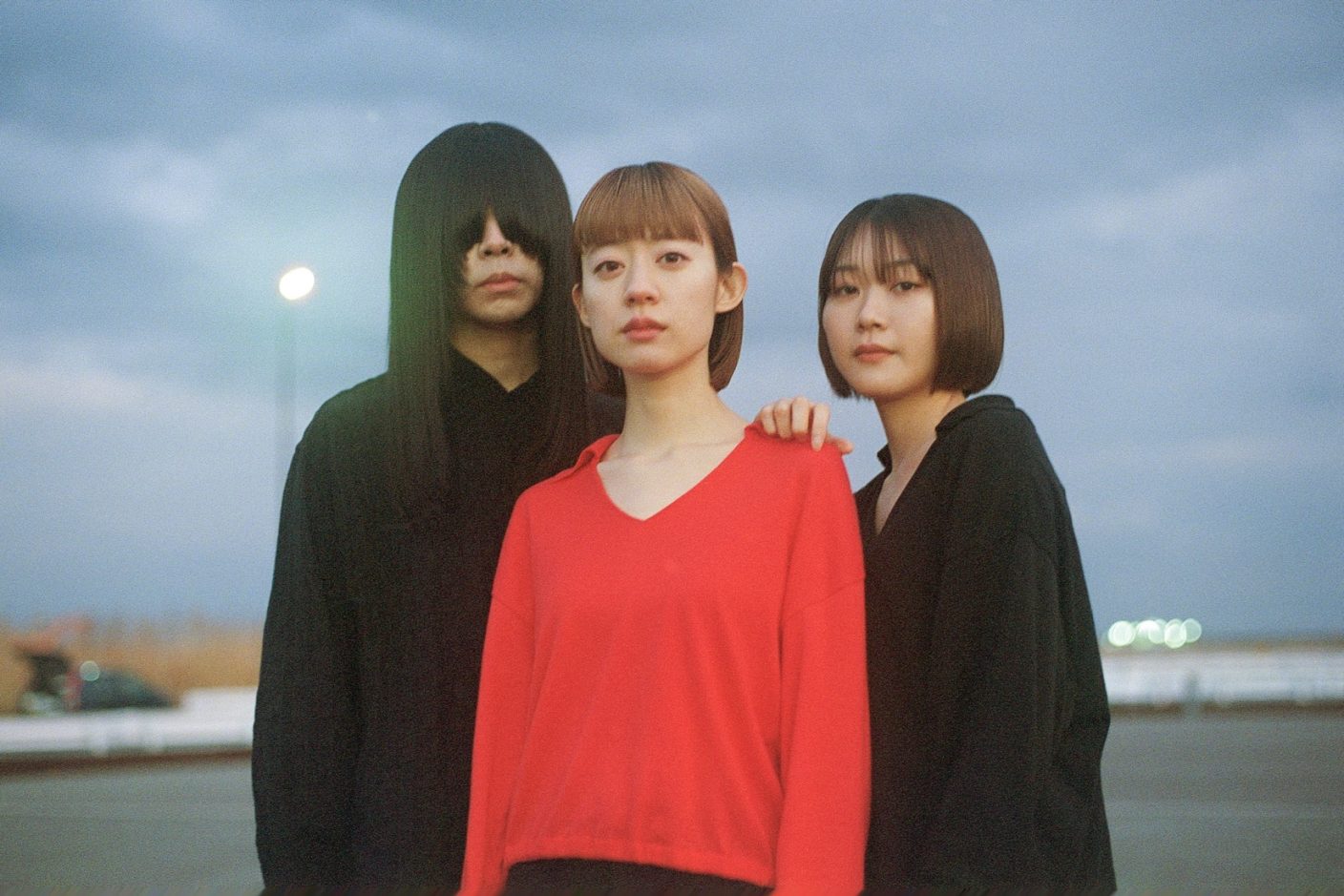
In-depth summary of sheep literature (bands)
Sheep Literature is an alternative rock band formed in 2011. The band was originally a five-member group, but since the members were high school students, they went through several member changes, including suspensions and withdrawals due to entrance exams; Hiroa Fukuda joined in 2015 and Yurika Kawanishi in 2017, and the three have been performing together with Moeka Shiotsuka, the founder of Hitsuyo Bungaku ever since. Their songs contain a positive message of "live your life as it is," and their unpretentious appearance and sensitive music have touched the hearts of many fans and resonated with them.
Read Article
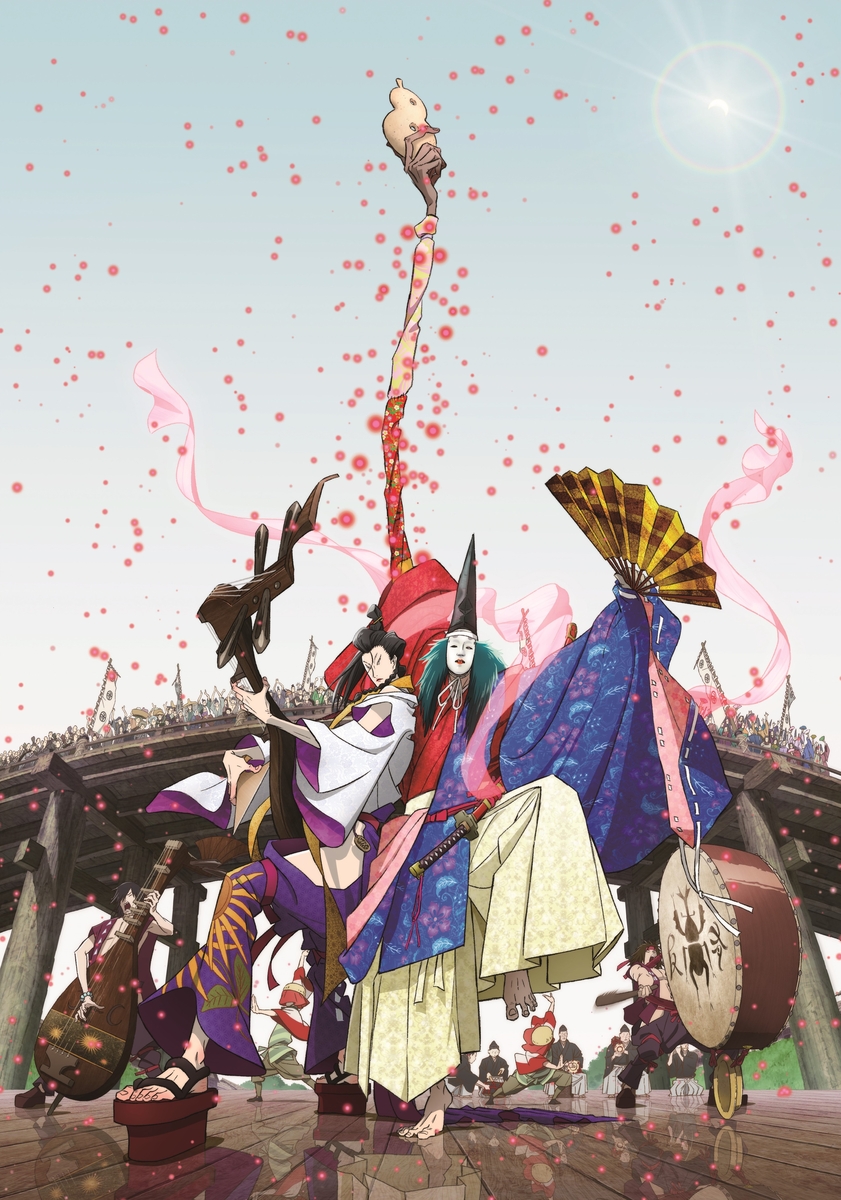
犬王(INU-OH)のネタバレ解説・考察まとめ
『犬王』とは、2022年5月に劇場公開された湯浅政明監督によるミュージカルアニメ映画。小説『平家物語 犬王の巻』を原作として、室町時代活躍した能楽師・犬王と琵琶法師の友魚の友情を描く物語となっている。別々の場所で生まれ育った2人が、出会いをきっかけにそれぞれ演舞や演奏の才能を開花させ、人々を魅了する存在へと成長していく。室町時代の能に現代のロックミュージックを取り入れた演奏が特徴的で、犬王と友魚の唯一無二の演舞が見どころの作品である。
Read Article
Summary of Collaboration and the Lexi Name in Lexi's Second Album "Lexit"
Featuring history, the popular artist "Lexi" continues to push forward on his own unique path. The artists that Lexi collaborates with are always gorgeous. Whenever Lexi collaborates with an artist, the artist is given a name called "Lexi Name," which has become a topic of conversation. In this article, we will introduce the artists who collaborated on Lexi's second album "Lexitsu" and their Lexi-names.
Read Article
Tags
Contents
- Outline of "Heike Monogatari"
- Outline and story of "Heike Monogatari"
- The Encounter of Heike and Biwa
- Gio's Fate and Tokuko's Marriage
- Memories of Itsukushima and the direct petition of Enryaku-ji Temple
- Shishigatani conspiracy
- Order of Prince Mochihito
- The appearance of Atsumori and the Battle of Fujigawa
- Death of Kiyomori
- The battle of Kurikara Pass and the exile from the capital
- Kiyotsune's death, Biwa no Haha
- The Battle of Ichinotani and Atsumori
- Koremori's death
- The Tale of the Ruined Heike
- Characters in "Heike Monogatari"
- Key person
- Loquat
- Taira-no Shigemori
- People of the Taira family
- Taira no Tokuko (Taira no Tokuko)
- Taira no Koremori (The Paulownia Court)
- Taira no Sukemori (The Paulownia Court)
- Taira no Kiyotsune
- Taira no Tsuneko
- Taira no Munemori (The Paulownia Court)
- Taira no Tomomori
- Taira-no-shigehira
- Taira no Atsumori
- TAIRA no Kiyomori
- Taira no Tokiko
- Taira no Tokitada (Taira no Tokitada)
- Taira no Takakiyo
- Shin Dainagon no Tsubone
- Taira no Tadanori
- Taira no Noritsune
- Genji people
- MINAMOTO no Yoritomo
- Masako Hōjō
- MINAMOTO no Yoshitsune
- Musashibo Benkei (Musashibo Benkei)
- Shizuka Gozen
- Yoshinaka KISO
- Tomoe Gozen
- Kumagai Naozane
- Imperial Court
- Cloistered Emperor Go-Shirakawa
- Taira no Shigeko
- Emperor Emeritus TAKAKURA
- Emperor Antoku
- Emperor Gotoba
- Prince Mochihito
- Other characters
- Gio
- Asagi no Kata
- The Father of Loquats
- Fujiwara no Narichika
- Shunkan
- Terms used in "Heike Monogatari"
- Biwa
- Biwa Hoshi
- Kaburo (Kamuro)
- Toryo (master builder)
- Sessho (regent)
- Shirabyoshi (Shirabii)
- Direct petition
- Pardon (Onsha)
- Ryoji
- Saeda no Fue
- Words, lines, scenes and scenes of "Heike Monogatari"
- Loquat "Someday is a good word. Tomorrow, the day after tomorrow. I'm looking forward to the future a little."
- Taira-no Shigemori said,' I have involved you. You are going to be ruined by the family called Heike.'
- Taira no Tokuko "I want to think that the world is not just painful. So I forgive, forgive, forgive."
- Biwa: "I want to see the future of the Taira family. Seeing it, I play the biwa with prayers."
- The Battle and Death of Atsumori
- Taira-no Shigemori and biwa (loquats):' The sound of the bell of Gion Shoja Temple'
- The behind-the-scenes stories, trivia, and small stories / episodes and anecdotes of "Heike Monogatari"
- Tokuko no Monogatari
- Biwa singing is certified by professionals
- Koremori's weakness is necessary for "Heike Monogatari"
- Theme song and inserted song of "Heike Monogatari"
- OP (opening): Western literature "When Shining"
- ED (ending): Kensuke Ushio feat. ANI (Scha Dara Parr) "unified perspective"