
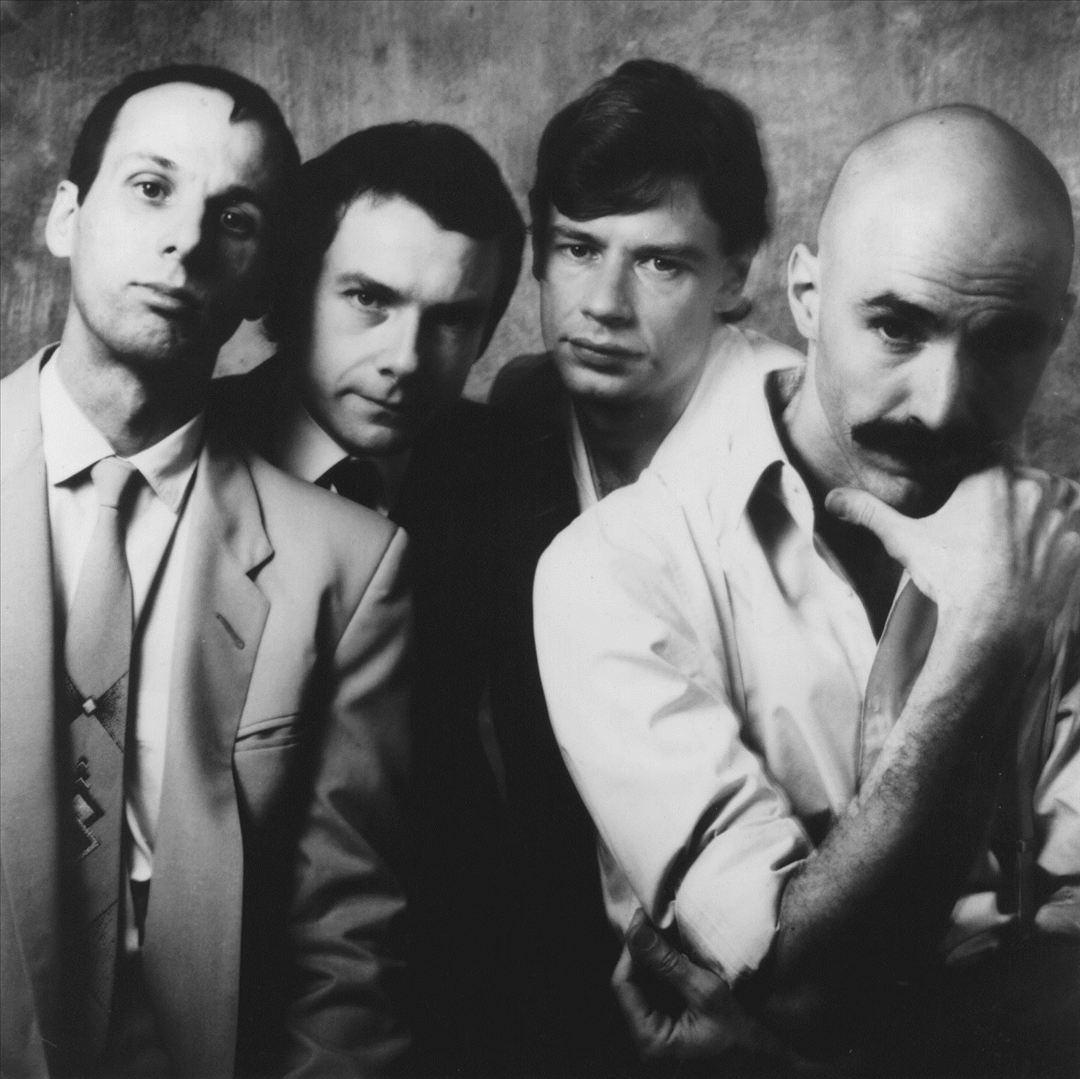
A British progressive rock band group, also one of the five major progressive rock bands, but sometimes categorized as an experimental music genre. The group is also a legendary rock group and has had a profound influence on the music scene for generations to come since its formation in 1968. Although the membership of the group has changed rapidly, Robert Fripp, one of the founders of the group, is the only original member who remains.
Official Video
The song of the same name from the second album "In The Wake Of Poseidon".
Like "Epitaph" from the first album, this song begins with a melancholy intro by the metrotron, and proceeds calmly and quietly with Gordon Haskell's simple voice. While the tone is dark, it is overshadowed by the sense of a continuous thread of tension that was taut and pinned down, as shown on the first album.
It is an early example of what happens when Fripp creates a mellow melody. Compared to "Epitaph" by Ian McDonald, the difference in mellow melody can be clearly seen.
Larks' Tongues In Aspic Part Two
Videocrip
Final track from the album "Larks' Tongues In Aspic".
This instrumental song is one of the best examples of Fripp's signature precise and unmatched picking. The minimalist guitar riffs are overlaid by the bass, and the unison of the two in odd time signatures is very memorable. The relentless repetition of phrases gradually thickens and the song progresses with King Crimson's signature tension.
This song is still played at live concerts and is well known as a standard tune.
Elephant Talk
From the British music program "Live on Friday
First track from Discipline.
It has a light tempo reminiscent of '80s pop music while retaining a psychedelic sound. It is a very expressive sounding piece, with complex drum rhythms carved by Bill Bluford, the unique sound of the sticks played by Tony Levin, and the effected, statuesque sound of Adrian Breaux's guitar.
The improvisational nature of the second period of King Crimson's career has been overshadowed by this song, which is reminiscent of pop and light New Wave music, but it is also a representative song of the third period of King Crimson's career, showing the technical prowess of the four members.
Frame by Frame
From Live 1984
From the album Discipline.
Flip's minimalistic, edgy, and precise picking is played throughout the song. Brew's guitar sometimes overlaps with the phrases, sometimes shifts, and you can hear the planned resonance of the ensemble in this song. In addition, the bass and drums are played in different rhythms, but they are perfectly matched at the end of the song. Enjoyment of technical brilliance is one of the characteristics of progressive rock, and this song is a typical example.
King Crimson Episodes and Anecdotes
When discussing King Crimson episodes, the band itself has the distinction of being inevitably his episode, as some say "the Robert Fripp Band".
college days
Source: blog-imgs-14-origin.fc2.com
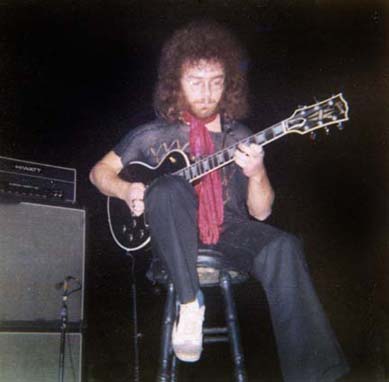
Flipp studied economics, economic history, and political history at Bournemouth University (now Bournemouth and Poole University) for a time before making a living as a musician. There he wrote a thesis on social conditions in the mid to late 19th century, receiving an A grade.
It was at this university that Fripp met John Wetton, Greg Lake, and others, and it can be said that he laid the foundation for his subsequent musical career.
Commitment to Guitar
Source: blog-imgs-14-origin.fc2.com
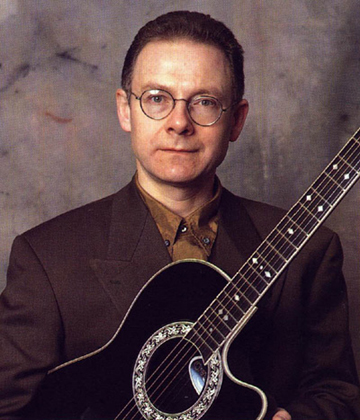
When he was just starting out, he said, "I've never really listened to a guitarist play. In fact, I don't think guitar is a very big instrument. There's not much that intrigues me about the guitar." He later confessed that he was shocked by Jimmy Hendrix's playing.
However, he could not stand to be recognized as a conventional guitarist, and said, "I don't want to be recognized as a guitar player of an existing genre. I want to be recognized as an original guitarist." This statement is one of the anecdotes that support his musicality and unique style of playing in a chair.
At one time, he practiced up to 8 hours a day (now he practices only 2 hours a day), and after the breakup of the third King Crimson, he founded "Guitar Craft" (now closed), a guitarist training school for professional guitarists. In a sense, there are many actions that can be taken as evidence of his stoic love for guitars.
Do you like Japan?
Source: tunegate.me
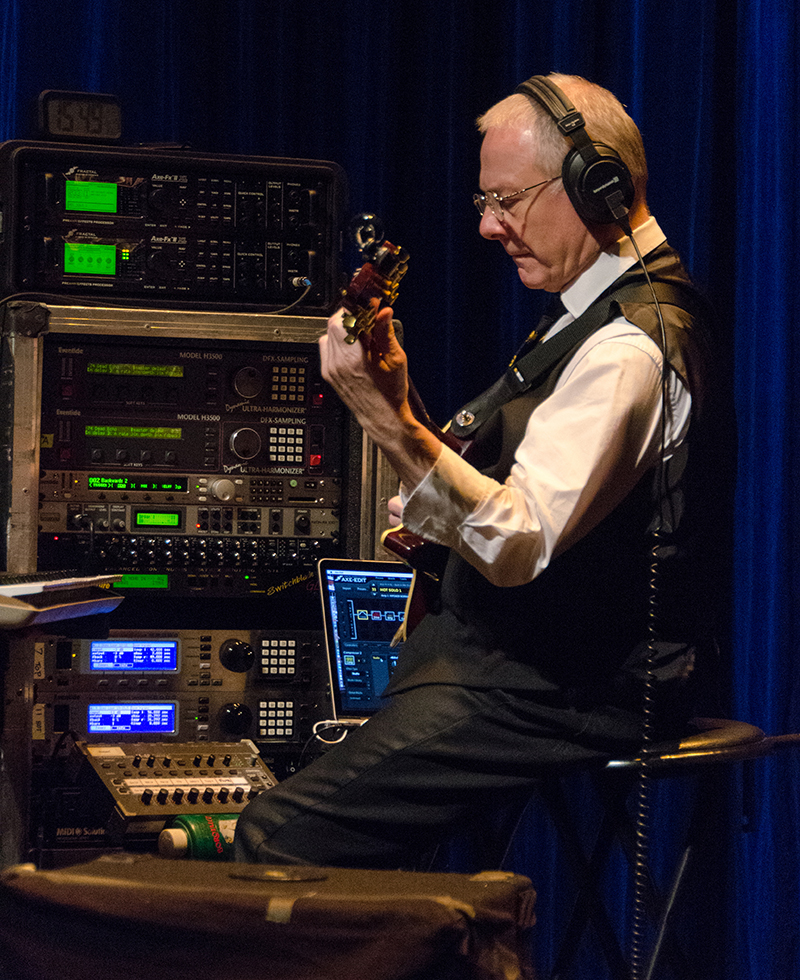
Flip is famous not only for his group activities as King Crimson, but also as a solo artist who always makes plans to visit Japan when he plans live performances. Although he has not made any comments about Japan, he seems to have a good impression of the country, as he held "Guitar Craft" classes in Japan in 1992 and 1994 and composed the Japanese title song "Matte Kudasai (Please Wait)" for the album "Discipline". He seems to have made an impression.

Tags
Contents
- King Crimson(キング・クリムゾン)の概要
- Band History
- Since its formation in 1969
- 1970-1972
- 1973-1974
- New Wave period in the 1980s
- Double trio period (1994-2000)
- Devotion to nouveau metal (2001-2008)
- 2011-.
- ダブルカルテット編成と結成50周年(2017年~2020年)
- ツアーの終焉とプロジェクトの今後(2021年~)
- Main Members
- Robert Fripp
- Michael Rex Giles (enrolled in 1969)
- Greg Lake (enrolled 1969-1970)
- John Kenneth Wetton (with the company from 1973 to 1975)
- Bill Bruford, William Scott Bruford (with the company from 1972-1997)
- Adrian Belew (with the company from 1981-2008)
- Tony Levin (with us 1981-1984, 1994-1997, 2003-2008, 2015-present)
- Main Albums
- In The Court Of The Crimson King
- In The Wake Of Poseidon
- 『リザード』(Lizard)
- 『アイランズ』(Islands)
- Larks' Tongues in Aspic
- 『暗黒の世界』(Starless and Bible Black)
- Red
- Disciprin
- 『ビート』 (Beat)
- 『スリー・オブ・ア・パーフェクト・ペアー』(Three of a Perfect Pair)
- Thrak
- 『ザ・コンストラクション・オブ・ライト』(The ConstruKction of Light)
- 『ザ・パワー・トゥ・ビリーヴ』(The Power to Believe)
- King Crimson's signature song
- Epitaph
- In The Wake Of Poseidon
- Larks' Tongues In Aspic Part Two
- Elephant Talk
- Frame by Frame
- King Crimson Episodes and Anecdotes
- college days
- Commitment to Guitar
- Do you like Japan?