
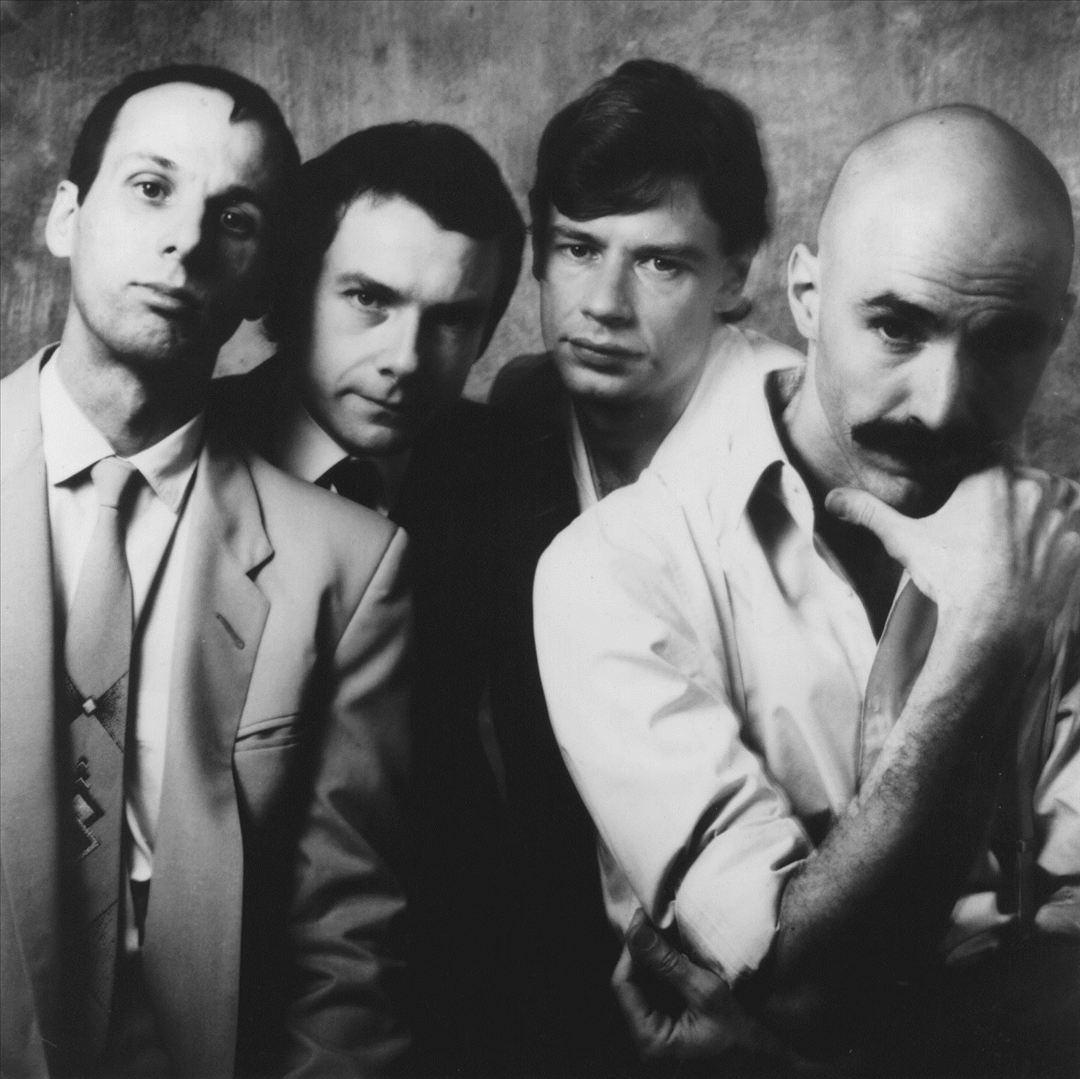
A British progressive rock band group, also one of the five major progressive rock bands, but sometimes categorized as an experimental music genre. The group is also a legendary rock group and has had a profound influence on the music scene for generations to come since its formation in 1968. Although the membership of the group has changed rapidly, Robert Fripp, one of the founders of the group, is the only original member who remains.
King Crimson(キング・クリムゾン)の概要
キング・クリムゾン(King Crimson)とは、1968年12月に結成されたイングランド(イギリス)出身のロック・バンドである。同国のミュージシャンであるロバート・フリップが主宰(リーダー)を務めていることで知られ、活動は中断期間や幾度もの再結成を挟みながら50年以上に及び、ロック史に大きな足跡を刻んでいる。
一般的に彼らのジャンルはプログレッシヴ・ロックと格付けられており、同分野で重要な位置を占めるグループの一つとされている。しかし、リーダーのロバート・フリップ自身は、自分たちの音楽はどんなジャンルにも当てはまらない進化し続ける音楽だとして、そのジャンル分けを否定している。
1969年、イアン・マクドナルドとピート・シンフィールドが楽曲の中心的な役割を担ったアルバム『クリムゾン・キングの宮殿(In The Court Of Crimson King)』でデビューを果たした。このアルバムは、当時チャートで1位に君臨していたザ・ビートルズの『アビイ・ロード(Abby Road)』を1位から引きずり下ろしたと言われている。これについては明確な証拠がなく、都市伝説として扱われたりしているものの、間違いなくロックの歴史に残る名盤として高く評価されている。
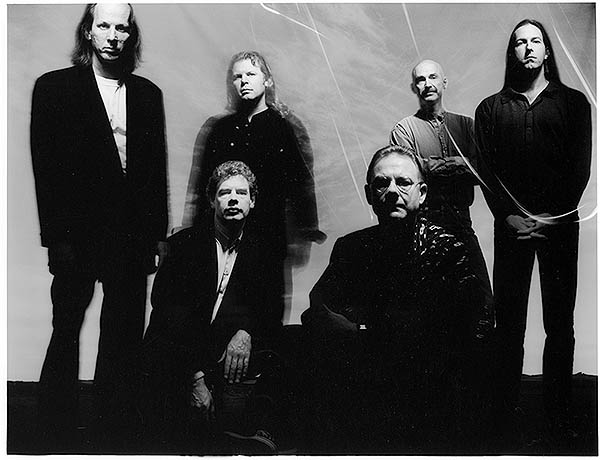
以降、リーダーのロバート・フリップはバンドのメンバーを次々と替えていき、音楽性も多様に変遷を辿った。オリジナル期はいわゆる普通のバンド編成であったが、再々結成後のアルバム『ディシプリン』の時にはアメリカ人のメンバーを入れた4人編成に変化した。その後もトリオをふたつ組み込んだダブルトリオ編成(つまりドラマーが2人)を採用するなど、変幻自在なスタイルを展開した。
その後も活動の中断と再結成を繰り返しており、ライブツアーのために2013年にまた再結成をした。その際にはドラマーが3人の「トリプルドラム」になっており、メンバーも7人と大人数である。
このように、常に編成や表現を進化させながら強烈な存在感を放っていたキング・クリムゾンだったが、2021年の北米ツアーの際に年長メンバーの高齢化を理由に最後にツアーになることを示唆。同年11月より開催された来日ツアーでも、ロバート・フリップはツアーの全行程を「日本で幕を閉じる」と述べている。
その後のバンドの状況については、メンバーのギャヴィン・ハリソンが音楽メディアの取材で「ロバート・フリップは物事をプロジェクト単位(○○年周期)で考えるため、継続なのか解散なのかといった判断はしない」と述べている。
Band History
Since its formation in 1969
Source: rock-and-blues.com
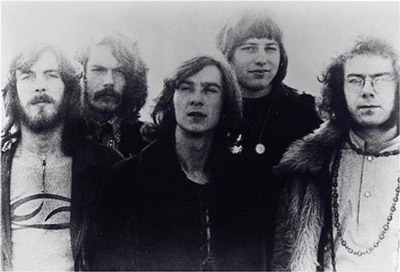
King Crimson was formed in 1967 when brothers Michael Giles and Peter Giles, both musicians in Bournemouth, Dorset, England, advertised in the newspaper for a musician who could provide backup vocals for Peter and play the organ. Robert Fripp applied, and Giles Giles & Fripp was formed in 1967. That same year, Ian McDonald, Pete Sinfield, and female vocalist Judy Daible joined the band, creating the template for the early King Crimson.
However, in 1968, Dyble left the group. Greg Lake joined as vocalist and bassist, and Peter Giles left, leaving the five remaining members as the official members of King Crimson at the time of its inception.
In October of the same year, the debut album "In The Court Of The Crimson King" was released. At that time, the band's name was decided as King Crimson.
This album, produced under the slogan "Beyond Bartok, Coltrane, and 'Strawberry Fields Forever,' there is a whole new world out there," caused a tremor in the rock music world. At the time, the rock music scene was dominated by a style of performance that could be described as "improvisational supremacy," but Robert Fripp took a completely opposite approach by introducing the grandeur and complexity of classical music composition into rock. This unprecedented experimental sound was so well received that the album reached #5 in the UK album charts." The band established the genre of "progressive rock".
However, Ian McDonald and Michael Giles left the band shortly after the release of the first album, leaving King Crimson with only one original member at this point. King Crimson is sometimes derided as a "Robert Fripp band" because of this, but it is said that Ian was the more powerful member of the band at the time "In The Court Of The Crimson King" was recorded. He wrote and arranged the music for the album, and his talent as a multi-instrumentalist who can play saxophone, flute, keyboards, and vibraphone had a great impact on the album, and it is believed that a new genre of music was born under his leadership.
1970-1972
At this point, Fripp was the only original member of the band, but due to the contract with Island Records for the release of "In The Court Of The Crimson King", it was necessary to continue releasing albums, and Fripp invited Grek Lake, Michael Giles, and Ian McDonald again, In 1970, their second album "In The Wake Of Poseidon" was released. However, after the album was produced, all members except Fripp left the group. This marked the beginning of the transition of King Crimson's member turnover.
Therefore, the band's first live tour came after the release of their third album, Lizard, in 1971. In the fall of the same year, the band started working on their fourth album and toured North America for the first time, but around this time, Pete Sinfield, the keyboard player invited from the second album, and Fripp began to have a falling out, and after the release of "Islands," Fripp fired Sinfield. After the release of "Islands," Fripp fired Sinfield. However, management insisted that they still had a contract to play as a band for the next three months, so they reluctantly went on a North American tour together.
In 1972, after the North American tour was over, Fripp dissolved the band. Fripp later attributed the breakup to the fact that he "could not materialize the idea with the other members." He stated that "I couldn't materialize the idea with them and the other members.
1973-1974
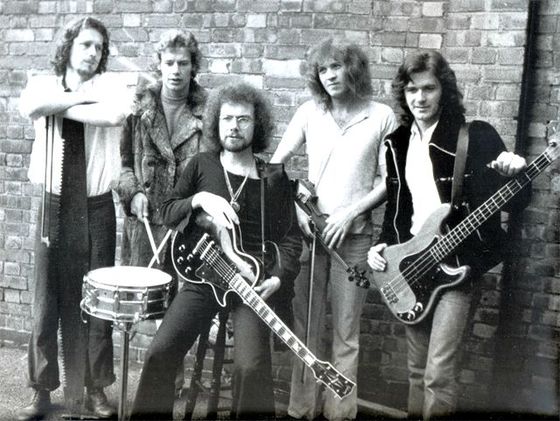
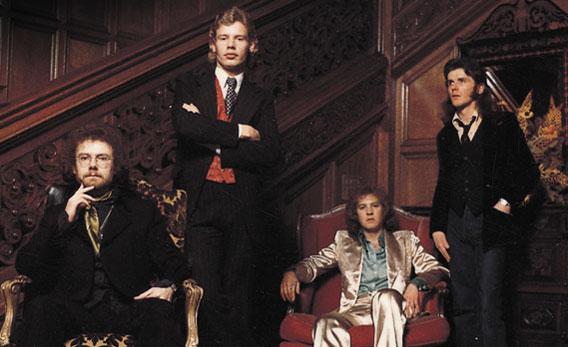
In the summer of 1972, he recruited Bill Bluford of Yes to play drum and John Wetton, who had played bass in the jazz band Family, to play bass. The band also brought in percussionist Jay Wetton. The band also adds percussionist Jamie Muir and violist David Cross to its ranks, marking the departure of the second King Crimson.
Source: www.slate.com
With this structure, the band released "Larks' Tongues in Aspic" in 1973 and "Starless And Bible Black" and "Red" in 1974. In particular, their fifth album, "Larks' Tongues in Aspic," is regarded as one of King Crimson's masterpieces, "comparable to the first album 'In The Court Of The Crimson King,' one of the greatest albums in rock history.
The group's three-year run was a time when few members left the group and Fripp was able to focus on his musical activities. During the recording of "Red," the group invited Ian McDonald, who was a member of the group when it made its first album, as a guest, and the group actively interacted with other famous artists.
But the peace did not last long. Shortly after recording "Red," Fripp announced the band's dissolution. Fripp, who had even considered leaving the band on his own, even went so far as to say that he would "never play guitar again" after the breakup, effectively declaring his retirement. However, David Bowie, Brian Eno, and others called on him to return to music. During this period, he produced a collaborative album with Eno (1975) and his own solo album (1979).
New Wave period in the 1980s

Source: www.allaboutjazz.com
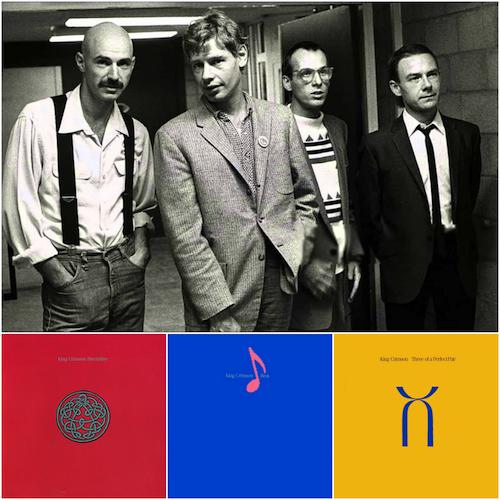
Although Fripp announced his retirement in 1974, he began to pursue his musical career through exchanges with other artists, and in the late 1970s, he again began to pursue group activities. In addition to drummer Bruford, he started a new group called "Discipline" with Adrian Breaux, who was a student of Frank Zappa's through Brian Eno, and bassist Tony Levin, with whom he had played together through Peter Gabriel.
Hating the idea of his music being pigeonholed as progressive rock and always looking for new sounds, Fripp was initially reluctant to use the King Crimson name for the new group, but when the band released its eighth album, "Discipline," in 1981, he decided to use the King Crimson name for the group due to promotional and other reasons. However, when they released their 8th album "Discipline" in 1981, they decided to use the King Crimson name for the album.
However, the new album was met with mixed reviews. While some welcomed the album's incorporation of the new wave that was then in vogue, others criticized it as a "Talking Heads version of King Crimson" (an American band that was also inducted into the Rock and Roll Hall of Fame), and especially the album that preceded "Discipline," "Remain In Light" (Talking Heads' album), which was released before "Discipline" and has been harshly criticized as a "second best" album.
Source: classicrockradio.co.uk
Amidst such acclaim, they released their 9th album "Beet" in the following year, 1982, and their 10th album "Three of a Perfect Pair" in 1984. The trilogy of the 80's, whose jackets from "Discipline" were painted in red, blue, and yellow, respectively, is also called the "trilogy of the New Wave Era. Regarding this, Fripp says, "The contract with the label was contingent on the release of three albums. The original idea was completed with "Disciple,"" he later stated, and the group disbanded again in July of the same year after the release of "Three of a Perfect Pair.
Double trio period (1994-2000)
Source: s3-eu-west-1.amazonaws.com

Tags
Contents
- King Crimson(キング・クリムゾン)の概要
- Band History
- Since its formation in 1969
- 1970-1972
- 1973-1974
- New Wave period in the 1980s
- Double trio period (1994-2000)
- Devotion to nouveau metal (2001-2008)
- 2011-.
- ダブルカルテット編成と結成50周年(2017年~2020年)
- ツアーの終焉とプロジェクトの今後(2021年~)
- Main Members
- Robert Fripp
- Michael Rex Giles (enrolled in 1969)
- Greg Lake (enrolled 1969-1970)
- John Kenneth Wetton (with the company from 1973 to 1975)
- Bill Bruford, William Scott Bruford (with the company from 1972-1997)
- Adrian Belew (with the company from 1981-2008)
- Tony Levin (with us 1981-1984, 1994-1997, 2003-2008, 2015-present)
- Main Albums
- In The Court Of The Crimson King
- In The Wake Of Poseidon
- 『リザード』(Lizard)
- 『アイランズ』(Islands)
- Larks' Tongues in Aspic
- 『暗黒の世界』(Starless and Bible Black)
- Red
- Disciprin
- 『ビート』 (Beat)
- 『スリー・オブ・ア・パーフェクト・ペアー』(Three of a Perfect Pair)
- Thrak
- 『ザ・コンストラクション・オブ・ライト』(The ConstruKction of Light)
- 『ザ・パワー・トゥ・ビリーヴ』(The Power to Believe)
- King Crimson's signature song
- Epitaph
- In The Wake Of Poseidon
- Larks' Tongues In Aspic Part Two
- Elephant Talk
- Frame by Frame
- King Crimson Episodes and Anecdotes
- college days
- Commitment to Guitar
- Do you like Japan?