
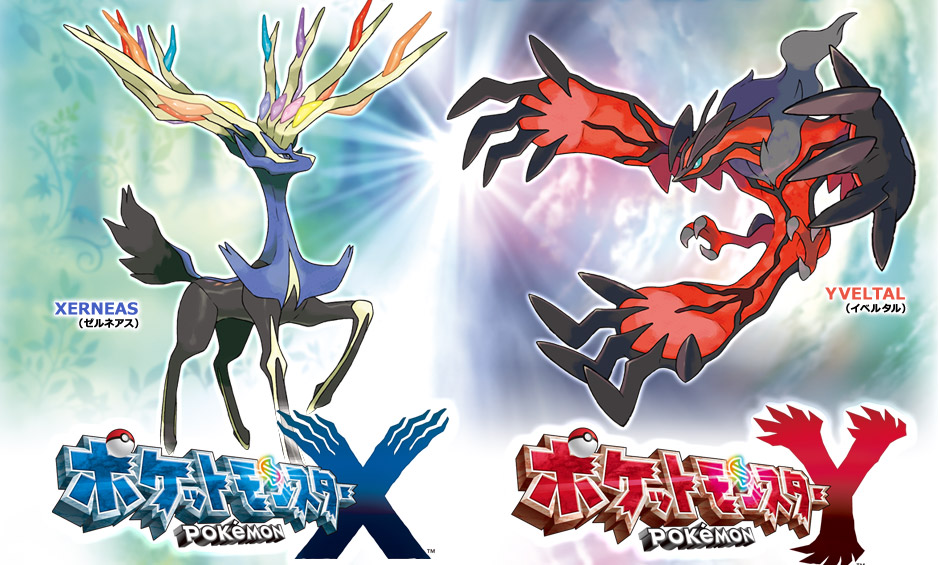
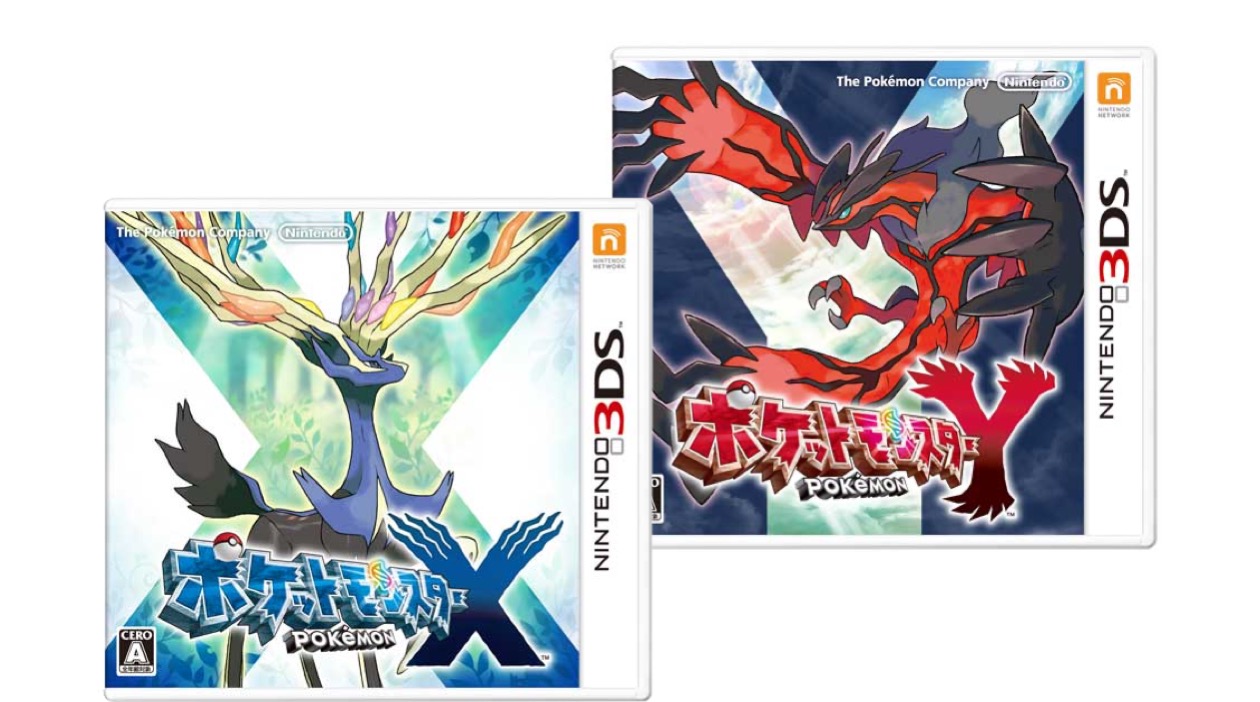
Pokémon X and Y" is the sixth title in the "Pokémon" role-playing game series. The platform has been moved to the 3DS, and the scenario, game system, fields, and battle scenes are now displayed in full 3D, greatly increasing the volume of the game. The main character is involved in a case involving a legendary Pokémon that governs "life and destruction" and the fate of the Kalos region, but he overcomes this by strengthening his bonds with his friends and Pokémon. Mega-Synchka, a Pokémon power-up element that differs from normal evolution, was introduced for the first time.
At the Shiru-Ya in Miele City, you can use the Berries you have to make Fresh Juice, which increases a Pokémon's Likeness, Basic Points, and Level. To make fresh juice, you need a Berry of the same color or two Berries of different colors, and some juices can only be made with certain Berries.
In addition, juices (premium juices) can be purchased, and the number of premium juices that can be purchased increases as one becomes more stylish. At first, only colorful shakes can be purchased, but at the most stylish level, all premium juices can be purchased except for Danger Soup.
Juices that can be made and purchased at Shiruya
Colorful Shake: Increases the degree of friendliness.
Purple Juice: Increases the level of affinity and the basic point of "HP".
Red Juice: Increases the level of attractiveness and the basic point of "attack".
Yellow Juice: Increases affinity and basic points of defense.
Blue Juice: Increases attractiveness and the basic point of "Special Power".
Green Juice: Increases attractiveness and the basic point of "defense".
Pinky Juice: Increases affinity and increases the basic points of Quickness.
Miracle Soda: Increases the Pokémon's level by 1 to 3.
Wonderful Soda: Increases the Pokémon's level by 4 or 5.
Danger Soup: The Pokémon's base points are reduced to zero.
The only thing needed to make juice
Colorful Shake: 2 different colored Berries.
Purple Juice: 2 purple Berries
Red Juice: 2 red berries
Yellow juice: 2 yellow berries
Blue juice: 2 blue berries
Green juice: 2 green berries
Pinky Juice: 2 peach-colored pomelos
Miracle Soda: Sun and Star
Wonderful Soda: only Nazo and Roselle
Danger Soup: only Akki and Talab
Hotel
There are hotels in various locations in the Kalos Region (Kobok Town, Koujin Town, Shouyou City, Sekitai Town, Hiyoku City, and Renri Town).
The hotels have tourists from other regions (Kantou, Johto, Houen, Shin'ou, Ish, and another region), and one of them stays at each hotel (the room on the left side of the second floor) on a daily basis.
Talking to them increases your likability level, and if you talk to them repeatedly and reach the maximum likability level, you can receive items or exchange Pokémon with them.
What you can do when you are at the maximum liking level with a tourist
Tourists from the Kantou Region: If you give them a Gyarados, they will exchange a KOIKING.
Tourists from Johto Region: You can get an anchor bun.
Tourists from Houen Region: You can get a Houen rice cracker.
Tourists from the Shin-Ou Region: Give any Pokémon in exchange for an Eevee.
Tourists from Ish Region: You can get information on female gym leaders in Kalos Region.
Tourists from other regions: You can get a mysterious gift.
There is also a woman who will put a ribbon on your Pokémon if you talk to her in a room in the center of the second floor of the hotel. The ribbon can be attached once a day, and the woman stays at one of the hotels, and the ribbon attached is determined by the day of the week.
Ribbons that can be attached
Shakki ribbons: available on Mondays when you talk to her.
Dokki ribbons: can be attached by talking to her on Tuesdays.
Shonbo ribbon: Talk to them on Wednesday and they will put it on you.
Utsukuri ribbon: Talk to the owner on Thursday to have it attached.
Sukki ribbon: Talk to them on Friday to get it.
Good ribbon: Talk to them on Saturday to get it.
Nikko ribbon: Talk to them on Sunday to get it.
grand hotel
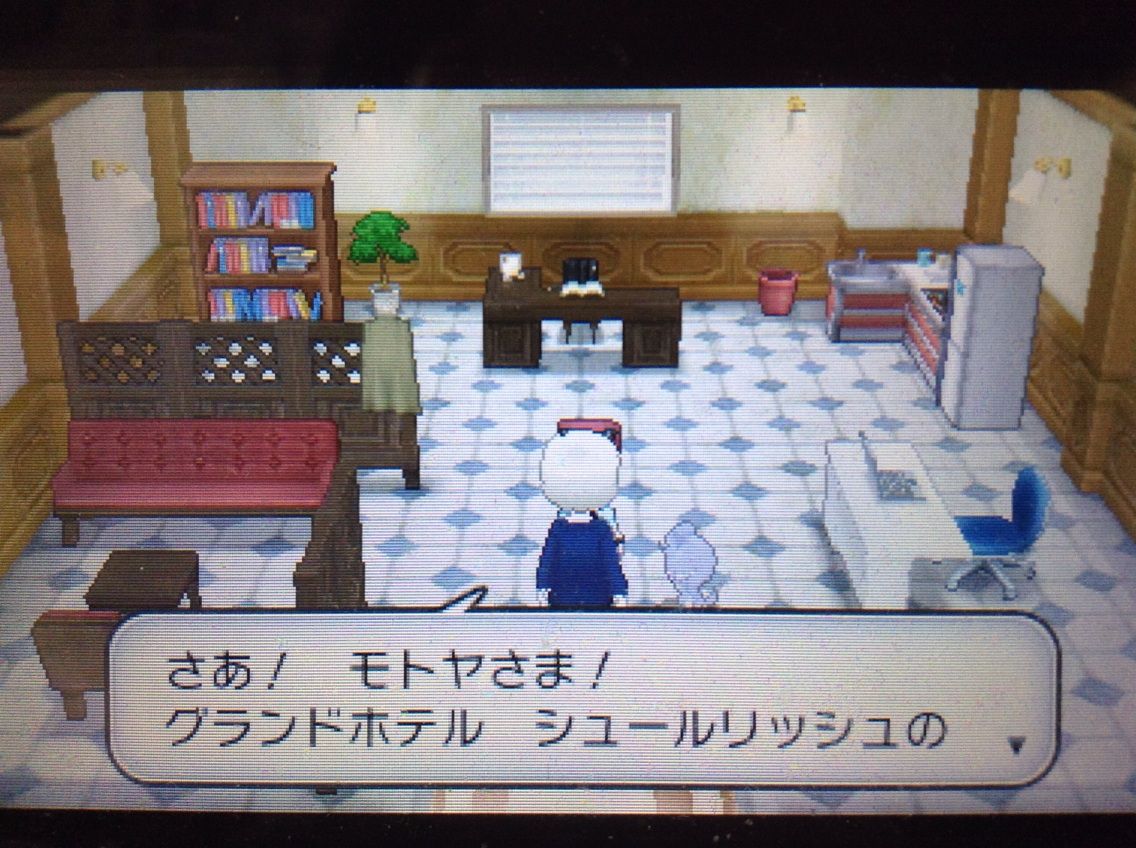
The Grand Hotel Surrish will definitely be visited in the handsome story after the Hall of Fame.
At Grand Hotel Surrealish in Miele City, you can get a part-time job once a day. The part-time job is in the form of a mini-game, and there are three types of part-time jobs: room service, bed making, and lost and found.
Rewards are given for completing the mini-games. The amount of reward depends on the evaluation, and the highest evaluation will increase the amount of reward and the style of the game.
The mini-games range from level 1 to 4, and if you continue to receive the highest rating, you will be able to work part-time at a higher level. The difficulty level increases as the level goes up, but the rewards also increase. Part-time work is not available during the Handsome Story.
The Grand Hotel also offers overnight accommodations. The fee is 100,000 yen, and when you stay there, all Pokémon in your possession will be recovered, your "Nakayoshi" will increase, and your "Nakayoshi" and "Play" will be maximized. Also, its "Nakatsukiai" level will increase.
Part-time jobs available at the Grand Hotel
Room Service: Learn the guest's order and tell it to the room service staff.
Bed making: Make beds on all floors within the time limit (check the beds).
Lost and Found: Lost and found items lost by guests are not displayed and are not checked. Lost items are not displayed on the screen, but are found as they are checked. The dowsing machine cannot be used, but if there is a lost item in front of or to the left or right, it will automatically turn to that side.
PocketPallet
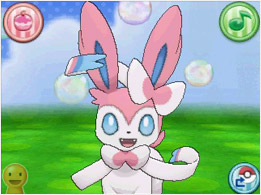
At Poképalooza, you can interact with Pokémon.
This system allows you to interact directly with your Pokémon by selecting POKEPALLE from the lower screen of the 3DS and controlling it on the lower screen. By interacting with Pokémon, you can increase the "Nakayoshi" status of your Pokémon, which is related to the degree of friendship between you and your Pokémon.
You can call a Pokémon, stroke it with the stylus, give it Poffre, a Pokémon snack, play mini-games, and imitate its face to interact with it.
You can also redecorate the Poképallet room where Pokémon are waiting for you when you Poképallet.
Pokémon in an abnormal state cannot be touched.
status
In POKEPALLE, Pokémon have three statuses: "Nakayoshi," "Onaka," and "Play. Nakayoshi" is the degree of friendship between Pokémon, "Tummy" is the degree of fullness of Pokémon, and "Play" is a status related to touching Pokémon (other than giving Poffret).
When a Pokémon is stroked or otherwise touched, "hearts" appear from the Pokémon. The number of hearts that appear is tied to the increase in "Nakayoshi," and if the number of hearts that have appeared so far exceeds a certain level, the "Nakayoshi" level increases by one level. The maximum number of "friends" increases to 5.
Hearts increase by petting, giving paw prints, and playing with and imitating faces.
Increasing the "Nakayoshi" level gives you an advantage in battles, and you can also receive more experience than usual. However, it has no effect when playing over the air or in the Battle House, and it does not apply to Mega-Synchasized Pokémon.
Once a Pokémon's "Nakayoshi" rating is increased, it does not decrease, and its "Heart" does not decrease. When a Pokémon is exchanged with another player, its "Nakayoshi" with the other player is 0, but when it returns to the original player (the Pokémon's "Parent"), its "Nakayoshi" becomes the "Nakayoshi" it had before the exchange was made.
If the total number of hearts that appear reaches a certain number, you can receive items to change the appearance of the Poképalooza room after the Poképalooza ends.
When a Pokémon reaches the maximum "Nakayoshi" level of 5 after conquering Mia Regime, Eureka on the first floor of the Prism Tower will give the Pokémon a Nakayoshi Ribbon.
Advantages of increasing "Nakayoshi" (good friends)
Gain 1.2 times the experience value as usual.
Pokémon may survive damage to the "Hinky" state with only 1 HP left.
At the end of the turn, the Pokémon may recover from an abnormality.
It may dodge attacks from other Pokémon.
Attacks on the other Pokémon are more likely to hit the target's vital points.
Tummy" is a Pokémon's satiety level, and it changes when you give it Poffret or play mini-games or mimic its face. It increases by giving Poffret and decreases by playing mini-games or by imitating faces. The maximum value of "tummy" is 5, at which time it is not possible to give Poffret. If its "Tummy" is high, it is asleep when it starts Poképale, and you can wake it up by touching or talking to it.
Play" is a status related to the Pokémon's touch, and the more total number of note symbols that come out from the Pokémon, the higher the "Play" value. The more note marks a Pokémon has, the more "play" it has. It also increases when you start Poképallet.
stroke a Pokemon
To pet a Pokémon, slide the Pokémon with the stylus on the lower screen of the 3DS. When you stroke a Pokémon and it is pleased, a heart appears from the Pokémon. When you stroke a Pokémon, hearts ("Nakayoshi") increase and musical note marks ("Play") decrease.
When a Pokémon is stroked in a favorite part, the hearts will increase and the number of note marks will decrease. On the other hand, if you stroke a spot you don't like, the Pokémon may become angry, and the hearts will not increase and the musical note marks will not decrease as much.
Also, if there are few note marks, hearts will not increase and note marks will not decrease even if the Pokémon is stroked in a favorite spot or any other spot.
Some Pokémon have dangerous places to stroke, and if you stroke there, the game will be interrupted. For this reason, some Pokémon can only be stroked in certain areas, and others cannot be stroked at all.
When you start POKEPALLE, the Pokémon may be sleeping or turned its back to you. Touch the screen to make it look back at you.
A Pokémon with a large body is displayed on two separate screens: its head on the upper screen and its body on the lower screen. To stroke the head, touch the upper part of the lower screen, and the Pokémon will come to the lower screen.
give a poffee
Poffre is a snack in Pokepallet. Touch the icon in the upper left corner of the Poképallet, select the Poffret you want to give, and bring it to the Pokémon to feed it.
When the Pokémon eats the Poffret, the Pokémon is happy and a heart appears. In addition, the Pokémon's "belly" will increase. The number of hearts that increase depends on the type of Poffret. Poffre can be obtained by playing mini-games with Pokémon in Poképallets.
Some Pokémon do not eat Poffre.
Playing Mini-Games
The mini-game can be played when there are at least three Pokémon in the hand that are not in an abnormal state, and is played with a Poképallet-target Pokémon and two other (random) Pokémon in the hand.
When you play the mini-game, the musical note mark ("Play") of the Pokémon targeted for Poképallet and the two other Pokémon in your possession increases and their "stomach" decreases.
There are three mini-games: "Moggitate Nuts," "Aim at Head," and "Patton Puzzle." After selecting a game to play, choose the difficulty level of the mini-game from "Easy," "Normal," "Hard," and "Unlimited.
After playing a mini-game, a star "★" is awarded according to the score of the game, and if three or more stars are awarded, the player can challenge the next difficulty level (at first, only "Easy" can be challenged).
Poffre will then be awarded according to the difficulty of the mini-game and the number of stars. Also, when you can challenge a new difficulty level, you can get some remodeling goods to redecorate your Poképalooza room after the Poképalooza is over.
Mini-games
Moggitate Nuts: A game in which you deliver nuts that a Pokémon wants with a stylus to that Pokémon. The more nuts you deliver, the more stars you get.
In the "Easy," "Normal," and "Difficult" difficulty levels, you must deliver the nuts accurately to Pokémon that appear one after another from among the prepared nuts within the time limit. If you give a Pokémon a different Berry from the one it wants, or if a little time passes, you will fail (it will not be counted).
When the difficulty level increases, there are more types of Berries, the time until Pokémon disappear increases, and more Pokémon appear at the same time.
In the "Mugen" difficulty level, there is no time limit, and the game ends when the player fails three times to deliver the five types of Berries correctly.
Aim and Head: In this game, you touch a Pokémon with the stylus and bounce it back by heading it against a ball of yarn falling from above.
Points are awarded according to how good or bad the heading is (a well-timed press will get you a high score, but a mis-timed press will get you a low score) and the maximum number of consecutive headings (the maximum).
The higher the score, the more stars are awarded. The difficulty levels of "Easy," "Normal," and "Difficult" require well-timed and consecutive headings within a time limit. If the ball of yarn passes through, the game fails, and the number of consecutive headings is counted again from the beginning.
The game starts with a single Pokémon, but as time passes, the number of Pokémon increases up to three, and a ball of yarn falls on each Pokémon. As the difficulty level increases, the number of yarn balls increases.
Depending on the type of yarn balls that fall, the timing of some of them may change. Also, after the "! is displayed, a huge ball of yarn will fall, and if you bounce off it, you will get a high score.
After heading 5 times ("Easy") or 15 times ("Normal," "Difficult," and "Mugen"), the yarn balls are more likely to fall in succession.
There is no time limit for the "Mugen" difficulty level, and the game ends after three unsuccessful attempts.
Puttan Puzzle: This is a puzzle game in which you have to put back together a picture of Pokémon and other Pokémon that has been torn apart. The game is played by touching and swapping the pieces to complete the picture. The faster you complete the puzzle, the more stars you get.
When a piece is placed in the correct place, a star appears and the piece can no longer be moved.
The number of pieces is determined by the difficulty level: 20 pieces for "Easy," 30 pieces for "Normal," and 48 pieces for "Hard.
In the "Mugen" mode, the puzzle consists of an infinite number of pieces in the order of "Easy," "Normal," and "Difficult," which must be completed within the time limit. The time limit is added as the puzzle is completed, but the time added gradually decreases.
The number of stars is determined by the number of pieces completed within the time limit.
mimic someone's looks
Facial imitation is a game that uses the camera function of the 3DS. During Poképallet, by having the 3DS in-camera recognize a face (a face icon indicating recognition appears in the lower left corner of the lower screen), the Pokémon may imitate the player's face.
After a while, an expression mark appears on the side of the Pokémon, and the game begins in which the Pokémon imitates the facial expression according to the mark that appears. The player has 15 seconds to imitate the Pokémon's facial expression according to the theme given by the Pokémon.
If you succeed in imitating the Pokémon's face, a heart mark may appear, and if you succeed successively, the number of hearts ("Nakayoshi") and musical notes ("Play") will increase, and your "belly" will decrease. If you leave a Pokémon without imitating its face, or touch the Pokémon, the imitation will end.
Room redecoration/interaction with other players' Pokémon
In POKEPALLE, you can freely redecorate your room. You can freely change the appearance of your room by selecting the wallpaper and placing interior decorations and POPFrets in the room.
You can obtain wall coverings and interior decorations by raising your Pokémon's "Nakayoshi" (good friends), by playing mini-games with a new difficulty level, or by earning five stars in mini-games.
When communicating with other players (StreetPass or Internet communication), Pokémon from other players may appear and visit your Poképallet room.
They may also bring a Kabegamiya interior or Poffre as a gift, which you can obtain after interacting with your Pokémon. Placing a Poffret (the more "Nakayoshi" it has, the more effective it is) in the middle of the room will make it easier for it to come visit.
weight training
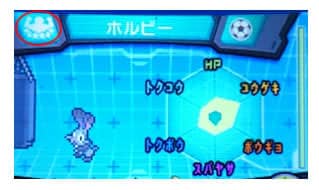
The basic screen of the Spatrex. The hexagon on the right is a graph called the Gambarometer, which shows the Pokémon's natural strength (green) and the amount of basic points it has earned (yellow).
When the meter on the right is full, no more basic points can be earned.
This is a system that allows you to increase your Pokémon's base points, training in the form of mini-games, by selecting Spa Train from the bottom screen of the 3DS.
There are two types of Spa Trainings, Super Training and Base Training, each of which can increase base points.
Super Training is a soccer-style game against a "balloon robot" shaped like a Pokémon, while Base Training trains Pokémon using a sandbag, and is controlled by touch on the lower screen, the slide pad, and the cross keys.
The base screen displays the Pokémon in the player's possession, and the player can select the Pokémon he or she wants to train. However, you cannot train Pokémon that are in the "Hinky" state.
A graph called the "Gambarometer" is displayed next to the Pokémon you are training on the basic screen, showing the basic points earned and the total value of each ability of the Pokémon you are currently training, as well as the Pokémon's natural strength.
The hexagonal graph displays the acquired basic points in yellow and the innate strength in green, and the meter on the right side displays the total value of the acquired basic points.
When the meter fills up, the total of acquired basic points reaches the maximum value, and the Pokémon becomes a "Perfect Pokémon.
Once the maximum value is reached, no more basic points can be earned, but the Perfect Pokémon will be able to challenge Super Training behind Super Training.
A target time is set for Super Training, and if the Pokémon completes it in less time than this time, a medal is awarded to the Pokémon.
If a Pokémon completes both regular and back Super Training, it becomes a "Super Perfect Pokémon" and is given a business ribbon by a woman at Café Ultimate in Miare City.

Related Articles
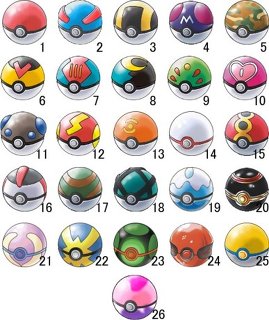
Pokemon (Pokemon) Monster Ball Summary
Pokémon" is a video game series published by Pokémon Inc. In this game, players explore the world with imaginary creatures called "Pokemon" as their partners, competing with wild Pokemon and Pokemon of their trainers. The tool used to catch Pokémon is the Monster Ball. When the first "Red, Green, and Blue" were first released, there was a rumor that if you hit the button repeatedly after throwing the ball, the capture rate would increase.
Read Article
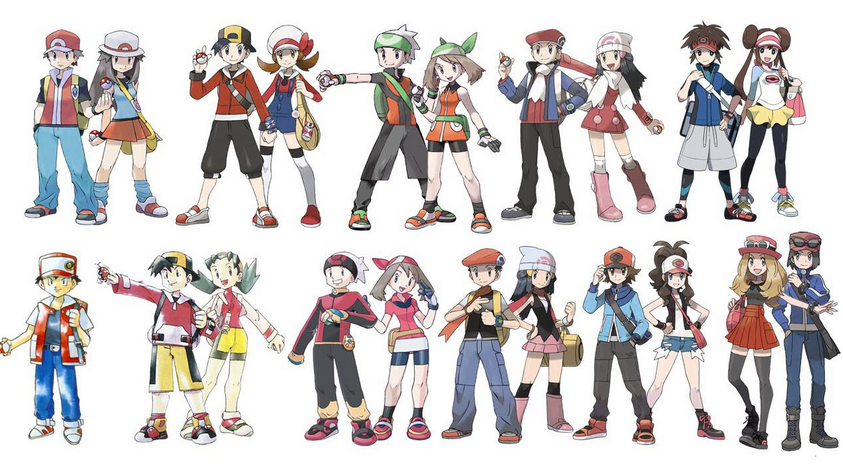
Summary of successive protagonists of Pokémon (Pokémon)
The main character in the "Pokémon" series can be named freely by the player. In the original "Red, Green, Blue, and Pikachu," there was only a male protagonist, but as the generations progressed, the gender, appearance, clothing, and hairstyle of the protagonist could be selected and changed to the player's liking, allowing for more freedom. The improved graphics made it possible to clearly see the main character's appearance in the game, and when a new game appeared, people began to pay attention not only to the Pokémon but also to the design of the main character.
Read Article
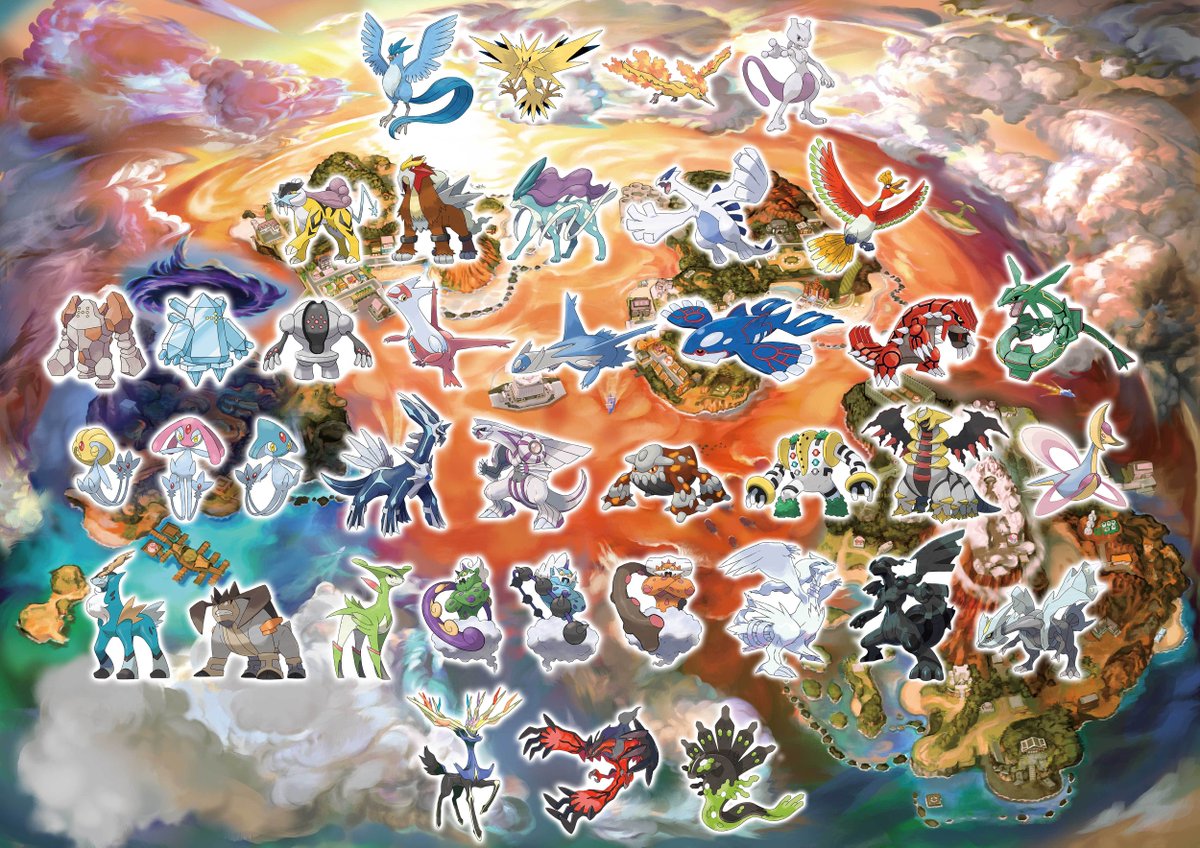
Pokémon Legendary Pokémon Summary
Pokémon" is the name of a video game series released by Pokémon (originally Nintendo). The abbreviated name is "Pokemon. The player becomes a trainer and travels with a creature called a "Pokémon" as a partner. Legendary Pokémon, according to the official description, are "precious Pokémon that can rarely be seen in each region," and are basically a generic term for Pokémon that appear only once in the game. Multiple legendary Pokémon have appeared in each generation.
Read Article
![Pokémon] List of the three generations of the Pokémon family.](https://renote.net/files/blobs/proxy/eyJfcmFpbHMiOnsiZGF0YSI6NzIwNDIyLCJwdXIiOiJibG9iX2lkIn19--ef0ac0b72cc8b04b30392dfdbc087a2d25c294a0/687d5798.jpg)
Pokémon] List of the three generations of the Pokémon family.
The following is a list of the three families of the Pokémon series. It covers the first generation of Red, Green and Blue, the second generation of Gold and Silver, the third generation of Ruby and Sapphire, the fourth generation of Diamond and Pearl, the fifth generation of Black and White, and the sixth generation of X and Y.
Read Article
A little creepy! Pokémon with disappointing visuals [Pokémon].
Cute and cool monsters tend to attract attention in Pokemon, but there are some Pokemon that are considered "creepy"... Here is a list of Pokémon whose visual appearance is a little disappointing. In a way, it may be said that the creepy parts are attractive.
Read Article
![Pokémon] Introduction of Characters in Pokémon [Gym Leader, Four Heavenly Kings, Champion].](https://renote.net/files/blobs/proxy/eyJfcmFpbHMiOnsiZGF0YSI6MTAzODI1NywicHVyIjoiYmxvYl9pZCJ9fQ==--28d9070ad3714207b2bd90936e624bcfa5c561d1/5de054b8.jpg)
Pokémon] Introduction of Characters in Pokémon [Gym Leader, Four Heavenly Kings, Champion].
This is a list of Gym Leaders, Four Heavenly Kings, Champions, and other characters that appear in the Pokémon series of games. They are introduced by region from the first generation to Black and White. Memorable and unique characters are another major attraction of the Pokemon series.
Read Article
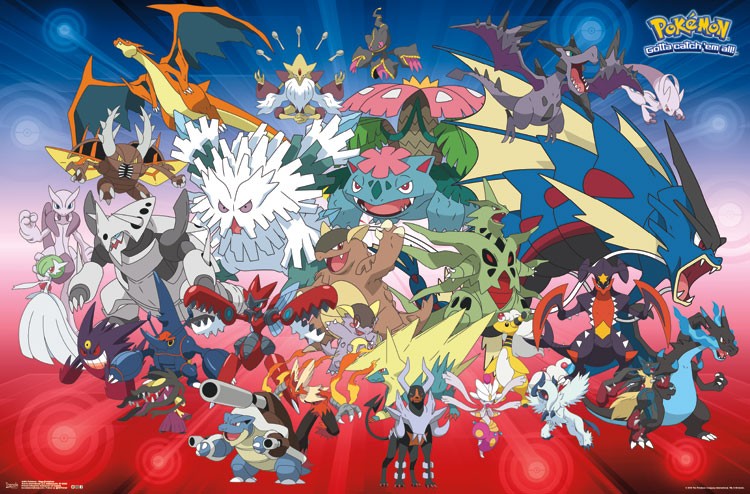
Pokémon (Pokémon) Mega-Shinker and Genshi-Kaiki Summary
Pokemon" is a series of role-playing games published by Pokemon Co. The aim is to capture and train creatures called pocket monsters (Pokémon) to become the champion of an institution called the Pokémon League. Mega Shinka is a new element added in "Pokémon X and Y". This system was added under the concept of "picking up Pokémon from the old series again. Similar to Mega Shinka, there is also Genshikaiki, in which legendary Pokémon Gladon and Chiogre return to their ancient forms.
Read Article
Summary of Pokemon (Pokémon) Types
Pokemon" is an RPG series developed by Game Freak and published by Pokemon Co. In this game, players travel around the world with imaginary creatures called "Pokemon," aiming to complete the Pokemon Pictorial Book and become the champion of the Pokemon League. In this title, each Pokémon and technique has a "type," which is a kind of attribute. These types determine the compatibility between Pokémon. At first, there were 15 types, but two types were added in "Gold and Silver" and one type was added in "X and Y".
Read Article
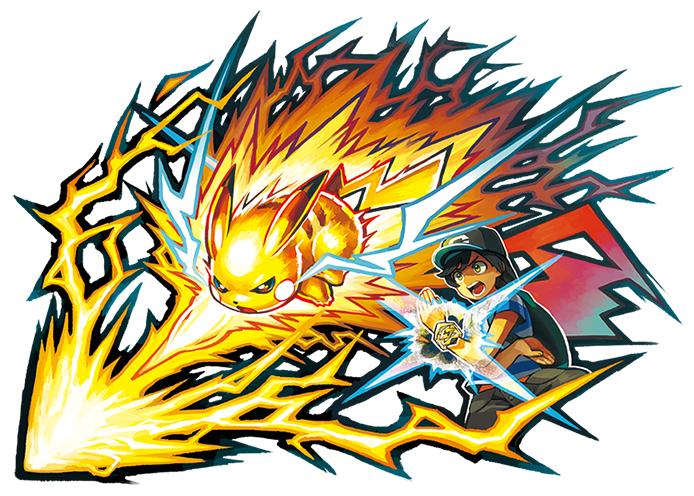
Summary of Z-Waza and Z-Techniques for Pokemon (Pokémon)
Z-Waza (Z-technique)" is an element introduced in Pokemon Sun Moon, a special move that can be used only once during a battle. It was introduced as a remedy for Pokémon other than some that can adapt to the inflated battle environment. Although there are some problems and lack of adjustment, the introduction of Z-Waza has given all Pokémon the opportunity to play an active role.
Read Article
![Pokémon] Evil organizations and their members in Pokémon.](https://renote.net/files/blobs/proxy/eyJfcmFpbHMiOnsiZGF0YSI6NzQwNzQ2LCJwdXIiOiJibG9iX2lkIn19--c6164432744a5cc22c14bb99b56dc39981f03fd3/maxresdefault.jpg)
Pokémon] Evil organizations and their members in Pokémon.
Pokemon] We have compiled a list of bosses and members of evil organizations in the Pokemon series of games. There are many fascinating villains such as the Rockettes, Aqua-dan, Magma-dan, Ginga-dan, Platinum-dan, and Flare-dan. Which is your favorite evil organization?
Read Article
Summary of Pokémon (Pokémon) characteristics
Pocket Monsters is the name of a video game series developed by Game Freak. The abbreviated name is Pokemon. Although it is a long-lived series that celebrated its 20th anniversary, the basics of its battle system have not changed since the first generation, "Pokemon Red and Green. In this article, we will discuss "special characteristics," a new element added in the third generation (Ruby and Sapphire).
Read Article
Images of previous generations of packages in the Pokémon series [Pokémon].
The popular game [Pokemon] series has released a variety of derivative works. Attractive packaging is an important element that successfully stimulates excitement for adventure and desire to purchase. Here we introduce a collection of images of the numerous past packages of the Pokémon series.
Read Article
Summary of Pokemon (Pokemon) tricks and bugs
Pokemon" is an RPG series released by Pokemon Co. It depicts the adventures of a Pokémon trainer who partners with a mysterious creature called "Pocket Monster" (Pokémon) and battles Pokémon against each other. The "Pokémon" series has a number of tricks and bugs. The first generation is particularly famous for having many bugs, probably due to the complexity of the program that was added to the first generation. In the first generation, the phantom Pokémon Mew was hidden in the internal data, and a situation developed in which Mew was distributed because it was exposed to the public through a bug.
Read Article
Summary of Branching Evolution of Pokemon (Pokémon)
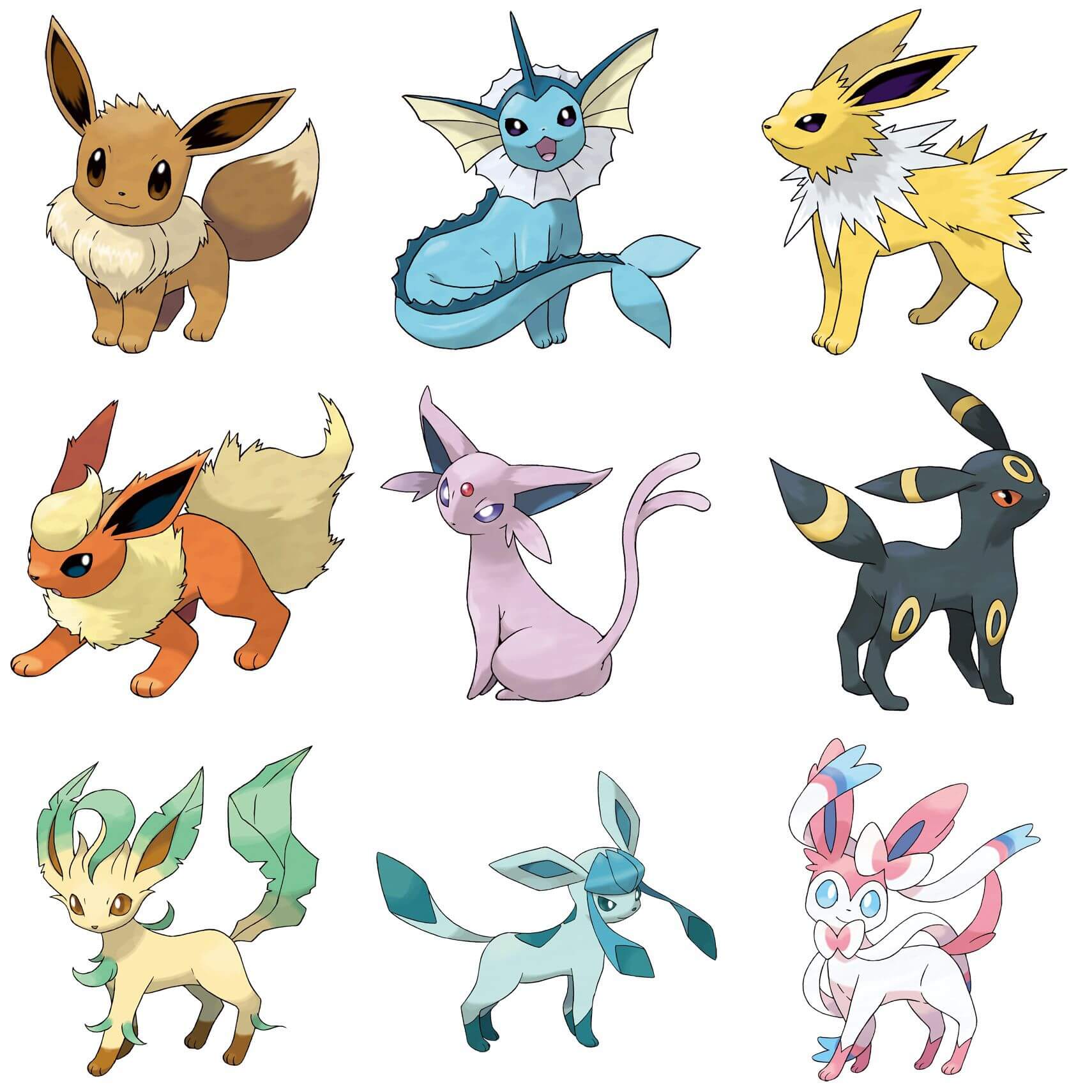
Pokemon" is an RPG series released by Pokemon Co. Set in a world of mysterious creatures called "pocket monsters" (Pokémon), players set out on an adventure to become Pokémon League champions. Many Pokémon can evolve and change their appearance when certain conditions are met. Some Pokémon evolve to different destinations depending on the conditions. Eevee, which is classified as a "Shinka Pokémon," can evolve into as many as eight different types of Pokémon.
Read Article
Summary of Satoshi's handheld Pokémon
Pokemon" is an RPG series released by Pokemon Co. In addition to video games, the series has been developed in a variety of media, including anime and manga. Satoshi, the main character of the anime from 1997 to 2023, basically travels to a new region with only his partner, Pikachu, and his Pokémon handheld is renewed each time the series changes. Another highlight of the anime is what kind of Pokémon Satoshi gets.
Read Article
ポケットモンスター(ポケモン)のバグポケまとめ
『ポケットモンスター(ポケモン)』とは、任天堂が発売しているゲームである。1996年2月27日に携帯ゲーム機「ゲームボーイ」用ソフトとして発売開始され、その後次々に続編が制作されている。オーソドックスなRPG(ロールプレイングゲーム)であり、「ポケモン」と呼ばれるゲーム内の架空の生物の収集や交換、育成などを進めていく。その中でも、通常プレイでは入手できず、ストーリーの進行にも影響はないが、裏技によって入手できるのが、「バグポケ」である。
Read Article
Summary of Stone Evolution, Item Evolution, and Communication Evolution for Pokemon (Pokémon)
Pokemon" is a video game series released by Pokemon Co. It is an RPG in which players adventure with mysterious creatures called "Pokemon" as their partners. Pokémon evolve when they reach a certain level. However, some Pokémon evolve by using evolution stones or similar items, and some Pokémon evolve through communication exchanges.
Read Article
Summary of Pokemon (Pokemon) Rivals
Pokémon" is an RPG series published by Pokémon Inc. It depicts the adventures of a Pokémon trainer who has a mysterious creature called a "pocket monster" (Pokémon) as a partner. Rivals are mainly trainers who, like the main character, acquire Pokémon in the early stages of the game and fight with them in various locations. They sometimes antagonize the main character and sometimes cooperate with him as he grows up. In the beginning of the series, it was common to choose a Pokémon from the three families of Pokémon as a partner that is compatible with the Pokémon that the main character obtains.
Read Article
Summary of accidents and incidents related to Pocket Monsters (Pokemon)
Pokémon" is a video game series released by Pokémon Inc. It has also been developed into various media, including animation. While "Pokemon" has become a popular content, various accidents and incidents have occurred. 1997 saw the "Pokemon Shock," which became a major topic of conversation in Japan. The worldwide popularity of "Pokemon GO" has also led to accidents around the world that are thought to have been caused by people walking around with their phones on.
Read Article
Summary of Conditional Level-Up Evolution of Pokemon (Pokémon)
Pokémon" is a video game series published by Pokémon Inc. It is an RPG in which players adventure with mysterious creatures called "Pokemon" (Pokemon) as their partners. Pokémon evolve when they reach a certain level, but some Pokémon are accompanied by other conditions, such as a degree of familiarity, friendliness, or location. Even if these Pokémon have reached a level at which they can evolve, they cannot evolve unless they meet other conditions.
Read Article
Summary of Pocket Monsters (Pokémon) otakara and cash items
Pokémon" is an RPG series released by Pokémon Co. It depicts the adventures of "Pokémon Trainers" who battle Pokémon with mysterious creatures called "Pocket Monsters" (Pokémon) as their partners. In "Pokémon," there is a category of tools called "otakara. This category mainly includes cash items that have no other use than to be sold, but some works also include items such as "Gin no Oukan" that are effective when given to a specific person.
Read Article

Summary of Pokemon (Pokémon) Ph.
Pokemon" is an RPG series released by Pokemon Co. Players go on adventures with mysterious creatures called "pocket monsters" (Pokémon) as their partners and aim to become champions of the Pokémon League. In "Pokémon," a doctor is a person who researches the ecology of Pokémon and is also called Dr. Pokémon. Until "Sun and Moon," it was standard practice to receive the first Pokémon and an illustrated book to register Pokémon from Dr. Pokémon.
Read Article
Summary of recovery items for Pokemon (Pokémon)
Pokemon" is an RPG series released by Pokemon Co. It depicts the adventures of "Pokémon Trainers," who battle Pokémon against each other, using mysterious creatures called "Pocket Monsters" (Pokémon) as partners. In battle, Pokémon's HP may decrease or they may suffer from abnormal conditions. You can recover your Pokémon by stopping by a Pokémon Center, but if there is no Pokémon Center nearby, you will have to rely on recovery items.
Read Article
Urban legends, trivia, and backstories of Pokemon (Pokemon)
Pokemon" is the name of a video game series developed by Game Freak. It is abbreviated as "Pokemon. It is an RPG in which players collect, raise, and battle creatures called Pokémon, following the concept of "collect, raise, and fight. Pokémon" rarely fails to send chills down the spine, and the longevity of the series, which celebrated its 20th anniversary in 2016, has given rise to all sorts of backstories and urban legends.
Read Article
Summary of Pokémon (Pokémon) Strength Transitions
Pokémon (Pokémon) is a long-lived series that has been around for over 20 years. The history of the series is long, and with each new release, various elements have been introduced into the battles. As a result, the battle environment for players who enjoy Pokémon battles has also changed. This section describes these changes.
Read Article
Summary of different colors of Pokemon (Pokemon)
Pokemon" is an RPG series developed by Game Freak in 1996, starting with "Red and Green. Players travel with a mysterious creature called a "pocket monster" (Pokémon) as their partner, aiming to become the champion of the Pokémon League. Color-matched Pokémon were introduced in the second generation "Gold and Silver," and are Pokémon with different body colors from the norm. When a different-colored Pokémon is seen on the status screen or when it is sent into battle, a glowing effect appears, so it is also called a "glowing Pokémon.
Read Article
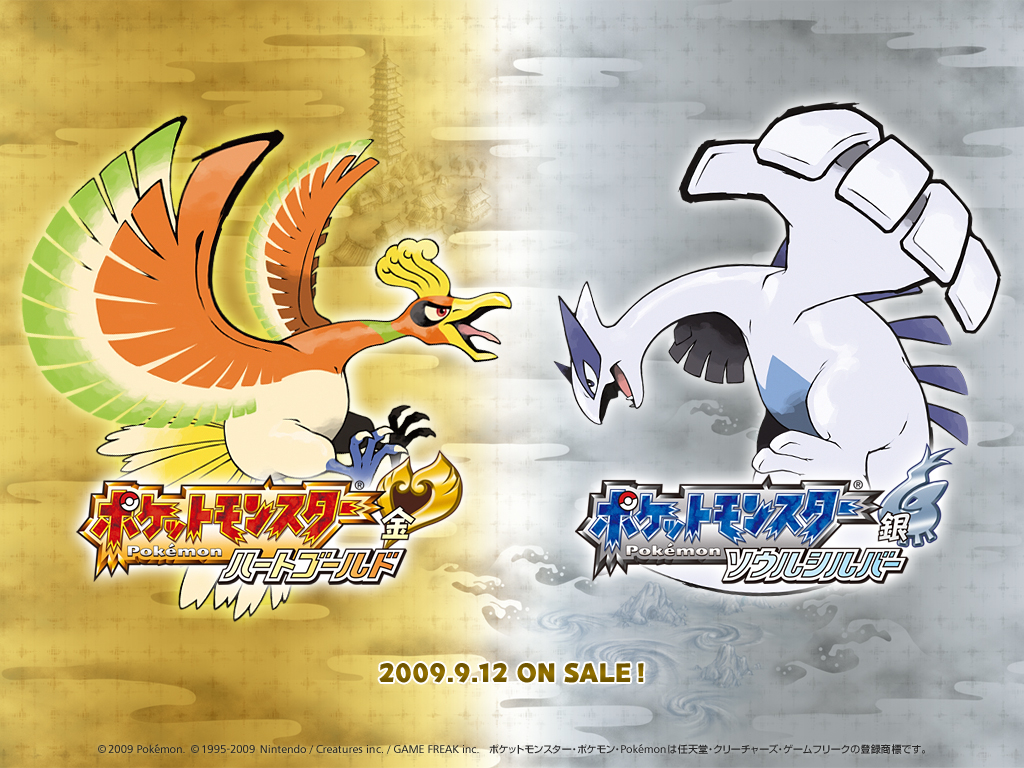
Pokémon Gold, Silver, Crystal, Heart Gold, and Soul Silver (Pokémon GSC and HGSS) Spoilers and Discussion Summary
Pokémon: Gold, Silver, Crystal, HeartGold, SoulSilver" is part of the "Pokémon" role-playing game series, with "Gold, Silver, Crystal" being the second game and "HeartGold, SoulSilver" being a remake of "Gold, Silver, Crystal. The "Heart Gold" and "Soul Silver" are remakes of "Gold, Silver and Crystal". The game takes players on adventures in the Johto and Kantou regions, where they aim to complete the Pokémon Pictorial Book and conquer the Pokémon League. They will fight against the Rockettes, an evil organization that appeared in the previous "Pokémon: Red, Green, Blue, Pikachu".
Read Article
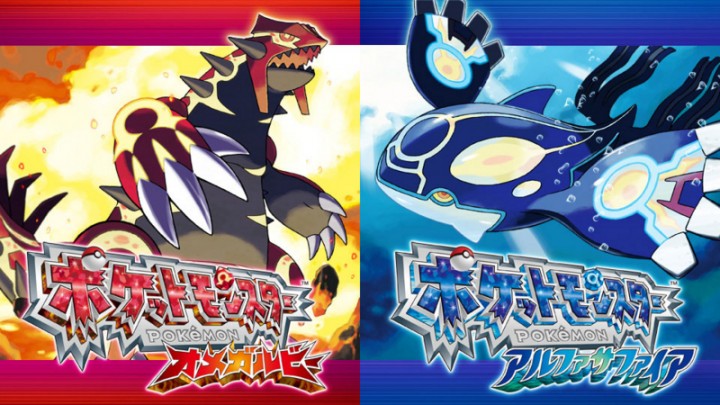
Pokémon Ruby, Sapphire, Emerald, Omega Ruby, Alpha Sapphire (Pokémon RSE and ORAS) Spoilers and Discussion Summary
Pokémon Ruby, Sapphire, Emerald, Omega Ruby, Alpha Sapphire (Pokémon RSE and ORAS)" is part of the "Pokémon" role-playing game series. Omega Ruby Alpha Sapphire" is a remake of "Ruby, Sapphire, and Emerald". In this adventure through the Houen region, players aim to complete the Pokémon Pictorial Book and win the Pokémon League. During the storyline, players will fight against the "Magma and Aqua Clan" organizations in various locations.
Read Article
Pokémon Sun, Moon, Ultra Sun, and Ultra Moon (Pokémon SM and USUM) Spoilers and Discussion Summary
Pokémon Sun Moon and Ultra Sun Ultra Moon are part of the "Pokémon" role-playing game series, with "Sun Moon" being the seventh game and "Ultra Sun Ultra Moon" being a version of "Sun Moon" with some additional stories and systems. Ultra Sun Ultra Moon" is a version of "Sun Moon" with some story and systems added. Players explore the Alola region, which consists of four islands and one man-made island, and go on an "island tour" to complete the Pokémon Pictorial Book and win the Pokémon League. During the story, they will battle organizations such as the Skull Clan and the Aether Foundation.
Read Article
Summary of Pokémon Ultra Sun Ultra Moon's appeal
Ultra Sun Ultra Moon is an upgraded version of the previous title, Pokemon Sun Moon, with new elements. As in the previous title, the story follows the main character as he embarks on a journey called "island-hopping" to overcome a number of challenges and become a champion, but there are also many new elements added from the previous title, so you won't get bored just because you have played the previous title. In this issue, we take a closer look at the charms of Pokémon Ultra Sun Ultra Moon.
Read Article
Pokémon Black 2 and White 2 (Pokémon BW2) Spoilers and Discussion Summary
Pokémon Black 2 and Pokémon White 2" is a sequel to "Pokémon Black and White" and takes place two years after the first game in the Ish region. The main goal of the game is to complete the Pokémon Pictorial Book and win the Pokémon League (Hall of Fame). The Plasma Clan, which appeared in the previous game, is back in this game and fights in various locations during the story. The growth of the trainers is also depicted, and we can see the growth of N (N), who was a rival in the previous work, and Belle and Cheren, who went on a journey together.
Read Article
Pokémon Black and White (Pokémon BW) Spoilers and Discussion Summary
Pokémon Black and White" is the fifth title in the Pokémon role-playing game series released by Pokémon (Nintendo Co., Ltd.). The main goal of the game is to complete the Pokémon Pictorial Book and win the Pokémon League (induction into the Pokémon Hall of Fame) in the Ish region. In this title, an organization called the Plasma Squad appears, which "appeals for the liberation of Pokémon in order to free them," and fights in various locations during the story. The theme of this work is "diversity," which is reflected in the characters, Pokémon, and storyline in the game.
Read Article
Pokémon Diamond, Pearl, and Platinum (Pokémon DPt) Spoilers and Discussion Summary
Pokémon Diamond, Pearl, and Platinum" is the fourth title in the "Pokémon" role-playing game series released by Pokémon (Nintendo) Co. Pokémon Diamond Pearl" was released, and later "Pokémon Platinum" was released with new elements added. The adventures take place in the Shin-Ou region, and the main goals of the game are to complete the Pokémon Pictorial Book and to win the Pokémon League.
Read Article
Pokémon Red, Green, Blue, Pikachu, Fire Red, and Leaf Green (Pokémon RGBP and FRLG) Spoilers and Discussion Summary
Pokémon: Red, Green, Blue, Pikachu, Fire Red, Leaf Green" is one of the "Pokémon" role-playing game series. "Red, Green, Blue, Pikachu" is a remake of the first game, and "Fire Red, Leaf Green" is a remake of "Red and Green" with various elements added. Fire Red and Leaf Green" are remakes of "Red and Green" with various elements added. Players will adventure through the Kantou region, aiming to complete the Pokémon Pictorial Book and conquer the Pokémon League. During the storyline, players will fight against the Rockettes, an evil organization that plans to take over the world.
Read Article
Spoiler commentary and discussion of Pokémon SPECIAL (PokéSP and PokéSP)
Pokémon SPECIAL" is a manga based on the game "Pokémon" published by Shogakukan, written by Hidenori Kusaka and drawn by Satoshi Yamamoto. The series was first serialized in Shogakukan's Shogakugakusei Shogakunen, Shogakugakusei Gosei, and Shogakugakusei Rokunen in 1997, and then in Coro Coro Coro Ichiban! and "Club Sunday," and in 2021 the series celebrated its 25th year.
Read Article
Pokémon Sword Shield (Pokémon Sword Shield) Spoilers and Discussion Summary
Pokémon Sword and Shield is a role-playing game for Nintendo Switch released by Pokémon Inc. on November 15, 2019, with two simultaneous releases of Pokémon Sword and Pokémon Shield in the Pokémon series. It will be the eighth title in the series. The official abbreviation is "Pokémon Sword and Shield". In the Garal region, the setting of this work, the main character challenges the Pokémon League, the highest level of Pokémon battles, and aims to become the champion. He also tries to solve the mystery of the Dymax phenomenon, in which Pokémon become huge.
Read Article
Contents
- Outline of "Pokémon X and Y
- Synopsis and story of "Pokémon X and Y
- Asametown - Shoyo City
- Sekitai Town - Miare City
- Kunoe City - Hyakkoku City
- Fradari Lab - Flare Group's Secret Base
- Hyakkokushi City - Pokemon League
- Adventures and Handsome Stories Since Then, Part 1
- Handsome Story Part 2
- Game System of "Pokémon X and Y
- initialization
- In-game time
- allowance
- ID
- stylish
- type
- fairy type
- ability
- home page
- denunciation
- defense
- special efficacy
- moral influence
- speed
- special characteristic
- state anomaly
- poison/toxin
- palsy
- burn
- sleep
- district (of 2-20 50-home neighbourhoods or townships, in the ritsuryo period)
- (on the) verge of death
- state change
- chaos
- madly in love
- siesta
- tighten
- gastric juice
- mistletoe (esp. European mistletoe, Viscum album)
- battle format
- triple battle
- rotation battle
- battle of the herds
- sky battle
- mega-shinka
- Completed Pokémon Pictorial Book
- Catching Wild Pokémon
- evolve
- lay eggs
- Restore the kaseki
- Received from a person in the game
- Exchange communication with other players
- Use Pokémover/Pokémon Bank
- To be inducted into the Hall of Fame
- Raising Pokemon
- Pokemon Breeder
- Compete with Pokémon trainers
- gymkhana
- Four Heavenly Kings / Fighting Champions
- battle chateau
- battle house
- Single Battle/Super Single Battle
- Double Battle/Super Double Battle
- Triple Battle / Super Triple Battle
- Rotation Battle / Super Rotation Battle
- Multi Battle / Super Multi Battle
- trial house
- restaurant (esp. Western-style)
- back-to-back battles
- going on a friendly safari
- shiru shop
- Hotel
- grand hotel
- PocketPallet
- status
- stroke a Pokemon
- give a poffee
- Playing Mini-Games
- mimic someone's looks
- Room redecoration/interaction with other players' Pokémon
- weight training
- super training
- base training
- fashion
- photography
- Trainer Promo
- Communication Functions
- PSS (Player Search System)
- correspondence exchange
- Miracle Exchange
- GTS (Global Trade Station)
- correspondence competition
- battle spot
- O Power
- holocaster
- game synch
- Pokémon Global Link (PGL)
- timeline
- medal
- Pokémile Club / Pokémile Store
- attraction
- Photo
- Characters from "Pokémon X and Y
- Main characters and their relations
- Main character (Callum/Selena)
- Dr. Platane.
- Sana (Greek goddess)
- Tierno.
- trova
- Gina and Dexio
- saki (Japanese persimmon) (Diospyros kaki)
- gym leader
- viola
- garlic chive (Allium tuberosum)
- corni
- fukuji (lacquered wooden clogs, esp. used in Kyoto and Osaka prefectures)
- citron (Citrus medica)
- Marsh.
- Chinese muntjac (species of barking deer, Muntiacus reevesi)
- ULP
- Four Heavenly Kings and Champions
- pachira (Pachygrapsus pinnatifida)
- Toringo crabapple (Malus sieboldii)
- Diplomorpha sikokiana (species of flowering plant)
- dracaena (any palmlike tree of genus Dracaena or Cordyline)
- carnet
- flare group
- chorea
- rose
- lily-of-the-valley
- Japanese maple (Acer japonicum)
- xerosis
- quince (Cydonia oblonga)
- fladary
- battle chatelaine
- lantern (for mountaineering)
- luswar
- luncheon
- lumitan
- Other Persons
- AZ (AZ)
- pansy (Viola tricolor hortensis)
- compatible
- Crocare
- eureka
- father who is interested in having a child (esp. a son who is older than his parents)
- camera old man
- girl who remembers
- calico plant (Alternanthera ficoidea)
- Matiere / Esprit
- handsome
- 『ポケットモンスター X・Y』の新ポケモン
- ハリマロン
- ハリボーグ
- ブリガロン
- フォッコ
- テールナー
- マフォクシー
- ケロマツ
- ゲコガシラ
- ゲッコウガ
- ホルビー
- ホルード
- ヤヤコマ
- ヒノヤコマ
- ファイアロー
- コフキムシ
- コフーライ
- ビビヨン
- シシコ
- カエンジシ
- フラベベ
- フラエッテ
- フラージェス
- メェークル
- ゴーゴート
- ヤンチャム
- ゴロンダ
- トリミアン
- ニャスパー
- ニャオニクス
- ヒトツキ
- ニダンギル
- ギルガルド
- シュシュプ
- フレフワン
- ペロッパフ
- ペロリーム
- マーイーカ
- カラマネロ
- カメテテ
- ガメノデス
- クズモー
- ドラミドロ
- ウデッポウ
- ブロスター
- エリキテル
- エレザード
- チゴラス
- ガチゴラス
- アマルス
- アマルルガ
- ニンフィア
- ルチャブル
- デデンネ
- メレシー
- ヌメラ
- ヌメイル
- ヌメルゴン
- クレッフィ
- ボクレー
- オーロット
- バケッチャ
- パンプジン
- カチコール
- クレベース
- オンバット
- オンバーン
- ゼルネアス
- イベルタル
- ジガルデ
- ディアンシー
- フーパ
- ボルケニオン
- Items from "Pokémon X and Y
- ball
- HP recovery item
- Abnormality recovery items
- item to recover from a poor state of health
- PP (power point) recovery items
- Battle Support Items
- glass
- point-up items
- counter for long, thin Japanese sweets (e.g. youkan)
- nut
- night soil
- Items that increase the power of abilities and techniques (items to be carried by Pokémon)
- Battle aid items (items to be carried by Pokémon)
- Items that activate recovery and abnormalities (items to be carried by Pokémon)
- Megaring Megastone
- plate (often as in "tectonic plate")
- cassette (tape)
- scandalous conduct
- will of a god
- trinkets of the gods
- spray
- Pokemon Breeding Items
- casein
- Machines for special purposes and electric machines
- Machines for "X and Y
- The "X-Y" power supply machine
- most important thing
- Town Map
- holocaster
- having an open mind
- runner-up
- roller skate
- fishing rod
- dowsing machine
- battle recorder
- Hasbaugh's waterfall
- pocket training
- Lens Case
- Pokemon hula (mythical creature with magical powers that can only be seen through the eyes of a Pokemon)
- TMV Pass
- kaross emblem
- genetic wedge
- Glacidean nose
- mirror
- round charm
- charm that illuminates
- Other Items
- Terms for "Pokémon X and Y
- character
- individuality
- degree of familiarity
- form change
- poignon
- deoxys
- Minomuch Minomadam
- chelim
- roto-
- Giratina.
- shami
- Arceus
- Sarcocheillichthys variegatus variegatus (species of minnow)
- sika deer (Cervus nippon yesoensis)
- meloetta
- guenosect
- Tornellos, Voltros, Landros
- Kyurem (evil spirit in Japanese folklore)
- Keludio.
- trimian
- Gilgard
- Zelneas
- egg group
- Basic Points
- pokealus
- ribbon
- differently colored
- art
- combination technique
- Hit and Evasion Ratio
- vital point (critical place to make a move in the game of Go)
- degree of relative priority
- field conditions
- fair or favorable wind (favourable)
- Maimibishi, Dokubishi, Stealth Rock
- Reflector, Wall of Light, Shinpi no Mamoru
- weather
- Electric field, Grass field, Mist field
- Trick Room, Magic Room, Wonder Room
- region
- Kalos region
- Town, Pokemon League
- asametown
- Macey Town
- Hakdan City
- miale city
- Cobok Town
- Kozintown
- show city
- Sequitay Town
- Shala City
- city that has been designated as a day care center (centre)
- Knoe City
- Fujo Town
- Hyakkokushi City
- Lenli Town
- acetyl city
- Pokemon League
- Quinan City
- Forests, caves, facilities, etc.
- Hakudan Forest
- Palais de Parfum
- Cave of the Earth's Connections
- Cave of Radiance
- Cave of Reflections
- Azur Bay, Hole of the Sea God
- Kalos Power Plant
- Ball Factory
- run-down shantytown hotel
- frost cave
- Fladari Lab
- Flare Corps Secret Base
- Cave of the End
- Pokemon Village, Nameless Cave, Lost Forest
- space between empty rooms
- champion road
- Facilities (common)
- Pokemon Center
- Friendly Shop (Shop)
- gym leader
- Four Heavenly Kings and Champions
- battle chatelaine
- flare group
- Backstories, Trivia, and Small Stories/Episodes/Anecdotes from "Pokémon X and Y
- The title comes from the X and Y axes, which represent coordinates
- Simultaneous worldwide release of "X and Y
- Music from past works that can be heard in this work
- Free rides available if cab fare cannot be paid.
- Pokémon can be ridden
- Tip can be paid.
- Obtain items during battle
- Commendation for the completion of the illustrated book
- Gengar is a pixie possessed by a ghost" theory gains more credibility.
- デマ情報が蔓延