
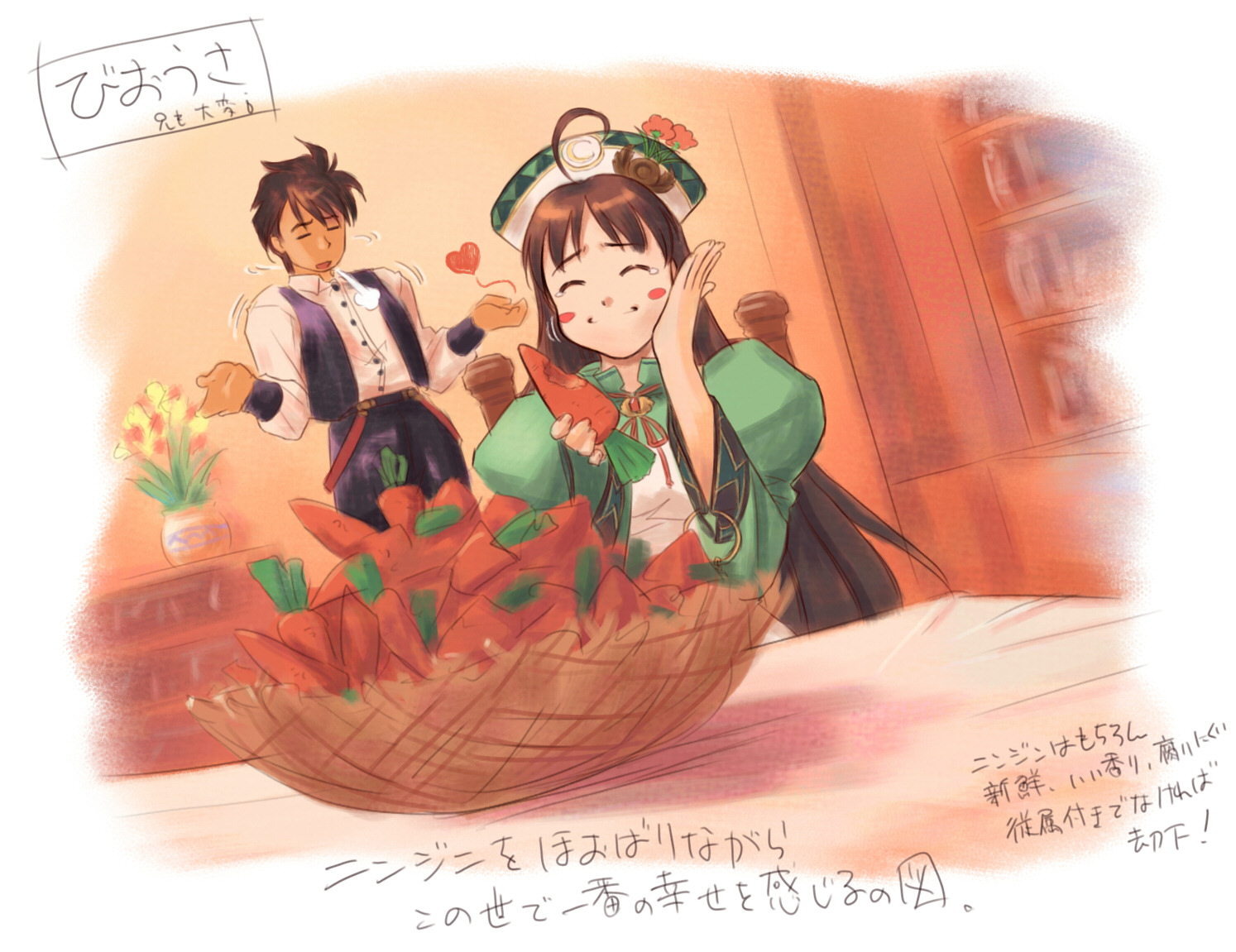
Released on June 26, 2003 by Gust Inc. for the PlayStation 2.
This is the fifth title in the "Atelier series," an RPG in which players grow through the use of alchemy.
The story takes place in "Gramnath", a world about 25 years after the previous title "Yudie's Atelier: The Alchemist of Gramnath".
In order to be recognized by his parents, Violato uses alchemy to revitalize his village.
The story of "Violato's Atelier - The Alchemist of Gramnath 2
The main character, Violato, lives an unchanged life in the deserted village of Carotte, where carrots are a specialty. One day, his parents tell him that they are giving up on Carotte Village and moving to the city. However, Violato does not want to leave his familiar village of Carotte, and he ends up arguing with his parents. After some discussion, his parents agree to allow him to stay in the village for the next three years until they move to a new place, and they also agree that he can stay in the village as long as he can run a store that can make a good living.
Violato had a plan for the store. It was the alchemy he had learned from Eisel, a traveling alchemist who had visited Carotte Village before.
Violato opened an alchemy store and started to revitalize the village for the reconstruction of Carotte village.
Traveling to various towns and fields, and building trusting relationships with many people, Carotte village and the store grew.
Three years passed, and the parents returned to Carotte Village. However, although they are surprised at the growth of Carotte Village, they tell them that the city they have moved to is still better than their new home, and they leave, telling them to work hard for two more years as a new challenge.
Five years have passed since the first promise, and the parents return to Carotte Village for a final warning. However, the village of Carotte has grown into a city, and has already surpassed the city in which their parents live. The parents recognized Violato and his family's efforts and told them that Violato could remain in Carotte Village and that they would return to Carotte Village.
Thus, Violato never leaves Carotte village, and his store flourishes as a contributor to the revitalization of the village, and the story comes to an end.
Although not mentioned in the story, there is no description of the protagonists growing old or content after several years have passed in the story, and it appears that their age has not progressed.
Game System of "Atelier Violato - The Alchemist of Gramnath 2
Within the three-year grace period, the village of Carotte needs to grow, but at the beginning, players start with no "store," no "products," no "experience," no "trust," no nothing.
Players will set up a store, gather materials on their own, learn knowledge and experience through various activities, create products and requested goods through alchemy, and gain trust by fulfilling requests at the taverns in each town.
In addition, the world is wide and players can explore the world in search of unknown "places," "demons," and "materials.
However, there are many things that are not necessary just to complete the game, and it is up to the player to decide how to explore.
Own store [Violaden].
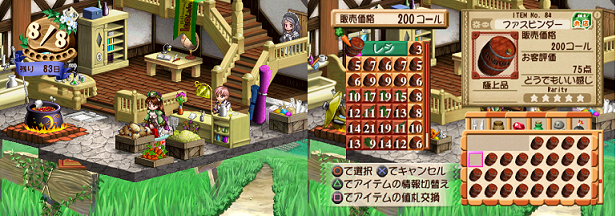
On the left is an image of the "store inside the protagonist's home" and on the right is a "product display screen".
In past installments of the Atelier series, the only way to raise funds for purchasing materials and escort fees was to be paid for at the tavern or by selling directly at the tool shop, but in Violato's Atelier, players can raise funds by selecting items to sell at the store and displaying them for sale. In addition, the parameters that determine the final appearance of the village change depending on the items sold. Therefore, players need to think about what kind of town they want to create and display their products until the village develops.
The number of stores is small at first, but will increase as more events occur and more items are acquired.
When selling products, Violato stands in the store and competes with the customers. This makes it possible to enjoy a "vending" type "atelier" in addition to a "quest" type game, whereas past titles were so-called "quest" type games in which the player receives requests. When Violato is not in charge of the store, adventurers can be assigned to be store keepers, and they will sell their products.
facility
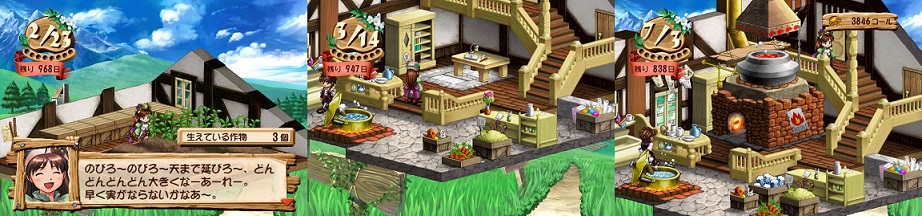
Images of the "field" on the left, the "ice house" in the center, and the "blast furnace" on the right.
In the previous work [Yudhi's Atelier], they were placed in each city and could be used at any time, but this is not the case in this work. However, when running a store, the initial facilities are not enough. Therefore, Violato's home is remodeled and new facilities are added.
Facilities have a cost, and depending on the combination, some can be built and some cannot be built. Therefore, the team will have to think about what to do with the facilities that cannot be used and how to manage the items.
Container
Containers can expand the number of items in stock. The cost is small, so many containers can be placed.
Containers can be placed on the second floor of a house.
Vegetable Garden
By planting "some kind of seeds," you can obtain crop items. Also, by "taking care" of it, you can harvest high quality items.
The garden is located by crushing the bedrooms on the second floor.
Kettles and blast furnaces
Ingots can be created from metal and stone. Ingots can be used to make weapons, and weapons can be used to make ingots.
More items can be melted in a blast furnace than in a cauldron, and the cost is higher.
The location of the furnace is in the hall under the stairs.
Petit icehouse/icehouse.
Items that deteriorate over time, such as food and ice, can be stored without deteriorating. Like containers, they can be used to store anything.
The "ice compartment" can hold more items than the "petit ice compartment" and costs more.
Installation is in the hall under the stairs.
auction
A village revitalization event held every August in the village of Carotte. Bids are placed on items brought by the participants, which are then purchased by the audience. Since the funds from the successful bids go directly to the village revitalization efforts, the items on display are "donated" to the village. The items on display vary from alchemical items and equipment to luxury items that would otherwise be completely useless.
To enhance the event, players use the one-time "hit" command to perform various accidents, such as changing the value of the item or immediately deciding on the item.
If a total of 50,000 calls (funds) are collected as the event's final success, a monument will be erected by the most meritorious in the village square.
Note that if Violato is not in the village of Carotte in August, he will be considered absent.
Village Changes
The village of Carotte changes twice, as the number of village visits increases. In the second and final form, the tendency is fixed and the city becomes one of "Normal," "Kiwamono," or "Fortress.
Since it also affects the ending of the game, the player must think about which city to choose, place goods in the stores, manipulate the trends, and grow the village.
Dependent Effects and Quality
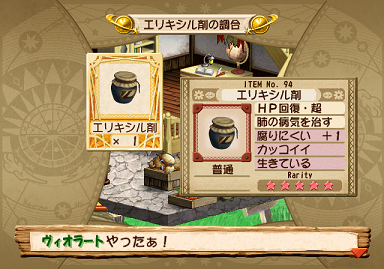
Dependent Effect" and "Quality" were added to items as a new system from "Gramnat Series".
Items are given "main efficacy" (in the image, "HP recovery, super" and "cures lung disease"), which is their original performance as an item, and "dependent effects" (in the image, "corrosion resistance +1," "cool" and "alive"), which are handed down from the materials, so that items with the same name have different effects and values. This makes it possible to sort the dependent effects of materials and raise their value, recovery efficacy, etc. Some combinations of dependent effects also change the effect of the main efficacy, so it is necessary to try various combinations.
Each item also has a "quality" ("normal" in the image). This reflects the freshness of the item, for example, using "inferior" ingredients will result in "inferior" results, and using "extremely refined" ingredients will result in "extremely refined" results, and so on. However, there are exceptions. Freshness of raw products deteriorates with the passage of days (and finally becomes industrial waste), while fermented products become fresher with the passage of days.
a number of days
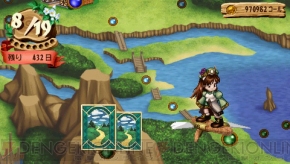
The dots on the map become roads, and the number of days elapses with each move.
Days will pass no matter what you do: "mixing," "exploring dungeons," "moving around the field," "taking a break," and so on.
Therefore, you have to plan and play without wasting time until the day that is the deadline.
In addition, some events have a time limit, such as what event in what month and what event only appears for a few days, so it may be necessary to make overall adjustments such as refraining from mixing and exploring and moving around to participate in the desired event.
battle
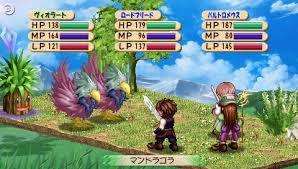
The "Enemy" is in the back and the "Player" is in the front.
Each enemy and ally is placed in a 3 x 3 square in the form of a formation, and the battle is turn-based.
In the player's turn, he or she selects from commands such as attack and skill to act, and after the turn is over, it becomes an "Enemy Turn".
The way to win is to destroy the enemy, which can be done by reducing the value of "HP," "MP," or "LP" to zero. The player must be careful when using combat skills because, like the enemy, the player will be stunned (leave the battle line) if the value of MP or LP is reduced to zero. If not, the player may be in danger of being killed by a variety of combat skills, as even a small amount of damage can lead to immediate fainting and total annihilation.
Some enemies have characteristics such as low LP, so it is possible to devise ways to attack them by concentrating on them.
Characters in "Violato's Atelier - The Alchemist of Gramnath 2

Related Articles

In-depth summary of the main characters of the Atelier series
The "Atelier series" is a series of RPG games based on the theme of "alchemy. The publisher is Koei Tecmo Games' Gust (formerly Gust Co., Ltd.). The series is called the "Atelier series" because the word "Atelier" appears in the names of most of the titles. Most of the main characters are girls, and their names are often included in the XX part of the title, "XX's Atelier.
Read Article
Lily's Atelier - The Alchemist of Saarburg 3 (A3) Spoilers and Discussion Summary
Lily's Atelier: The Alchemist of Saarburg 3" is the third title in the Atelier series of RPG games for the PlayStation 2 from Gust. It is set in a time before the first game, "Marie's Atelier: The Alchemist of Saarburg". The main character Lily and her friends come to Saarburg from the continent of El Vador to spread alchemy. They aim to complete the academy by exhibiting their alchemical creations at the annual "exhibition" held at the castle to gain recognition and funds.
Read Article
Spoiler commentary and discussion of Elie's Atelier - The Alchemist of Saarburg 2 (A2)
Elie's Atelier: The Alchemist of Saarburg 2 (A2)" is a sequel to "Marie's Atelier: The Alchemist of Saarburg", an RPG game for the PlayStation released by Gust. A girl named Elfir, who was wandering between life and death after contracting an infectious disease, was saved by a woman named Marlone, who was on a journey as an alchemist. Elfir, who survived, admired Marlone and entered a prestigious alchemy academy in Saarburg to become an alchemist herself.
Read Article
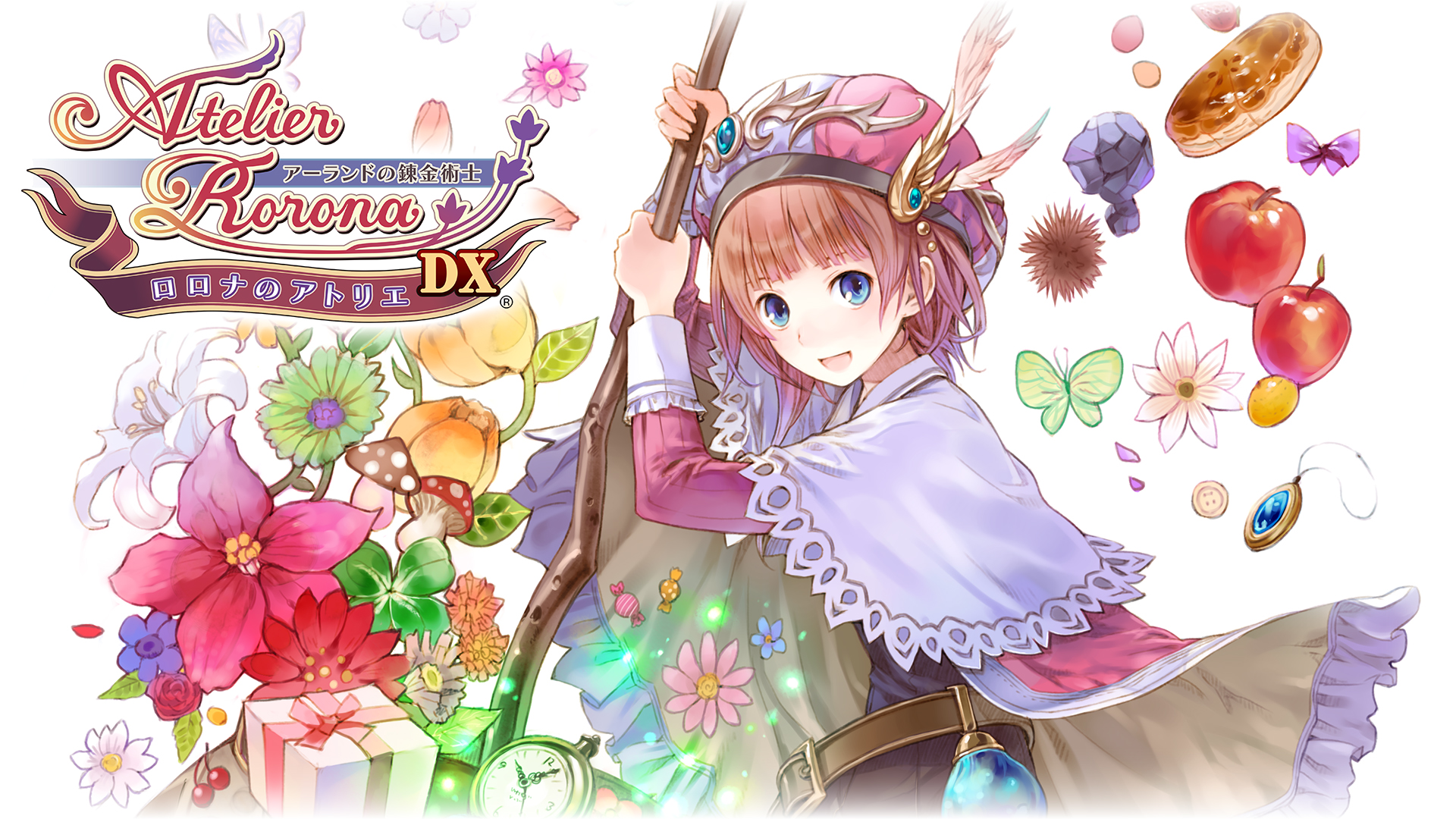
Spoiler commentary and discussion of Rorona's Atelier - The Alchemist of Arland (A11)
Rorona's Atelier: The Alchemist of Arland" is the 11th title in the Atelier series of RPG games for the PlayStation 3 from Gust. Later remakes were made and a DX version was released as a set with the sequel. A girl named Rorona lives with her master in the Atelier of Alchemy in a corner of the Kingdom of Arland. One day, a knight comes from the castle and tells her that if she does not continue to fulfill the tasks given by the castle for three years, the atelier will be torn down. Rorona becomes the owner of the atelier as a new alchemist and faces the three-year task to protect the atelier.
Read Article
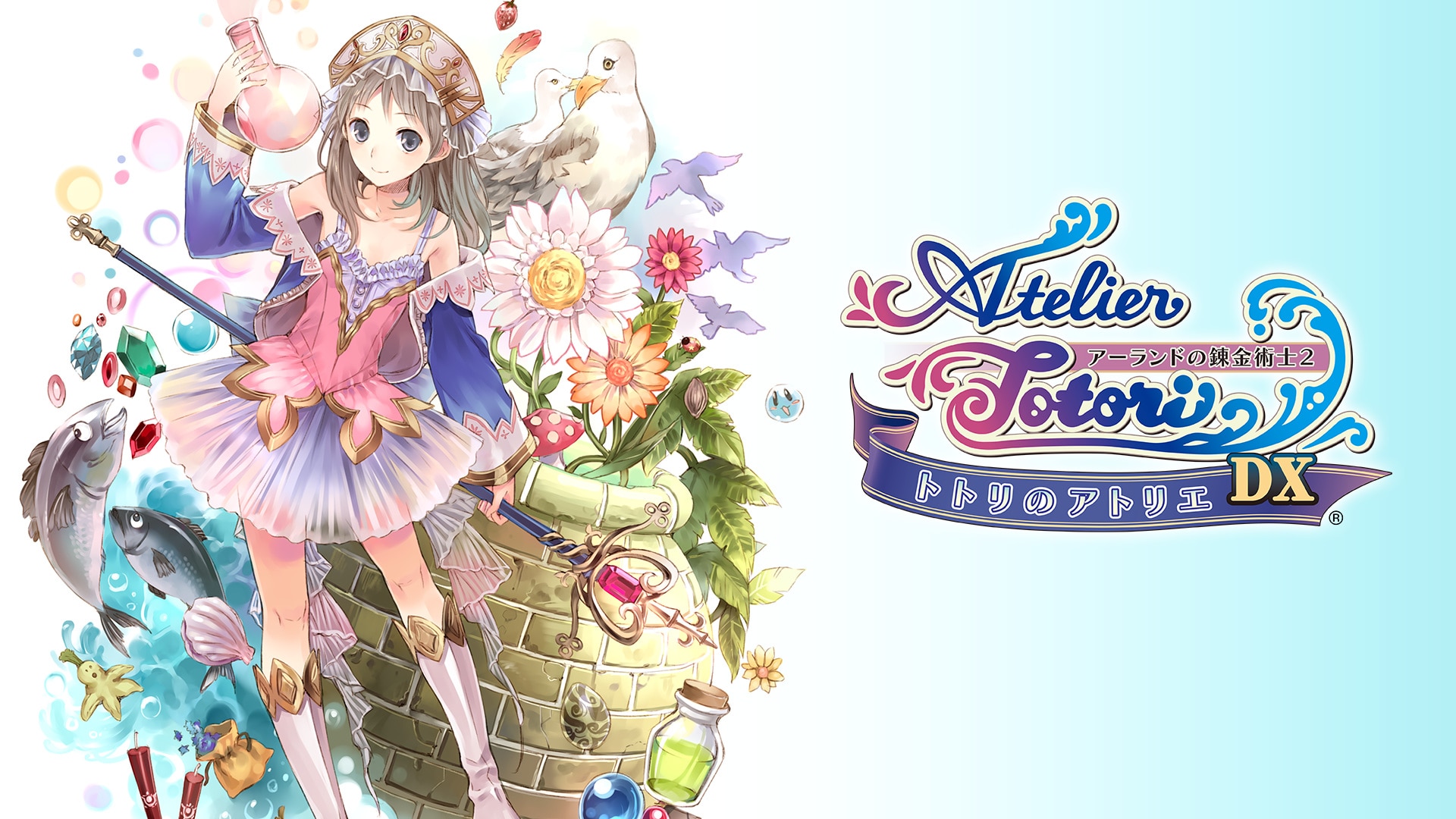
Spoiler commentary and discussion of Totori no Atelier - Alchemist of Arland 2 (A12)
Totori no Atelier -The Alchemist of Arland 2 (A12)" is a sequel to "Rorona no Atelier -The Alchemist of Arland", an RPG game for the PlayStation 3 released by Gust. In a small fishing village called Aranya in the Republic of Arland, there lives a girl named Totori, who is Rorona's apprentice. Totori decides to become an adventurer in order to follow in the footsteps of her mother, who went on an adventure when she was a child and has since disappeared. Totori's adventure begins as she dreams of being reunited with her mother.
Read Article
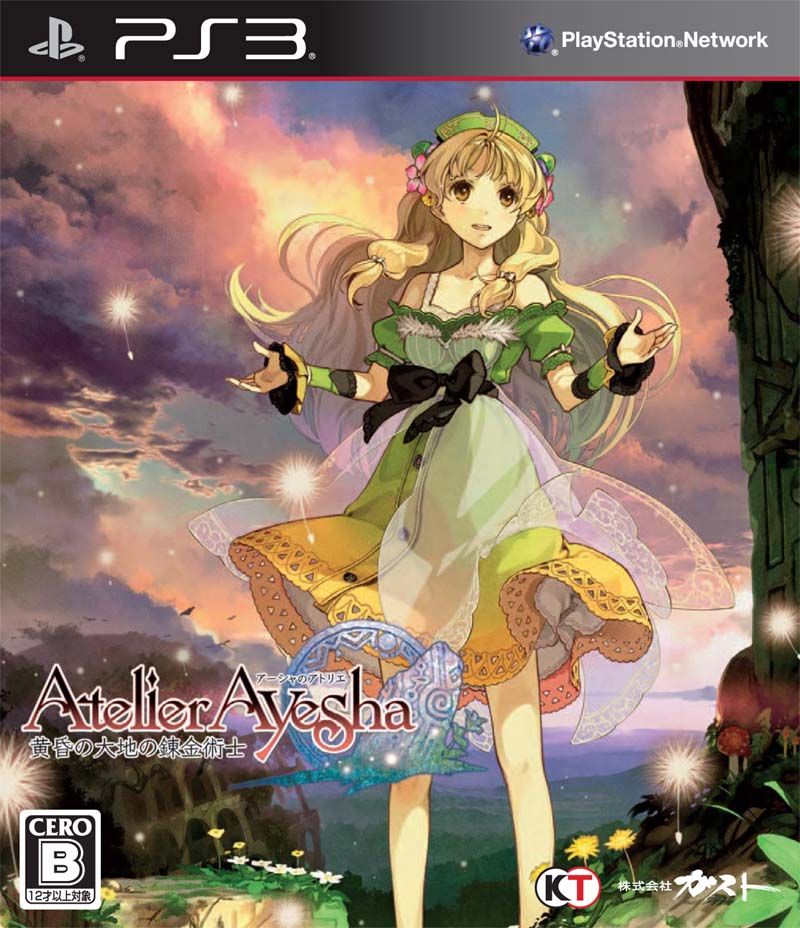
Asha's Atelier - The Alchemist of the Twilight Zone (A14) Spoilers and Discussion Summary
Asha's Atelier: The Alchemist of Dusk (A14)" is a PlayStation 3 software developed by Gust (now Koei Tecmo Games) and is the 14th title in the Atelier series of alchemy-themed RPGs. Like the previous titles in the series, the story is based on a cheerful style, but the story takes place in the twilight age, when alchemy, once a flourishing art, has fallen into disuse. The story is about Asha, a young pharmacist girl who learns alchemy and searches for her missing sister in a dying world.
Read Article
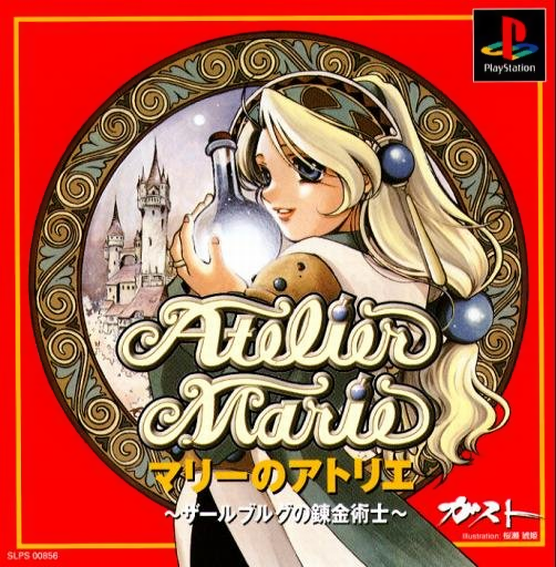
Marie's Atelier - The Alchemist of Saarburg (A1) Spoilers and Discussion Summary
Marie's Atelier: The Alchemist of Saarburg (A1)" is an RPG game for the PlayStation released by Gust. The game was later ported to various consoles, including the Sega Saturn version with additional events and endings. The main character, Marlone, was studying at an academy to become an alchemist, but his grades were not good enough to graduate. The academy then issued a graduation exam: "Run an alchemy store in town, create a high-level item, and submit it to the academy. Marlone is to take the 5-year graduation exam while running the store.
Read Article
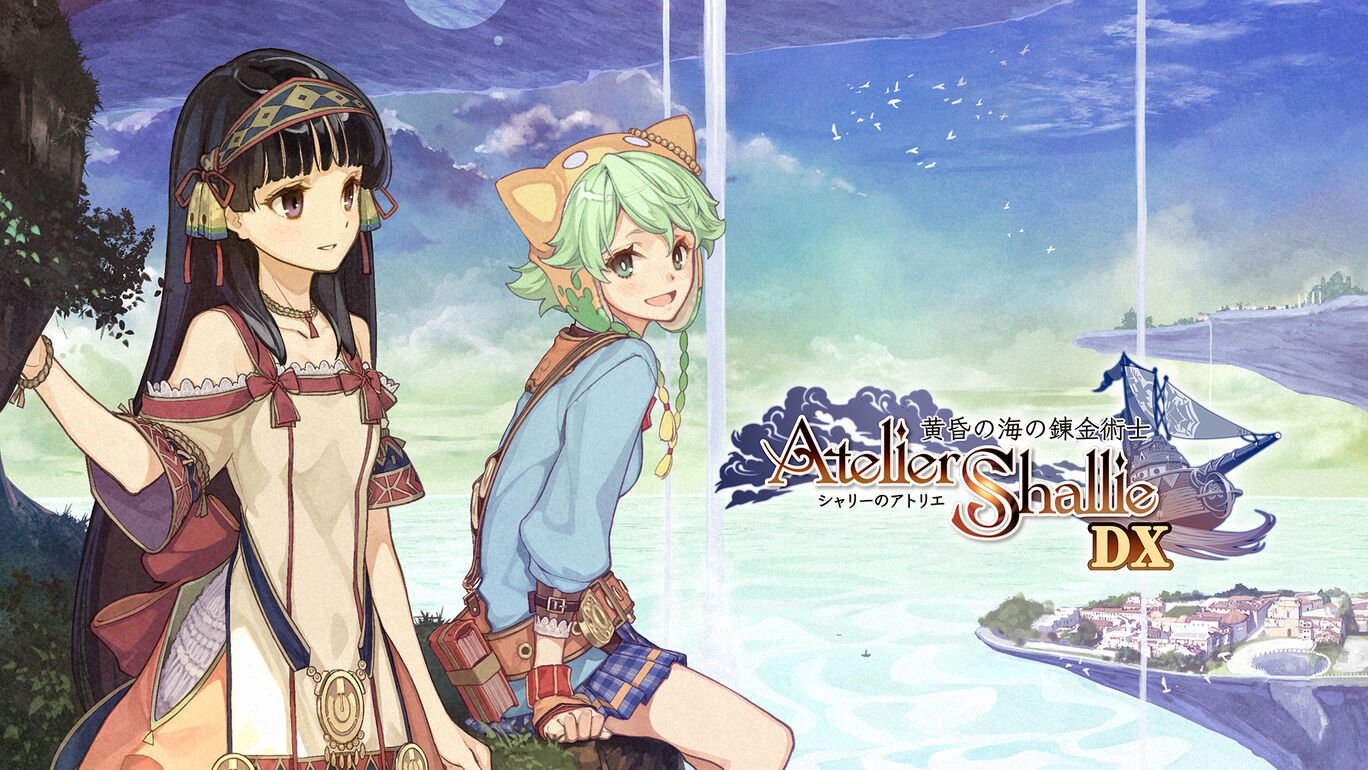
Spoiler commentary and discussion of Shari's Atelier - The Alchemist of the Twilight Sea (A16)
Shari no Atelier: Alchemist of the Dusk Sea (A16) is the 16th title in the Atelier series of alchemy-themed RPGs developed by Gust. Gust was later known as Koei Tecmo Games. It is also the third and final installment of the "Twilight Series" and was released in 2014 for the PlayStation 3. The main characters in this work are the two Charlies "Charistella" and "Charlotte," and the story unfolds from different perspectives, as in the previous "Atelier of Esca and Logie."
Read Article
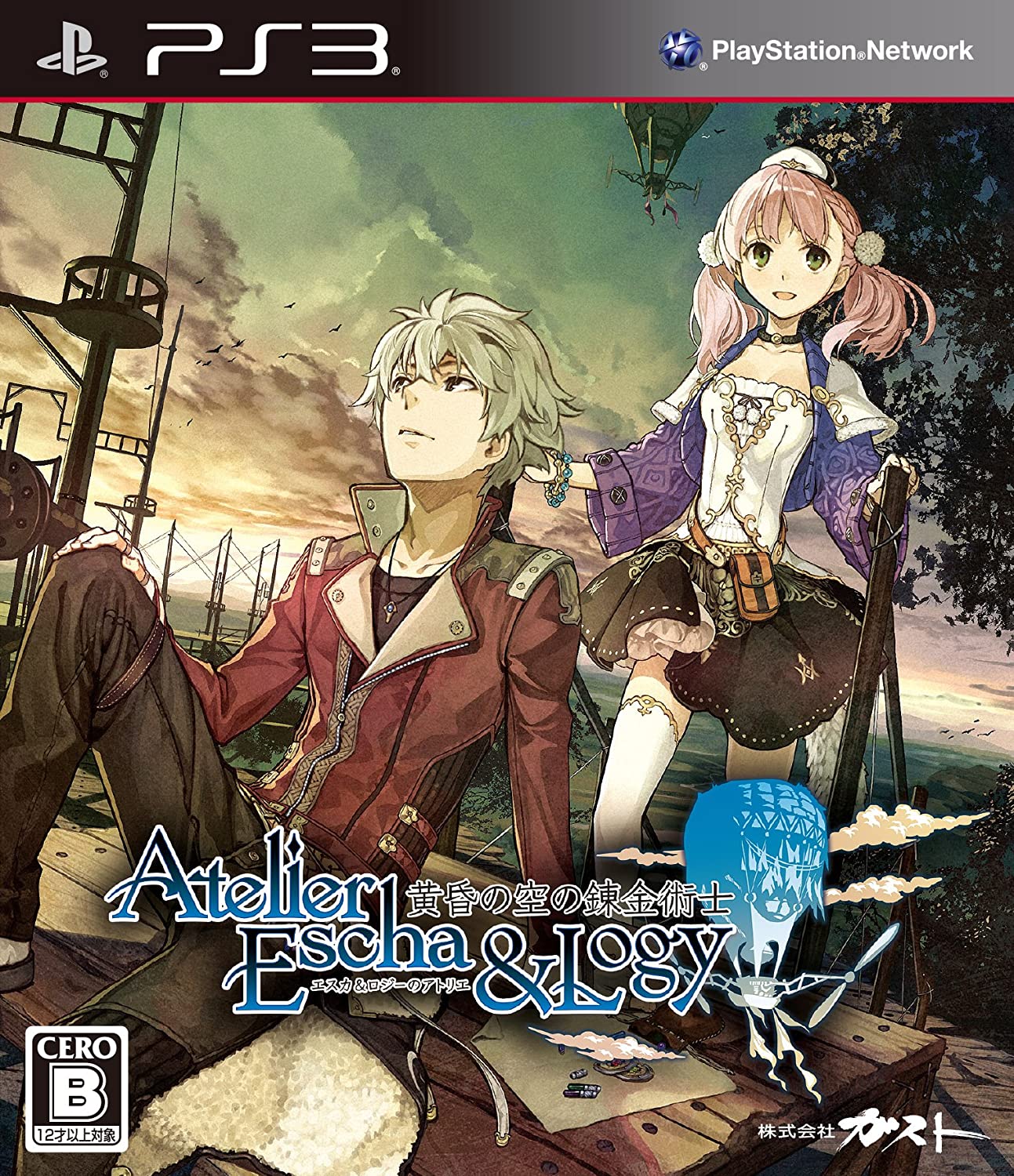
Spoiler commentary and discussion of Eska & Rosie's Atelier - The Alchemist of the Dusk Sky (A15)
Esca & Logy: Atelier of the Dusk Sky (A15)" is the 15th title in the alchemy-themed RPG "Atelier series" developed by Gust (later Koei Tecmo Games) for the PlayStation 3, and the second installment in the "Dusk Series". The main characters in this title are two alchemists, a young girl named "Esca" and a young man named "Rosie," and the story is told from different perspectives depending on the protagonist chosen.
Read Article
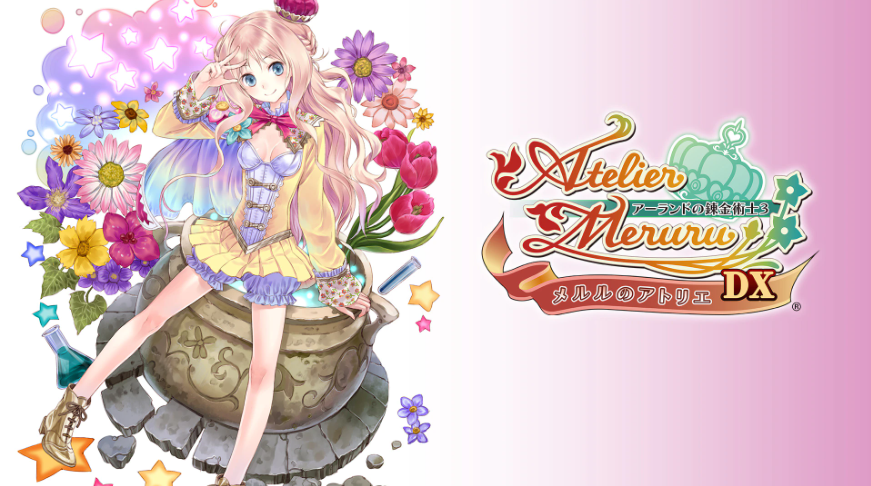
Spoiler commentary and discussion of Meruru's Atelier - Alchemist of Arland 3 (A13)
Meruru's Atelier: The Alchemist of Arland 3 (A13)" is a sequel to "Totori no Atelier: The Alchemist of Arland 2", an RPG game for the PlayStation 3 released by Gust. Meruru, the princess of the small frontier kingdom of Arles, apprentices herself to Totori, an alchemist sent from the Republic of Arland. Overcoming her parents' opposition, Merle learns alchemy and struggles to improve the kingdom's national interests and pioneering projects. This is the story of how the Earls grows up to be a great company by the time it fully merges with the Republic of Arland five years later.
Read Article
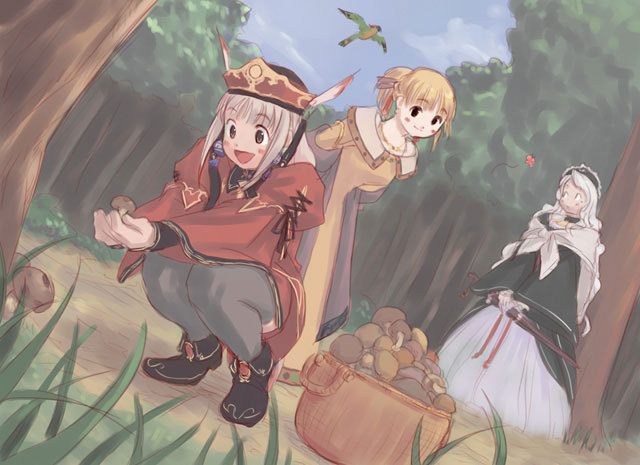
Spoiler commentary and discussion of Yudie's Atelier - The Alchemist of Gramnath (A4)
Released by Gust in 2002 for the PlayStation 2. It is the fourth title in the "Atelier series". It is set in the time line after the previous title "Lily's Atelier: The Alchemist of Saarburg 3," and there are several connections with the "Saarburg series. A remake with new elements was released later in 2010. Yudie, who flew to the future due to an alchemy failure, is on a quest in Gramnath to return to his original world.
Read Article
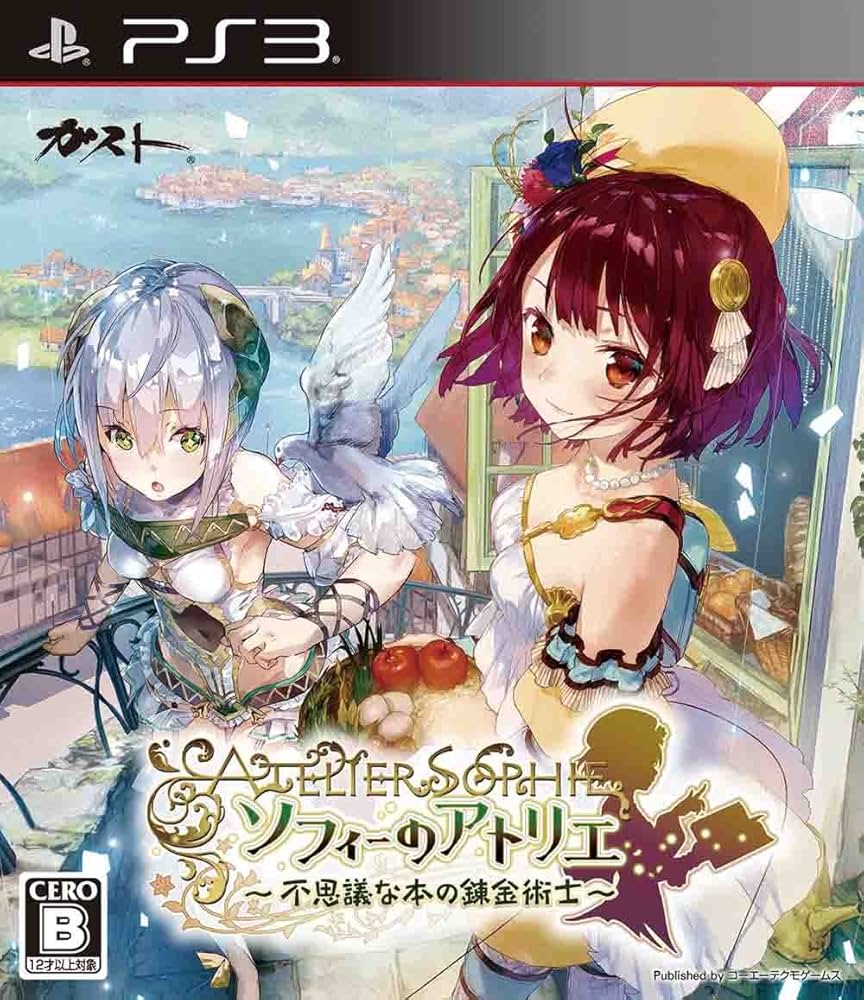
Sophie's Atelier" is a completely new Atelier series.
It has only been a short time since the release of Koei Tecmo's very popular "Sophie's Atelier," which has had its release postponed, but its content was a new series that was very different from the past Atelier series! While it inherited the elements unique to the previous Atelier series, such as alchemy and world map gathering, it was a legitimate evolution so that players could enjoy the Atelier series even more. In this article, we summarize the key points of the new series along with the key points of the new series. (Spoiler alert)
Read Article
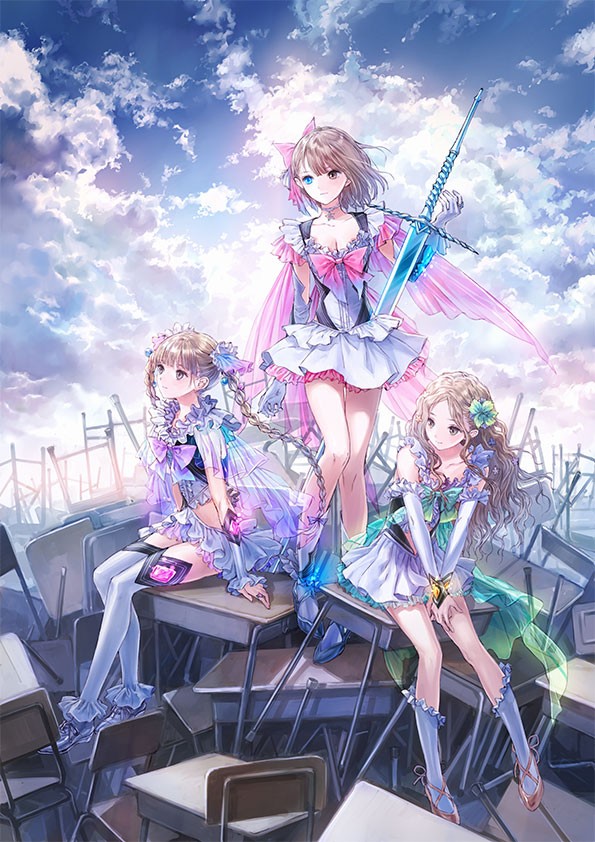
BLUE REFLECTION: The Sword of the Girl Who Dances in the Phantom (BLUE REFLECTION) Spoilers and Discussion Summary
BLUE REFLECTION: The Sword of the Girl Who Danced in the Phantom" is a heroic role-playing game developed by the Gust brand, an affiliate of Koei Tecmo Games, and was announced as the third game title in the "Gust Bishojo Festival" following "Phyllis atelier" and "Yorononokuni 2". It is set in modern Japan. Set in modern Japan, the main story is about friendship and battles between 15 girls in the real world and "Common," an alternate world created by human minds and emotions.
Read Article
Summary of successive Atelier series
The Atelier series is a series of challenging mix-and-match RPGs released by Gust (now Koei Tecmo). The Atelier series has a different worldview for each of the two or three games, and each has its own unique characteristics. Here is a summary of the differences. There are now more than 20 games in the series as a whole, and some people may not know which one to start with. Please use this as a reference for those who are not sure which one to start with.
Read Article

Atelier series strategy site summary
The "Atelier series" spins a variety of stories based on the theme of "alchemy. The "Atelier series" is further subdivided into several series due to differences in systems, styles, etc., and many people find it difficult to understand the series, but there is basically no story connection between the series, so it does not matter which series you start playing. Here we have compiled a list of strategy sites for each title in the Atelier series.
Read Article
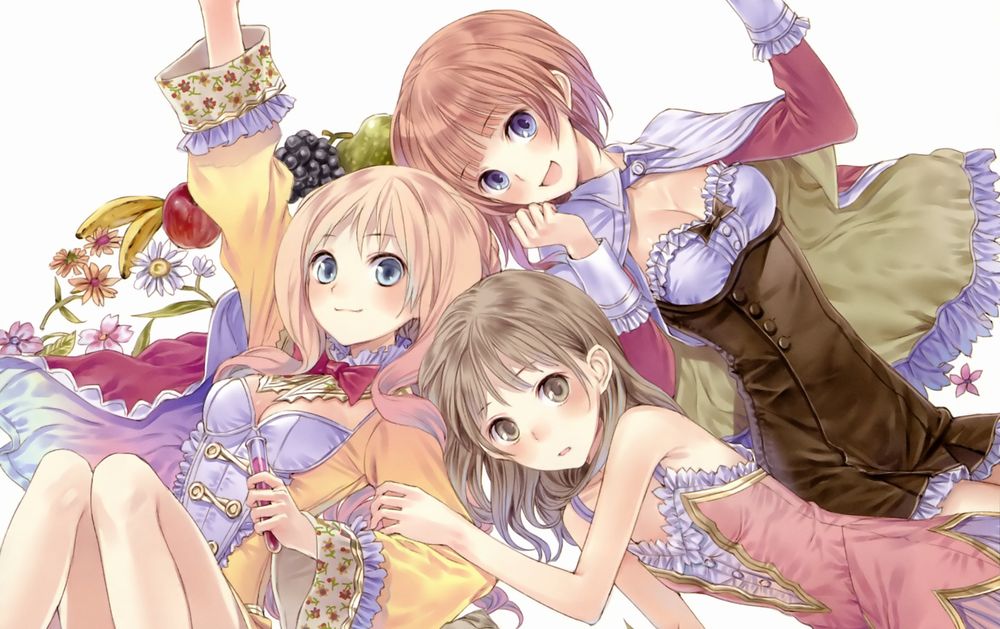
A compilation of illustrations of the Atelier series by Mel Kishida [Atelier of Rorona, Totori, and Meruru].
In the "Atelier series" of games, illustrator Mel Kishida is in charge of character design for the three games called the Arland series: "Rorona's Atelier: The Alchemist of Arland", "Totori's Atelier: The Alchemist of Arland 2", and "Meruru's Atelier: The Alchemist of Arland 3". Mel Kishida is in charge of character design. Here is a collection of illustrations of the "Atelier series" by Mel Kishida.
Read Article
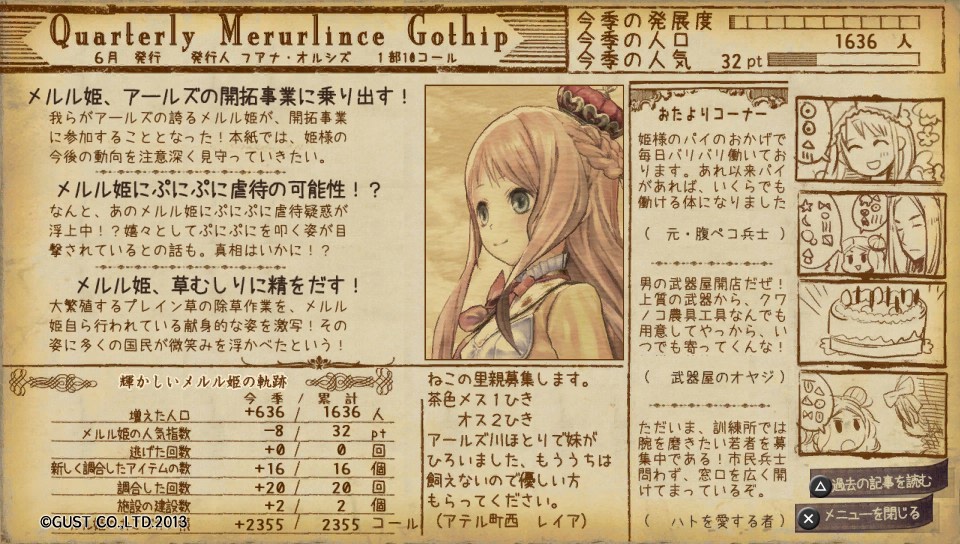
(1) Kawaraban (newspaper) of "Meruru no Atelier PLUS" is an interesting summary to look at.
In "Meruru's Atelier PLUS: Alchemist of Arland 3," there is a Kawaraban (newspaper) that Juana-san makes for us. Kawaraban is a kind of newspaper that mainly records the activities of the main heroine, Merle, and includes stories and columns, etc. The contents are very interesting to read. This time, we have compiled such Kawaraban. (All images are self-taken by the uploader.)
Read Article
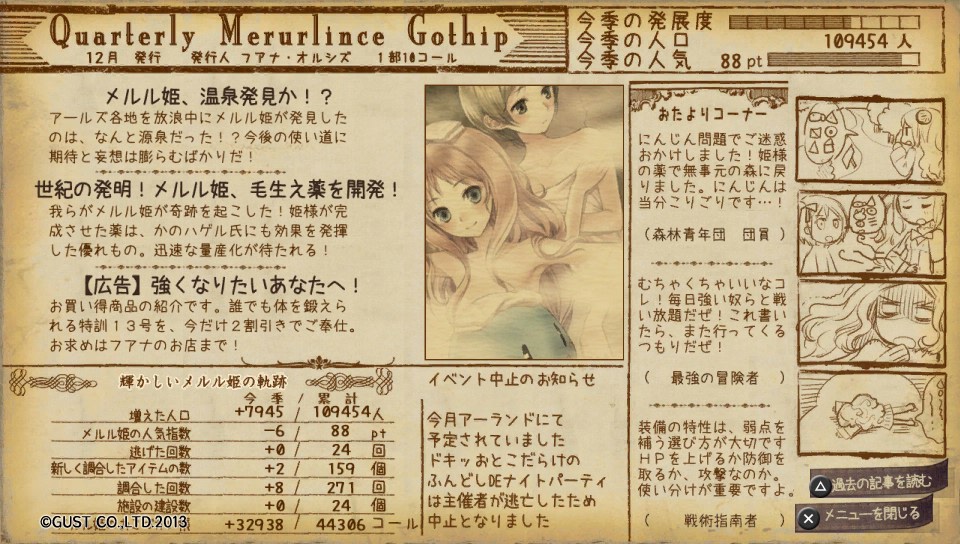
(2) Kawaraban (newspaper) of "Meruru no Atelier PLUS" is an interesting summary to look at.
This is a continuation of Kawaraban (Newspaper) (1) of "Merle's Atelier PLUS". There are a lot of things of interest in the articles, the four panels, and even the column below. There is a lot of crazy interesting content in this issue as well (laughs). If you are curious about how Kawaraban is created, please play the full version (PS3, PSVITA). (The image is a selfie of the uploader)
Read Article
Contents
- The story of "Violato's Atelier - The Alchemist of Gramnath 2
- Game System of "Atelier Violato - The Alchemist of Gramnath 2
- Own store [Violaden].
- facility
- auction
- Village Changes
- Dependent Effects and Quality
- a number of days
- battle
- Characters in "Violato's Atelier - The Alchemist of Gramnath 2
- Violato platane
- Bartolomeus plataneus
- Lordfried Santal.
- Brigitte Zielen.
- Clara Balbia
- Eisele Weimar
- Laurent Ofen
- Meefis Pfalz.
- Paul.
- Zavit Kipper
- Katharina Trucken.
- Dustin Schmiedt.
- Pamela Eavis.
- Items from "Atelier Violato - The Alchemist of Gramnath 2
- Asian ginseng (Panax ginseng)
- elixir
- terra firma
- flying board
- multi-ending
- Called the village of Ziern.
- Bombshell of Carotte Village
- With the man in red.
- Teacher...
- Carotte Land
- impregnable fortress of Carotte
- The Second City of Carotte
- normal ending
- bad ending (film, novel)
- crossover work
- Trinity Universe
- remake
- Atelier Violato - The Alchemist of Gramnato 2 - Memories of Gunzei