
Pokémon Sun Moon and Ultra Sun Ultra Moon are part of the "Pokémon" role-playing game series, with "Sun Moon" being the seventh game and "Ultra Sun Ultra Moon" being a version of "Sun Moon" with some additional stories and systems. Ultra Sun Ultra Moon" is a version of "Sun Moon" with some story and systems added. Players explore the Alola region, which consists of four islands and one man-made island, and go on an "island tour" to complete the Pokémon Pictorial Book and win the Pokémon League. During the story, they will battle organizations such as the Skull Clan and the Aether Foundation.
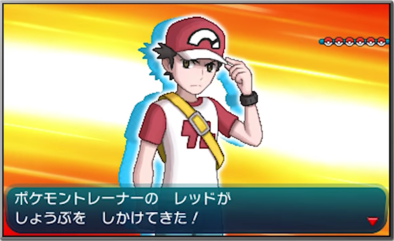
In the battle tree, if you win the prescribed number of times, you can fight against boss trainers such as Red and Green.
This battle facility is located north of Pony Island and offers various forms of battles. You can challenge Red or Green by battling them in front of the battle tree and winning.
The battle formats are single battle, double battle, multi battle, super single battle, super double battle, and super multi battle.
Basically, three Pokémon (depending on the battle format) battle it out to win, and the Pokémon who participates are chosen from the handheld or the Battle Box.
In Super Battles (Super Single Battle, Super Double Battle, and Super Multi Battle) in "Sun Moon" and "Ultra Sun Ultra Moon," the Pokémon level is set to 50 (level 51 or higher, level 49 or lower remains the same). You cannot use more than one Pokémon.
Some legendary and phantom Pokémon (Mewtwo, Mew, Lugia, Houou, Celebi, Caiogha, Gradon, Recuza, Jirachi, Deoxys, Dialga, Palkia, Giratina, Fiona, Manaphy, Darkrai, Shaymin, Arceus, Victini, Zekrom, Reshiram (Kyurem, Keldeo, Meloetta, Genosect, Zerneas, Ibertal, Jigalde, Diancie, Hoopa, Volcanion, Cosmog, Cosmoum, Sorgaleo, Lunaara, Necrozma, Magiana, and Marshadow) are not available. The same goes for Pokémon eggs. In "Ultra Sun Ultra Moon," Zeraora is also unavailable.
In "Ultra Sun Ultra Moon," all Pokémon can participate in normal battles (Single Battle, Double Battle, and Multi Battle) regardless of their Pokémon level (levels are not unified), and all Pokémon can participate (Pokémon Tamago cannot participate). No more than two of the same Pokémon can be used.
You cannot use recovery items such as a medicine for a wound. You can give items to Pokémon, but you cannot give the same item to all Pokémon in your Pokémon hand.
Each time a Pokémon fights a battle, all of its energy is restored, and if it consumes an item in the battle, its energy is restored. No experience or prize money is awarded. Even if the game is interrupted in the middle of a battle, the winner's battle continues.
Each time you win, you receive Battle Points (BP), and the more you win, the more you receive. Battle Points can be exchanged for items in the facility.
When a certain number of trainers are defeated, Red and Green, the boss trainers (battle legend), appear and a Pokémon battle ensues. If you win against them, you will receive more Battle Points than usual.
In addition, a special trainer appears every 10th battle in Super Battle. In the Battle Tree, the battle ends when all of your Pokémon are defeated, but you can try again as many times as you like.
A special trainer appears every 10th battle.
Trainers that appear commonly in "Sun Moon and Ultra Sun Ultra Moon": Gima, Akroma, Mitsuru, Sirona, and Rilla (in "Sun Moon," they appear after the Ultra Beast event is cleared).
Trainers appearing only in "Ultra Sun and Ultra Moon": Dr. Kukui (Kukui).
Trainers appearing only in Sun and Ultra Sun: Kaki, Plumeli, and Gina.
Trainers appearing only in Moon and Ultra Moon: Mao, Guzma, Dexio.
In the beginning, you can challenge the regular battles of Single Battle, Double Battle, and Multi Battle. After winning 19 consecutive battles and defeating a Battle Legend in the 20th battle, you can challenge Super Single Battle, Super Double Battle, and Super Multi Battle.
Unlike regular battles, there is no limit to the number of consecutive victories in Super Battles. 49 consecutive victories will be followed by another battle with the Battle Legend in the 50th round.
You will receive items, ribbons, and stamps according to the number of consecutive victories in battles.
Regardless of whether it is a regular or super battle, the day after the day you lose in the battle tree or the day after the day you clear a regular battle, you will receive items according to the number of consecutive wins up to that point.
If you clear a single battle for the first time, Red will give you a Fushigibanite, Lizard Knight X, Lizard Knight Y, and Kamex Knight.
Also, when winning a Battle Legend, the participating Pokémon will receive a Great Tree Ribbon if it wins a Normal Battle, or a Master Tree Ribbon if it wins a Super Battle.
When a Pokémon wins a Battle Legend in a Super Battle (50 consecutive victories), the Pokémon's Trainer Pass is stamped with the 50 Renshou Single Stamp (Super Single Battle), 50 Renshou Double Stamp (Super Double Battle), and 50 Renshou Multi Stamp (Super Multi Battle) stamps. (Super Single Battle), 50 Renshou Double Battle (Super Double Battle), 50 Renshou Multi Battle (Super Multi Battle)
Items awarded by the number of consecutive victories
5 consecutive wins: Moo Moo Milk
10 wins in a row: Points increase
20 wins in a row: Mysterious candy
20 wins in a row: Wonder Candy
40 wins in a row: Point Max
30 wins in a row: Gin no Okan ("Sun Moon"), 50 wins in a row: Tokusei Capsule ("Sun Moon"), Kin no Okan ("Ultrasun Ultra Moon")
100 consecutive wins: Sun only
200 consecutive wins: Star only
After hatching 20 or more eggs, talk to the man on the right side of the Battle Tree reception desk, and he will add a function on his computer that will judge the Pokémon's ability values.
Using this function, when you move Pokémon in and out of the box, the computer will tell you roughly the degree of strength and total value of each ability, and it will also tell you in colors how easy or difficult it is to raise the ability (abilities that are easy to raise are indicated in pink, and abilities that are difficult to raise are indicated in blue).
Single Battle/Super Single Battle
A single battle-style winner-takes-all battle between three Pokémon. Players choose three Pokémon to participate and challenge a single battle at first.
After 19 consecutive wins, Battle Legend Red appears in the 20th round, and if you battle with him and win, you can challenge Super Single Battle.
After winning 49 Super Single Battles in a row, Red will appear again in the 50th battle. If you battle with him and win, a stamp of 50 consecutive single battles will be placed on your trainer pass.
Single Battles end after 20 rounds, but Super Single Battles are won and won over and over again.
Red's handhelds are the same for both Single and Super Single Battles, with three of Fushigibana, Lizardon, Kamex, Laplace, and Kabigon. He may also use Mega Shinka and Z Waza.
Double Battle/Super Double Battle
A double-battle style battle in which four Pokémon are used to win the game. Players choose four Pokémon to participate and challenge Double Battle at first.
After winning 19 consecutive battles, Green, the Battle Legend, appears in the 20th battle, and if you battle with him and win, you can challenge Super Double Battle.
After winning 49 consecutive Super Double Battles, Green will appear again in the 50th battle. If you battle with him and win, a stamp of 50 consecutive Double Battles will be placed on your Trainer Pass.
The Double Battle ends after 20 rounds, but the Super Double Battle is a series of winners.
Green's handheld is the same for both Double and Super Double Battles, with four of the following: Pidgeot, Hudin, Kylikey, Ptera, Nassy, Dosidon, Gyarados, Windy, and Vanguilas. They may also use Mega Shinka and Z-Waza.
Multi Battle / Super Multi Battle
This is a multi-battle style battle in which two Pokémon are pitted against each other in a tag team to win the game.
To form a tag team, you can either join with another player through local communication, or if you are not communicating, you can join with a trainer you have fought in the Battle Tree. I chose two Pokémon to participate in the game and challenged the Multi Battle at first.
After winning 19 consecutive battles, Battle Legends Red and Green appear in the 20th battle, and if you battle them and win, you can challenge Super Multibattle.
Red and Green will appear again on the 50th battle after 49 consecutive wins in Super Multi Battle. If you battle with them and win, a stamp of 50 consecutive multi-battles will be placed on your trainer pass.
Multi-battles end after 20 battles, but in Super Multi-battles, the winner-takes-all battles are fought endlessly. The Pokémon they use in Multi Battle are any two of the Pokémon used in each battle format.
If you are not paired with another player via communication, you will be paired with a trainer you fought in the Battle Tree, and you must scout for that trainer.
After defeating a Trainer in a Single Battle/Super Single Battle or Double Battle/Super Double Battle, you can use 10 BP (Battle Points) to scout that other Trainer.
You can scout up to 50 trainers, and if you want to scout more than 50 trainers, you must remove another trainer from the scouting list.
Before the start of a Multi Battle/Super Multi Battle, select one of the scouted trainers and battle with that trainer.
Trainers other than Red and Green can be scouted, as well as special trainers such as Kaki, Mao, Gima, and Akroma.
battle royal
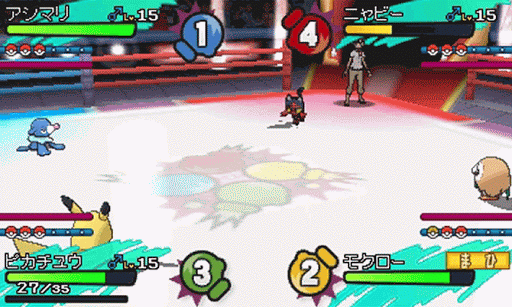
Battle Royal battle screen. In Battle Royale, unlike normal battles, Pokémon other than yourself are the targets of attacks.
This is a battle that can be held at the Royal Dome on Royal Avenue in Arcara Island, where four trainers submit one Pokémon each to battle each other.
Each trainer sends three Pokémon to battle, and although the battle format is a single battle, all of the opponent's Pokémon become attack targets.
The battle ends when all Pokémon become "Hinshi," and the player with the highest total of the number of defeated Pokémon and the number of his/her Pokémon that are not "Hinshi" wins the battle (first place). If there is a tie, the player with the highest total remaining HP of his or her Pokémon wins.
There are four ranks in Battle Royale: Normal Rank, Super Rank, Hyper Rank, and Master Rank. The higher the rank, the stronger the Pokémon.
If you win the Normal Rank, you can challenge the Super Rank, and if you win the Super Rank, you can challenge the Hyper Rank, and so on.
Select 3 Pokémon to participate, either in your hand or in the Battle Box. Pokémon levels are standardized to 50 (level 51 or higher, level 49 or lower remains the same), and you cannot use more than two of the same Pokémon.
Some legendary and phantom Pokémon (Mewtwo, Mew, Lugia, Houou, Celebi, Caiogha, Gradon, Recuza, Jirachi, Deoxys, Dialga, Palkia, Giratina, Fiona, Manaphy, Darkrai, Shaymin, Arceus, Victini, Zekrom, Reshiram (Kyurem, Keldeo, Meloetta, Genosect, Zerneas, Ibertal, Jigalde, Diancie, Hoopa, Volcanion, Cosmog, Cosmoum, Sorgaleo, Lunaara, Necrozma, Magiana, and Marshadow) are not available. The same goes for Pokémon eggs. In "Ultra Sun Ultra Moon," Zeraora is also unavailable.
Items for recovery, such as Kizugen, cannot be used. You can give items to Pokémon, but you cannot give the same item to all Pokémon in your possession.
When you win, you get Battle Points (BP), and the higher your rank, the more Battle Points you get. You can also receive BP for second place and higher. Battle Points can be exchanged for items in the facility.
If you win the Master Rank, three participating Pokémon will receive a Royal Master Ribbon.
If you use a total move such as Nemoriri or Nepu, the damage will be halved (75% in the case of Double Battle and Multi Battle).
Battle Viking
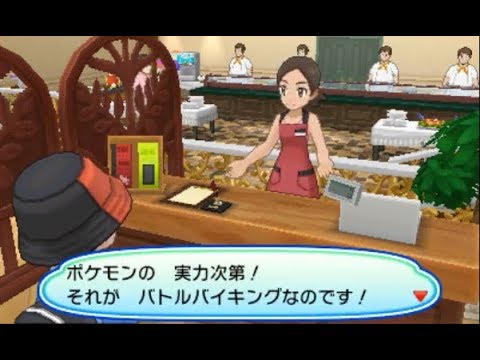
Battle Vikings are Vikings who fight competing trainers to get the food.
Battle facility located in a shopping mall in Haouli City. The challenge can be made after completing the Great Ordeal on Meremele Island. In "Sun Moon" you can challenge it once a day, but in "Ultra Sun Ultra Moon" you can challenge it as many times as you like.
You pay a fee (1,200 yen) to select a dish, battle competing trainers, and if you win, you can take all of the dishes you selected.
After 10 turns, a message (satisfaction level) is displayed according to the quantity and popularity of the dishes taken, and items are given as souvenirs according to the level of satisfaction. The greater the quantity of dishes and the higher the popularity of the chosen dish, the higher the satisfaction level, and the rarer the item. In "Ultra Sun Ultra Moon," the item is only given on the first try.
The amount of dishes left can be seen in the comments: "There's a mountain of dishes! (5 pieces)", "There are a lot of dishes! (4 pieces)", "The dishes are served! (3pcs)", "The dishes are getting low! (2 pieces)", "There are only a few dishes left! (1 piece)" in that order, the quantity decreases.
The more popular a dish is, the more it decreases in quantity as turns pass, and the more popular it is, the easier it is to fight with a strong trainer.
After being inducted into the Hall of Fame, the Pokémon used by the trainer is enhanced by increasing its level or evolving.
If you have tried more than 5 times and after the Hall of Fame, Viking Queen comes to the store more than twice. You do not battle with her, but compete with her for the satisfaction of the dishes you took. If you win against her, the title of Viking King/Viking Queen is given away, but you will not receive any items in that case.
The popularity of each dish, the color of the plate, and the speed at which the dishes decrease.
Popularity "Very Popular (Gold)": Tosin Steak, Lucky Omelette, Millet Cheese Pizza, 2 pieces decrease per turn.
Popularity "Recommended (Silver)": Houen Ramen, Uzushio Sushi, Vanipucci Parfait, 1 less dish per turn
Popularity "surplus (bronze)": Matoma Pasta, Marbo-Bisuna, Lindo Salad, 1 piece reduced every 2 turns.
The waiter's message (satisfaction level) and the items you get
Very satisfied": Chunks of energy
Satisfied": Max up
Not enough": Big mushrooms
Hungry": sweet honey
Jim of Cantor
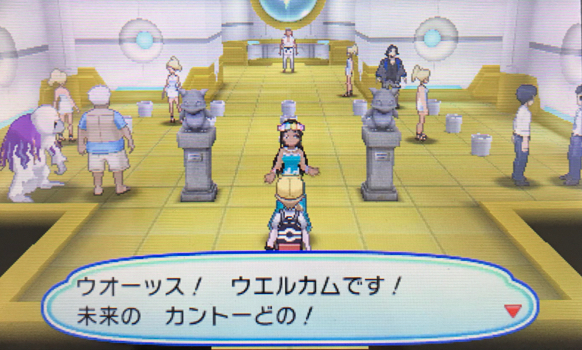
The Gym of Kantou is based on the Kuchiba Gym in Kuchiba City, Kantou Region.
Located in Marie City, this battle facility is modeled after a Pokémon gym in the Kantou region, which appears only in "Ultra Sun Ultra Moon". After paying a fee (1,000 yen) and receiving a bottle of Psycho Soda, you can battle the trainers inside once a day.
If you defeat the four trainers and the leader of the Gym of Kantou, you will receive a "Greatest Badge (no special effect)," 10 bottles of Psycho Soda, and some Pokémames for the first time only.
Ryuki may appear during the second and subsequent challenges, and you can battle him. If you win the first time, you will receive Ryuki's scales.
Pokémon used by trainers, including Ryuki, are enhanced after they are inducted into the Hall of Fame, such as by increasing their level or evolving.
festival circle
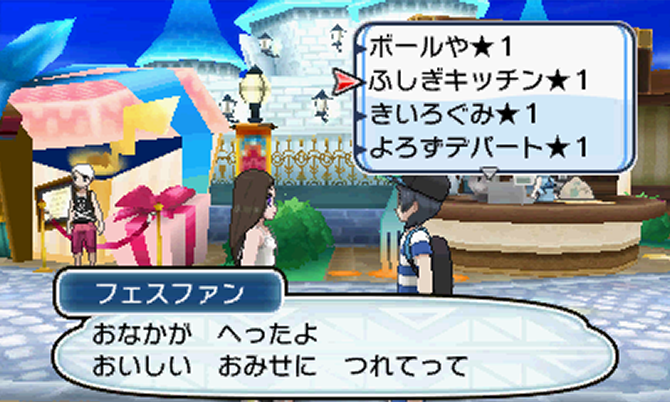
You can mingle with a wide variety of people at festival circles.
A system that allows players to interact with other players via communication, including communication exchange and communication battles. Early in the adventure, after visiting the Pokémon Center near the main character's home, "Fes Circle" appears on the menu screen and can be selected to move to the Fes Circle. The manager is Mamane.
There are two ways to communicate with other players: local communication or Internet communication, and communication exchange and communication battles are possible with players (guests and VIPs) who come to the festival circle via communication.
Communication exchanges and battles can be selected from the menu on the bottom screen of the 3DS when in the festival circle. In addition to regular exchanges, there are Miracle Exchanges, which do not require a specific exchange partner, and GTS (Global Trade Station), which allows players to exchange communications with players around the world.
In addition to the communication function, the FES Circle offers Pokémon training and items at the store, and other attractions (Global Attractions) to play in. Only in "Ultra Sun Ultra Moon," you can also use Battle Agents (see below).
If you listen to the wishes of the guest (the one with the red balloon), you will receive Fes Coins (FC), a currency that can be used in the Fes Circle.
FesCoin can be obtained by asking for wishes from guests, from GTS and Miracle Exchange guests, and from attractions, global attractions (see below), and Battle Agents.
The amount of festival coins received from guests decreases with the number of days the guest has been in the festival circle; VIPs receive 1.5 times more festival coins.
If the guest is not in communication, a festival fan may come to the circle and ask for a wish just like a normal guest. The amount of festival coins you receive is less than that of a guest who came via communication.
When you collect festival coins, your rank in the festival circle will increase according to the total amount of festival coins you have collected. As your rank rises, you will be able to do various things, such as increase the number of goods and services available at stores and invite stores in the guests' festival circle to your festival circle, and you will be rewarded by Mamane at the castle in the center of the festival circle. The maximum rank is 999.
If you are not at a rank where you can receive a reward, you can talk to Mamane, who is also at the castle, and she will introduce you to a store, which will then open a store in the festival circle.
If you refuse to open a store introduced by Mamane, you will receive an item according to the rank of the store (see below).
If you talk to a guest who comes to the festival circle and has no special wish (the person with the blue wipeout), he or she will tell you how the guest (player) is playing the game and show you his or her game record (ranking).
In addition, you can pay female coins to call a store in the guest's festival circle (the store on the right side of the bridge leading to the castle) to your festival circle, and if the guest is of the same gender, you can pay female coins to get a fashion item that the guest is wearing.
Up to 50 guests will be listed in the player list on the bottom screen, but when new guests arrive in the festival circle via communication, the old guests will be overwritten.
Guests can be made VIPs by talking to the guest (the one with the blue balloon); VIPs will not be overwritten by new guests.
In the castle in the center of the festival circle, you can learn how to play the festival circle and call up guests and VIPs who are visiting the festival circle.
In addition, you can change the location of the stores, the color of the castle, and the background music of the festival circle. The color of the castle can be changed when the rank of the festival circle is 50 or higher, and colors are added at rank 50, rank 60, and rank 70. The additional colors are Gorgeous, Fairy Tale, and Monotone. The initial state is basic, and can be restored even after the color is changed.
To change the BGM of the festival circle, the festival circle must have a rank of 40 or higher and be in the Hall of Fame. In addition to the Fes Circle music (default setting), it can also be changed to the background music of towns throughout the Alola region.
After being inducted into the Hall of Fame, give 30 pieces of the same color (red piece, blue piece, yellow piece, and green piece) to the man who appears in the back of the castle, and he will exchange them for a Gin no Okan.
In MY Profile (purple item) on the lower screen, you can check your in-game record and set up your profile, including your greeting (what you say when you are spoken to by another player in another player's festival circle).
You can also set whether to accept or reject communication with guests and VIPs in your festival circle.
Only in "Ultra Sun Ultra Moon," if you publish a photo taken in the Alola Photo Club, you can show the photo to other players when they talk to you in your Fes Circle.
When you talk to other players in your festival circle, they can show you their photos if they have published their photos.
(your) rental home
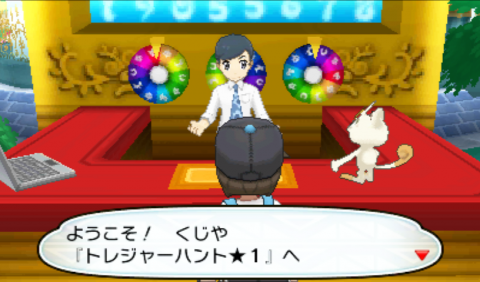
The image shows Treasure Hunt (Rank 1) at the "Kujiya," where items are awarded according to the number of equal lots drawn.
There are stores in the festival circle, where you can use festival coins to receive services, obtain items, and more. Up to seven stores can be opened in a festival circle.
To open a store, except when your rank is raised or you receive a reward from Mamane, talk to Mamane and he will introduce you to a store. If you accept the introduction, the store will open a new store; if all seven stores are already open, the store will be exchanged for one of the existing stores.
There are 32 types of stores: Yatai, Balloon Athletic, Somemono, Horror House, Gift Shop, Uranaiya, Kujiya, and Surikae (only in "Ultrasun Ultra Moon"). Stores can be used once a day.
Each store has a rank, from 1 to 5. The higher the rank of the store, the more effective the service, and the more rare items can be purchased and obtained.
As the rank of the festival circle increases, Mamane will introduce stores with higher ranks.
Depending on the version ("Sun Moon, Ultra Sun, Ultra Moon") of the type and variety of stores, only stores of a certain rank may appear. Basically, rank 1 stores appear in both versions.
Also, if you talk to a guest and select "Can I show you something? the stores on the right side of the bridge leading to the castle in the festival circle of the guest you spoke to will come to your festival circle.
The higher the rank of the store, the more coins you have to pay. The higher the rank of the shop, the more coins you have to pay.
Types of stores (the brackets next to the type of store are ranks)
Pokémon's level and Natsuki-Degree can be raised, and the basic points can be raised or lowered. There are Fushigi Kitchen (1-5), Battle Table (1, 3, 5), Natsuki Cafe (1-5), and Natsuki Parlor (1-5).
In "Sun and Ultra Sun," there are Fushigi Kitchen (3, 5), Battle Table (3, 5), and Natsuki Parlor (2-5); in "Moon and Ultra Moon," there are Fushigi Kitchen (2, 4) and Natsuki Cafe (2-5).
Balloon Athletics: Pokémon's basic points can be raised. Tick-Tack Land (1-5), Bashi-Bashi-Park (1-5), and Dotadota-Dotadota House (1-5).
In "Sun and Ultra Sun", there is Kachikachi Land (2-5) and Dotadota House (2, 4), and in "Moon and Ultra Moon", there is Bashibashi Park (2-5) and Dotadota House (3, 5).
Somemono: White fashion items (tops, bottoms, etc.) can be dyed using kimonos. Colors can be selected from red, orange, yellow, navy blue, green, purple, blue, and peach, and shades can be pastel, dark, or vivid.
However, the colors that can be dyed differ depending on the version, and for vivid dyeing, no kinomi is required, but a rank 5 store is needed. Rank 1 is pastel only, dark is added at rank 3, and vivid is added at rank 5.
The names of the stores are "(color) groups (to be dyed)," and in "Sun/Ultrasun" the stores are named "Red Group," "Great Red Group," "Green Group," and "Purple Group," and in "Moon/Ultramoon" they are named "Yellow Group," "Dark Red Group," "Blue Group," and "Momoiro Group. Rank 1, Rank 3, and Rank 5 stores appear, respectively.
Horror House: Select a Pokémon in your possession (a Pokémon that is not in "Hinky" state) and let it explore the house, and the Pokémon will pick up an item.
Usually, you can pick up one item, but sometimes two or three at the same time, depending on the result of the fortune-telling at the Uraniya. There are three types of stores in Horror House: Ghost Ana, Trick Room, and Ayashii hikari.
The higher the rank, the easier it is to obtain rare items.
The higher the rank, the more rare the item. There are Ball Shop (1-3), Drink Shop (1-3), Yorozu Department Store (1-5), Battle Store (1-3), and Medicine Shop (1-3).
In "Sun and Ultra Sun," there are drink shops (2, 3), general department stores (2, 4), and medicine shops (2, 3); in "Moon and Ultra Moon," there are ball shops (2, 3), general department stores (3, 5), and battle stores (2, 3).
Uranaiya: Fortune-telling services are provided, and the amount of female coins received on the day of the fortune-telling service will increase. The amount of increase depends on the result of the fortune-telling, and increases in the order of "Good," "Happy," and "Lucky.
Also, the result of the fortune-telling may make it easier to pick up multiple items in the horror house or to draw lots twice at the lottery, with "Good," "Happy," and "Lucky" also increasing the probability.
You will also be taught words that can be used in greetings, and you can use those words in your MY Profile as the dialogue when greeting people. There are three types of kakaya: Kantou kakaya (1, 3, 5), Johto kakaya (1, 3, 5), Houen kakaya (1, 3, 5), Shin'o kakaya (1, 3, 5), Ish kakaya (1, 3, 5), Kalos kakaya (1, 3, 5), Pokemon kakaya (1, 3, 5). The words that can be taught are different for each.
In "Sun/Ultrasun," there are the Jouto no Yakata, Shin'ou no Yakata, Kalos no Yakata, and Pokémon no Yakata (rank 1 only). In "Moon/Ultramoon," there are the Kantou no Yakata, Houen no Yakata, Ish no Yakata, and Pokémon no Yakata (all ranks).
Lottery: You can draw lots for free. The raffles range from 1st prize to 10th prize, and items are awarded according to the number of prizes. Usually, the raffle is held once a day, but depending on the result of the fortune-telling at the Uraniuya, the raffle may be held once more.
There are three types of raffle stores: Big Dream, Gold Rush, and Treasure Hunt. Each store has from rank 1 to rank 5, and the higher the rank, the easier it is to win items with a higher number of prizes.
The maximum number of times you can use this function per day is the same as the rank of the store. Rank 1 to rank 3 stores are available.
Attractions / Global Attractions

Related Articles
Summary of Pokémon Ultra Sun Ultra Moon's appeal
Ultra Sun Ultra Moon is an upgraded version of the previous title, Pokemon Sun Moon, with new elements. As in the previous title, the story follows the main character as he embarks on a journey called "island-hopping" to overcome a number of challenges and become a champion, but there are also many new elements added from the previous title, so you won't get bored just because you have played the previous title. In this issue, we take a closer look at the charms of Pokémon Ultra Sun Ultra Moon.
Read Article
Pokémon Urban Legend: What is Mimikyu's true identity? A verification of the prevailing polygon theory [Pokémon].
We discussed the contents of Mimikyu, a Pokémon that appears in the popular game "Pokémon. Although the most popular theory on the Internet is the Polygon theory, we will examine why this theory is supported while explaining the causal relationship with Pikachu.
Read Article
An in-depth look at the legendary Pokémon Necrozma in Pokémon USUM! Eclipse of the Sun (Twilight Mane), Eclipse of the Moon (Akatsuki no Tsubasa), Ultra Necrozma's race value, type, characteristics, and techniques [Pokémon Ultrasun Ultra Moon].
Necrozma is the third legendary Pokémon that appeared in Pokémon SM (Pokémon Sun and Moon). Necrozma takes on the form of Solgaleo and Lunaara, which are also legendary Pokémon, and changes its form to Eclipse Necrozma (Twilight Mane) and Lunar Necrozma (Akatsuki no Tsubasa), respectively. Furthermore, by giving it the exclusive Z-Crystal, it can transform into a new form called Ultra Nekrozma. This section thoroughly examines the characteristics of each form of Nekrozma, including type, race value, characteristics, and techniques learned.
Read Article
Pokémon SM: In-depth discussion and spoiler description of the phantom Pokémon "Marshadow" [Pokémon Sun and Moon].
The phantom Pokémon "Marshadow" appears in the seventh generation of the popular role-playing game Pokémon: Pokémon Sun and Moon. Pokemon Sun Moon and the Pokemon movie "Kimi ni Kimekame! type, race value, characteristics, features, and discussion of "Marshadow" appearing in "Pokémon: Sun Moon" and the Pokémon movie "Kimi ni Kimekame! What is the meaning of the exclusive Z-technique [Seven Star Retrieval Thighs]? We look at its relationship with legendary Pokémon such as Houou, Cosmog--Sorgaleo, Lunar Aura, and Necrozma.
Read Article
Pokemon (Pokemon) Monster Ball Summary
Pokémon" is a video game series published by Pokémon Inc. In this game, players explore the world with imaginary creatures called "Pokemon" as their partners, competing with wild Pokemon and Pokemon of their trainers. The tool used to catch Pokémon is the Monster Ball. When the first "Red, Green, and Blue" were first released, there was a rumor that if you hit the button repeatedly after throwing the ball, the capture rate would increase.
Read Article
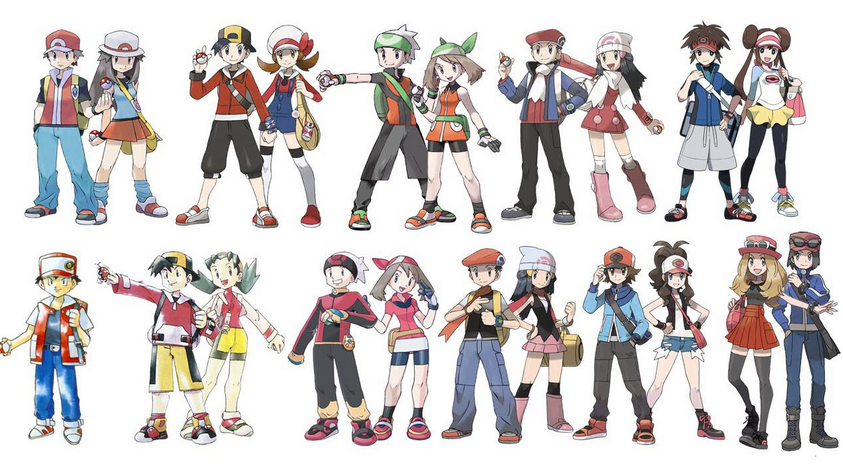
Summary of successive protagonists of Pokémon (Pokémon)
The main character in the "Pokémon" series can be named freely by the player. In the original "Red, Green, Blue, and Pikachu," there was only a male protagonist, but as the generations progressed, the gender, appearance, clothing, and hairstyle of the protagonist could be selected and changed to the player's liking, allowing for more freedom. The improved graphics made it possible to clearly see the main character's appearance in the game, and when a new game appeared, people began to pay attention not only to the Pokémon but also to the design of the main character.
Read Article
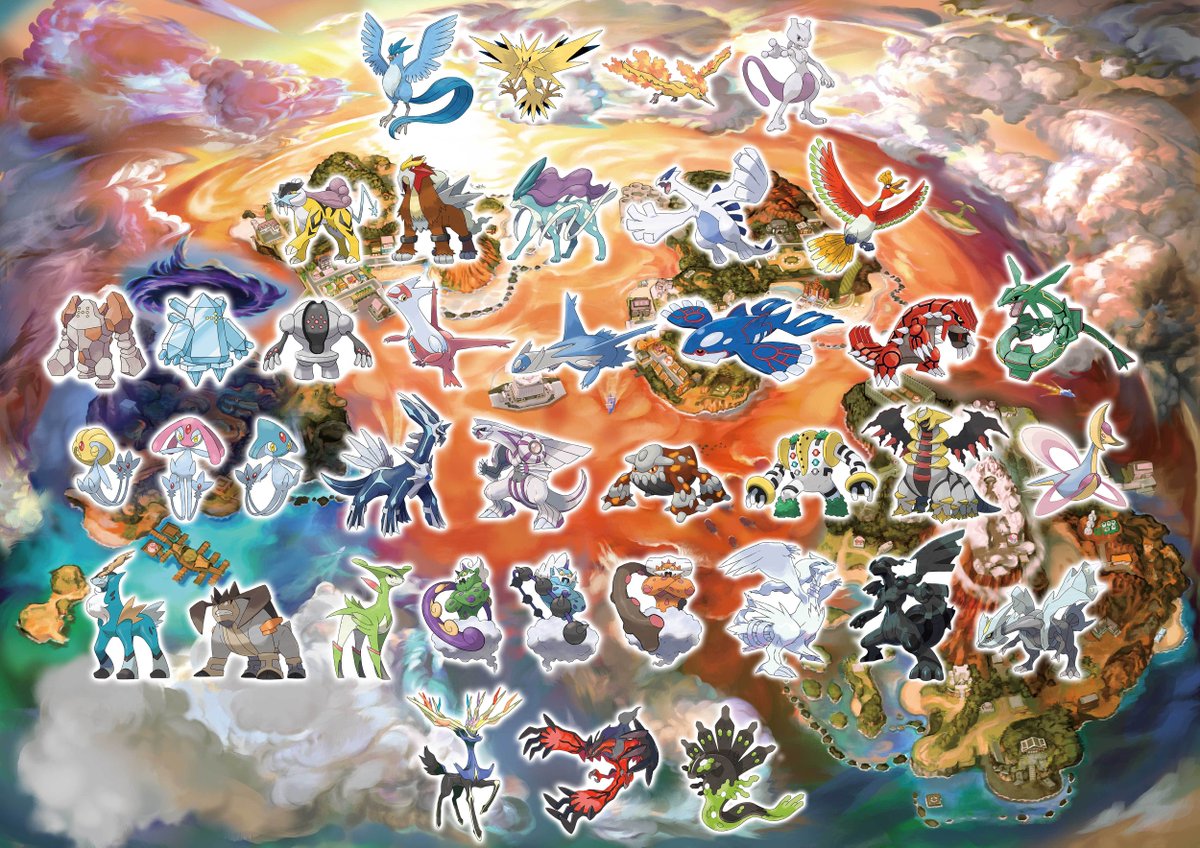
Pokémon Legendary Pokémon Summary
Pokémon" is the name of a video game series released by Pokémon (originally Nintendo). The abbreviated name is "Pokemon. The player becomes a trainer and travels with a creature called a "Pokémon" as a partner. Legendary Pokémon, according to the official description, are "precious Pokémon that can rarely be seen in each region," and are basically a generic term for Pokémon that appear only once in the game. Multiple legendary Pokémon have appeared in each generation.
Read Article
![Pokémon] List of the three generations of the Pokémon family.](https://renote.net/files/blobs/proxy/eyJfcmFpbHMiOnsiZGF0YSI6NzIwNDIyLCJwdXIiOiJibG9iX2lkIn19--ef0ac0b72cc8b04b30392dfdbc087a2d25c294a0/687d5798.jpg)
Pokémon] List of the three generations of the Pokémon family.
The following is a list of the three families of the Pokémon series. It covers the first generation of Red, Green and Blue, the second generation of Gold and Silver, the third generation of Ruby and Sapphire, the fourth generation of Diamond and Pearl, the fifth generation of Black and White, and the sixth generation of X and Y.
Read Article
A little creepy! Pokémon with disappointing visuals [Pokémon].
Cute and cool monsters tend to attract attention in Pokemon, but there are some Pokemon that are considered "creepy"... Here is a list of Pokémon whose visual appearance is a little disappointing. In a way, it may be said that the creepy parts are attractive.
Read Article
![Pokémon] Introduction of Characters in Pokémon [Gym Leader, Four Heavenly Kings, Champion].](https://renote.net/files/blobs/proxy/eyJfcmFpbHMiOnsiZGF0YSI6MTAzODI1NywicHVyIjoiYmxvYl9pZCJ9fQ==--28d9070ad3714207b2bd90936e624bcfa5c561d1/5de054b8.jpg)
Pokémon] Introduction of Characters in Pokémon [Gym Leader, Four Heavenly Kings, Champion].
This is a list of Gym Leaders, Four Heavenly Kings, Champions, and other characters that appear in the Pokémon series of games. They are introduced by region from the first generation to Black and White. Memorable and unique characters are another major attraction of the Pokemon series.
Read Article
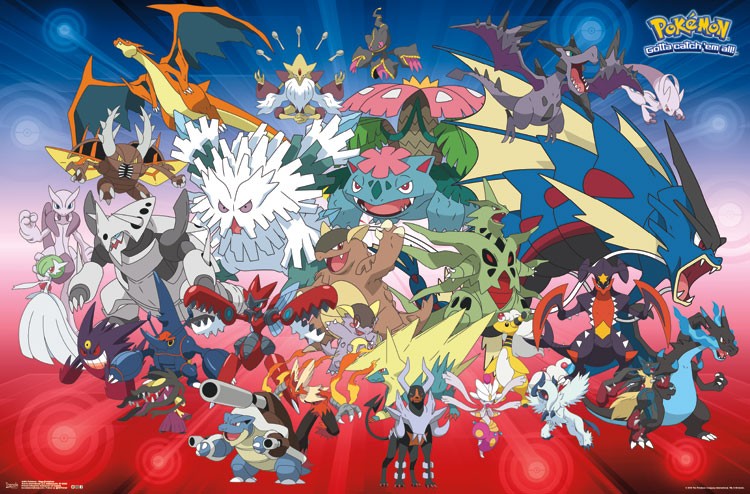
Pokémon (Pokémon) Mega-Shinker and Genshi-Kaiki Summary
Pokemon" is a series of role-playing games published by Pokemon Co. The aim is to capture and train creatures called pocket monsters (Pokémon) to become the champion of an institution called the Pokémon League. Mega Shinka is a new element added in "Pokémon X and Y". This system was added under the concept of "picking up Pokémon from the old series again. Similar to Mega Shinka, there is also Genshikaiki, in which legendary Pokémon Gladon and Chiogre return to their ancient forms.
Read Article
Summary of Pokemon (Pokémon) Types
Pokemon" is an RPG series developed by Game Freak and published by Pokemon Co. In this game, players travel around the world with imaginary creatures called "Pokemon," aiming to complete the Pokemon Pictorial Book and become the champion of the Pokemon League. In this title, each Pokémon and technique has a "type," which is a kind of attribute. These types determine the compatibility between Pokémon. At first, there were 15 types, but two types were added in "Gold and Silver" and one type was added in "X and Y".
Read Article
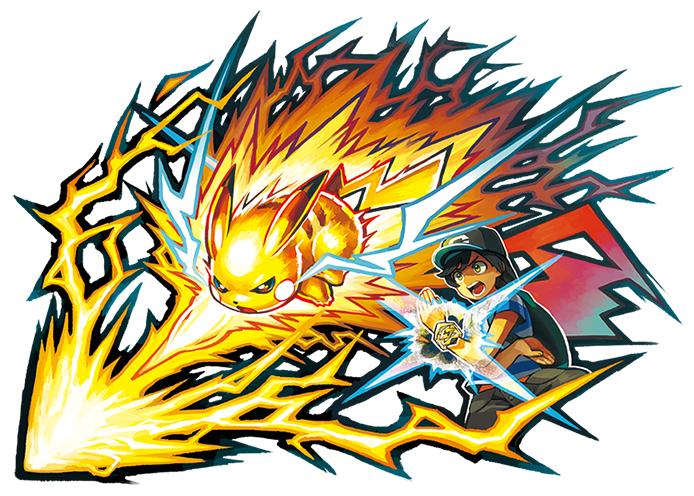
Summary of Z-Waza and Z-Techniques for Pokemon (Pokémon)
Z-Waza (Z-technique)" is an element introduced in Pokemon Sun Moon, a special move that can be used only once during a battle. It was introduced as a remedy for Pokémon other than some that can adapt to the inflated battle environment. Although there are some problems and lack of adjustment, the introduction of Z-Waza has given all Pokémon the opportunity to play an active role.
Read Article
![Pokémon] Evil organizations and their members in Pokémon.](https://renote.net/files/blobs/proxy/eyJfcmFpbHMiOnsiZGF0YSI6NzQwNzQ2LCJwdXIiOiJibG9iX2lkIn19--c6164432744a5cc22c14bb99b56dc39981f03fd3/maxresdefault.jpg)
Pokémon] Evil organizations and their members in Pokémon.
Pokemon] We have compiled a list of bosses and members of evil organizations in the Pokemon series of games. There are many fascinating villains such as the Rockettes, Aqua-dan, Magma-dan, Ginga-dan, Platinum-dan, and Flare-dan. Which is your favorite evil organization?
Read Article
Summary of Pokémon (Pokémon) characteristics
Pocket Monsters is the name of a video game series developed by Game Freak. The abbreviated name is Pokemon. Although it is a long-lived series that celebrated its 20th anniversary, the basics of its battle system have not changed since the first generation, "Pokemon Red and Green. In this article, we will discuss "special characteristics," a new element added in the third generation (Ruby and Sapphire).
Read Article
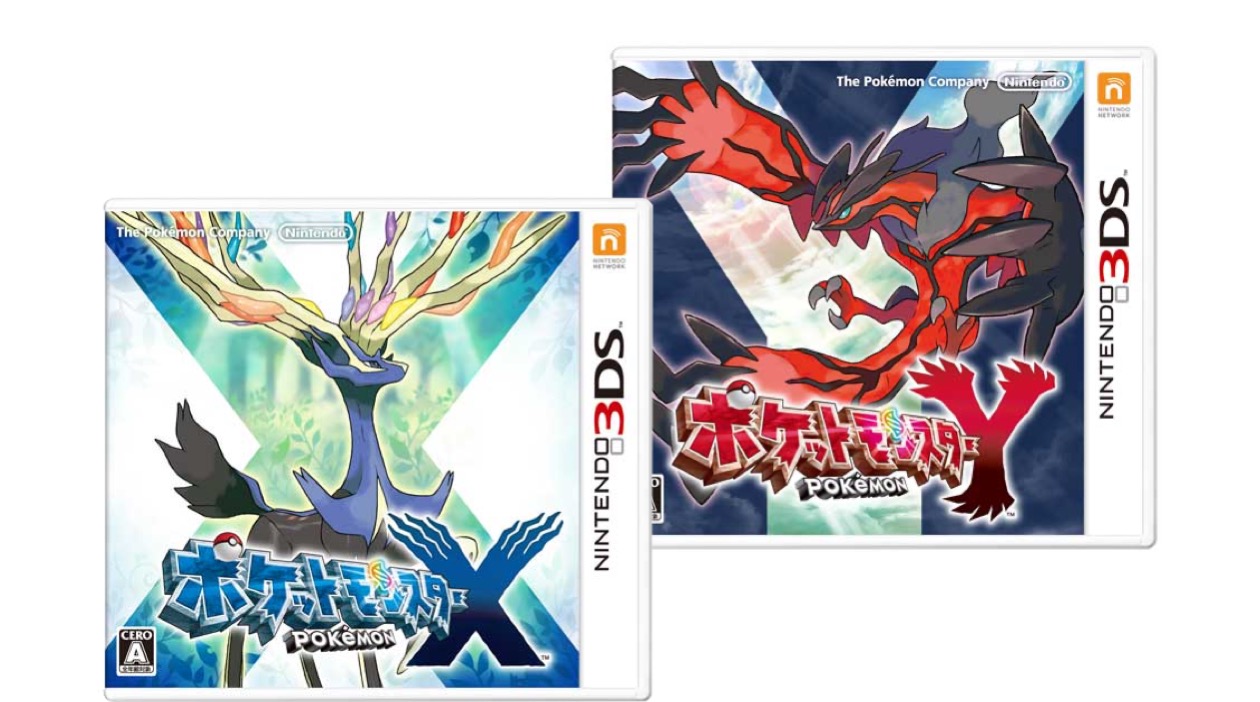
Images of previous generations of packages in the Pokémon series [Pokémon].
The popular game [Pokemon] series has released a variety of derivative works. Attractive packaging is an important element that successfully stimulates excitement for adventure and desire to purchase. Here we introduce a collection of images of the numerous past packages of the Pokémon series.
Read Article
Summary of Pokemon (Pokemon) tricks and bugs
Pokemon" is an RPG series released by Pokemon Co. It depicts the adventures of a Pokémon trainer who partners with a mysterious creature called "Pocket Monster" (Pokémon) and battles Pokémon against each other. The "Pokémon" series has a number of tricks and bugs. The first generation is particularly famous for having many bugs, probably due to the complexity of the program that was added to the first generation. In the first generation, the phantom Pokémon Mew was hidden in the internal data, and a situation developed in which Mew was distributed because it was exposed to the public through a bug.
Read Article
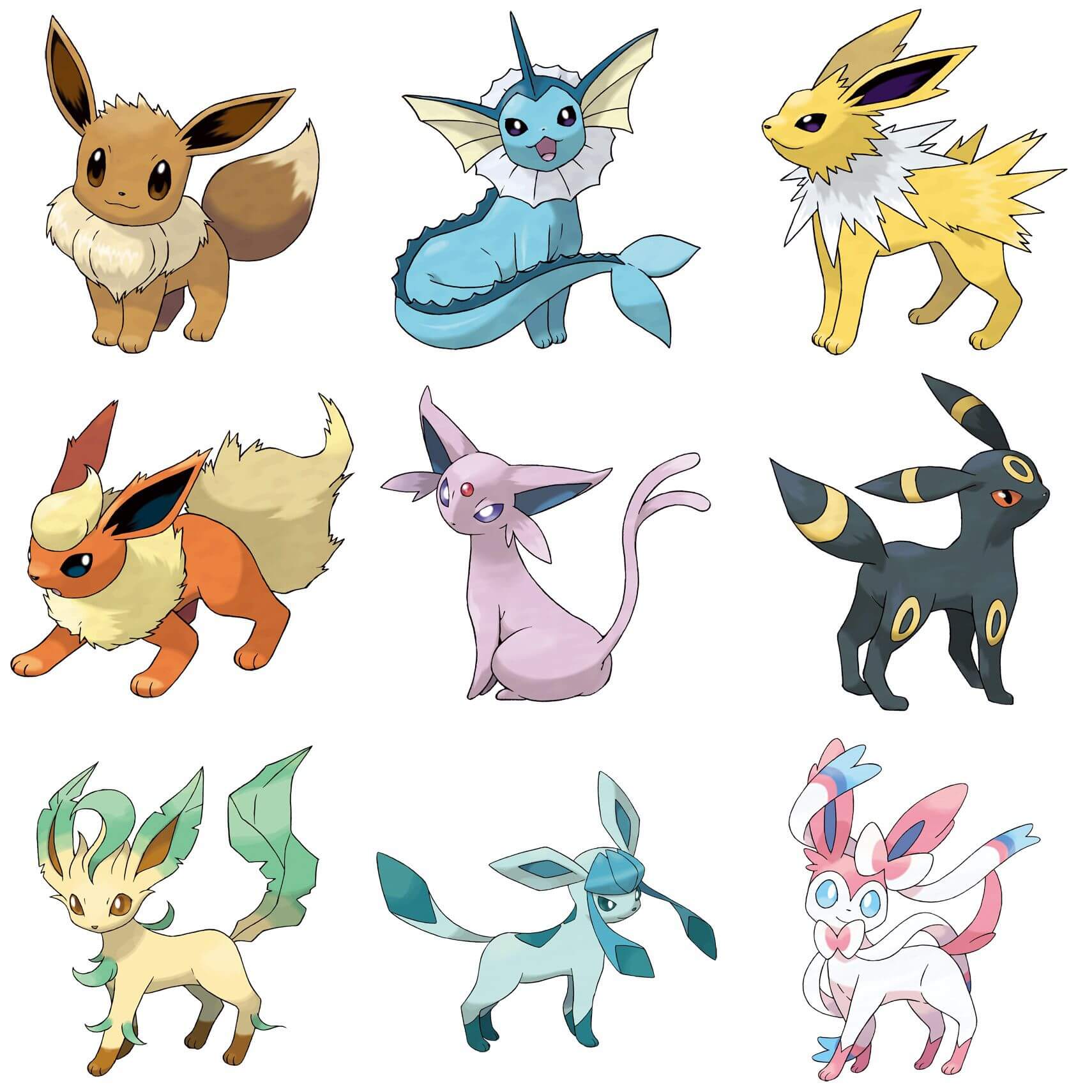
Summary of Branching Evolution of Pokemon (Pokémon)
Pokemon" is an RPG series released by Pokemon Co. Set in a world of mysterious creatures called "pocket monsters" (Pokémon), players set out on an adventure to become Pokémon League champions. Many Pokémon can evolve and change their appearance when certain conditions are met. Some Pokémon evolve to different destinations depending on the conditions. Eevee, which is classified as a "Shinka Pokémon," can evolve into as many as eight different types of Pokémon.
Read Article
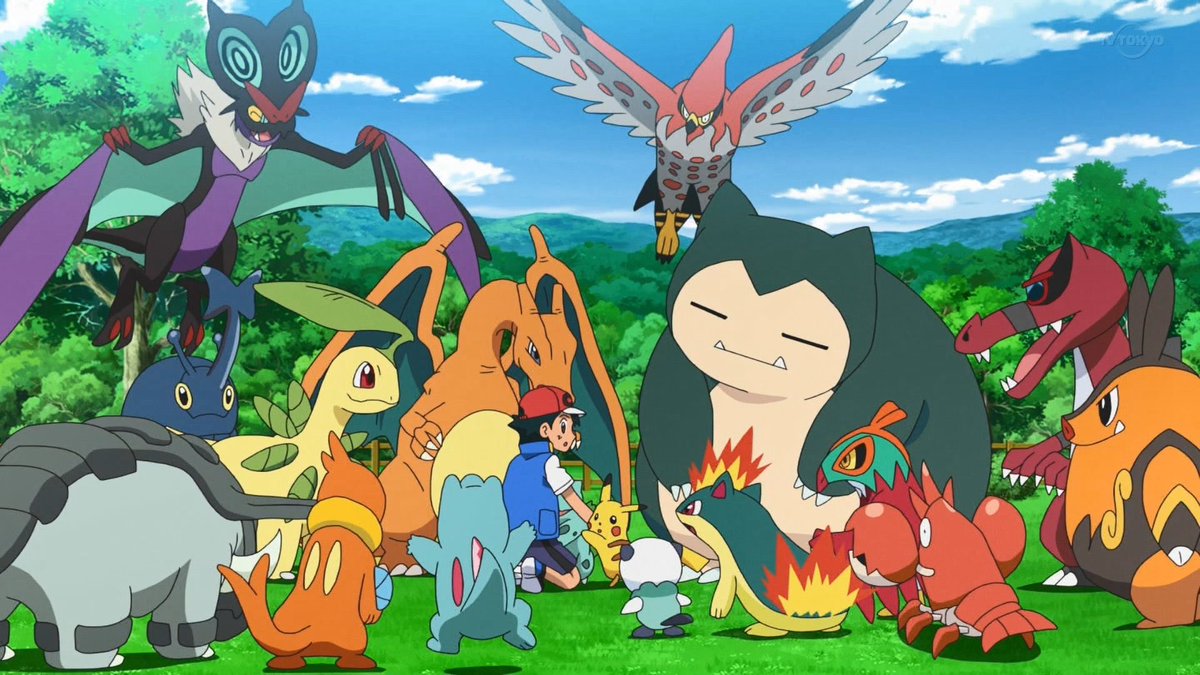
Summary of Satoshi's handheld Pokémon
Pokemon" is an RPG series released by Pokemon Co. In addition to video games, the series has been developed in a variety of media, including anime and manga. Satoshi, the main character of the anime from 1997 to 2023, basically travels to a new region with only his partner, Pikachu, and his Pokémon handheld is renewed each time the series changes. Another highlight of the anime is what kind of Pokémon Satoshi gets.
Read Article
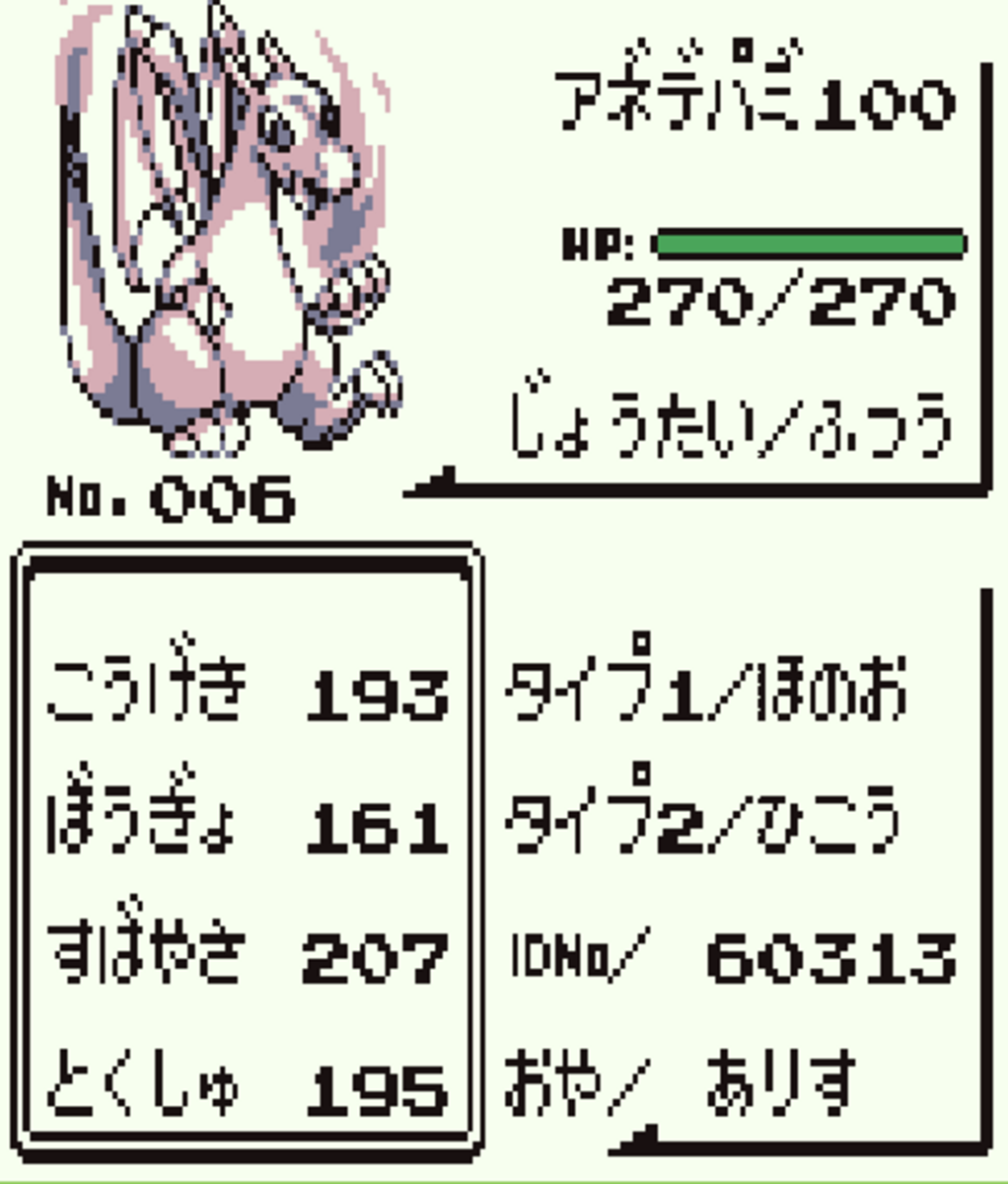
ポケットモンスター(ポケモン)のバグポケまとめ
『ポケットモンスター(ポケモン)』とは、任天堂が発売しているゲームである。1996年2月27日に携帯ゲーム機「ゲームボーイ」用ソフトとして発売開始され、その後次々に続編が制作されている。オーソドックスなRPG(ロールプレイングゲーム)であり、「ポケモン」と呼ばれるゲーム内の架空の生物の収集や交換、育成などを進めていく。その中でも、通常プレイでは入手できず、ストーリーの進行にも影響はないが、裏技によって入手できるのが、「バグポケ」である。
Read Article
Summary of Stone Evolution, Item Evolution, and Communication Evolution for Pokemon (Pokémon)
Pokemon" is a video game series released by Pokemon Co. It is an RPG in which players adventure with mysterious creatures called "Pokemon" as their partners. Pokémon evolve when they reach a certain level. However, some Pokémon evolve by using evolution stones or similar items, and some Pokémon evolve through communication exchanges.
Read Article
Summary of Pokemon (Pokemon) Rivals
Pokémon" is an RPG series published by Pokémon Inc. It depicts the adventures of a Pokémon trainer who has a mysterious creature called a "pocket monster" (Pokémon) as a partner. Rivals are mainly trainers who, like the main character, acquire Pokémon in the early stages of the game and fight with them in various locations. They sometimes antagonize the main character and sometimes cooperate with him as he grows up. In the beginning of the series, it was common to choose a Pokémon from the three families of Pokémon as a partner that is compatible with the Pokémon that the main character obtains.
Read Article
Summary of accidents and incidents related to Pocket Monsters (Pokemon)
Pokémon" is a video game series released by Pokémon Inc. It has also been developed into various media, including animation. While "Pokemon" has become a popular content, various accidents and incidents have occurred. 1997 saw the "Pokemon Shock," which became a major topic of conversation in Japan. The worldwide popularity of "Pokemon GO" has also led to accidents around the world that are thought to have been caused by people walking around with their phones on.
Read Article
Summary of Conditional Level-Up Evolution of Pokemon (Pokémon)
Pokémon" is a video game series published by Pokémon Inc. It is an RPG in which players adventure with mysterious creatures called "Pokemon" (Pokemon) as their partners. Pokémon evolve when they reach a certain level, but some Pokémon are accompanied by other conditions, such as a degree of familiarity, friendliness, or location. Even if these Pokémon have reached a level at which they can evolve, they cannot evolve unless they meet other conditions.
Read Article
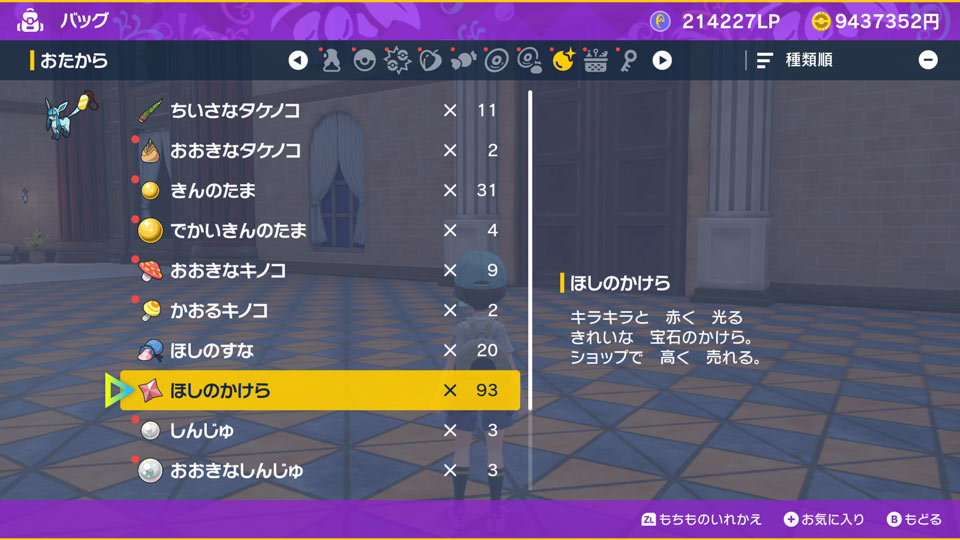
Summary of Pocket Monsters (Pokémon) otakara and cash items
Pokémon" is an RPG series released by Pokémon Co. It depicts the adventures of "Pokémon Trainers" who battle Pokémon with mysterious creatures called "Pocket Monsters" (Pokémon) as their partners. In "Pokémon," there is a category of tools called "otakara. This category mainly includes cash items that have no other use than to be sold, but some works also include items such as "Gin no Oukan" that are effective when given to a specific person.
Read Article
Summary of Pokemon (Pokémon) Ph.
Pokemon" is an RPG series released by Pokemon Co. Players go on adventures with mysterious creatures called "pocket monsters" (Pokémon) as their partners and aim to become champions of the Pokémon League. In "Pokémon," a doctor is a person who researches the ecology of Pokémon and is also called Dr. Pokémon. Until "Sun and Moon," it was standard practice to receive the first Pokémon and an illustrated book to register Pokémon from Dr. Pokémon.
Read Article
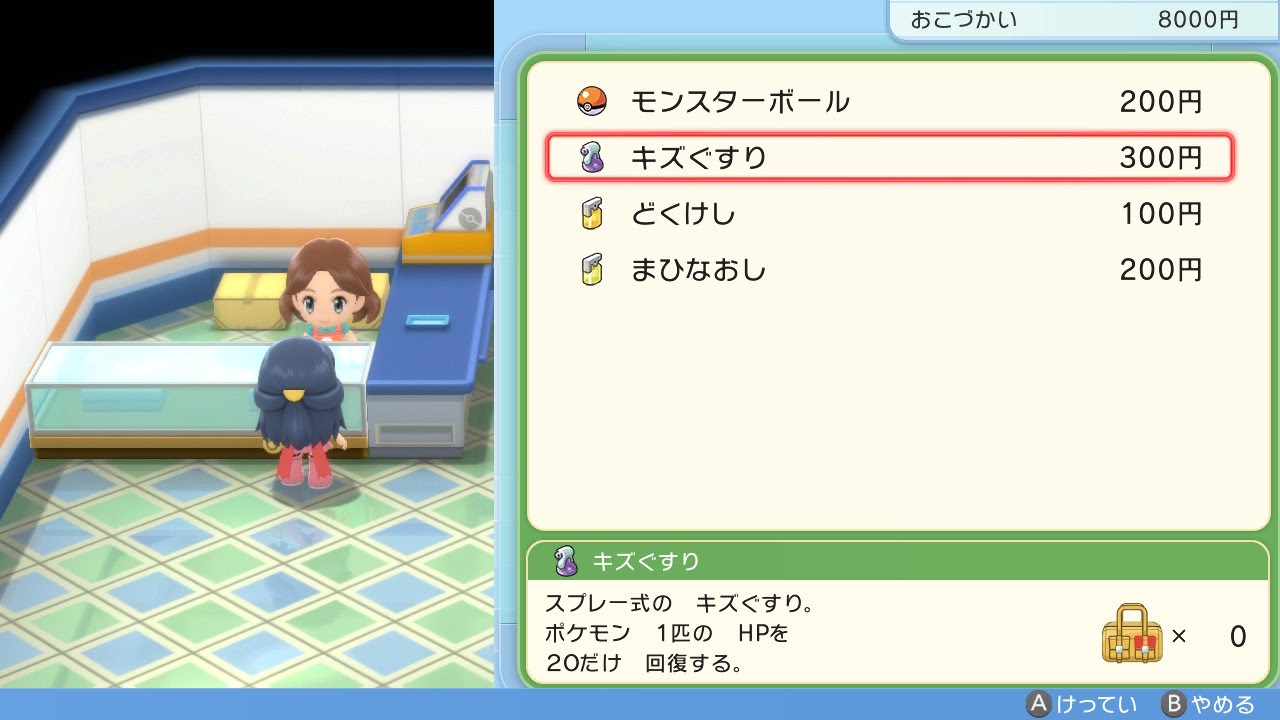
Summary of recovery items for Pokemon (Pokémon)
Pokemon" is an RPG series released by Pokemon Co. It depicts the adventures of "Pokémon Trainers," who battle Pokémon against each other, using mysterious creatures called "Pocket Monsters" (Pokémon) as partners. In battle, Pokémon's HP may decrease or they may suffer from abnormal conditions. You can recover your Pokémon by stopping by a Pokémon Center, but if there is no Pokémon Center nearby, you will have to rely on recovery items.
Read Article
Urban legends, trivia, and backstories of Pokemon (Pokemon)
Pokemon" is the name of a video game series developed by Game Freak. It is abbreviated as "Pokemon. It is an RPG in which players collect, raise, and battle creatures called Pokémon, following the concept of "collect, raise, and fight. Pokémon" rarely fails to send chills down the spine, and the longevity of the series, which celebrated its 20th anniversary in 2016, has given rise to all sorts of backstories and urban legends.
Read Article
Summary of Pokémon (Pokémon) Strength Transitions
Pokémon (Pokémon) is a long-lived series that has been around for over 20 years. The history of the series is long, and with each new release, various elements have been introduced into the battles. As a result, the battle environment for players who enjoy Pokémon battles has also changed. This section describes these changes.
Read Article
Summary of different colors of Pokemon (Pokemon)
Pokemon" is an RPG series developed by Game Freak in 1996, starting with "Red and Green. Players travel with a mysterious creature called a "pocket monster" (Pokémon) as their partner, aiming to become the champion of the Pokémon League. Color-matched Pokémon were introduced in the second generation "Gold and Silver," and are Pokémon with different body colors from the norm. When a different-colored Pokémon is seen on the status screen or when it is sent into battle, a glowing effect appears, so it is also called a "glowing Pokémon.
Read Article
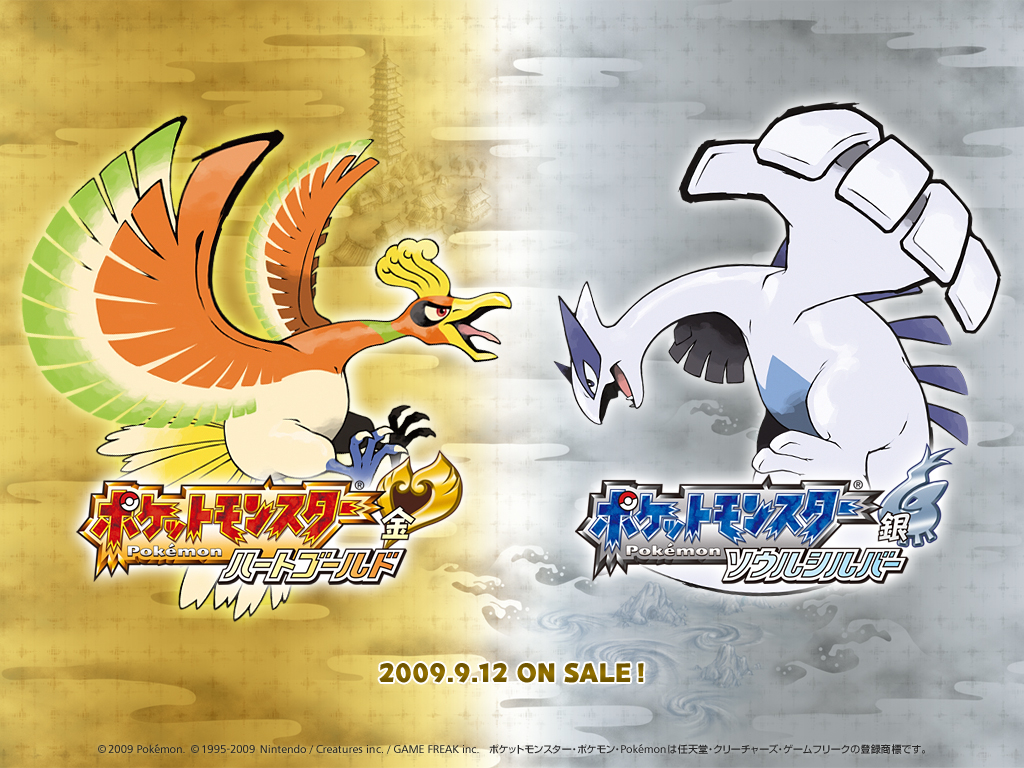
Pokémon Gold, Silver, Crystal, Heart Gold, and Soul Silver (Pokémon GSC and HGSS) Spoilers and Discussion Summary
Pokémon: Gold, Silver, Crystal, HeartGold, SoulSilver" is part of the "Pokémon" role-playing game series, with "Gold, Silver, Crystal" being the second game and "HeartGold, SoulSilver" being a remake of "Gold, Silver, Crystal. The "Heart Gold" and "Soul Silver" are remakes of "Gold, Silver and Crystal". The game takes players on adventures in the Johto and Kantou regions, where they aim to complete the Pokémon Pictorial Book and conquer the Pokémon League. They will fight against the Rockettes, an evil organization that appeared in the previous "Pokémon: Red, Green, Blue, Pikachu".
Read Article
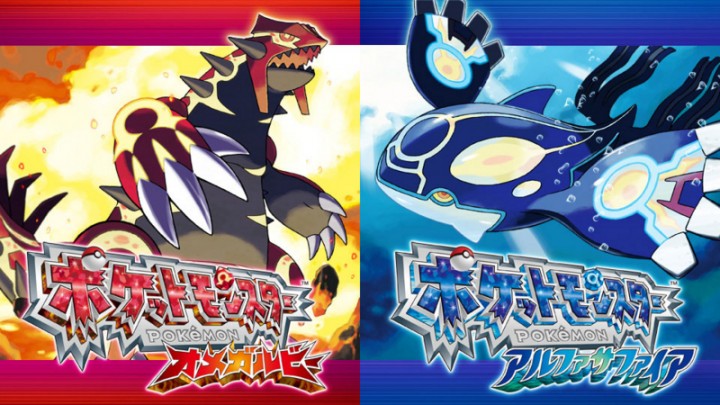
Pokémon Ruby, Sapphire, Emerald, Omega Ruby, Alpha Sapphire (Pokémon RSE and ORAS) Spoilers and Discussion Summary
Pokémon Ruby, Sapphire, Emerald, Omega Ruby, Alpha Sapphire (Pokémon RSE and ORAS)" is part of the "Pokémon" role-playing game series. Omega Ruby Alpha Sapphire" is a remake of "Ruby, Sapphire, and Emerald". In this adventure through the Houen region, players aim to complete the Pokémon Pictorial Book and win the Pokémon League. During the storyline, players will fight against the "Magma and Aqua Clan" organizations in various locations.
Read Article
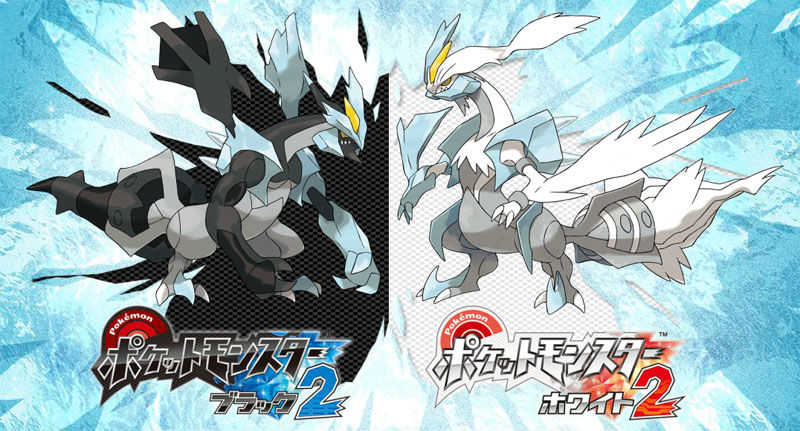
Pokémon Black 2 and White 2 (Pokémon BW2) Spoilers and Discussion Summary
Pokémon Black 2 and Pokémon White 2" is a sequel to "Pokémon Black and White" and takes place two years after the first game in the Ish region. The main goal of the game is to complete the Pokémon Pictorial Book and win the Pokémon League (Hall of Fame). The Plasma Clan, which appeared in the previous game, is back in this game and fights in various locations during the story. The growth of the trainers is also depicted, and we can see the growth of N (N), who was a rival in the previous work, and Belle and Cheren, who went on a journey together.
Read Article
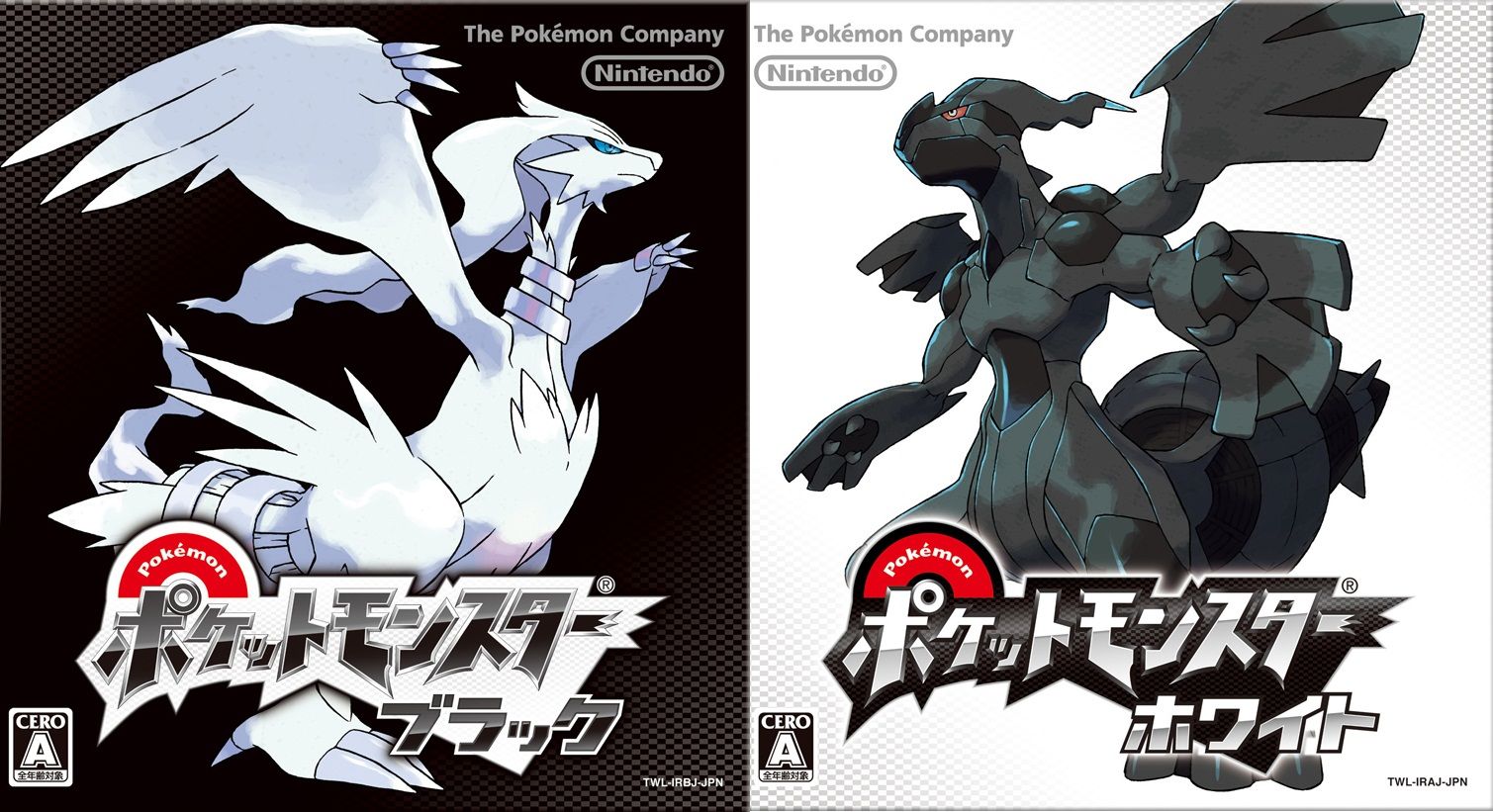
Pokémon Black and White (Pokémon BW) Spoilers and Discussion Summary
Pokémon Black and White" is the fifth title in the Pokémon role-playing game series released by Pokémon (Nintendo Co., Ltd.). The main goal of the game is to complete the Pokémon Pictorial Book and win the Pokémon League (induction into the Pokémon Hall of Fame) in the Ish region. In this title, an organization called the Plasma Squad appears, which "appeals for the liberation of Pokémon in order to free them," and fights in various locations during the story. The theme of this work is "diversity," which is reflected in the characters, Pokémon, and storyline in the game.
Read Article
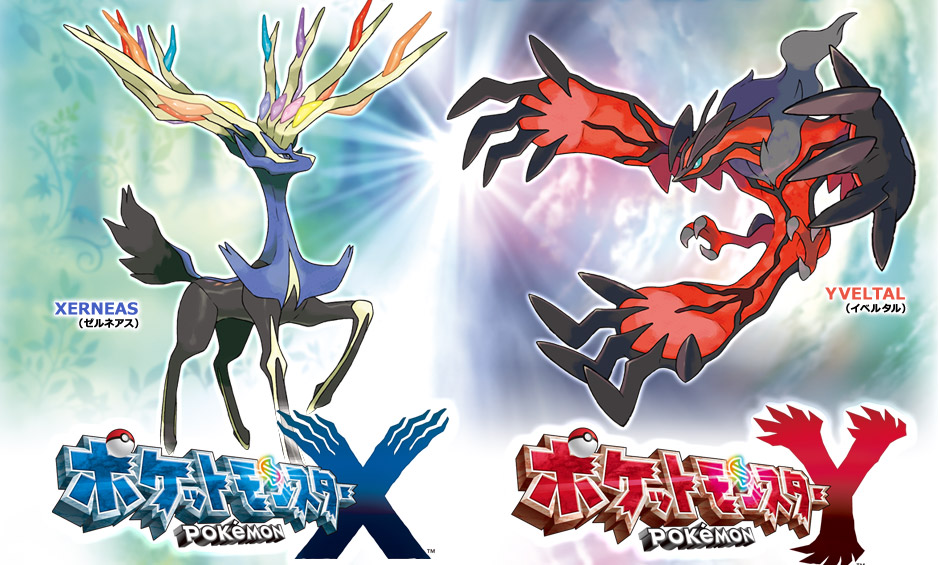
Pokémon X and Y (Pokémon XY) Spoiler Commentary and Discussion Summary
Pokémon X and Y" is the sixth title in the "Pokémon" role-playing game series. The platform has been moved to the 3DS, and the scenario, game system, fields, and battle scenes are now displayed in full 3D, greatly increasing the volume of the game. The main character is involved in a case involving a legendary Pokémon that governs "life and destruction" and the fate of the Kalos region, but he overcomes this by strengthening his bonds with his friends and Pokémon. Mega-Synchka, a Pokémon power-up element that differs from normal evolution, was introduced for the first time.
Read Article
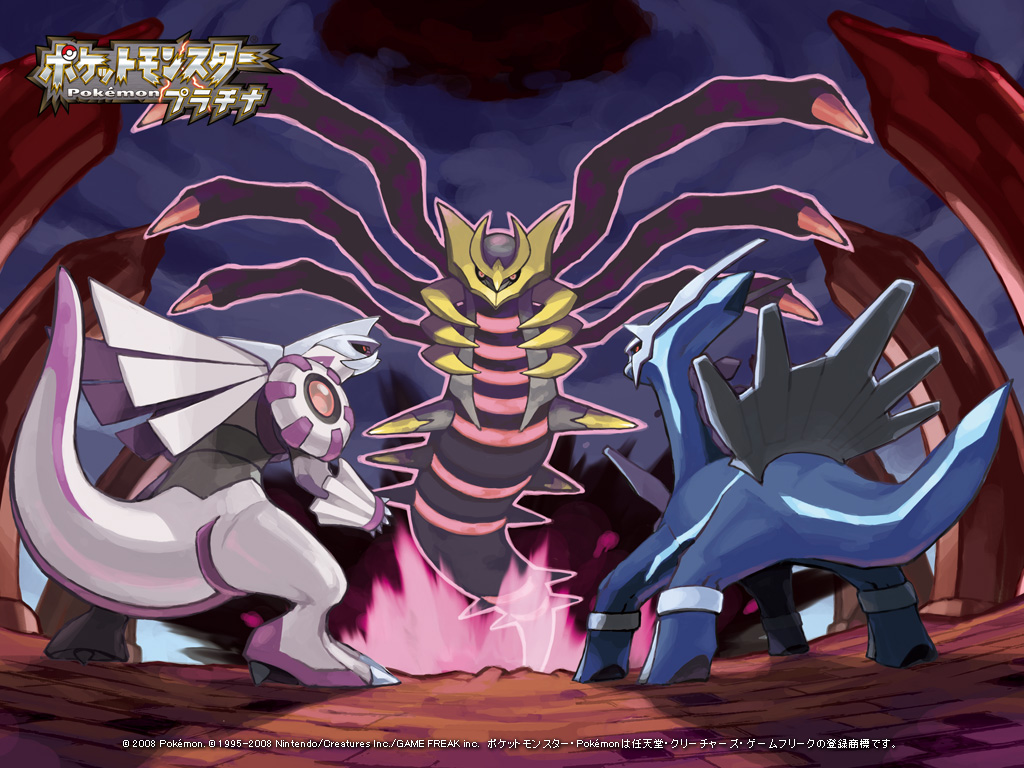
Pokémon Diamond, Pearl, and Platinum (Pokémon DPt) Spoilers and Discussion Summary
Pokémon Diamond, Pearl, and Platinum" is the fourth title in the "Pokémon" role-playing game series released by Pokémon (Nintendo) Co. Pokémon Diamond Pearl" was released, and later "Pokémon Platinum" was released with new elements added. The adventures take place in the Shin-Ou region, and the main goals of the game are to complete the Pokémon Pictorial Book and to win the Pokémon League.
Read Article
Tags
Contents
- Overview of "Pokémon Sun, Moon, Ultra Sun and Ultra Moon
- Synopsis and story of "Pokémon Sun, Moon, Ultra Sun and Ultra Moon
- Melemele Island
- Arkara Island
- Ula ula ula (an island formed by drops of water falling from the ula ula)
- Pony Island, Pokemon League Challenge
- Adventures Since Then ("Sun Moon")
- Adventures Since Then, Episode RR ("Ultrasun Ultra Moon")
- Game System of "Pokémon Sun, Moon, Ultra Sun and Ultra Moon
- initialization
- In-game time
- allowance
- ID
- Pokemon Ride
- type
- ability
- home page
- denunciation
- defense
- special efficacy
- moral influence
- speed
- special characteristic
- state anomaly
- poison/toxin
- palsy
- burn
- sleep
- district (of 2-20 50-home neighbourhoods or townships, in the ritsuryo period)
- (on the) verge of death
- state change
- chaos
- madly in love
- siesta
- bind
- unspecified
- mistletoe (esp. European mistletoe, Viscum album)
- battle format
- battle royal
- Rampage Battle
- combination technique
- Z-Waza
- mega-shinka
- Genshi Kaikki (name of a Buddhist priest)
- intensive training
- Completed Pokémon Pictorial Book
- Catching Wild Pokémon
- evolve
- lay eggs
- Restore the kaseki
- Received from a person in the game
- Exchange communication with other players
- Use Pokémover/Pokémon Bank
- To be inducted into the Hall of Fame
- Raising Pokemon
- Pokémon depository
- Compete with Pokémon trainers
- Island Tour (Trials and Grand Trials)
- Pokemon League
- battle tree
- Single Battle/Super Single Battle
- Double Battle/Super Double Battle
- Multi Battle / Super Multi Battle
- battle royal
- Battle Viking
- Jim of Cantor
- festival circle
- (your) rental home
- Attractions / Global Attractions
- correspondence exchange
- Miracle Exchange
- Global Trade Station (GTS)
- correspondence competition
- battle spot
- battle video
- Battle Agents
- PocketResort
- Stretch Resort
- Sukusuku Resort
- throbbing resort
- Wai Wai Resort
- Hot and Warm Resort
- pocket refreshment
- status
- stroke a Pokemon
- Take care of it.
- Give pokemames and malasadas.
- QR scan / Shima scan
- PocketFinder
- Arora Photo Club
- Mantine Surf
- fashion
- Pokémon Global Link (PGL)
- My Page
- Global Report/Global Attractions
- Rating Battles (Trainer Ranking/Pokemon Ranking)
- athletic event for fellow students, club members, etc. (e.g. sumo tournament)
- QR Rental Team
- Characters from Pokémon Sun, Moon, Ultra Sun, and Ultra Moon
- Main characters and their relations
- protagonist
- Dr. Kukui / Royal Mask
- how
- Rieh.
- cosmog
- Dr. Burnett.
- Nalya Orchid.
- Morn.
- captain
- Ilima
- water lily (any plant of genus Nymphaea)
- oyster
- Mao (people)
- mannequin
- acerola (Malpighia glabra)
- golden venus chub (Hemigrammocypris rasborella)
- Marlene
- Striped King and Striped Queen
- Japanese dace (Tribolodon hakonensis)
- litchi (Nephelium litchi)
- gardenia
- hapu (Nephrops norvegicus)
- the big four (i.e. four leaders in a given field)
- Kahili
- Pokemon League Challenger
- yew plum pine (Podocarpus macrophyllus)
- taro
- Skull Gang (defunct Japanese political party)
- glagio
- small dried sardines or anchovies (gomame) cooked almost to dryness in soy sauce and sugar
- gzuma
- Ether Foundation
- bikke
- xiaobo (4-stringed Chinese instrument played with a bow)
- lasagna
- international police
- handsome
- lira (former currency)
- Ultra Survey Team
- dulse (Palmaria palmata)
- eelgrass
- myrin
- white leek (Allium porrum)
- Rainbow Rocketeers
- Pinalis japonica (species of tree fern)
- Chinese parasol-tree (Firmiana simplex)
- Lespedeza buergeri (species of bush clover)
- GEICES.
- fladary
- Japanese spirea (Spiraea Japonica)
- Other Persons
- red
- green
- three-of-a-kind made with a tile called from another player
- white rape (Brassica rapa var. amplexicaulis)
- Gima
- achroma
- Dexio Gina.
- Items from "Pokémon Sun, Moon, Ultra Sun and Ultra Moon
- Rotomizu-kan (Rotopon)
- ball
- HP recovery item
- Abnormality recovery items
- item to recover from a poor state of health
- PP (power point) recovery items
- Battle Support Items
- point-up items
- counter for long, thin Japanese sweets (e.g. youkan)
- nut
- Items that increase the power of abilities and techniques (items to be carried by Pokémon)
- Battle aid items (items to be carried by Pokémon)
- Items that activate recovery and abnormalities (items to be carried by Pokémon)
- Z Ring (Z Power Ring), Z Crystal
- Keystone Megastone
- bead (of sweat, dew, etc.)
- plate (often as in "tectonic plate")
- memory
- cassette (tape)
- scandalous conduct
- will of a god
- trinkets of the gods
- honey
- spray
- Pokemon Breeding Items
- casein
- special machine
- most important thing
- fishing rod
- learning equipment
- Lens Case
- Cosmetic Pouch
- glittering stone
- wind instrument used in gagaku to indicate the direction of the sun
- Japanese hornbeam (Carpinus japonica)
- Dicarde Cube
- Necroplus sol
- Necroplus Luna
- genetic wedge
- Glacidean nose
- mirror
- acupuncture point for momentary glimpses of repose
- round charm
- charm that illuminates
- Other Items
- Terms for Pokémon Sun, Moon, Ultra Sun, and Ultra Moon
- character
- individuality
- degree of familiarity
- form change
- poignon
- deoxys
- Minomuch Minomadam
- chelim
- roto-
- Giratina.
- shami
- Arceus
- Sarcocheillichthys variegatus variegatus (species of minnow)
- sika deer (Cervus nippon yesoensis)
- Tornellos, Voltros, Landros
- Kyurem (evil spirit in Japanese folklore)
- Keludio.
- meloetta
- guenosect
- trimian
- Gilgard
- Zelneas
- digitally altered photograph (e.g. made to look like an oil painting)
- whooper
- booby (esp. the brown booby, Sula leucogaster)
- common reed (Phragmites australis)
- Silvadi.
- Meteno.
- mimicry (esp. biological)
- Solgaleo Lunaara
- necrozuma
- region form
- kolatta ratta
- raichu (Dromaius novaehollandiae)
- sandwich sandwich
- Rococo Cucumber
- DIGDA DAGTRIO.
- Meowth Persian
- Issyutubu Goron Goronha
- Better Better Bet
- Nassy.
- toad (esp. the Japanese toad, Bufo japonicus)
- guardian Pokémon (e.g. of children, children's game, etc.)
- UltraBeast
- egg group
- Basic Points
- pokealus
- ribbon
- differently colored
- art
- Hit and Evasion Ratio
- vital point (critical place to make a move in the game of Go)
- degree of relative priority
- field conditions
- fair or favorable wind (favourable)
- Maimibishi, Dokubishi, Stealth Rock
- Reflector, Wall of Light, Shinpi no Mamoru
- weather
- Electric field, Grass field, Mist field, Psycho field
- Trick Room, Magic Room, Wonder Room
- region
- Alola region
- Melemele Island
- Lily Town
- Hauuli City
- Mahalo Mountain Road / Ruins of War
- Hauoli Cemetery
- Cave of the bush
- Mere Mere's Garden
- sea cave
- Gulf of Karlae
- Ten-Carat Hill
- slender sea turtle (Megalops cyprinoides)
- Big Wave Beach
- Cave on the beach
- Arkara Island
- Kantai City
- Ohana Town
- Royal Avenue
- Konico City
- Ohana Farm
- Seseragi Hill
- Vera Volcano Park
- shade jungle
- Digda Tunnel
- Memorial Hill / Outskirts of Arcala Island
- Ruins of Life
- Hanohano Resort/Hanohano Beach
- Cantai Beach
- Pikachu Valley
- ether paradise
- Ula ula ula (an island formed by drops of water falling from the ula ula)
- Marie City
- Village of Cap
- Po Town
- Marie Garden
- Mt. Hokulani
- Mt. Hotei
- Ula'ula Backshore/Ula'ula Beach
- Site of Mega Yasu supermarket
- Haina Desert
- Ruins of Fruits
- Ullaura's Garden
- Moon Lake / Sun Lake
- Lanakila Mountain / Pokemon League
- Poni (island)
- Village of Sea People
- Poni's Wilderness (Poni's Beach), Poni's Old Road, Poni's Rough Shore
- Ruins on the other side of the river
- Nassie Island
- Grand Canyon of the Poni
- Altar of the Sun / Altar of the Moon
- Poni tree forests and poni broadsides
- Poni's Garden
- endcave
- Poni's Coast, Poni's Rugged Road
- battle tree
- Ultraspace
- ultramegalopolis
- Ultra Deep Sea
- Ultra Jungle / Ultra Desert
- ultraplant
- Ultra Forest/Ultra Valley
- Ultra Building
- Ultraspace Zero
- facility
- Pokemon Center
- Friendly Shop (Shop)
- Cafe Space
- Backstories, trivia, and small stories/episodes/anecdotes about "Pokémon Sun, Moon, Ultra Sun, and Ultra Moon".
- Get Satoshi Gekkouga in a special demo version of "Sun Moon
- Title "Sun Moon" and the Alola Region
- You can change your battle style.
- Unusual trainer
- You can check the comfort of the bed.
- How to obtain Ganteballs
- Game Freak is in the game!