
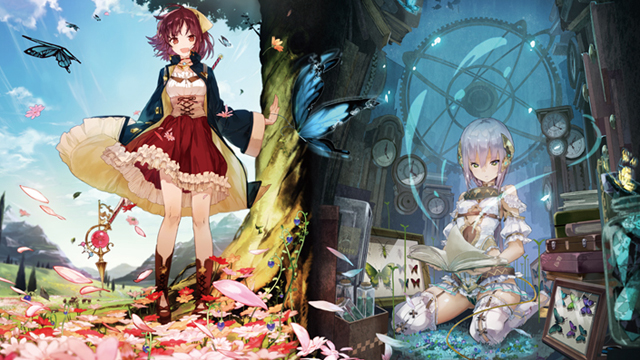
The Atelier series is a series of challenging mix-and-match RPGs released by Gust (now Koei Tecmo).
The Atelier series has a different worldview for each of the two or three games, and each has its own unique characteristics.
Here is a summary of the differences.
There are now more than 20 games in the series as a whole, and some people may not know which one to start with.
Please use this as a reference for those who are not sure which one to start with.
Character Design: Kazuyuki Yoshizumi
This series has a stronger RPG color than the Iris series.
It is also characterized by the fact that the title does not include "Atelier.
The combat system is based on the active time cost card system from the previous series, and the break and burst modes have been taken over, to which further support skills and finishing bursts have been added.
The field now incorporates a quarter view to provide depth.
Points and conditions for the next event are indicated in the student organizer, which can be called up in the menu, etc., and on the overall map of the field, making the system so that there is no chance of getting lost in the progression of the game.
The game has been ported to the PSP, but is not currently available in the PS Store.
Mana Khemia - Alchemists at the Academy
~Story~.
Vayne and Sarfa, a mana in the form of a cat, were living quietly in a cabin deep in the forest.
One day, Zepple, a teacher at Allevis Academy, a training institute for alchemists, appears before them and scouts Vayne.
Vain, who had already made a contract with Mana, was accepted by the people around him as highly qualified as an alchemist.
After entering the school, he was forcefully invited to join "Gunnar's Atelier," a club-like on-campus organization.
Through the Atelier, he spends his days with the friends he meets to become an alchemist.
Little by little, he comes to know the secret of his late father, Theophratus, who was once a great alchemist, and of his own birth.
The flow of the game is divided into one chapter and two chapters per semester for the three years from entrance to graduation.
At the beginning of each semester, there are compulsory assignments, the contents of which range from defeating enemies to collecting and mixing items.
It also serves as a tutorial for the game.
The students are then divided into three categories: excellent, good, acceptable, and not acceptable, and receive a number of stamps according to the results of their work.
If you collect more than a certain number of stamps, you will get credits and free time.
However, if the student's grades are poor and the number of stamps does not reach a certain level, he or she will not have free time but will have to take remedial classes and will be required to complete assignments that are more demanding than usual.
In the latter half of the semester, students can get part-time jobs and enjoy the side stories of the characters, and the progress of the side stories will affect the ED.
In the mixing process, you can cooperate with one of your friends and get different effects depending on your friends.
Battles are now symbol-encountered, and attacking a symbol allows you to take the first move or defeat it if it is weak.
Note that time passes in the search area, and monsters become stronger and symbols move faster at night.
You are required to deal with the situation at night, either by somehow killing time or by strengthening your character so that you can win even at night.
The player fills in a tree-like table called a "growbook" for character growth.
Successfully mixing new items fills in the blanks, and the player can use ability points to allocate them to new skills and abilities.
Mana Khemia 2 - Ochita Gakuen and the Alchemists
~Story~.
Due to the unexplained decrease in the population of mana, alchemy using mana was greatly affected.
Because of this, Arlebis Academy was forced to reform its management, and Zeppl, who had been the principal, appointed Gunnar, a graduate of the school, as vice principal in order to prevent the disappearance of the alchemy department.
Just that year, two boys and a girl entered the school.
Rose, who had dark feelings about Mana's existence, and Ulrica, who had a strong yearning for Mana.
At the entrance ceremony, Ulrica dropped Mana's egg, which she cherished, and Rose stepped on the egg that rolled down and fell down.
The two then quarrel and belong to different ateliers, and they confront and cooperate with each other as rivals.
Eventually, they become involved in the events that started the decline of mana.
The atelier changes depending on whether the protagonist is Rose or Ulrica.
The basic system is the same as in Mana Khemia, but the duration is shortened to one year.
A bazaar where items can be sold during free time has been added.
The mixing process is almost the same as in Mana Khemia, but you can choose one of your friends to cooperate with you, and the bonuses vary depending on the friend you choose.
There are also additional bonuses depending on the level of affection.
An additional element of the PSP is the Combatant Training Center, a dungeon for the purpose of combat, which is a random-map dungeon with a different map each time you enter it.
Ported works
Mana Khemia ~Alchemists at the Academy~Portable (PSP)
Mana Khemia 2 - Ochita Gakuen no Alchemists - Portable (PSP)
Arland Series
Character Design: Mel Kishida
Illustrated by Mel Kishida, this series has attracted a lot of attention.
The girls are once again the main characters, with the meaning of returning to the roots, and the main focus is on mixing and management.
The maps, backgrounds, and characters have also been changed from dots to 3D characters, making Atelier a different field and other controls than before.
The system of mixing and blending is different from each other, but the basic system is the same as that of the Gramnato series.
The quality degradation factor has been simplified, making it suitable for beginners.
The assist system has been inherited from Mana Khemia, and the battle system, which had only HP in Rorona, has been restored in Totori with the MP and LP elements, and in Meruru, the time-card-based battle system has been restored.
Rorona's Atelier
~Story~.
Arland is a small kingdom.
Arland used to be a poor country, but one day, a civilization called "Machine" was discovered in the ruins, and it became a wealthy country.
In such a town, there is an alchemy atelier.
Because the owner is lazy, he does not work at all and not a single customer comes to visit.
One day, such an atelier is told by a messenger of the state.
If the owner cannot prove that he can work within three years, the atelier's business license will be taken away.
The owner hears this and goes away.
And so, the atelier was entrusted to an apprentice, Lorelina (Rorona).
The deadline is three years, but if you don't accomplish the kingdom's requests regularly, the game is over at that point.
The same materials have different characteristics in the concoction, and concoctions that take advantage of these characteristics can create better items.
There are also different types of quests: kingdom requests, front quests, and friend quests.
Kingdom Requests are quests that must be completed in order to advance the story.
Front quests are quests that you do to earn reputation and funds for Atelier.
Friend quests allow you to receive requests directly from your friends, increasing your friendship level and affecting your ED.
The remake on PS3 and VITA has a completely new system for mixing and fighting, and is based on the Meruru system.
The 3D models, etc. have also been completely redesigned, and the troubling bugs that were present in the PS3 unmodeled version have been resolved.
The 3DS version has changed to a mass-based combat system.
Also, Astrid's Atelier is included.
This also has a different 3D model than the VITA and other versions.
Totori's Atelier
~Story~.
Toturia (Totori) lives in a fishing village and has a mother who went missing during an adventure.
Through a chance encounter, she becomes an alchemist and adventurer, and sets off on a journey to find her mother.
There is a time limit of up to 5 years.
You are free to do whatever you want during that time, but you will not be able to see a good ED if you do not fulfill your goal of searching for your mother.
In the formulation, characteristics were automatically inherited until now, but from this work, you can choose your own.
Depending on the materials you choose when creating an item, the item may have a completely different effect.
Previously, you could only sell items in your basket, but now you can also sell items in containers.
In addition, adventurer points are earned by completing new locations and defeat requests.
Adventurer points are used to increase the adventurer rank, which in turn allows new maps to appear and new items to appear.
Earning Adventurer Points is also a major indicator of success in Totori.
In the Plus version of the remake, you can mix costumes, which can then be reflected in the 3D model.
Merle's Atelier
~Story~.
The Kingdom of Earls is located far northwest of Arland.
The Kingdom of Earls is a small frontier kingdom.
The kingdom was scheduled to be annexed to Arland in five years.
In preparation for this, they were working on a pioneering project.
Then, Totori, an alchemist, was dispatched from Arland.
Merle Lyns (Merle), daughter of King Arles, was so impressed by Totori's alchemy that she became his apprentice, and the story begins.
The period is five years.
If certain conditions are not met after three years, the game ends there.
In the concoction, characteristics can now be transferred as they are or enhanced.
The main objective in this game is to develop the kingdom and increase the population.
The development status is indicated by what are called pioneer points and kingdom ranks.
The pioneers receive letters about their problems, and they can earn pioneer points by accomplishing their tasks.
There are several types of tasks, and basically they can be accomplished by creating specified items through alchemy.
As you complete the assignments, your pioneering land will develop and the items available at that location will become better and better.
New potential settlements can be discovered by advancing to new lands and defeating monsters.
In this title, the combat system is based on the same time card system as in Mana Khemia, and the time between subsequent actions will vary depending on your actions.
In addition, "Power Items" and "Potentialize" have been added as new elements for using items during battle, although only for Meruru.
Power Item is a system that allows Meruru to use an attack item and then perform a two-person assisted attack to enhance the performance of the item used by Meruru.
Potentialize allows each character to use a coordinated technique if there is an assist gauge after the power item.
The request system has changed slightly. In Totori, the reward was reduced if the item was of poor quality, but in this work, it is no longer a problem if the quality is low, and the reward is increased if the item is of good quality, and the deadline is now indefinite, so you do not have to worry about a detailed schedule.
The now-famous Meru Kishida's Meruru was the main source of this image.
Porting and remakes
New Rorona's Atelier: Hajimari no Monogatari - The Alchemist of Arland (PS3, VITA, 3DS) *Remake Note that the 3DS has a different system, etc. from PS3 and VITA.
Totori no Atelier Plus - The Alchemist of Arland 2 (VITA) *port
Meruru's Atelier Plus - The Alchemist of Arland 3 (VITA) *port
Twilight Series
Character design: left
The civilization that once thrived on alchemy is in decline.
The story takes place in a twilight land where a phenomenon of extinction called "twilight" is taking place.
Starting with this series, standing pictures are no longer displayed during conversations in the story, and everything is done with 3D models.
However, don't worry, there are stills at key points.
Also, the concept of deterioration has been eliminated, and it is now possible to create even better products by using skills while mixing.
See each section for more details.
As for combat, Asha, Eska and Logy, like Merle, use a time card system plus an assist system with an assist gauge.
In Shari, the combat is similar to that of Mana Khemia.
In Asha, Eska and Logy, positioning is also important, and a system has been added whereby attacking from behind an enemy will always result in a critical hit.
Starting with this series, the soundtrack and vocal album are now separated, and the number of vocal songs (insert songs) has increased accordingly.
Asha's Atelier
~Story
Asha is a young apothecary girl who is alone in the world.
Her sister Nio, the last of her family, disappeared three years ago while on a medicinal herb gathering trip to a nearby ruin.
She can't believe that she is dead and regrets that she let her go alone to gather medicinal herbs.
Exactly three years after Nio's speeding away, he went to visit her grave, and suddenly a glowing flower garden and Nio's phantom appeared.
Keesgriff, an alchemist who was there, tells him that it was caused by alchemy and that Nio is still alive.
He tells her that if she wants to save Nio, she must master alchemy and learn about glowing flowers, and goes away.
Nio has only three years left to live.
Asha sets out on a journey to save Nio in the meantime.
The deadline is three years, but there are no tasks along the way; the goal is to save Nio in the end.
Although there is a deadline for requests, it is basically a reasonable deadline and there is no problem if it is exceeded.
A number of new systems have been added to the concoction from this title.
There is something called CP, which is used not only when adding ingredients, but also when using the concoction skill.
The maximum value increases as the concoction level increases and as a result of bonuses during adventures.
The concept of failed concoctions has also been abolished, so that concoctions can be made reliably.
The order in which the ingredients are placed in the pot also affects the results, making the game more challenging and rewarding.
Bonus values such as latent ability and the four elements were also introduced.
ED branches can now be selected by the user as long as the conditions are met, eliminating the need for complicated flag management.
For example, if the conditions for all the EDs are met, you can simply save before the ED and go through them in order.
This title has a diary system, in which you can earn memory points and write a diary entry to obtain recipes and various other benefits.
The order in which you write your diary is not fixed, but you can start with the benefits you want.
Esca and Logy atelier
~Story~.
Esca, a young girl living in an apple orchard in Corsate, is assisting the branch office with the ancient alchemy skills she learned from her late mother.
One day, she was officially hired as an official.
At the same time, Rosie, who had been studying alchemy at the center with certain circumstances behind her, was assigned to the development team of the same branch.
Thus, the two begin their days of work as officials at the branch.
They dream of one day visiting unexplored ruins in the sky.
In this work, you can choose between two protagonists and proceed through the scenario.
Esca (the female protagonist) will allow you to enjoy the atmosphere of the original Atelier, while Rosie (the male protagonist) will allow you to enjoy the seriousness of the twilight world.
There are endings and stills that can only be seen by one of them.
The romantic element between Eska and Rosie is unlikely.
There is a semblance of it, but it is not there.
In this work, a major assignment is presented every four months, and if you do not complete it, you will immediately get a bad ending.
In order to advance the story to the end, you must complete the grand task.
There are also medium and small assignments as well as large assignments.
The concoction system has been changed and improved based on Asha.
Quality has been renamed potency and latent ability has been renamed latent power.
The latent power is now chosen by the user by spending points, as in the Arland series.
The maximum number of latent powers that can be granted is now 3.
The conditions for using concoction skills have been changed, and they are now used by consuming the attribute bonus.
There are various concoction skills, some of which not only increase potency, etc., but also reduce the number of days required for concoction.
The maximum level was 50 in the past, but now it is possible to raise the level up to 99.
In the gathering process, there is a gauge for exploration and investigation, which rises as materials are gathered and enemies are defeated. (MAX 200%)
The 100% amount can be consumed to collect relics, appear strong enemies, share collection, XX mutation, or collect materials.
In the relic collection, you can collect alchemical items from the previous era.
The items that can be retrieved vary depending on the location.
In the "Appearance of a strong enemy" section, you will battle with an enemy of a higher level than the appropriate level for that location.
There are three ranks to choose from: tough, dangerous, and reckless, which vary depending on the location and the level of the main character's equipment.
In the "Sharing Collection," you can collect all the remaining material items in the area, and you can choose whether to focus on the rarity or the number of items, or you can leave it up to the player.
Mutations are divided into five categories: land, battle, number of items collected, rare materials, and relics, and the items that can be performed differ depending on the land or area.
The land increases the rank of the monster when a strong enemy appears, the battle increases the experience value, the number of items can be obtained, the rare material increases the appearance rate of rare materials, and the relic increases the latent power rank of the relic that can be obtained by collecting relics.
Material recovery can only be performed at specific locations and retrieves materials from previous eras. It is not duplicated and can be done actively since the task may include the recovery of materials.
This work is also animated, and the storyline is slightly different from the game until the end of the game.
Shari's Atelier
~Story~.
The village of Lugion is suffering from a serious water shortage caused by twilight.
Shari Stella (Shari), daughter of the village's chief, sets out on a journey to Stelard, which has an abundant source of water, to seek help.
Just as she is about to arrive at Stelard, she is attacked by a dragon that lives in the sandy sea, and her entire ship crashes into Stelard.
Charlotte (Shari), on the other hand, who lives in Stellado and has a small atelier, is troubled by her unrealistic goal of one day becoming big, but today she is still assigned to pick up trash by the union and simply does her job.
These two Charlies meet and decide to take on the challenge of running out of water and searching for the answer to twilight.
The protagonist will choose one of the two after the prologue to proceed.
Depending on which one you choose, there are differences in the early story, some items that can be created, and some concoction skills, but it does not matter which one you choose.
If you want to work your way through the concoctions, the skills are more useful in Shalistera.
This title no longer has deadlines, and the lack of deadlines does not mean that the degradation system has been restored.
You progress through the story by completing what are called life tasks.
Basically, there is no concept of game over.
The Chain system, based on Esca and Logy, is introduced for blending, and Chains are increased by continuously using skills with the same attribute.
The combat system is almost the same as in Mana Khemia.
However, there are some differences from Mana Khemia, such as field bursts that can be performed under certain conditions.
As a port of Plus, Asha, Eska, and Logy, who did not appear in the original game, appear in this game, making it a compilation of the Twilight series.
It is also possible to form a party with successive protagonists plus one.
Ported works
Asha's Atelier Plus - The Alchemist of Dusk (VITA)
Atelier of Eska and Logy Plus: Alchemist of the Dusk Sky (VITA)
Shirley's Atelier Plus - The Alchemist of the Dusk Sea (VITA)
Mystery Series
Character design: NOCO, Yugen
The series has an all-new recipe formulation system.
Unlike before, recipes are now inspired by battles and events, and there is no longer a need to buy reference books.
The recipe itself differs from the previous series in that the ingredients are now put into the alchemical pots, each with a different effect.
The materials have different shapes, and you have to put them in the right way according to their shapes.
The process itself can be redone many times, so you can create a good product while redoing it over and over again.
As of June 2016, only Sophie has been released, but a new version of this series, Atelier of Phyllis, is scheduled for release.
In the world of this series, alchemy is a lost skill, and the goal is to regenerate it, so the genre is "Alchemy Regeneration RPG".
Sophie's Atelier
~Story
Alchemy, a skill taught by her late grandmother.
There was a girl named Sophie who used it.
However, Sophie's alchemy was a series of failures.
One day, Sophie finds a mysterious book.
The book talks and says that it is a book about lost alchemy.
The name of the book is Plafta.
She decides to write down the recipe for alchemy in order to recover the memory of Plafta, who has lost his memory.
For the first time in Atelier's history, we are using two people for character design.
Although there is no time limit, the concept of time, such as morning, noon, and night, and the concept of weather exists in this work.
There are different items that can be taken depending on the weather and other factors, and there are also events that only occur at certain times.
Be aware that demons are more active and stronger at night and in the rain.
The blending system has changed and is now more like a puzzle.
Each alchemy pot has a different size of panel, which is a slot for materials, and different bonuses, so even if you make the same item with the same materials, the result will be different just by using different pots.
At first there is only one, but it can be picked up or the cauldron itself can be adjusted through concoctions.
It is also important to consider the shape of the ingredients and place them in the right places.
The battle is now based on a logical turn system, in which each character takes a turn and chooses his or her own actions.
In the past, there were three vanguard players and three rear guard players, but in this work, there are only four vanguard players.
And, assist actions have been changed to automatic, and you can choose support actions by switching support stances during battle.
In addition, as the story progresses, Plafta will have a doll body, and by incorporating alchemical materials into Plafta's body, Plafta's ability values and appearance can be customized.

Related Articles

In-depth summary of the main characters of the Atelier series
The "Atelier series" is a series of RPG games based on the theme of "alchemy. The publisher is Koei Tecmo Games' Gust (formerly Gust Co., Ltd.). The series is called the "Atelier series" because the word "Atelier" appears in the names of most of the titles. Most of the main characters are girls, and their names are often included in the XX part of the title, "XX's Atelier.
Read Article
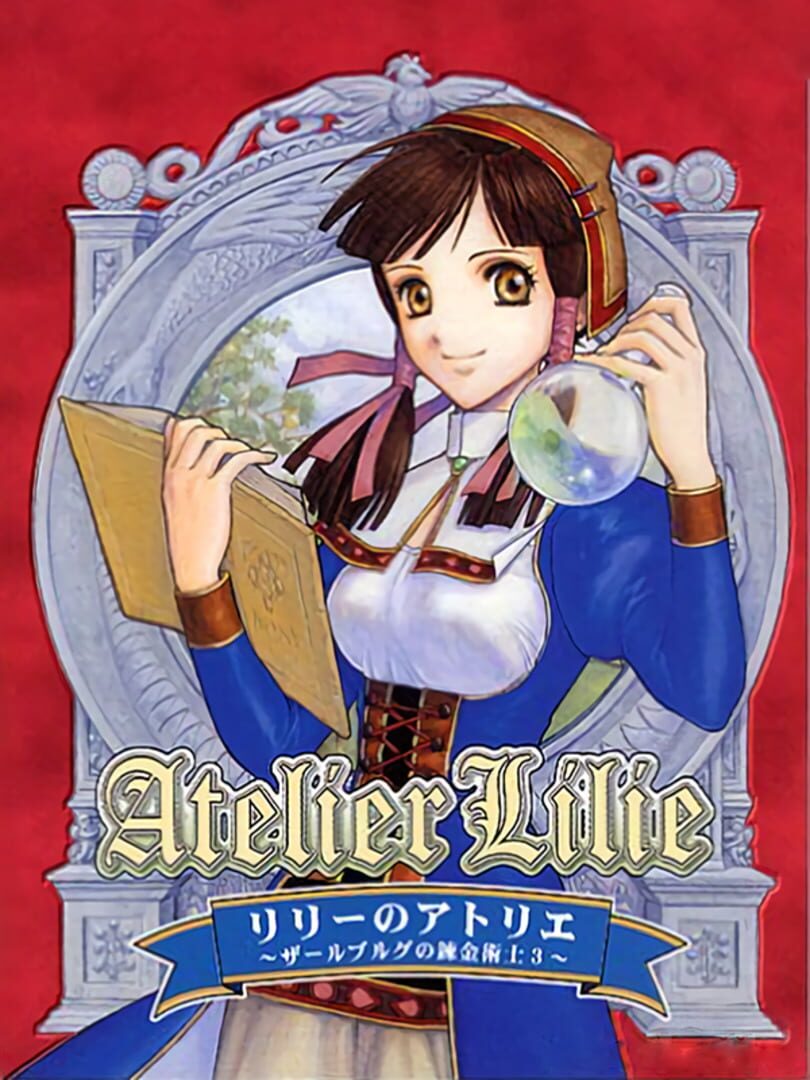
Lily's Atelier - The Alchemist of Saarburg 3 (A3) Spoilers and Discussion Summary
Lily's Atelier: The Alchemist of Saarburg 3" is the third title in the Atelier series of RPG games for the PlayStation 2 from Gust. It is set in a time before the first game, "Marie's Atelier: The Alchemist of Saarburg". The main character Lily and her friends come to Saarburg from the continent of El Vador to spread alchemy. They aim to complete the academy by exhibiting their alchemical creations at the annual "exhibition" held at the castle to gain recognition and funds.
Read Article
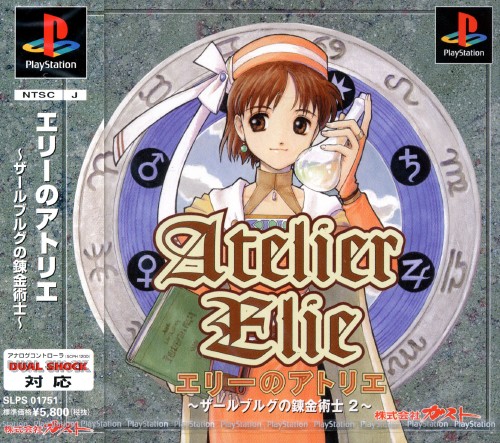
Spoiler commentary and discussion of Elie's Atelier - The Alchemist of Saarburg 2 (A2)
Elie's Atelier: The Alchemist of Saarburg 2 (A2)" is a sequel to "Marie's Atelier: The Alchemist of Saarburg", an RPG game for the PlayStation released by Gust. A girl named Elfir, who was wandering between life and death after contracting an infectious disease, was saved by a woman named Marlone, who was on a journey as an alchemist. Elfir, who survived, admired Marlone and entered a prestigious alchemy academy in Saarburg to become an alchemist herself.
Read Article
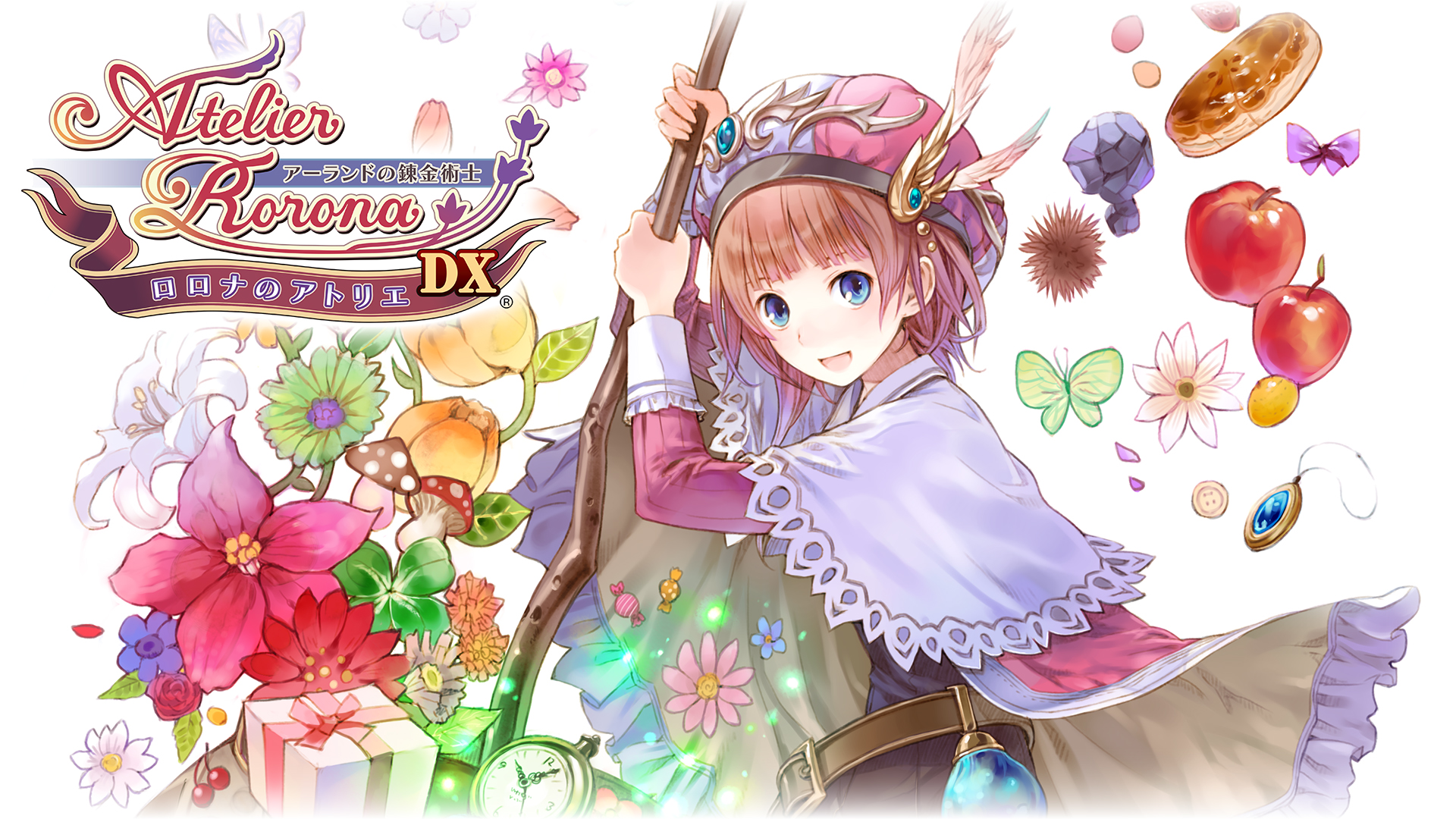
Spoiler commentary and discussion of Rorona's Atelier - The Alchemist of Arland (A11)
Rorona's Atelier: The Alchemist of Arland" is the 11th title in the Atelier series of RPG games for the PlayStation 3 from Gust. Later remakes were made and a DX version was released as a set with the sequel. A girl named Rorona lives with her master in the Atelier of Alchemy in a corner of the Kingdom of Arland. One day, a knight comes from the castle and tells her that if she does not continue to fulfill the tasks given by the castle for three years, the atelier will be torn down. Rorona becomes the owner of the atelier as a new alchemist and faces the three-year task to protect the atelier.
Read Article
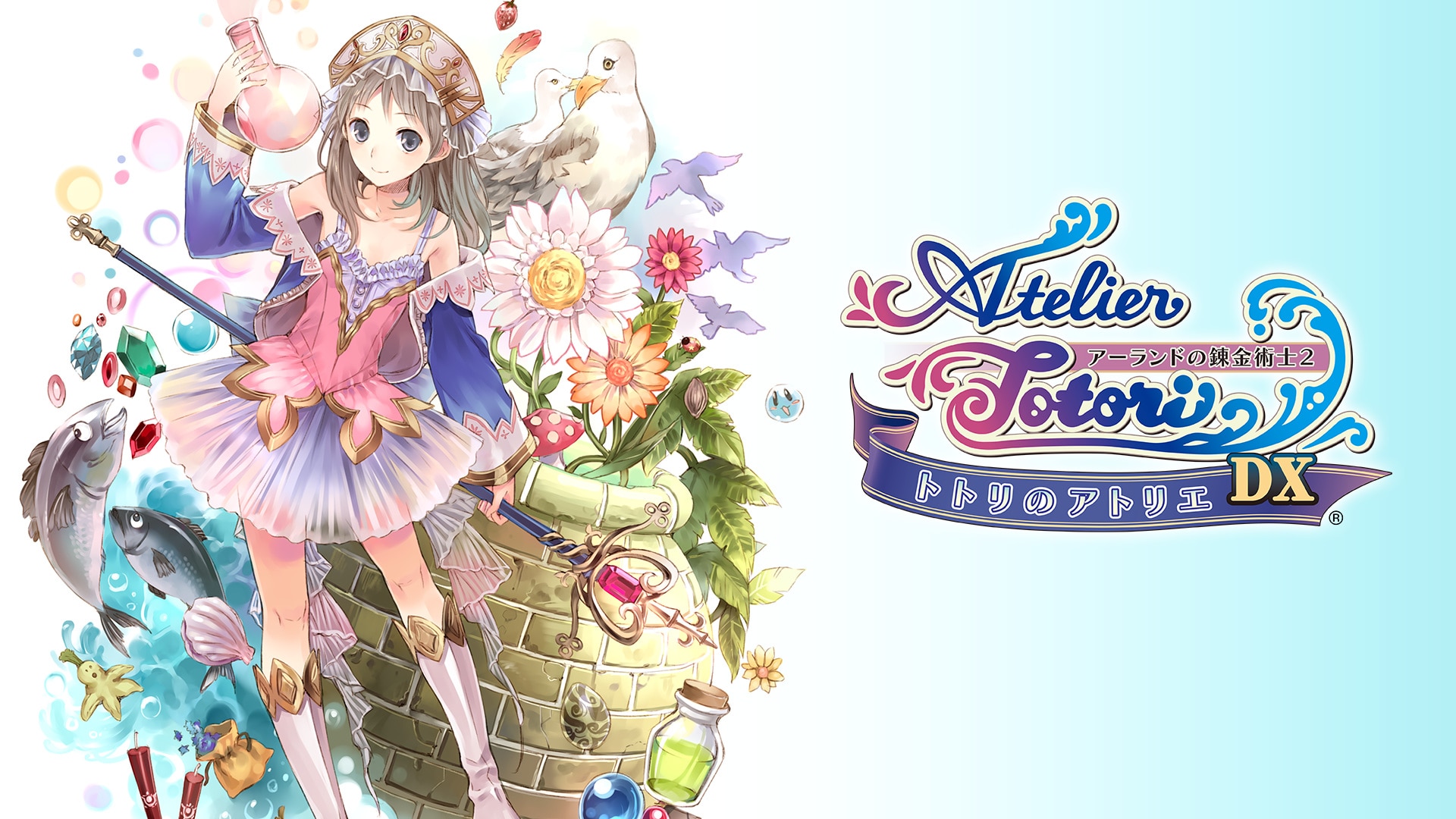
Spoiler commentary and discussion of Totori no Atelier - Alchemist of Arland 2 (A12)
Totori no Atelier -The Alchemist of Arland 2 (A12)" is a sequel to "Rorona no Atelier -The Alchemist of Arland", an RPG game for the PlayStation 3 released by Gust. In a small fishing village called Aranya in the Republic of Arland, there lives a girl named Totori, who is Rorona's apprentice. Totori decides to become an adventurer in order to follow in the footsteps of her mother, who went on an adventure when she was a child and has since disappeared. Totori's adventure begins as she dreams of being reunited with her mother.
Read Article
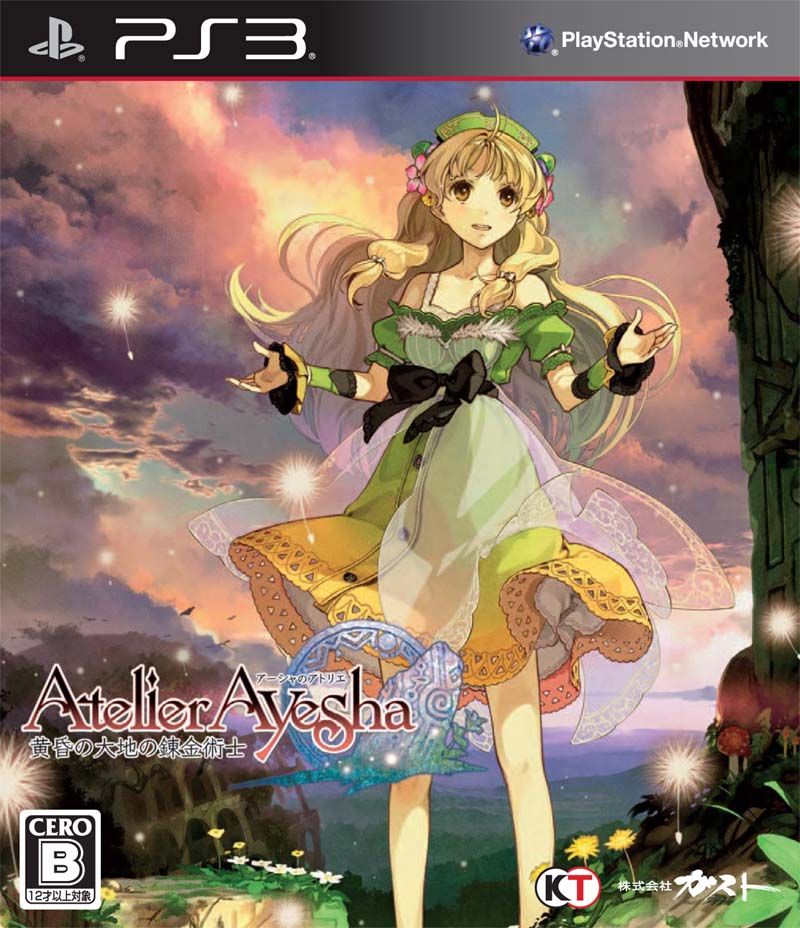
Asha's Atelier - The Alchemist of the Twilight Zone (A14) Spoilers and Discussion Summary
Asha's Atelier: The Alchemist of Dusk (A14)" is a PlayStation 3 software developed by Gust (now Koei Tecmo Games) and is the 14th title in the Atelier series of alchemy-themed RPGs. Like the previous titles in the series, the story is based on a cheerful style, but the story takes place in the twilight age, when alchemy, once a flourishing art, has fallen into disuse. The story is about Asha, a young pharmacist girl who learns alchemy and searches for her missing sister in a dying world.
Read Article
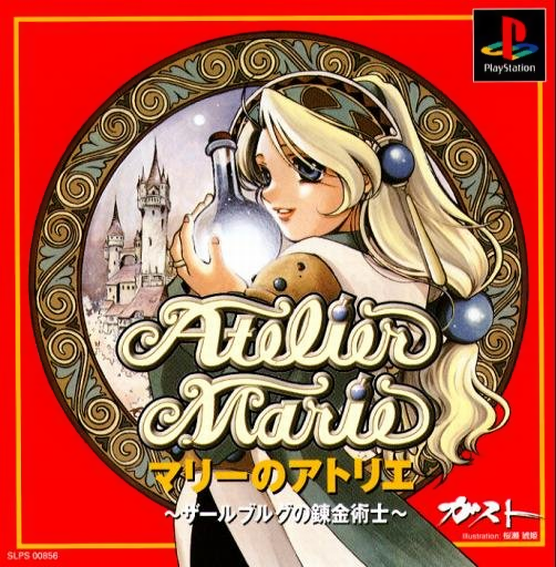
Marie's Atelier - The Alchemist of Saarburg (A1) Spoilers and Discussion Summary
Marie's Atelier: The Alchemist of Saarburg (A1)" is an RPG game for the PlayStation released by Gust. The game was later ported to various consoles, including the Sega Saturn version with additional events and endings. The main character, Marlone, was studying at an academy to become an alchemist, but his grades were not good enough to graduate. The academy then issued a graduation exam: "Run an alchemy store in town, create a high-level item, and submit it to the academy. Marlone is to take the 5-year graduation exam while running the store.
Read Article
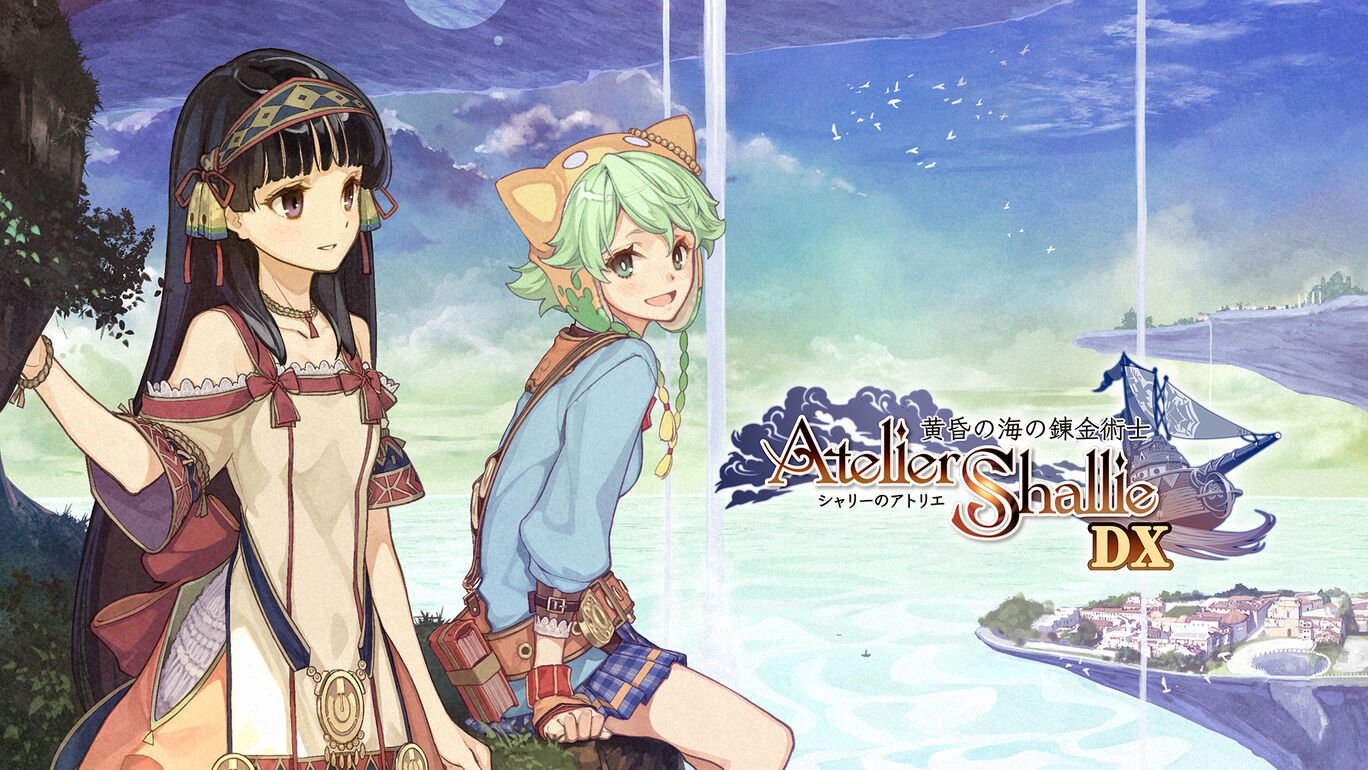
Spoiler commentary and discussion of Shari's Atelier - The Alchemist of the Twilight Sea (A16)
Shari no Atelier: Alchemist of the Dusk Sea (A16) is the 16th title in the Atelier series of alchemy-themed RPGs developed by Gust. Gust was later known as Koei Tecmo Games. It is also the third and final installment of the "Twilight Series" and was released in 2014 for the PlayStation 3. The main characters in this work are the two Charlies "Charistella" and "Charlotte," and the story unfolds from different perspectives, as in the previous "Atelier of Esca and Logie."
Read Article
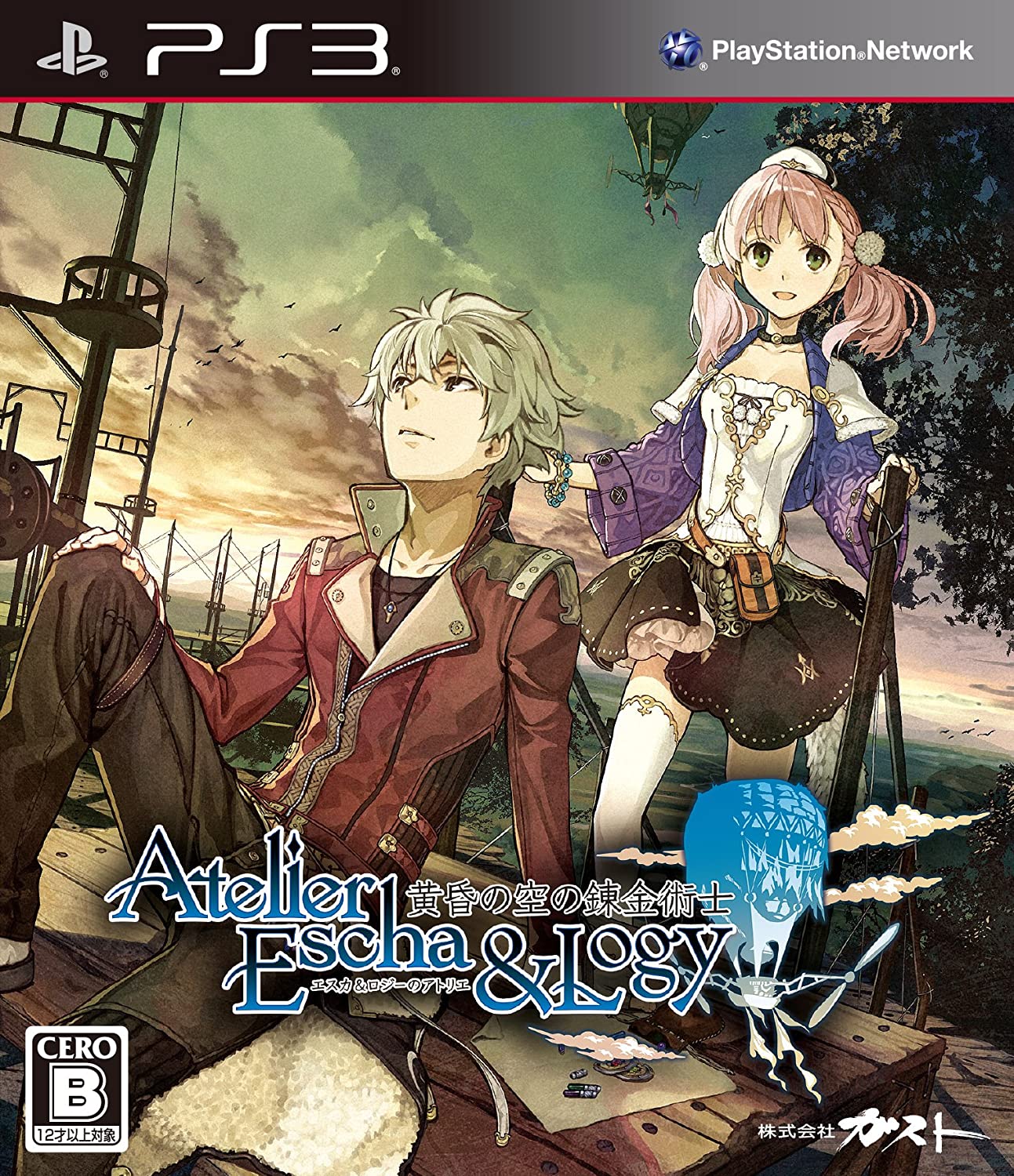
Spoiler commentary and discussion of Eska & Rosie's Atelier - The Alchemist of the Dusk Sky (A15)
Esca & Logy: Atelier of the Dusk Sky (A15)" is the 15th title in the alchemy-themed RPG "Atelier series" developed by Gust (later Koei Tecmo Games) for the PlayStation 3, and the second installment in the "Dusk Series". The main characters in this title are two alchemists, a young girl named "Esca" and a young man named "Rosie," and the story is told from different perspectives depending on the protagonist chosen.
Read Article
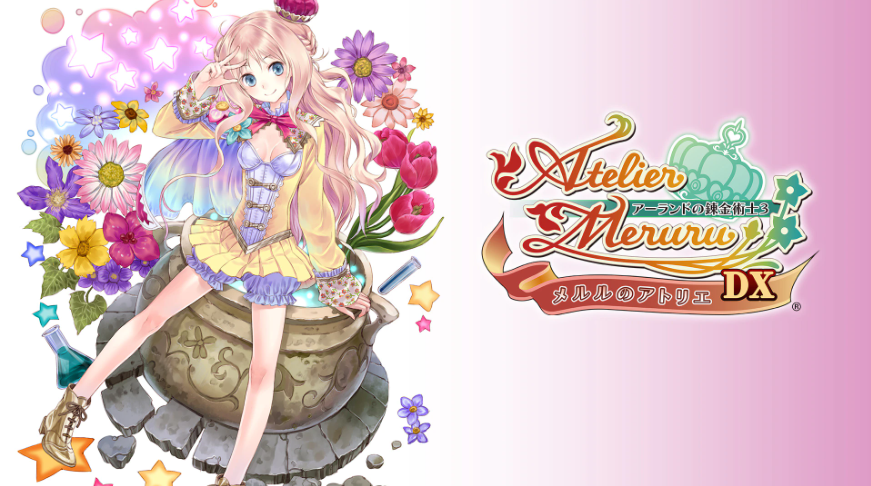
Spoiler commentary and discussion of Meruru's Atelier - Alchemist of Arland 3 (A13)
Meruru's Atelier: The Alchemist of Arland 3 (A13)" is a sequel to "Totori no Atelier: The Alchemist of Arland 2", an RPG game for the PlayStation 3 released by Gust. Meruru, the princess of the small frontier kingdom of Arles, apprentices herself to Totori, an alchemist sent from the Republic of Arland. Overcoming her parents' opposition, Merle learns alchemy and struggles to improve the kingdom's national interests and pioneering projects. This is the story of how the Earls grows up to be a great company by the time it fully merges with the Republic of Arland five years later.
Read Article
Spoiler commentary and discussion of Yudie's Atelier - The Alchemist of Gramnath (A4)
Released by Gust in 2002 for the PlayStation 2. It is the fourth title in the "Atelier series". It is set in the time line after the previous title "Lily's Atelier: The Alchemist of Saarburg 3," and there are several connections with the "Saarburg series. A remake with new elements was released later in 2010. Yudie, who flew to the future due to an alchemy failure, is on a quest in Gramnath to return to his original world.
Read Article
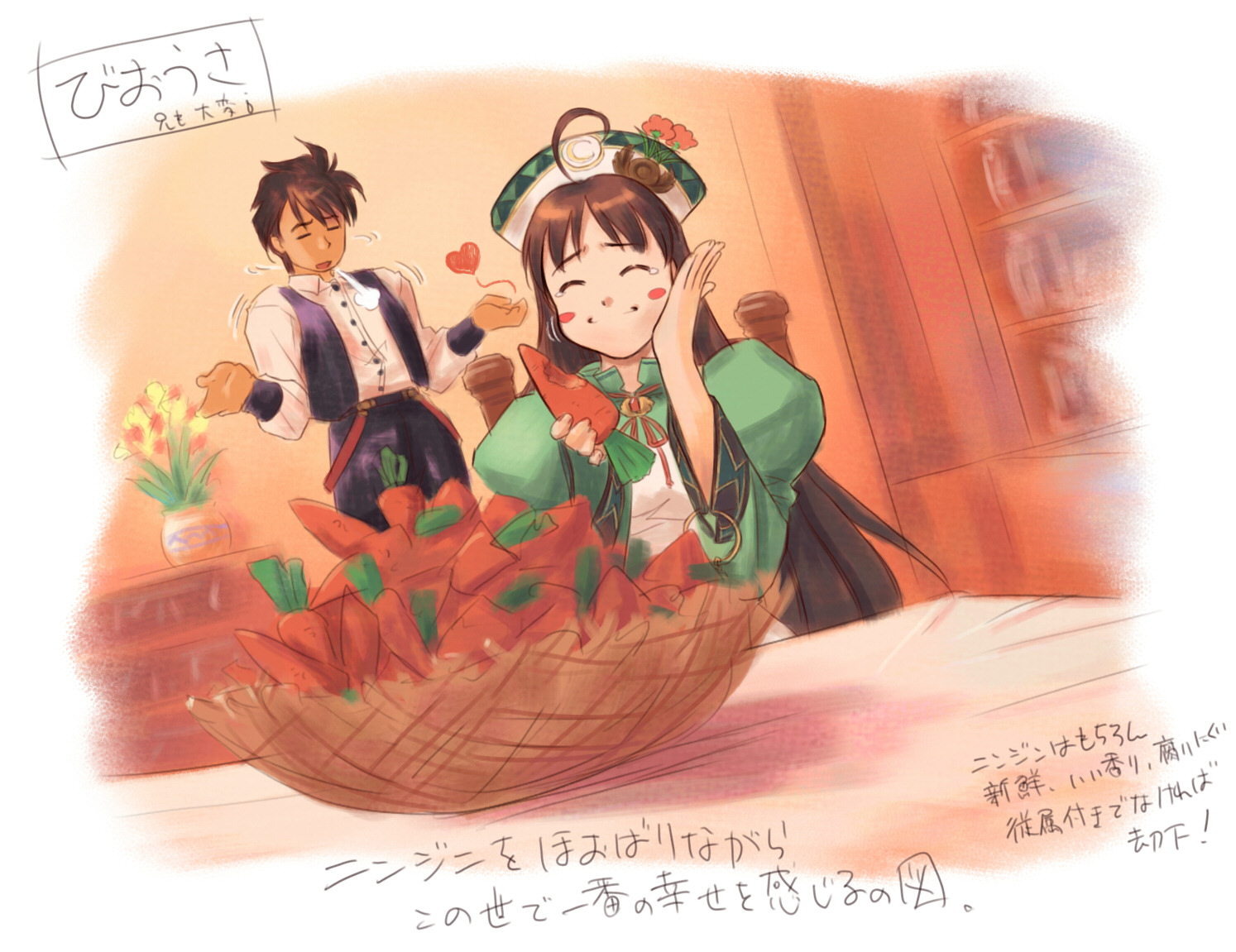
Spoiler commentary and discussion of Violato's Atelier - The Alchemist of Gramnath 2 (A5)
Released on June 26, 2003 by Gust Inc. for the PlayStation 2. This is the fifth title in the "Atelier series," an RPG in which players grow through the use of alchemy. The story takes place in "Gramnath", a world about 25 years after the previous title "Yudie's Atelier: The Alchemist of Gramnath". In order to be recognized by his parents, Violato uses alchemy to revitalize his village.
Read Article
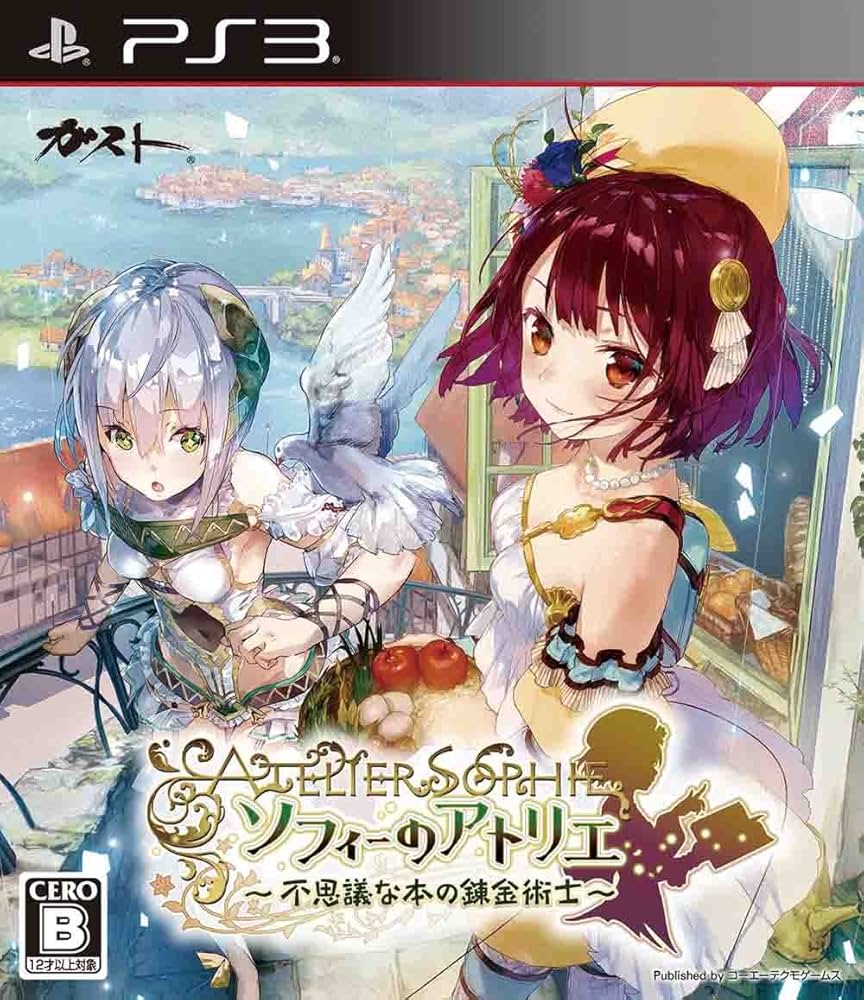
Sophie's Atelier" is a completely new Atelier series.
It has only been a short time since the release of Koei Tecmo's very popular "Sophie's Atelier," which has had its release postponed, but its content was a new series that was very different from the past Atelier series! While it inherited the elements unique to the previous Atelier series, such as alchemy and world map gathering, it was a legitimate evolution so that players could enjoy the Atelier series even more. In this article, we summarize the key points of the new series along with the key points of the new series. (Spoiler alert)
Read Article

Atelier series strategy site summary
The "Atelier series" spins a variety of stories based on the theme of "alchemy. The "Atelier series" is further subdivided into several series due to differences in systems, styles, etc., and many people find it difficult to understand the series, but there is basically no story connection between the series, so it does not matter which series you start playing. Here we have compiled a list of strategy sites for each title in the Atelier series.
Read Article
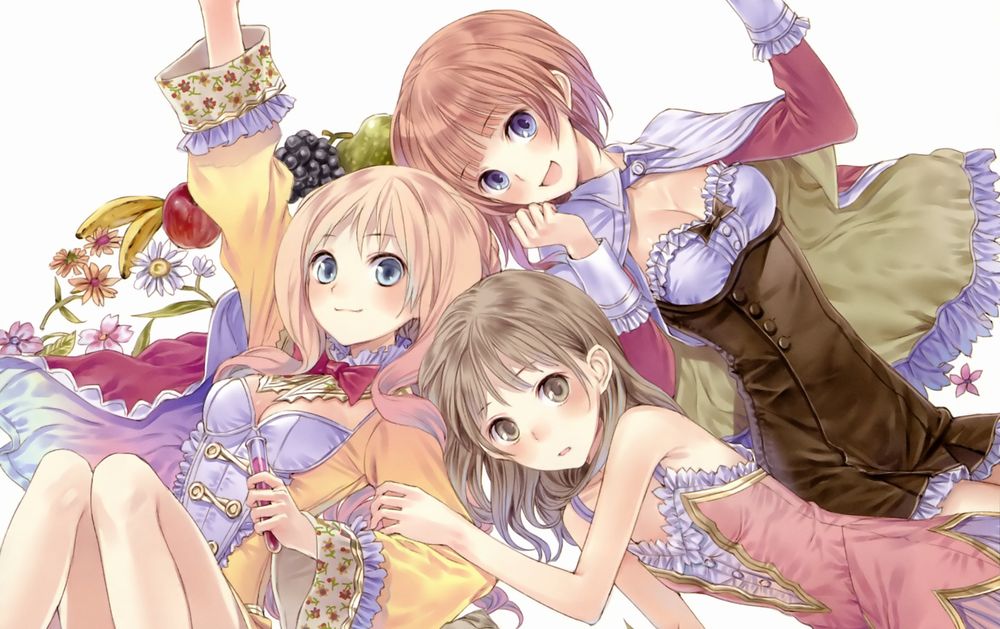
A compilation of illustrations of the Atelier series by Mel Kishida [Atelier of Rorona, Totori, and Meruru].
In the "Atelier series" of games, illustrator Mel Kishida is in charge of character design for the three games called the Arland series: "Rorona's Atelier: The Alchemist of Arland", "Totori's Atelier: The Alchemist of Arland 2", and "Meruru's Atelier: The Alchemist of Arland 3". Mel Kishida is in charge of character design. Here is a collection of illustrations of the "Atelier series" by Mel Kishida.
Read Article
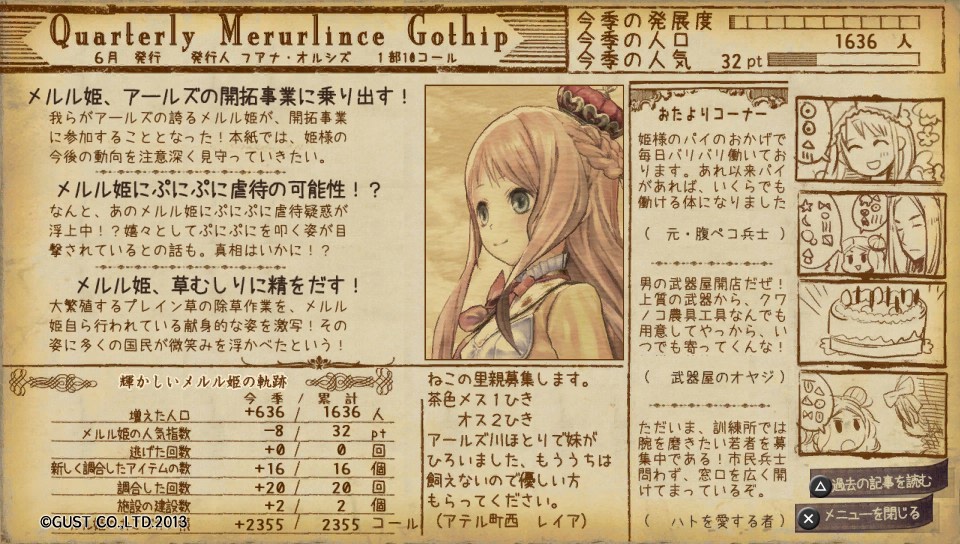
(1) Kawaraban (newspaper) of "Meruru no Atelier PLUS" is an interesting summary to look at.
In "Meruru's Atelier PLUS: Alchemist of Arland 3," there is a Kawaraban (newspaper) that Juana-san makes for us. Kawaraban is a kind of newspaper that mainly records the activities of the main heroine, Merle, and includes stories and columns, etc. The contents are very interesting to read. This time, we have compiled such Kawaraban. (All images are self-taken by the uploader.)
Read Article
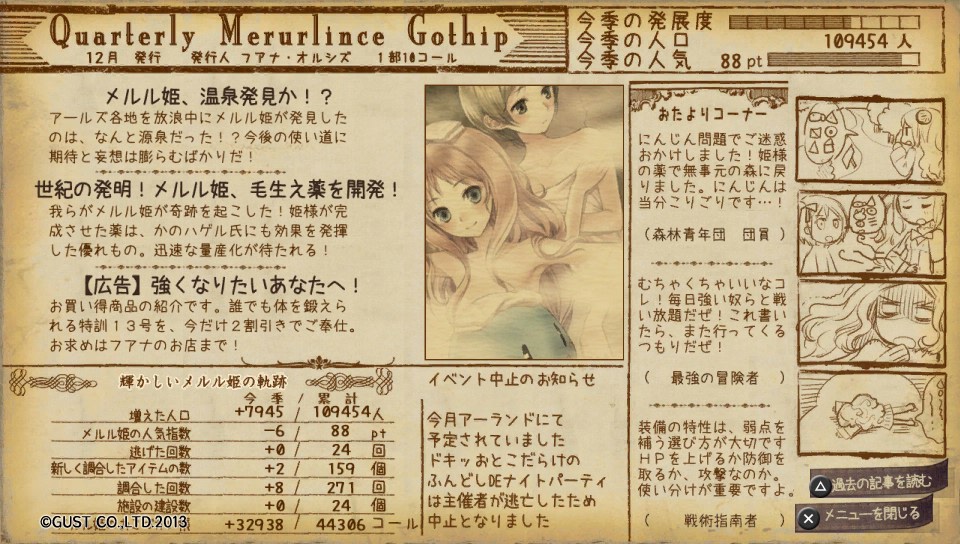
(2) Kawaraban (newspaper) of "Meruru no Atelier PLUS" is an interesting summary to look at.
This is a continuation of Kawaraban (Newspaper) (1) of "Merle's Atelier PLUS". There are a lot of things of interest in the articles, the four panels, and even the column below. There is a lot of crazy interesting content in this issue as well (laughs). If you are curious about how Kawaraban is created, please play the full version (PS3, PSVITA). (The image is a selfie of the uploader)
Read Article