
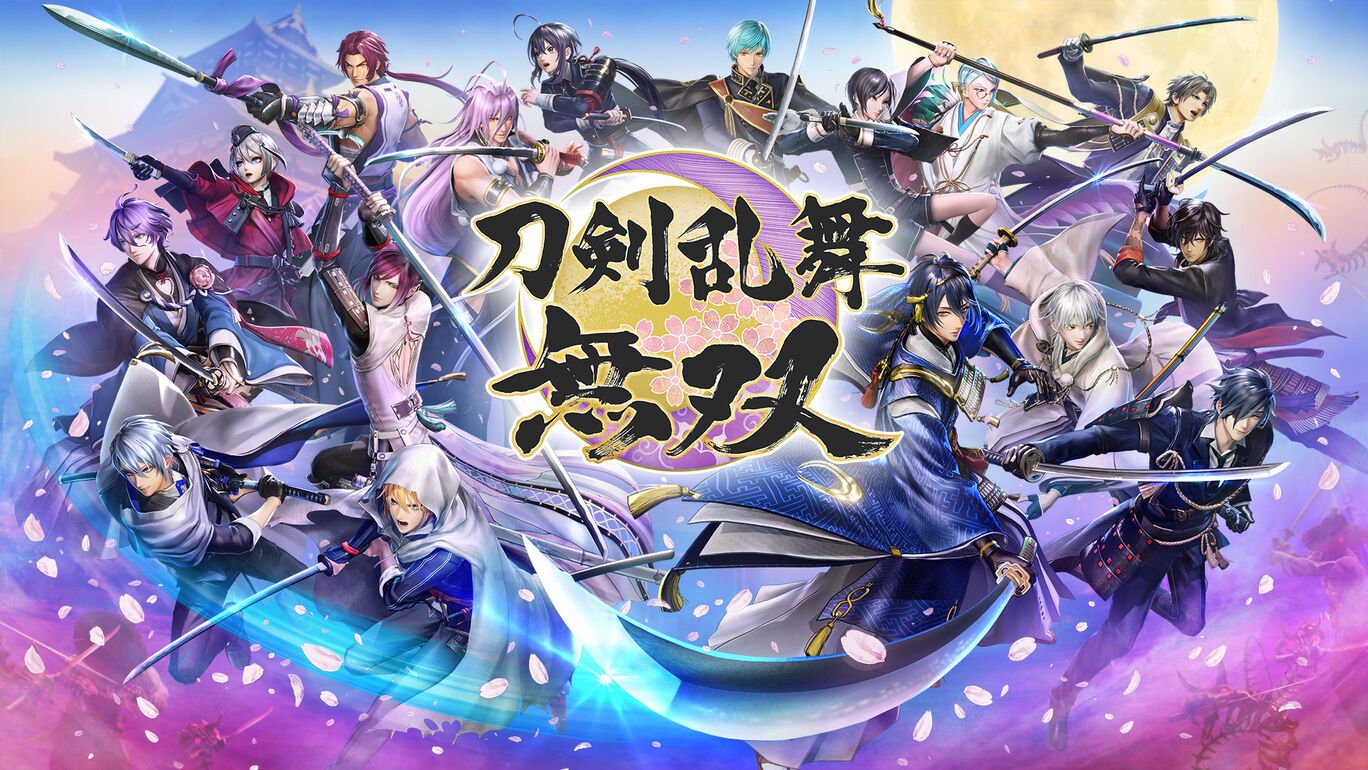
Toukendanbu Musou" is a tactical action game based on the sword training simulation game "Toukendanbu". It is also a collaboration between the "Musou" game series and "Sword Dance". The story takes place in the year 2205 AD. The story depicts the battles of "Toushi," 15 mourning gods of swords who have lost their masters, who are sent by the government to investigate a plot by "historical revisionists" to change the history of Japan.
CV: Ohiro Mizushima
A military commander active from the Warring States period to the early Edo period. He is also known as Sanada Nobushige, but in "Sword Dance Warriors" he appears under the name Yukimura. He was a military commander with various feats of valor, and as a result, he came to be treated as a hero in many historical fictions in later times. He is also known for leading the Sanada Ten Braves, a group of ninja warriors. He was loyal to the Toyotomi family and participated on the Toyotomi side in the Osaka battle between the Toyotomi vassals and the Tokugawa family after the death of Toyotomi Hideyoshi. At one point, Ieyasu, the leader of the Tokugawa side, was so fierce that he was prepared to commit suicide. In the end, when he ran out of strength, a Tokugawa general found him and killed him by handing over his head.
In "Touken Ranbu Musou," he appeared in "Zankage no Chapters" as a core character in the historical changes. The retrograde forces take advantage of his will to fight with the powerful and plan to alter history. In the end, he was defeated by the swordsmen when he became one with the bugs.
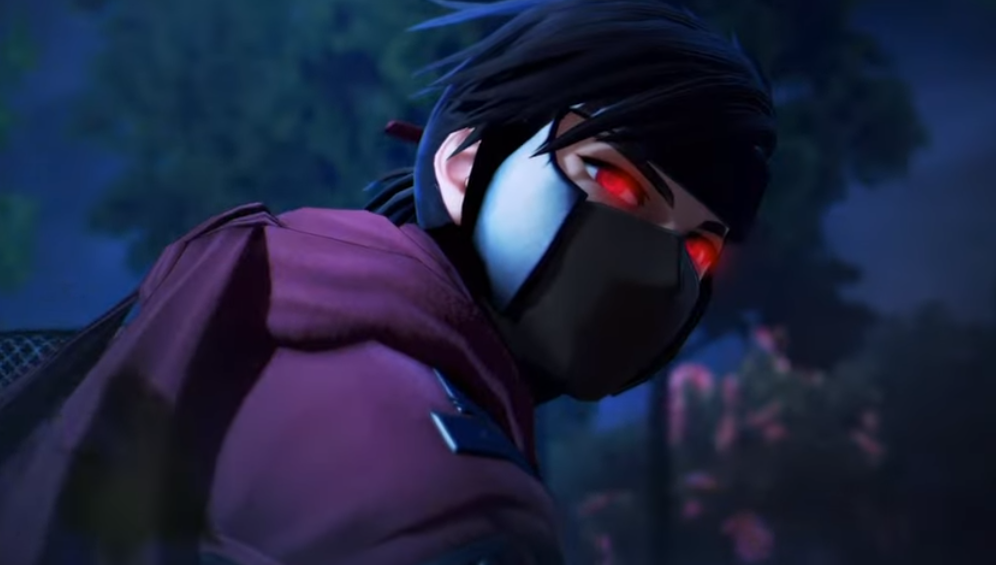
Red Ninja
CV: Ohiro Mizushima
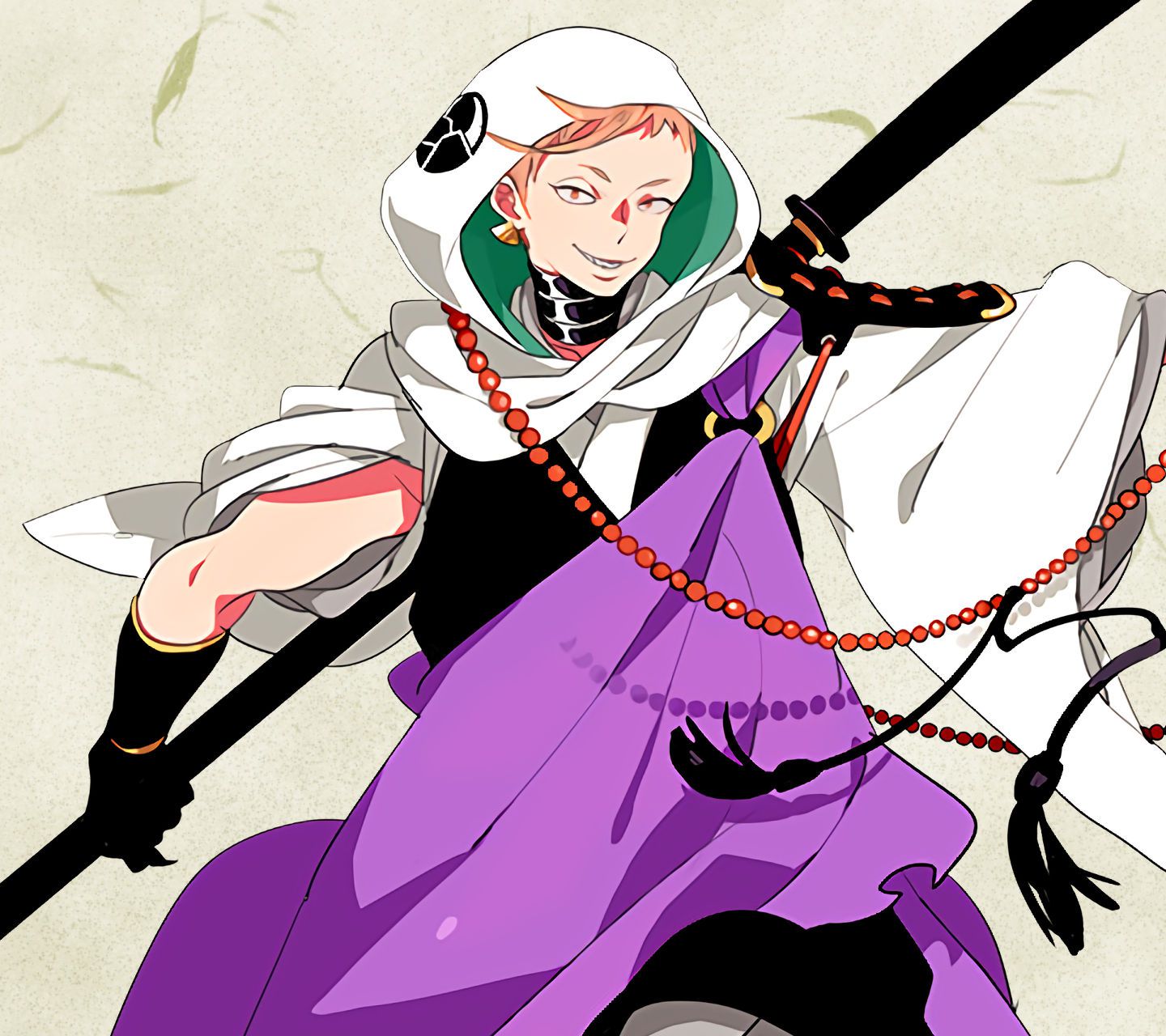
Yukimura Sanada's alter ego, born of the warlord Yukimura Sanada. Yukimura himself calls him Sasuke. Sasuke is the name of a shinobi who is said to have been one of the Sanada Ten Braves, a group of ninja, and it is assumed that this shinobi was the model for the character. It seems that he was born to help the historical Yukimura in his dream that he could not fulfill.
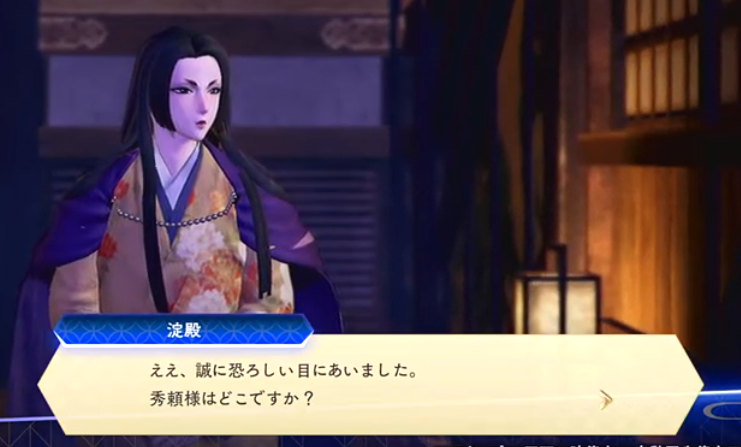
Yodo-dono
CV: Shizuka Ishigami
A woman who was the mistress of warlord Toyotomi Hideyoshi. Her real name is "Chasa," and she is the biological mother of Hideyoshi's son, Hideyori. She is also famous for her turbulent life. She was forced to leave her family by Hideyoshi, but later became his mistress and bore his children. In the end, she triggered the Battle of Osaka, which led to the downfall of the Toyotomi clan. One theory is that her life was intended to take revenge against the Toyotomi family. On the other hand, there is a theory that she may have been trying to avenge the death of her family by having her own son succeed Hideyoshi and unify the country.
In "Touken Ranbu Musou," Hideyoshi was caught up in the schemes of the retrograde army and was at its mercy. In the historical account, she committed suicide along with Hideyori and his vassals after the defeat at the Battle of Osaka, but in this work, she was ordained as a nun at the end of the battle. She left the Toyotomi family and was never to be involved in politics again.
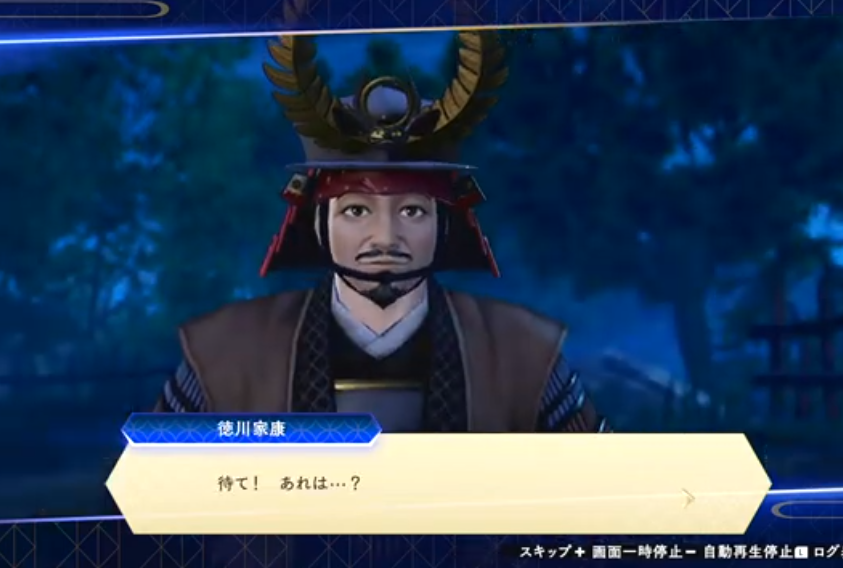
Tokugawa Ieyasu
CV: Tsuji Chikahachi
A military commander from the Sengoku period to the early Edo period. He is one of the three heroes of the Warring States period and is also famous as the first shogun of the Edo shogunate, who established the Edo shogunate. Among the swordsmiths appearing in "Touken Ranbu Musou," he has a deep connection with the swordsmith Chiko Muramasa, who is a battering ram. The swords of Muramasa, including Chiko Muramasa, were hated by the Tokugawa family because of the various misfortunes the Tokugawa family had suffered from the swords made by his creator, the swordsmith Muramasa. As a result of folk rumors about this event, various tails were attached to the story, and the legend of Muramasa's demon swords was born.
In this work, Muramasa was targeted by the retrograde forces as a person who could have triggered the alteration of history. With the help of the swordsmiths, he is able to make history closer to the historical facts.
Tadakatsu Honda
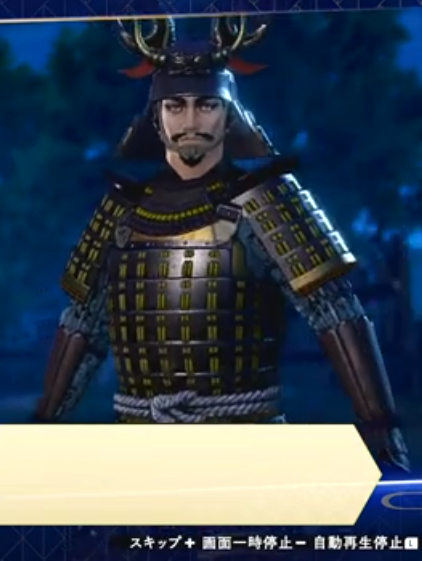
CV: Satoshi Tsuruoka
A military commander active from the Edo period to the early Sengoku period. He was the master of the spear swordsman Dragonfly Cutter, who appears in "Touken Ranbu Musou". He is also known as a vassal of the warlord Tokugawa Ieyasu. He was one of the "Four Heavenly Kings of Tokugawa," "Three Great Masters of Tokugawa," and "Sixteen Divine Generals of Tokugawa," and was one of the strongest vassals.
In this work, too, he follows Ieyasu as in historical fact. In "Zankage no Chapters," he protected Ieyasu, whose life was threatened by the retrograde forces, together with the swordsmiths.
Hidetada Tokugawa
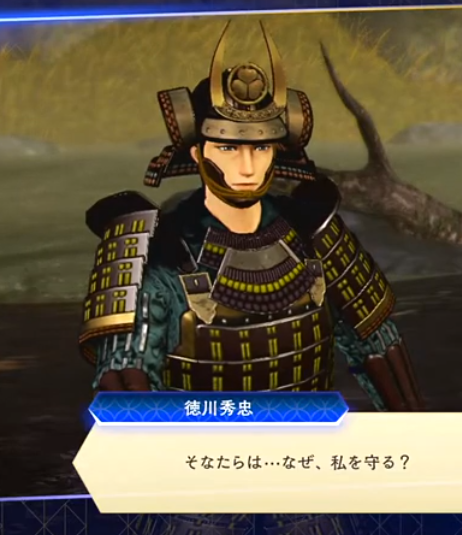
A military commander from the Warring States Period to the early Edo Period. The third son of Ieyasu, he succeeded him as the second shogun of the Edo shogunate.
In "Swords Warriors," he appears in "Zanagage no Chapters," where he is caught up in a plot by the retrograde forces and is targeted by them. With the help of the swordsmiths, he escaped the crisis.
Hisahide Matsunaga
CV: Cho
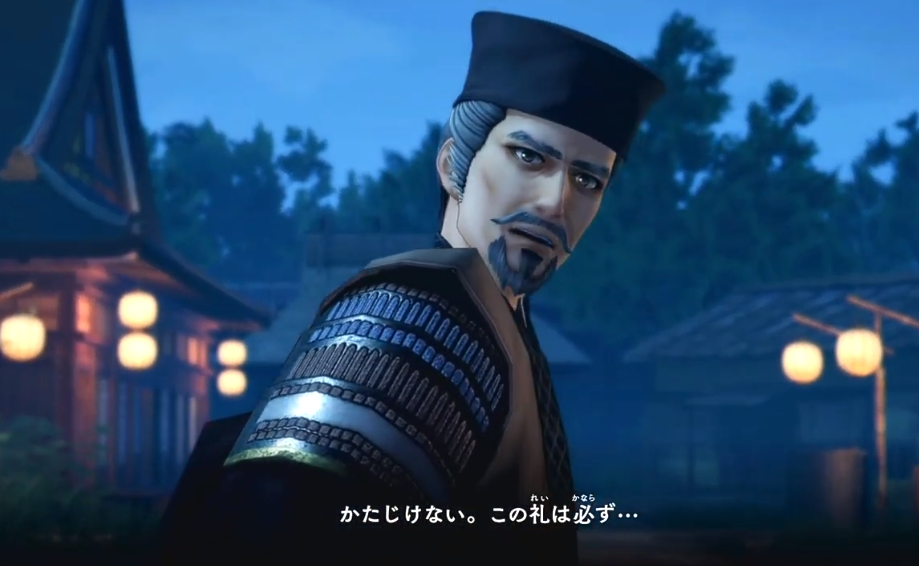
A military commander in the Warring States period. He is said to have been the owner of Yakken Fujishiro, the short sword swordsmith who appears in "Touken Ranbu Musou". He is famous as a rare villain who committed a variety of evil deeds that have been described as "evil deeds that no ordinary man could have committed.
In this work, he appears in "Tenmei no Chapters" and is caught up in the schemes of the Retrograde Forces, and his life is threatened by them. He escapes the crisis with the help of the swordsmiths and encounters Yakken Fujishiro. However, Yakken Toshiro was not in a position to interfere too much in history, so Hidehisa left him without any conversation with him.
Nobutada Oda
CV: Takuo Kawamura
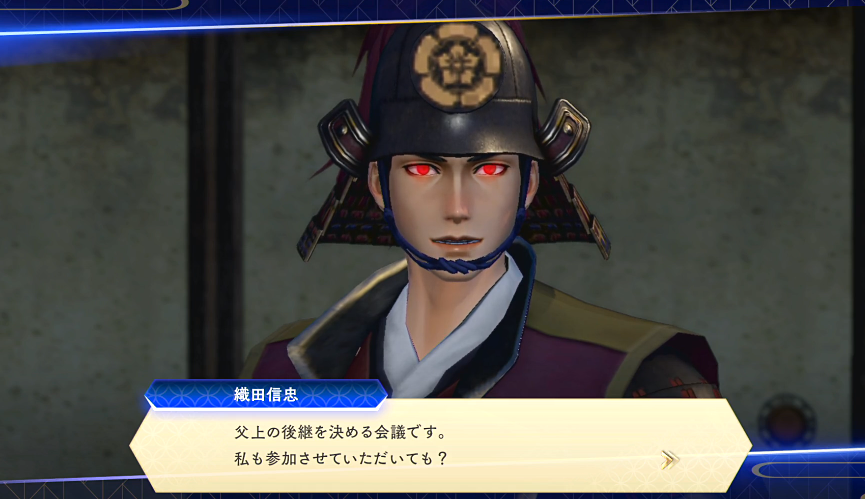
A military commander in the Warring States period. He is the son of warlord Oda Nobunaga. As a military commander, he is as talented as his father and has achieved great success on various battlefields. However, he committed suicide at Honnoji Temple without having achieved unification due to a rebellion committed by his vassal, Akechi Mitsuhide.
In this work, he appears in "Tenmei no Chapters". He is manipulated by the retrograde forces, who take advantage of his regret over his suicide on the verge of unifying Japan. They attempted to alter history, but were thwarted by the efforts of the swordsmiths.
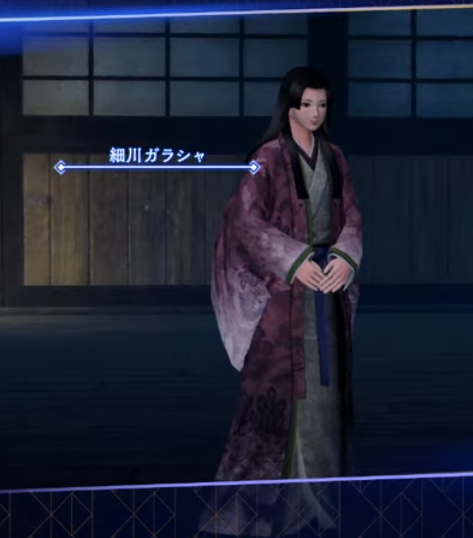
Hosokawa Galasha

Related Articles
Spoiler commentary and discussion of the sword dance (tourabu)
TOURABU" (short for "sword fighting") is a simulation game for browsers. The game is based on the original story by game maker Nitroplus and operated by EXNOA (formerly known as DMM Games). The game is set in future Japan. Players become "shinjinsha," or "saniwa," and are ordered by the government of the time to summon sword mourning gods called tokendanshi, or "sword men. The players then fight together with the swordsmiths against the enemies who are trying to change the history of the world to stop their plans.
Read Article
An in-depth look at the hot new Musou series, "Arslan Senki x Musou"!
The newest addition to the Musou series, "Arslan Senki x Musou". The Musou series has collaborated with various works such as Hokuto Musou, Pirate Musou, and Zelda Musou, and now they have decided to collaborate with "Arslan Senki"!
Read Article
Many Hall of Famers! Popular MMD Compilation of Sword Dance
Has it calmed down from a period of time? No, no, no, the popularity of sword dance has not yet waned. As soon as they were uploaded to Nico Nico Douga, they quickly became the talk of the town. From the breathtakingly beautiful and cool to the ones that make you laugh so hard your stomach muscles die, you can't stop repeating them. You may even be inspired to change your mind!
Read Article
April 2024 Spring Anime (First Semester Anime) Summary
This is an alphabetical list of spring anime that will start airing in April 2024.The April 2024 spring anime lineup includes many hot new anime and sequels to popular series. Information such as anime titles, broadcast information, cast voice actors and staffs are compiled in an easy-to-understand format.
Read Article
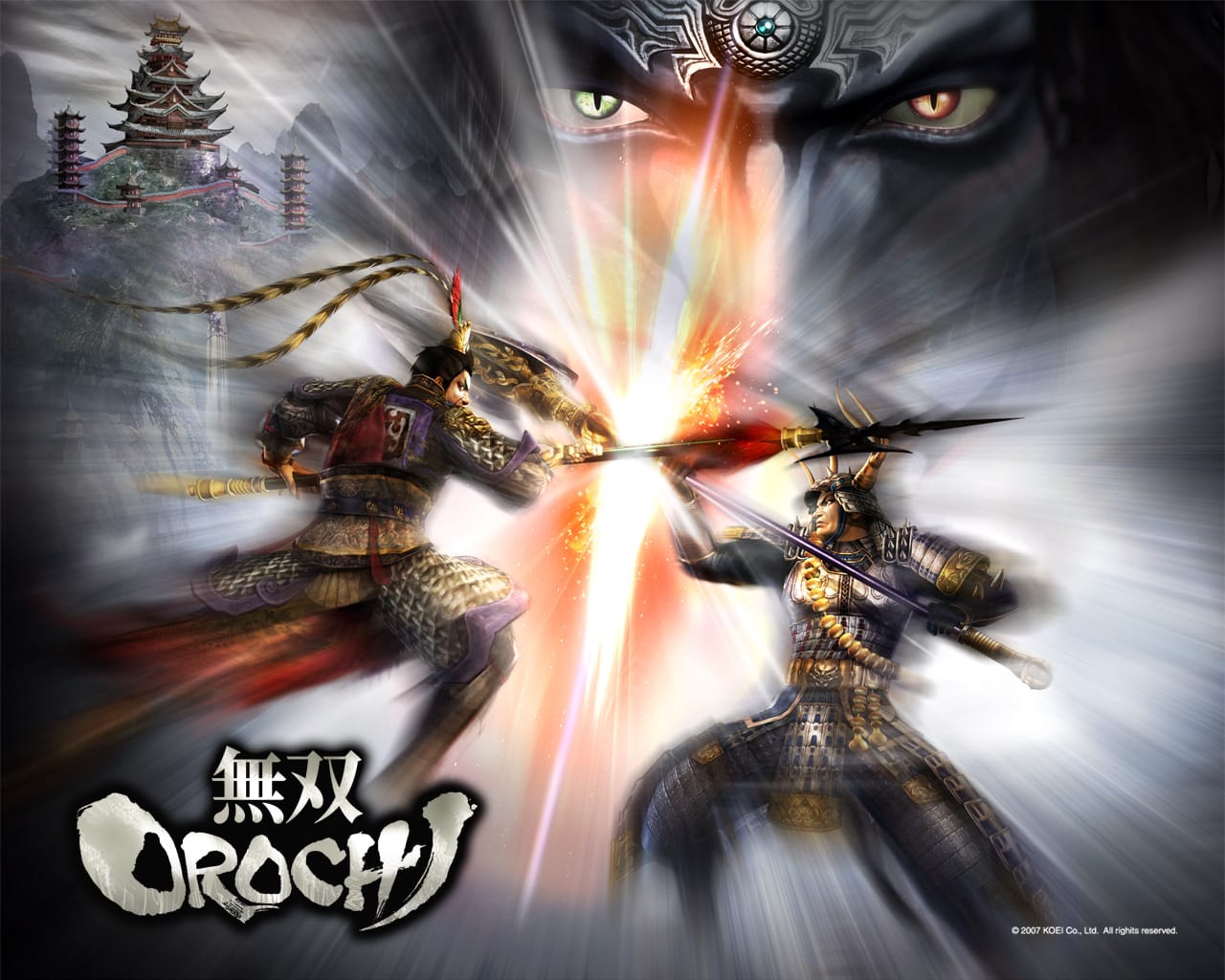
Spoiler commentary and discussion of MUSOU OROCHI (Mujiru / The Second Coming of the Demon King / Z)
Musou OROCHI" is an action game released by Koei to commemorate the 10th anniversary of the "Musou" series. The game is a crossover between the "Shin-Sangoku Musou" series and the "Sengoku Musou" series, and the main feature of the game is that players can control more than 70 warriors, including the original characters from this game. The co-starring of the Warriors and the Sengoku was so well received by fans that a sequel, "Warriors OROCHI: The Second Coming of the Demon King," was later released. The worlds of the Three Kingdoms and the Warring States are fused together by the sudden appearance of the Demon King Enrochi. The warlords of the Three Kingdoms and Sengoku fight together and against each other, but eventually unite to overthrow Toorochi.
Read Article
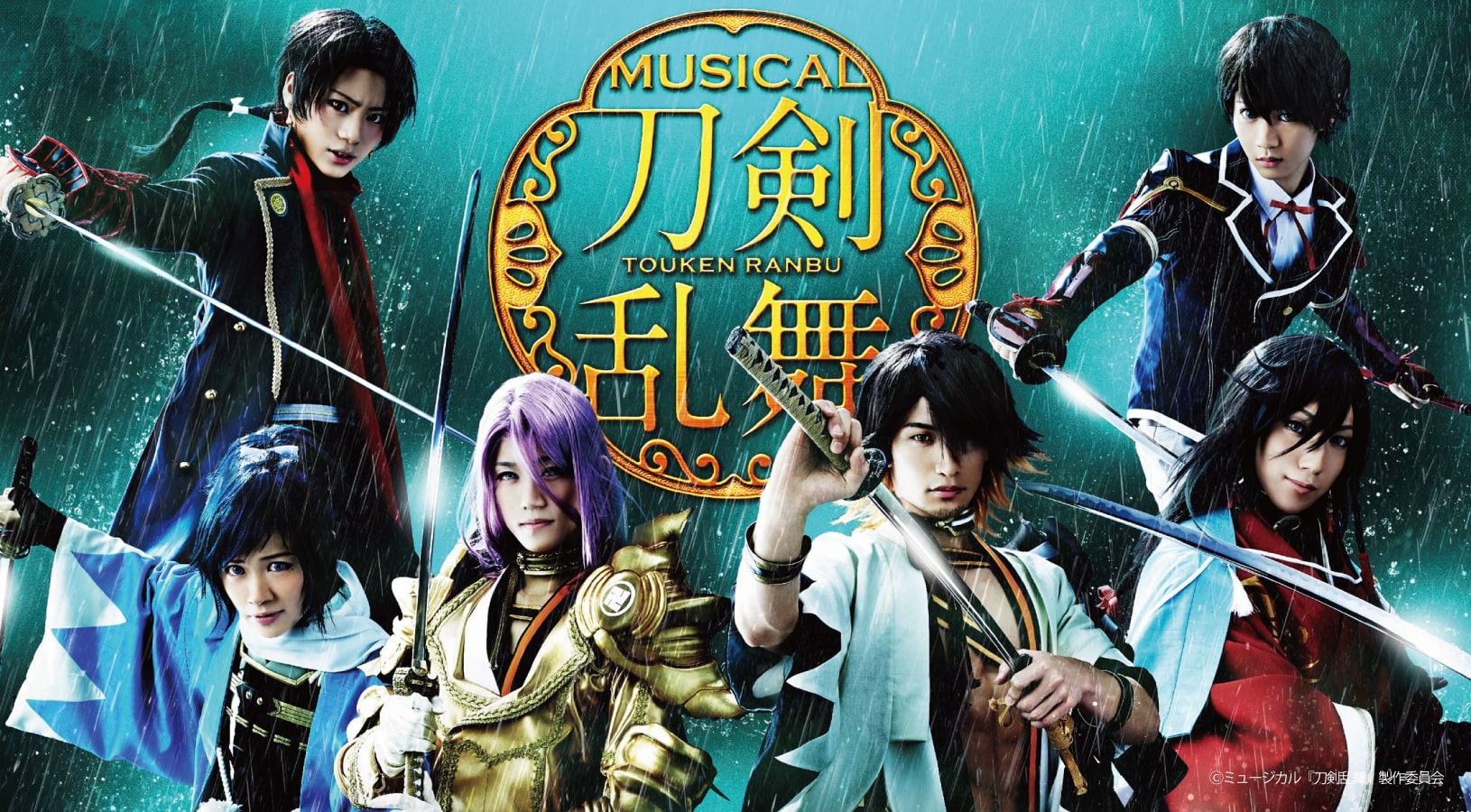
Spoiler commentary and discussion of the musical "Sword Dance" (Katamyu)
The musical "Sword Dance" is a musical series based on the popular video game "Sword Dance". The story is about a group of mourning gods who inhabit famous swords and take on the form of warriors to fight against historical revisionists who plan to change the course of history. The first part is a story featuring intense sword fighting, and the second part is a live performance that resembles an idol.
Read Article
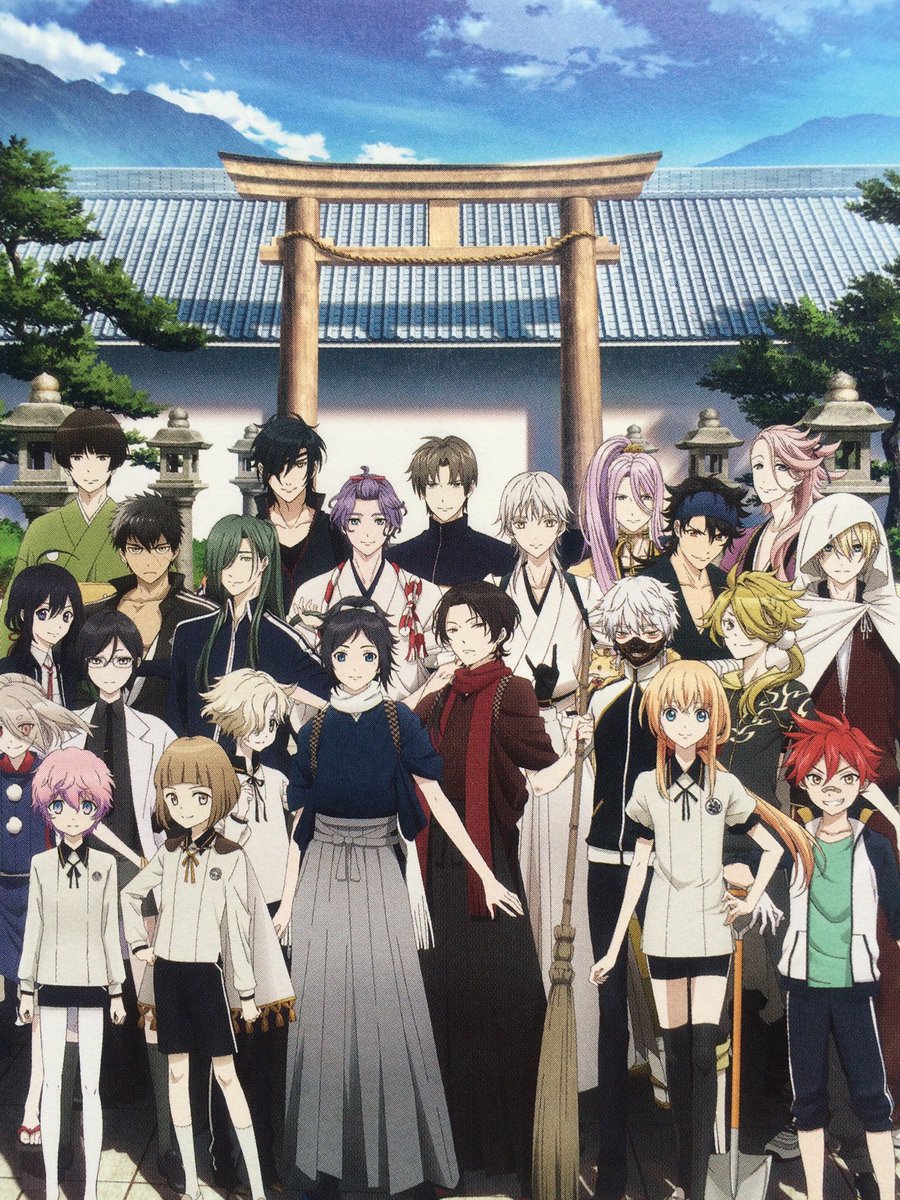
Spoiler commentary and discussion of the sword dance Hanamaru- (anime)
The anime "Toukendanbu: Hanamaru" is based on the PC and smartphone game "Toukendanbu" and aired from October to December 2016 on TOKYO MX, Kantele, and BS11 for a total of 12 episodes. The game is roughly about sword mourning "sword men" who are manifested in the present day by a person with the ability to change history, and fight against a retrograde army. The story focuses on the swordsmen belonging to "a certain Honmaru," and depicts their comedic, flowery days as well as their tough battles.
Read Article
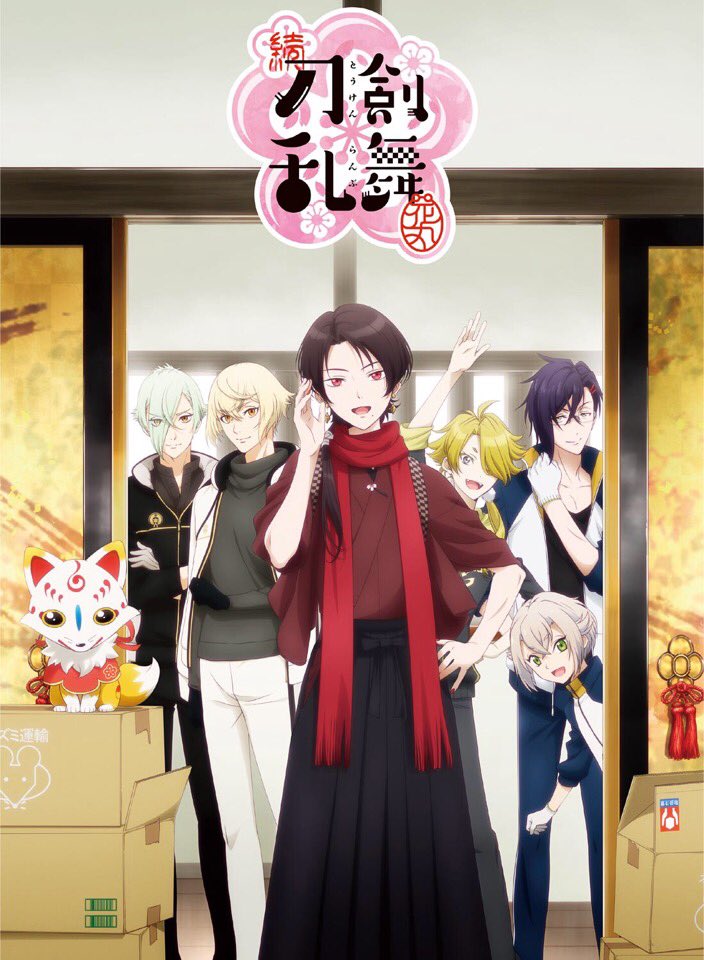
Spoiler commentary and discussion of the continuing "Sword Dance: Hanamaru" (anime)
Sequel to "Toukendanbu - Hanamaru-" is an anime based on the training simulation game "Toukendanbu -ONLINE-" Sequel to the anime "Toukendanbu -Hanamaru-" which aired in 2016. Total of 12 episodes. The sword-attached mourning gods, who have been given physical bodies, are engaged in a battle to the death against historical revisionists. The 50-odd swordsmen living in the castle are in a constant state of commotion every day.
Read Article
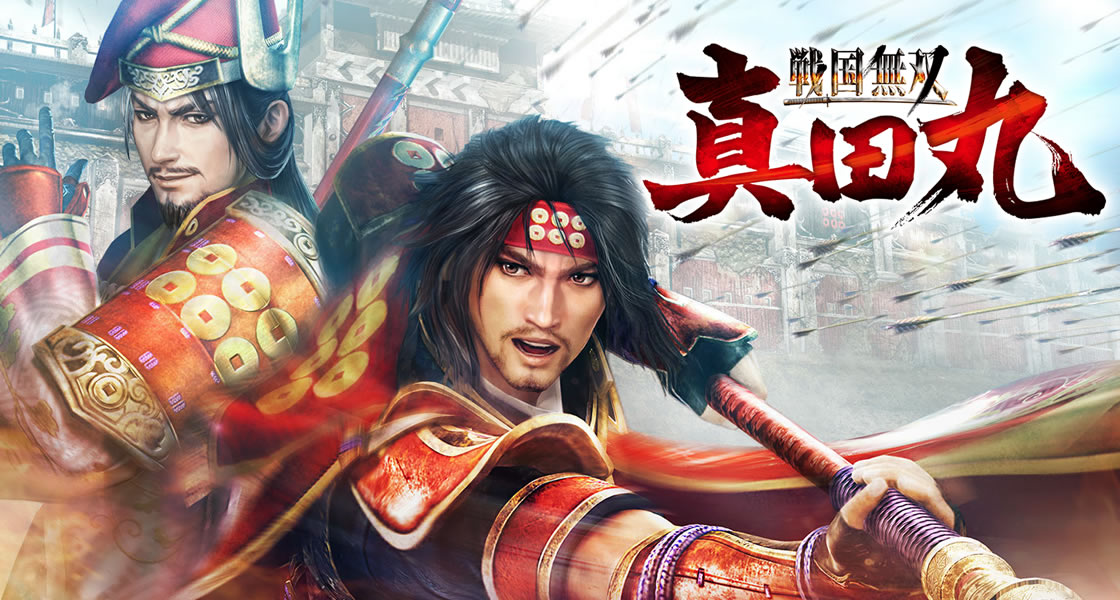
Spoiler commentary and discussion of Sengoku Musou - Sanadamaru (game)
Sengoku Musou: Sanadamaru" is a game title released in November 2016. It is part of the "Sengoku Musou" series and is also an official tie-in with the 2016 NHK historical drama "Sanadamaru". Based on the "Sengoku Musou 4" series, the main feature of this game is that the story focuses on the Sanada family. The drama of the turbulent Sengoku period unfolds with father and son Masayuki and Yukimura Sanada as the main characters. In addition, the game features a number of new challenges, such as long-term battles, the concept of day and night, and changes in appearance with the passage of time.
Read Article
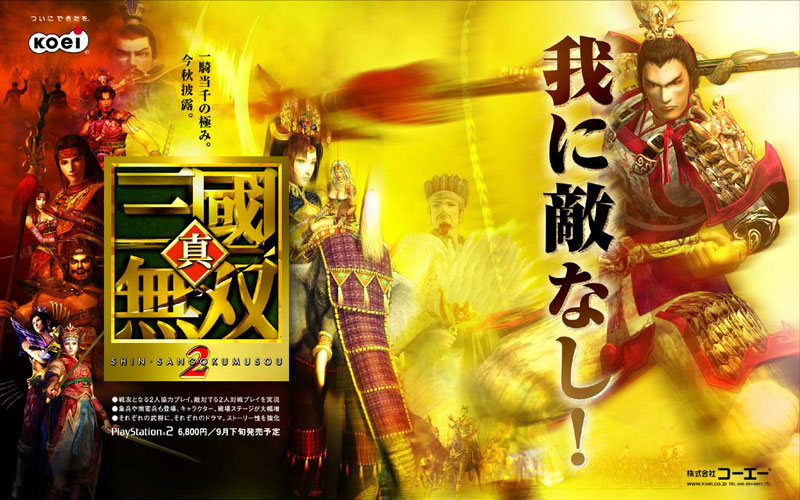
Spoiler commentary and discussion of Shin Mikuni Warriors 2 (2 Resshouden)
Shin-Sangoku Musou 2" is an action game released by Koei (now Koei Tecmo Games) in 2001, and is the second title in the Shin-Sangoku Musou series. The game was a huge hit, with the content greatly enhanced and the dissatisfactions of the previous title resolved. The game features 41 characters based on the generals who appeared in "Sanguozhi" (The History of the Three Kingdoms). The main objective of the game is to unify the three kingdoms by leading your army to victory with the generals you have chosen.
Read Article
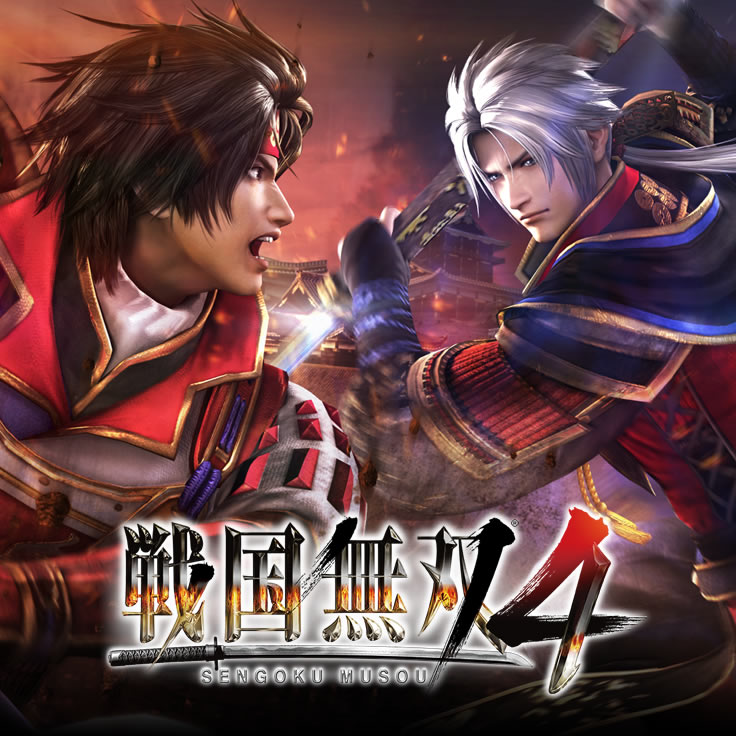
Spoiler commentary and discussion of Sengoku Musou 4 (4-II / 4Empires / 4DX)
Samurai Warriors 4" is the fourth PS3 game in the "Sengoku Musou" series, released in March 2014. It is also the 10th anniversary title of the series, which is set in the Sengoku Period and features a number of warriors in action. A PS4 version was later released. Various dramas unfold in the turbulent Sengoku period, centering on the bond and rivalry between Yukimura Sanada, the main character of the series, and Yukimura's elder brother Nobuyuki, who joins the series for the first time in this title.
Read Article
Spoiler commentary and discussion of Shin-Sangoku Musou 7 (7 Resshouden / 7Empires)
In Koei Tecmo Games' "Shin-Sangoku Musou" series, players control the warriors from "Sangokushi" to battle through numerous battlefields. This game is the seventh in the series. Later, "Shin Mikuni Musou 7 with Toushouden" was released as the first PS4 version of the series, which was bundled with "Shin Mikuni Musou 7 with Toushouden". The basic storyline is based on historical facts, but the main feature of this title is that players can advance to an IF route depending on their actions. The number of warriors in the game is 77, the most ever in the series.
Read Article
Spoiler commentary and discussion of Shin-Sangoku Musou 8 (game)
Shin-Sangoku Musou 8" is the eighth title in the "Shin-Sangoku Musou" series, an action game in which players control the warriors from "Sangokushi" to develop the story. This is the first numbered title in five years. The main feature of this title is the adoption of an open world system, a first for the "Dynasty Warriors" series. With the addition of the new generals, the number of playable Musou generals finally exceeds 90. In the main mode, each warlord has a separate scenario, and the player follows the life of the warlord as he or she progresses through his or her own story.
Read Article
Spoiler commentary and discussion of Warriors Orochi 2 (Warriors Orochi 3)
Musou OROCHI 2" is an action game title released by Koei Tecmo Games on December 22, 2011. It is a sequel to "Musou OROCHI". The main feature of this game is that not only characters from "Sangoku & Sengoku Musou" but also characters from other works by Koei Tecmo and other manufacturers participate in the game. The setting is an alternate world where several years have passed since the previous game. The world is on the verge of extinction when a monster, the "Yokeserpent," appears out of nowhere. The surviving heroes face a battle that transcends time and space in order to regain their lost friends and save the world.
Read Article
Spoiler commentary and discussion of Shin-Sangoku Musou 6 (6 Resshouden / 6Empires)
Shin-Sangoku Musou 6" is the sixth title in the "Shin-Sangoku Musou" series released by Koei Tecmo Games in March 2011. Up until now, the story has focused on the three kingdoms of Wei, Shu, and Wu, but this title finally introduces the fourth country, Jin, which ended the Three Kingdoms period in historical fact. With this, the story of the latter half of the "Romance of the Three Kingdoms," which has not been depicted much in past works, is also focused on in this work. The number of generals has also been greatly increased, with a record number of 62 generals participating in the game.
Read Article
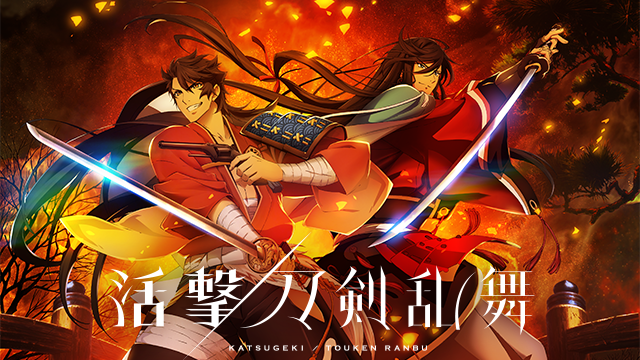
Spoiler commentary and discussion of Katsugeki: Sword Dance (anime)
Katsugeki Katana Ranbu" is an animation work produced by ufotable, based on "Katana Ranbu" by DMM Games. In the year 2205 A.D., "Shinjinsha," who have the power to awaken the feelings and minds that lie dormant in objects, call upon "Toushi," the personified form of swords, to fight to protect history in order to defeat historical revisionists who seek to change it. In Katsugeki, the battle against the historical revisionists is depicted with "Izumimori Kanetada," once the favorite sword of Hijikata Toshizo.
Read Article
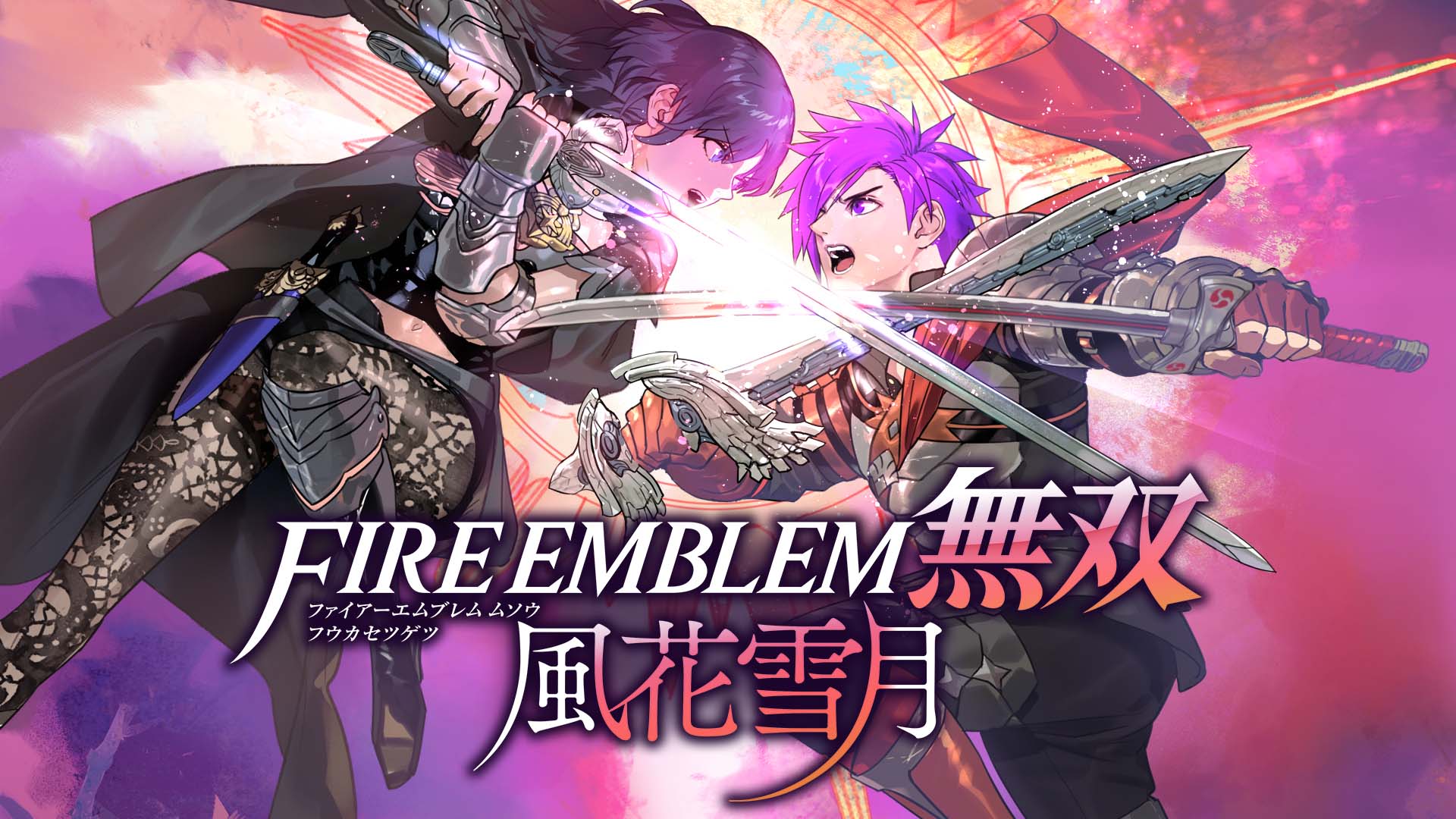
Fire Emblem Warriors: Fuuka Yukigetsu (game) spoiler commentary and discussion.
Fire Emblem Musou: Fuuka Yukigetsu" is an action simulation game released by Koei Tecmo Games for the Nitendo Switch. The game allows players to enjoy exhilarating action while controlling the main character and his companions, who are original characters in the game. The main character is a mercenary who, together with his friends, must fight a battle for Fodora in order to defeat his sworn enemy, the "Gray Devil".
Read Article
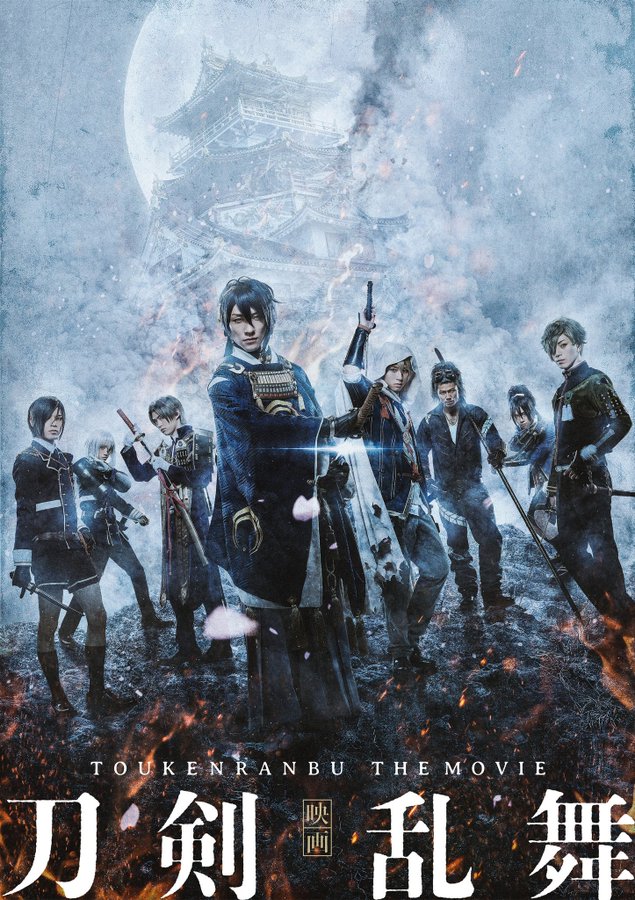
Spoiler commentary and discussion of the movie Sword Dance (Succession).
Based on the popular sword-breeding game "Touken Ranbu ONLINE" that triggered the Japanese sword boom, "Touken Ranbu (Succession) the Movie" is directed by Yakumo Yaharu and written by Kobayashi Yasuko. The film features a hot battle between "swordsmen," who are personifications of famous swords of the past, and "retrograde forces," who plan to alter history. The story takes place at Honnoji Temple, where the swordsmen have successfully defeated the retrograde army that is trying to change history by protecting Oda Nobunaga. However, just when it seems that history is being followed, they learn that Nobunaga is still alive. The cast features young stage actors, and the theme song is sung by Takanori Nishikawa and Torayasu Hotei.
Read Article
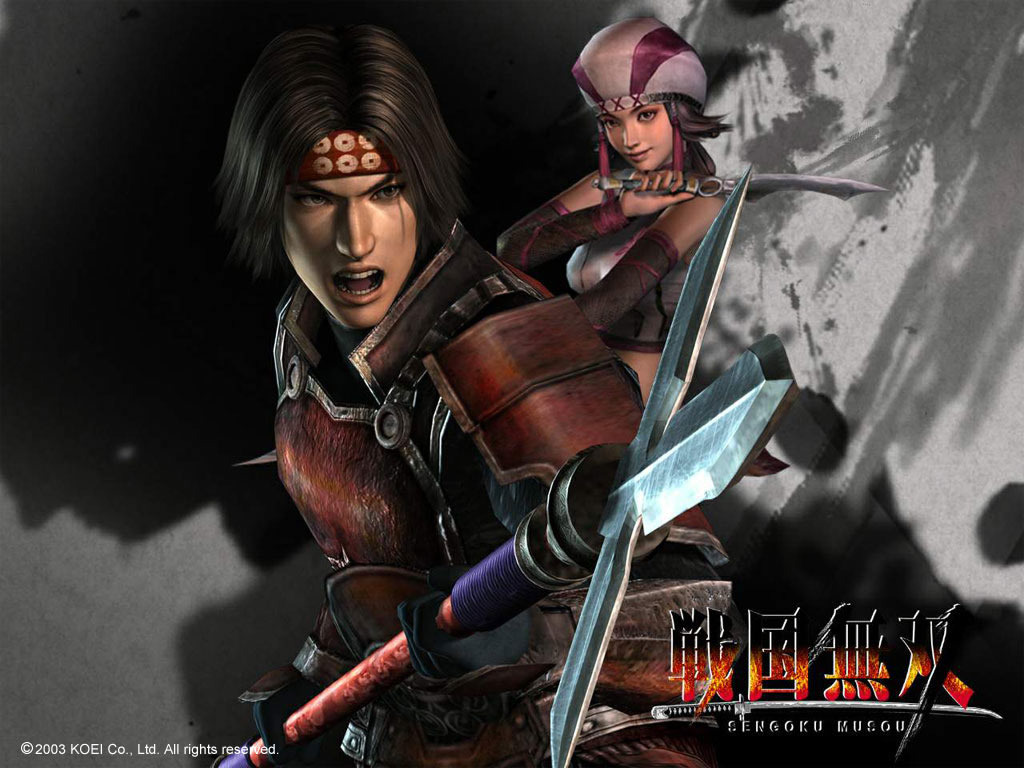
Spoiler commentary and discussion of Sengoku Musou 1 (1 Tetsusho Den)
Sengoku Musou" is the first game in the "Sengoku Musou" series, released by Koei on February 11, 2004. It is also a sister title to "Shin-Sangoku Musou" series. The game takes place during the Warring States Period in Japan, where warlords who have left their mark on history run through various battlefields. The game features a multi-ending system in which the story of each general has a different ending, and a new history can be spun out depending on the player's actions.
Read Article
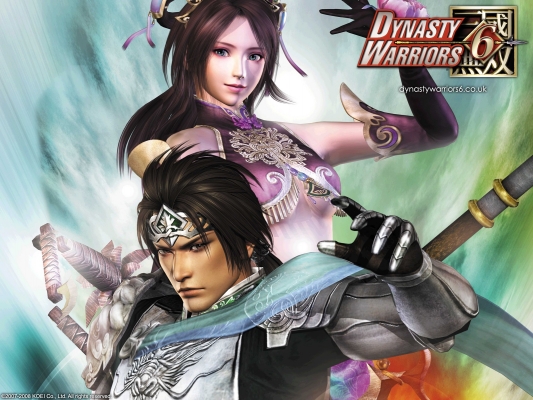
Spoiler commentary and discussion of Shin-Sangoku Musou 5 (5Special / 5Empires)
Shin-Sangoku Musou 5" is the fifth title in the "Shin-Sangoku Musou" series of games based on "The Legend of the Three Kingdoms" released by Koei (now Koei Tecmo Games) in November 2007. It was the first game in the series for the PS3. The new medium brought about unprecedented attempts at character visuals, a drastically revamped action system, and enhanced strategic elements. It can be said that this was a turning point for the series, with various experiments being conducted in all aspects.
Read Article
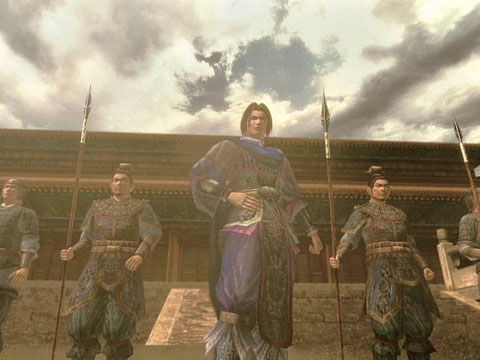
Spoiler commentary and discussion of Shin Mikuni Warriors 4 (4 Resshouden / 4Empires)
Shin-Sangoku Musou 4" is the fourth title in the "Shin-Sangoku Musou" series of action games in which players control the generals from "Sangokushi" to lead their armies to victory. There are 48 generals available, and each general has his own Musou mode. The introduction of a new graphical engine has greatly improved the stealth and processing lag that have long been a problem, allowing the player to experience the thrill of the "one-hit warslayer" experience.
Read Article
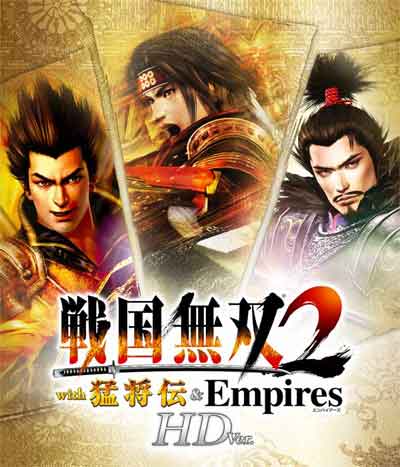
Spoiler commentary and discussion of Sengoku Musou 2 (2Empires / 2Takeshouden)
Sengoku Musou 2 (Samurai Warriors 2) is the second title in the "Sengoku Musou" series of action games set in Japan's Warring States period. In contrast to the previous game, which focused on the age of the rivalry between the warring factions, the story of "Samurai Warriors 2" centers on the battle of Sekigahara. Later, "Empires" and "Takerushoden" were also released. It is also highly regarded as the work that established the "Sengoku Musou" series in all aspects, including action and systems.
Read Article
Spoiler commentary and discussion of Shin-Sangoku Musou 3 (3 Resshouden / 3Empires)
Shin-Sangoku Musou 3" is a video game released by Koei (now Koei Tecmo Games) in February 2003, and is the third title in the "Shin-Sangoku Musou" series. The player assumes the role of a general and aims for victory in his own army. There are 42 generals available. While the previous game's Musou mode was based on generals, this game's Musou mode is based on forces, and a major feature of this game is that the player can change generals midway through the game.
Read Article
Spoiler commentary and discussion of Sengoku Musou 3 (3 Resshouden / 3Empires)
Samurai Warriors 3" is a Wii exclusive game released in December 2009, with a PS3 version released later. It is the third title in the "Samurai Warriors" series, which is set in the Warring States period and tells the story of a number of generals. The game focuses on the various forms of "bonds" among the warlords and is characterized by its three main storylines: "Kanto Sangokushi," "Sengoku no Sanketsu," and "Sekigahara no Wakamusha.
Read Article
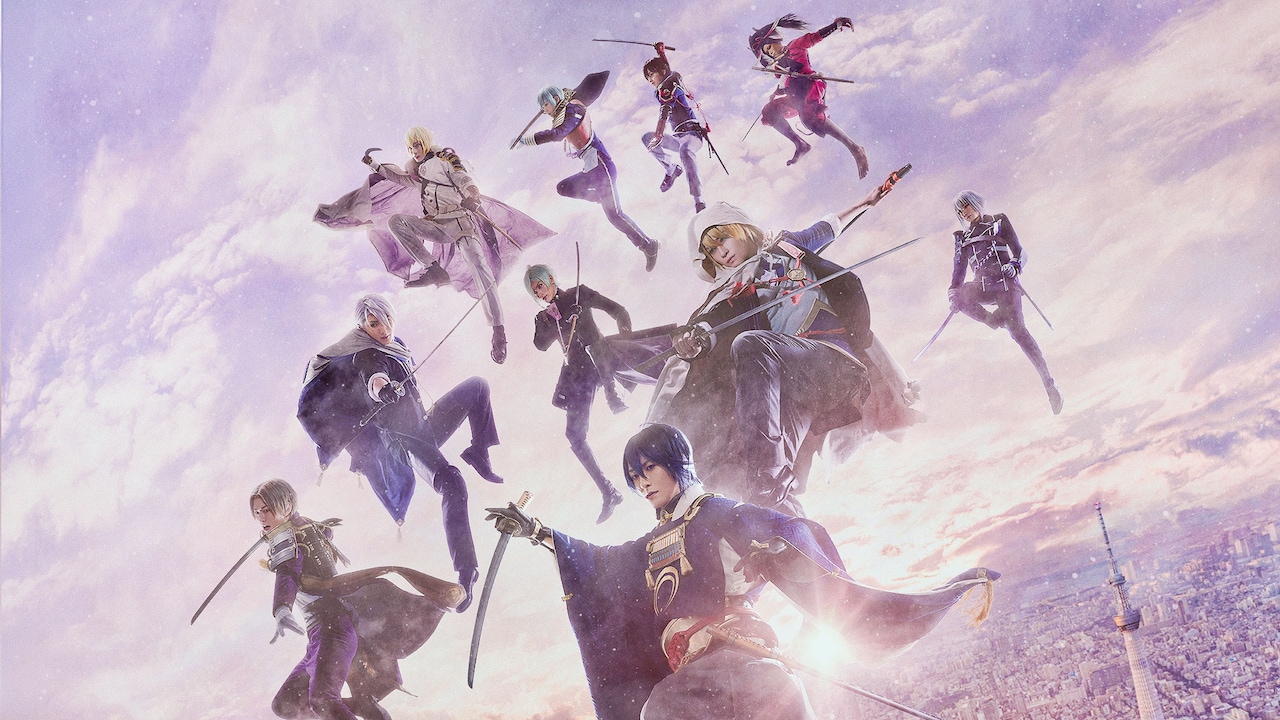
Spoiler commentary and discussion of the movie Sword Dance (Reimei).
Reimei" is the second live-action film based on the PC browser and smartphone game "Touken Ranbu" developed jointly by EXNOA (formerly DMM Games) and Nitroplus. The story depicts the battle between the sword men, who are personifications of famous swords that have left their mark on history, and the Time Armored Forces, who plan to alter history. The story takes place in the year 2012. In this time period, a critical juncture that will lead to the future is hidden. The swordsman Mikazuki Munechika, together with his temporary master Suzuki Kotone, struggles to solve the situation.
Read Article
Zelda Warriors: Apocalypse of Evil (game) spoiler commentary and discussion.
Zelda Warriors: Apocalypse of Evil" is an action game developed by Koei Tecmo Games and released in 2020, and is a collaboration between "The Legend of Zelda" and the "Warriors" series. The game is based on the "Great Disaster" that occurred 100 years before "The Legend of Zelda: Breath of the Wild," and allows players to enjoy the exhilarating action that only the "Warriors" series can provide. The ability to control not only Link, but also other familiar characters from "The Legend of Zelda: Breath of the Wild" is one of the charms of this game.
Read Article
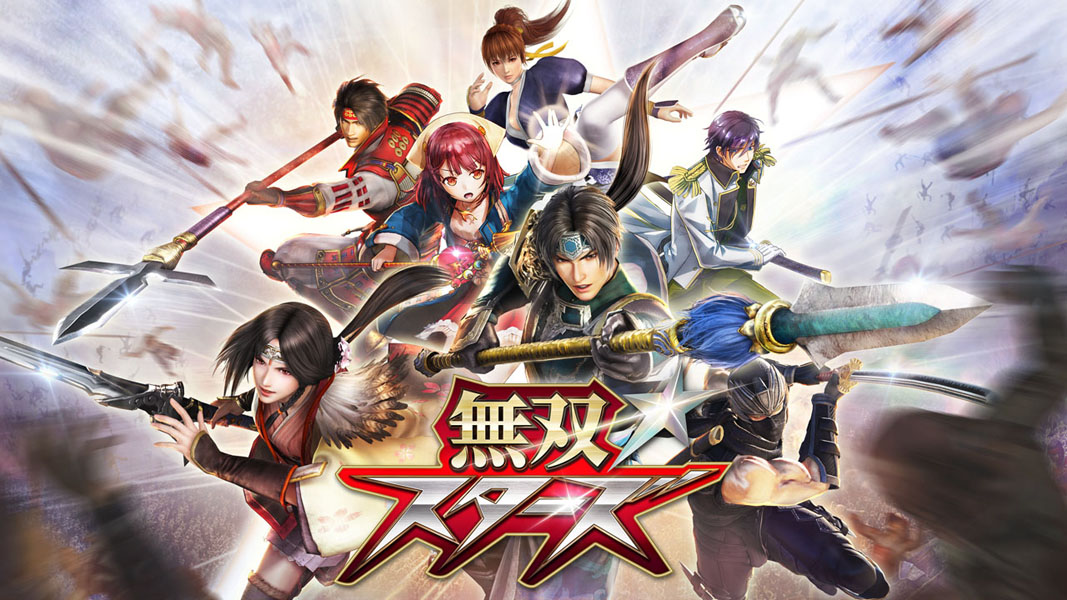
Spoiler commentary and discussion of Muso☆Stars (game)
Musou Stars" is a game title released by Koei Tecmo Games in March 2017. It is also an all-star game in which characters from the company's brand titles fight together. The setting is a certain other world. One day, the heroes are suddenly summoned to another world, where they meet three royal families, each of whom begs for their cooperation. The heroes are then caught up in a three-way struggle in a strange world. One of the major features of this title is that the story's development and ending depend on the player's choices, as it adopts a multiple ending system.
Read Article
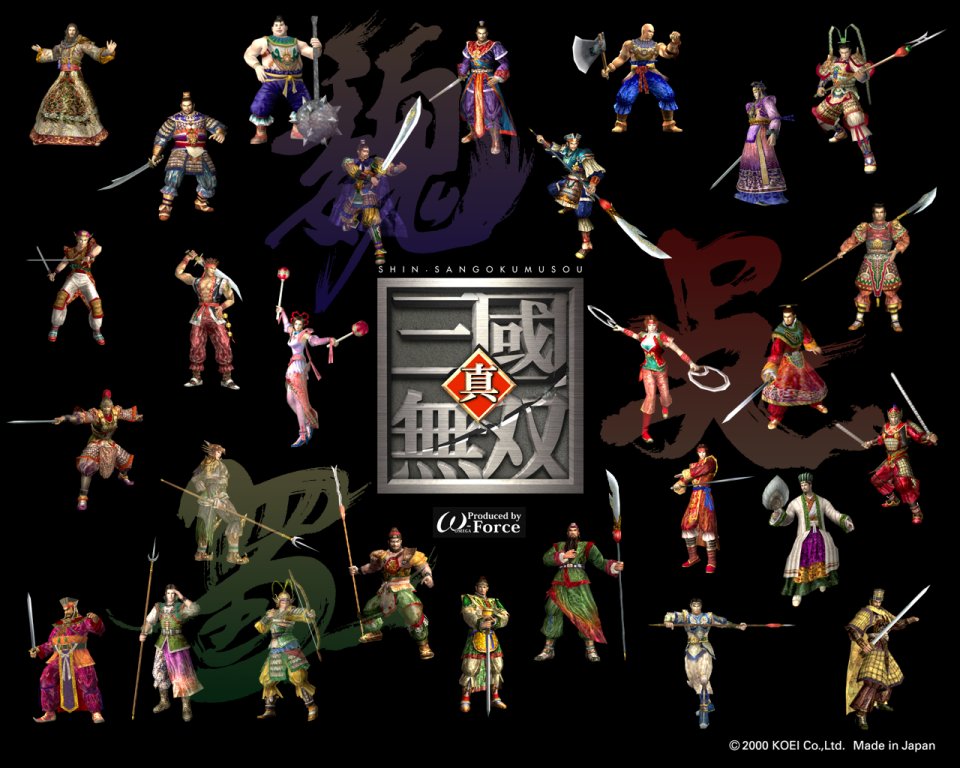
Spoiler commentary and discussion of Shin-Sangoku Musou (the game).
Shin-Sangoku Musou (Dynasty Warriors 2) is a video game released by Koei (now Koei Tecmo Games) in August 2000, and is the first title in the Shin-Sangoku Musou series. The genre of the game is an action game. The main feature and appeal of the game is its "one-man warriors" action, in which a single player can defeat multiple enemies.
Read Article
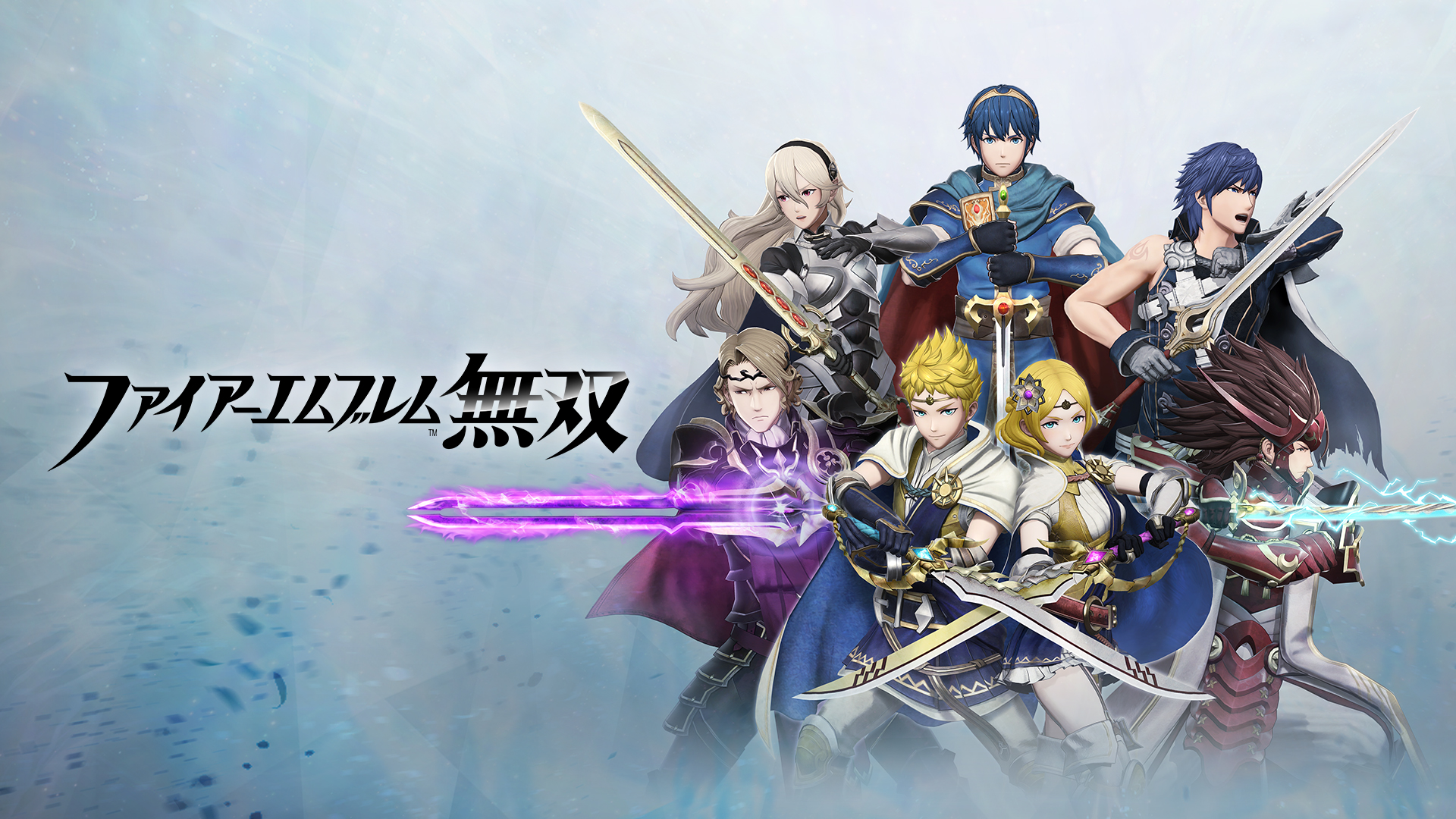
Fire Emblem Warriors (game) spoiler commentary and discussion.
Fire Emblem Warriors" is an action game released by Koei Tecmo Games in 2017. Players can enjoy exhilarating action by controlling characters from previous "Fire Emblem" games. There are also elements that allow players to develop their characters and deepen their friendship with other characters, and all of the game is fully voiced. The kingdom of Aitolis has been plunged into darkness after the castle fell due to demons that appeared from the gates of the Otherworld. Theon and Lian, the children of the previous king, who succeeded in escaping from the castle, travel with the successive protagonists to confront the mighty darkness.
Read Article
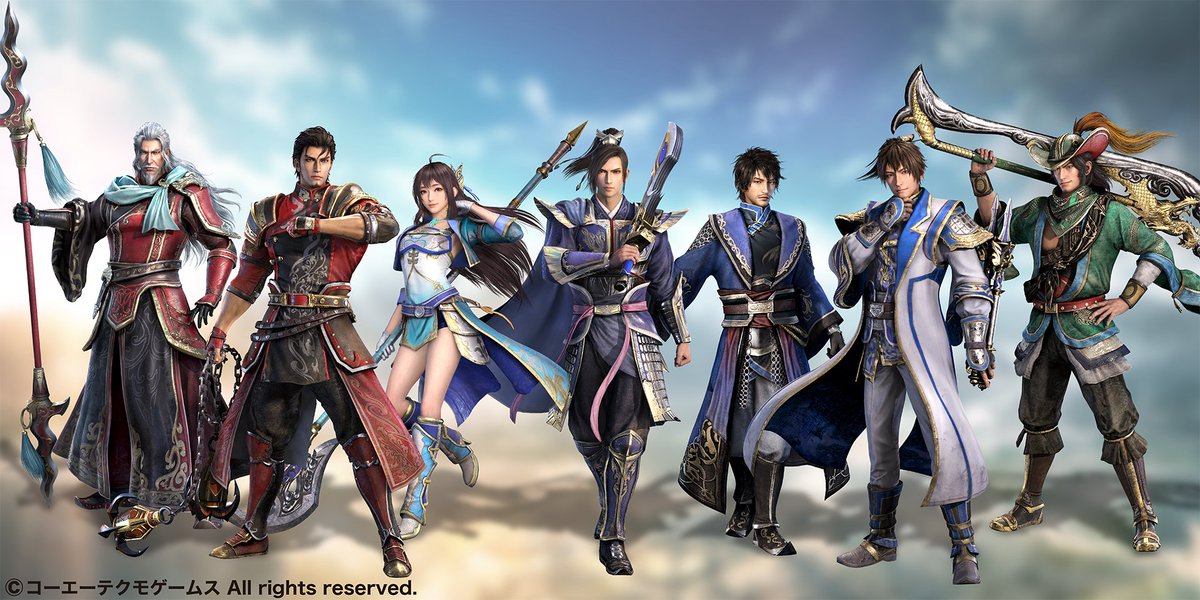
Which character is your favorite? Summary of Sengoku Warlords in Shin-Sangoku Musou 8
Shin-Sangoku Musou 8 is an open-world game set in mainland China, released in 2018. The characters in the game are inspired by the Three Kingdoms, and each of them has a different performance. This article will introduce the characters in "Shin-Sangoku Musou 8", including their performance and usability, along with images.
Read Article
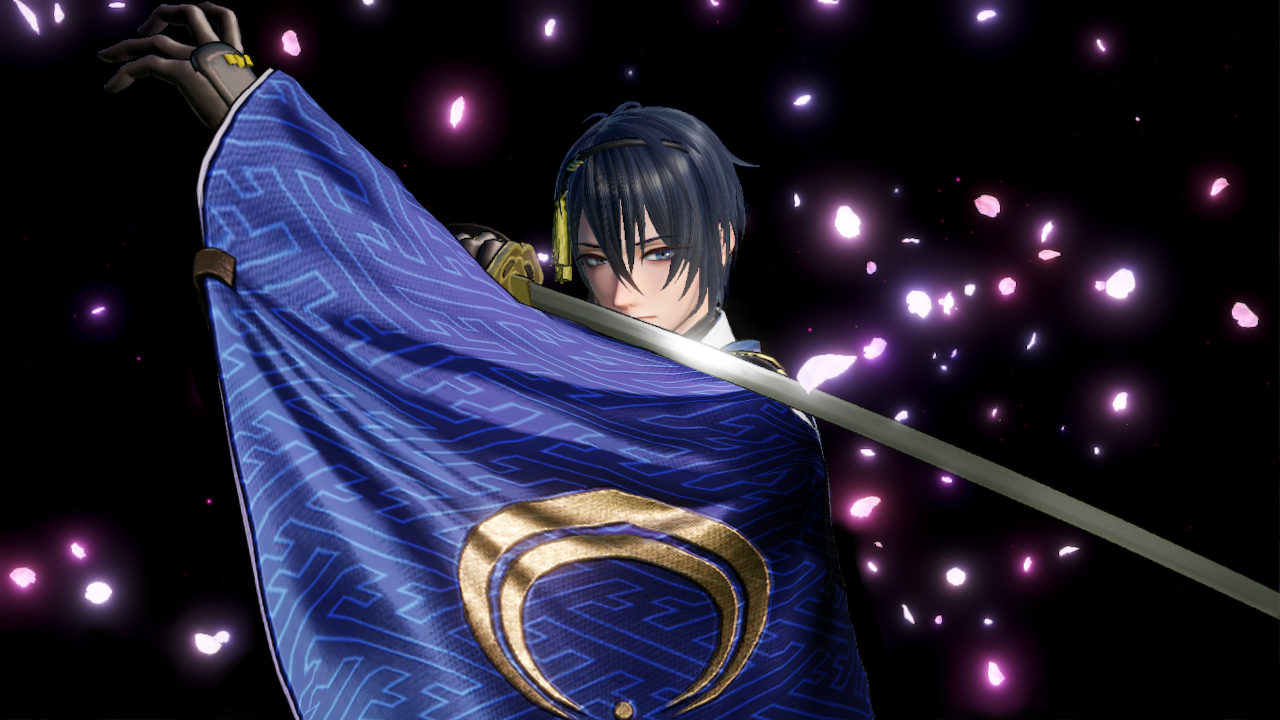
I guessed the age of the characters in the sword dance! Mikazuki Munekika is over 1000 years old! [Tourabu
We have estimated the ages of the swords in "Sword Dance". Although anthropomorphized, they are still originally swords, so they have spent an incomparable number of years compared to humans. In particular, Mikazuki Munekika, who is called "Grandpa" and calls himself "Jiji," seems to be over 1,000 years old.
Read Article
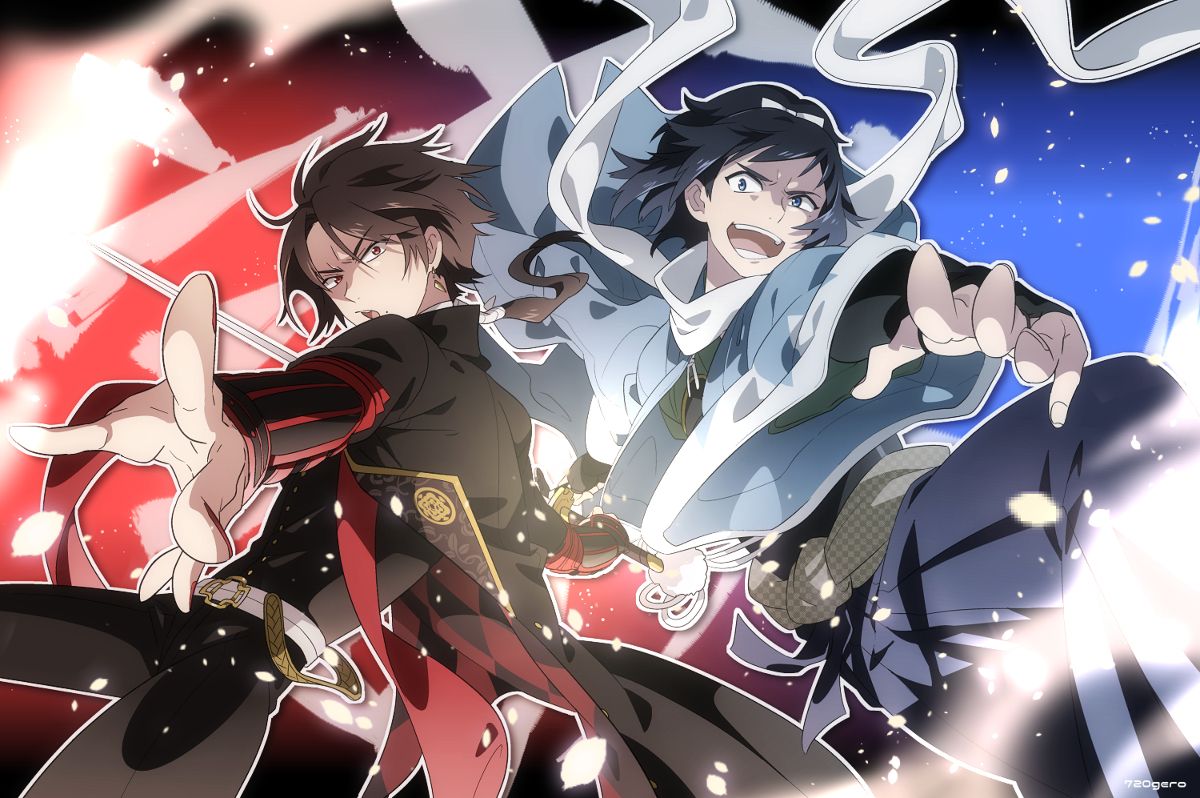
A ranking of the couplings in "Touurabu", including a popular tag that has been viewed 2 million times on pixiv! Tourabu
We have compiled a ranking of "Sword Dance" couplings, including many popular tags on pixiv, which are sometimes viewed 2 million times in a day. Illustrations of the couplings and the reasons for the ranking are also introduced, so please check how popular your favorite combination is.
Read Article
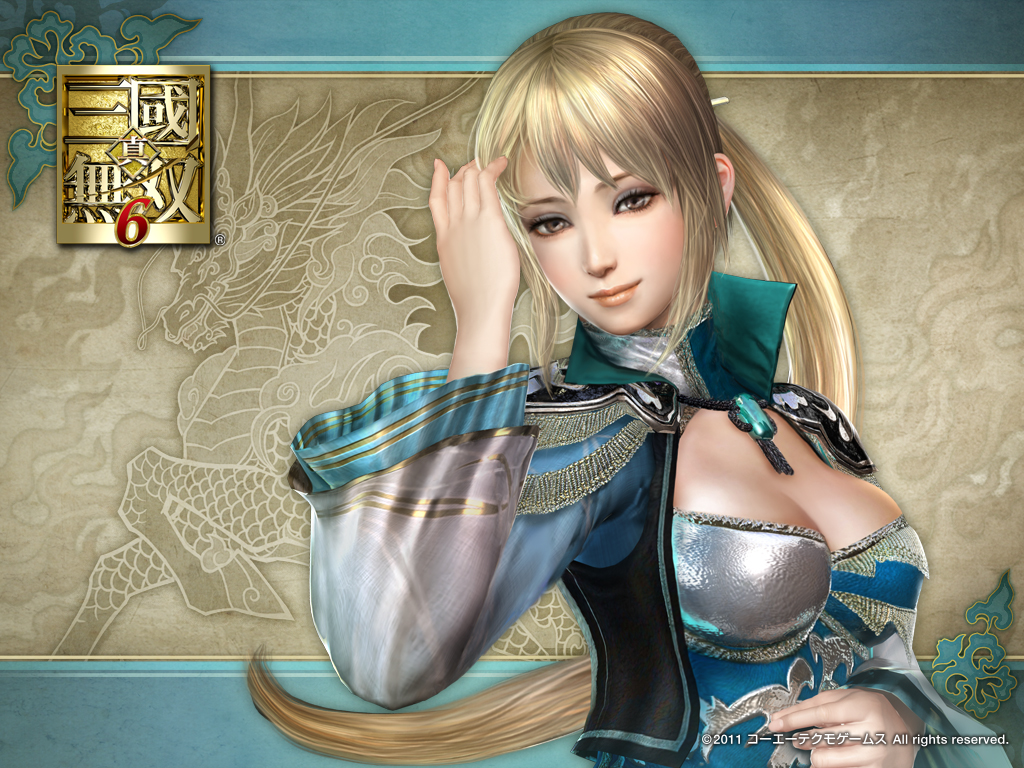
Collection of images of female characters from the Musou series [Shin Mikuni Musou/Sengoku Musou
Shin-Sangoku Musou" depicts the Three Kingdoms period in China, and "Sengoku Musou" depicts the Sengoku period in Japan, both of which feature a number of female generals. The only one who is said to have actually appeared on the battlefield is Wang Yi of Wei in the Three Kingdoms period, but the series has added glamour by using princesses and original characters as generals. Here we have compiled a list of female characters and characters from "Shin-Sangoku Musou" and "Sengoku Musou.
Read Article
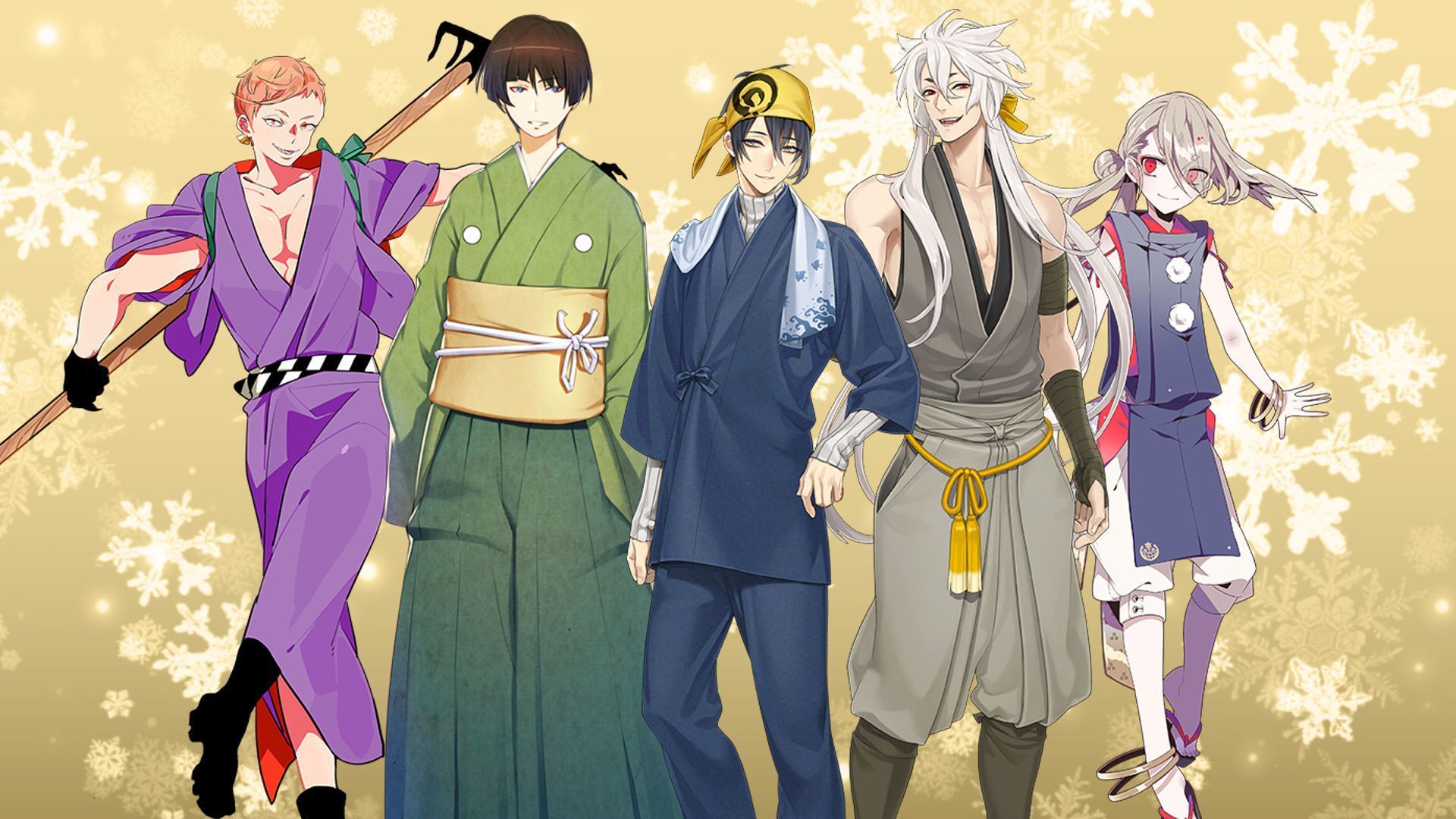
Sword Dance Uchiban Costumes Summary! Introducing from early mounted characters to Hagegiri & Kneemaru! The first time I saw a sword in the world, I was in the middle of a sword fight.
This is a collection of Uchiban costumes from "Sword Dance". This page introduces those of 51 different swords from the beginning of the service until the appearance of Hagekiri & Kneemaru. Please check out their off-mode appearance, which seems to be specialized for ease of movement and wearability, unlike their regular costumes.
Read Article
Internal Affairs or Warfare? Summary of recommended titles of "Nobunaga's Ambition" by gamer type [Event or character-oriented?
A popular work that has appeared in several titles, "Nobunaga's Ambition" has various characteristics for each title. This summary divides gamers' tastes into four categories: those who want to play internal politics, those who want to fight wars, those who focus on events, and those who focus on characters, and introduces titles that can be recommended for each type.
Read Article
I put together a level guideline for the "Iwayu Kindergarten" sword dance! The power of the naginata is too great! [Tourabu]
This is a summary of "Iwayu Kindergarten," a leveling method in "Sword Dance" in which Iwayu, a naginata, is asked to lead the swords you want to train. The main focus is on maps that are easy to train on, according to Iwayu's level. Since short sword swordsmen do not have moderate firepower, it is recommended to level up with the help of the Cleave and Daitachi swords at first.
Read Article
Tags
Contents
- Outline of "Sword Dance Warriors
- Synopsis and story of "Sword Dance Warriors"
- preface
- chapter in which the two sides are evenly matched
- Chapter of the Lone Wolf
- chapter of heaven's decree
- Chapter of Farewell
- Chapter of Remaining Shadows
- last chapter (book, etc.)
- true ending
- Game System of "Sword Dance Warriors
- departure for the front
- rematch
- reinforce
- Konosuke Navi
- Manyya
- mini game
- photo mode
- bond level
- bonding dialogue
- Characters in "Sword Dance Warriors
- 1st Unit
- Mikazuki Munechika
- Senko Muramasa
- Dragonfly Cutter
- second division
- KASEN KANESADA
- Ichigo-no-Ippiki (One season, one sprinkle of strawberry)
- Namazuoto Shiro
- Masamune Hyuga
- 3rd Unit
- Heshikiri Hasebe
- Tomoe-gata Naginata
- Yagen Toshiro
- 4th Unit
- Kuninaga Tsurumaru
- Ookurikara
- Candlestick Mitsutada
- 5th Unit
- Kunihiro Yamambagiri
- Nagayoshi Yamambagiri
- Other characters related to swordsmiths
- vestiges
- chivalrous man (c. Edo period)
- government
- SANJIWA (SANJIWA)
- enemy character
- Historical revisionist
- Time Retrograde Forces
- bugs
- black face
- Historical Figures
- Hidetsugu Hashiba
- Hideyoshi Hashiba
- Hideyori Toyotomi
- Kanbei Kuroda
- Nagamasa Kuroda
- Tadaoki Hosokawa
- Mitsunari Ishida
- Sakon Shima
- Masamune Date
- Kojuro Katakura
- Nobunaga Oda
- Mitsuhide Akechi
- Yukimura Sanada
- Red Ninja
- Yodo-dono
- Tokugawa Ieyasu
- Tadakatsu Honda
- Hidetada Tokugawa
- Hisahide Matsunaga
- Nobutada Oda
- Hosokawa Galasha
- Akinaga Nagao
- Hattori Hanzo
- Items for "Sword Dance Warriors
- koban
- raw materials
- equipment
- Terms of "Sword Dance Warriors
- inner citadel
- false history
- buddy
- hard attack
- special move, usually one unique to a certain fighter or fighting style
- injury
- fierce competition
- Famous quotes, lines/scenes, and scenes from "Sword Dance Warriors".
- Yamambakiri-no-Kunihiro: "Copies and the main department...it doesn't matter. They were treated with pride..."
- Yakken Toshiro: "It's a sword that protects history. It is a sword that protects history. It is fine to keep a low profile.
- Masamune Hyuga: "No matter how hard it gets, if you don't lose sight of what's important, you'll do well."
- Backstories, trivia, small stories/episodes, and anecdotes from "Sword Dance Warriors".
- The voices used in the mini-game are the same as the attack voices
- Evaluation of the scenario among game writers is mixed.
- Possibility of a sequel set in the "Bakumatsu" period.
- Theme song and insert song for "Sword Dance Warriors
- OP (Opening): Akiko Shikata "Senmurasaki Manboku
- ED (Ending): Akiko Shikata "Honor
- ED (Ending): Akiko Shikata "Hoshimo