
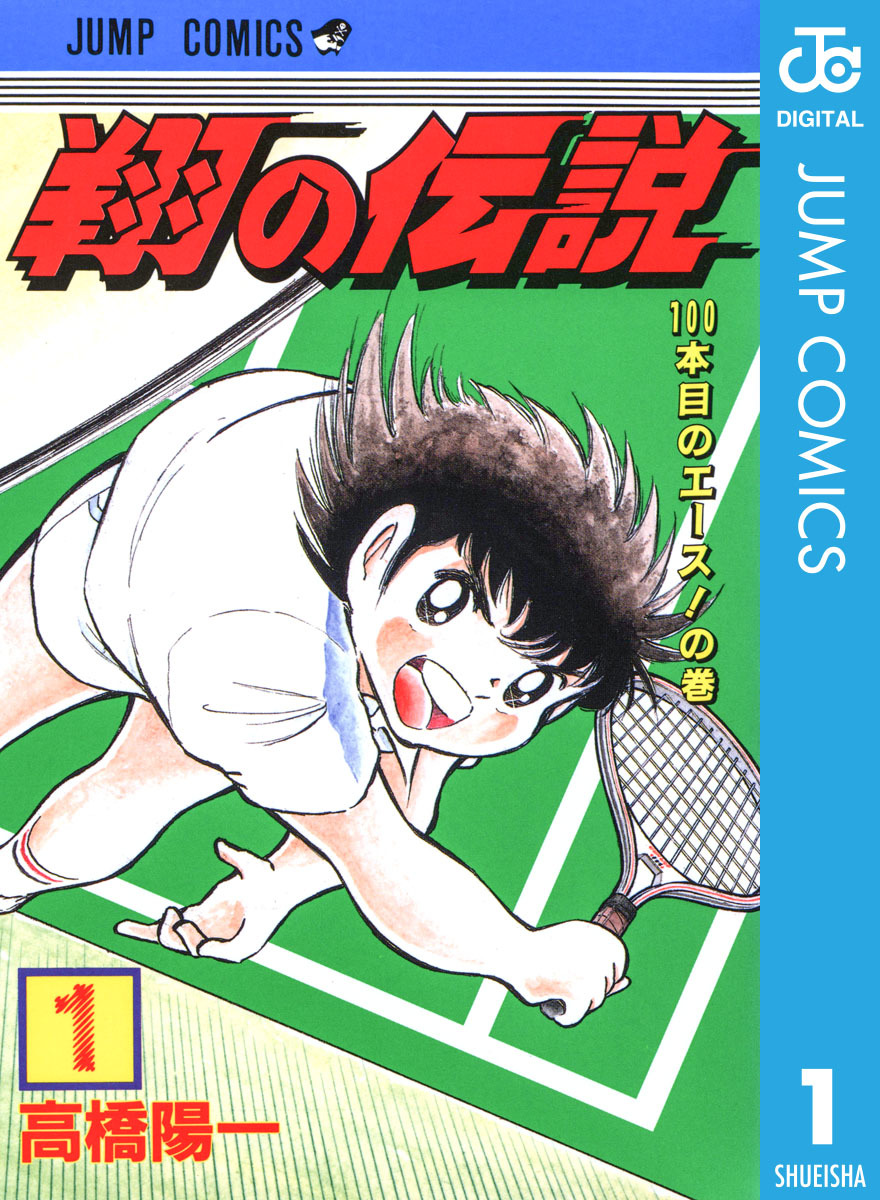
The Legend of Sho" is a sports manga about tennis by Yoichi Takahashi, the original author. It was serialized in Shueisha's Weekly Shonen Jump from 1988 to 1989. The manga was published in three volumes in the Jump Comics series. It was a highly anticipated work by Yoichi Takahashi after his hit "Captain Tsubasa.
The story depicted the life of a Japanese man named Sho Takamizawa, who would go on to make his mark on tennis history. The story depicted the relationship between Sho and his father, who was betting on tennis, but the series was quickly cancelled.
He participated in the All-Japan Japan Tennis Championships and played against Sho in the first round. Last year, he was one of the best four tennis players. He participated with the goal of defeating the swan, but was defeated by Sho. He chased Sho into the corner, but was defeated by a come-from-behind victory.
Terms used in "Sho no Densetsu"
Wimbledon
Wimbledon is held every year in June as one of the world's Grand Slams. The term "Grand Slam" refers to the Australian Open, Australian Open, the U.S. Open, the French Open, and Wimbledon. If you win all four tournaments, you are said to have achieved the Grand Slam. It is held at the All-England Lawn Tennis and Croquet Club in Wimbledon. On the first page of the film, the scene of Kakeru standing at Wimbledon is depicted.
Serve and volley
A style of play in which, after a serve, players approach the net and use a volley or a smash. It is characterized by the ability to advance the game quickly and at the same time to actively gain points with a volley or a smash from near the net. This is a technique that Ryo TAKAMIZAWA was good at when he was an active player.
Words, lines, scenes, and scenes from "Sho no Densetsu"
This is the story of the half-life of a young man named Kakeru, the first Japanese to make his name deeply known in the history of tennis.
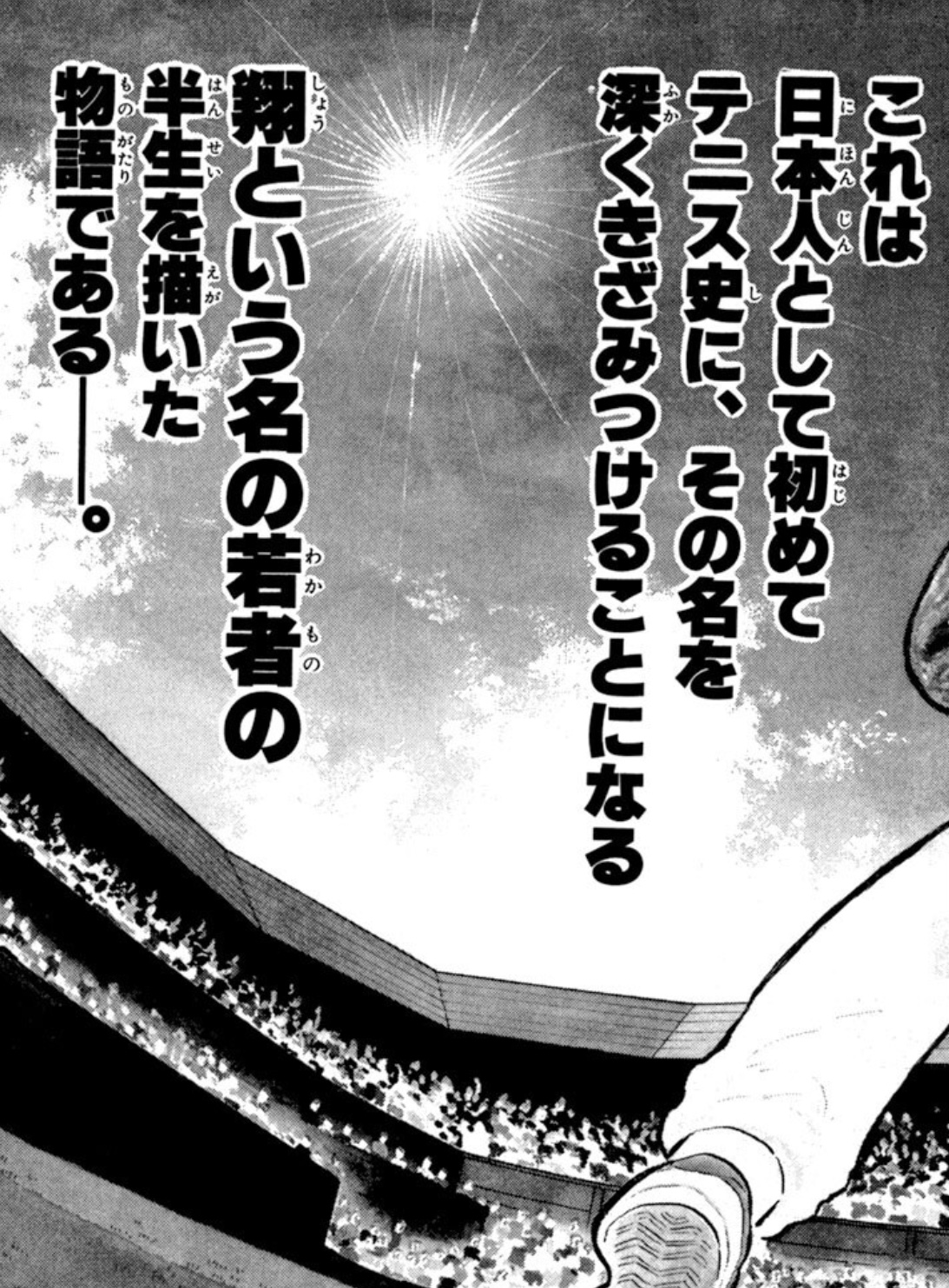
The series begins with a scene in which Kakeru stands on the court of Wimbledon, the holy place of tennis, with the words, "This is the story of the half-life of a young man named Kakeru, who will be the first Japanese to make his name deeply known in the history of tennis." At the beginning of the series, it made people imagine the magnificent scale of depicting the half-life of a human being who was supposed to be a famous Japanese tennis player, but in fact Wimbledon did not appear, and the series ended with the first round of the All Japan Jr. Championship when Kakeru turned 10.
Sho: "I did it, Tochan! My serve went 100 times to 100!"
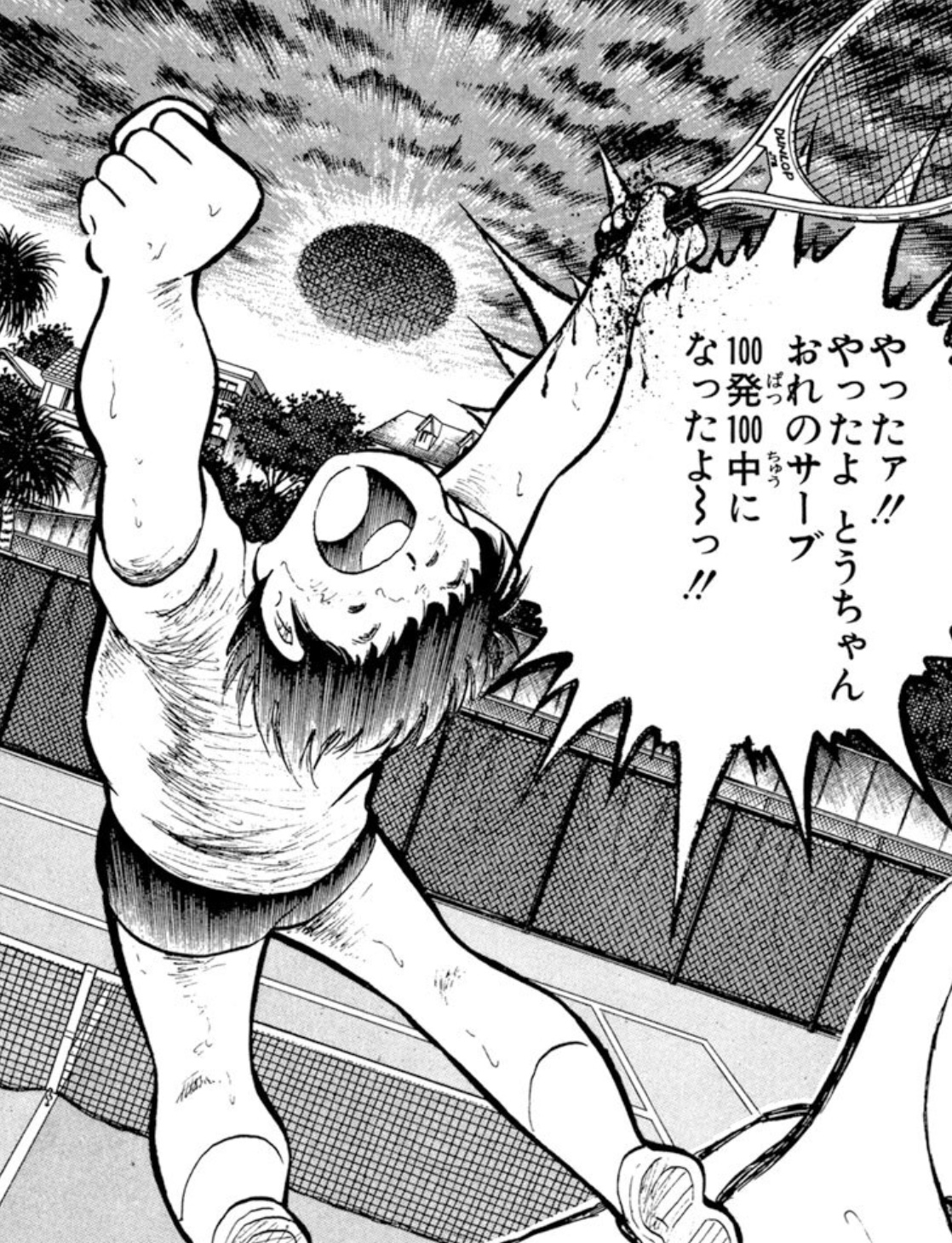
No matter how cold his attitude may be, Kakeru's love for his father never changes. He said, "I did it, To-chan! My serve has reached 100 hits and 100 hits!" when he made the 100 overhead serves he had been asked to make, because he wanted to learn how to play tennis from his father even after dark or when his hands were bruised and bleeding.
THE STORY OF SHO HAS JUST BEGUN.
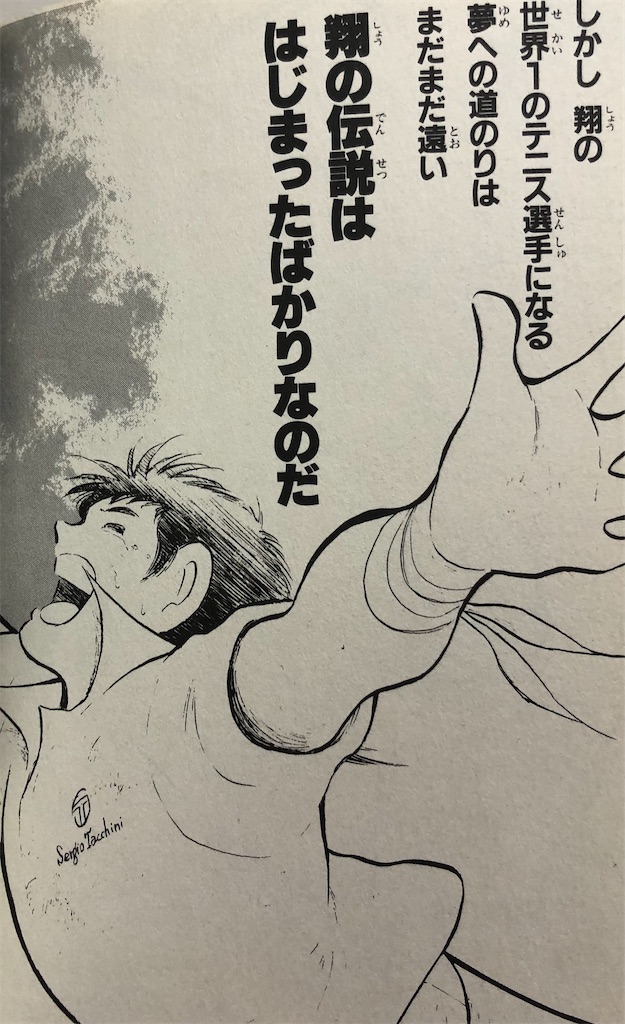
This work, whose long story plan backfired, ended prematurely in the elementary school edition. It ended abruptly after winning the first round of the competition, but as was often seen in other discontinued works of "Weekly Shonen Jump" at that time, it became the final story with the typical pattern of "Battle is yet to come!"
Behind the Scenes, Trivia, and Small Stories / Episodes and Anecdotes of "Sho no Densetsu"
Many of the plots have not been recovered
The film ended early, and the original author, Yoichi Takahashi, said, "Due to my lack of power, I ended up not being able to draw even one tenth of the original plan." Since it was supposed to be' a story that describes half of Sho's life,' a lot of plots were naturally laid out, but many plots were not collected due to the discontinuation of the series. In particular, it remains a mystery why Ryo suddenly left Sho and went to the United States, or why he was taken in by the Asuka family.
A demonic father
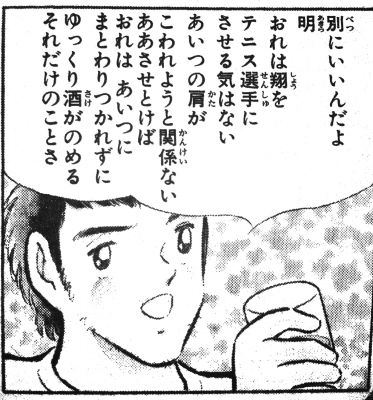
Ryou Takamizawa is a famous tennis player who once won the Student Tennis Championships, but as a father he is known for his worst behavior. First, since Kakeru's mother, keiko, died while giving birth to Kakeru, he has been drinking every day. He says, "I loved keiko and not Kakeru," but he is also cold toward Kakeru. He is a terrible father who finally leaves Kakeru with the Asuka family and goes to America to pursue his dream.
Second edition of "CAPTAIN Tsubasa"
There have been several arguments as to why this series ended early. There are various reasons for this, such as the author's lack of drawing ability, not being able to draw different faces, the design not being suitable for serious human dramas in the first place, and the overall dark story, but the biggest reason is that it has become a second hand version of the blockbuster "CAPTAIN Tsubasa." There are characters like Sho and Roberto Hongo, whose faces look like wings, and so on. It is common for authors who have once made a hit, but it is said that if they start with a similar genre, they are likely to fail unless the new work has a very strong impact and impression. This work can be said to be a typical example of this.

Related Articles
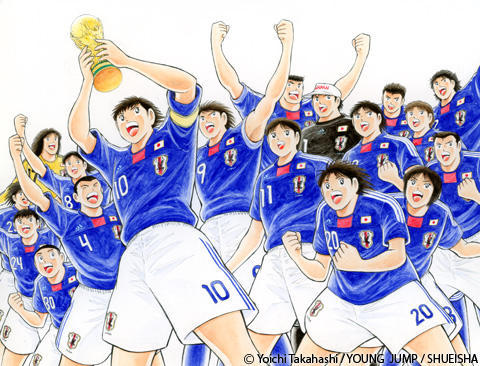
Captain Tsubasa (Captain Tsubasa) Spoiler Commentary and Discussion Summary
Captain Tsubasa" is a soccer manga and anime series by Yoichi Takahashi, serialized in Weekly Shonen Jump, Weekly Young Jump, and Grand Jump since 1981. The main character, Tsubasa Ozora, grows and develops through friendship with his teammates and fierce battles with rivals, mainly depicting his soccer life. The series has sold more than 70 million copies in Japan and has been published in about 20 countries and regions, including France and Italy.
Read Article
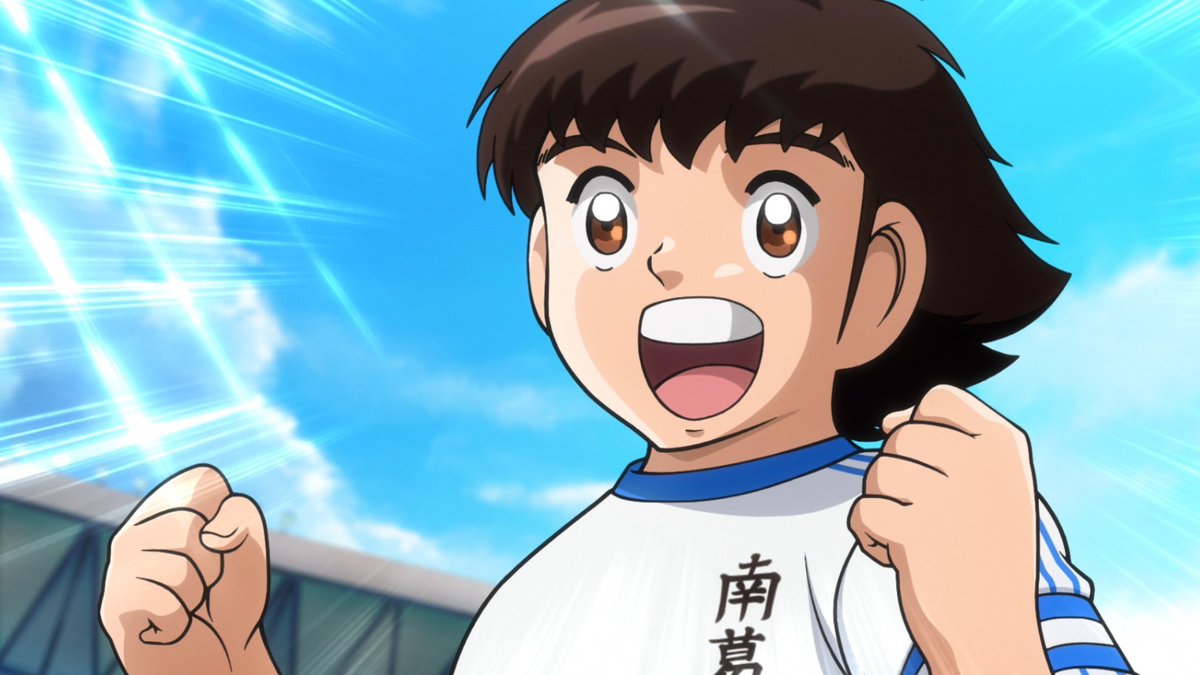
A compilation of characters with different names from the popular manga Captain Tsubasa! Tsubasa Ozora is the "poster child of soccer"!
The popular soccer manga "Captain Tsubasa" has many characters and characters who have aliases. Here is a list of those characters and their aliases. Some of them are combination names or names of techniques, so if you are interested in them, please check them out.
Read Article
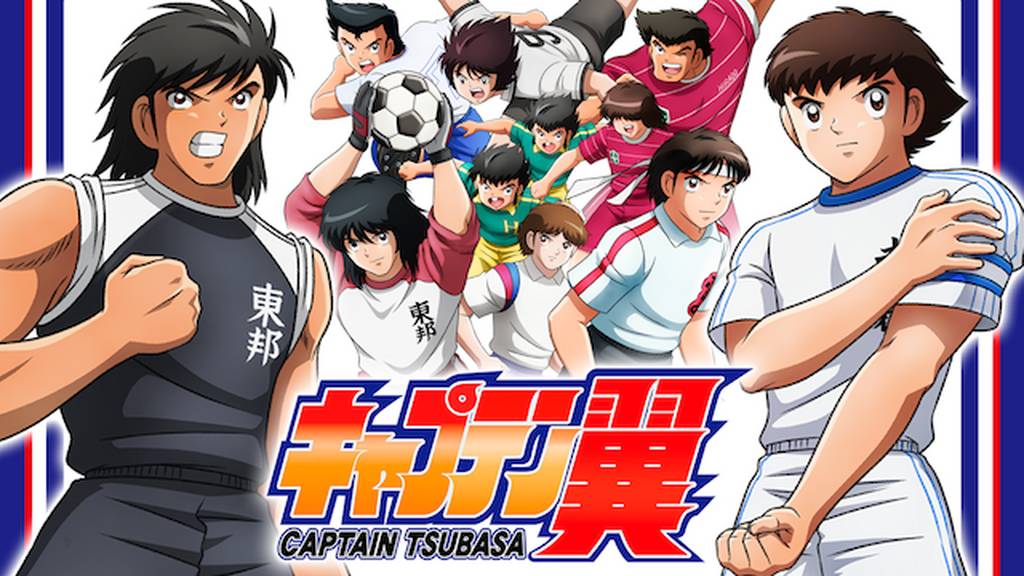
Captain Tsubasa (Captain Tsubasa) quotes, lines/scenes, and famous scenes
Captain Tsubasa" is a soccer manga by Yoichi Takahashi. It has been made into an anime and is popular among soccer fans around the world. The manga depicts the main character, Tsubasa Ozora, as he takes on the world through soccer. The main character, Tsubasa Ozora, meets new soccer friends and grows through friendly competition with his rivals. Unique characters with different characteristics appear one after another. The story is a long-running favorite of readers since its serialization in Weekly Shonen Jump.
Read Article
![Yoichi Takahashi] Summary of manga artists with poor drawing ability [Nobuyuki Fukumoto, et al.](https://renote.net/files/blobs/proxy/eyJfcmFpbHMiOnsiZGF0YSI6NjMzMDkxOCwicHVyIjoiYmxvYl9pZCJ9fQ==--de0041b26b2ab457df83f2bd2634dd1b617a490c/takahasiyouji.jpg)
Yoichi Takahashi] Summary of manga artists with poor drawing ability [Nobuyuki Fukumoto, et al.
Although cartoonists are generally considered to be good drawers, there are cartoonists with poor drawing ability. This article summarizes cartoonists who are considered to have low drawing ability or poor drawing skills. Even if their drawings are not good, their manga have appealing stories and characters and have been loved by many people for many years.
Read Article
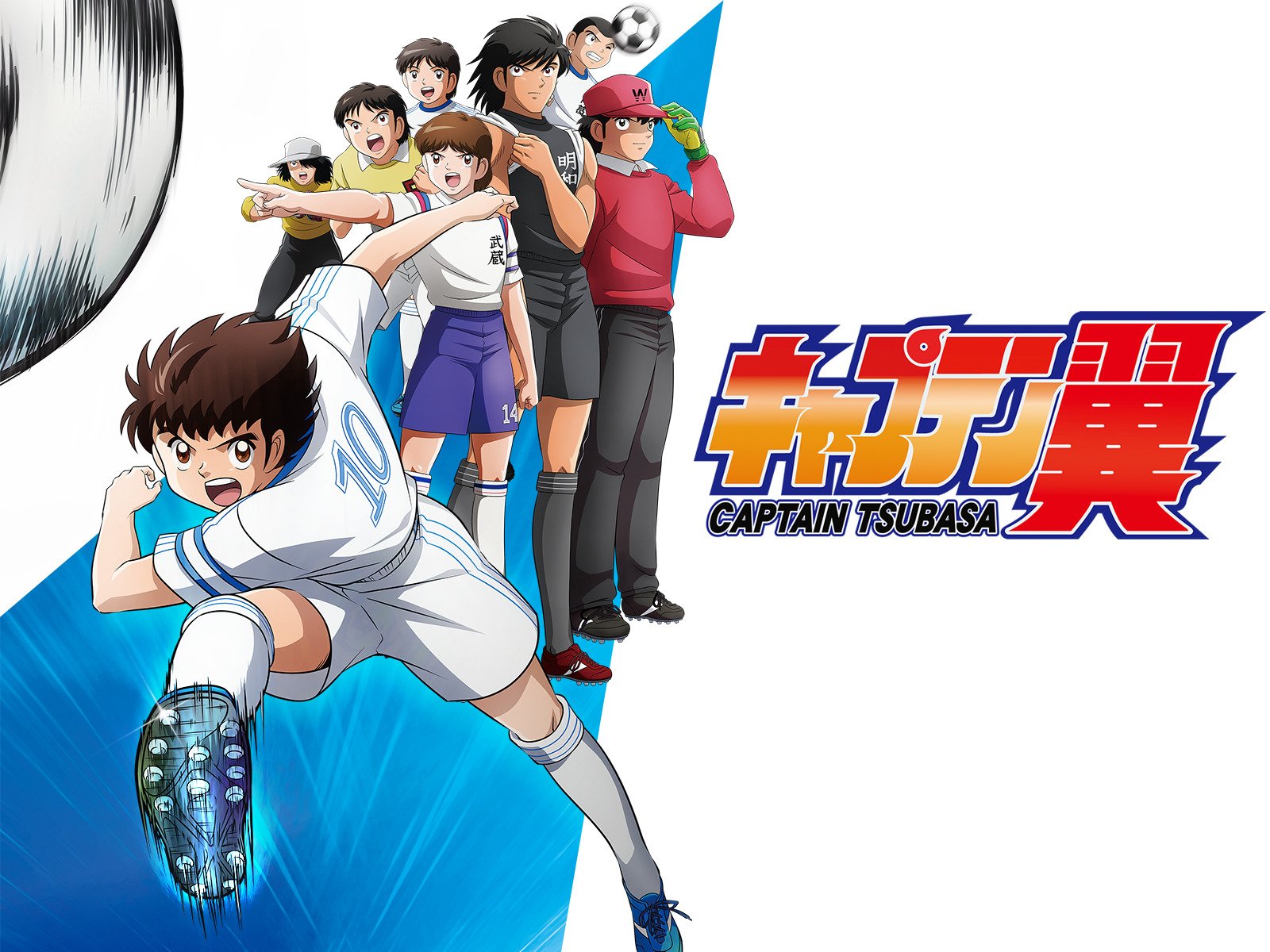
Why "Captain Tsubasa" is no longer a "masterpiece"...? Why "Captain Tsubasa" has turned into a bad work
Captain Tsubasa" is a classic manga known for its depiction of friendship and the growth of boys who strive to play soccer. The manga appeared at a time when the J-League did not yet exist, and it helped spark the subsequent soccer boom in Japan. It is said that many players in Japan and abroad are also fans of the manga, but despite its great popularity, there are some who say that the manga has become "boring. Why is this? We have summarized the reasons in this article, so if you want to know the reasons, please continue on.
Read Article
![Weekly Shonen Jump] Manga from the late 80's to the mid 90's [Golden Age].](https://renote.net/files/blobs/proxy/eyJfcmFpbHMiOnsiZGF0YSI6MjM4ODkzLCJwdXIiOiJibG9iX2lkIn19--cc2dd65e70fb4742d9b63b02febb4cbc447f7095/db19ee5b.jpg)
Weekly Shonen Jump] Manga from the late 80's to the mid 90's [Golden Age].
Manga from the Golden Age of Jump (manga started in the late 80's to mid 90's) are summarized here.
Read Article
A collection of images from Captain Tsubasa! Both soccer and gags are interesting!
Although the manga "Captain Tsubasa" boasts worldwide recognition and has many fans, it actually has an aspect of being a gag manga. It is simply funny in its drawings, and it takes turns that would be impossible in real-life soccer, and it makes readers laugh. Here we have compiled a list of funny scenes and gag images from "Captain Tsubasa.
Read Article

Bokete" - A collection of images of excellent answers to the "One Word in Pictures" bokete question and answer contest.
This is a list of images of excellent answers in "bokete," a popular "photo-word" comic strip. In addition to "bokete," we have also compiled a list of images and blurbs posted on SNS and other social networking sites. We hope that this article will help you find a little bit of laughter hidden in your daily life.
Read Article
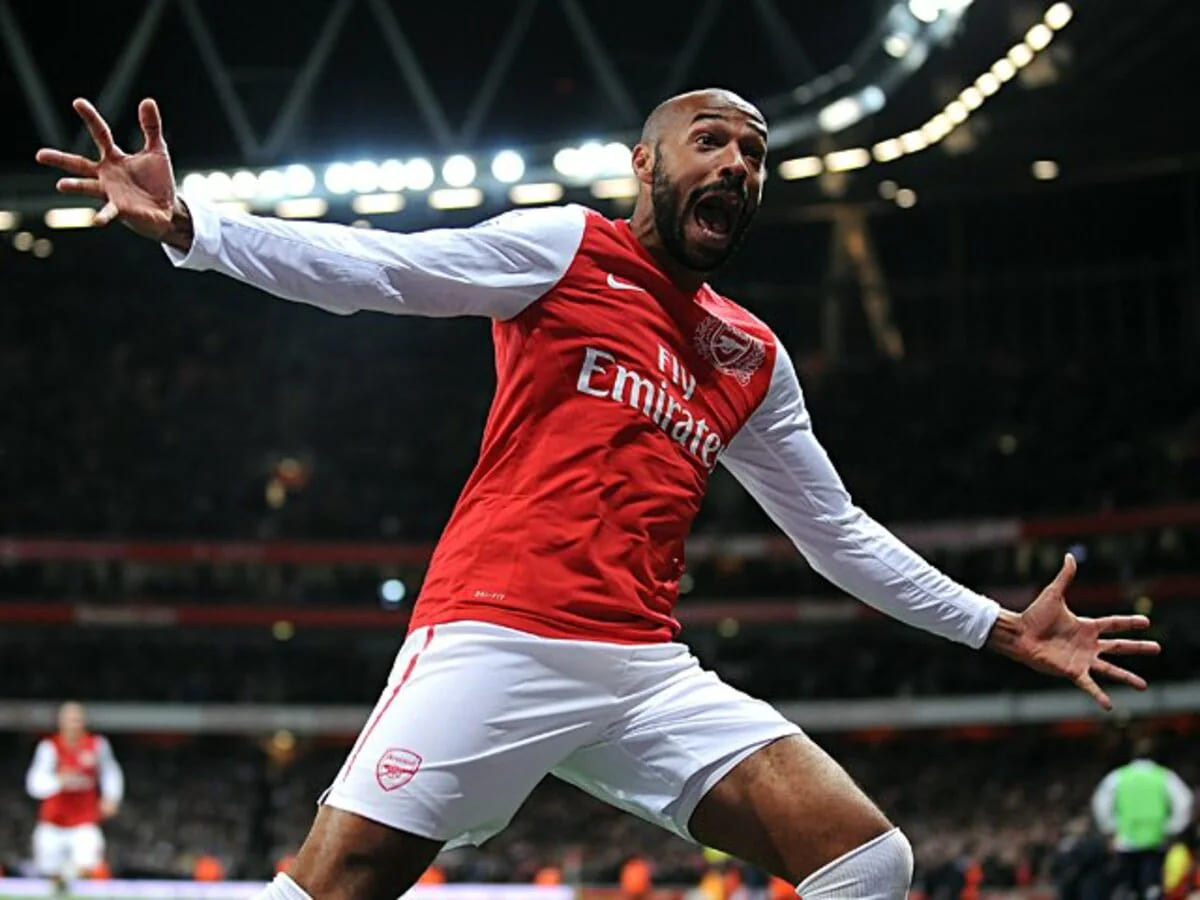
A compilation of international soccer players who like "Captain Tsubasa" too much [Captain Tsubasa].
The soccer manga and anime "Captain Tsubasa" is loved not only in Japan but also around the world, and has many fans among players active in the professional world. Here we have compiled comments and episodes from overseas soccer players showing their love of Captain Tsubasa.
Read Article
Summary of jump characters that weakened as soon as they became allies.
Characters that are weakened as soon as they become allies are, of course, a common story. Even in anime, manga, and video games, behind-the-scenes adjustments often result in the character being sidelined as a member of the main team, and if he or she is not good enough, he or she may become a standby or recovery character forever. With this fact in mind, we have decided to focus on Jump characters and summarize their sad reality with illustrations.
Read Article
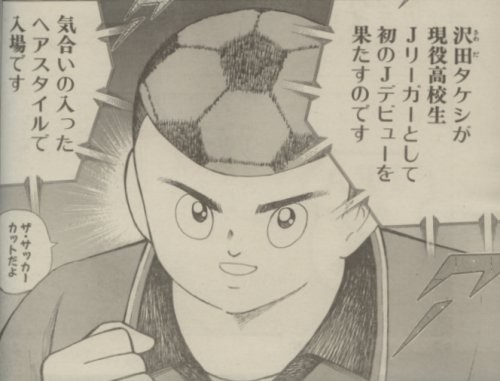
Cartoons with a lot to go into.
While most people think of manga as easy to read and easy to understand, the manga we present here are 120 minutes of fun and insightful manga! Let's give them a good poke at the manga that are both enjoyable and poke-able. The compositions are funny, the characters are funny, and the things they do are funny.
Read Article
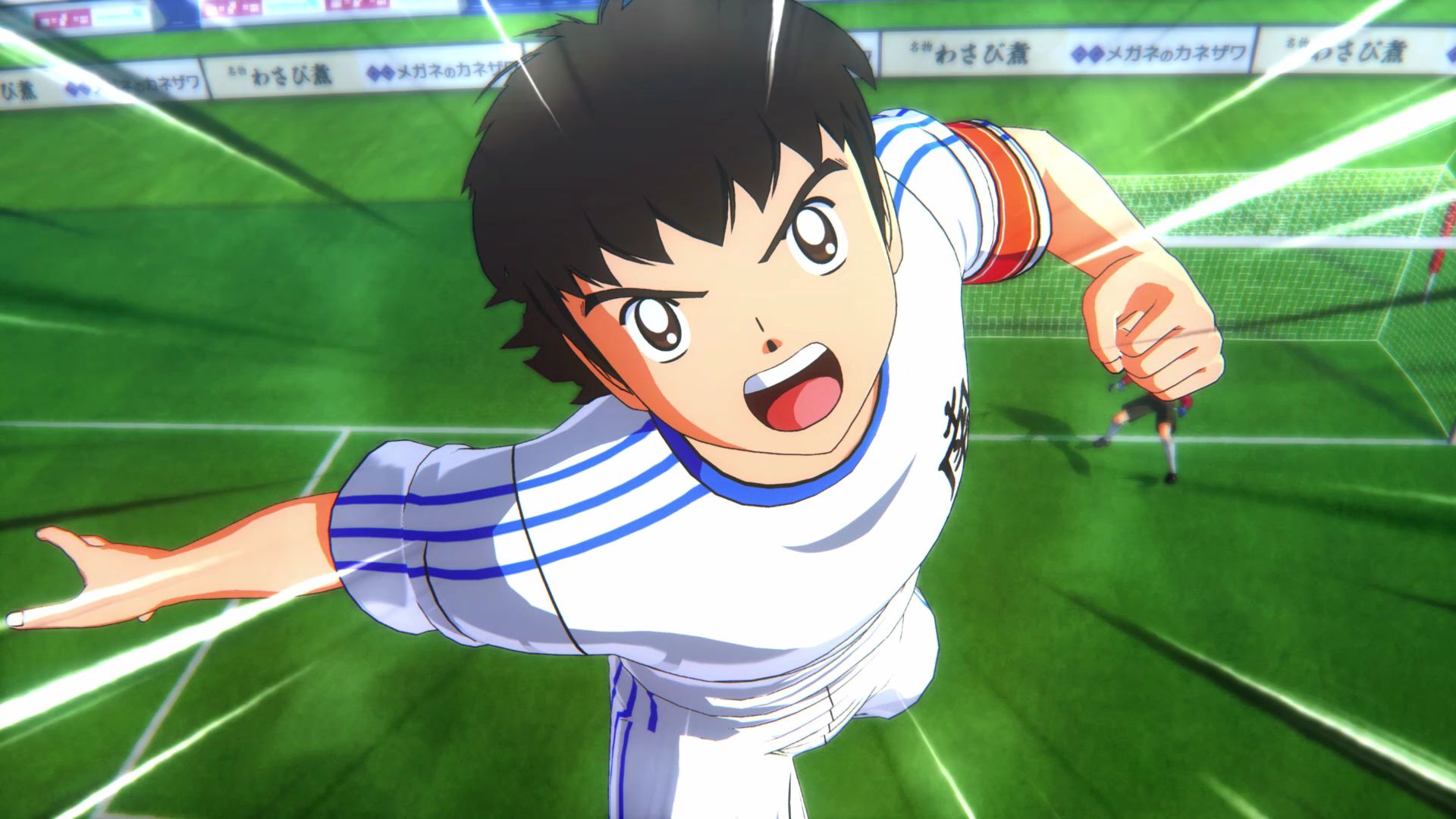
Captain Tsubasa Rising Sun" introduces the 23 characters of Japan's national team for the Madrid Olympics! Tsubasa Ozora, etc.
Here we have compiled a list of the 23 members of the Japanese national team for the Madrid Olympics, which will be held in the "Captain Tsubasa Rising Sun" series of the "Captain Tsubasa" soccer manga. The main character, Tsubasa Ozora, goalkeeper Genzo Wakabayashi, forward Kojiro Hyuga, and others are introduced.
Read Article
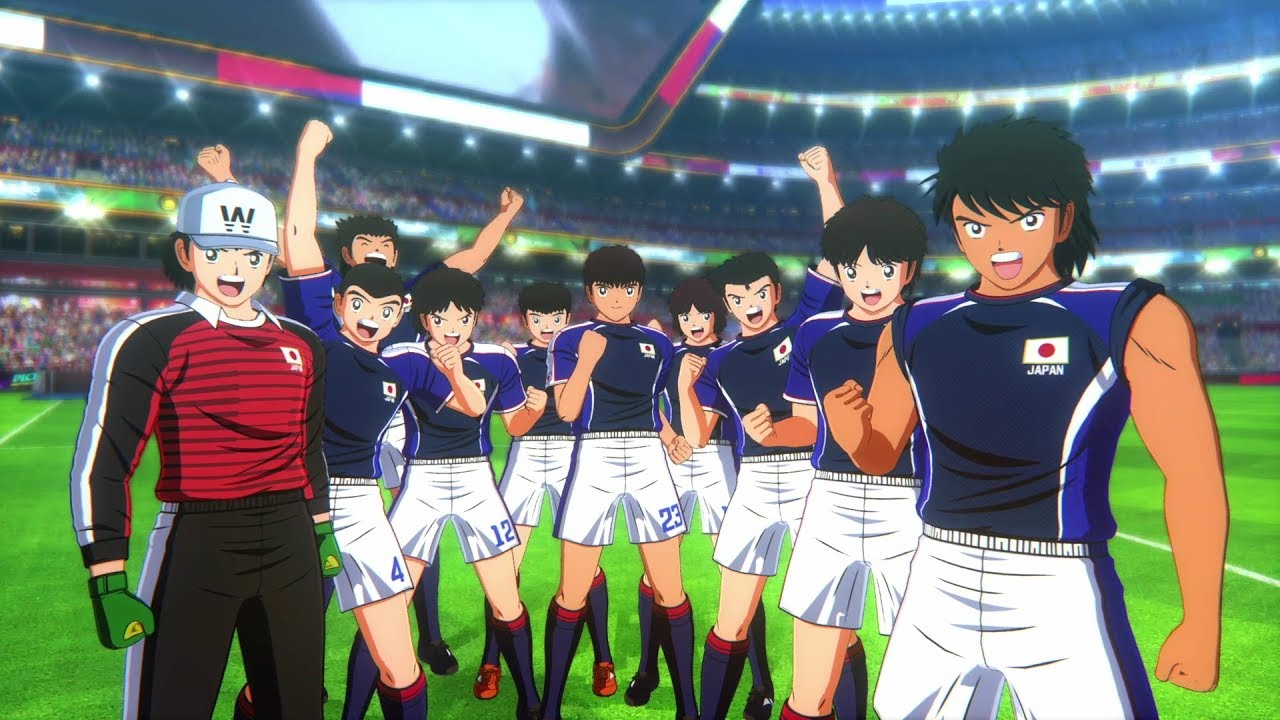
A compilation of bad special moves from the legendary soccer manga "Captain Tsubasa
Yoichi Takahashi's soccer manga "Captain Tsubasa" brought a soccer boom to Japan, and is so famous that some people say it inspired them to become professional players. The manga is both a sports comic and a gag, with the occasional outrageous special move.
Read Article
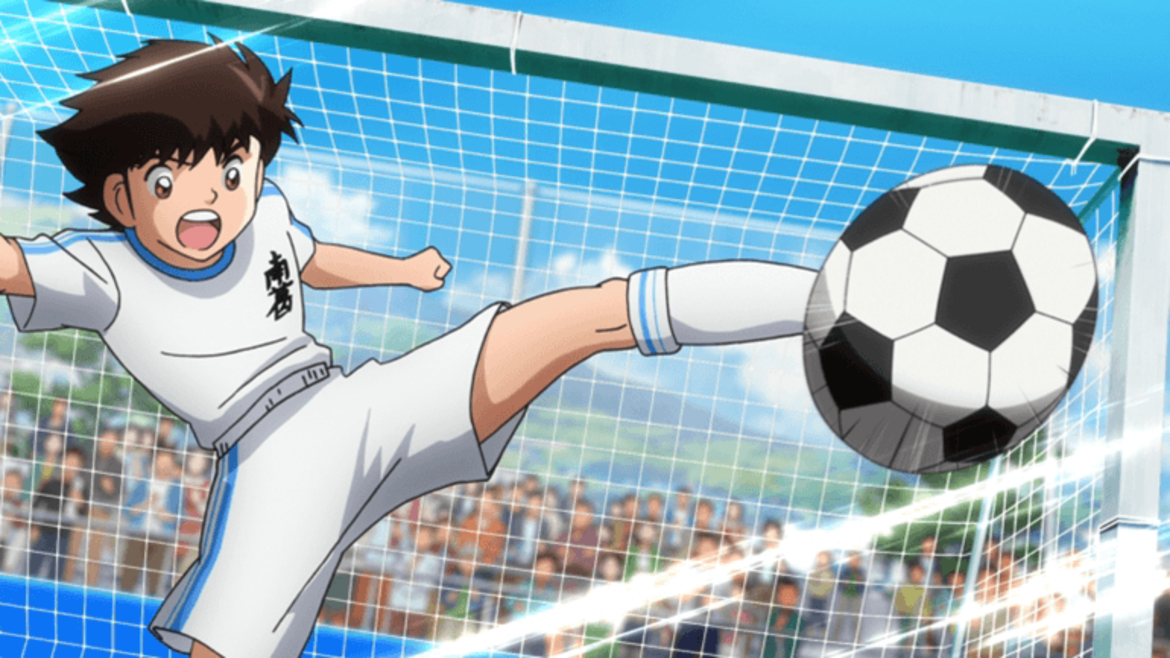
Images of the legendary soccer manga "Captain Tsubasa! The manga is full of unbelievable heads and techniques, and is considered a "gag manga" by some.
The legendary soccer manga "Captain Tsubasa," which sparked a soccer boom in Japan and has many fans among professional players, is actually also a gag manga. The characters' extreme heads, impossible shots, and many other scenes that make you laugh even though the characters are serious. Here we have compiled such images of Captain Tsubasa.
Read Article
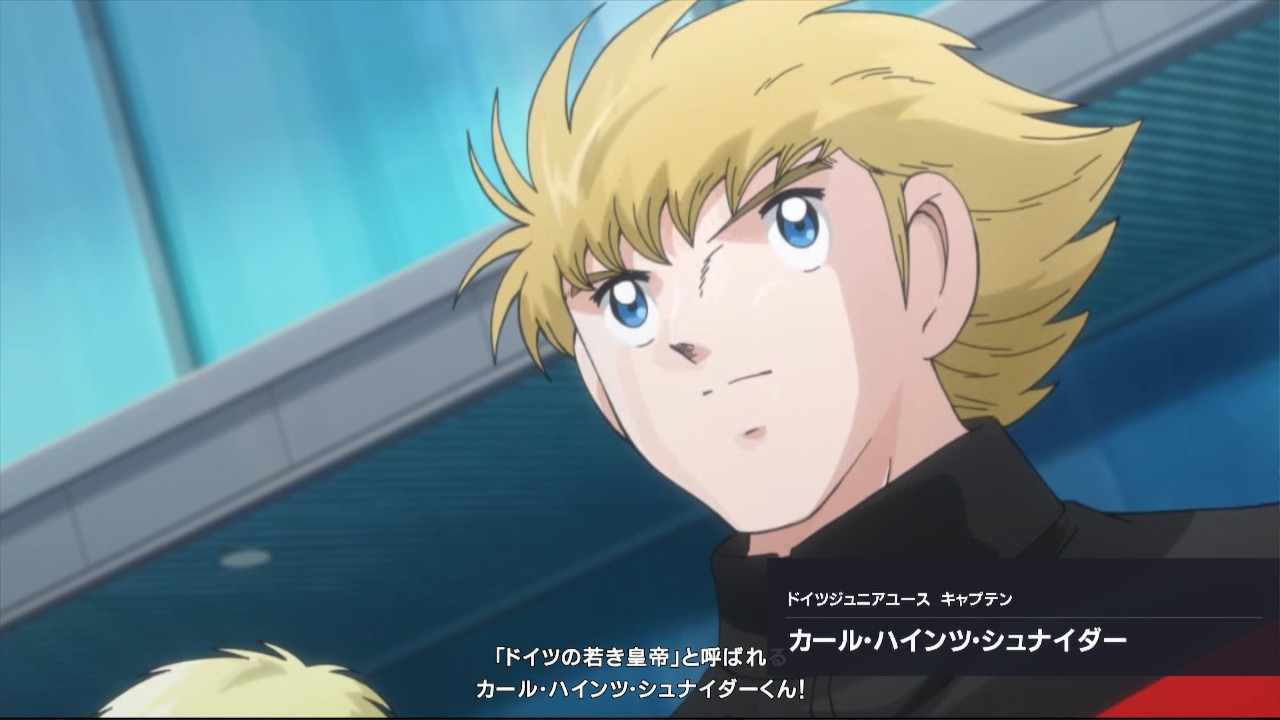
A compilation of characters who have been unfairly treated in Captain Tsubasa! Karl Heinz Schneider, etc.
Here we have compiled a list of characters in the historical soccer manga "Captain Tsubasa" who have been treated unfavorably. Karl Heinz Schneider, who was the last boss of the junior youth version, and Ken Wakashimazu, who is a representative of the "strong as an enemy but shabby as an ally" character, are introduced.
Read Article
A compilation of soccer players who love "Captain Tsubasa
Yoichi Takahashi's legendary soccer manga "Captain Tsubasa" triggered a soccer boom and was so influential that some of its loyal readers later became professional soccer players. Captain Tsubasa fans are not limited to Japan; many overseas players are also readers.
Read Article
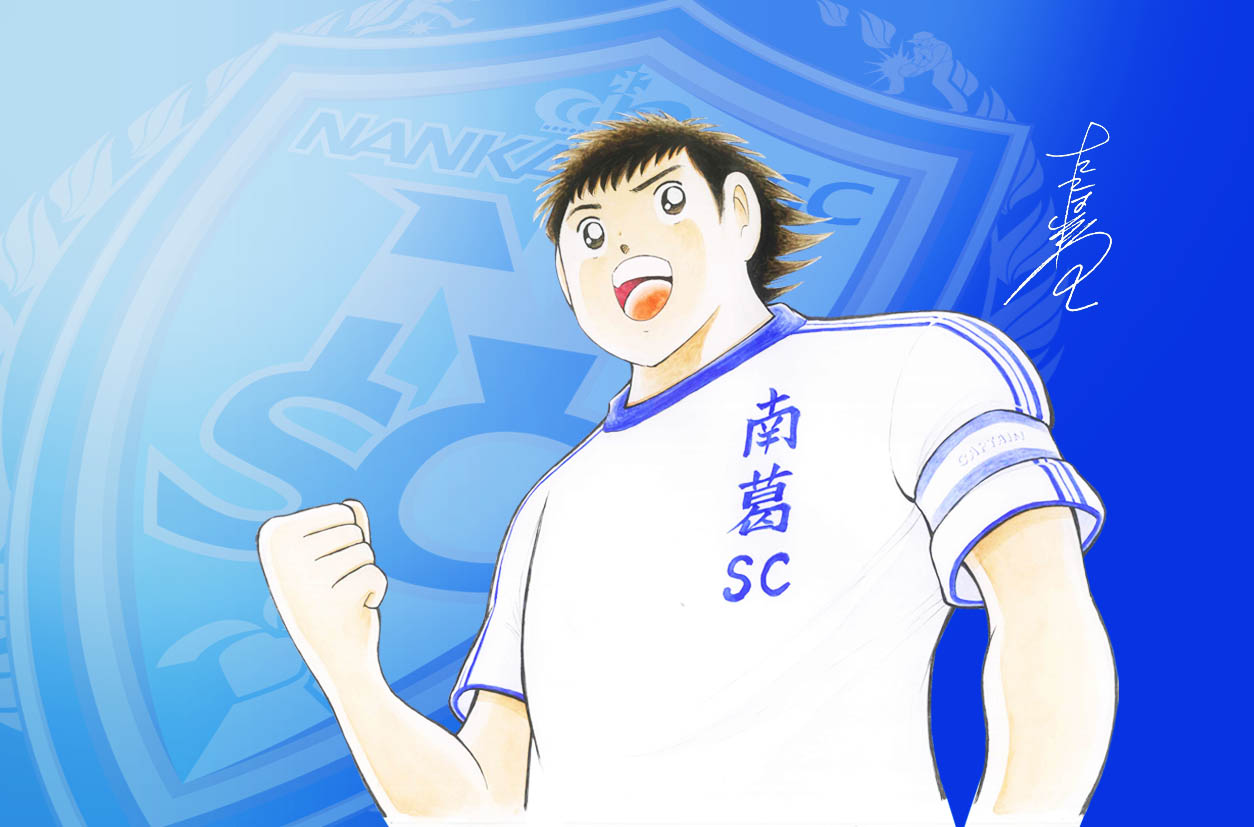
A compilation of famous players from "Captain Tsubasa" Nankatsu High School! Captain Ishizaki, Misaki, etc.
Here we have compiled a list of famous players from Nankatsu High School that appear in Yoichi Takahashi's soccer manga "Captain Tsubasa. Players such as Captain Ishizaki, Misaki, Nitta, Raise, Taki, Izawa, and Takasugi are introduced, including their positions, profiles, and activities in the manga.
Read Article
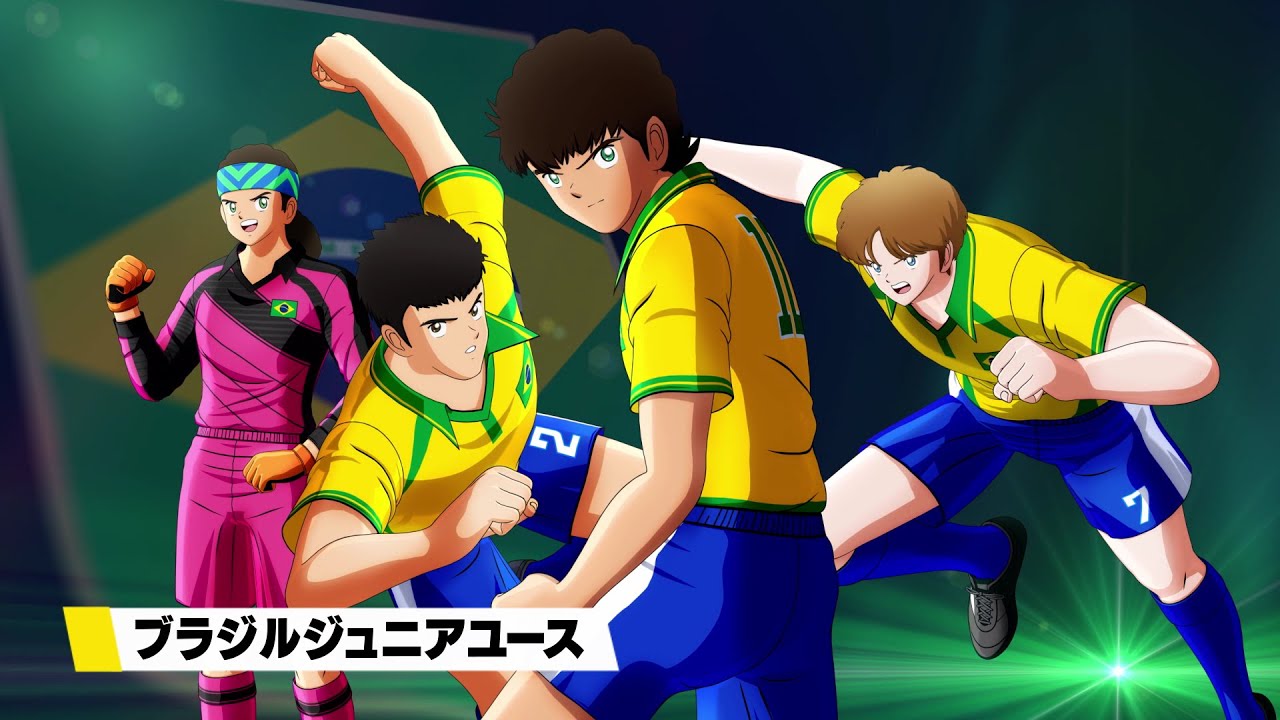
A summary of the strength of the Brazilian youth in the original "Captain Tsubasa"! Strong image of "Captain Tsubasa II Super Striker".
Here we summarize the strength of the Brazilian youth in the soccer manga milestone "Captain Tsubasa. Fans are impressed by the strength of Brazil Youth in "Captain Tsubasa II Super Striker" on the Famicom (NES). Even in the original work, Brazil Youth, positioned near the last boss, boasts exceptional strength.
Read Article
![Captain Tsubasa] Full of Toukkomi! A compilation of parody images.](https://renote.net/files/blobs/proxy/eyJfcmFpbHMiOnsiZGF0YSI6ODMzMTIyNywicHVyIjoiYmxvYl9pZCJ9fQ==--acc5baa5cd0a39c0652e22fad4196a0dc9d8e23e/172.jpg)
Captain Tsubasa] Full of Toukkomi! A compilation of parody images.
Captain Tsubasa" is the gold standard of soccer manga. While it is a world-famous work with many fans among active professional soccer players, it is also known for its many points of contention in its development and depiction. Here, we introduce a collection of "Captain Tsubasa" parody images. We hope you will enjoy the destructive power of these parodies, which will make your stomach muscles collapse.
Read Article
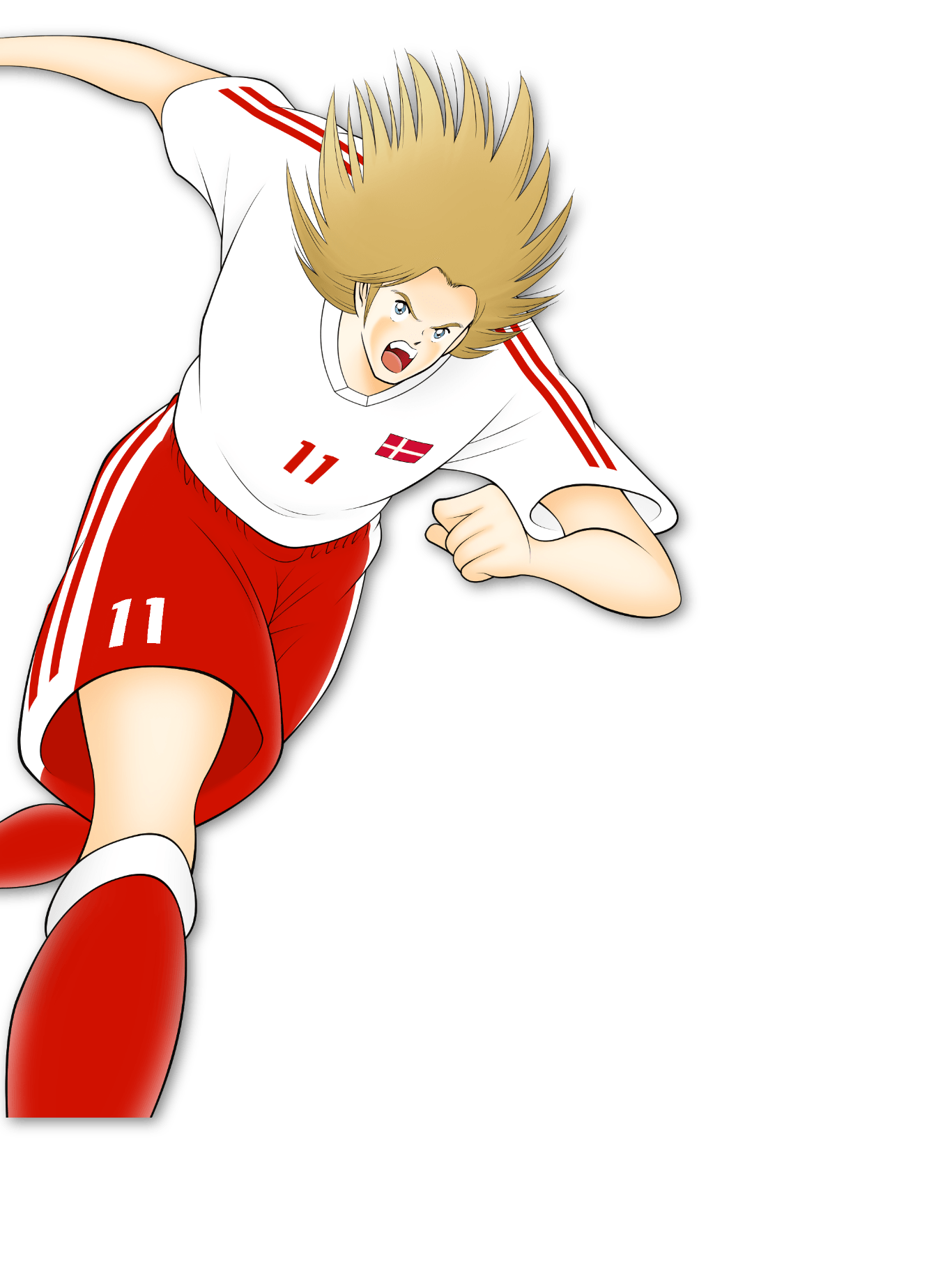
A compilation of powerful countries that appeared in "Captain Tsubasa GOLDEN-23" and "Rising Sun"! Denmark, etc.
Here we have compiled a list of powerful countries that appeared in the "Captain Tsubasa GOLDEN-23" and "Captain Tsubasa Rising Sun" series of the "Captain Tsubasa" soccer manga. The composition of Brazil's strongest team remains the same, but strong opponents such as Denmark, Nigeria, Paraguay, Thailand, and Saudi Arabia appear.
Read Article
(2) 《Vol.16〜30》Summary of 《Anime and Manga》Story Performers by DVD of "AMETTOKU
This is a compilation of "Ametalk" DVDs from vol.16 to vol.30. All the DVDs are 2-disc sets, and they also come with special bonus videos that have not been broadcast on TV.
Read Article
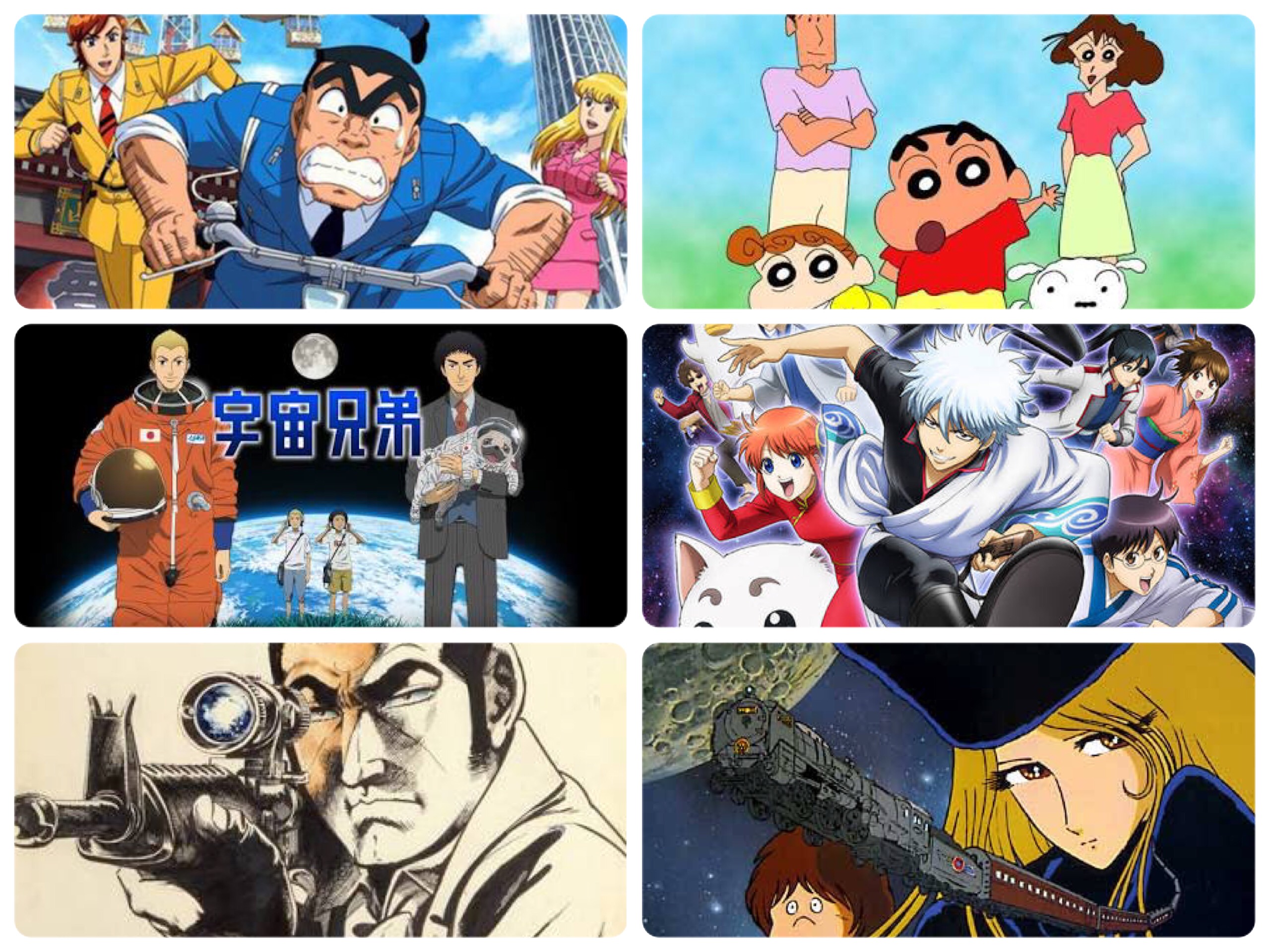
The Unknown Production, Birth, and Behind-the-Scenes Stories of Manga and Anime
This article introduces the creation, birth, and backstory of that manga/anime that is rarely known to the public, the industry, and even among fans.
Read Article
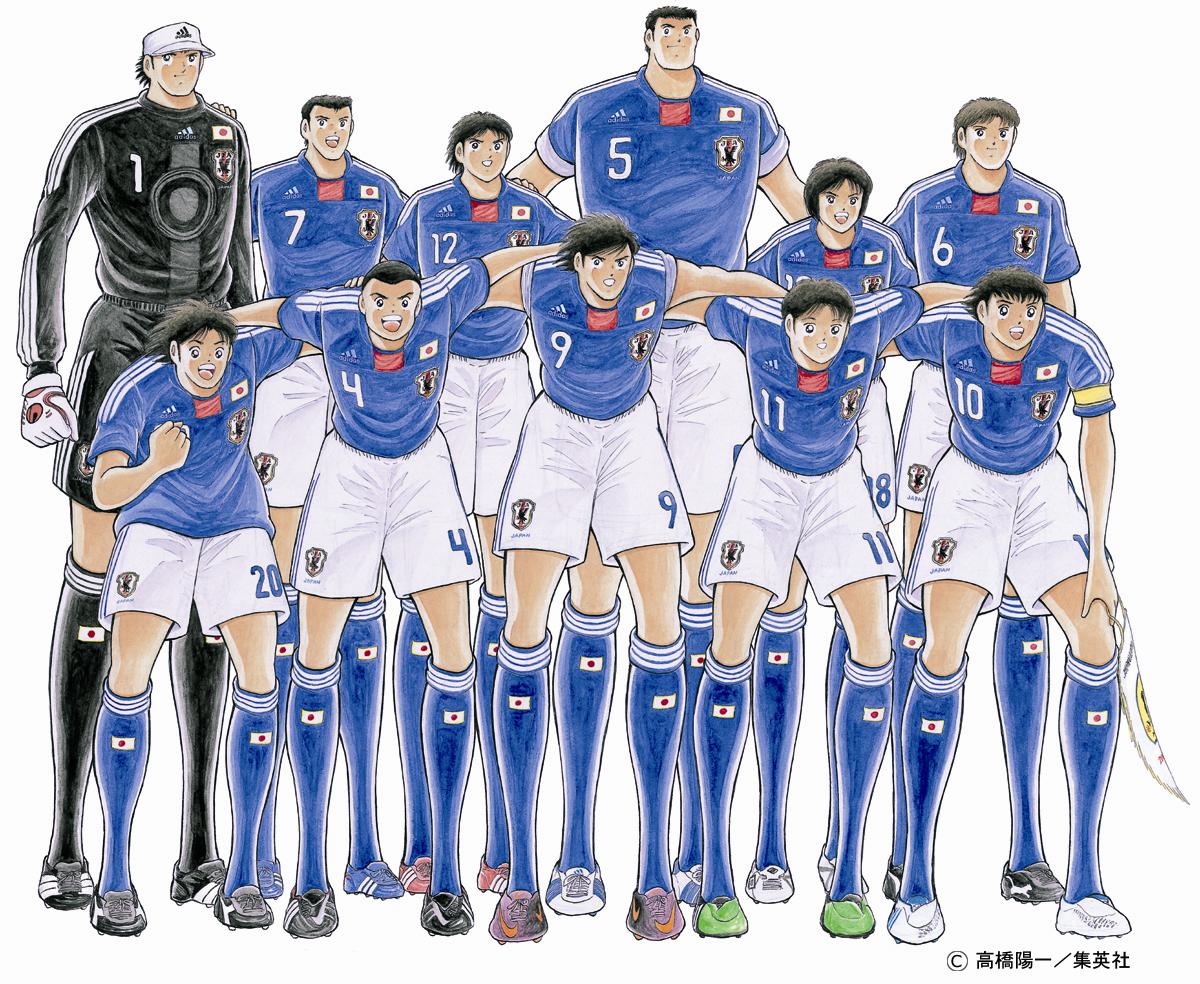
A summary of one of the most shocking moments in Captain Tsubasa
We have compiled a collection of shocking single frames found in the immortal manga "Captain Tsubasa". From Hyuga's dashing appearance with chains wrapped around his body to correct his balance, to the overly innovative play he showed during a game, we'll be introducing more and more shocking one-frame images that you can't help but laugh at!
Read Article
A summary of the overseas rivals that appeared in the "Captain Tsubasa" movie version! Differences from the original are also introduced.
Here we compile a list of international super-players who appeared in the film version of Yoichi Takahashi's soccer manga "Captain Tsubasa". Characters such as Karl-Heinz Schneider, El Cid Pierre, Steve, and Hefner are introduced, as well as differences from the original work.
Read Article
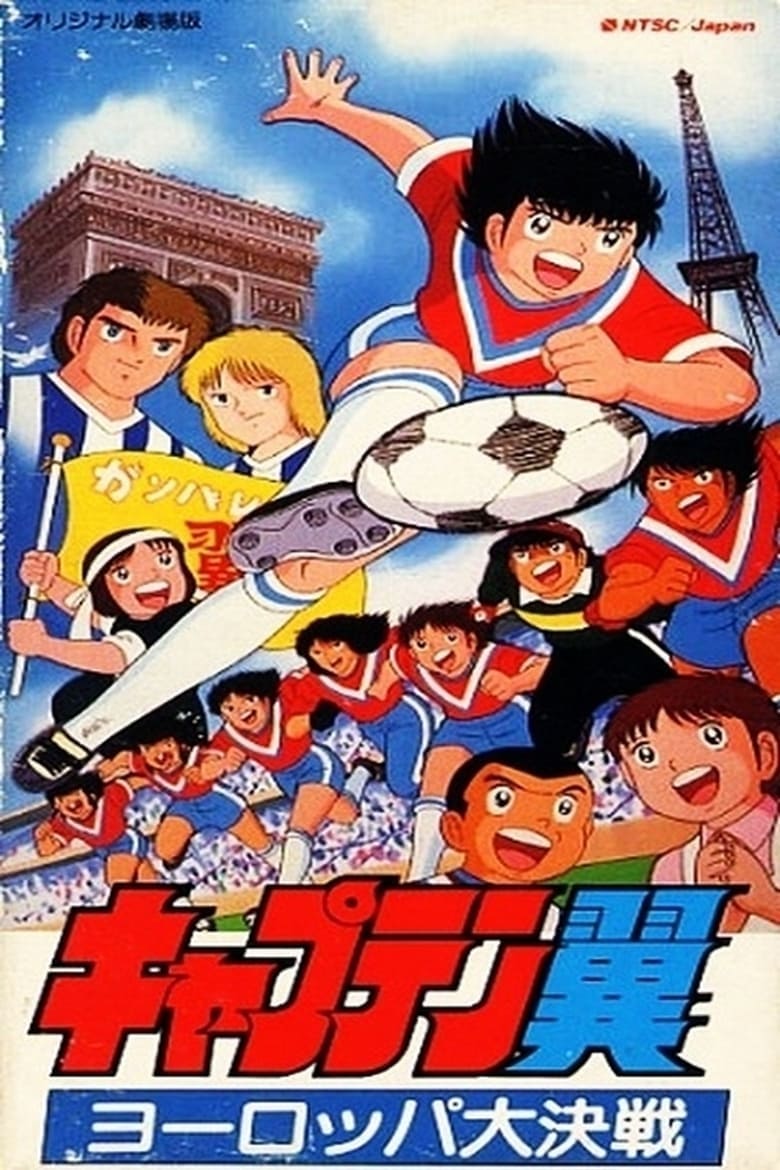
Summary of the movie "Captain Tsubasa: The Great Battle of Europe" and its characters.
Here we summarize the synopsis, story, characters, and characters of "Captain Tsubasa: The Battle of Europe," the film version of the soccer manga "Captain Tsubasa," a milestone in soccer manga. The story centers on the main character, Tsubasa Ozora, and the All-Japan Boys Selected Team as they go on an overseas expedition to fight strong overseas opponents.
Read Article
Soccer World Cup: Reality catches up with "Captain Tsubasa" [Birdcage, Offside Trap, Overhead].
A popular technique from the soccer manga "Captain Tsubasa" has appeared at Soccer World Cup 2018. With developments similar to the "birdcage," "offside trap," and "overhead," soccer fans are buzzing that not only the techniques, but also the players' abilities are getting closer to Captain Tsubasa's.
Read Article
The Real Tachibana Brothers! A compilation of twin Japanese soccer players
The Tachibana Brothers, characters from the soccer manga "Captain Tsubasa," are twin players whose acrobatic combination play is very attractive. In fact, there are many twin soccer players in the real world. Here is a list of twin players in the Japanese soccer world.
Read Article
Tags
Contents
- Overview of "Legends of Sho"
- The plot and story of "Sho no Densetsu"
- A hundred and a hundred serves
- Separation from Father and Legend
- All-Japan Jr. Championship in 5 years
- Characters in "Sho no Densetsu"
- Main character's family and associates
- Takamizawasho / Asukasho
- Ryō Takamizawa
- Keiko Takamizawa
- Akira Muramatsu
- Muramatsu tane
- Kōji Asuka
- Sho's rivals
- Shiratori Ken
- Jun Shiratori
- Okunojin
- Takeshi Maruma
- Toma Mukai
- Susaki
- Terms used in "Sho no Densetsu"
- Wimbledon
- Serve and volley
- Words, lines, scenes, and scenes from "Sho no Densetsu"
- This is the story of the half-life of a young man named Kakeru, the first Japanese to make his name deeply known in the history of tennis.
- Sho: "I did it, Tochan! My serve went 100 times to 100!"
- THE STORY OF SHO HAS JUST BEGUN.
- Behind the Scenes, Trivia, and Small Stories / Episodes and Anecdotes of "Sho no Densetsu"
- Many of the plots have not been recovered
- A demonic father
- Second edition of "CAPTAIN Tsubasa"