
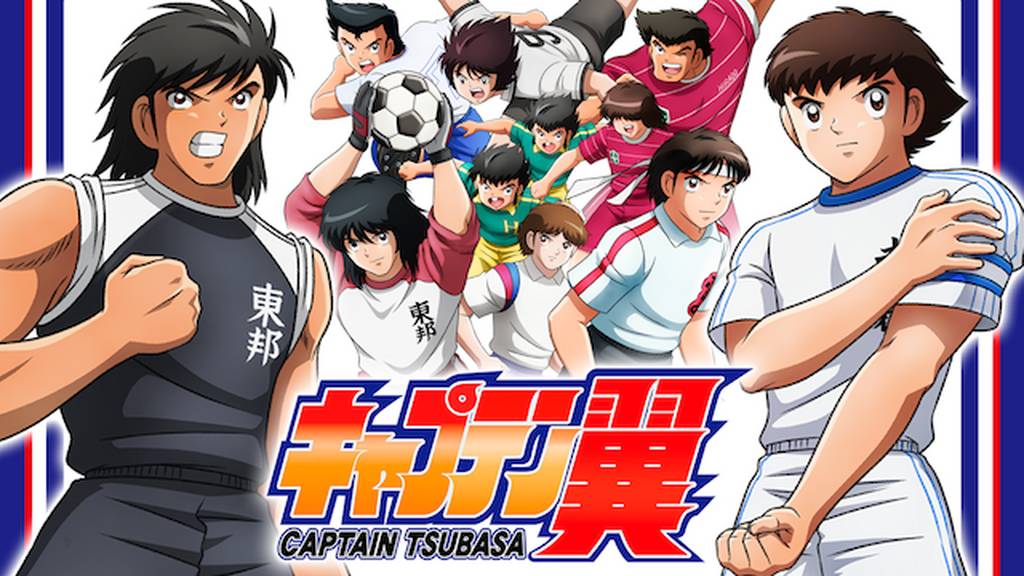
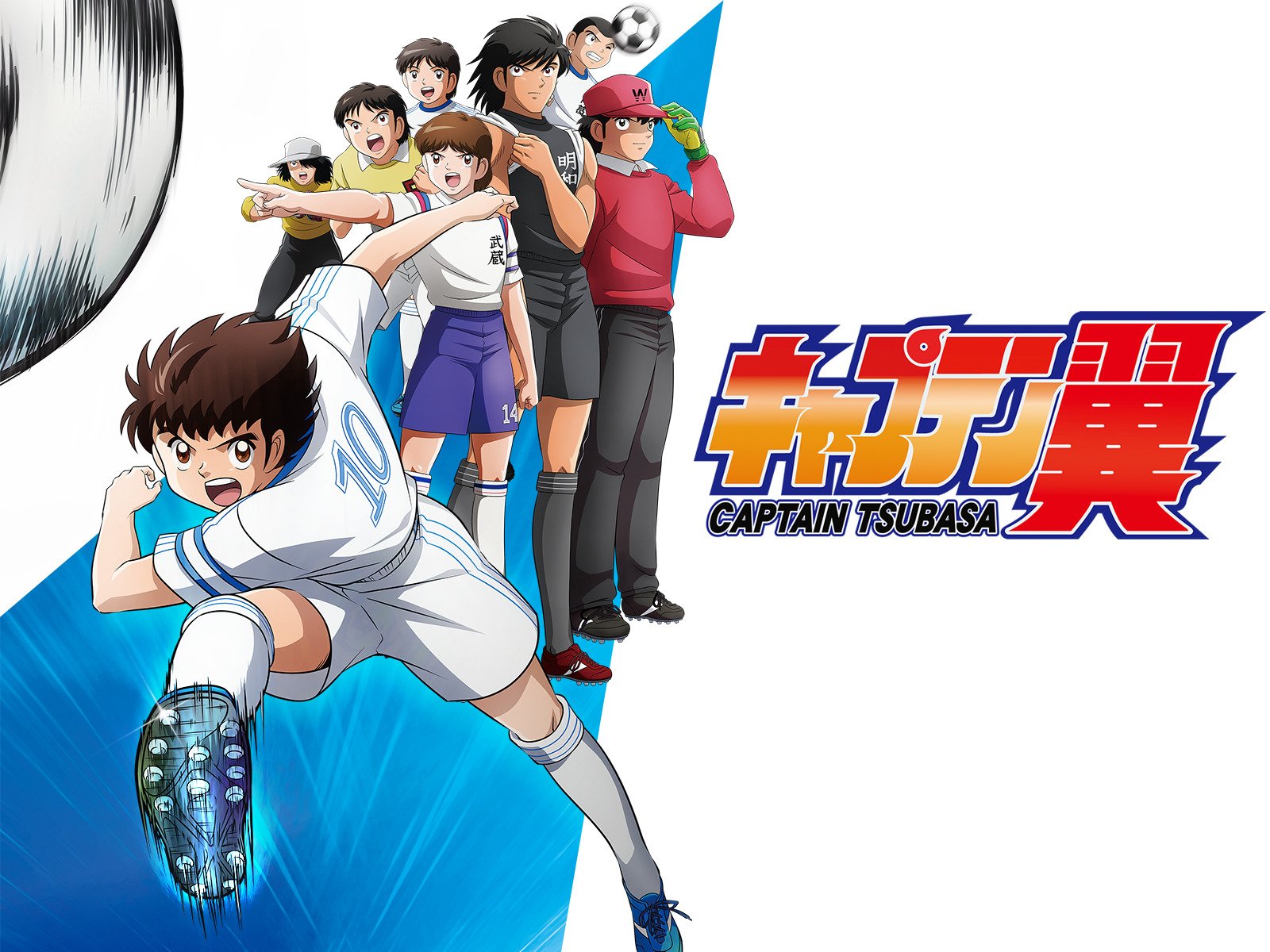
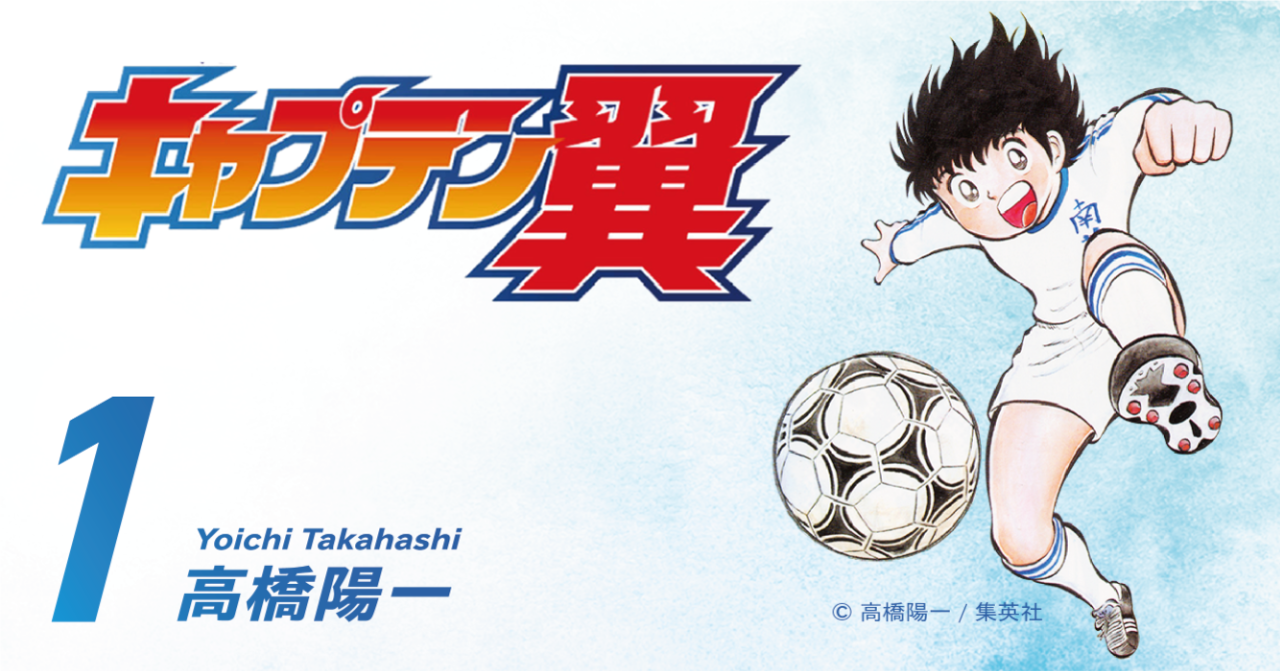
Captain Tsubasa" is a soccer manga by Yoichi Takahashi. It has been made into an anime and is popular among soccer fans around the world. The manga depicts the main character, Tsubasa Ozora, as he takes on the world through soccer. The main character, Tsubasa Ozora, meets new soccer friends and grows through friendly competition with his rivals. Unique characters with different characteristics appear one after another. The story is a long-running favorite of readers since its serialization in Weekly Shonen Jump.
Outline of "Captain Tsubasa
Captain Tsubasa" is a manga series by Yoichi Takahashi that ran in Weekly Shonen Jump from 1981 to 1988, and was made into an anime in 1983, spurring its popularity. The work is loved around the world and has been translated into 20 languages, and as of November 2007, the total number of copies of the book and paperback editions sold in Japan exceeded 70 million. Many professional soccer players, both in Japan and abroad, have been influenced by "Captain Tsubasa," and the work has laid the foundation for soccer in Japan.
The main character, Tsubasa Ozora, is a soccer fanatic who has spent his entire life with a soccer ball as his "ball is my friend." He meets and confronts Genzo Wakabayashi, who is said to be a genius goalkeeper. This encounter leads him to meet Roberto Hongo and his teammates from Nankatsu SC, and he devotes himself to soccer. Aiming to win the national championship, he meets rivals such as Kojiro Hyuga, Hikaru Matsuyama, and Jun Misugi, and grows through friendly competition. These rivals become Japan's representative team, and their challenge to the world has become the dream of every young boy. In addition to the powerful games in which special moves are unleashed, the friendship, growth of the characters, and romance that are gained through soccer are also highlights of the story. The refreshing style of the manga conveys the fun of soccer, and has been accepted by many readers as a new style that replaces the traditional sports manga with themes of "effort" and "perseverance," and remains popular to this day.
Words of wisdom and famous lines / famous scenes and famous scenes of Tsubasa Ozora
Balls are friends, don't be scared.
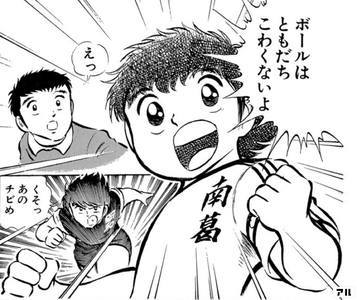
Tsubasa (center of screen) telling Morisaki (top left of screen)
After taking a shot by Meiwa FC's Kojiro Hyuga in the face, Nankatsu SC goalkeeper Yuzo Morisaki became afraid of soccer balls and could no longer take even loose shots. In such a situation, his teammate and captain Tsubasa Ozora intentionally took an enemy's shot with his face and prevented him from scoring. Afterwards, he said, "The ball is my friend, don't be afraid. Tsubasa, a young soccer player, says that by treating the ball as a friend, instead of fearing it, it will no longer hurt or frighten him, and he is telling his friends that soccer is an interesting sport to enjoy with friends. This incident led Morisaki to become more proactive in stopping shots.
Soccer is not a game, it's my dream!
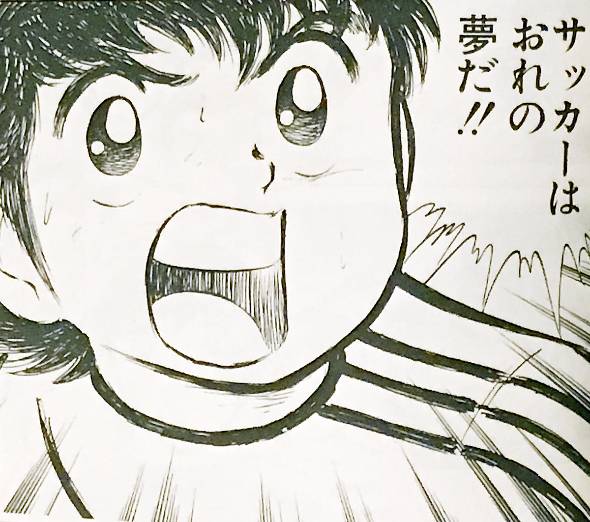
Meiwa FC's Hinata, who plays soccer to win at all costs, outplayed Tsubasa by force and exclaimed, "This is not your playground soccer! he exclaims. Tsubasa, angered by being told that soccer, which is his "dream," is "just for fun," retorts to Hinata. The line he says is "It's not a game, soccer is my dream! It's a dream! Soccer is fun and exciting. However, in Tsubasa's mind, soccer is not a hobby or a pastime, but a "dream. It is a great line that shows Tsubasa's strong will to never lose in order to continue to play soccer and pursue his "dream.
Not yet!" We mustn't decide the time of the game ourselves! We must give our all in the game, even down to the last 0.1 second until the referee's huehuehuehuehuehuehuehuehuehuehuehuehuehuehuehue!
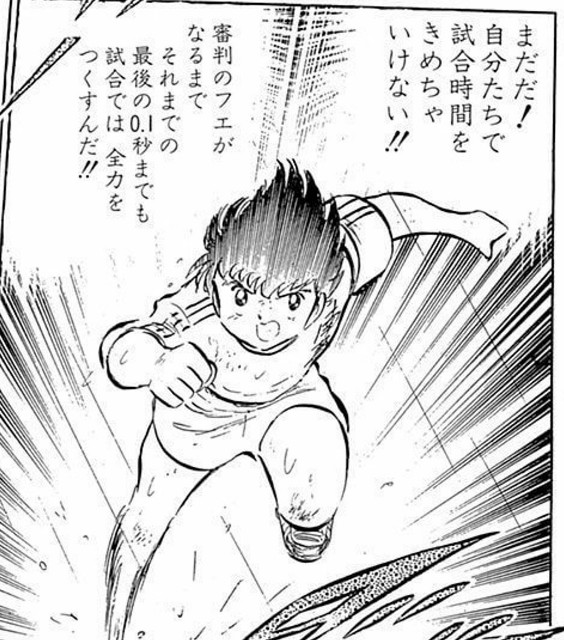
A match against Musashi FC, led by Jun Misugi. With the score tied and only a few minutes remaining, everyone thought the game would go into overtime. However, Tsubasa was the only one who had not given up yet. His line was, "Not yet! We mustn't decide the time of the match ourselves! We must give it our all in the match, even down to the last 0.1 second before the referee's call! The first line was, "We must not decide the time of the game by ourselves! The fact that the time is 0.1 second instead of 1 second is a great line that emphasizes the feeling of "until the very end.
My drive shot... Wings to the sky!
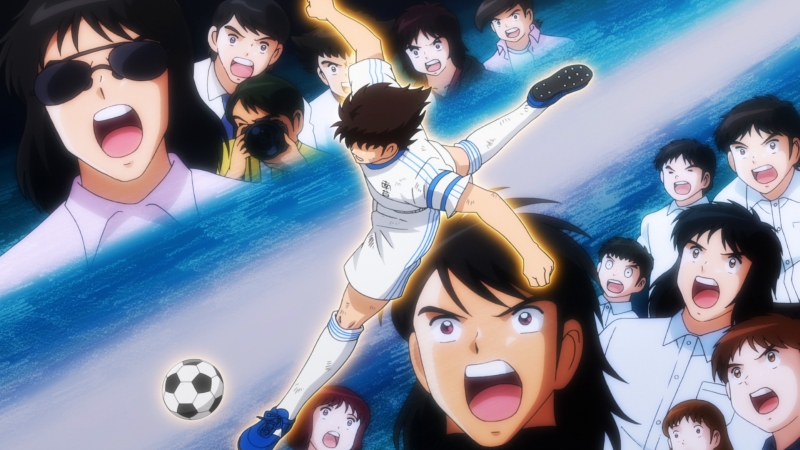
Wings kicking a big ball (center of screen)
Tsubasa was trying to master the drive shot, which is difficult for junior high school students to master, and was making many mistakes as he tried. He had written about the drive shot in a notebook entrusted to him by Roberto Hongo, and he was determined to perfect the shot and travel to Brazil. And, without having mastered the technique, he challenges the national junior high school soccer tournament to win the championship for the third year in a row. In the meantime, they were trailing by three points against Hirado Junior High School, and everyone was aware that Nankatsu Junior High School, led by Tsubasa, was going to lose. In order to win, Tsubasa thought he had no choice but to challenge his unfinished drive shot, and his line was "My drive shot... Wings to the sky!" The ball was kicked with a strong feeling. The ball was kicked with a strong feeling, and the ball was driven into the goal. By completing the drive shot, Tsubasa was able to fulfill his dream of winning his third consecutive championship. It is a great line that Tsubasa's feeling led him to success.
I don't care if I die in this fight!
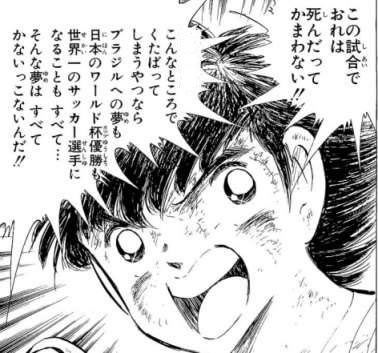
In the final match of the junior high school soccer tournament between Nankatsu and Toho Gakuen, Tsubasa was not in good shape due to shoulder and leg injuries. Tsubasa's life in soccer is long, so when the doctor suggested that Tsubasa leave the game, Tsubasa said, "I don't care if I die in this game! I don't care if I die in this match! It is clear that Tsubasa has a strong feeling that Japan cannot win the World Cup in the future if he cannot fulfill the goal in front of him and take it seriously. It may be a small junior high school soccer tournament, but for Tsubasa, the goal of winning three consecutive national championships is a "dream," and this line shows that he is playing with the passion to make this "dream" come true and go to Brazil.
Let's take our anger out on the ball."
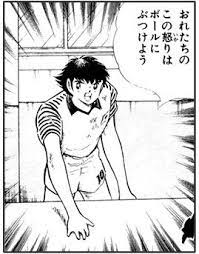
The Japanese national team has been losing a series of practice matches just before the World Youth Championships. When the Italian national team learned of this, they "abstained" from the practice match against Japan. This meant that it was a waste of time for Italy to play a match against the Japanese national team. Tsubasa and the other members of the Japanese team were outraged when they learned of this. Tsubasa then said, "Let's take our anger and put it on the ball. This is a powerful scene in which Tsubasa transforms his anger into energy, and he is furious with the team members. Tsubasa is usually mild-mannered, but because of his love for soccer, his feelings toward soccer are more passionate than anyone else's. By transforming his anger into energy by hitting the ball with it, the Japanese national team will make even greater strides in the future.
If we work 1.1 times harder, we can cover for one with 10 people."
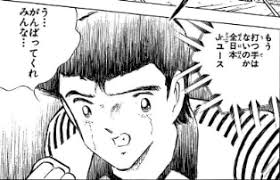
In Japan's match against France, defender Makoto Hayata (Makoto Soda) was sent off with a red card. From this point on, the team had to play with 10 players, which made the match very difficult. Tsubasa said to his discouraged teammates, "If you work 1.1 times harder, 10 players can cover for one. For the sake of Hayata, who was sent off, the rest of the team members were inspired to work harder than anyone else. It is a great line that shows Tsubasa's feeling of fighting while emphasizing teamwork, which is typical of Tsubasa, the captain of the Japanese national team.

Related Articles
Captain Tsubasa (Captain Tsubasa) Spoiler Commentary and Discussion Summary
Captain Tsubasa" is a soccer manga and anime series by Yoichi Takahashi, serialized in Weekly Shonen Jump, Weekly Young Jump, and Grand Jump since 1981. The main character, Tsubasa Ozora, grows and develops through friendship with his teammates and fierce battles with rivals, mainly depicting his soccer life. The series has sold more than 70 million copies in Japan and has been published in about 20 countries and regions, including France and Italy.
Read Article
A compilation of characters with different names from the popular manga Captain Tsubasa! Tsubasa Ozora is the "poster child of soccer"!
The popular soccer manga "Captain Tsubasa" has many characters and characters who have aliases. Here is a list of those characters and their aliases. Some of them are combination names or names of techniques, so if you are interested in them, please check them out.
Read Article
Profile and career summary of Jun Misugi, the nobleman of the field in "Captain Tsubasa! After overcoming heart disease and beyond.
This section summarizes the profile and career of Jun Misugi, the "Prince of the Field" in Yoichi Takahashi's soccer manga "Captain Tsubasa. In the elementary school version, Jun Misugi was a dominant player over the main character Tsubasa, but was slowed down by a heart ailment he was suffering from. In the junior high school version, he devoted himself to the treatment of his illness, and in the junior youth version, he was active as a coach and player.
Read Article
Captain Tsubasa": Profile and Biography of Hikaru Matsuyama, the North Sea Eagle [Yoichi Takahashi].
This section summarizes the profile, character profile, history, and activities of Hikaru Matsuyama, the "Hokkai no Arawashi" (North Sea Eagle) in "Captain Tsubasa," the milestone soccer manga by Yoichi Takahashi. He is a leader who has served as captain of Furano Elementary School and Furano Junior High School, and is also characterized by his outstanding hard work ethic in the manga.
Read Article
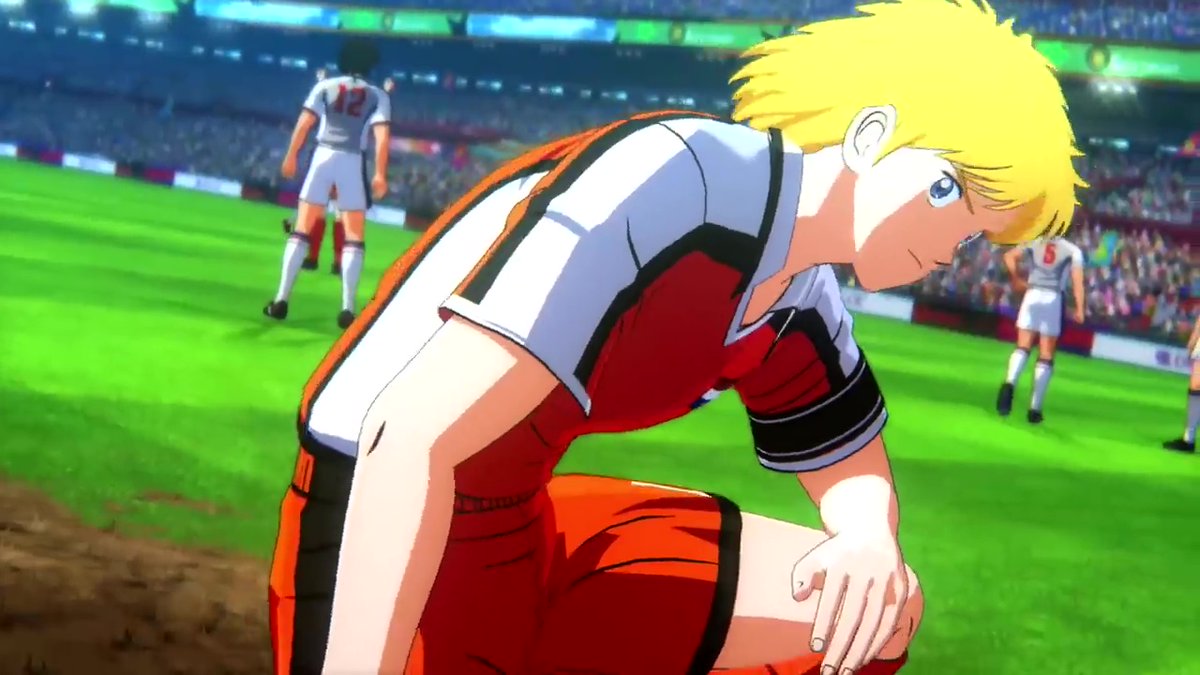
Profile and biography of "Captain Tsubasa" master of faking, Brian Kleifort of the Netherlands.
Here is a profile and biography of Brian Klyfort, the "true captain of the Dutch youth team" and "master of fakes" who appears in the legendary soccer manga "Captain Tsubasa. Although there was a lot of mysterious foreshadowing in the manga, the full extent of his abilities was never revealed because the series was discontinued.
Read Article
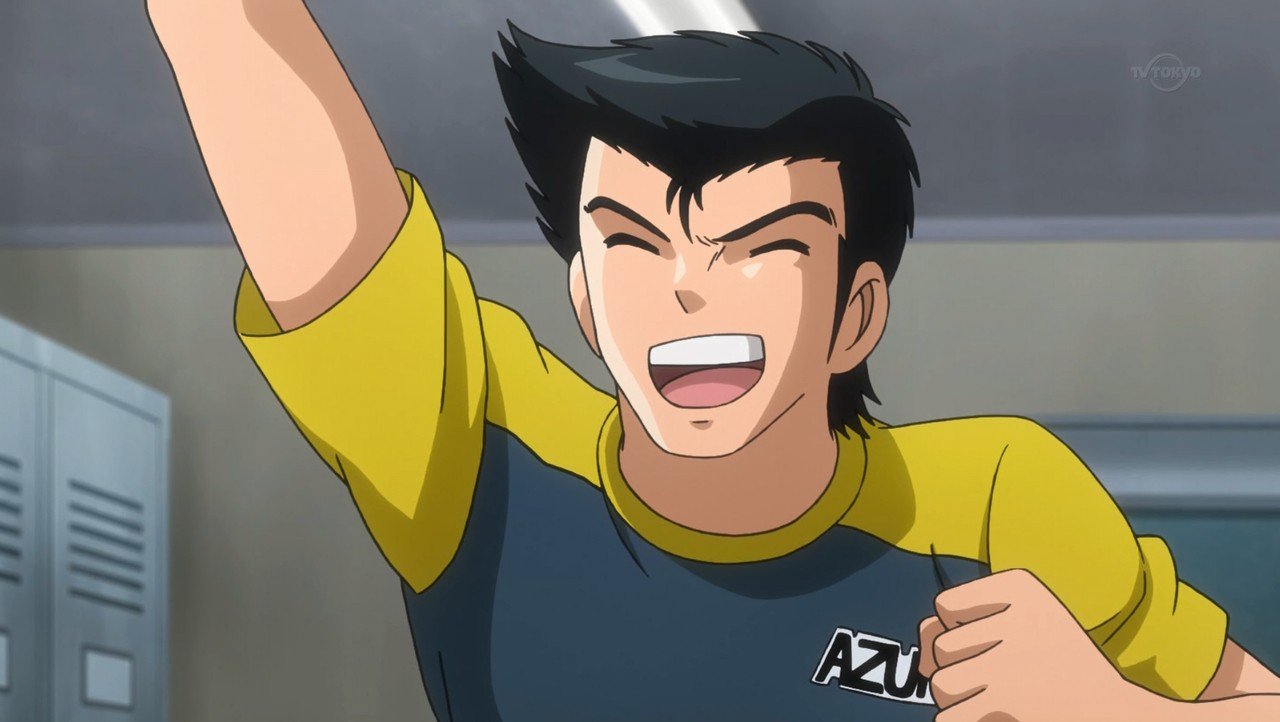
Profile and summary of Makoto Hayata, the "Ace Killer" of "Captain Tsubasa"! Commonly known as a razor fighter
This section summarizes the profile and activities of Makoto Hayata, a player who appears in the popular soccer manga "Captain Tsubasa. Known as the "ace-killer" or "razor fighter," Hayata marks Tsubasa Ozora thoroughly and torments him in matches. His special move is the "razor shot.
Read Article
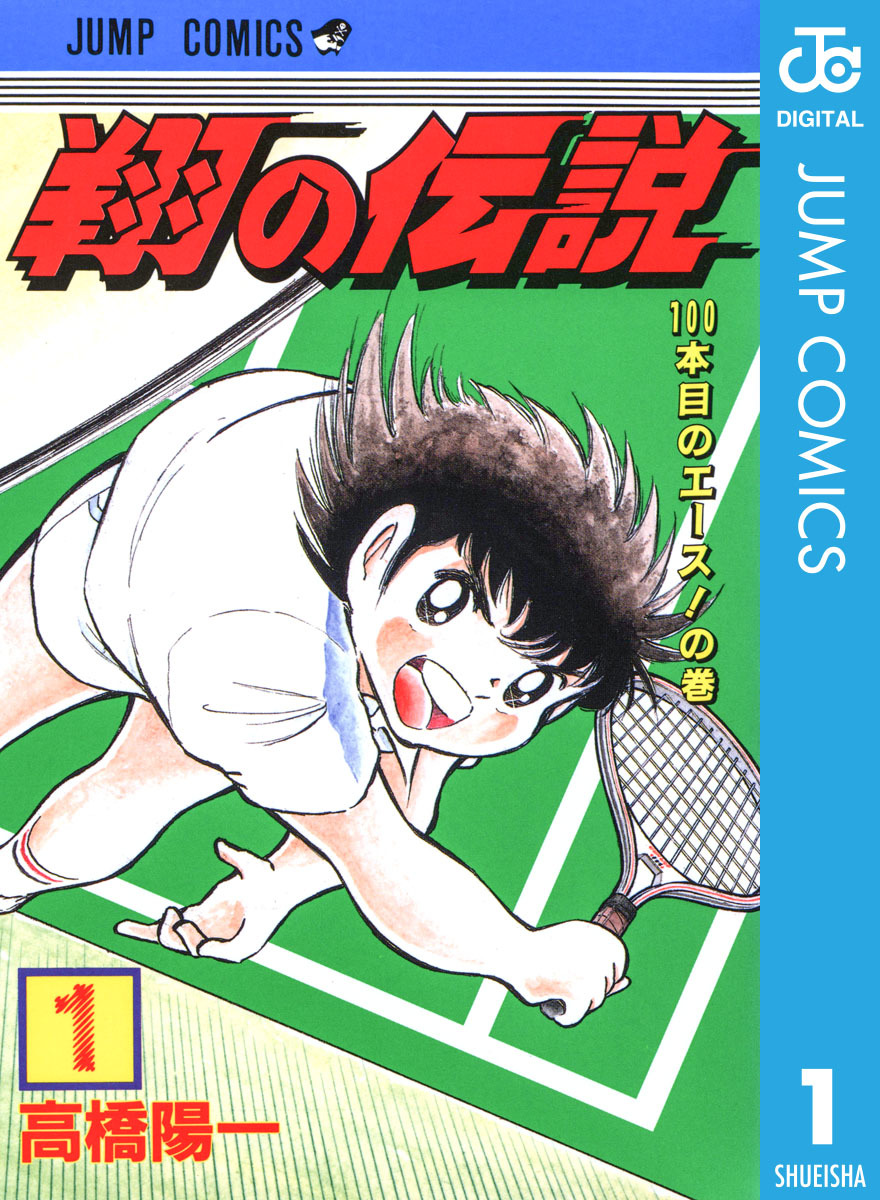
Spoiler commentary and discussion of The Legend of Sho (Yoichi Takahashi)
The Legend of Sho" is a sports manga about tennis by Yoichi Takahashi, the original author. It was serialized in Shueisha's Weekly Shonen Jump from 1988 to 1989. The manga was published in three volumes in the Jump Comics series. It was a highly anticipated work by Yoichi Takahashi after his hit "Captain Tsubasa. The story depicted the life of a Japanese man named Sho Takamizawa, who would go on to make his mark on tennis history. The story depicted the relationship between Sho and his father, who was betting on tennis, but the series was quickly cancelled.
Read Article
Why "Captain Tsubasa" is no longer a "masterpiece"...? Why "Captain Tsubasa" has turned into a bad work
Captain Tsubasa" is a classic manga known for its depiction of friendship and the growth of boys who strive to play soccer. The manga appeared at a time when the J-League did not yet exist, and it helped spark the subsequent soccer boom in Japan. It is said that many players in Japan and abroad are also fans of the manga, but despite its great popularity, there are some who say that the manga has become "boring. Why is this? We have summarized the reasons in this article, so if you want to know the reasons, please continue on.
Read Article
![Weekly Shonen Jump] Manga from the late 80's to the mid 90's [Golden Age].](https://renote.net/files/blobs/proxy/eyJfcmFpbHMiOnsiZGF0YSI6MjM4ODkzLCJwdXIiOiJibG9iX2lkIn19--cc2dd65e70fb4742d9b63b02febb4cbc447f7095/db19ee5b.jpg)
Weekly Shonen Jump] Manga from the late 80's to the mid 90's [Golden Age].
Manga from the Golden Age of Jump (manga started in the late 80's to mid 90's) are summarized here.
Read Article
A collection of images from Captain Tsubasa! Both soccer and gags are interesting!
Although the manga "Captain Tsubasa" boasts worldwide recognition and has many fans, it actually has an aspect of being a gag manga. It is simply funny in its drawings, and it takes turns that would be impossible in real-life soccer, and it makes readers laugh. Here we have compiled a list of funny scenes and gag images from "Captain Tsubasa.
Read Article

Bokete" - A collection of images of excellent answers to the "One Word in Pictures" bokete question and answer contest.
This is a list of images of excellent answers in "bokete," a popular "photo-word" comic strip. In addition to "bokete," we have also compiled a list of images and blurbs posted on SNS and other social networking sites. We hope that this article will help you find a little bit of laughter hidden in your daily life.
Read Article
A compilation of international soccer players who like "Captain Tsubasa" too much [Captain Tsubasa].
The soccer manga and anime "Captain Tsubasa" is loved not only in Japan but also around the world, and has many fans among players active in the professional world. Here we have compiled comments and episodes from overseas soccer players showing their love of Captain Tsubasa.
Read Article
Summary of jump characters that weakened as soon as they became allies.
Characters that are weakened as soon as they become allies are, of course, a common story. Even in anime, manga, and video games, behind-the-scenes adjustments often result in the character being sidelined as a member of the main team, and if he or she is not good enough, he or she may become a standby or recovery character forever. With this fact in mind, we have decided to focus on Jump characters and summarize their sad reality with illustrations.
Read Article
Cartoons with a lot to go into.
While most people think of manga as easy to read and easy to understand, the manga we present here are 120 minutes of fun and insightful manga! Let's give them a good poke at the manga that are both enjoyable and poke-able. The compositions are funny, the characters are funny, and the things they do are funny.
Read Article
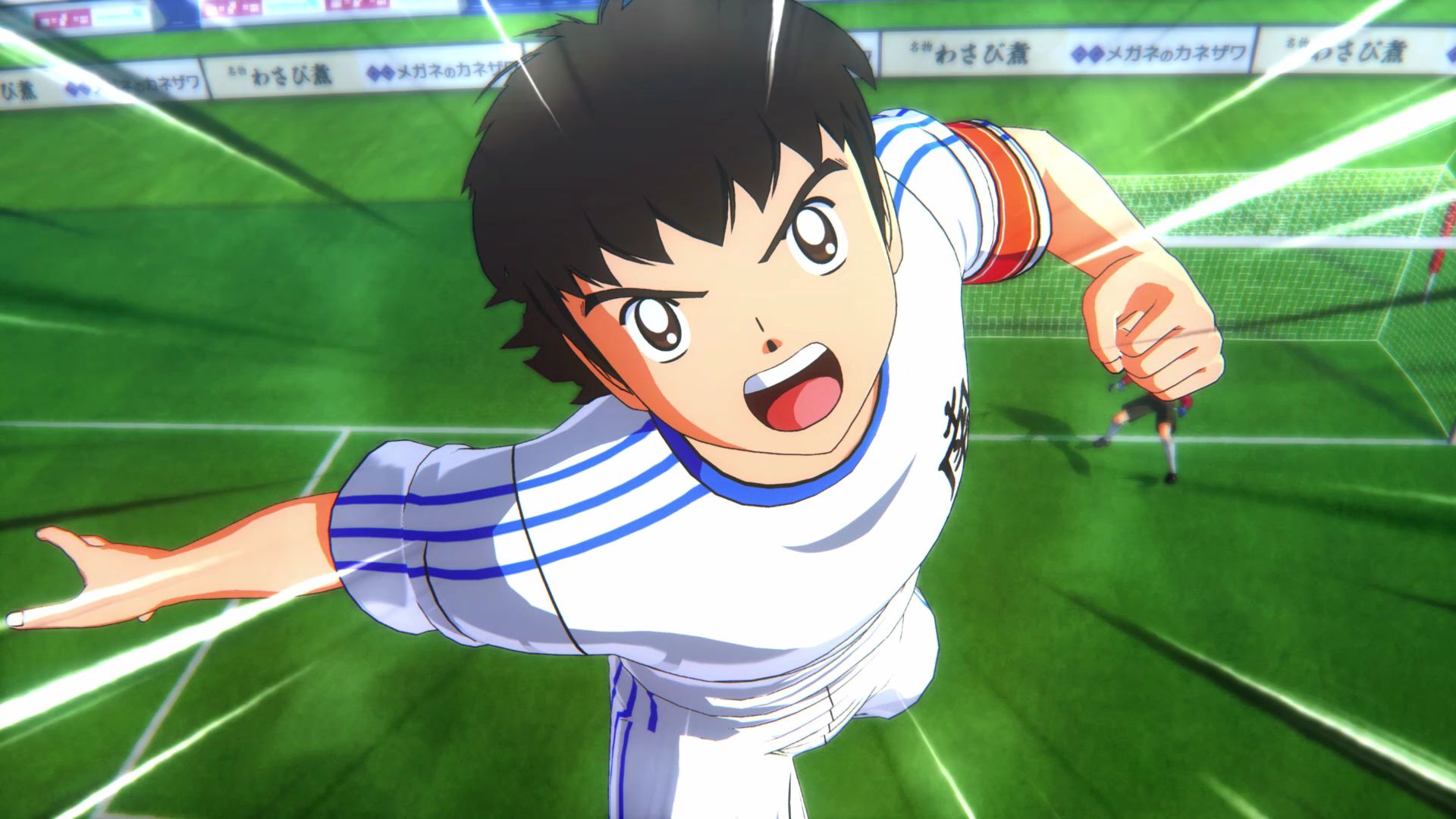
Captain Tsubasa Rising Sun" introduces the 23 characters of Japan's national team for the Madrid Olympics! Tsubasa Ozora, etc.
Here we have compiled a list of the 23 members of the Japanese national team for the Madrid Olympics, which will be held in the "Captain Tsubasa Rising Sun" series of the "Captain Tsubasa" soccer manga. The main character, Tsubasa Ozora, goalkeeper Genzo Wakabayashi, forward Kojiro Hyuga, and others are introduced.
Read Article
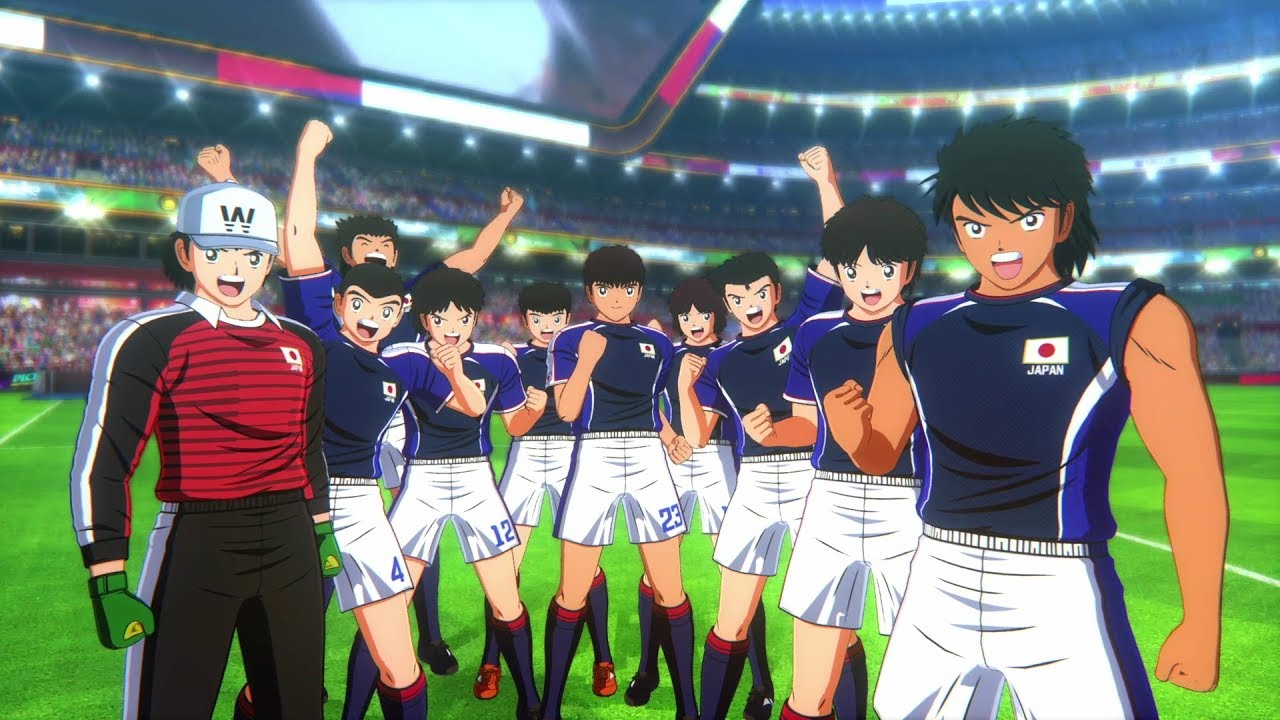
A compilation of bad special moves from the legendary soccer manga "Captain Tsubasa
Yoichi Takahashi's soccer manga "Captain Tsubasa" brought a soccer boom to Japan, and is so famous that some people say it inspired them to become professional players. The manga is both a sports comic and a gag, with the occasional outrageous special move.
Read Article
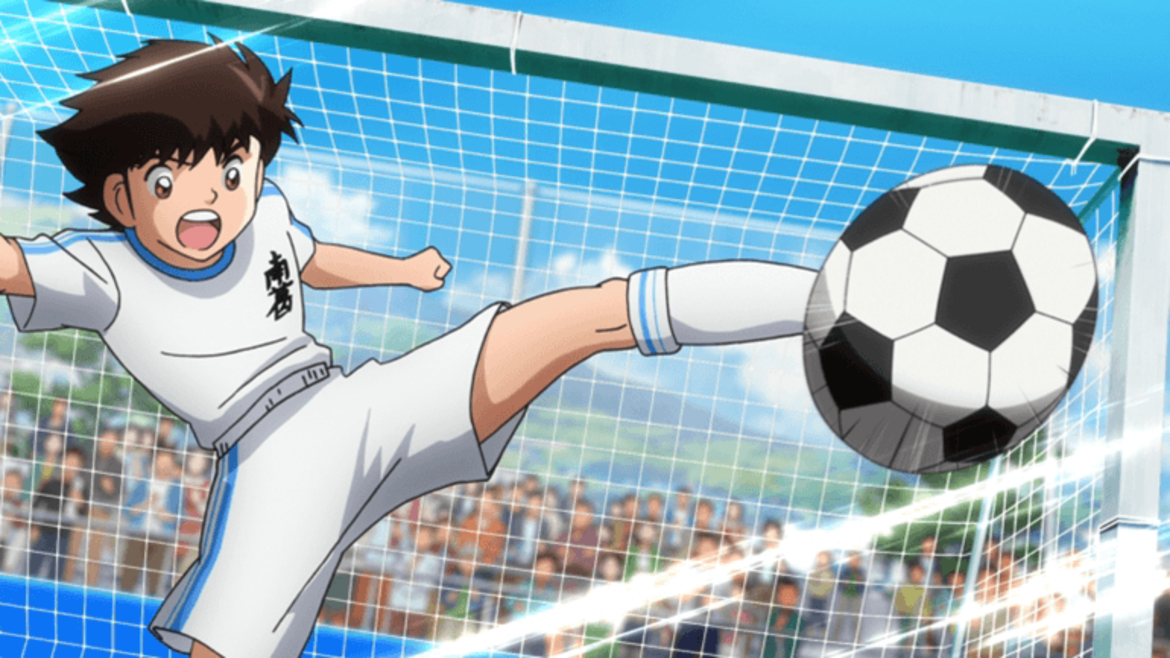
Images of the legendary soccer manga "Captain Tsubasa! The manga is full of unbelievable heads and techniques, and is considered a "gag manga" by some.
The legendary soccer manga "Captain Tsubasa," which sparked a soccer boom in Japan and has many fans among professional players, is actually also a gag manga. The characters' extreme heads, impossible shots, and many other scenes that make you laugh even though the characters are serious. Here we have compiled such images of Captain Tsubasa.
Read Article
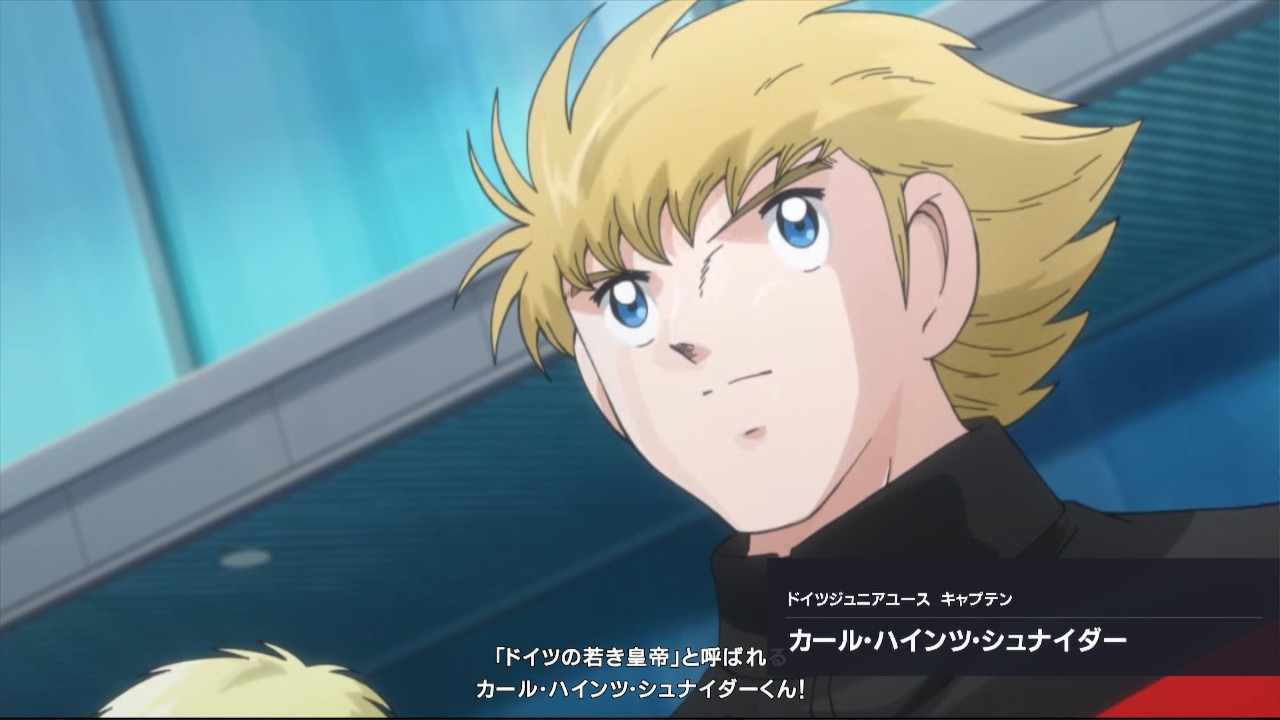
A compilation of characters who have been unfairly treated in Captain Tsubasa! Karl Heinz Schneider, etc.
Here we have compiled a list of characters in the historical soccer manga "Captain Tsubasa" who have been treated unfavorably. Karl Heinz Schneider, who was the last boss of the junior youth version, and Ken Wakashimazu, who is a representative of the "strong as an enemy but shabby as an ally" character, are introduced.
Read Article
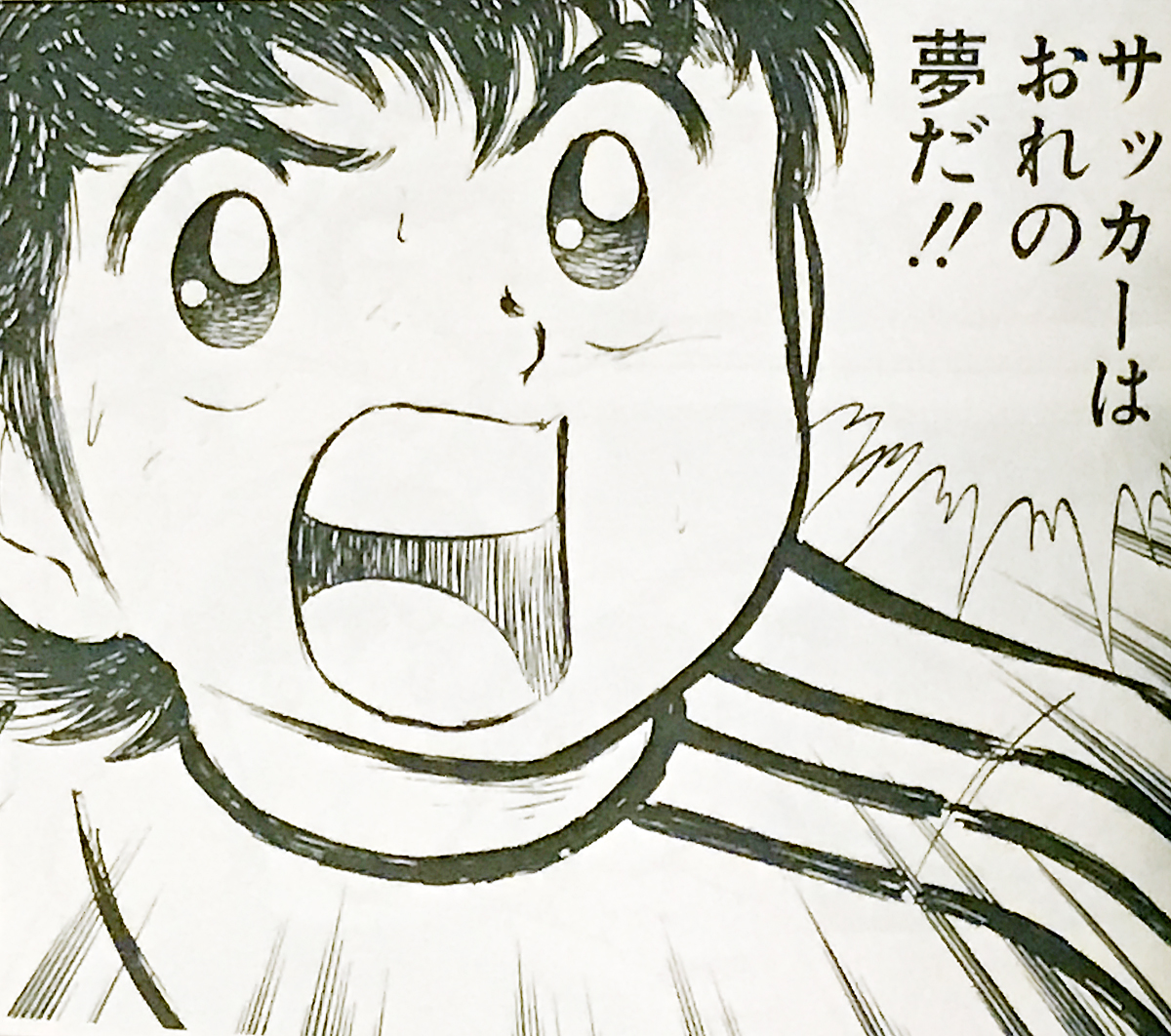
A compilation of soccer players who love "Captain Tsubasa
Yoichi Takahashi's legendary soccer manga "Captain Tsubasa" triggered a soccer boom and was so influential that some of its loyal readers later became professional soccer players. Captain Tsubasa fans are not limited to Japan; many overseas players are also readers.
Read Article
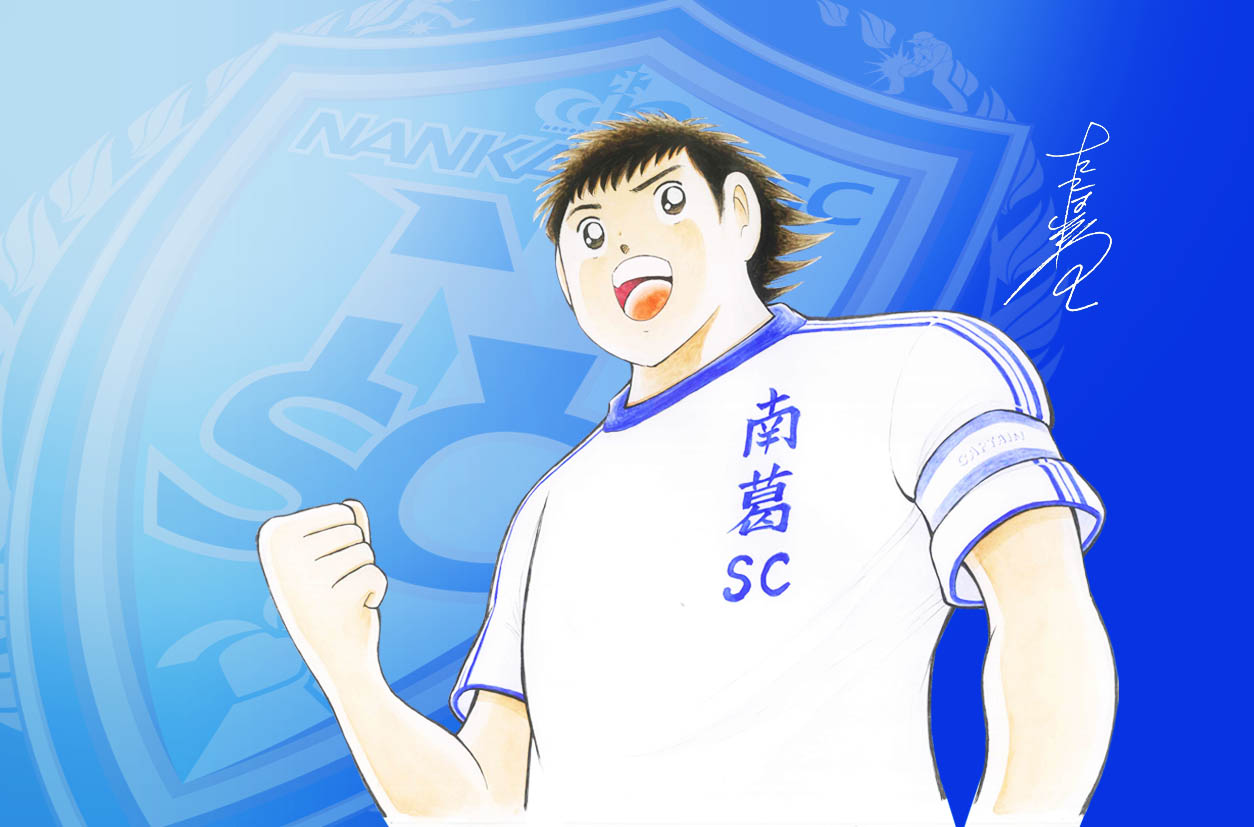
A compilation of famous players from "Captain Tsubasa" Nankatsu High School! Captain Ishizaki, Misaki, etc.
Here we have compiled a list of famous players from Nankatsu High School that appear in Yoichi Takahashi's soccer manga "Captain Tsubasa. Players such as Captain Ishizaki, Misaki, Nitta, Raise, Taki, Izawa, and Takasugi are introduced, including their positions, profiles, and activities in the manga.
Read Article
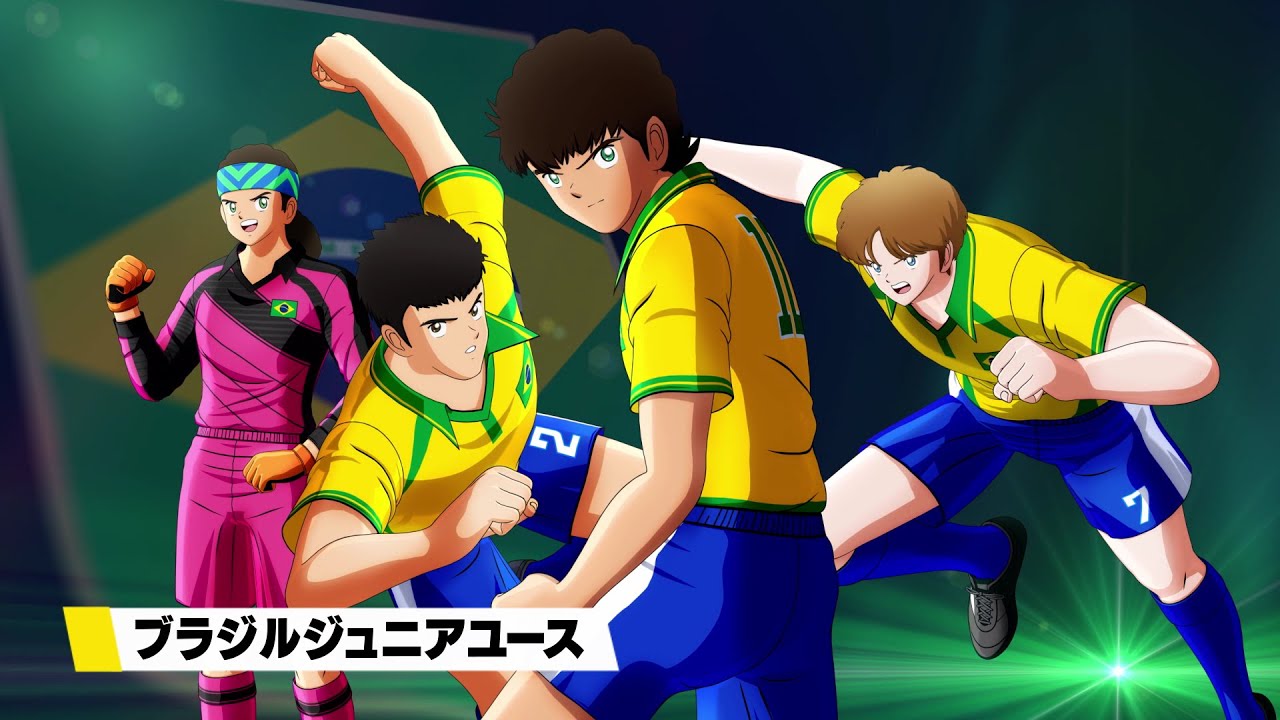
A summary of the strength of the Brazilian youth in the original "Captain Tsubasa"! Strong image of "Captain Tsubasa II Super Striker".
Here we summarize the strength of the Brazilian youth in the soccer manga milestone "Captain Tsubasa. Fans are impressed by the strength of Brazil Youth in "Captain Tsubasa II Super Striker" on the Famicom (NES). Even in the original work, Brazil Youth, positioned near the last boss, boasts exceptional strength.
Read Article
![Captain Tsubasa] Full of Toukkomi! A compilation of parody images.](https://renote.net/files/blobs/proxy/eyJfcmFpbHMiOnsiZGF0YSI6ODMzMTIyNywicHVyIjoiYmxvYl9pZCJ9fQ==--acc5baa5cd0a39c0652e22fad4196a0dc9d8e23e/172.jpg)
Captain Tsubasa] Full of Toukkomi! A compilation of parody images.
Captain Tsubasa" is the gold standard of soccer manga. While it is a world-famous work with many fans among active professional soccer players, it is also known for its many points of contention in its development and depiction. Here, we introduce a collection of "Captain Tsubasa" parody images. We hope you will enjoy the destructive power of these parodies, which will make your stomach muscles collapse.
Read Article
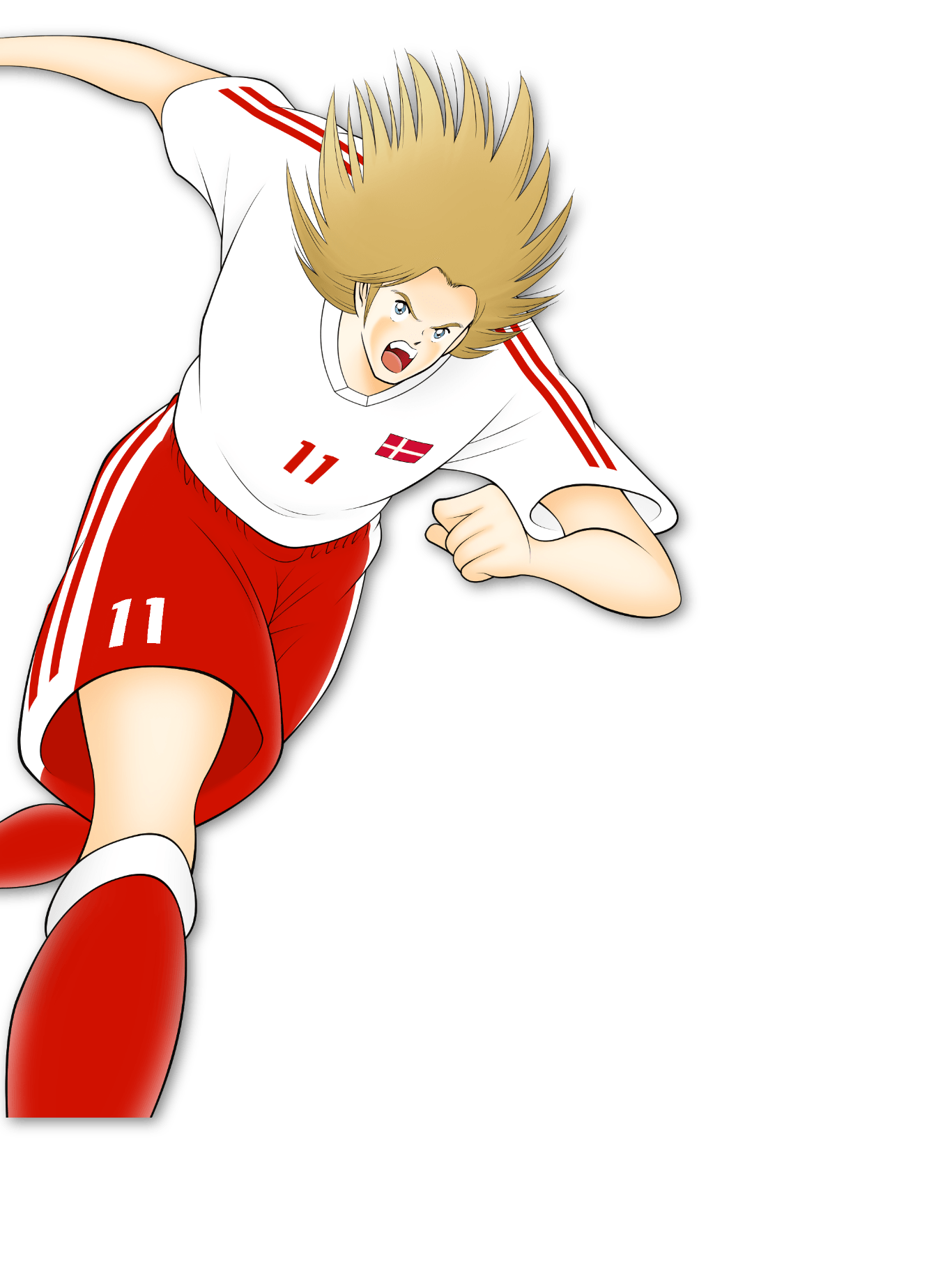
A compilation of powerful countries that appeared in "Captain Tsubasa GOLDEN-23" and "Rising Sun"! Denmark, etc.
Here we have compiled a list of powerful countries that appeared in the "Captain Tsubasa GOLDEN-23" and "Captain Tsubasa Rising Sun" series of the "Captain Tsubasa" soccer manga. The composition of Brazil's strongest team remains the same, but strong opponents such as Denmark, Nigeria, Paraguay, Thailand, and Saudi Arabia appear.
Read Article
(2) 《Vol.16〜30》Summary of 《Anime and Manga》Story Performers by DVD of "AMETTOKU
This is a compilation of "Ametalk" DVDs from vol.16 to vol.30. All the DVDs are 2-disc sets, and they also come with special bonus videos that have not been broadcast on TV.
Read Article
The Unknown Production, Birth, and Behind-the-Scenes Stories of Manga and Anime
This article introduces the creation, birth, and backstory of that manga/anime that is rarely known to the public, the industry, and even among fans.
Read Article
A summary of one of the most shocking moments in Captain Tsubasa
We have compiled a collection of shocking single frames found in the immortal manga "Captain Tsubasa". From Hyuga's dashing appearance with chains wrapped around his body to correct his balance, to the overly innovative play he showed during a game, we'll be introducing more and more shocking one-frame images that you can't help but laugh at!
Read Article
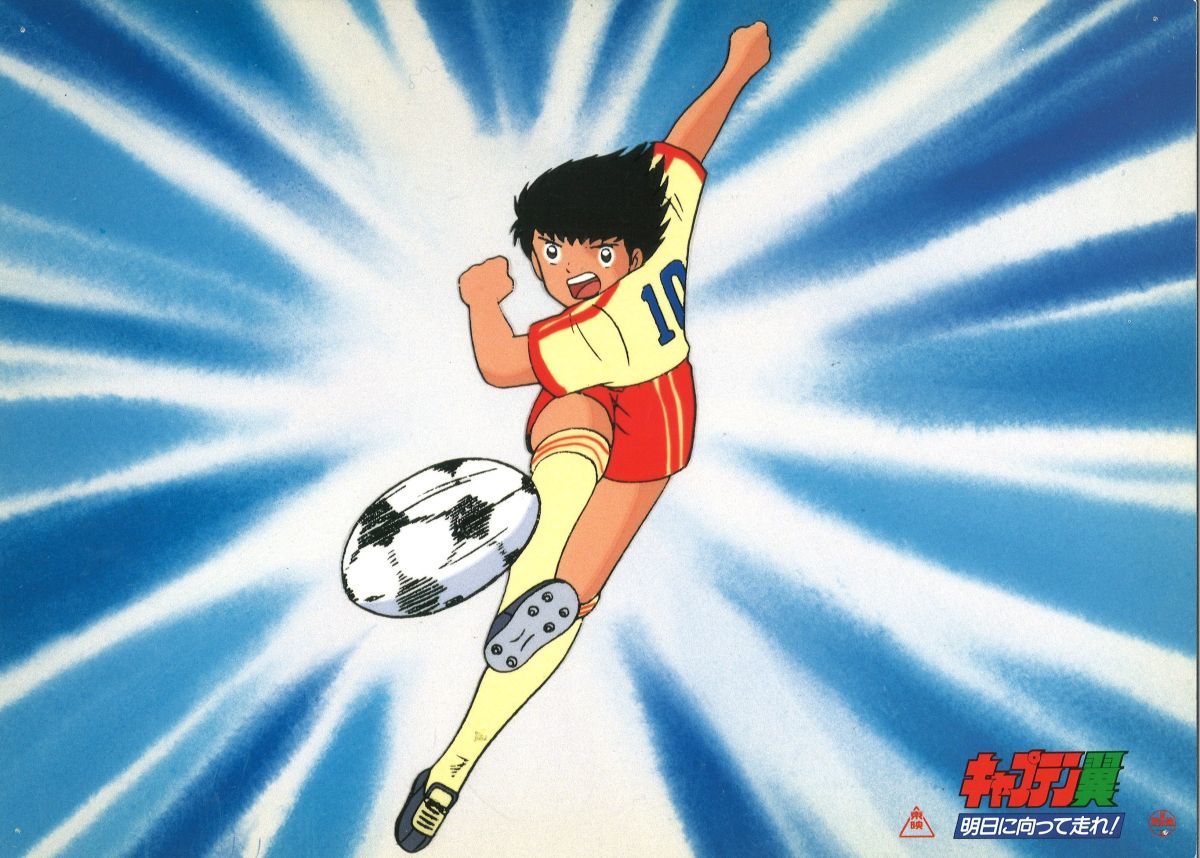
A summary of the overseas rivals that appeared in the "Captain Tsubasa" movie version! Differences from the original are also introduced.
Here we compile a list of international super-players who appeared in the film version of Yoichi Takahashi's soccer manga "Captain Tsubasa". Characters such as Karl-Heinz Schneider, El Cid Pierre, Steve, and Hefner are introduced, as well as differences from the original work.
Read Article
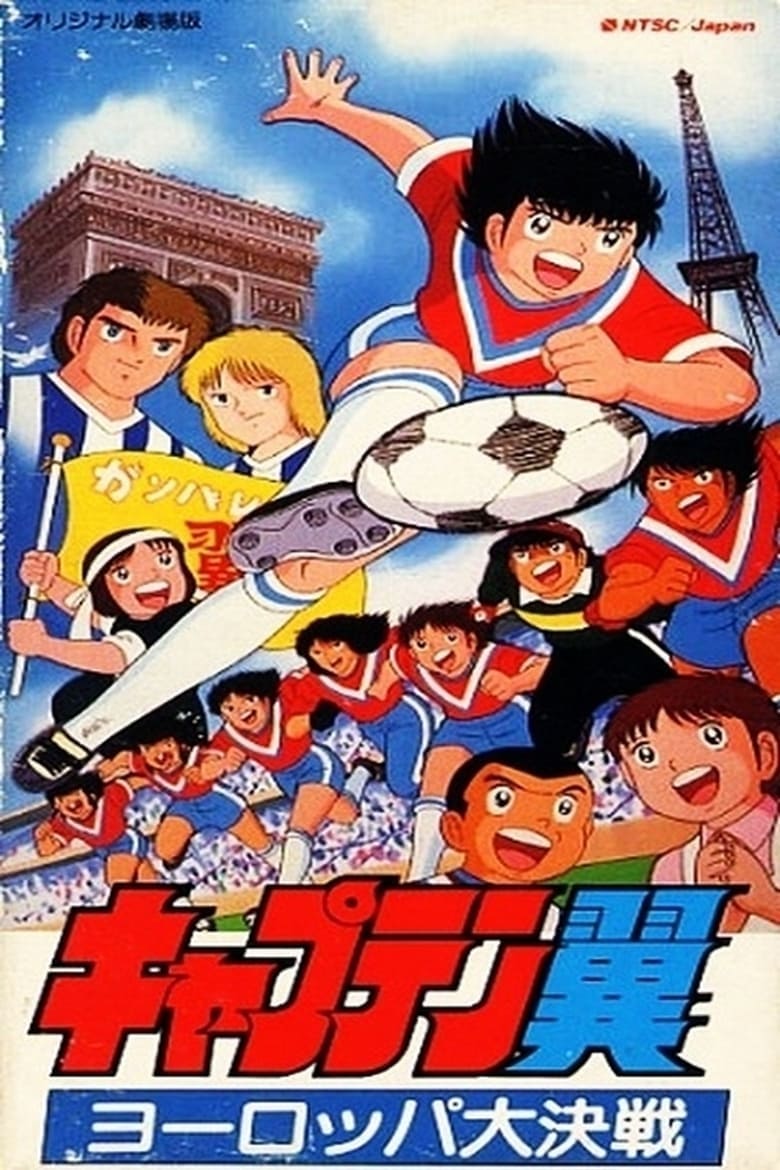
Summary of the movie "Captain Tsubasa: The Great Battle of Europe" and its characters.
Here we summarize the synopsis, story, characters, and characters of "Captain Tsubasa: The Battle of Europe," the film version of the soccer manga "Captain Tsubasa," a milestone in soccer manga. The story centers on the main character, Tsubasa Ozora, and the All-Japan Boys Selected Team as they go on an overseas expedition to fight strong overseas opponents.
Read Article
Soccer World Cup: Reality catches up with "Captain Tsubasa" [Birdcage, Offside Trap, Overhead].
A popular technique from the soccer manga "Captain Tsubasa" has appeared at Soccer World Cup 2018. With developments similar to the "birdcage," "offside trap," and "overhead," soccer fans are buzzing that not only the techniques, but also the players' abilities are getting closer to Captain Tsubasa's.
Read Article
The Real Tachibana Brothers! A compilation of twin Japanese soccer players
The Tachibana Brothers, characters from the soccer manga "Captain Tsubasa," are twin players whose acrobatic combination play is very attractive. In fact, there are many twin soccer players in the real world. Here is a list of twin players in the Japanese soccer world.
Read Article
![Yoichi Takahashi] Summary of manga artists with poor drawing ability [Nobuyuki Fukumoto, et al.](https://renote.net/files/blobs/proxy/eyJfcmFpbHMiOnsiZGF0YSI6NjMzMDkxOCwicHVyIjoiYmxvYl9pZCJ9fQ==--de0041b26b2ab457df83f2bd2634dd1b617a490c/takahasiyouji.jpg)
Yoichi Takahashi] Summary of manga artists with poor drawing ability [Nobuyuki Fukumoto, et al.
Although cartoonists are generally considered to be good drawers, there are cartoonists with poor drawing ability. This article summarizes cartoonists who are considered to have low drawing ability or poor drawing skills. Even if their drawings are not good, their manga have appealing stories and characters and have been loved by many people for many years.
Read Article
Tags
Contents
- Outline of "Captain Tsubasa
- Words of wisdom and famous lines / famous scenes and famous scenes of Tsubasa Ozora
- Balls are friends, don't be scared.
- Soccer is not a game, it's my dream!
- Not yet!" We mustn't decide the time of the game ourselves! We must give our all in the game, even down to the last 0.1 second until the referee's huehuehuehuehuehuehuehuehuehuehuehuehuehuehuehue!
- My drive shot... Wings to the sky!
- I don't care if I die in this fight!
- Let's take our anger out on the ball."
- If we work 1.1 times harder, we can cover for one with 10 people."
- See you next time at the World Cup."
- God has given us the wonderful sport of soccer in this world. If we are going to fight, let's fight fair and square with soccer!"
- I will keep running toward that dream forever."
- I always believed that if I played soccer and got good at it, I would meet Roberto. I always believed that if I played soccer, if I played soccer and got good at it, I would meet Roberto.
- Genzo Wakabayashi Quotes and Sayings / Famous Scenes and Scenes
- We always stop shots from outside the penalty area."
- Please, everybody, score one.
- As long as I don't get passed, the team doesn't lose."
- Misaki Taro (Misaki Taro) Quotes, Famous Lines / Famous Scenes, Famous Scenes
- I'm going to France, too. Because... Because I'm Taro Misaki. Not Taro Yamaoka. I'm Taro Misaki.
- Sanae Nakazawa Quotes, Famous Lines / Famous Scenes, Famous Scenes
- I'm glad. So it was a lie that my first love was fruitless."
- Kojiro Hyuga Quotes, Famous Lines / Famous Scenes, Famous Scenes
- That's right! My soccer is soccer that never loses! Soccer that wins at all costs."
- "This... I'm not going to lose here."
- I've had enough of losing to the big air wing!"
- "Order, order, order, are you the greatest man on earth? Is everything you say right!
- Ken Wakashimadzu's Famous Quotes and Lines / Famous Scenes and Scenes
- Ken Wakashimazu here, if you guys score the third goal, I'll stop playing soccer right here and now!"
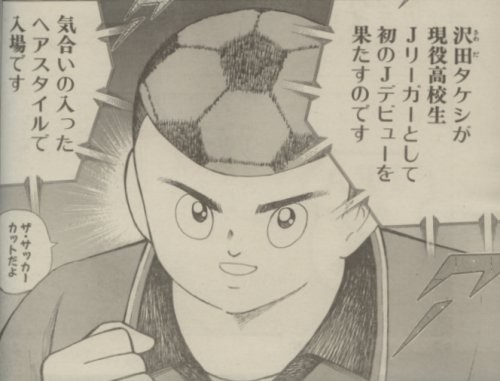
- Takeshi Sawada (Takeshi Sawada) Quotes, Famous Lines / Famous Scenes, Famous Scenes
- Meiwa's soccer is supposed to be about winning no matter what! But today, Hinata-san shot only from outside the penalty area... That's not Meiwa soccer at all.
- Mr. Hyuga! This is really my last and final pass!
- Hikaru Matsuyama Quotes, Famous Lines / Famous Scenes, Famous Scenes
- So much for the sluggishness of the game.
- I don't have natural soccer talent like Tsubasa or Hinata! That's why I have to practice! Those without talent have to work hard!"
- What's wrong with you, Wing? The victor must fall.
- Jun Misugi (Jun Misugi) Quotes, Famous Lines / Famous Scenes, Famous Scenes
- I'm not going to let heart disease get the best of me!"
- "Freshly made Wakashimazu, this is the only fight we have left! I thought we were going to fight to the death in the last 10 minutes!"
- Roberto Hongo (Roberto Hongo) Quotes, Famous Lines / Famous Scenes, Famous Scenes
- Come on! Enjoy soccer as much as you want!"
- Ryo Ishizaki's Famous Quotes and Lines / Famous Scenes and Scenes
- "That's guts! This is the last face block of the match!
- So please, stand up.
- Karl-Heinz Schneider Quotes and Sayings / Famous Scenes and Scenes
- Soccer is not about who is stronger. Soccer is... . whoever wins is stronger!!!!"