
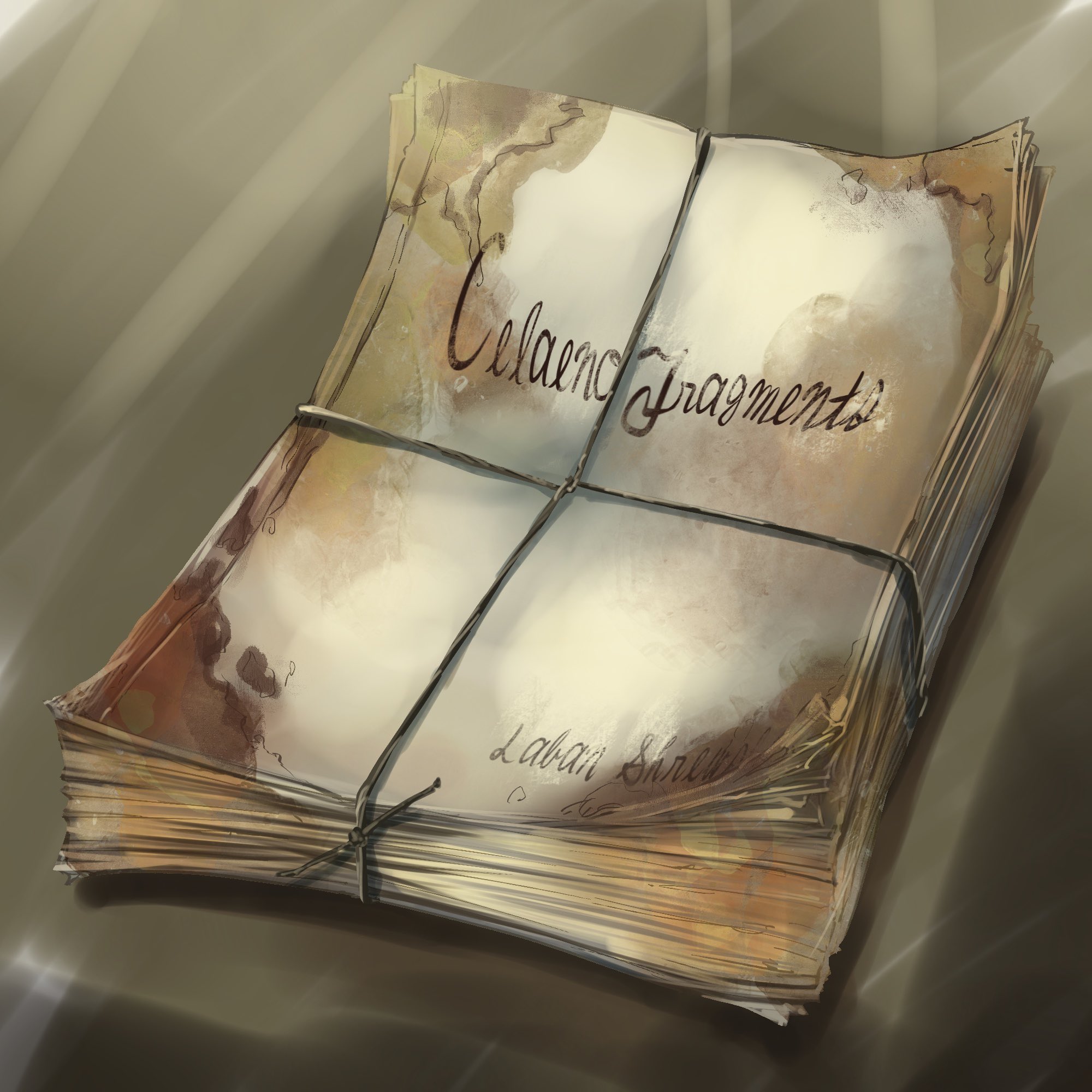
Here we introduce the grimoires that appear in the Cthulhu Mythos, a story system that began with the American novelist H.P. Lovecraft. Various grimoires appear in the Cthulhu Mythos, containing knowledge about old rulers, old gods, and how to summon them.
▼ Ruruye variant
The manuscript, written in Chinese and bound in human skin, was purchased for $100,000 in inland Asia (probably Qing Dynasty East Turkestan) by Arkham researcher Amos Tuttle. The original manuscript is said to be a document called "Rusairakei Honden (Teaching Book)" from the Xia Dynasty.
The original is said to have been written around 3000 B.C. in a pre-human language. The original is said to have been written on a carapace bone, but it has already been destroyed. The above-mentioned human skin scrolls written in Chinese characters, as well as English, German, and Italian translations, exist. The Italian translation was brought back from China by Marco Polo in the 14th century and partially translated into Italian by the magician François Prelati in the 15th century, and it is said that Napoleon Bonaparte possessed it.
The contents are mainly about the great nine-headed dragon (Cthulhu), the relationship between his household and the sea, spells to summon things from the other world, and the sinking of the continent of Kunlun (Mu) and the castle of Luluie (Luluie).
▼ Related summary
Images of Evil Gods, Old Rulers, and Races in the Cthulhu Mythos - RENOTE [RENOTE].
renote.net
This section summarizes the evil gods, former rulers, and races that appear in the Cthulhu Mythos, a creation myth that began with American author Howard Phillips Lovecraft and his friends in the 1930s. An overview and images of the monsters, including "Cthulhu," which is also the title of the genre, are presented.

Related Articles
In-depth explanation and discussion of the Cthulhu Mythos TRPG (The Call of Cthulhu)
The Cthulhu Mythos TRPG (Call of Cthulhu, CoC) is a tabletop role-playing game (TRPG) by the American game company Keisseum. In the world of fictional gods created by author H.P. Lovecraft, players create the character of the explorer and role-play through him or her. The game is a game in which the players aim to solve a case under a scenario prepared by an arbiter, while being tossed about by fear.
Read Article
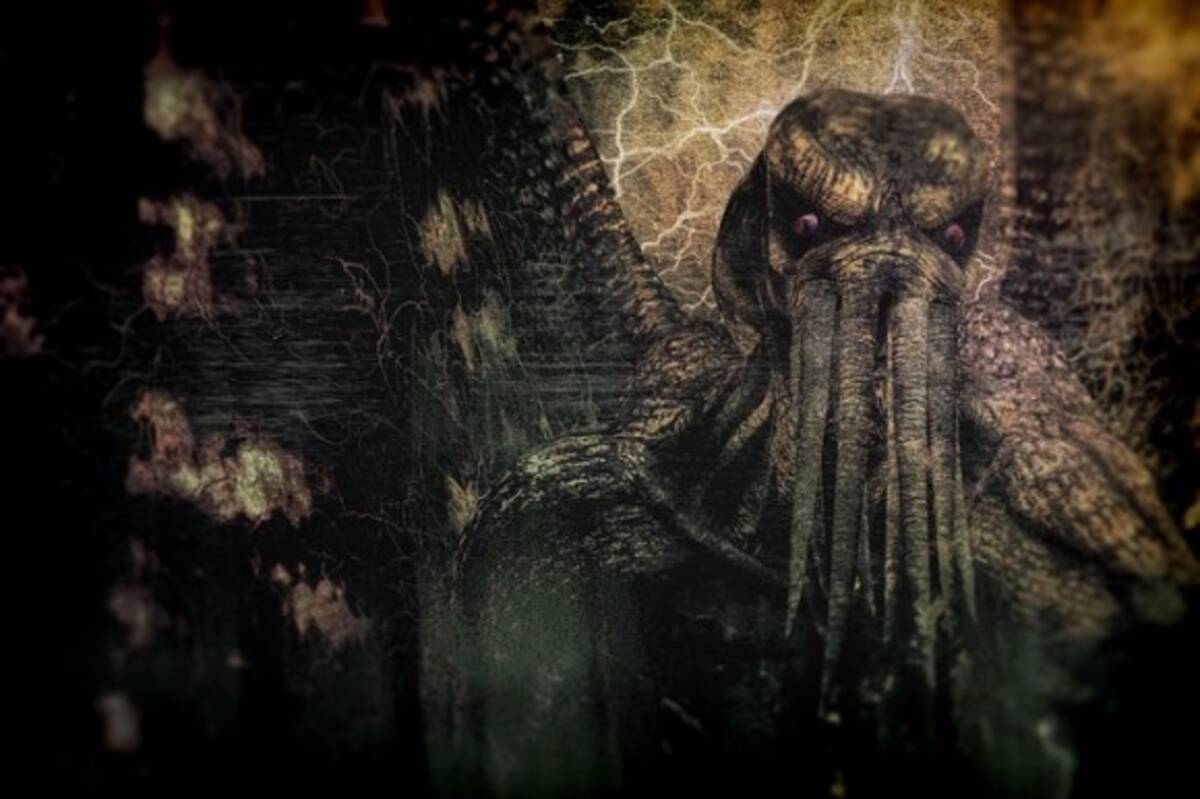
A compilation of images of evil gods, former rulers, and races in the Cthulhu Mythos
This section summarizes the evil gods, former rulers, and races that appear in the Cthulhu Mythos, a creation myth that began with American author Howard Phillips Lovecraft and his friends in the 1930s. An overview and images of the monsters, including "Cthulhu," which is also the title of the genre, are presented.
Read Article
Contents
- ▼ Book of Avon
- ▼ Emerald ceramic piece
- ▼ El toda Un Shirs
- ▼ The King of Yellow Robes
- ▼ Monster and its followers
- ▼ Garrun Dansho
- ▼ Kanaeda
- ▼ クタート Aquadingen (Watato Suijin)
- ▼ Graqui Apocalypse
- ▼ ザンツゥー Tokakazu
- ▼ San's Seven Secret Scriptures
- ▼ Shibijikikyo Tengi
- ▼ Witch worship in Western Europe
- ▼ People on the stone monument
- ▼ Serrano Dansho
- ▼ Book of Dojian
- ▼ Nakoto Codex
- ▼ Necronomicon
- ▼ Ponape Scripture
- ▼ Anonymous religious service book
- ▼ The Secret of Maggots
- ▼ Ruruye variant
- ▼ Related summary