
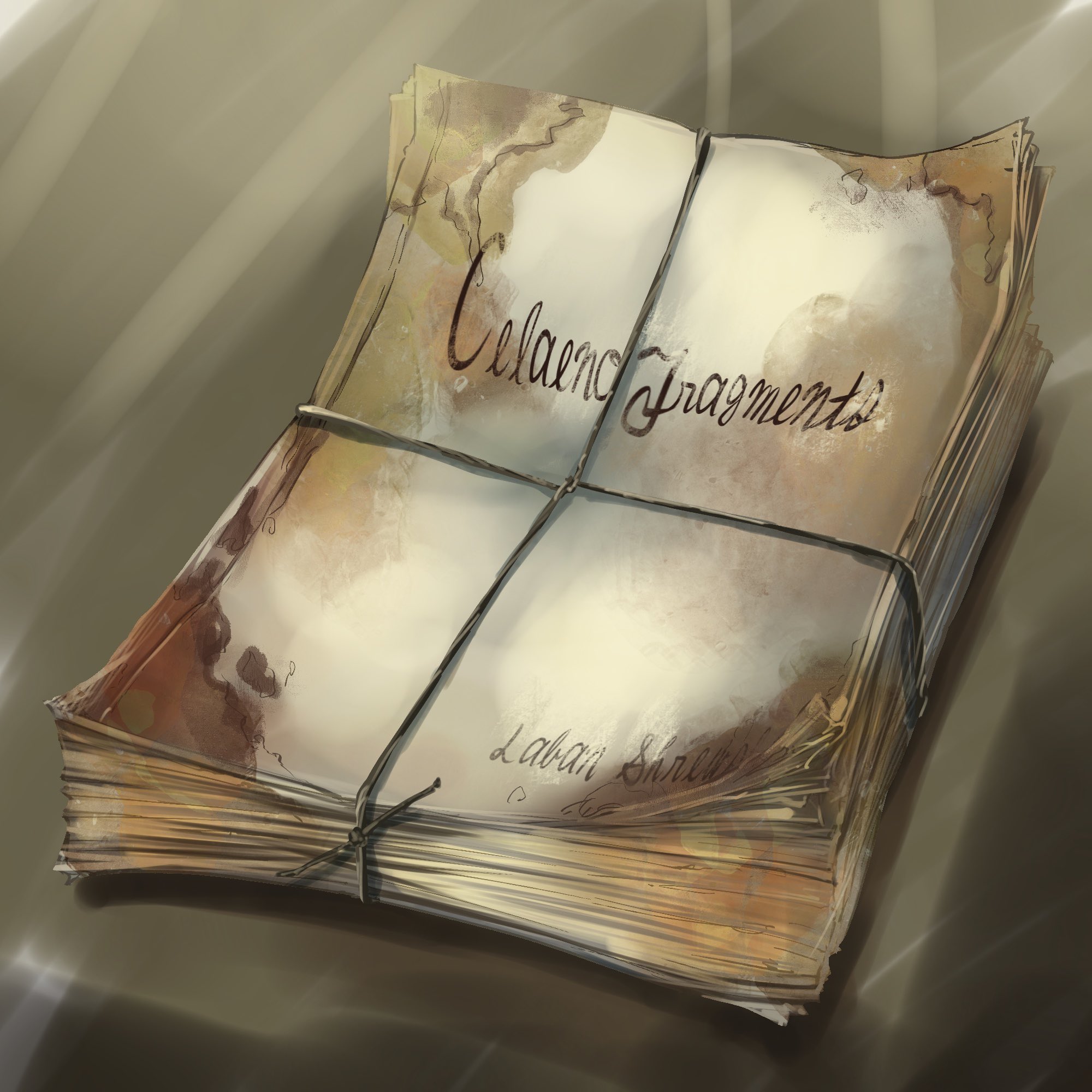
Here we introduce the grimoires that appear in the Cthulhu Mythos, a story system that began with the American novelist H.P. Lovecraft. Various grimoires appear in the Cthulhu Mythos, containing knowledge about old rulers, old gods, and how to summon them.
▼ Book of Avon
This book is a collection of dark knowledge from the ancient Huperborean period and earlier. In addition to Tsatugua, whom Avon himself worshipped, and the deities of the Tsatugua line, the book contains secrets, rituals, spells, and lore concerning Yog-Sothothoth, Ubo-Sathra, Azathoth, Pharol, and others, including many forbidden knowledge that is missing from the Necronomicon.
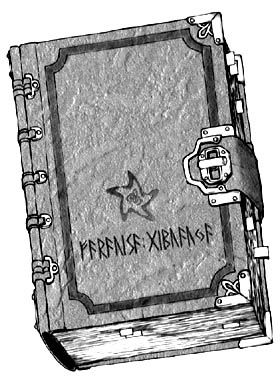
Source: park10.wakwak.com
▼ Emerald ceramic piece
The original is in Aramaic or classical Greek, but has been translated into various languages.
The central book on alchemy in medieval Europe.
It is short and simple, but full of mysterious hints.
▼ El toda Un Shirs
By Rev. Arthur Brooke Winters-Hall, written in English in 1912.
It is said to be a translation of a pre-human language inscribed on a clay tablet fragment found in southern England in 1882.
Mentions in part "The Great Race of Ys."
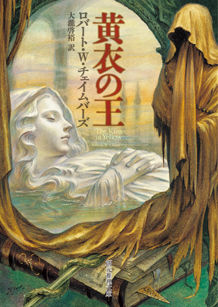
▼ The King of Yellow Robes
The King in Yellow is said to be a kind of poetic drama filled with beautiful and terrible words, and is set in the land of Carcosa in the Hyades star cluster, and describes the existence of a king who wears a yellow robe.
This yellow-bound book is said to lure the reader into madness, especially those who have read through to the second part, where a terrible fate awaits them.
Source: www.tsogen.co.jp
▼ Monster and its followers
It is said to have been written by a 16th century monk.
Its official title is "Of Monsters and their Attendants, a Compiled History of the Early Kings and Druidic Monks before Christianity was brought, and of their Blasphemous Servants, and the Methods of Calling and Binding Them."
▼ Garrun Dansho
A scholarly study and translation of the clay reliefs brought back from North Africa by the explorer Winthrop.
The original is in the British Museum collection.
The hieroglyphs are composed of a set of dots similar to Mayan script, and describe an underground city called Galung.
Other references include the extinct planet Sciof, the Yugos, the Hyades, and archaeological sites around the world.
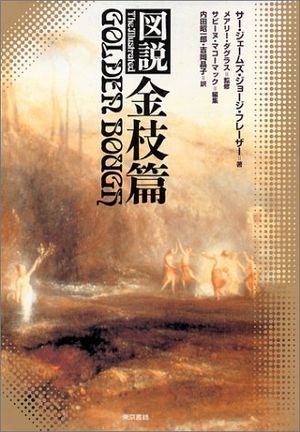
▼ Kanaeda
A real cultural anthropology book (folklore book). It denies the absoluteness of Christianity, attributing its origins to primitive religions and ancient civilizations.
Written by British social anthropologist James Fraser, it is a study of myths, spells, and beliefs of uncivilized societies that took more than 40 years to complete and consumed half of Fraser's life. 13 volumes.
Source: giftsitemap.lifesmile.jp
▼ クタート Aquadingen (Watato Suijin)
Author unknown. Written over four hundred years ago. It describes the rituals of Tsatgwa, the funeral songs of Nyhago, and numerous other uses of magic.
It is bound in human skin and moistened before rain.
There are up to three copies, some of which are in the custody of the British Museum.
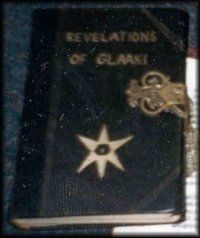
▼ Graqui Apocalypse
A book that describes the things that are particularly notorious in the Brichester area, especially those that are related to the other world.
Various editions exist, but few are complete.
The only known edition is a nine-volume folio edition published in England in 1865.
In terms of content, there is much overlap with the "Necronomicon," with descriptions of the Graeci, Igoronak, and Mi-Go.
It also contains blueprints for a device for contacting other dimensional creatures.
Source: blog.goo.ne.jp
▼ ザンツゥー Tokakazu
It was found in a tomb on the Tsang Plateau by the author, the only survivor of a Central Asian research expedition.
The original text was written on ten black jade slabs, densely covered with small letters.
It was written in the language used on the ancient continent of Mu, but was translated into English as a "speculative translation.
The content is so wildly absurd that it has been banned from sale.
It describes an ancient civilization in the Pacific Ocean.

Related Articles
In-depth explanation and discussion of the Cthulhu Mythos TRPG (The Call of Cthulhu)
The Cthulhu Mythos TRPG (Call of Cthulhu, CoC) is a tabletop role-playing game (TRPG) by the American game company Keisseum. In the world of fictional gods created by author H.P. Lovecraft, players create the character of the explorer and role-play through him or her. The game is a game in which the players aim to solve a case under a scenario prepared by an arbiter, while being tossed about by fear.
Read Article
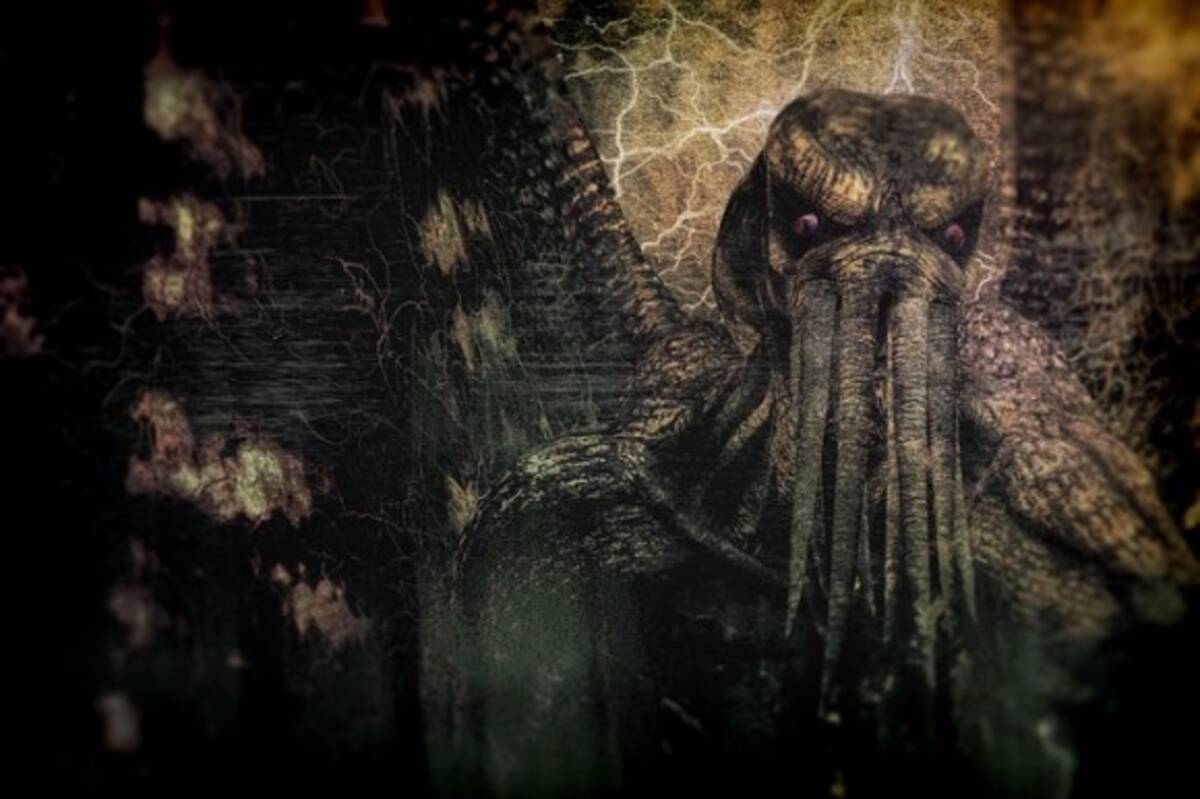
A compilation of images of evil gods, former rulers, and races in the Cthulhu Mythos
This section summarizes the evil gods, former rulers, and races that appear in the Cthulhu Mythos, a creation myth that began with American author Howard Phillips Lovecraft and his friends in the 1930s. An overview and images of the monsters, including "Cthulhu," which is also the title of the genre, are presented.
Read Article
Contents
- ▼ Book of Avon
- ▼ Emerald ceramic piece
- ▼ El toda Un Shirs
- ▼ The King of Yellow Robes
- ▼ Monster and its followers
- ▼ Garrun Dansho
- ▼ Kanaeda
- ▼ クタート Aquadingen (Watato Suijin)
- ▼ Graqui Apocalypse
- ▼ ザンツゥー Tokakazu
- ▼ San's Seven Secret Scriptures
- ▼ Shibijikikyo Tengi
- ▼ Witch worship in Western Europe
- ▼ People on the stone monument
- ▼ Serrano Dansho
- ▼ Book of Dojian
- ▼ Nakoto Codex
- ▼ Necronomicon
- ▼ Ponape Scripture
- ▼ Anonymous religious service book
- ▼ The Secret of Maggots
- ▼ Ruruye variant
- ▼ Related summary