
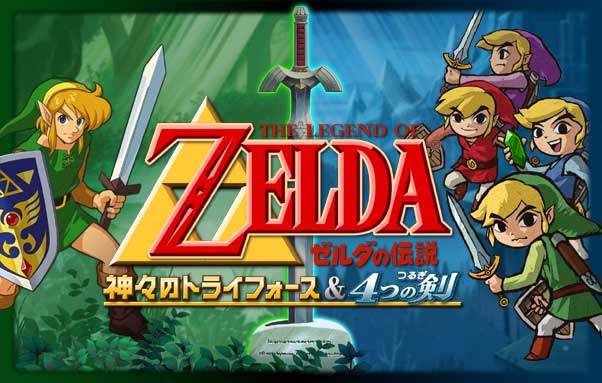
The Legend of Zelda: Four Swords is an action-adventure game that was released by Nintendo for the GBA in 2003 and includes The Legend of Zelda: The Four Swords. Players can cooperate with each other to attack four stages. Players work together to conquer four stages and compete for the total amount of rupees collected in each stage. Link is divided into four players and sets off on an adventure with the legendary sword Four Swords to save Princess Zelda, who has been kidnapped by the resurrected Wind Witch Gufu.
In "The Legend of Zelda: The Four Swords," each player uses his or her GBA (or DSi in the 25th Anniversary Edition) to control Link from the overlooking viewpoint to battle enemies and solve puzzles. Link's remaining health is indicated by the number of hearts on the screen, which is reduced by enemy attacks and traps, but the game is not immediately over when it runs out. The game is over when the player cannot pay the rupees necessary for resurrection.
Link's controls can be divided into four main types: moving, attacking, using items, and moving objects.
movement
By entering the four-way controller in the direction you want to move, the link will move in that direction.
If you move toward the channel, you can go straight into the water and swim. If you want to get out of the water, you need to find a shallow area.
Pressing the B button allows you to dive underwater for a certain period of time.
Also, in "The Four Swords," some automatically generated floors create a map with elevation differences, and by moving toward steps or holes, you can jump down and move around.
attack
Link has a sword from the beginning, and by pressing the B button on the ground, he can swing the sword and attack Link's front.
If the B button is held down after swinging the sword, Link will thrust his sword forward. He can also move in this state, and if he hits an enemy with his outstretched sword, he will inflict damage.
If the sword is held out for one second, it will light up. Then release the B button to perform a spinning slash, which attacks the surrounding area while spinning once.
Pressing the B button while jumping with the feather cloak causes the sword to thrust downwards, plummets downwards, and causes powerful damage and vibrations.
In addition, sparks are generated when swords clash with each other. Swords are also used to solve riddles, such as lighting candlesticks.
If you advance through the story until you obtain the Master Sword in "Triforce of the Gods," which is included in the same software package, Link's sword in the "Four Swords" side will also be strengthened.
In the 25th Anniversary Edition, the player can use the "Great Spinning Slash" by collecting 15 Medals of the Brave or clearing the additional stage "Training Ground". In the 25th Anniversary Edition, you can use the "Great Revolving Slash" by collecting 15 Medals of Valor or by clearing the additional stage, "Training Ground.
The "Big Spinning Slash" is a powerful technique that allows the player to move up, down, left, and right while performing a series of spinning slashes by repeatedly pressing the B button after performing a spinning slash.
Use of items
In "The Four Swords," Link can equip one item in addition to his sword.
Initially, he is equipped with a shield, which can be replaced with a new item in the form of an exchange with an item placed on a pedestal in the stage.
Items can be used with the A button (Y button in the 25th Anniversary Edition) and have various effects depending on the item equipped.
move things
By pressing the R button, Link can grab an object in front of him. If it is a small rock, an urn, or another player, he will lift it directly up.
While holding an object, he can pull the lever in combination with the cross key or throw it by pressing the R button again. If an object can be lifted, it can also be moved while being lifted. Some objects, such as large rocks that can only be lifted by two or more players, require cooperative play.
Also, blocks and other devices that cannot be lifted can be moved by pushing them by continuing to move toward them. Blocks that can be moved by pushing basically have a fixed direction. There are large blocks that can only be pushed by two or more players.
Game Flow
The general flow of "The Legend of Zelda: The Four Swords" is to clear the first three stages, "The Forest of No Return," "The Hole in the Rock," and "Death Mountain," excluding the tutorial stage, receive "keys" from the great fairies of each stage, and open the door to the fourth stage, "Palace of the Wind," with the three keys, The progression is to open the door to the fourth stage, "Palace of the Wind," with the three keys, and defeat Gu Fu at the innermost part of the stage.
Each stage consists of three floors: two to solve the riddles and advance, and one final floor to fight the stage boss. The structure of the floors and the placement of the devices are randomly generated each time depending on the number of players, so players can challenge a new stage each time they play.
Players must make full use of the items placed in each stage, and cooperative play is required for some devices, such as switches that require two or more players to step on to activate, and levers that require simultaneous pulls to activate.
Stage Strategy and Rupee
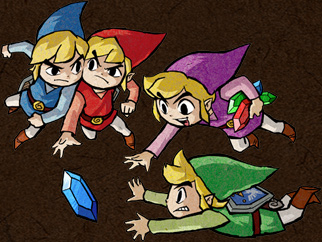
In "The Legend of Zelda: The Four Swords," in addition to clearing stages, there is an objective to collect a certain number of rupees in a stage.
Rupees can be obtained by defeating enemies, opening treasure chests, or cutting grass, and they are shared by all players.
By collecting rupees, players can obtain the three benefits described below: "obtaining keys," "revival," and "obtaining medals of valor. This rupee collection also serves as a competitive element in "The Four Swords" between players.
rupee fever
In "The Four Swords," Link's initial maximum strength is 6 hearts, but he starts the stage with 5 hearts and 1 damaged.
From this point, hearts and fairies are acquired, and when all players' health is full, they enter the "Rupee Fever" stage.
Rupee Fever lasts until one of the players is damaged, during which time everyone's rupee gain is doubled, i.e., taking 1 rupee becomes 2 rupees, and taking 100 rupees becomes 200 rupees.
In order to achieve a high score, it is also necessary to maintain this Rupee Fever.
Floor Clear Bonus
In addition to being picked up during the stage, rupees can also be obtained in the form of bonuses based on the time it takes to clear each floor.
The longer it takes to clear a floor, the less the bonus.
Key Acquisition
When a stage is cleared, the link is given either a silver, gold, or heroic key by the great fairy, depending on the total amount of rupees that the links have earned during the stage.
These keys are related to the course content that can be selected in the final stage, "Palace of the Winds.
The amount of rupees required to obtain each key is: "silver key for less than 3000 rupees," "gold key for more than 3000 rupees but less than 4999 rupees," and "key of the brave for 5000 rupees or more.
However, collecting more than 3000 rupees without a silver key will not get you a gold key or a key of the brave, and collecting more than 5000 rupees without a gold key will not get you a key of the brave, as well. To get all the keys, you need to clear the same stage at least three times.
Spend rupees to revive
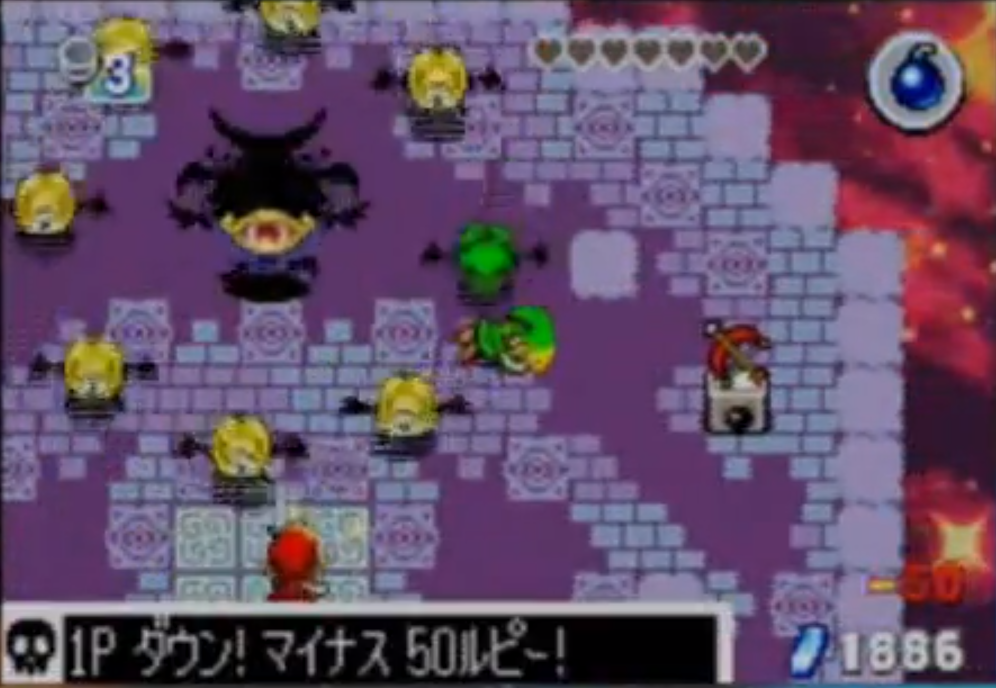
When Link runs out of energy during a stage, he automatically resurrects himself by spending rupees.
The amount of rupees required to revive a player is 50 rupees at first, but the number increases to 100 rupees and 150 rupees each time, and 500 rupees are required after the 10th time.
If the player does not have enough rupees to revive himself when he runs out of energy, he will not be able to revive and the game will be over.
Earning the Medal of Valor

Related Articles
Summary of Link's successive voice actors and their works [The Legend of Zelda series].
Link, the main character in "The Legend of Zelda" series, is not the same person in many works, even though his name is the same. For this reason, the voice actor also differs from work to work, and many voice actors have voiced Link in the past. Here is a list of Link's voice actors and the works they have been in charge of.
Read Article
Summary of powerful enemies and boss characters in The Legend of Zelda series
In "The Legend of Zelda" series, in addition to the last boss such as Ganondorf, there are other powerful enemies and boss characters that you will fight during the story. Some of them have a distinctive appearance and some have nasty attacks, making them memorable even if they are mid-boss class enemies. Here is a list of powerful enemies and boss characters from "The Legend of Zelda" series.
Read Article
Maniac: The Legend of Zelda Backstory, Urban Legends, and Trivia Summary
The Legend of Zelda" is a very popular Nintendo series that began in 1986. In this article, we will introduce a wide range of backstories, urban legends, trivia, trivia, and miscellaneous information about the game. You will definitely enjoy the game more if you know these trivia. Some of the stories are a bit horrifying, so please be careful.
Read Article
The Legend of Zelda: Mujra's Mask (game) spoiler commentary and discussion.
The Legend of Zelda: Majora's Mask" is a sequel to "The Legend of Zelda: Ocarina of Time" released by Nintendo for the Nintendo 64 in 2000, and follows the basic system of "Ocarina of Time" while incorporating unique elements such as the "three-day system" and the ability to transform into different races with a "mask. Link wanders into the other world of Tarmina, which is destined to be destroyed in three days, and uses Ocarina of Time to repeat the three days until its destruction in order to save Tarmina and track down the Mask of Mujra, the mask that will lead the world to destruction.
Read Article
The Legend of Zelda: Ocarina of Time (Tokioka) Spoilers and Discussion Summary
The Legend of Zelda: Ocarina of Time" is an action-adventure game released in 1998 for the Nintendo 64. It was the first 3D title in the series, and is still extremely popular in Japan and abroad today due to its high degree of perfection, including a worldview with depth, three-dimensional puzzle solving, and an epic story. Set in Hyrule, a land said to be inhabited by the descendants of the gods, the main character Link embarks on an adventure spanning two eras (child and adult) and battles the demon king Ganondorf, who plans to take the legendary treasure Triforce and rule the world.
Read Article
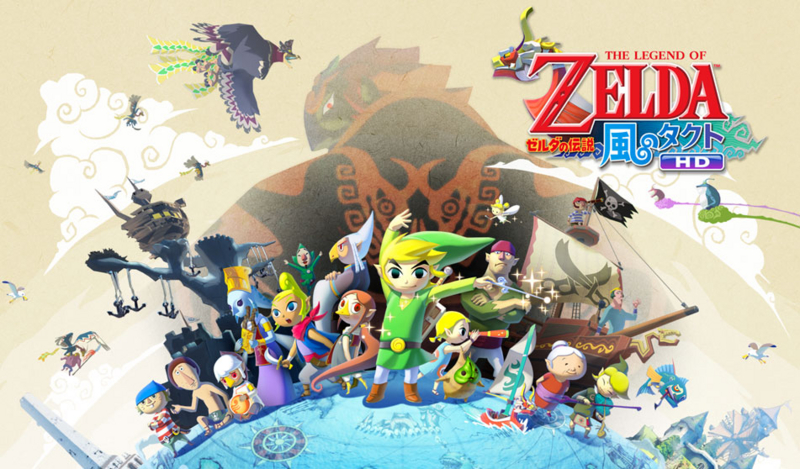
The Legend of Zelda: The Wind Tact (Kaze Taku) Spoiler Commentary and Discussion
The Legend of Zelda: The Wind Waker" is an action-adventure game released by Nintendo for the GC in 2002. While the action and puzzle-solving elements were in line with previous 3D Zelda games, the atmosphere was completely redesigned with the use of anime-style graphics. The setting is not the continent of Hyrule, but a world of wind and sea, with a great ocean and islands. Link sets off on an ocean adventure to save his sister, who has been kidnapped by demons, but he soon learns the secrets of the world and becomes embroiled in a fateful battle between Hyrule and Ganondorf.
Read Article
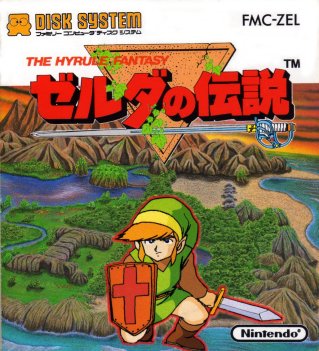
The Legend of Zelda 1 (first) spoiler commentary and discussion.
The Legend of Zelda" is an action-adventure game released by Nintendo in 1986 for the Family Computer Disk System. Although it was the first in the series, it completed the foundation of the puzzle-solving elements that have been carried over to later titles in the series, such as pushing objects and destroying walls with bombs. In order to recover the Triforce of Power and Princess Zelda from the clutches of the evil Daimon Ganon, the main character Link sets out on an adventure to complete the Triforce of Wisdom by obtaining pieces of the Triforce of Wisdom from the eight labyrinths scattered throughout the vast Hyrule.
Read Article
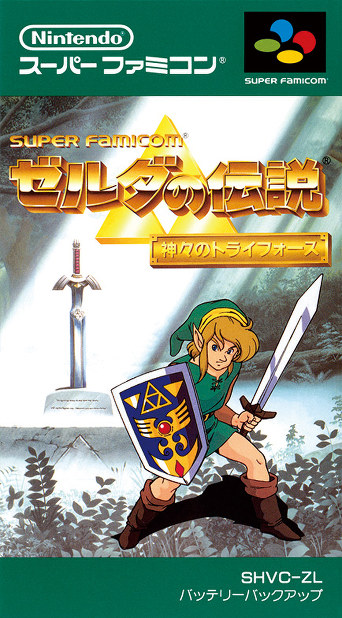
The Legend of Zelda: The Triforce of the Gods (Kamitora) Spoiler Commentary and Discussion
The Legend of Zelda: The Triforce of the Gods" is an action-adventure game released by Nintendo for the Super Nintendo Entertainment System in 1991. This third title in the series follows the gameplay of "The Legend of Zelda," but with more items and Link's actions, and a greater variety of puzzles to solve. In addition, the series' classic legendary sword, the "Master Sword," makes its first appearance in this title. Link's adventure through the world of light and darkness begins as he attempts to defeat the Great Demon King Ganon, who plans to rule the world, and save Princess Zelda.
Read Article
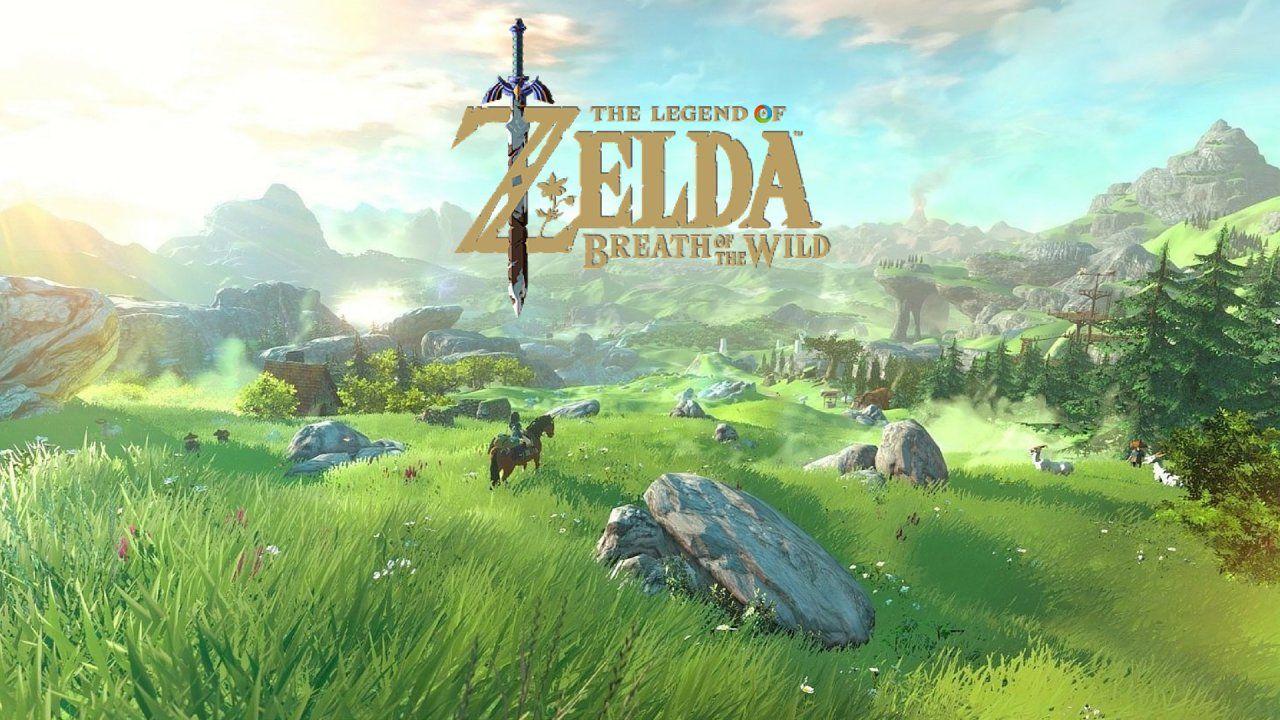
The Legend of Zelda: Breath of the Wild (Brewwire) Spoiler Commentary and Discussion
Action adventure game for Wii U/Nintendo Switch released by Nintendo in 2017. The game features an open world, which makes it a game where you choose and search for new things by yourself, rather than a one-step strategy. The game also incorporates new elements from "The Legend of Zelda," such as the breakage of weapons and armor, and the goal is to explore and save the unprecedented world of Hyrule with Link.
Read Article
The Legend of Zelda: Fushigi no Boshi (game) spoiler commentary and discussion.
The Legend of Zelda: Fushigi no Boshi" is an action-adventure game released by Nintendo for the GBA in 2004. Using the "Mystery Hat," a magical hat that reduces Link's body to the size of a dwarf, he travels between the normal world and the dwarf world to solve riddles. The game includes many elements not found in other games in the series, such as the "piece-matching" and the mole glove. In order to save Princess Zelda, who has been turned to stone by the curse of the resurrected Gufu, Link and his talking hat, Ezero, set out on a journey to obtain the legendary Piccol sword and defeat Gufu.
Read Article
The Legend of Zelda: Tears of the Kingdom (Tiaquin) Spoilers and Discussion Summary
The Legend of Zelda: Tears of the Kingdom" is an RPG for Nintendo Switch that challenges players to explore mysterious islands in the sky in search of a way to save the world from the threat of doom, and is a sequel to the internationally acclaimed masterpiece open world RPG "The Legend of Zelda: Breath of the Wild". Link awakens from a 100-year sleep, defeats the Demon King Ganon, and rescues Princess Zelda. However, Ganon has not been completely destroyed, and a new threat looms over the world. In search of a way to save the world, Link takes on the challenge of exploring islands in the sky that have never been explored by mankind.
Read Article
Spoiler commentary and discussion of Link's adventures (game)
Link's Adventure" is an action-adventure game released by Nintendo in 1987 for the Family Computer Disk System. This second title in the series differs from the other titles in the series in that it is an RPG with a very strong side-scrolling action perspective. Several years after Link's victory over Ganon in the previous installment, "The Legend of Zelda," Link once again sets out on an adventure with sword and shield in hand to challenge the trials of the Triforce in order to revive the Triforce of Courage and save the first Princess Zelda and Hyrule in a devastated Hyrule where Ganon's influence still remains.
Read Article
The Legend of Zelda: Twilight Princess (Twapri) Spoiler Commentary and Discussion
An action-adventure game released by Nintendo for the Wii and Nintendo GameCube, it is part of The Legend of Zelda series. It is abbreviated as "Twapuri. Set in a world called Hyrule, the story is about Link, the main character, who meets many people and, with their help, faces difficulties, rescues Princess Zelda, and protects the world from a huge evil.
Read Article
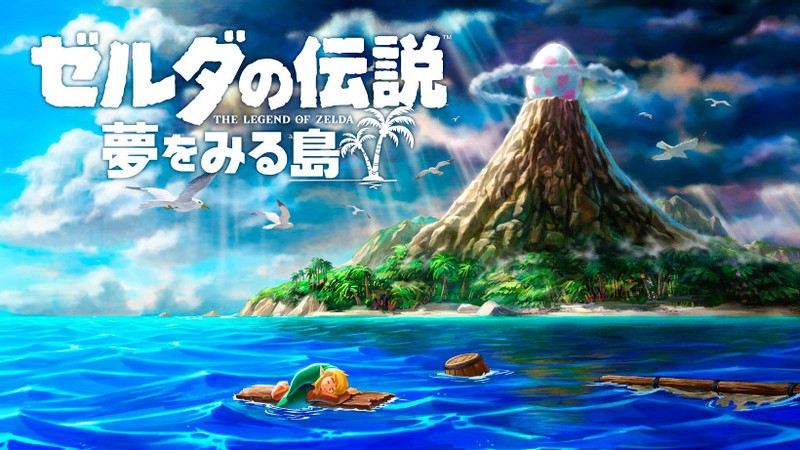
The Legend of Zelda: The Island of Dreams (Dream Island) Spoilers and Discussion Summary
The Legend of Zelda: Yumemiru Island" is an action-adventure game for the Game Boy that was released in 1999 as the fourth installment in Nintendo's "The Legend of Zelda" series. It is a sequel to "The Legend of Zelda: The Triforce of the Gods". The main character, Link, is on his way back to the Kingdom of Hyrule when he gets caught in a storm and drifts ashore on the mysterious island of Koholint, which is rich in nature. It was the first game to feature a heroine other than Zelda, and characters from other Nintendo titles made guest appearances. The game was awarded the Gold Hall of Fame in the cross review of the game magazine "Famicom News".
Read Article
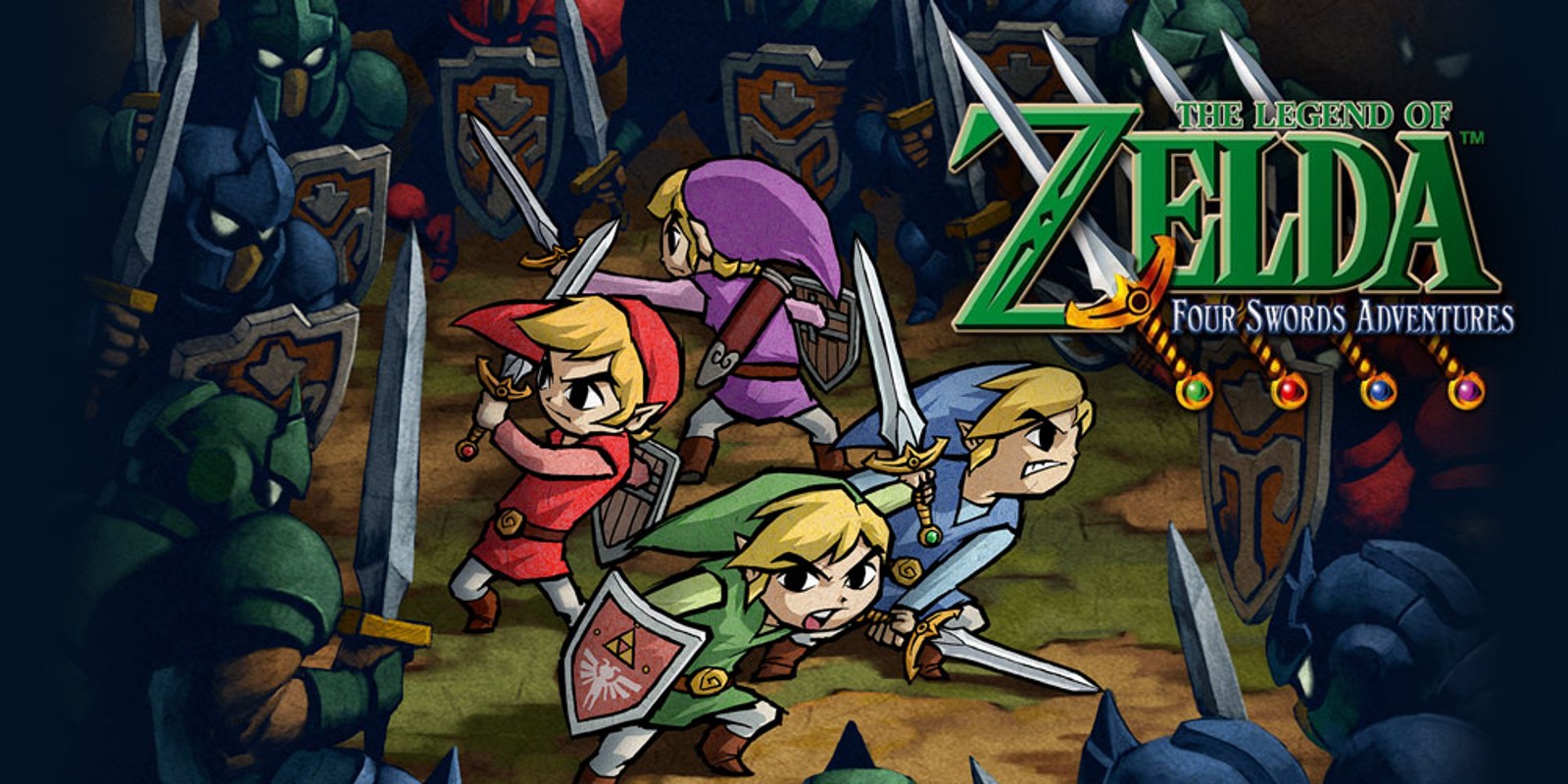
The Legend of Zelda: The Four Swords+ (4 Swords+) Spoilers and Discussion Summary
The Legend of Zelda: The Four Swords+" is an action-adventure game for the GameCube (GC), released by Nintendo on March 18, 2004. The game can be played by up to four players by connecting a Game Boy Advance to the GameCube using a special adapter. In addition to "Hyrule Adventure," the sequel story to "The Legend of Zelda: The Four Swords," the game includes two competitive games, "Shadow Battle" and "Navi Trackers," allowing players to enjoy three different types of games.
Read Article
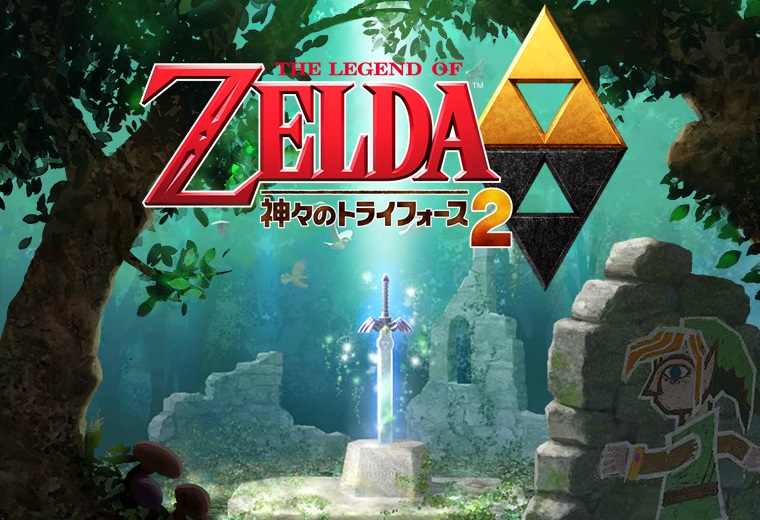
The Legend of Zelda: Triforce of the Gods 2 (Kamitora 2) Spoilers and Discussion
Released by Nintendo in 2013 for the Nintendo 3DS, The Legend of Zelda is part of the Legend of Zelda series. The world is set far in the future from "The Legend of Zelda: The Triforce of the Gods," which was released on the Super Nintendo Entertainment System in 1991. Link sets out on an adventure to save Princess Zelda and the Seven Sages, who have been turned into paintings by Yuga, a priest of Loral. Newly added to the system in this title is the ability to turn into a mural, which allows the main character Link to enter walls.
Read Article
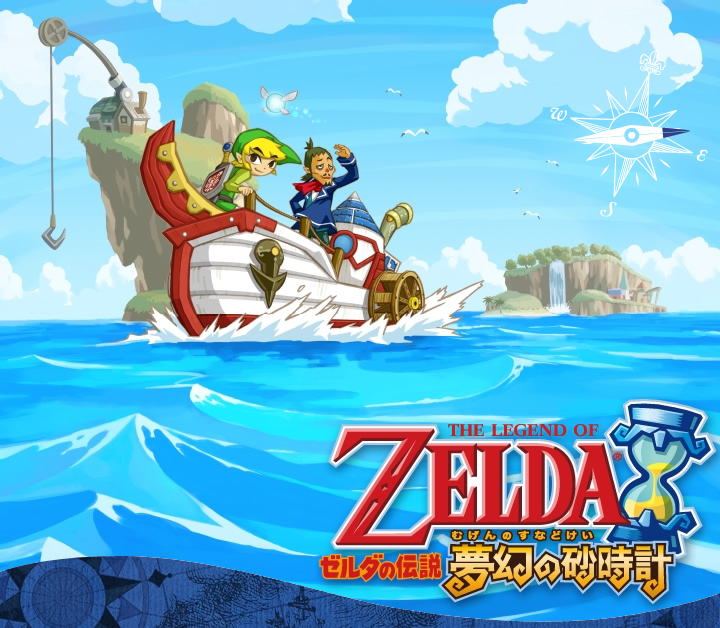
The Legend of Zelda: The Hourglass of Dreams (Dream Sand) Spoiler Commentary and Discussion Summary
The Legend of Zelda" was released by Nintendo for the Nintendo DS in 2007 as part of the "The Legend of Zelda" series. The story takes place a few months after "The Legend of Zelda: The Wind Waker," in which the main character Link embarks on an adventure to save Tetra (Zelda), who has been kidnapped by a ghost ship. In terms of the system, the Nintendo DS touch screen and microphone functions are utilized to solve puzzles scattered throughout the dungeons.
Read Article
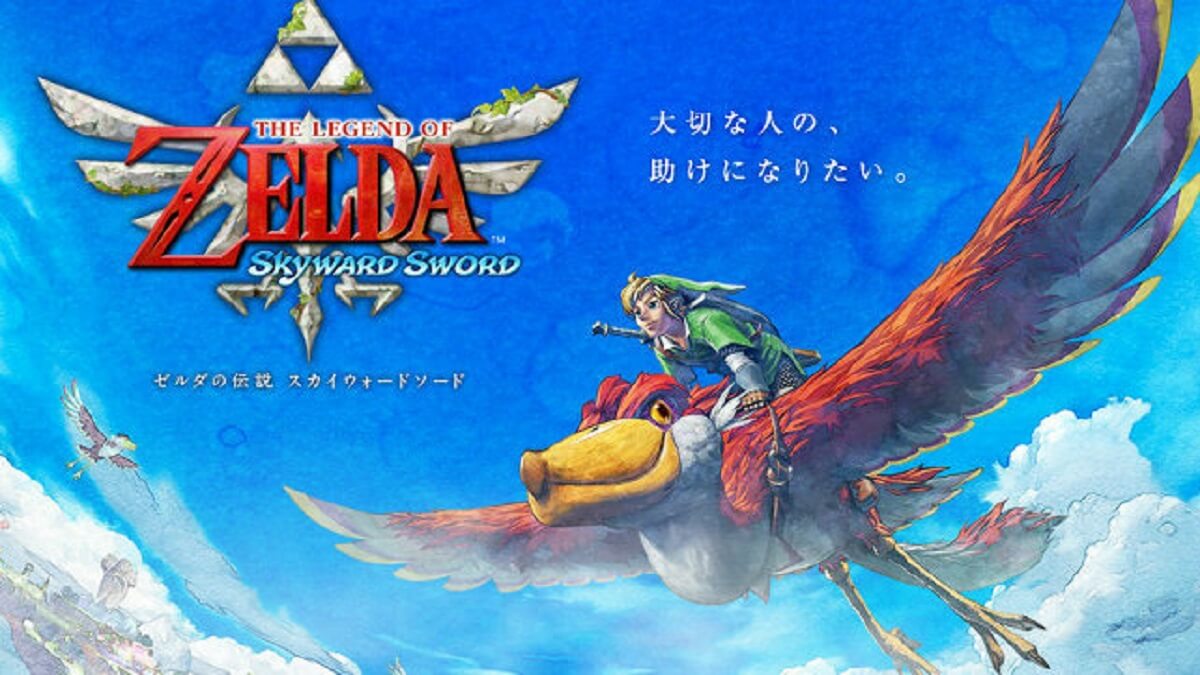
The Legend of Zelda: Skyward Sword (Skyward Sword) Spoiler Commentary and Discussion
The Legend of Zelda: Skyward Sword (Skyward Sword) is an action-adventure game released by Nintendo in 2011 for the Wii and later for the Wii U as a downloadable game in 2016. It is positioned as the story of the beginning of "The Legend of Zelda" and tells the story of how the series' common elements, such as the Master Sword and the Triforce, were created and why "Zelda" was later passed down as a legend, all while controlling the main character Link.
Read Article
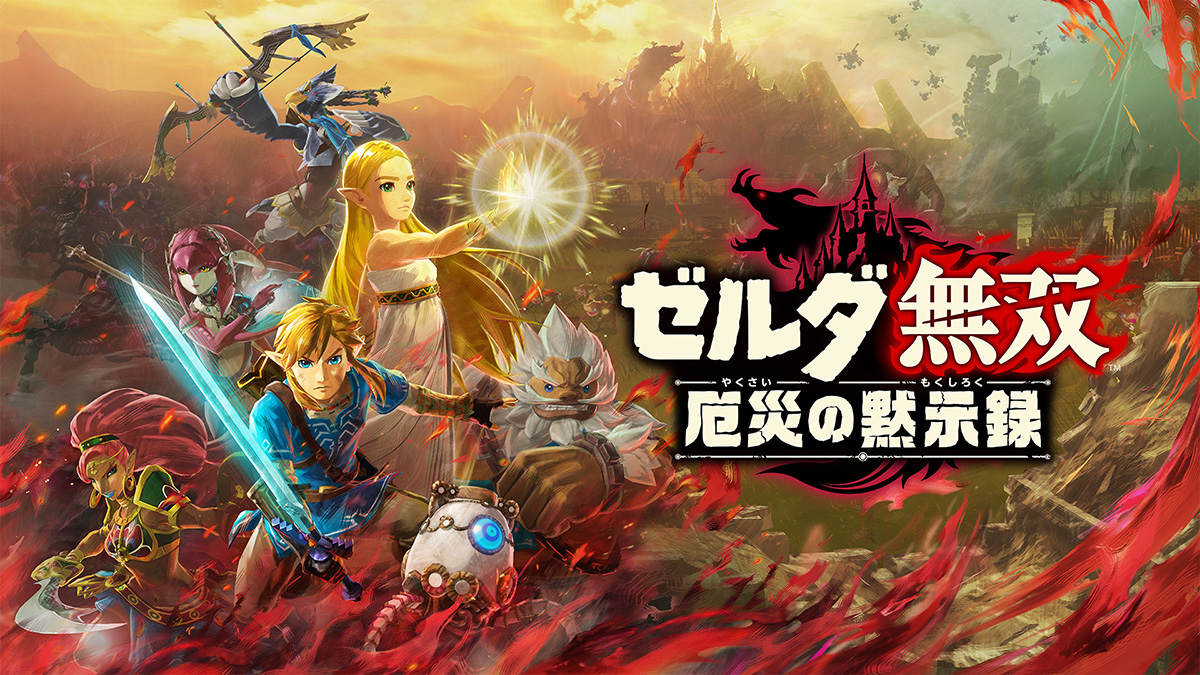
Zelda Warriors: Apocalypse of Evil (game) spoiler commentary and discussion.
Zelda Warriors: Apocalypse of Evil" is an action game developed by Koei Tecmo Games and released in 2020, and is a collaboration between "The Legend of Zelda" and the "Warriors" series. The game is based on the "Great Disaster" that occurred 100 years before "The Legend of Zelda: Breath of the Wild," and allows players to enjoy the exhilarating action that only the "Warriors" series can provide. The ability to control not only Link, but also other familiar characters from "The Legend of Zelda: Breath of the Wild" is one of the charms of this game.
Read Article
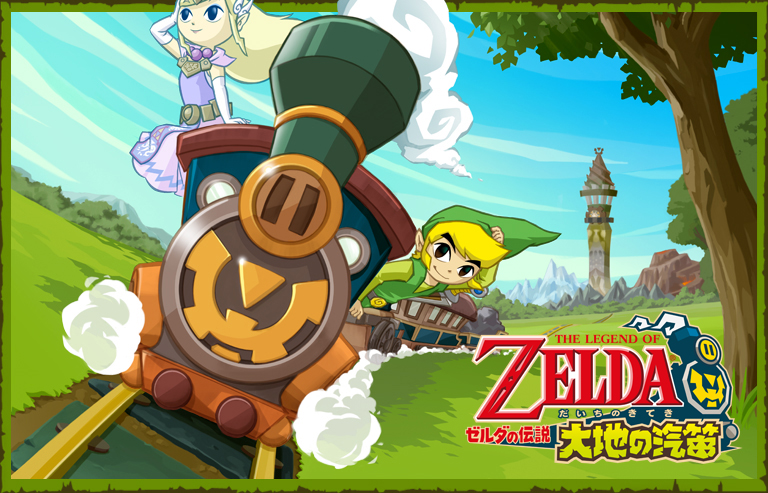
The Legend of Zelda: The Whistle of the Earth (game) spoiler commentary and discussion
The Legend of Zelda: The Whistle of the Land is an action-adventure game released by Nintendo in 2009 exclusively for the Nintendo DS. It is also abbreviated as "steam whistle". The game is characterized by the use of the touch panel and microphone on the Nintendo DS to move and take action. Princess Zelda of the Kingdom of Hyrule is transformed into only her soul by the kingdom's minister, Kimaroki, in order to resurrect the Demon King. Link sets off on an adventure to restore Princess Zelda's body and peace to the kingdom.
Read Article
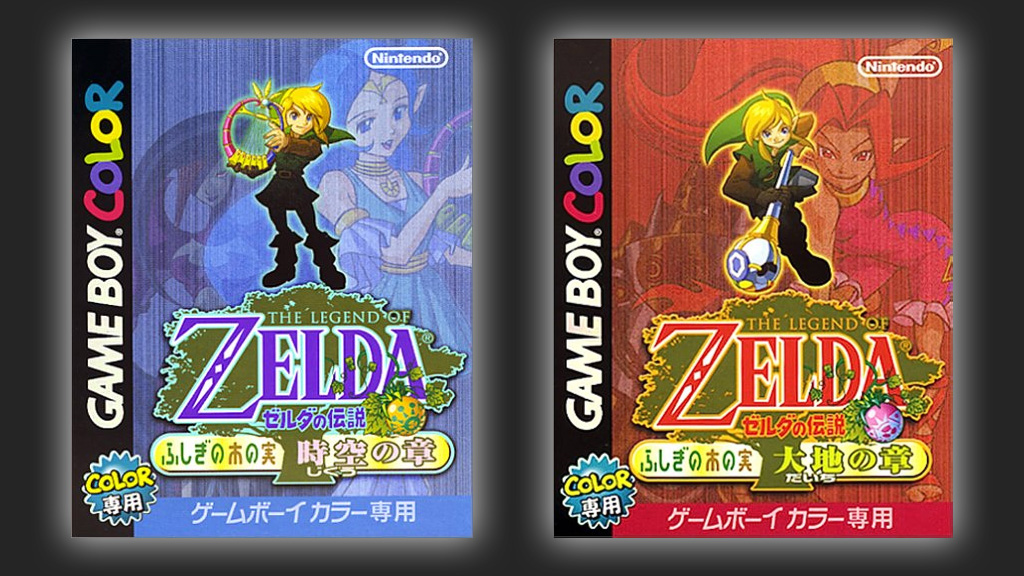
The Legend of Zelda: Fushigi no Ki no Nuts (game) spoiler commentary and discussion.
The Legend of Zelda: Fushigi no Ki no Nuts" is an action-adventure game for the Game Boy Color released by Nintendo in 2001. Two titles, "Chapter of the Earth" and "Chapter of Time and Space," were released at the same time, with the same system and some characters, but with completely different stories and maps. The game begins in the land of Horodrum in "Chapters of Earth" and in the land of Lovrenne in "Chapters of Time and Space", where the player is given trials by the "Triforce" at Hyrule Castle in the Kingdom of Hyrule.
Read Article
ゼルダの伝説 知恵のかりもの(ちえかり)のネタバレ解説・考察まとめ
『ゼルダの伝説 知恵のかりもの』とは、王国の姫・ゼルダが冒険をする2024年9月発売のNintendo Switch用アクションアドベンチャーRPGである。魔王ガノンにさらわれたゼルダはリンクに助けられるが、リンクは裂け目に飲み込まれてしまう。剣を持たないゼルダは町やフィールドにある物体を「借り」、ハイラルを冒険することになる。謎解き・戦闘の自由度が高く何度でも遊べるリプレイ性がある作品である。
Read Article
The Legend of Zelda: The Three Musketeers of the Triforce (Tora-san and Tora-3) Spoilers and Discussion
The Legend of Zelda: Tri Force 3 Musketeers is an action-adventure game released by Nintendo in 2015 exclusively for the Nintendo 3DS. It is abbreviated as "Tora-san" and "Tora 3". The game is a multiplayer-specific game, in which three players cooperate with each other. A princess in a fashion-loving country is cursed by a witch to wear tights that she cannot take off. In order to break the curse, the king recruits a "legendary hero" who is rumored to be able to defeat the witch.
Read Article
Summary of the five major bosses in The Legend of Zelda: The Mask of Mujra
The Legend of Zelda: Majora's Mask" was released on the Nintendo 64 and later remade on the Nintendo 3DS. Summary of the five bosses that appear in the film.
Read Article
Summary of characters and characters from The Legend of Zelda series
In "The Legend of Zelda" series, there are many characters other than Link, the main character, and Zelda, the heroine and namesake of the series. Here is a summary of the characters and their appearances. Although many years have passed between works in this series and there is no direct connection between them, it is well known that characters with the same appearance and name often appear in multiple works.
Read Article
History in Hyrule. The Amazing Currents of The Legend of Zelda - Defeat.
The history of Hyrule, where time has branched out. In this article, I will summarize the history of one of them, the history of the defeat of the hero of time. What kind of world did it become after Link was defeated? ......
Read Article
History in Hyrule. The Amazing Currents of The Legend of Zelda - A Positive History
The Legend of Zelda has had several series, each with a different setting. But those series were properly connected! This section examines the history of Hyrule from the birth of the Master Sword.
Read Article
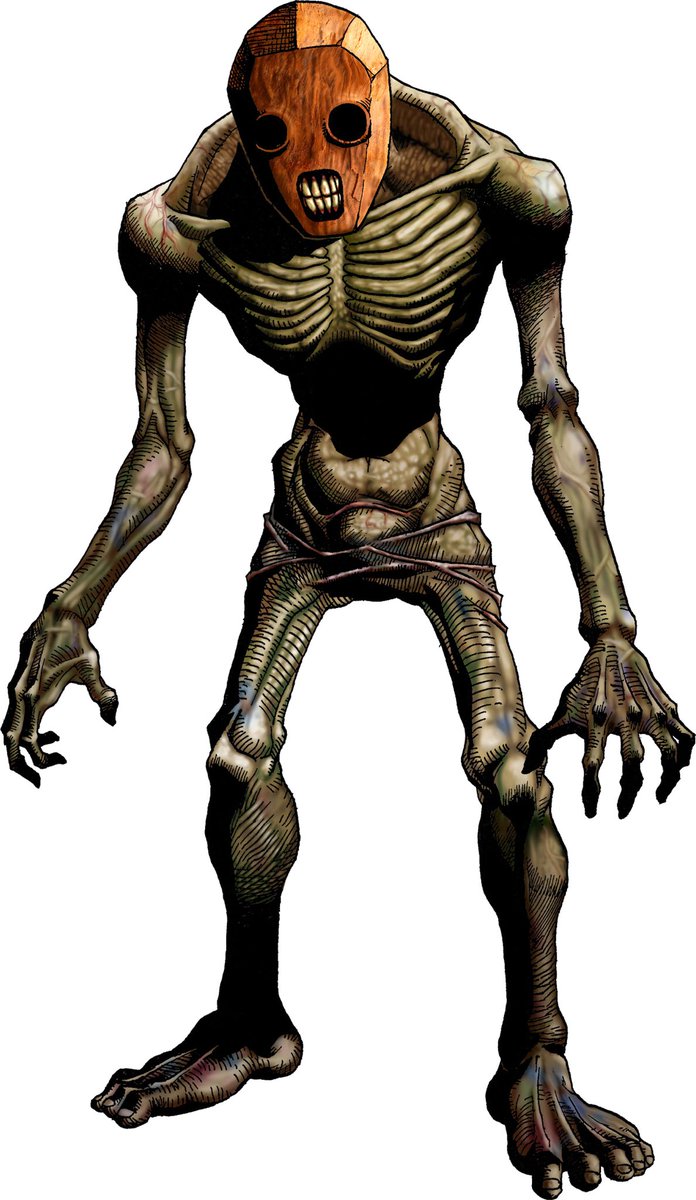
In-depth summary of Ledet (Legend of Zelda)! A traumatizing enemy! Ocarina of Time, Tact of the Wind
Leadet is an enemy character that first appears in "The Legend of Zelda: Ocarina of Time. The character was a traumatic experience for many players because of his horrific zombie-like appearance, the fact that he would cling to you and suck your blood if you approached him, and the fact that you were forced to get close to him because no remote attacks such as bows and arrows or backhanders would work.
Read Article
The NPCs are alive! The Legend of Zelda: The Mask of Mujra's well-crafted NPCs
The concept of "The Legend of Zelda: Majora's Mask" is to repeat three days over and over again, and you will see the same scenery and NPC behavior over and over again. For this reason, the NPCs' actions are very well designed so that the player does not get bored.
Read Article
A compilation of super high quality cosplay images from overseas! Beautiful elves, The Legend of Zelda, and much more!
Here we have compiled a collection of high quality cosplay images from overseas. They include beautiful elves, characters from the popular game series "The Legend of Zelda," and cosplay from popular anime such as "Puella Magi Madoka Magica.
Read Article
Summary of Swordsman characters in the game
Swords are indispensable weapons in RPGs and action RPGs. From the legendary holy swords that only the brave can pull off to the dynamic fighting styles that cut monsters in two, swords are an important element that makes a big impact in games. Here is a list of characters who use swords to fight monsters.
Read Article
Why "The Legend of Zelda" became a legend & summary of key points of each series
The Legend of Zelda" is now a legendary game, but it had a long history. If you are not careful, it might have been "the beginning of the rin". This time, we summarize the history of Zelda and the interesting points of each of the currently released series.
Read Article
![Atsumori] My design is an amazing recreation of the world of The Legend of Zelda! My Design ID Summary](https://renote.net/files/blobs/proxy/eyJfcmFpbHMiOnsiZGF0YSI6MzY3MjEyLCJwdXIiOiJibG9iX2lkIn19--2d13df07e95ffa76ecc52a4823ceb2ce00680a19/20210702-00010044-realsound-000-2-view.jpg)
Atsumori] My design is an amazing recreation of the world of The Legend of Zelda! My Design ID Summary
Atsumare Animal Crossing", the Nintendo Switch exclusive version of the popular "Animal Crossing" game series, features a "My Design" function that allows users to design and create their own clothes and tiles, which is proving to be very popular. My Designs, which recreate clothing from popular cartoons, have often become a hot topic on the Internet, and since My Designs are freely available on the Switch online, you can even become your favorite character. Here are some of the MyDesigns from the popular "The Legend of Zelda" video game series.
Read Article
The Legend of Zelda series wallpaper and images [for your phone's standby!
The Legend of Zelda series is Nintendo's action-adventure game series that has long been popular among users. The basic story is that the main character Link sets off on an adventure to save Princess Zelda, who has been kidnapped by enemies. The game is characterized by the fact that it contains many puzzle-solving elements in addition to action. Here we have compiled a list of images from "The Legend of Zelda series" that can be used as standby screens for smartphones.
Read Article
Introducing the music created by the genius composer, Koji Kondo! The Legend of Zelda series, Mario series, etc.
Do you know Koji Kondo, a leading figure in the video game music world? He has composed music for Nintendo's blockbuster "Mario" series and "The Legend of Zelda" series. He is also known as the "father of game music," and his popularity is not limited to Japan, with many fans overseas. This article introduces a collection of music composed by Koji Kondo for the "Mario" series and "The Legend of Zelda" series.
Read Article
You'll be proud to have it! Monopoly at a good price.
Monopoly is usually around $2,000 to $4,000. If it exceeds this amount, it is a bit expensive. If the price is in the 10,000 yen range, it can be said to be a rare item. How much do you have to pay for a rare item?
Read Article
Contents
- The Legend of Zelda: The Four Swords" Overview
- The Legend of Zelda: The Four Swords in the History of Zelda.
- The Legend of Zelda: The Four Swords
- The Legend of Zelda: The Four Swords" Characters and Characters
- link
- Princess Zelda
- guffaw
- great fairy
- The Legend of Zelda: The Four Swords" Game System
- Manipulation of links
- movement
- attack
- Use of items
- move things
- Game Flow
- Stage Strategy and Rupee
- rupee fever
- Floor Clear Bonus
- Key Acquisition
- Spend rupees to revive
- Earning the Medal of Valor
- Cooperation, omission, anything goes in the battle for the rupee.
- Items from The Legend of Zelda: The Four Swords
- equipment item
- shield
- boomerang
- alcohol with liquor added (esp. wine-based shochu highball, also beer with whiskey)
- Pegasus shoes
- bow and arrow
- Magneglobe
- cloak of feathers
- dwarf hat
- clamouring
- Mysterious Nuts
- Gatun fruit
- cutch (catechu) fruit
- sassafras fruit
- rupee
- Rupees (green, blue, red)
- Large rupee (green, blue, red)
- piece of rupee
- Babalu rupee
- Other Items
- heart
- Heart Vessels
- fairy
- small key
- boo-hoo
- Enemies in The Legend of Zelda: The Four Swords
- octalock
- molybdenum (Mo)
- rupee-like
- piranha fin
- guinea
- Hazy.
- tartanac
- iron-ball soldier
- AMOS
- sol
- gel
- keith
- Stalbaby
- tail
- hip loop
- with-lobe
- gibbet (instrument)
- rope
- iGOL
- jiggle, bounce, slightly trembling
- tektite
- knock
- whistling sound
- thorn (used figuratively as an obstacle or source of difficulty)
- bomb soldier
- deguchitato
- delazol
- Gowen.
- guffaw
- The Legend of Zelda: The Four Swords" stage
- The Beginning of the Horizon
- forest without returning
- Hole in the rock
- death mountain
- Palace of the Wind
- About "The Legend of Zelda: The Four Swords 25th Anniversary Edition
- 1-player mode
- additional stage
- The Land of Memories
- training school
- Terms for The Legend of Zelda: The Four Swords
- foursword
- The Legend of Zelda: The Four Swords" Backstory, Trivia, Minor Stories/Episodes, Anecdotes