
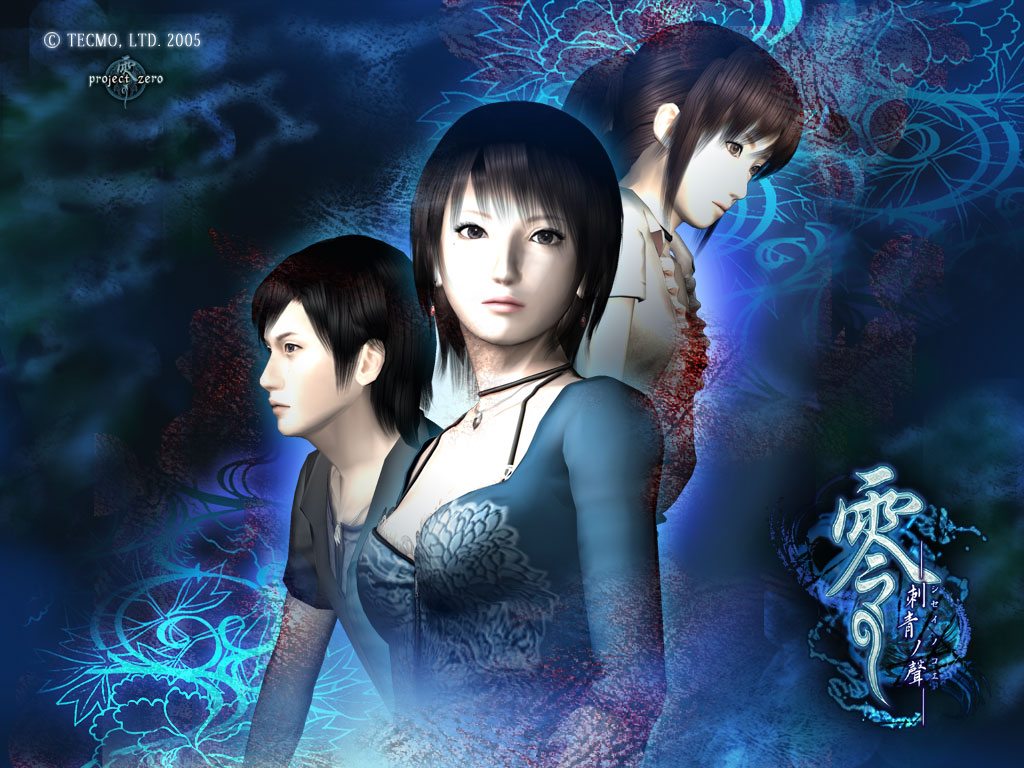
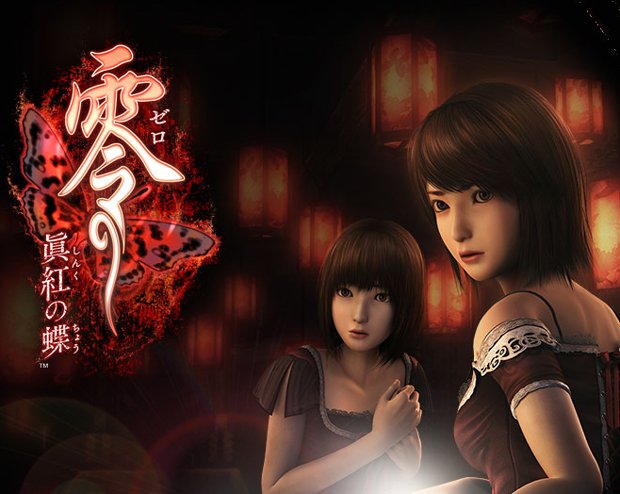
Zero: Shisei no Shouhou" is the third title in the "Zero" series, a Japanese horror game released by Tecmo in 2005 for the PlayStation 2.
In this game, the player must use a "projector," a camera with spirit-removal capabilities, to solve the mystery of a curse that gradually prevents the player from waking up from sleep, while traveling between the real world and a haunted house in a dream.
The main characters from the first and second films in the series also make appearances in the film, and the film is a highlight of the film as we learn what happened to them afterwards.
A camera developed by Kunihiko Aso that can capture "impossible things". When used by a person with strong spiritual power, it can seal spirits. However, handling the projector means strengthening the relationship with spirits, which has a great negative impact on the user's spirit.
The one used by Rei is a projector that Hotaru found during her folklore research. In the real world, it was given to Rei's lover Yuu, so Rei has it and can develop pictures taken in her dreams. It is a key item not only to exterminate spirits but also to obtain important information in the story.
The one used by Fukabeni is the projector from the first work "Zero" and has a stronger power than the one used by Rei because it contains a piece of "Goshinkyo" which suppresses the miasma of the spirits.
ghost rock radio
Its official name is the ore-type inter-field radio receiver. Like the projector, it was invented by Kunihiko Aso.
It is an improved version of the ore radio that uses ore as part of its circuitry, and by using a spirit stone in which human thoughts and feelings reside, it is possible to hear voices from the spirit world.
It plays the role of the cassette tape in the previous work "Zero".
spirit
There are many spirits that appear in the game, and they are categorized into several types depending on the location and scene where they can be photographed.
apparition
They are enemy spirits that attack the protagonists. They can be repelled by using a projectile to do battle. Many of their movements and designs are related to the character's cause of death.
wandering ghost
Spirits that never attack. They appear and disappear suddenly, and some are difficult to photograph without knowing their location in advance. Some spirits are important to the story because of their actions before their death or their attempts to convey something to Mio.
ghost bound to a specific physical location (usu. where death occurred)
Spirits that do not fight like floating spirits. Unlike floating spirits, they do not move or disappear, making them easy to photograph, but they are more difficult to detect because the filaments that guide the search for spirits are less responsive.
sealing spirit
A spirit that is similar to a "jishibei spirit," but blocks the doors and other areas in order to progress in the game. By achieving certain conditions, such as photographing a designated area, they are purified and can move on.
Backstory, trivia, subplots, episodes, and anecdotes about "Zero: The Tattoo".
First male playable character
Zero: Red Butterfly" had many female fans, and it seems that Hotaru Amakura was introduced in response to requests for a male protagonist.
However, it was feared that a masculine character might give a belligerent impression, and it was difficult to create a character who could blend in with the atmosphere of "Zero. He is connected to Mafuyu, the brother of Fukaben, the main character of "Zero," and Yuu, Rei's lover, and has a thinner line, etc. Despite being male, he has a presence that is typical of the world of Zero.
Voice actor of the child's spirit
The voice of the child spirit "Chinjo" in "Zero: Shisei no Shouhou" was voiced by an actual child actress named Miyu Kurokuzuhara, who was 10 years old at the time. She also sang the lullaby "Chinme Uta" that is played in the game.
Theme song for "Zero - Shisei no Shouhou
As in the previous work, the theme song was written by Tsukiko Amano. Several other candidates were mentioned, but based on her impression of the previous work, "Zero: Red Butterfly," the decision was made even before the song was written.
Tsukiko Amano was given the story and visuals first, and then the director, Mr. Shibata, handed her a document containing the overall message of the game and the meaning of the ending, etc. It seems that the song had already been written by that time. Therefore, although it cannot be said that the content of the song is completely consistent with the tattoo, it has a deeper message when the two are considered together as an interpretation from a different point of view.
Tsukiko Amano "Unamplified

Related Articles
Zero - Nurekasuno Miko (Fatal Frame V) Spoiler Commentary and Discussion Summary
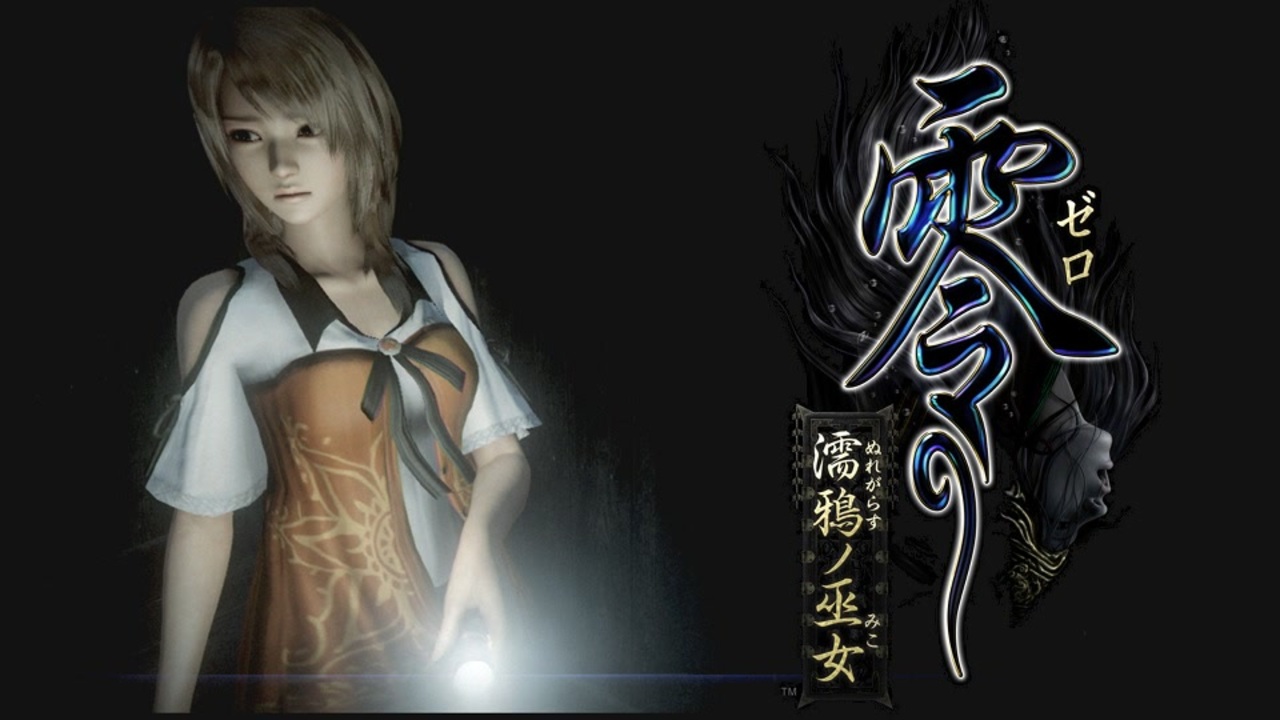
Zero: Nurekasunomiko" is the sixth title (ninth in total) in the "Zero" series of Japanese horror games released by Nintendo. The catchphrase of the game is "Mountains of death, ghostly weddings, and godforsakenness, all connected by water." . The three characters are Yuri Furikata, Fukaha Hinasaki, and Ren Housho. The story takes place on Mount Nikkoue, a sacred mountain where water is worshipped as a deity. Yuri is in pursuit of a missing benefactor or client, Fukahane is in pursuit of her mother, and Ren is in pursuit of mourning photos of the dead. The beautiful graphics and gloomy atmosphere of the film have attracted fans.
Read Article
Zero - Red Butterfly and Zero - True Red Butterfly (Fatal Frame II) Spoilers and Discussion Summary
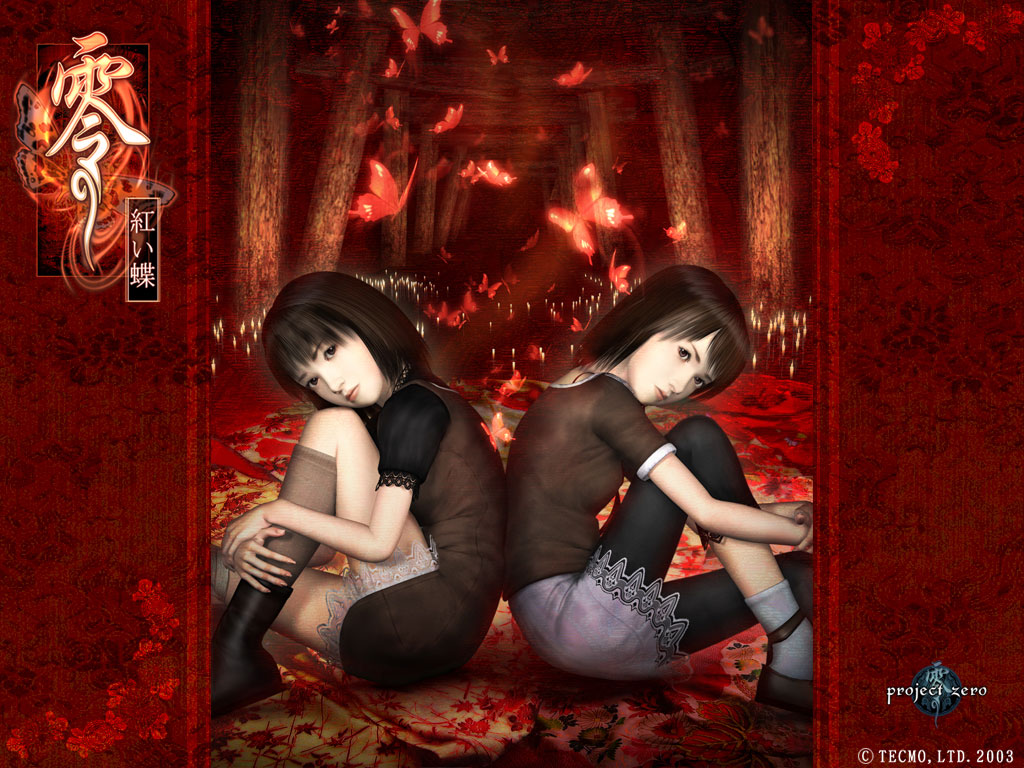
Zero - Red Butterfly" is the second title in the "Zero" series, a Japanese horror game released by Tecmo in 2003 for the PlayStation 2. While the game utilizes the strengths of the previous title "Zero", such as the ability to repel spirits by projecting them onto a projector and solving mysteries from a folkloric perspective, the setting has been changed from a single mansion to a single abandoned village, giving the player a wider scope for action. Many of the characters have ties to the previous work, and the setting of the previous work, which is revealed in this work, is also a highlight of the game.
Read Article
Zero - ZERO (Fatal Frame / Project Zero) Spoiler Commentary and Discussion Summary
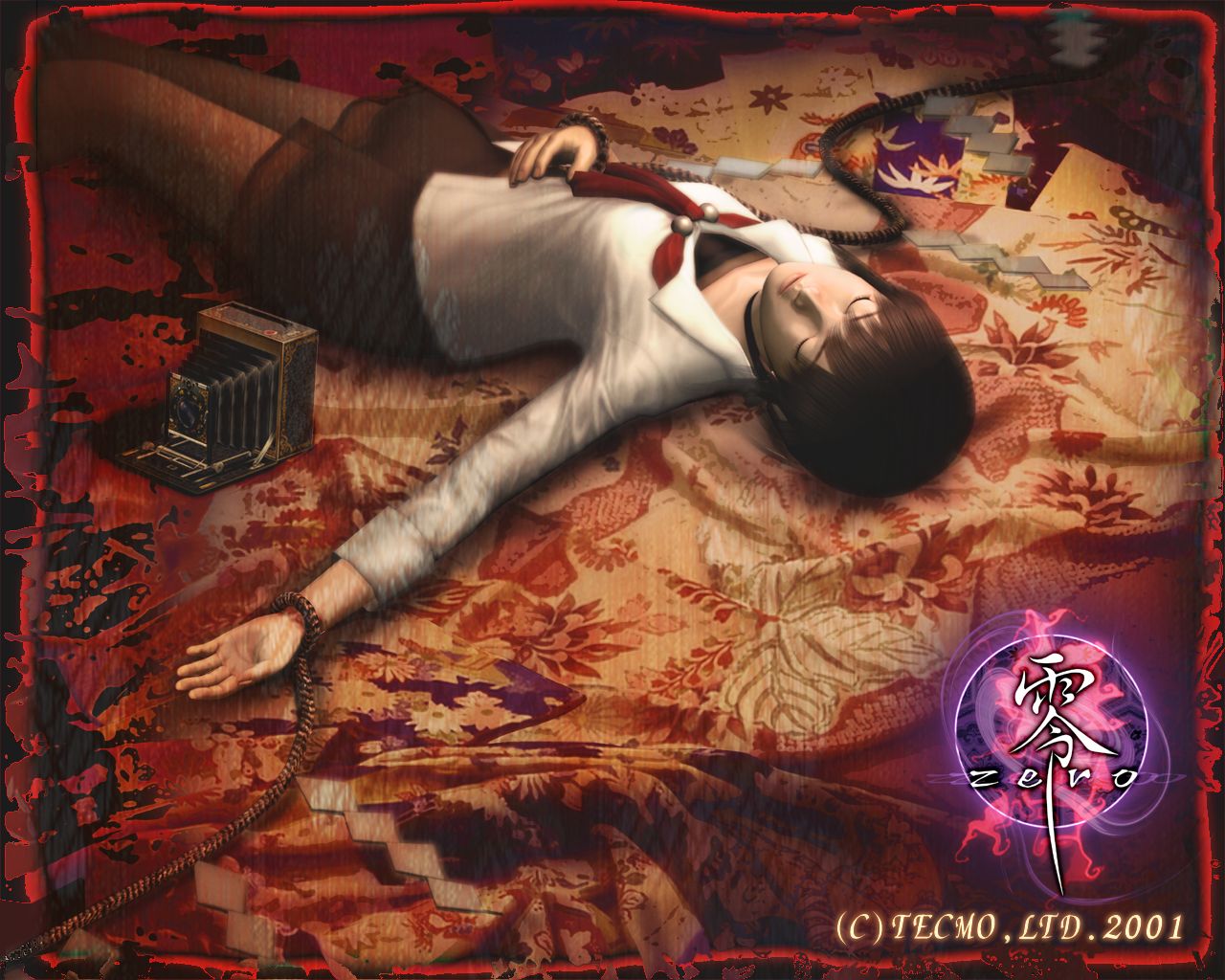
Zero" (Fatal Frame / Project Zero) is the first title in the "Zero" series, a Japanese horror game released by Tecmo in 2001 for the PlayStation 2. The game gained popularity due to its game system in which the player must face the object of his/her fear, and enemies, who are spirits, can be repelled by projecting them onto a "projector," which has a special ability. The game's detailed setting is also one of its charms, with mysteries to be solved from an ethnographic point of view, and each enemy's spirit is carefully crafted.
Read Article
Zero - Mask of the Lunar Eclipse (Fatal Frame IV) Spoilers and Discussion Summary
Zero: Mask of the Moon" is the fourth installment in the "Zero" series of Japanese horror games. The game's catchphrase is "Experience the horror. is the catch copy. The game takes place in Japan in the 1980s. The game consists of 12 chapters and is played from the viewpoints of four characters: Ryuka Minazuki, Umisaki Aso, Enka Tsukimori, and Choshiro Kirishima. The setting is a remote island called Oborozukijima. The main focus is on exploration of a decaying, abandoned hospital and a Japanese-style mansion, as well as battles with ghosts.
Read Article
Zero - Murasaki's Diary (Psychic Camera - Possessed Notebook) Spoiler Commentary and Discussion Summary
Zero - Murasaki no Nikki (Diary of Murasaki)" is a game software for 3DS released by Nintendo in 2012. The game is based on an urban legend that anyone who has seen the impossible words in a "purple diary" will be found dead with their face shaved off. The game uses the 3DS as a projector and the AR notebook as the purple diary, blurring the boundary between the real world and the game and allowing the player to experience the invasion of fear.
Read Article
![ZERO series] Images of beautiful and pretty characters [FATAL FRAME, PROJECT ZERO].](https://renote.net/files/blobs/proxy/eyJfcmFpbHMiOnsiZGF0YSI6NTQwMjY0LCJwdXIiOiJibG9iX2lkIn19--84ef9f54b1baedb89020578c35416c662b8f16be/zero6-23-5.jpg)
ZERO series] Images of beautiful and pretty characters [FATAL FRAME, PROJECT ZERO].
The "Zero series" is a survival horror action-adventure game that has continued since the first game "Zero zero". The "Zero" series is characterized by a system in which the player can see and hear the past and expel spirits by shooting them with a projector, a camera that can capture impossible objects. In the "Zero" series, the main character is often a young girl, and we can see the dainty girls boldly stand up against the ghosts of their past.
Read Article
Internal Affairs or Warfare? Summary of recommended titles of "Nobunaga's Ambition" by gamer type [Event or character-oriented?
A popular work that has appeared in several titles, "Nobunaga's Ambition" has various characteristics for each title. This summary divides gamers' tastes into four categories: those who want to play internal politics, those who want to fight wars, those who focus on events, and those who focus on characters, and introduces titles that can be recommended for each type.
Read Article
A selection of recommended horror games to enjoy slowly
A variety of horror games available for play in Japan. They are all wonderful. Among them, we would like to introduce mainly horror games with action elements.
Read Article
Selected horror games compilation! Includes masterpieces such as the ZERO series, SIREN, Ao-oni, and more!
Here we have compiled a list of selected masterpiece horror games & free horror games. We have introduced only the best of the best, such as "Zero" series, "Siren" series, and "P.T.", which are well known as masterpieces of horror games, and "Aoki" and "Ib" from free horror games distributed on the Internet.
Read Article
Contents
- Outline of "Zero: The Form of a Tattoo
- Synopsis and story of "Zero: The Story of a Tattoo
- Programming in Logic
- Ichinoki "Chou - Shirushi
- Ni-no-koku "Kakuma-no-ie ~Hazama-no-ie~" (The House of the Narrows)
- San-no-koku "Chinme Uta - Shizume Uta
- The Fourth Hour "Kakamu -Magayume-" (The Dream of Disaster)
- Five-note "Kamikakushi - Kamikakushi".
- Rokunokkoku "Abominable Pillar - Imibashira
- Seven Nocturnes "Floating Hell - Fugoku".
- Hachinokoku "Kyoumu - Utsuroyume" (The False Dream)
- Ninth Hour "Breaking - Hagai
- Ten-minute "Sashikon-no-gi - Shikon-no-gi
- Eleventh Hour "The Road to the End - Tsuinomichi
- Twelve Nocturnes "Kai-no-gi - Kainogi
- 13th no koku "Shisei no koe" (The voice of a tattoo - Shisei no koe)
- End of time "Ganenohuchi - Hate-no-Fuchi
- jump
- The game system of "Zero - Shisei no shouhou" (Zero - Shisei no shouhou)
- basic system
- Finder Mode
- Toughened Lens
- "Late."
- "Pressure."
- "Time."
- "Zero."
- "Shoot."
- "kan"
- "Ren."
- "Perish."
- Characters in "Zero: The Tattoo
- Rei Kurosawa
- Yuu Aso
- blue-and-white flycatcher (Cyanoptila cyanomelana)
- Miku Hinasaki
- Mafuyu Hinasaki
- Kei Amakura
- Mio Amakura
- Cocoon of Amakura
- Yoshino Takigawa
- Reika Kuze
- Kyoka Kuze
- Akito Kashiwagi
- Kaname Ototsuki
- KUZE Yashu
- KUZE Amane
- KUZE Hizame
- Shigure Kuze
- Kuse Minamo
- Narumi Tengai
- Makie Kuzuhara, Kozue
- Kiriko Asanuma
- Kunihiko Aso
- Terms for "Zero: The Shisei no Shouhou
- emperor's temporary place of sojourn
- ceremony to consecrate a newly made Buddhist statue or image by inserting the eyes (thereby investing it with soul)
- rite of commandment
- virgin consecrated to a deity
- sleeping woman
- Himuro Residence
- Minakami Village
- projector
- ghost rock radio
- spirit
- apparition
- wandering ghost
- ghost bound to a specific physical location (usu. where death occurred)
- sealing spirit
- Backstory, trivia, subplots, episodes, and anecdotes about "Zero: The Tattoo".
- First male playable character
- Voice actor of the child's spirit
- Theme song for "Zero - Shisei no Shouhou
- Tsukiko Amano "Unamplified