
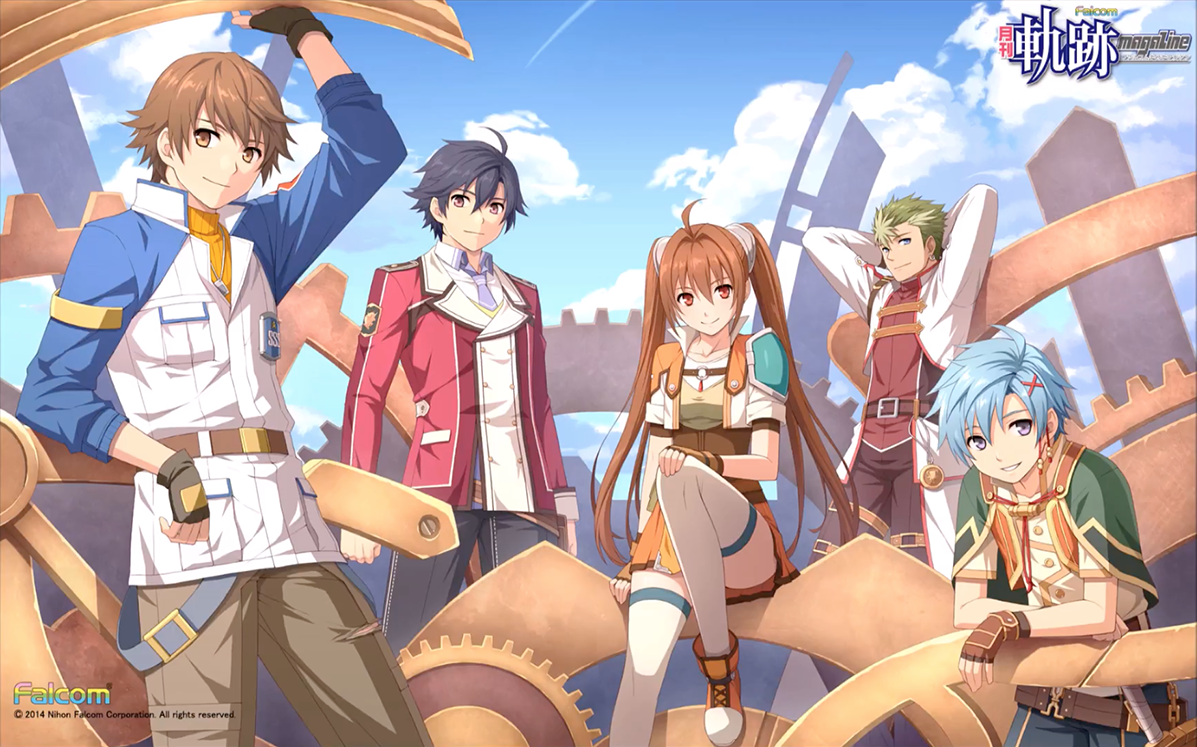
The Legend of Heroes: The Locus Series is the generic name for the third season of the Legend of Heroes (Eiden) series of RPG games developed by Nihon Falcom. All of the games in the series are set on the continent of Zemuria and use a calendar called the Shichiyou calendar. The interrelated scenarios and characters achieve a high level of quality and volume as RPGs, and have become famous as Falcom's representative works along with the "Ys" series.
Brigade of the West Wind
The Red Constellation is the twin-peaks of the hunting corps in the western part of the continent. It is also the old home of Fee until Sara picked him up.
Ludger Clausel, Fee's adoptive father and leader, is known as the "King of the Hunters," and Bardel has been a long-time nemesis of his. In "Trail of Blue," the two clashed six months ago and both are said to have died.
Zeiss Central Workshop (ZCF)
Based in the "Workshop City of Zeiss" in the Kingdom of Revere, this technical factory is famous for its cutting-edge research in conductor technology. Its official name is "Zeiss Central Factory," and it is called "ZCF" from the initials of each.
Located in Zeiss, the workshop city of the Kingdom of Revere, the Central Factory, where cutting-edge research in orbital technology is conducted, is one of the most famous technical factories on the continent. It is also called 《ZCF》, which stands for "Zeiss Central Factroy.
Rheinwort Company
A giant technology manufacturer headquartered in the Erebonian Empire and Alisa's family home. It is mainly engaged in the development and manufacture of weapons, such as conductive guns, but has also branched out into the development of conductive railroads and airships.
The Legend of Heroes: Kiseki Series" game system
basic system
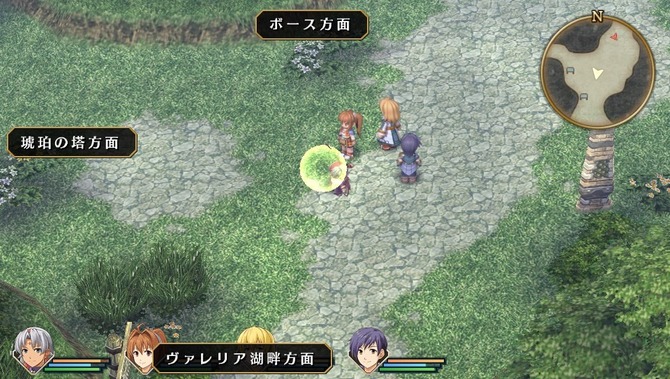
All of the works in the Locus series have the same basic system, and the operation methods are almost the same. In this general RPG style, players control the main character and his or her companions, and progress through the story by moving around the field, conversing with NPCs such as town dwellers, and engaging in event battles with enemies in order to reach the final outcome of the story.
The fields and objects are composed in 3D, and characters drawn in 2D move around on them. In "Sen no Kiseki," however, characters are also drawn in 3D, making it a completely independent RPG in 3D format.
When the player character moves around, there are towns, plains, caves, and buildings in the field, and in addition to the player character, there are often NPCs or enemies roaming the field. And when fighting, each field has its own special field for fighting.
When the player character comes into contact with a specific object on the field, a "! appears around the player character, and an event occurs when the decision button is pressed.
The battle begins when the player comes into contact with an enemy on the field, and the starting situation of the battle changes depending on the direction of contact with the enemy, which is also a key point of game progression. If you make contact from behind the enemy, the enemy attacks first; conversely, if the enemy makes contact with you from behind, the enemy attacks first.
Scenario Structure
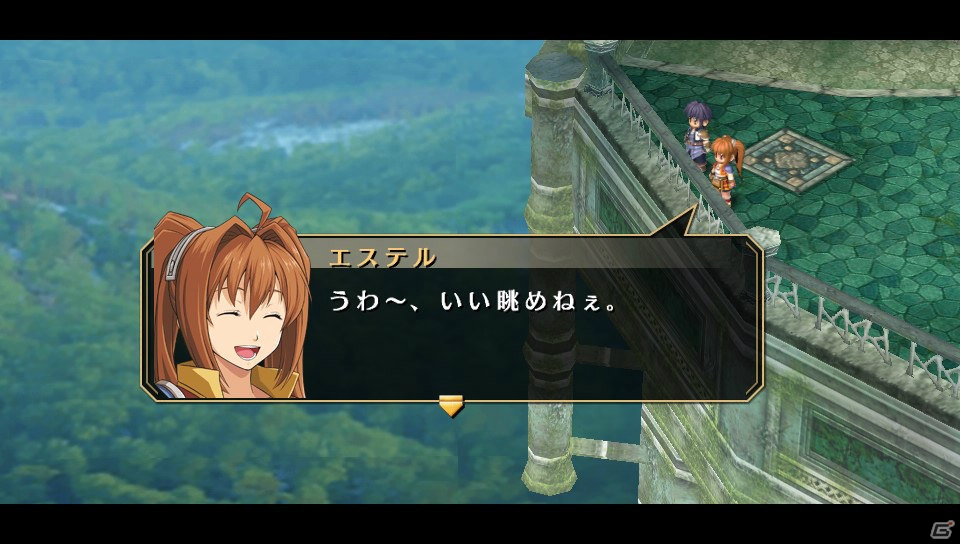
In general, the works in the Locus series are divided into chapters (stories only in "Sora no Kiseki the 3rd") according to the progress of the main scenario, and many sub-scenarios are prepared in parallel with the main scenario.
Sub-scenarios are not required to be played, and it is possible to complete the game by simply ignoring them and continuing with the main scenario. However, there are benefits to be gained by completing them, such as expensive miraas and powerful items, so there is merit in trying them out.
status
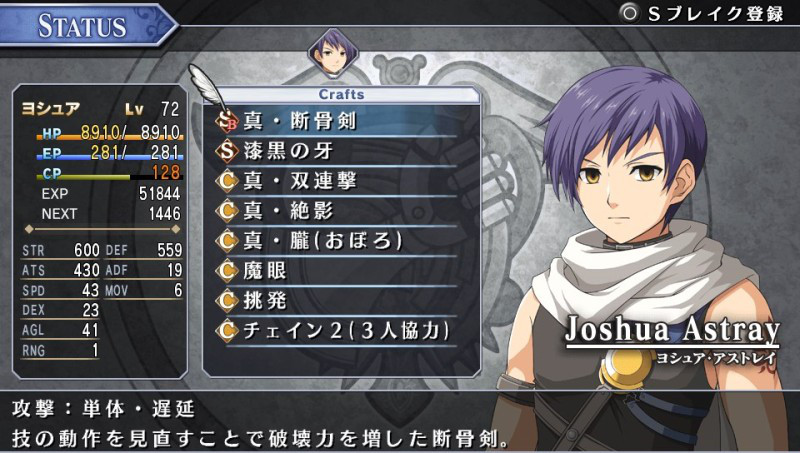
There are a total of 15 statuses that determine the abilities of party characters, as follows
Level: The character's level. The maximum HP and parameters increase as the character levels up by accumulating experience as described below.
HP: Literally, the character's physical strength, and when it reaches 0, the character is disabled. When the HP of all party characters reaches 0, the player is annihilated and the game is over. The maximum value increases with each level up.
EP: This is a parameter required to use the guidance magic and is called MP (magic point) in RPGs. The maximum value increases with each opening of an orbament slot.
CP: A parameter required to use "war techniques (crafts)," which are equivalent to special moves in this series. The maximum value is fixed at 200.
STR (physical attack strength): Attack power of normal attacks and crafts. The higher the STR, the more damage can be inflicted by normal attacks and crafting.
DEF (Physical Defense): Defensive strength to withstand enemy normal attacks and crafting. As it increases, the damage inflicted by enemy attacks and crafting will decrease.
ATS (Magical Attack Strength): The attack power of arts. Increasing ATS increases the damage inflicted by arts.
ADF (Magic Defense): Defense to withstand enemy arts. Increasing ADF decreases the damage inflicted by enemy Arts.
SPD (Speed of Movement): A parameter that corresponds to speed.
DEX (Dexterity): A parameter that corresponds to hit rate.
AGL (Agility): This parameter corresponds to the evasion rate, and as it increases, it becomes easier to avoid enemy attacks.
MOV (Movement Velocity): The range of movement in a single action. The higher the MOV, the more you can move around the field and the closer you can get to enemies at a distance.
RNG (range of attack): The distance a single attack can reach. This is especially important for characters with flying weapons such as bows and guns. The higher the RNG, the farther away the character can attack enemies.
EXP (Experience): Literal experience value. It is displayed in the result at the end of a battle, and is acquired by defeating enemies, and once a certain amount is acquired, the character levels up.
NEXT (Next Experience Value): This parameter is also displayed on the result screen at the end of a battle. It is the value obtained by adding the experience required to level up to the next level to the current total experience value.
equipment
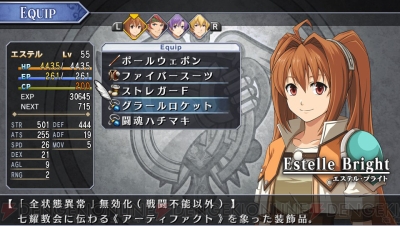
In general, there are four types of equipment in the Kiseki series: weapons, clothing, shoes, and accessories.
Weapons" increase physical attack power, and different characters can use different types of weapons (e.g., in "Trails in the Sky," Estelle has a stick tool and Joshua has a twin sword; in "Trails in Zero and Blue," Lloyd has a tonfa and Ely has a rifle), but other weapons cannot be equipped. If a weapon is unequipped, it is treated as a "practice weapon," and its attack power and attack range will naturally be zero.
Clothing increases physical and magical defense, and shoes increase physical defense, mobility, and agility. Unlike weapons, most of these items can be equipped by any character. However, there are some items that are restricted to male or female users, or to specific characters only.
Accessories" are two pieces of equipment per person, and their effects vary widely, from preventing abnormal conditions to increasing (or decreasing) the range of firearms. Like clothing and shoes, some accessories are restricted to certain users.
cooking
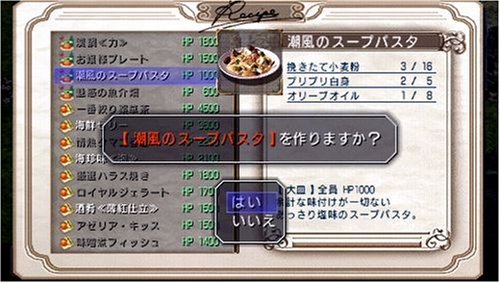
In the Locus series, "dishes" are generally treated as recovery items, and when eaten, they have various effects such as recovery and status enhancement. Recipes are necessary to cook a dish, and once a recipe is learned, it is recorded in the "Cooking Notebook," and the dish can be made by gathering the ingredients described in the recipe.
Recipes can be learned by eating the recipe or discovering the recipe. Cuisines have a basic HP recovery effect, and depending on the type, they may also have additional effects such as increased status. There are also a few types of offensive dishes that can be used as offensive items.
There are two types of dishes: "platter" and "portable." Platter dishes are consumed on the spot and have effects such as recovery for everyone in the party. Portable dishes, on the other hand, as the name suggests, are not consumed immediately after they are made, but can be carried around and used at any time, just like recovery items, but like recovery items, they only affect one person.
There are two types of ingredients necessary for cooking: general ingredients such as "flour," "meat," and "rice," which can be purchased at stores, and "bones of monsters," "meat of monsters," and "fish meat of monsters," which can be obtained by defeating enemies. The ingredients can be purchased by meeting certain conditions, such as progressing through the game, depending on the work.
Data transfer

Related Articles
The Legend of Heroes: Trails of the Flash (Game) Spoiler Commentary and Discussion Summary
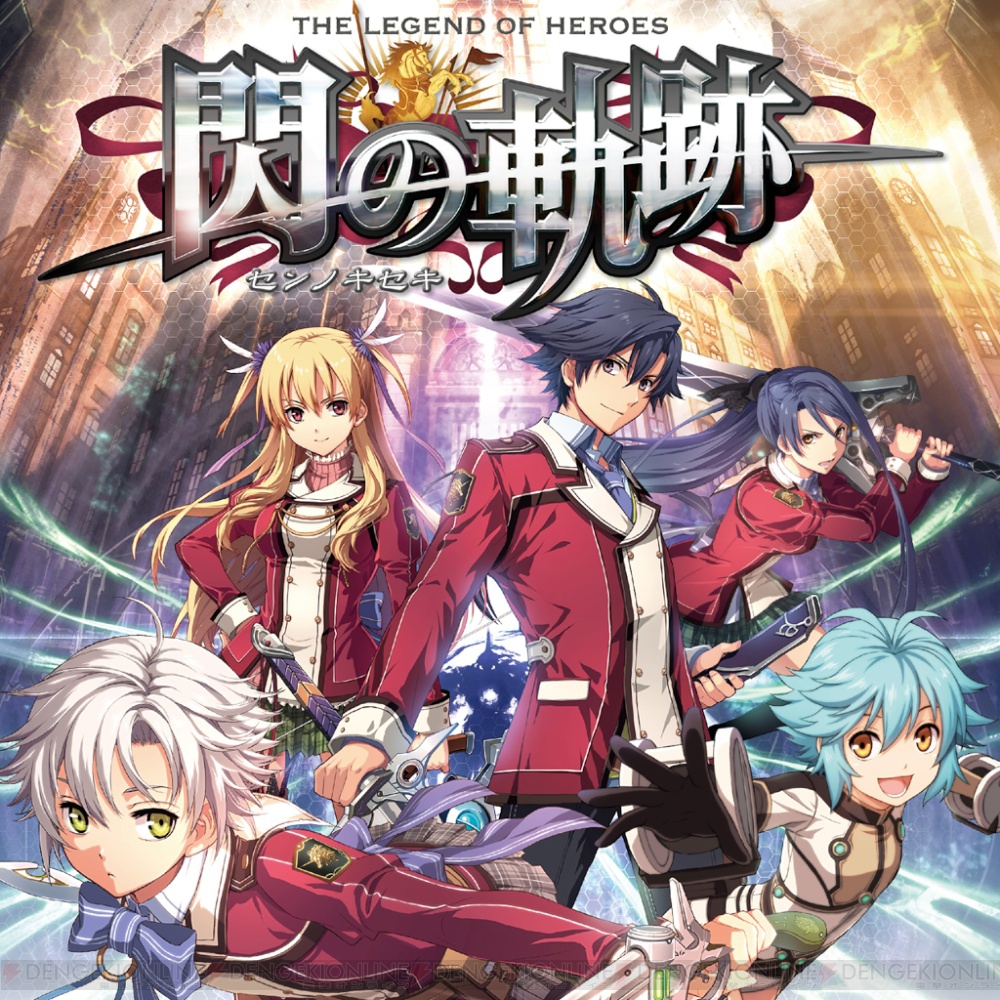
The Legend of Heroes: Sen no Kiseki" is a story RPG (role-playing game) developed by Nihon Falcom Inc. and released exclusively for PlayStation 3 and PlayStation Vita in September 2013. In the Erebonian Empire, a large country in the western part of the Zemuria continent, two major forces, the aristocratic faction and the innovative faction, are engaged in a dark struggle throughout the empire. Players control the main character, Lin Schwarzer, who is enrolled at the Tolls Academy. The game follows the various dramas that take place throughout the empire.
Read Article
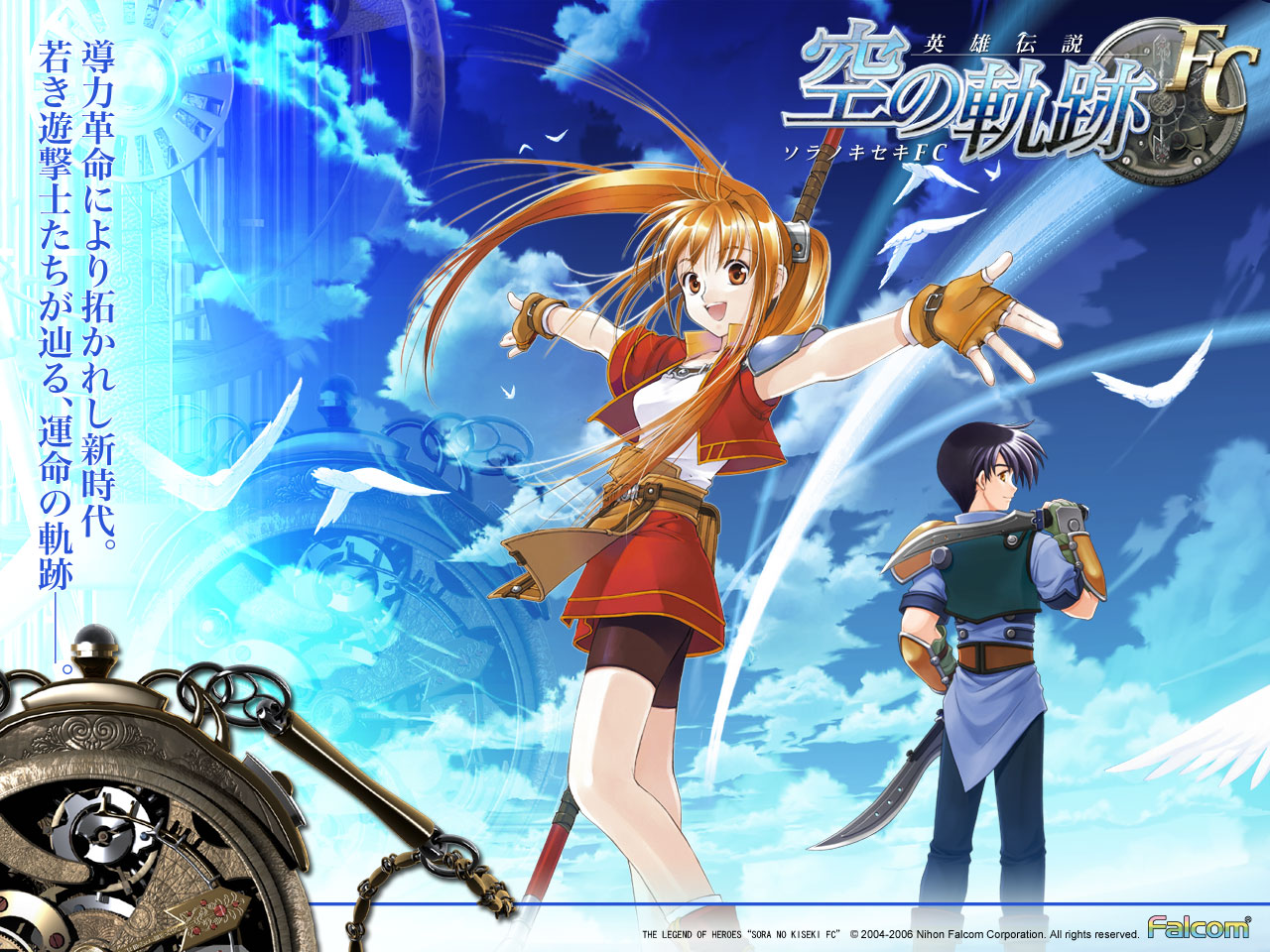
The Legend of Heroes: Trails in the Sky FC (game) spoiler commentary and discussion summary
The Legend of Heroes: Trails in the Sky FC" is a PC RPG game released by Nihon Falcom in 2004. This first title in the "Trails in the Sky" series was so popular that it was ported to the PSP and PS3, and in 2015, "Trails in the Sky FC Revolution" was released for the Vita with full voice and new character visuals. The story follows the main characters, Estelle and Joshua, who set off as apprentice rangers after the disappearance of their father, and grow up as they encounter friends and incidents.
Read Article
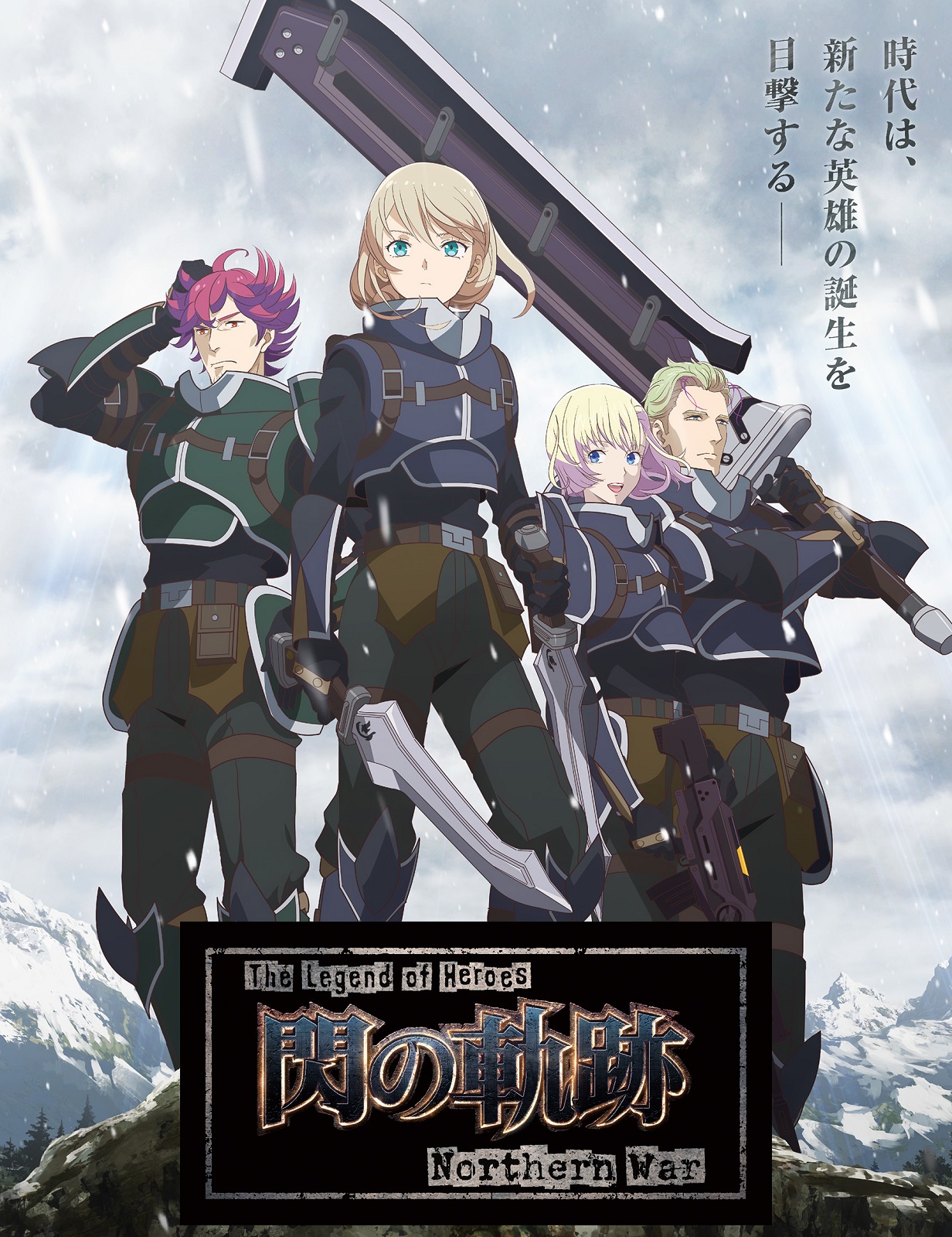
The Legend of Heroes: Trails of the Flash Northern War (anime) spoiler commentary and discussion
The Legend of Heroes: Trails of a Flash Northern War" is a winter 2023 anime film that depicts the activities of a platoon assigned to a reconnaissance mission in an enemy country and the battles of the heroes as seen from their perspective. It is based on the popular RPG series "The Legend of Heroes: Trails of Genesis". Lavien Winslet, whose grandfather was a hero and a traitor to his country, volunteers to join the Northumbrian Hunters to prove that he is not like his grandfather. While carrying out various missions with her friends, she is ordered to spy on the enemy, the Erebonian Empire.
Read Article
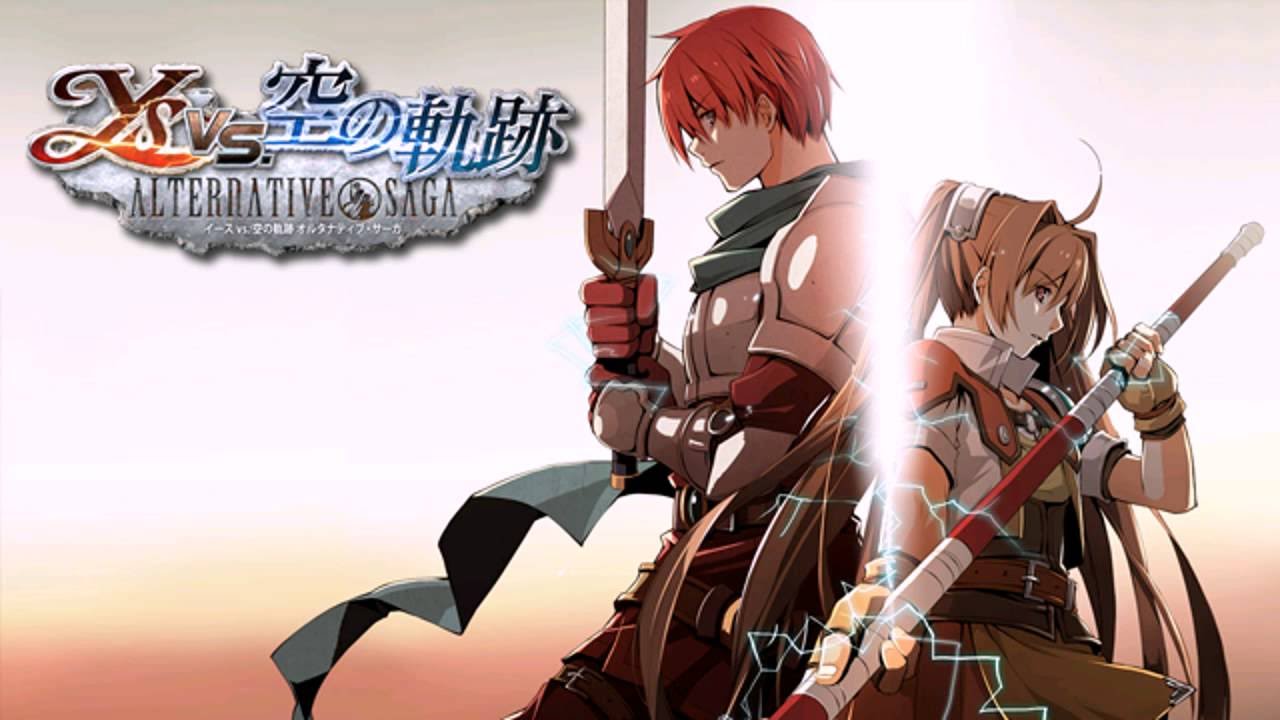
Ys vs. the Trails in the Sky: Alternative Saga (Game) Spoilers and Discussion Summary
Ys vs. Trails in the Sky: Alternative Saga" is an action game for PlayStation Vita released by Nihon Falcom on July 29, 2010. In this game, the player characters are from the "Ys" series and "The Legend of Heroes VI: Trails in the Sky" series, both of which are Nihon Falcom's signature RPG games. The story is about their adventures to defeat the Demon King Garcis.
Read Article
Tags
- The Legend of Heroes series
- The Legend of Heroes: Akatsuki no Kiseki
- The Legend of Heroes: Ao no Kiseki
- The Legend of Heroes: Hajimari no Kiseki
- The Legend of Heroes: Trails from Zero
- The Legend of Heroes: Trails in the Sky
- The Legend of Heroes: Trails of Cold Steel
- The Legend of Heroes: Trails of Dawn
- The Legend of Heroes: Trails Series
- The Legend of Heroes: Trails to Azure
- The Legend of Heroes: Zero no Kiseki
- 英伝シリーズ
- 英雄伝説 創の軌跡
- 英雄伝説 暁の軌跡
- 英雄伝説 碧の軌跡
- 英雄伝説 軌跡シリーズ
- 英雄伝説 閃の軌跡
- 英雄伝説 零の軌跡
- 英雄伝説VI 空の軌跡
- 英雄伝説シリーズ
Contents
- Outline of "The Legend of Heroes: Kiseki Series
- series structure
- The Legend of Heroes VI: Trails in the Sky FC
- The Legend of Heroes VI: Trails in the Sky SC
- The Legend of Heroes VI: Trails in the Sky the 3rd
- The Legend of Heroes VII: Zero no Kiseki
- The Legend of Heroes VII: Trails in the Blue
- The Legend of Heroes VIII: Trails of the Flash
- The Legend of Heroes VIII: Trails of Genesis II
- The Legend of Heroes VIII: Trails of the Flash III
- The Legend of Heroes: Trails of Dawn
- Major characters and characters of the Locus series
- The Legend of Heroes VI: Trails in the Sky
- Esther Bright.
- Joshua Bright
- Scherazard Harvey
- Olivier Renheim
- Claus Linz.
- Agat Kroszner.
- Tita Russell
- gin and vasec
- Kevin Graham
- Rhys Argento.
- The Legend of Heroes VII: Zero no Kiseki, Heki no Kiseki
- Lloyd Bannings.
- Ely McDowell.
- Thio Plateau.
- Randy Orlando.
- Alex Dudley
- Noel Seeker
- wadi hemisphere
- Risha Mao
- The Legend of Heroes VIII: Trails of the Flash
- Lin Schwarzer.
- Alisa Reinfort
- Elliot Craig.
- Laura S. Alzeid.
- Eustis Albarea.
- Emma Milstin.
- Macias Regnitz.
- Fee Clausel.
- Gaius Worzel.
- Miriam O'Lion
- Sarah Ballestein
- Una Crawford
- Kurt Vandahl
- Altina Orion
- The Legend of Heroes: Trails of Dawn
- Nachtweis.
- Chloe Burnett
- Main stages of the Locus series
- Kingdom of Liber
- Erebonian Empire
- Crosbell Administration
- Worldview & Terminology
- incentive
- Obsidian (septium)
- tactical ornament
- Ancient relics (artifacts)
- The Seven Treasures (Sept Therion)
- Rangers Association (Bracers Guild)
- Church of the Seven Yours sincerely (ancient Chinese religious group founded in 1892 as an offshoot of Nichiren Buddhism)
- Ouroboros (snake that eats its own flesh)
- Hunters (Jaeger)
- The Hunters of the North
- the Red Constellation
- Brigade of the West Wind
- Zeiss Central Workshop (ZCF)
- Rheinwort Company
- The Legend of Heroes: Kiseki Series" game system
- basic system
- Scenario Structure
- status
- equipment
- cooking
- Data transfer
- combat system
- AT Battle
- AT Bonus
- (computer) command
- attack
- movement
- arts
- tool
- retreat
- Warfare (Craft)
- S break
- Conducting Magic (Oval Arts)
- attribute
- tactical ornament
- Crystal Circuit (Quartz)
- master quartz
- Creating Arts
- Combat Settings