かぐや姫の物語 / The Tale of the Princess Kaguya

かぐや姫の物語 / The Tale of the Princess Kaguya

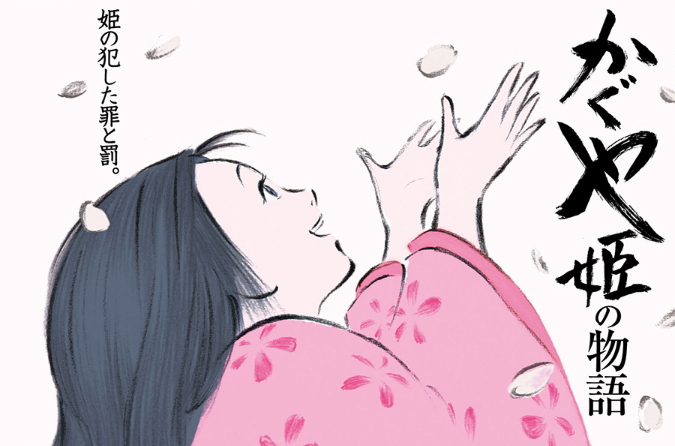
The Tale of Princess Kaguya" is an animated film produced by Studio Ghibli and directed by Isao Takahata for the first time in 14 years, based on "Taketori Monogatari", said to be the oldest story in Japan. The catchphrase is "The Crime and Punishment Committed by the Princess. The film retains the plot of "The Tale of the Bamboo-Cutter," in which Princess Kaguya, a girl who emerges from the bamboo, grows up beautifully, fends off men's advances, and eventually returns to the moon, and depicts the truth behind the story and the "heart" of Princess Kaguya, which no one ever knew why she came to earth and why she had to return to the moon.

Related Articles on かぐや姫の物語 / The Tale of the Princess Kaguya

The Tale of Princess Kaguya (Ghibli film) Spoilers and Discussion Summary

The Tale of Princess Kaguya (Ghibli film) Spoilers and Discussion Summary

The Tale of Princess Kaguya" is an animated film produced by Studio Ghibli and directed by Isao Takahata for the first time in 14 years, based on "Taketori Monogatari", said to be the oldest story in Japan. The catchphrase is "The Crime and Punishment Committed by the Princess. The film retains the plot of "The Tale of the Bamboo-Cutter," in which Princess Kaguya, a girl who emerges from the bamboo, grows up beautifully, fends off men's advances, and eventually returns to the moon, and depicts the truth behind the story and the "heart" of Princess Kaguya, which no one ever knew why she came to earth and why she had to return to the moon.

Read Article

Studio Ghibli] Trivia, trivia, and small stories about "The Tale of the Princess Kaguya"! You may enjoy the work more!

Studio Ghibli] Trivia, trivia, and small stories about "The Tale of the Princess Kaguya"! You may enjoy the work more!

This article introduces trivia and trivia about "The Tale of Princess Kaguya," a film produced by Studio Ghibli, as well as behind-the-scenes stories about the film's production. The article includes basic information on the classic literature "Taketori Monogatari" on which the film is based, the theme song and voice actors, and the points that Isao Takahata was particular about in the production of the film.

Read Article

A compilation of handsome characters from Ghibli movies! The circumstances they each have are fascinating!

A compilation of handsome characters from Ghibli movies! The circumstances they each have are fascinating!

This article introduces a collection of handsome characters that have appeared in films produced by Studio Ghibli. Many attractive characters have appeared in Ghibli films, such as Haku from "Spirited Away," Pazoo from "Castle in the Sky," and Sho from "The Borrower Arrietty. Each of these characters has his or her own story, and this is what makes them so appealing. We hope you will find your favorite character.

Read Article

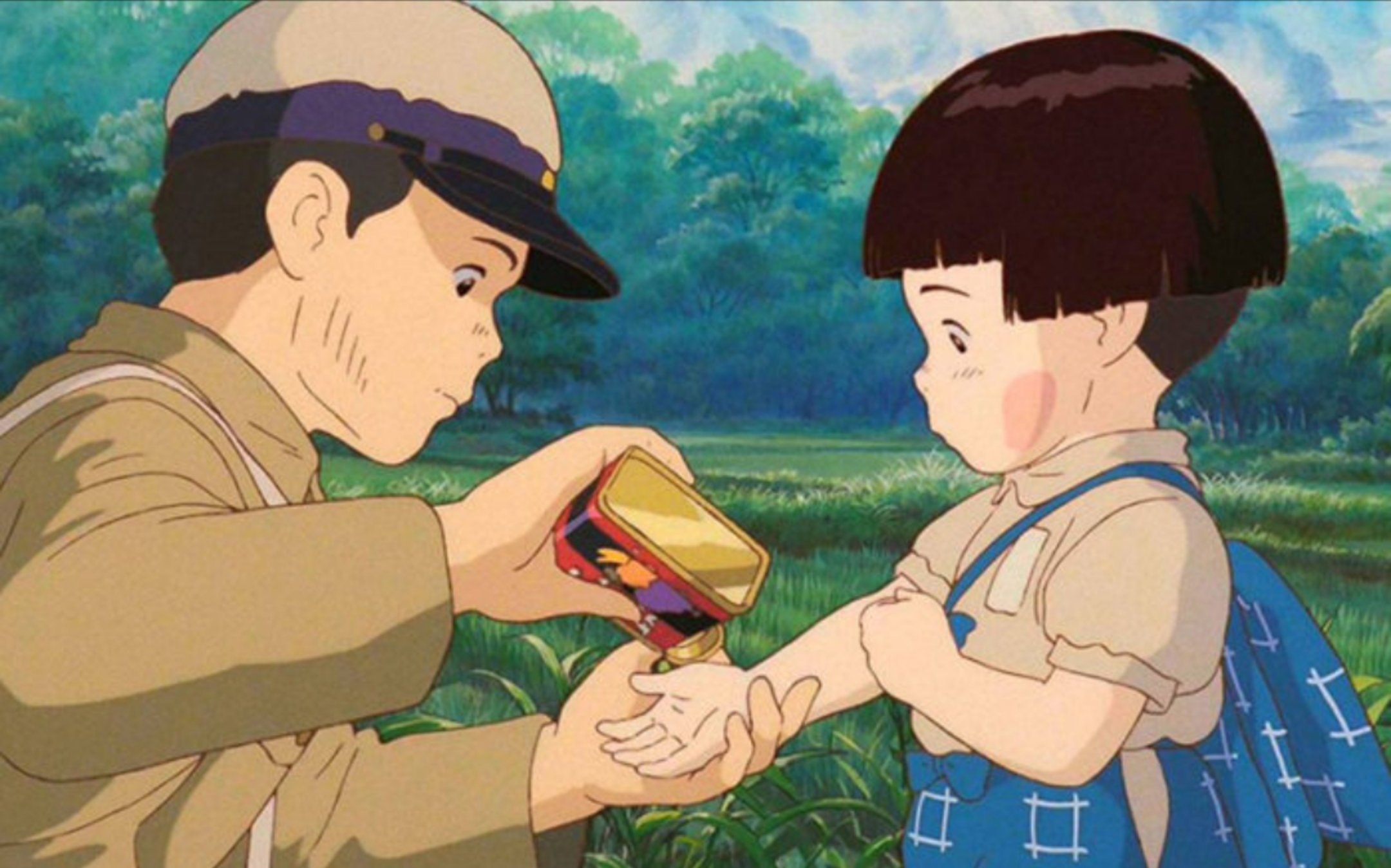
Spoiler commentary and discussion of Grave of the Fireflies (Ghibli film).

Spoiler commentary and discussion of Grave of the Fireflies (Ghibli film).

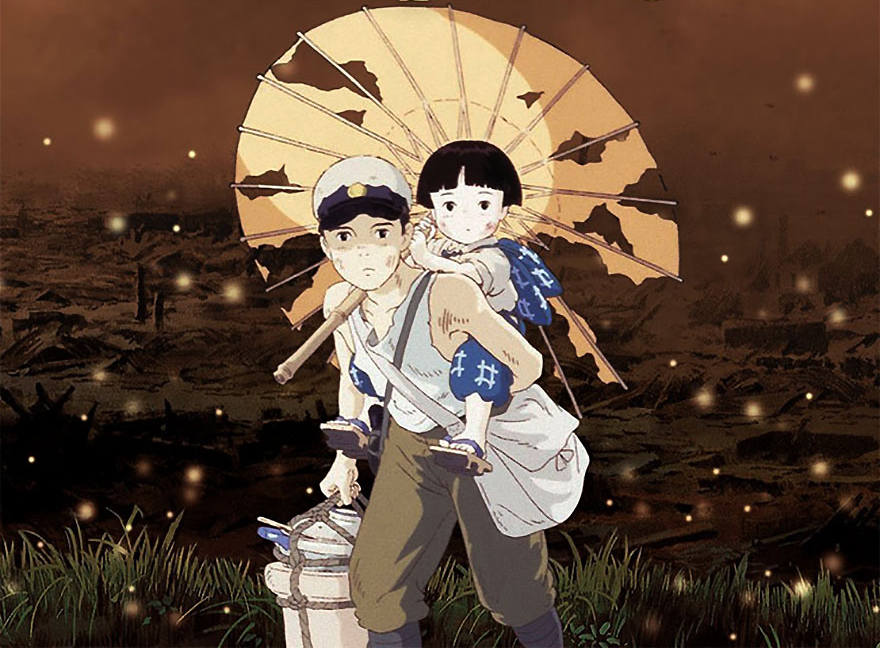
Based on Akiyuki Nosaka's short story about his war experiences, "Grave of the Fireflies" is an animated feature film directed and written by Isao Takahata and produced by Shinchosha and Studio Ghibli, which was released on April 16, 1988, in Toho theaters. Set in the suburbs of Kobe and Nishinomiya cities in Hyogo Prefecture during World War II, the film tells the story of Seita, a 14-year-old brother, and his 4-year-old sister, Setsuko, whose mother died while their father was off to war, as they struggle to survive in the chaos around the end of the war.

Read Article

Omohide Poroporo (Ghibli Movie) Spoiler Commentary and Discussion Summary

Omohide Poroporo (Ghibli Movie) Spoiler Commentary and Discussion Summary

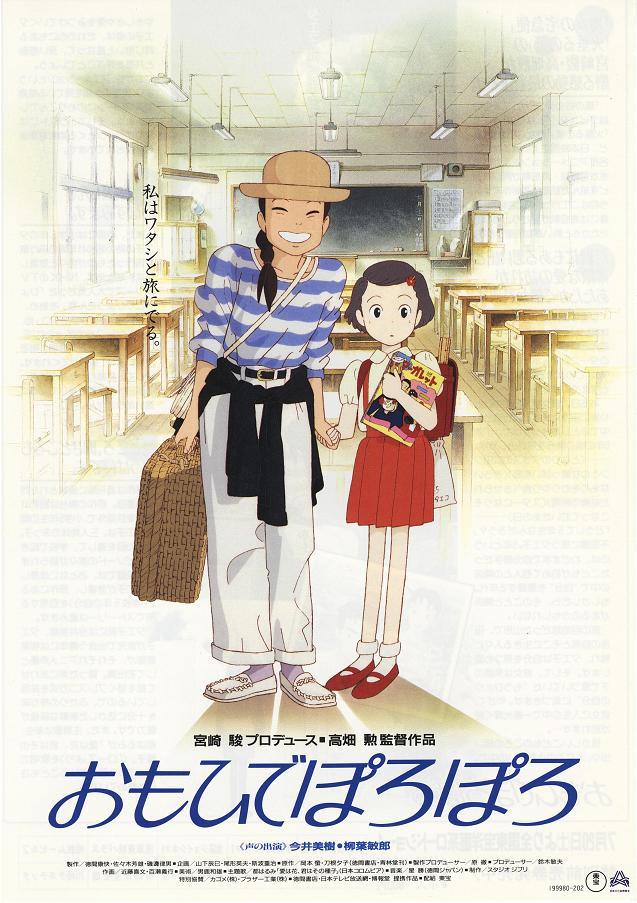
A Studio Ghibli film released in 1991. Directed and written by Isao Takahata. Hayao Miyazaki also participated as a production producer. The film tells the story of a 27-year-old me who sets out on a journey alone, and looks back on my life up to that point with "Watashi, a fifth grader. The participation of Imai Miki and Yanagiba Toshiro as voice actors was also a hot topic at the time of the screening. The catch copy of the film is "I'm going on a journey with Watashi.

Read Article

ホーホケキョ となりの山田くん(ジブリ映画)のネタバレ解説・考察まとめ

ホーホケキョ となりの山田くん(ジブリ映画)のネタバレ解説・考察まとめ

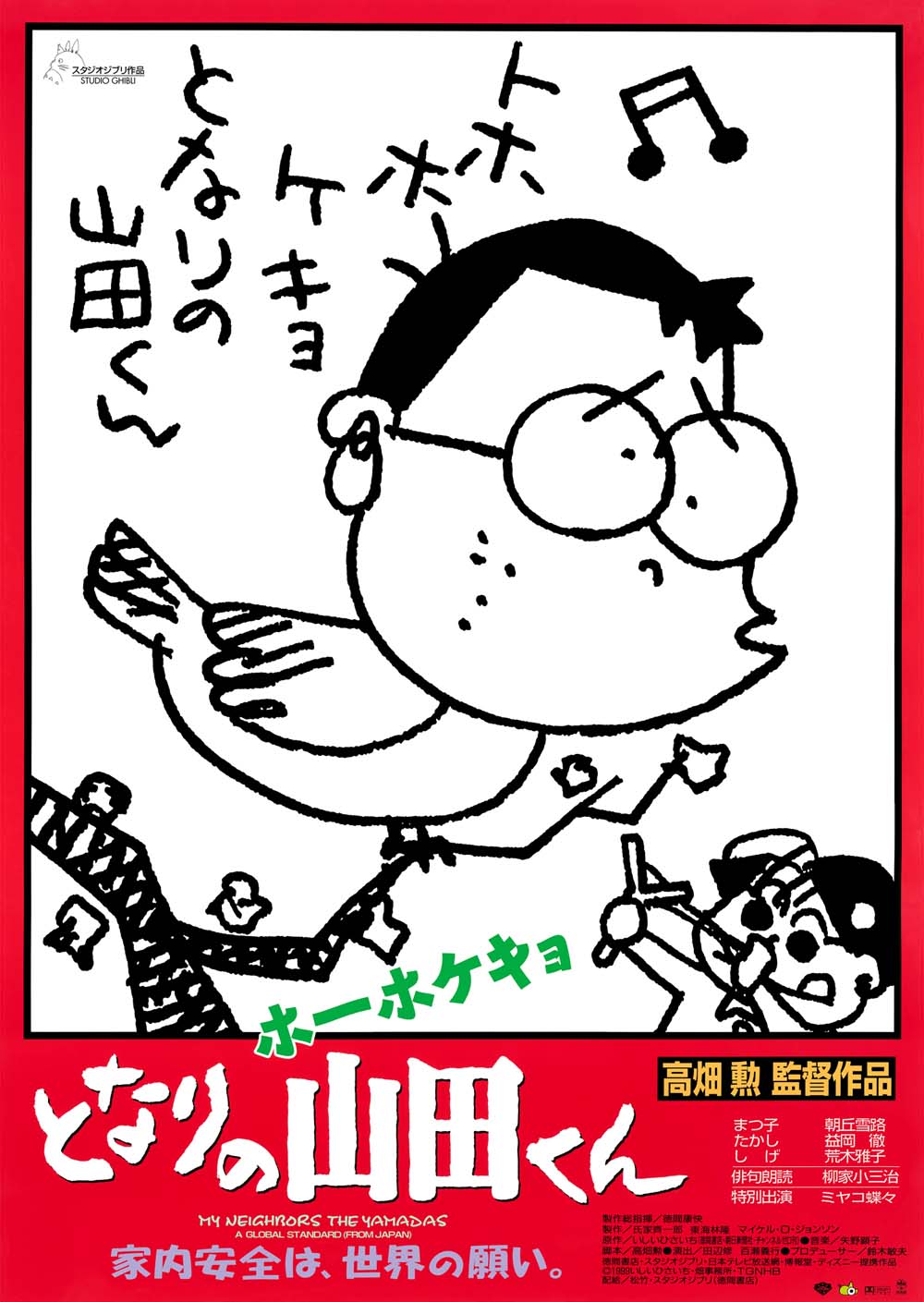
『ホーホケキョ となりの山田くん』とは1999年に公開されたスタジオジブリの長編アニメーション映画である。監督を高畑勲が務め、スタジオジブリ作品において唯一松竹によって配給された作品となっている。原作は朝日新聞に連載されていた、いしいひさいち作の『となりの山田くん』。映画では4コマ漫画のエピソードを繋げたオリジナルストーリーで進んでいく。5人と1匹の犬によるほのぼのとした日常の中で、怒り笑い涙ありの様々なドラマがユニークに描かれた家族の絆の作品である。

Read Article

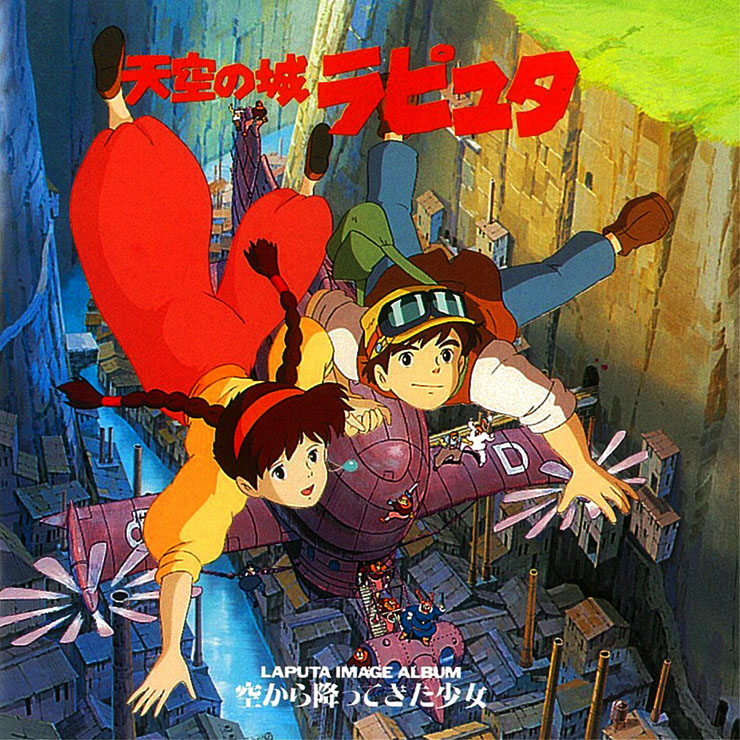
Castle in the Sky (Ghibli Movie) Spoiler Commentary and Discussion Summary

Castle in the Sky (Ghibli Movie) Spoiler Commentary and Discussion Summary

Released in 1986, this is a Studio Ghibli film. Hayao Miyazaki directed, wrote the script, and wrote the original story for this feature-length animation. Sita has a mysterious stone called the Flying Stone, and a boy named Pazoo rescues her. Dreaming of discovering Laputa, an island supposedly floating in the sky, Pazoo, who has been building an airplane, proposes to search for Laputa with Sita. Then, aerial pirates, government forces, and others intervene, aiming for the flying stone and Laputa. The fact that it is not just an adventure adventure drama has made it popular even after several decades.

Read Article

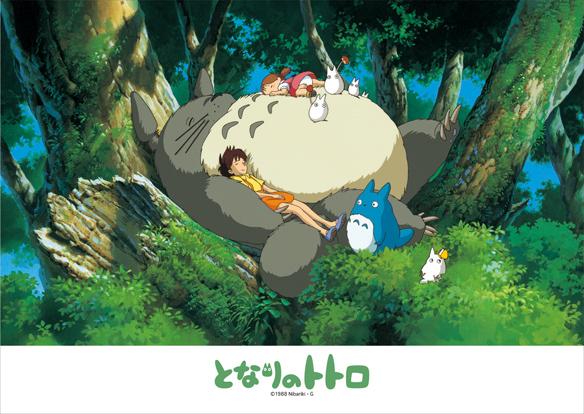
My Neighbor Totoro (Ghibli Movie) Spoilers and Discussion Summary

My Neighbor Totoro (Ghibli Movie) Spoilers and Discussion Summary

Released in 1988. In the 1950s, sisters Satsuki Kusakabe and Mei Kusakabe move to a lush green farm village and meet Totoro, a strange creature. Including a cat bus, this film depicts their interactions with these people, whom they only see as children, and a bit of growing up. It is also a film with refreshing depictions of nature and many dark urban legends to contradict it. An animated film written and directed by Hayao Miyazaki.

Read Article

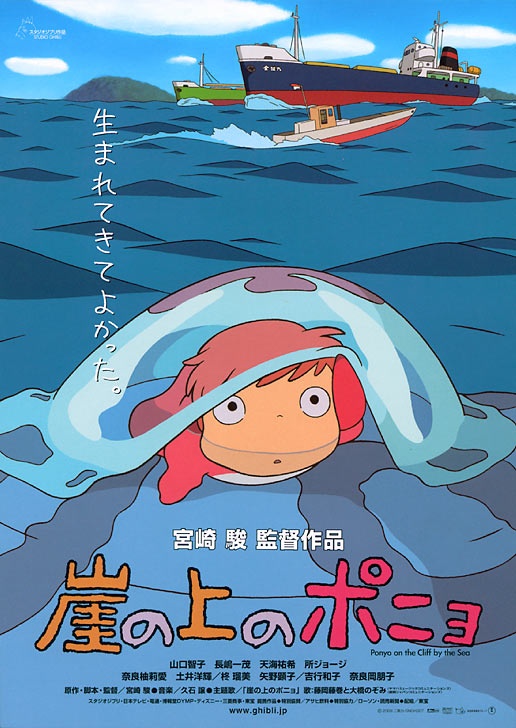
Ponyo on the Cliff (Ghibli film) Spoiler Commentary and Discussion Summary

Ponyo on the Cliff (Ghibli film) Spoiler Commentary and Discussion Summary

Ponyo on the Cliff" is an animated feature film directed by Hayao Miyazaki and produced by Studio Ghibli and released in 2008. The ending theme song "Ponyo on the Cliff," sung by Fujioka Fujimaki and Nozomi Ohashi, became a hot topic, reaching No. 3 on the Oricon weekly chart. Sosuke, a five-year-old boy who lives in a house on a cliff, meets a fish girl named Ponyo in the sea. Ponyo falls in love with Sosuke and tries to become human.

Read Article

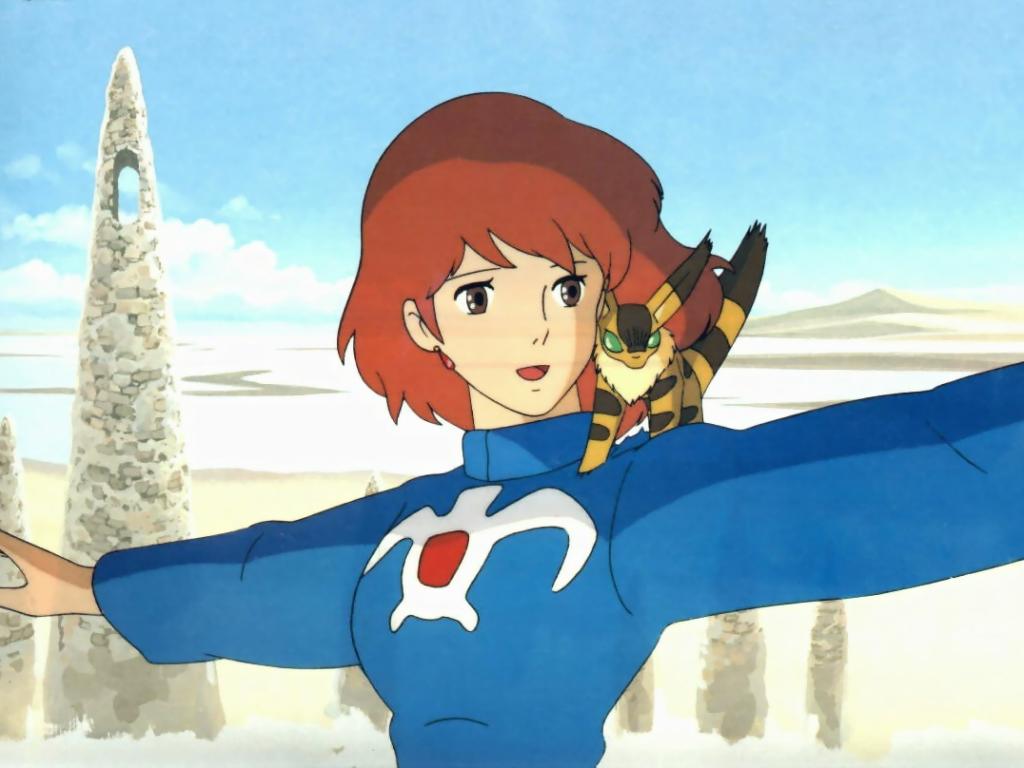
Spoiler commentary and discussion of Nausicaa of the Valley of the Wind (Ghibli film).

Spoiler commentary and discussion of Nausicaa of the Valley of the Wind (Ghibli film).

Nausicaä of the Valley of the Wind" is a 1984 Top Craft-produced Japanese animated film and the second animated feature film directed by Hayao Miyazaki. It is based on Miyazaki's manga of the same title, "Nausicaä of the Valley of the Wind," which was serialized in "Animage. In the far distant future, modern civilization has collapsed and the world is covered by a fungus forest called the "Sea of Decay. The film depicts the life of a young girl who survives in the remote "Valley of the Wind".

Read Article

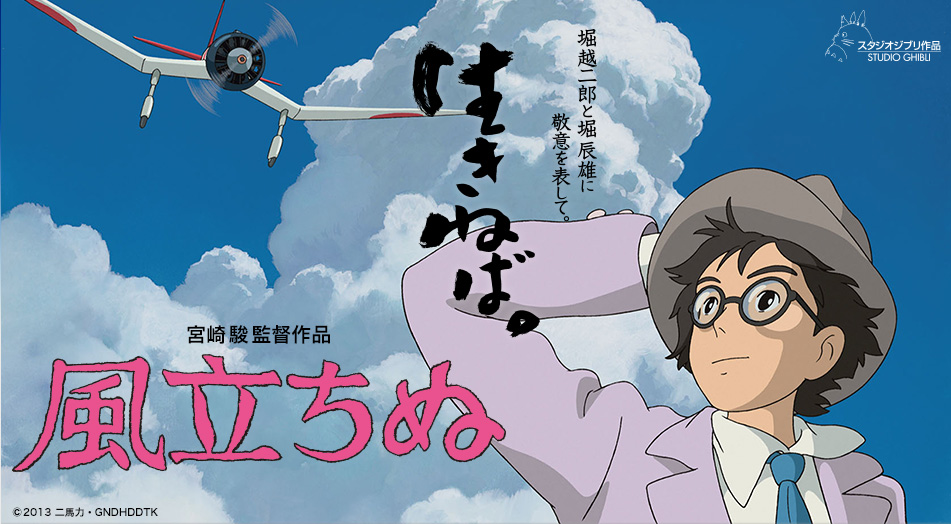
Spoiler commentary and discussion of The Wind Rises (Ghibli film).

Spoiler commentary and discussion of The Wind Rises (Ghibli film).

The Wind Rises" is an animated film released by Studio Ghibli in 2013 and directed by Hayao Miyazaki. Its catchphrase is "I must live." . The main character, Jiro Horikoshi, has loved airplanes since he was a child and wanted to become an airplane pilot. However, due to a critical defect, namely his nearsightedness, he gave up his dream of becoming an airplane pilot and decided to become a designer. When he was a university student, he was struck by the Great Kanto Earthquake and fell in love with Nahoko Satomi, a girl with tuberculosis whom he met at that time. The film is a moving portrayal of a young man struggling between life and death as the Taisho and Showa eras pass by.

Read Article

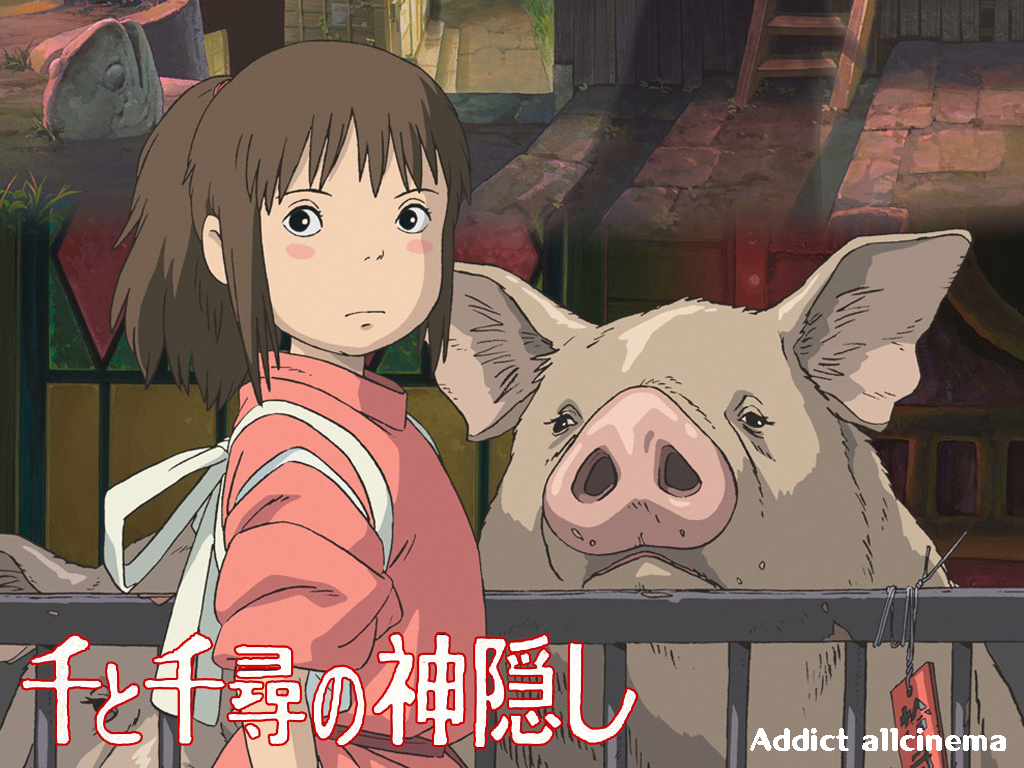
Spoiler commentary and discussion of Spirited Away (Ghibli film)

Spoiler commentary and discussion of Spirited Away (Ghibli film)

Spirited Away" is an animated feature film by Ghibli that was released in theaters in the summer of 2001. The film tells the story of a 10-year-old girl named Chihiro who wanders into the world of the gods. The film generated box-office revenues of over 30 billion yen and won an Academy Award in 2003. It is truly a masterpiece among masterpieces. It is such a masterpiece that it was voted by the BBC of the United Kingdom in 2016 as the fourth best film of the 21st century in their list of the 100 greatest films of the 21st century.

Read Article

Spoiler commentary and discussion of From Up On Poppy Hill (Ghibli film).

Spoiler commentary and discussion of From Up On Poppy Hill (Ghibli film).

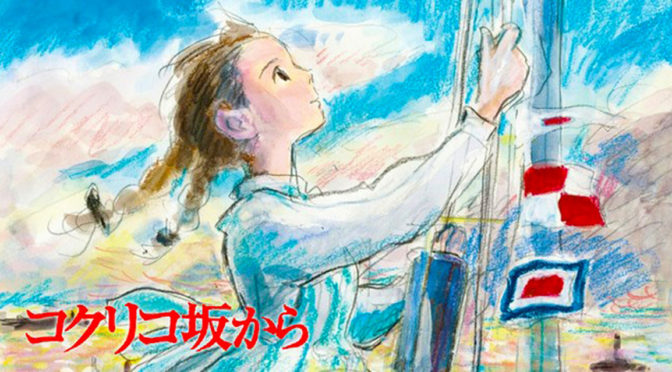
From Up On Poppy Hill" is an animated film by Studio Ghibli released in 2011. The director is Goro Miyazaki, and the catchphrase is "Ue wo muite arukou." The film is based on the story of a high school student, Mel. Every morning, a second-year student at Konan Gakuen High School, Umi Matsuzaki, aka Mel, flies a flag in the garden. It was a signal flag for her father, who had gone off to war and never returned. One day, she noticed that she was featured in the school newspaper, "Weekly Carceratan," as the girl who flies the flag. It was an article written by Shun Kazama, a junior at the same high school. Mel begins to pay attention to Shun because of this article and gradually becomes attracted to him.

Read Article

Spoiler commentary and discussion of The Witch's Delivery Service (The Witch's Home)

Spoiler commentary and discussion of The Witch's Delivery Service (The Witch's Home)

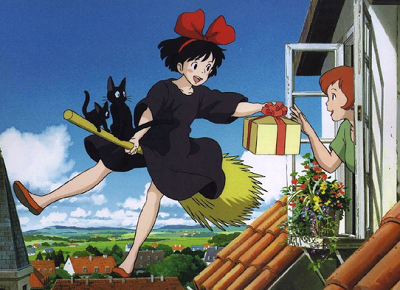
The Witch's Delivery Service" is an animated film produced by Studio Ghibli and released in 1989. Kiki, a 13-year-old witch, leaves her home town on a full-moon night and arrives in Koriko, a town across the sea. There, she opens "The Witch's Delivery Service" and experiences setbacks and grows up. Based on Eiko Kakuno's "The Witch's Delivery Service," the film features less fantasy than the original.

Read Article

Spoiler commentary and discussion of How Do You Live (Ghibli movie)

Spoiler commentary and discussion of How Do You Live (Ghibli movie)

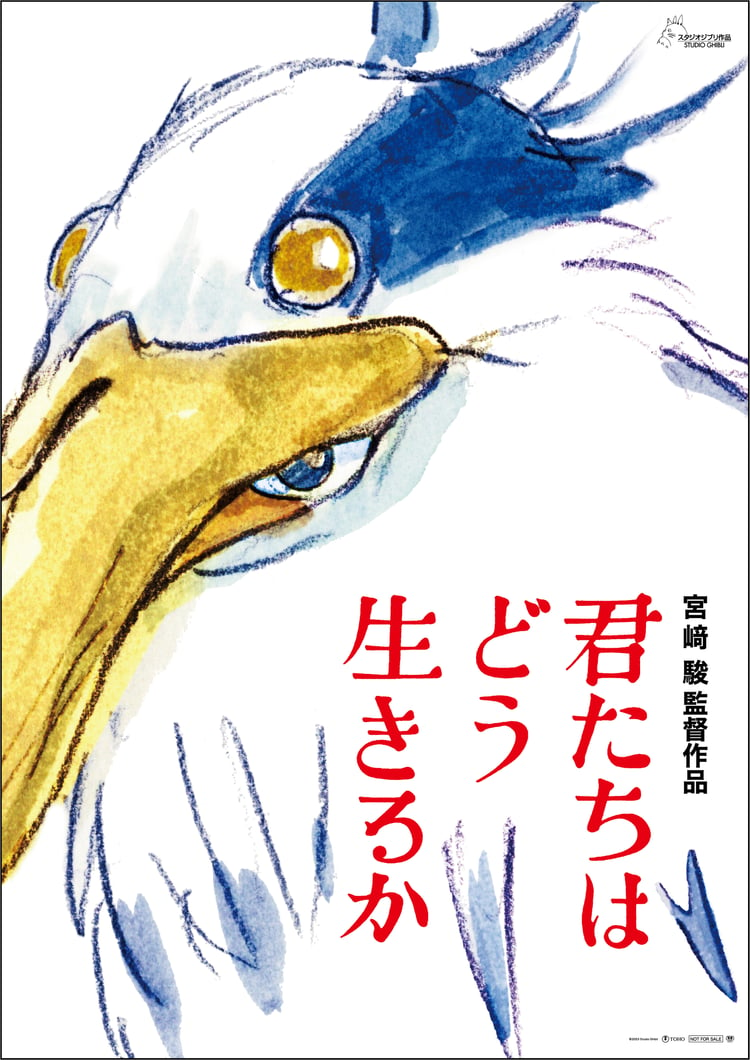
How Do You Live?" is an animation film by Hayao Miyazaki about a boy who travels through a mysterious world to save his mother-in-law. The film, which Miyazaki made explicitly stating that "this is really the last one," became the talk of the town for its unique technique of being released with no publicity, no official website, and no information at all. As the Pacific War intensifies, Masato Maki and his father move to the suburbs, where he is reunited with his aunt Natsuko, who is to become his new mother-in-law. While the two are at a loss as to how to interact with each other, Natsuko disappears into thin air, and Maki is led on a journey to another world by a mysterious blue heron in order to bring her back.

Read Article

Princess Mononoke (Ghibli Movie) Spoiler Commentary and Discussion Summary

Princess Mononoke (Ghibli Movie) Spoiler Commentary and Discussion Summary

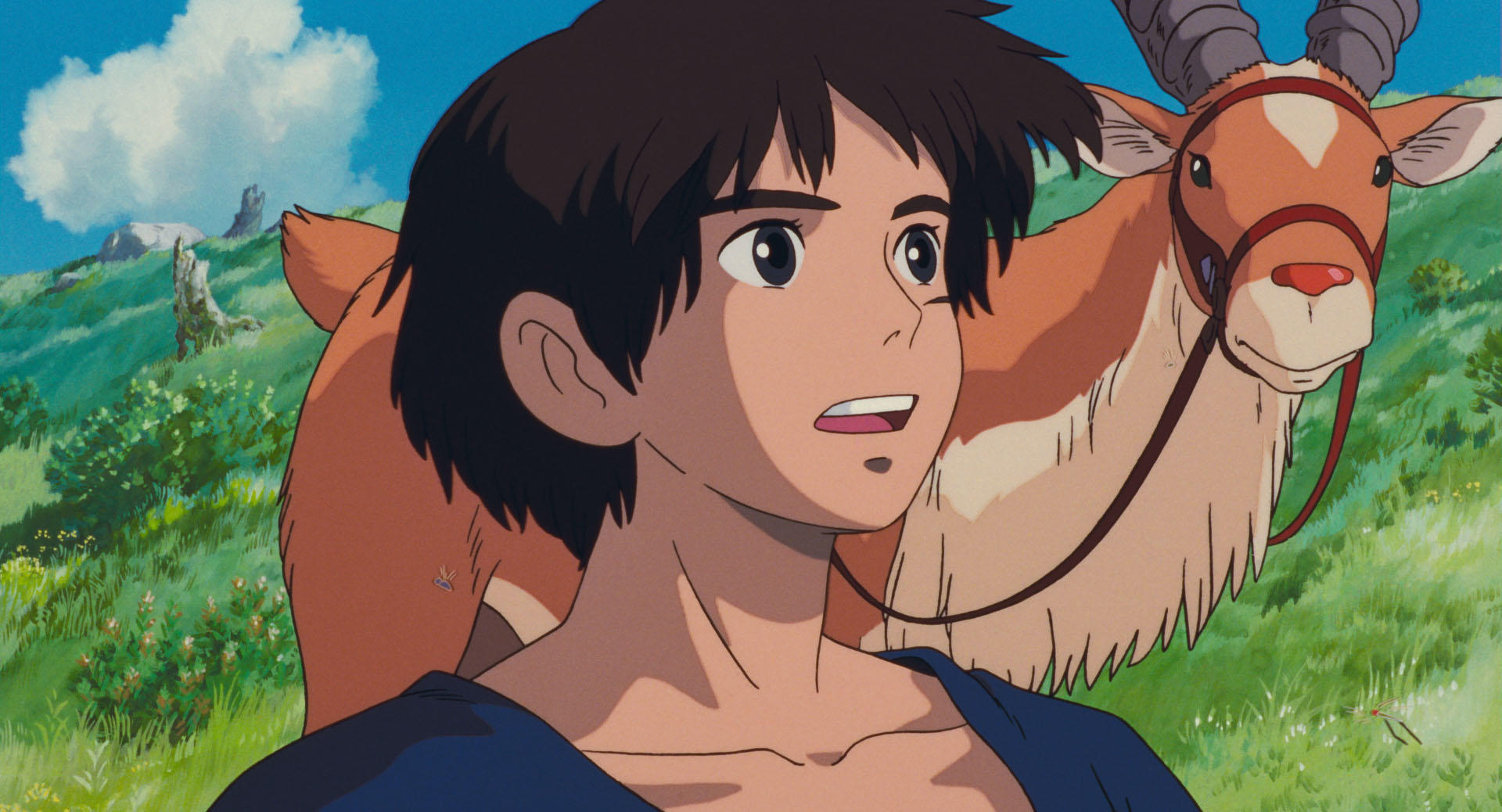
Princess Mononoke" is an animated feature film written by Hayao Miyazaki and Studio Ghibli. The film was released nationwide on July 12, 1997, with some movie theaters holding long-run screenings until early spring 1998, The film grossed 19.3 billion yen, making it the highest-grossing Japanese film of the 20th century. The film depicts the encounter between a human named Ashitaka and San, who was raised by a monster, and is an epic depiction of the conflict between man and nature.

Read Article

Reviews, Ratings and Comments on かぐや姫の物語 / The Tale of the Princess Kaguya

かぐや姫の物語 / The Tale of the Princess Kaguya
10

You'd think that no matter how many Ghibli films there are, because it's Princess Kaguyahime, it's all just an old story after all, but when you see it, you'll want to talk about it.

The well-known Japanese folktale "Kaguyahime" has been adapted to film as "The Tale of Princess Kaguya" by the late director Isao Takahata and Studio Ghibli. Here are three highlights.

The first is the light colors used to depict the beautiful Japanese landscapes and characters, and the pencil outlines.
Have you ever seen the lines of an animator's original drawing? Those lines, which the audience cannot see in the finished product, have a certain charm, as if they have a life of their own.
This film was created using an innovative drawing system in order to create an image that makes the most of the charm of the original pencil lines. To the eye accustomed to the digital animation of recent years, this work may seem unsatisfactory at first glance. But like a voice gently reading an old tale, the pale pictures in this film deliver many things.
The temperature when the ogres are in the satoyama. The sense of the seasons. The compassion of the Ou when they call the little princess. The fear of the princess when the emperor approaches her, the anger of the princess when she kicks the floorboards and runs, and many other emotions and textures are delivered through the pictures.

Second, the paintings depict human beings.
In the Heian period (794-1185), the happiness of the princess in marriage was considered to be further enhanced by being chosen by the man, and Kaguyahime's intentions were not reflected in this. On the other hand, O believes that the man who marries the princess should be of high status. This is for his own sake as well as for the happiness of the princess.
Similar values continue to remain in the society in which the audience lives in various forms. Therefore, I believe that there is a part of the story that reaches the audience and does not end up being a folktale. Regardless of gender, people who have seen the film may think something about being chosen and selected, not only for marriage, but also for employment and entrance examinations, and about the standard of happiness.
In the scene where Kaguyahime is reunited with her childhood friend, a young man, in her hometown, her heart soars to the sky. In the movie "Omoide Poroporo," there was a scene depicting Taeko talking with a boy and soaring into the sky. At the time, that movie gave a realistic impression of the emotional turmoil of the main character, Taeko, who was a life-size woman. The late director Takahata's skill was also demonstrated in "The Tale of Princess Kaguyahime". I am sure that there are people who feel as if they are watching this film as if it were their own personal life.
Producer Yoshiaki Nishimura said at the time that women in particular would feel many things. Regardless of gender, if you have not seen this film, please do so.

Third, the humorous design of the supporting characters.
From the O, who looks like that guy from Ghibli, to the handsome emperor, to the courtesan who looks like Ponyo from "Ponyo on the Cliff," they all have their own unique personalities. The messengers from the moon, who appear at the end, are especially a must-see. The lack of sadness and suffering is beautifully expressed. I recommend not watching it with something in your mouth.
There are other points of interest, such as the charm of the princess's voice and figure.
I hope that as many viewers as possible will see this work, so much so that I write such a long introduction.

かぐや姫の物語 / The Tale of the Princess Kaguya
10

No movie has ever made me cry so much.

The Tale of Princess Kaguya" is Director Takahata's last film. I was not that interested in this film when it was first announced. I thought it was a bit old-fashioned, that it was handwritten now.
However, once I started watching it, I was drawn into the story more and more, and although it is a long film, I was able to watch it in one sitting. I cried almost the entire time I was watching it. I cried so much from the beginning to the end that I wondered why I couldn't stop crying.
The reason is that this movie contains all the scenes from my childhood to my independence. I was so deeply immersed in the memories of my childhood, which I had long since forgotten, that I was overcome with tears of joy.
The four seasons are delicately depicted in the film, and every scene reminded me of how I used to feel when I was in the nature. The grasshoppers hopping, the frogs jumping, the birds hopping and twittering in their cages, the grass and trees fighting in the wind, the pale pink hues of the cherry blossoms when they were in full bloom, the feeling of falling off a cliff, hanging out with the neighborhood children and playing around by the roadside with nothing but grass and trees, my father and mother This is what it was like to be raised in those days. Those days were very, very fun..." Many precious memories of the past flooded out all at once, but now they all no longer exist.
I believe that Director Takahata put a lot of effort and life into preserving these precious films of the good old days. It is a masterpiece that no one else can imitate. This film contains my whole life.

Parent Tags

Sibling Tags