風と木の詩 / Kaze to Ki no Uta

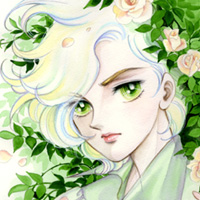
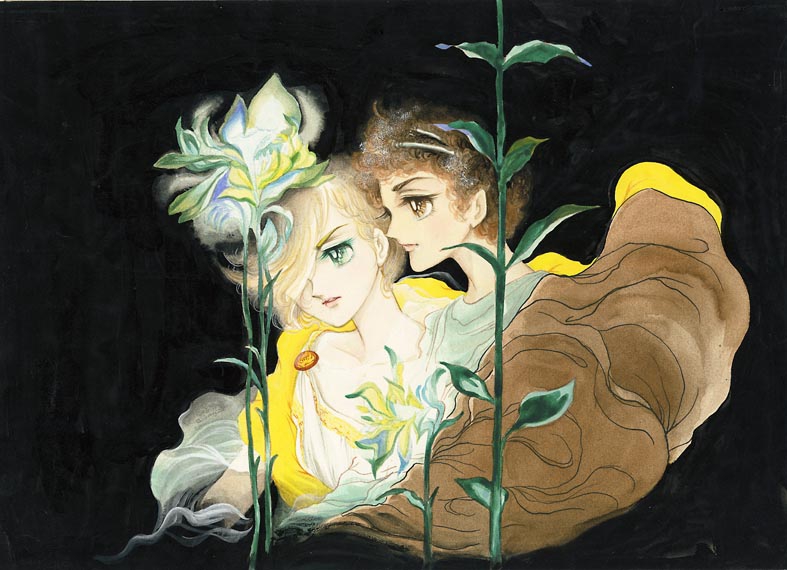
The manga "Poem of Wind and Trees" is a "boys' love" themed manga by Keiko Takemiya that was serialized in "Weekly Shoujo Comic" (Shogakukan) from 1976 (No. 10) and in "Petit Flower" (Shogakukan) from 1981. At a time when the term "BL" had not yet been coined, this work shocked readers by depicting extreme scenes of sexual acts and rape between boys. However, intellectuals such as Shuji Terayama praised the work. Seventeen volumes of comics have been published by Flower Comics, 10 volumes by Hakusensha Bunko, 4 volumes by Chuokoron-sha, and 8 volumes by Chuko Bunko, and the total number of copies sold exceeded 4.9 million as of 2007.
The story is set in a boarding school for boys in Arles, France, at the end of the 19th century, and depicts the tragic love between the main character, the beautiful and uninhibited Gilbert, and Serge, a serious and solid man. By depicting the pasts of their fathers, Auguste and Aslan, the film also expresses that children are the best example of parents.
In 1987, Pony Canyon released the OVA "Kaze to Ki no Uta SANCTUS: Seinaru Kana" (Poem of the Wind and the Trees: Sanctus: The Sacred Heart).

Related Articles on 風と木の詩 / Kaze to Ki no Uta

To Earth... (To Terra) Spoilers and Discussion Summary

To Earth... (To Terra) Spoilers and Discussion Summary

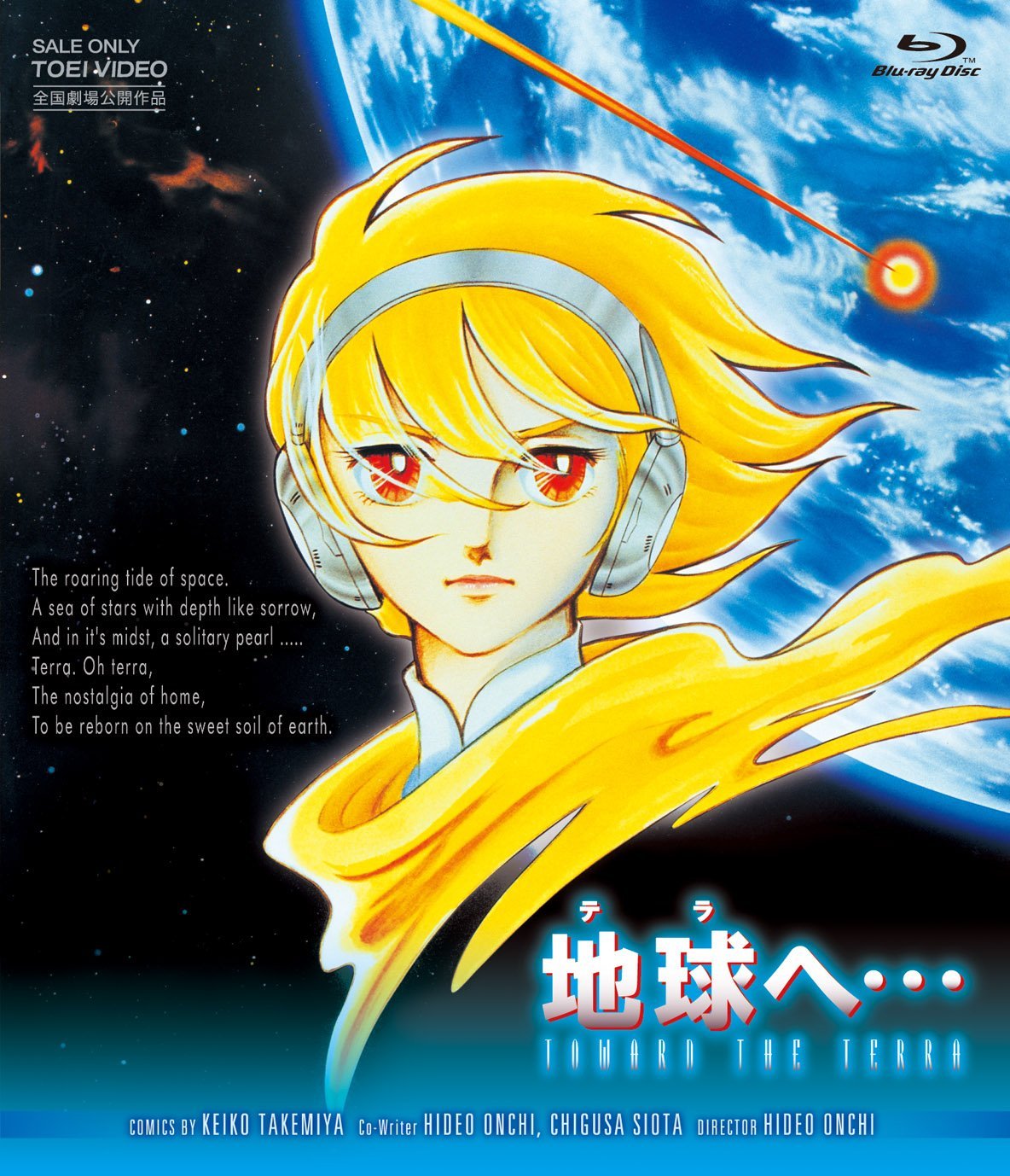
To Earth..." is a Japanese science fiction manga by Keiko Takemiya and derivative works based on it. It depicts the loneliness and conflicts of two boys, Jomy, the head of the new human race Mew, and Keith, the head of the old human race. Derivative works include an animated film released in April 1980, an animated television series (24 episodes) broadcast from April 2007 to September of the same year, a radio drama, and a spin-off manga. It won the 9th Nebula Award in the comic category and the 25th Shogakukan Manga Award in the boys and girls category.

Read Article

Hana no 24-nen Gumi: Women Artists Who Radically Changed the Shojo Manga Industry

Hana no 24-nen Gumi: Women Artists Who Radically Changed the Shojo Manga Industry

These female artists were active in the 1970s and took approaches that had never been taken in girls' manga before, such as BL and aesthetic expressions, which are not uncommon nowadays, content that included literary elements, and delicate illustrations. Since they were all born in 1949, they are known as the "Hana no 24-nen class. Here is a summary of the artists who are nostalgic for the author's generation.

Read Article