
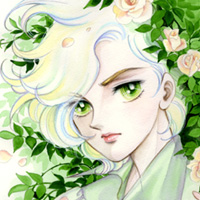
These female artists were active in the 1970s and took approaches that had never been taken in girls' manga before, such as BL and aesthetic expressions, which are not uncommon nowadays, content that included literary elements, and delicate illustrations. Since they were all born in 1949, they are known as the "Hana no 24-nen class. Here is a summary of the artists who are nostalgic for the author's generation.
Moto Hagio
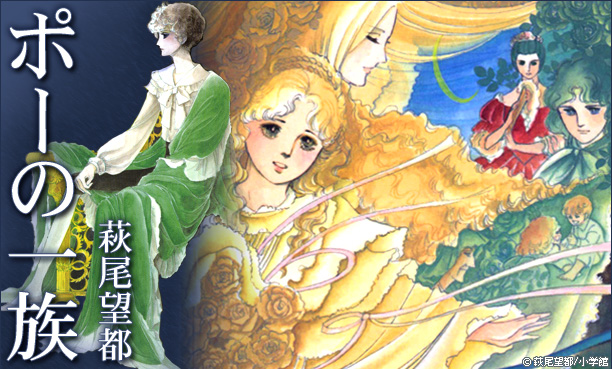
He is one of the greatest writers of all time, with numerous masterpieces to his credit. He has created a one-of-a-kind world full of indulgence, delicacy, and fantasy in works such as "Poe's Family," "The Heart of Thomas," "There Are Eleven!" and "A Cruel God Rules," he has created a one-of-a-kind world full of aesthetics, delicacy, and fantasy. With many literary elements, he is sometimes referred to as the "god of shoujo manga.
Yasuko Aoike
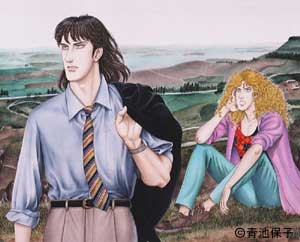
Eroica with Love! That was interesting. This is a comedic spy action manga centered on the thief Eroica (Count Dorian Red Gloria) and Klaus the Iron (Major Eberbach, a NATO officer). It has been serialized for a long time and various spin-off works have appeared. It was just around the time when spy dramas were popular, and I, too, longed for this kind of world.
Keiko Takemiya
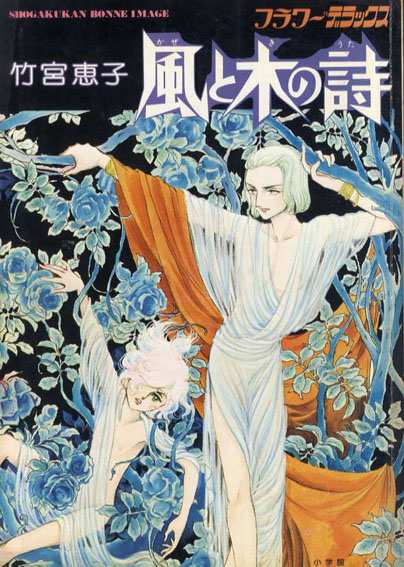
Poem of Wind and Trees," which began serialization in "Weekly Shoujo Comic" in 1976, was quite a shock in the manga world at that time with its aesthetic depiction of romance between boys. The following year, Takemiya started a serialization of the science fiction manga "To the Earth..." in "Monthly Manga Shonen. At that time, it was very rare for a shoujo manga artist to have a serial in a boys' magazine, and in that sense, he was an innovative artist.
Yumiko Oshima
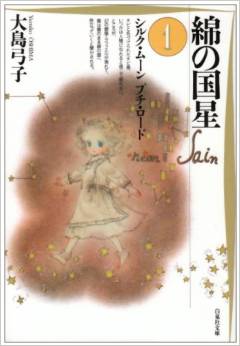
Cotton Country Star" has an impressive picture of a cute girl with a cat ears. The movie "Gugu datte Neko de Neko de Aru" starring Kyoko Koizumi was based on her work. Oshima won the Kodansha Manga Award for this work.
Toshie Kihara
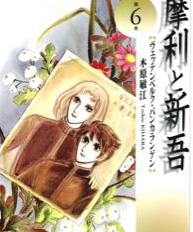
Mari and Shingo," set in an old high school, was serialized in "LaLa" for seven years. It is definitely recommended for those who like the world of "Hai Kara San Passing. Mari, a beautiful young man who grew up like a brother (he is half-Japanese), and Shingo, a purely Japanese boy. Mari comes to love Shingo, but even though he knows it, straight Shingo cannot reciprocate his feelings, and eventually falls madly in love with a woman...a storyline that BL lovers may have "heard somewhere before".
Ryoko Yamagishi
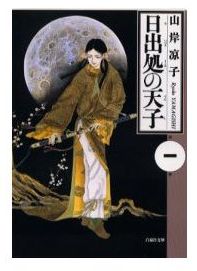
Prince Shotoku" is a super-famous figure known to all Japanese. In this work, Prince Shotoku is a "beautiful man," a "psychic and spiritualist," and a "homosexual," which is a bold setting! This is a far cry from the image of Prince Shotoku that we have learned about in Japanese history, and of course, it caused quite a stir at the time of its publication. Another memorable work by Yamagishi is "Arabesque," a ballet manga set in present-day Russia, then known as the "Soviet Union.
Minori Kimura
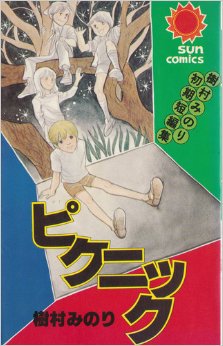
Although he is not a conspicuous member of the 24-year group, he is known for his style of meticulously depicting the emotional movements of the characters in his works.
Nanae Sasaya (formerly Nanae Sasaya)
I personally remember him from "Sasaya Nanae". His style has a unique taste for horror and suspense stories. In recent years, he also wanted to prevent child abuse and depicted the reality of abuse in his own cartoons, which helped to push for the enactment of the "Child Abuse Prevention Law.
Mineko Yamada
His works are characterized by a strong science fiction/fantasy style. His representative work is the "Final War Series. He is still active in creative activities, and even holds an original spherically-articulated doll exhibition under a different name.
Looking at it this way, I feel that it has something to do with later "yaoi" and "BL" doujin activities....
It is surprising that such "breath" has been around for so long.

Related Articles
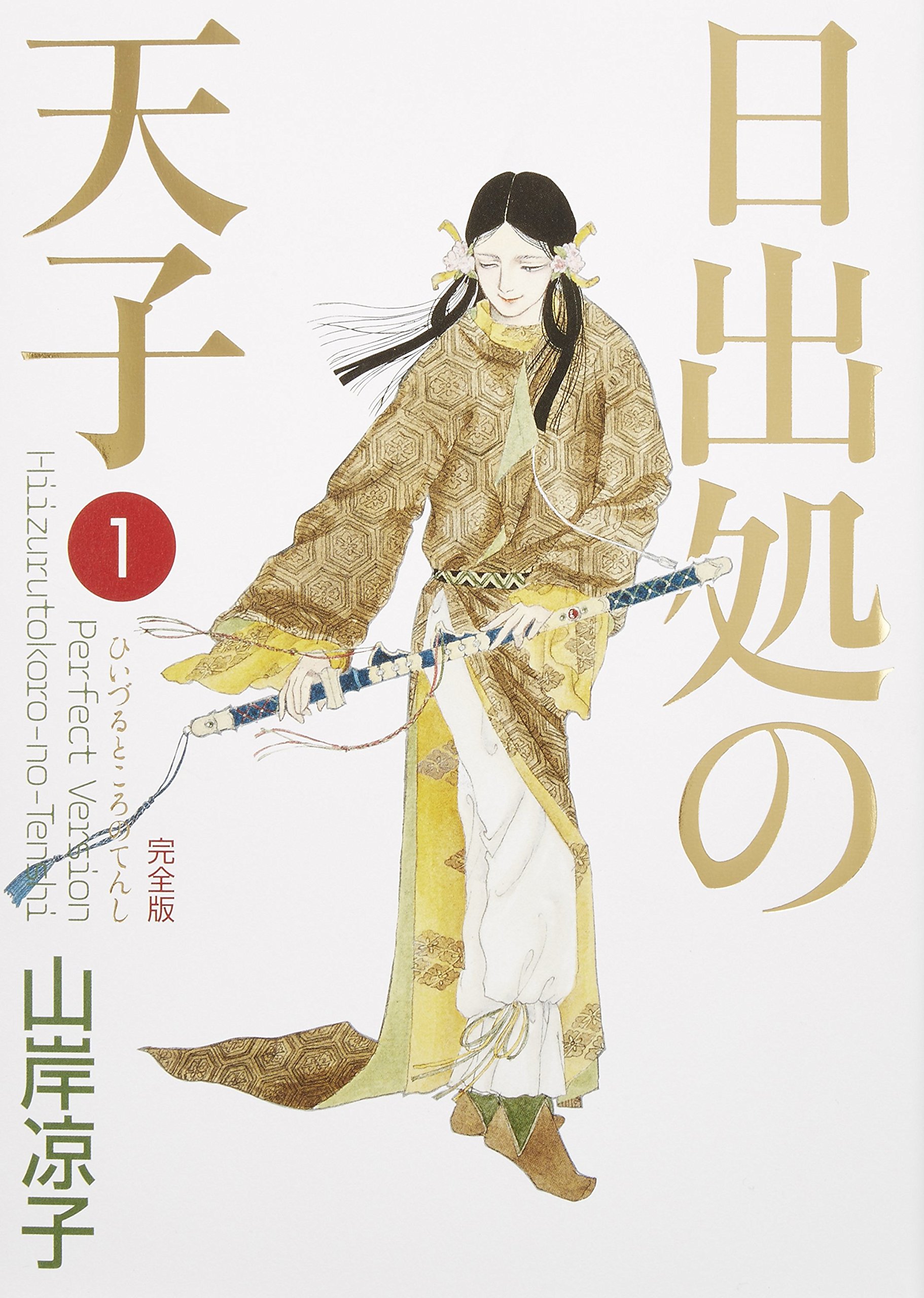
Summary of Spoiler Commentary and Discussion of Tenko of the Rising Sun (Queen Umayako)
Hinode no Tenko" is a manga by Ryoko Yamagishi. It is set in Japan around the time of the arrival of Buddhism. The story centers on the relationship between Prince Umayado, who later became known as Prince Shotoku, and Soga Motojin, and depicts Prince Umayado from his boyhood to his becoming regent. Prince Umayado is depicted not as a saint, but as a superhuman being with mysterious powers. The "Old Queen Umayato" is a manga by Ryoko Yamagishi that is a sequel to "Tenko of the Rising Sun. Both works are ambitious works that renew the previous image of Prince Shotoku.
Read Article
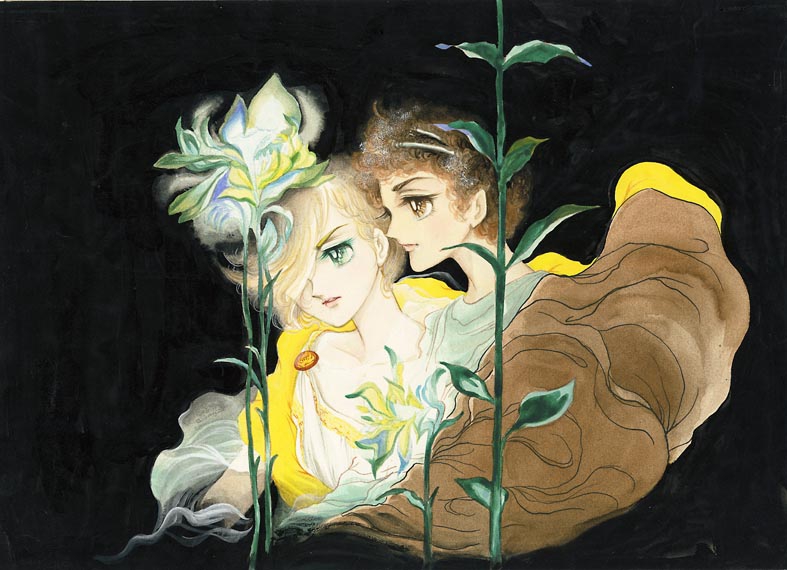
Spoiler commentary and discussion of Poem of Wind and Trees (anime and manga)
Poem of Wind and Trees" is a Japanese manga work by Keiko Takemiya that was serialized in "Weekly Shoujo Comic" and "Petit Flower" from 1976 to 1982. It is highly regarded by intellectuals as the bible of the BL world. The setting is France at the end of the 19th century. It is a fragile but intense coming-of-age story centering on two boys, the free-spirited Gilbert and the sincere and pure Serge.
Read Article
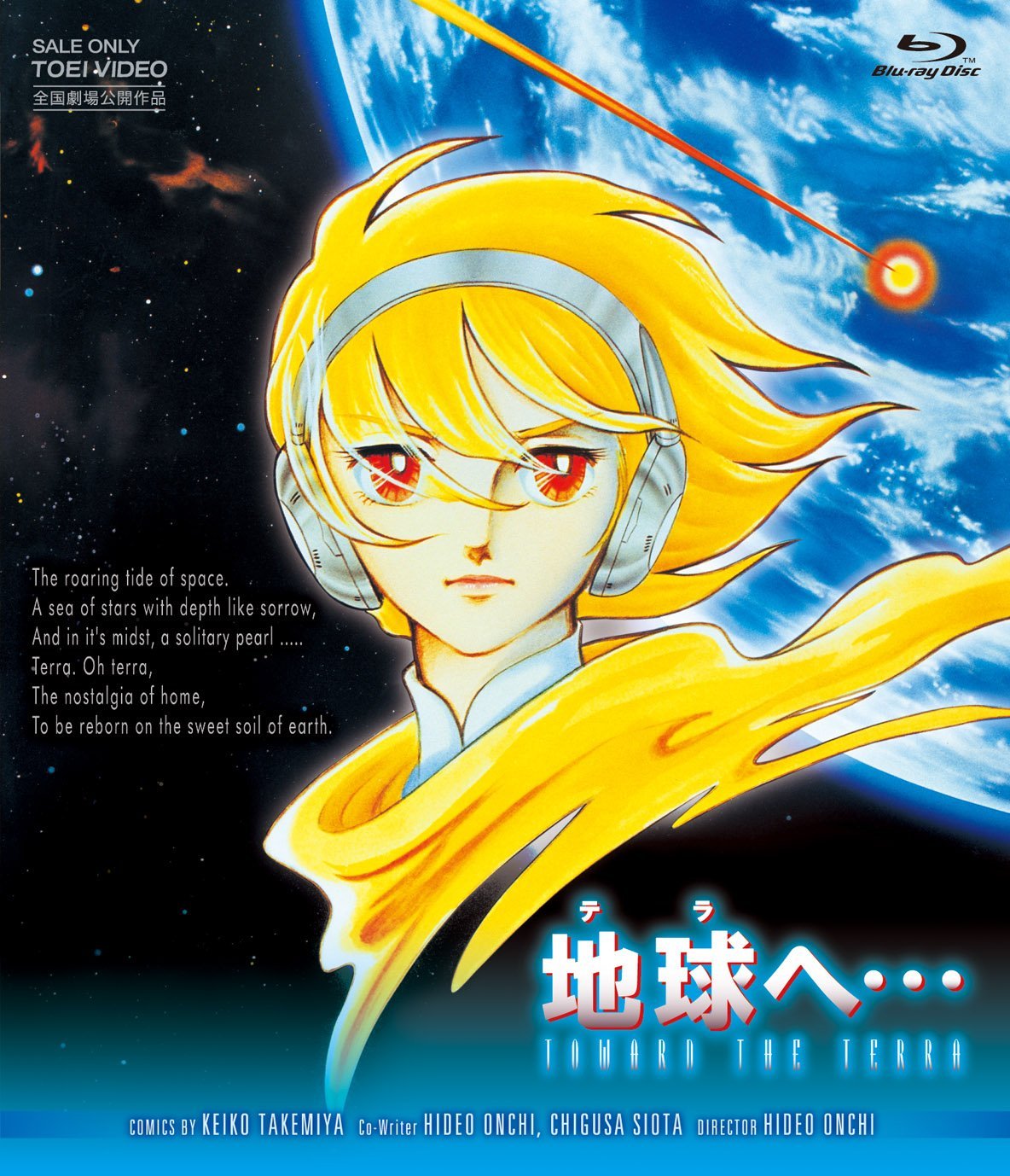
To Earth... (To Terra) Spoilers and Discussion Summary
To Earth..." is a Japanese science fiction manga by Keiko Takemiya and derivative works based on it. It depicts the loneliness and conflicts of two boys, Jomy, the head of the new human race Mew, and Keith, the head of the old human race. Derivative works include an animated film released in April 1980, an animated television series (24 episodes) broadcast from April 2007 to September of the same year, a radio drama, and a spin-off manga. It won the 9th Nebula Award in the comic category and the 25th Shogakukan Manga Award in the boys and girls category.
Read Article
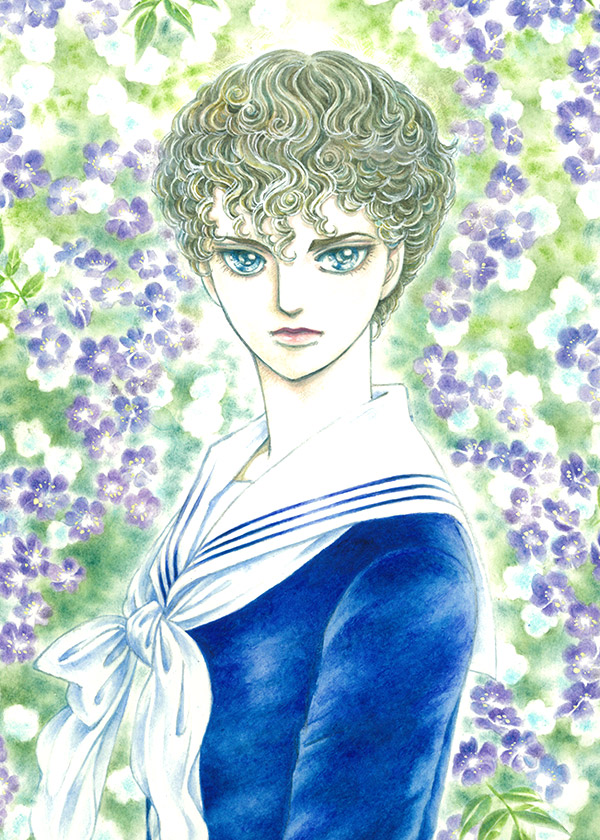
Spoiler commentary and discussion of Poe's Family (Mochito Hagio)
Poe's Clan" is a girls' manga featuring Edgar, a vampire boy, that has been published since 1972. It has a strong fan base for its aesthetic appeal and the melancholy of the vampaneras, who are not accepted by humans and must live in solitude. It was adapted for the stage in 2018 by the Takarazuka Revue, with which it has a strong affinity. It tells the story of Edgar, who wanders around the country as a boy who will never age, and survives alone while losing his friends.
Read Article
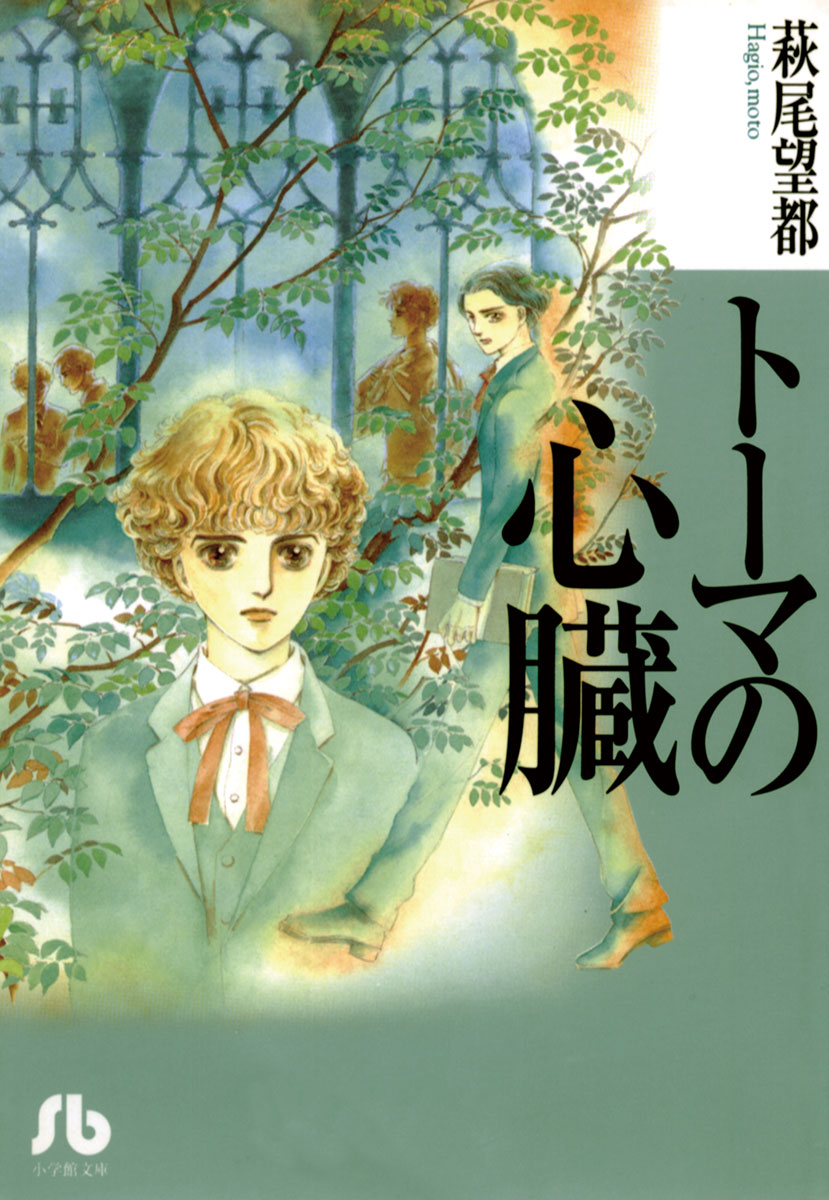
Spoiler commentary and discussion of Heart of Thomas (Mochito Hagio)
Thomas' Heart" is a girls' manga by Moto Hagio that was serialized in "Weekly Shoujo Comic" for a total of 33 issues starting in 1974, depicting the doubts and interactions of boys in a German gimnazium. It is a timeless masterpiece of girls' manga that boasts strong popularity, delicately depicting boys who are lost and find love in a closed gymnasium. On the last snowy day of that winter, a boy died. The main character, Yuri, receives a short suicide note. The story depicts the fragile and beautiful boys' faith, love, and friendship.
Read Article
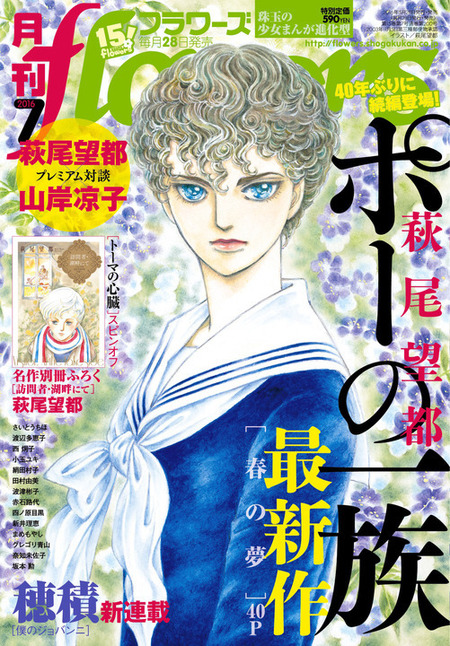
Hagio Moto's "Poe's Family": "Haru no Yume," the first sequel in 40 years, is so well-received that the magazine is going into overprint!
Since I was still young, the name "Moto Hagio" had already set him apart from other manga artists. Mr. Hagio has many excellent works, among which the "sequel" to his especially famous "Poe's Family" has recently been published in the monthly magazine "Flowers. The sales of the book far exceeded the publisher's expectations, and the book will soon be reprinted.
Read Article
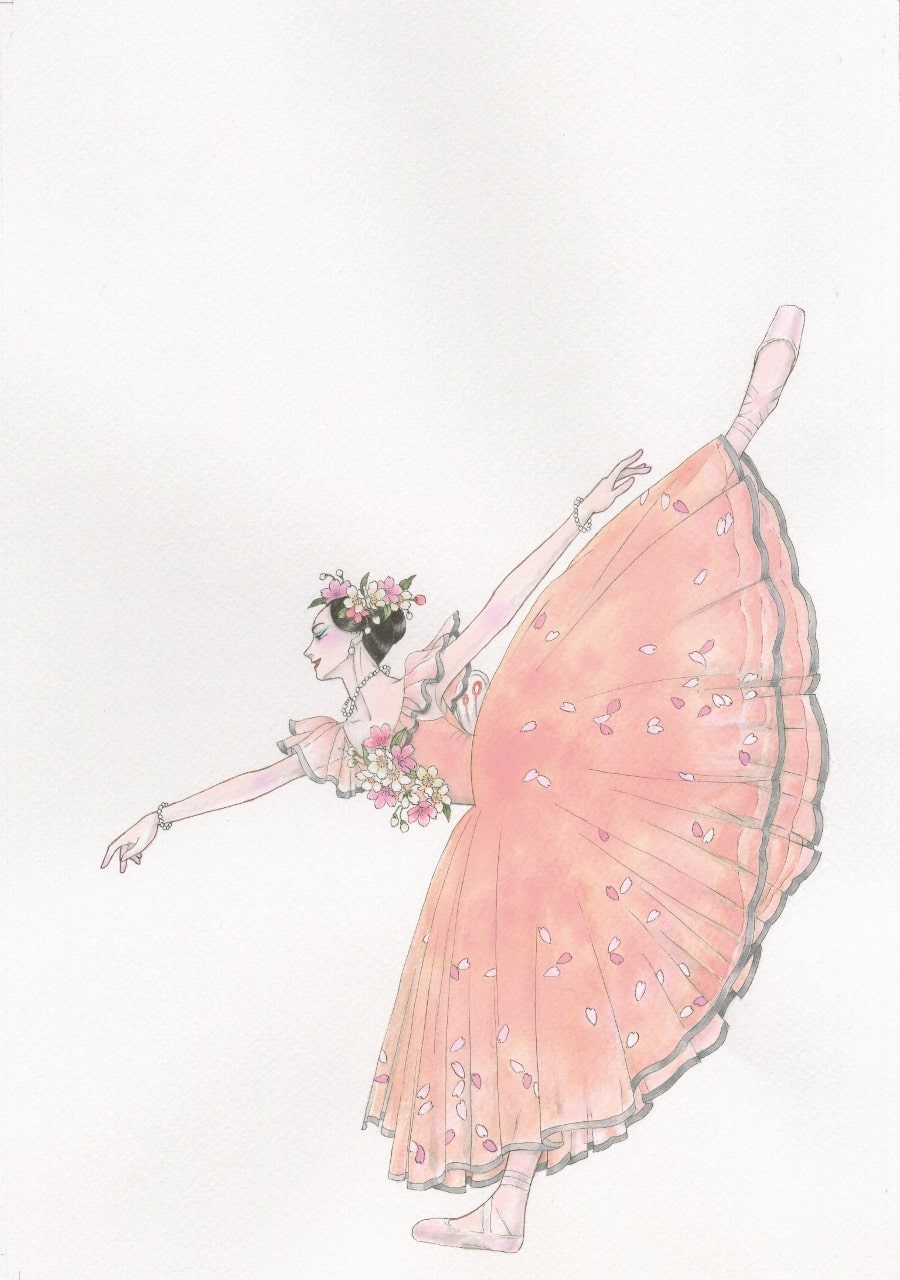
舞姫 テレプシコーラ(漫画)のネタバレ解説・考察まとめ
『舞姫テレプシコーラ』とは、山岸凉子によるバレエをテーマにした漫画である。雑誌『ダ・ヴィンチ』(メディアファクトリー)にて、2000年11月号から2006年11月号まで第1部が連載された。その後、第2部が2007年12月号から2010年10月号まで連載された。物語は、バレエダンサーを目指す少女たちの成長と葛藤を描いている。主人公の篠原六花は、バレエ教室を営む母とプロを目指す姉と共にバレエを学び、様々な困難を乗り越えながら自分の道を見つけていく。
Read Article