バケモノの子 / The Boy and the Beast

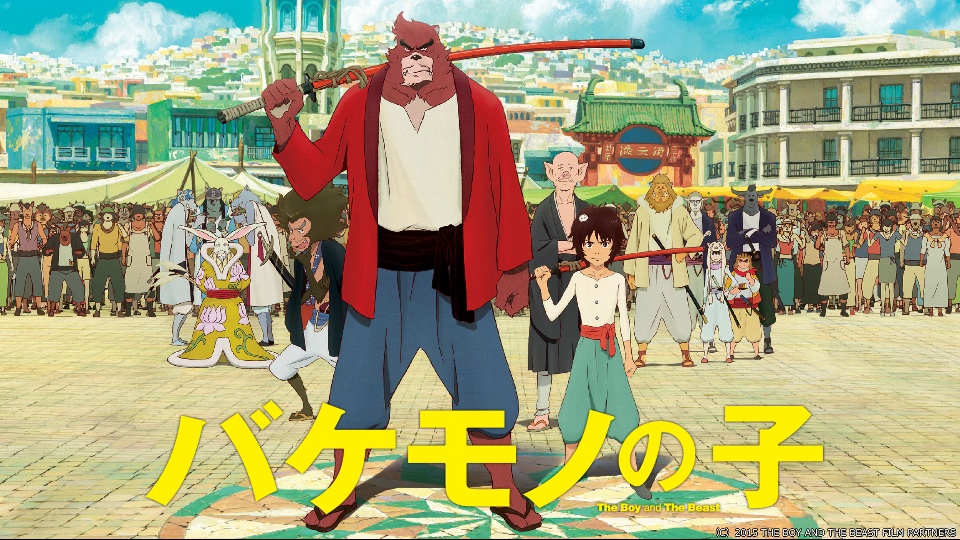
Bakemono no ko is an animated feature film produced by Studio Chizu and directed and written by Mamoru Hosoda, released in 2015.It was the first animated film to be selected in competition at the San Sebastián International Film Festival in Spain in September 2015. The film ranked first in the national film attendance rankings for July 11-July 12, 2015 (Saturday and Sunday, two days). The box-office revenue exceeded 5.85 billion yen.
The film is famous for its splendid voice cast. The main character Kyuta is voiced by Aoi Miyazaki as a child and Shota Sometani as a young man, with Koji Yakusho as Kumatetsu, Kyuta's teacher, Suzu Hirose as Kaede, a high school girl who meets Kyuta at the library, Hiroshi Oizumi as Tatara, Kumatetsu's bad friend, and Lily Frankie as Hyakushu Bo, an old friend of Kumatetsu. Masahiko Tsugawa plays the role of Soshi, an elder of the monster world.
The story depicts the bond between Kuta, a boy from the human world who wanders into the monster world, and a bear-looking monster named Kumatoru.
The film won the Outstanding Silver Award in the Japanese Film Category at the 33rd Golden Gross Awards, the Best Animated Film Award at the 39th Japan Academy Awards, and the Best Animated Film Award at the 25th Japan Film Critics Awards.

Related Articles on バケモノの子 / The Boy and the Beast

Spoiler alerts and discussion of Bakemono no ko (the animated film).

Spoiler alerts and discussion of Bakemono no ko (the animated film).

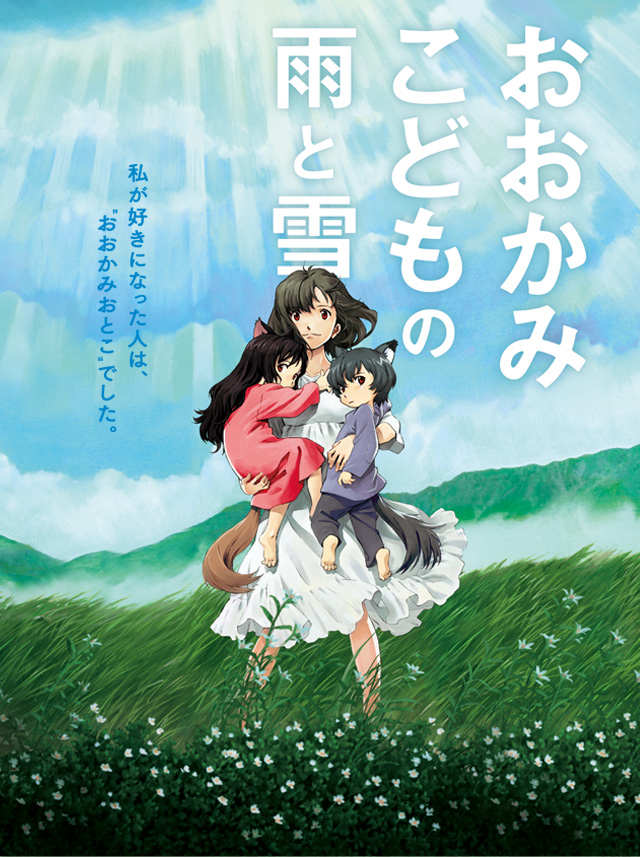
Bakemono no ko" is an animated film that was released in 2015 and can be considered a blockbuster hit, attracting 4 million viewers. Directed by Mamoru Hosoda, who also directed "The Girl Who Leapt Through Time," "Summer Wars," and "Wolf Children: Rain and Snow. A lonely human child and a loner monster grow up together through a strange teacher-student relationship and form a parent-child bond in this new adventure action film.

Read Article
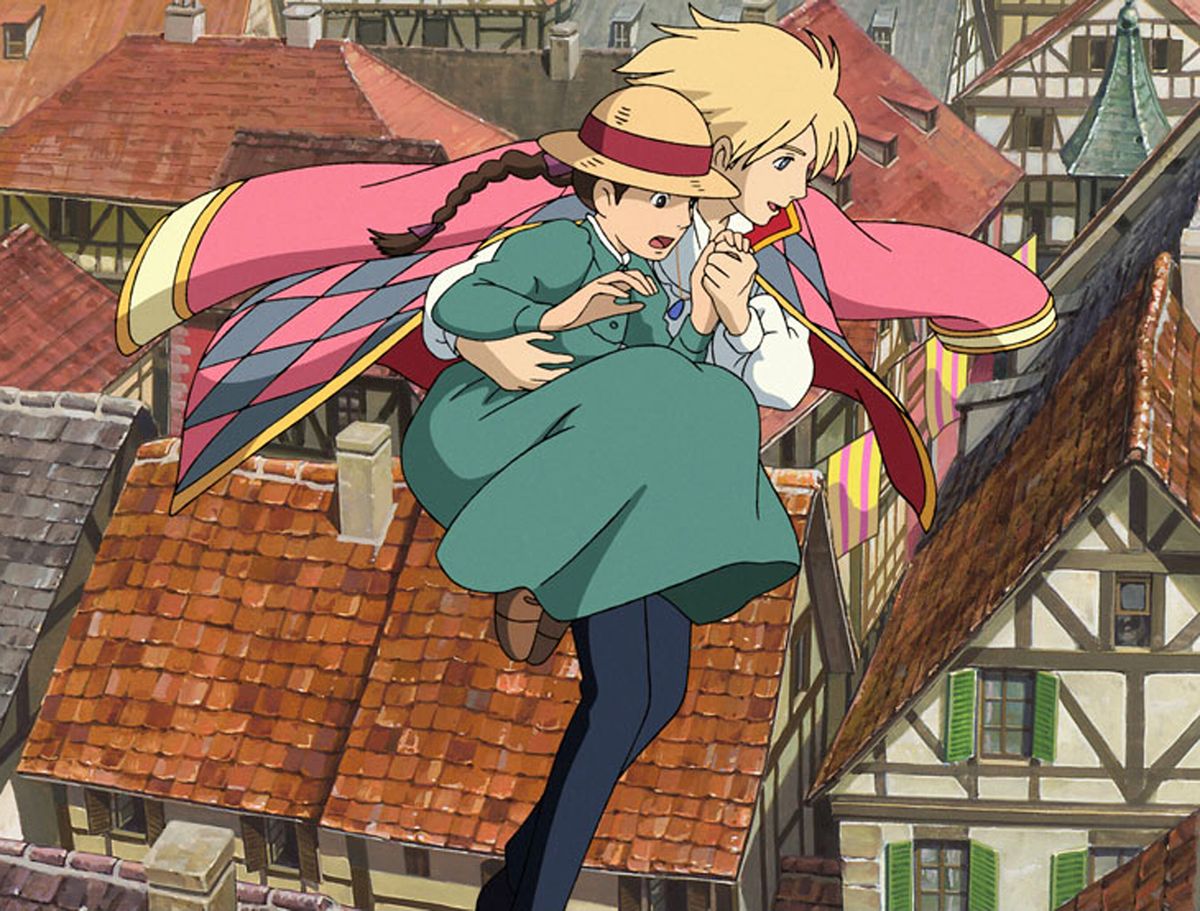
Howl's Moving Castle (Ghibli Movie) Spoiler Commentary and Discussion Summary

Howl's Moving Castle (Ghibli Movie) Spoiler Commentary and Discussion Summary

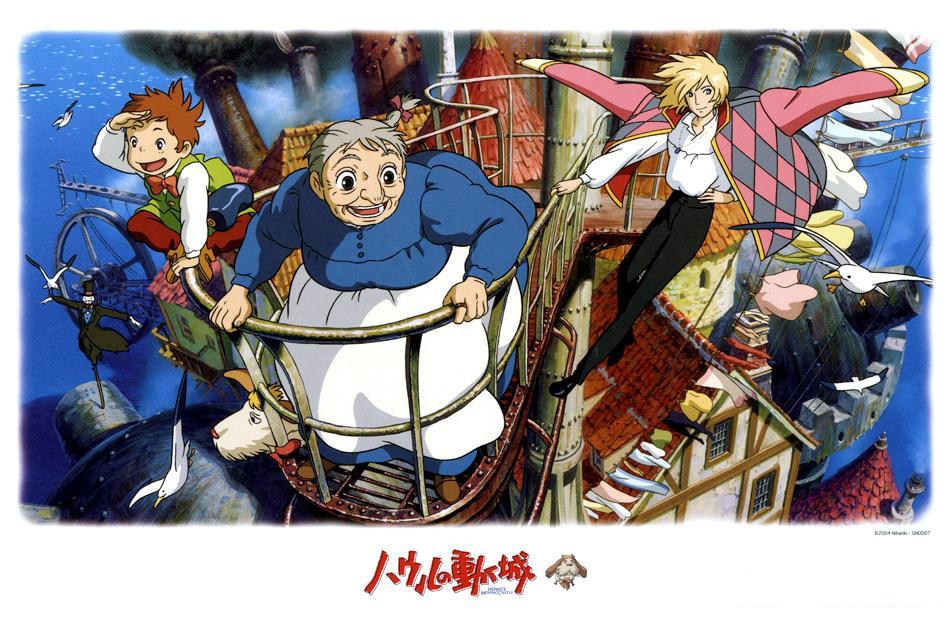
Howl's Moving Castle" is a Japanese animated feature film directed by Hayao Miyazaki and produced by Studio Ghibli, which was released nationwide on November 20, 2004, grossing 19.6 billion yen at the box office. It surpassed "Princess Mononoke" and became the second largest animated film produced by Studio Ghibli after "Spirited Away". The story takes place in a fictional world where magic and machines coexist. It depicts the warlike love between Sophie, a girl who was turned into an old woman by a curse, and Howl, a wizard.

Read Article

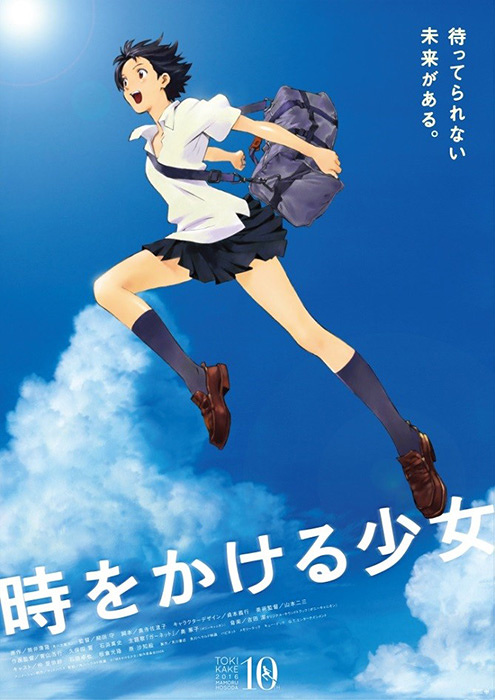
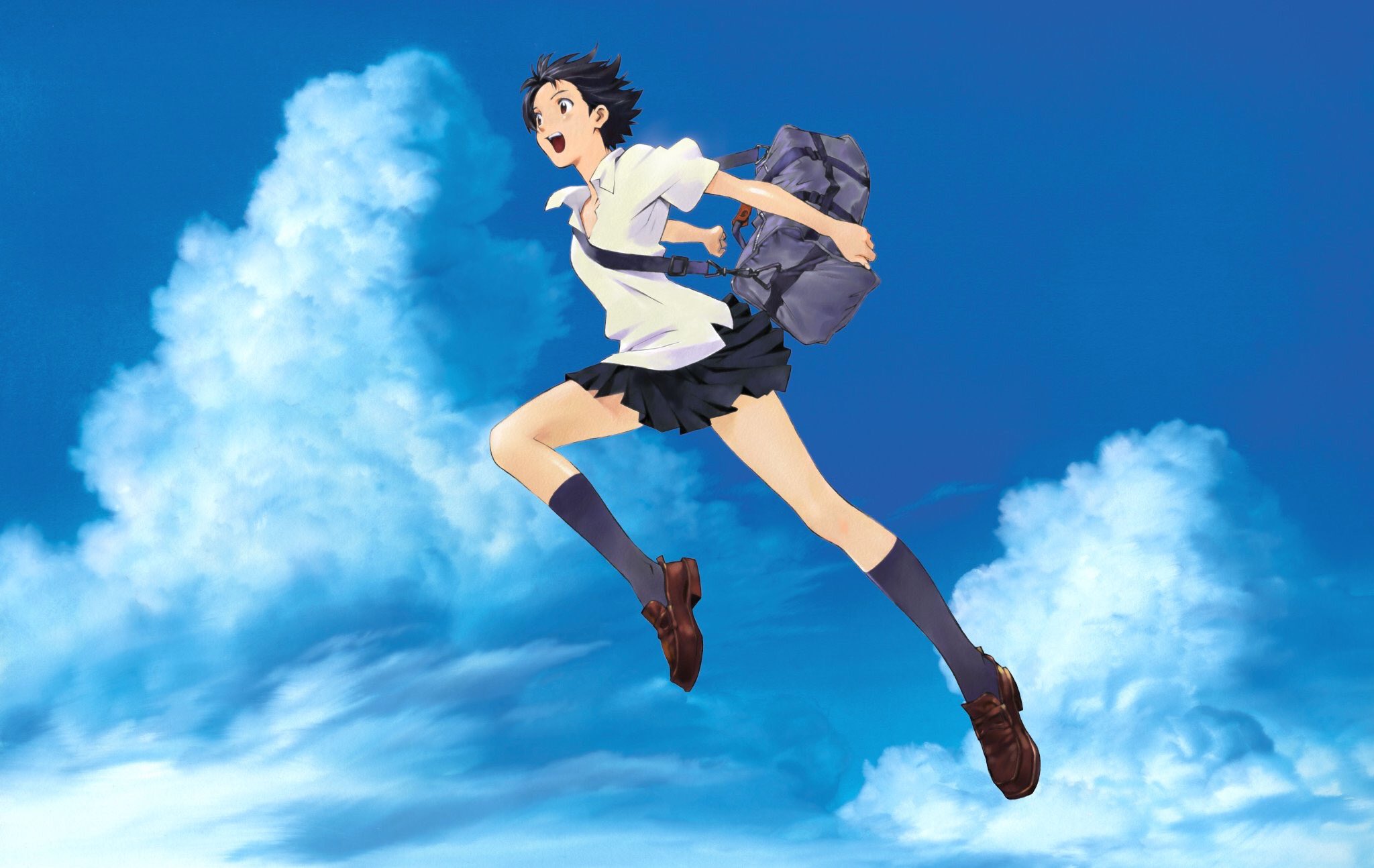
Spoiler commentary and discussion of The Girl Who Leapt Through Time (Tokikake)

Spoiler commentary and discussion of The Girl Who Leapt Through Time (Tokikake)

The Girl Who Leapt Through Time" is an animation film released in 2006. The director is Mamoru Hosoda, who also directed "Summer Wars" and "Wolf Children: Rain and Snow. The film is based on the original story by Yasutaka Tsutsui, and is set 20 years after the original story. It is a coming-of-age science fiction film in which the main character gains the power to jump through time, and uses this power to realize what is truly important.

Read Article

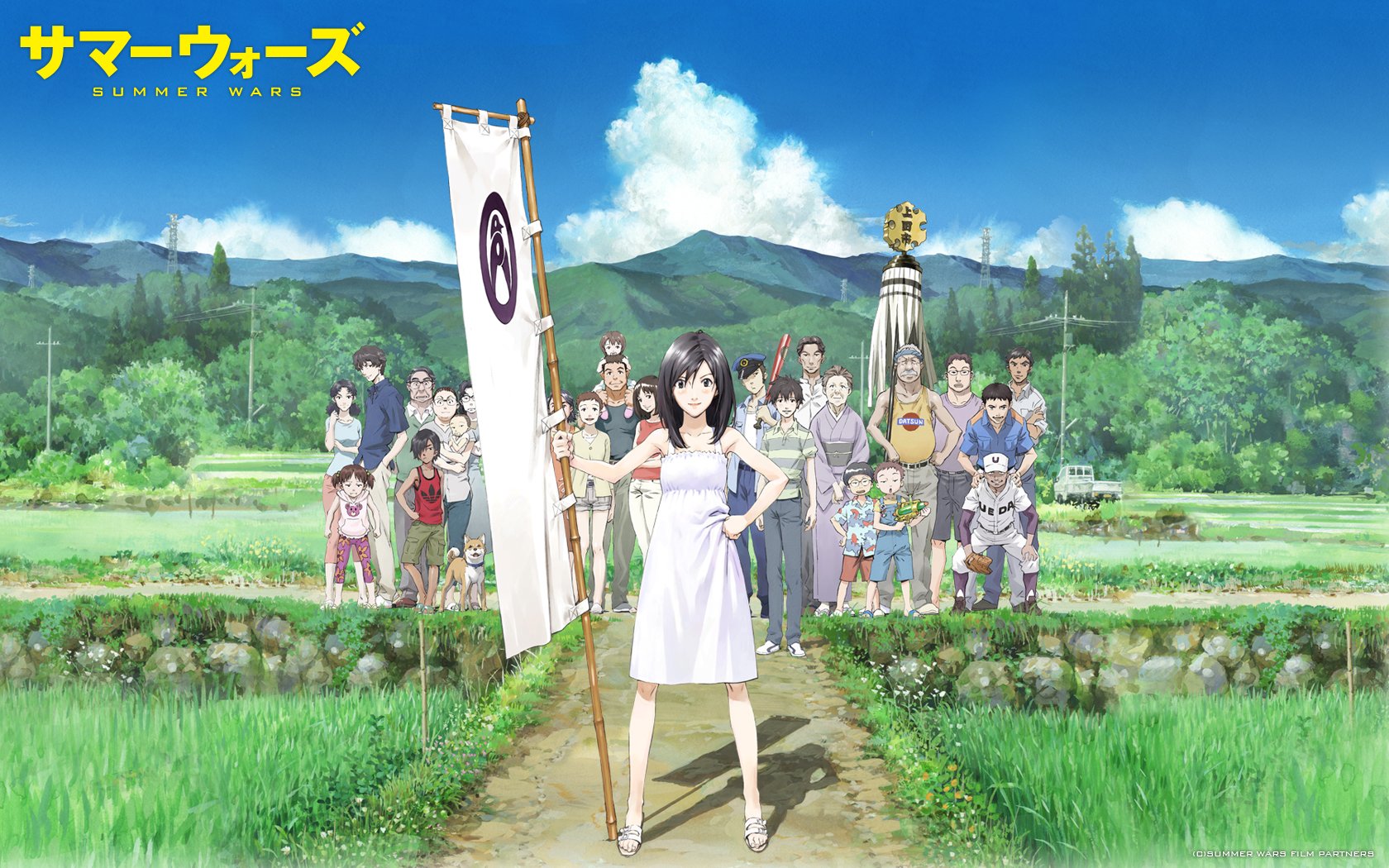
Summer Wars (animated film) spoiler commentary and discussion summary

Summer Wars (animated film) spoiler commentary and discussion summary

Summer Wars is a Japanese animated film released on August 1, 2009. Directed by Mamoru Hosoda, known for his animated films "The Girl Who Leapt Through Time" and "Wolf Children: Rain and Snow," this is his first original feature-length animated film. Set in a world where the virtual world has developed, the film tells the story of Kenji Koiso, the main character, who confronts a crisis between the virtual world and the real world together with his senior Natsuki Shinohara and her family.

Read Article

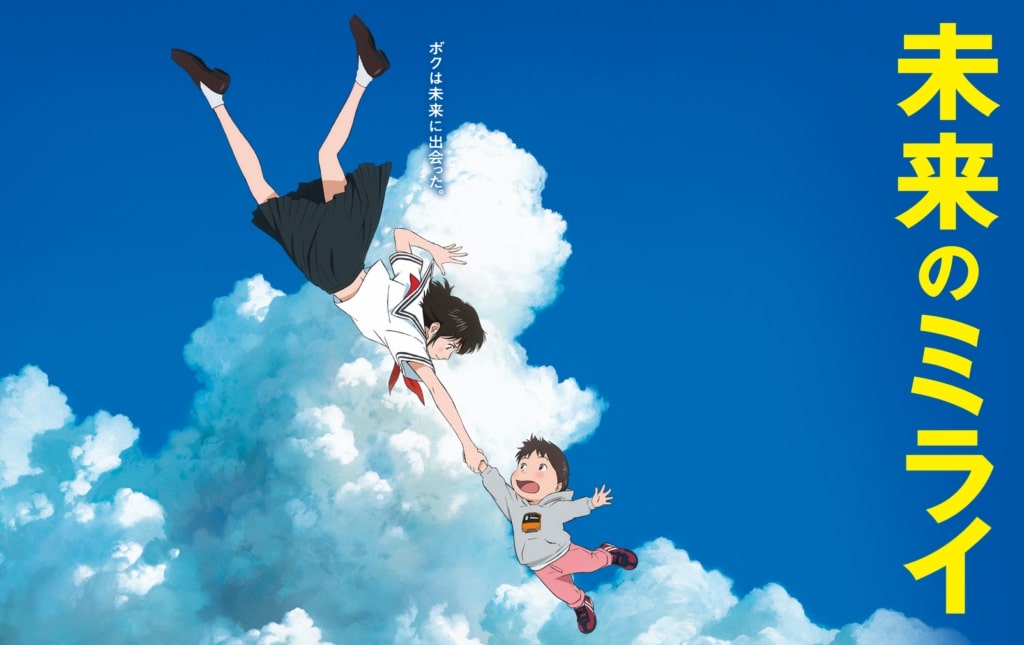
Spoiler commentary and discussion of Mirai no Mirai (Mamoru Hosoda)

Spoiler commentary and discussion of Mirai no Mirai (Mamoru Hosoda)

Mirai no Mirai" is an animated feature film produced by Studio Chizu and released in July 2018. The director is Mamoru Hosoda, the creator of "The Girl Who Leapt Through Time" and "Summer Wars. Kun-chan" lives with his parents in a corner of Yokohama, where he has just become a "big brother. After the birth of his younger sister, his parents stop fulfilling his requests, and Kun-chan finally turns into a "baby again. He is always saying, "I don't like babies! He travels through time from the courtyard of their house. There he meets his future sister.

Read Article

ONE PIECE THE MOVIE Baron Omatsuri and the Island of Secrets (One Piece) Spoilers and Discussion Summary

ONE PIECE THE MOVIE Baron Omatsuri and the Island of Secrets (One Piece) Spoilers and Discussion Summary

ONE PIECE THE MOVIE Baron Omatsuri and the Island of Secrets is the sixth animated feature film based on the boys' manga "One Piece". Mamoru Hosoda, famous for "The Girl Who Leapt Through Time" and "Summer Wars," directed this film. It is one of the most unique works in the series, and has caused a stir with its style and drawings that are not typical of "One Piece". The last half of the story is full of storylines and effects that could be mistaken for a horror movie, and some viewers have even said that they were traumatized by the scares.

Read Article

Coo: Coo from a Distant Sea (Animated Film) Spoiler Commentary and Discussion Summary

Coo: Coo from a Distant Sea (Animated Film) Spoiler Commentary and Discussion Summary

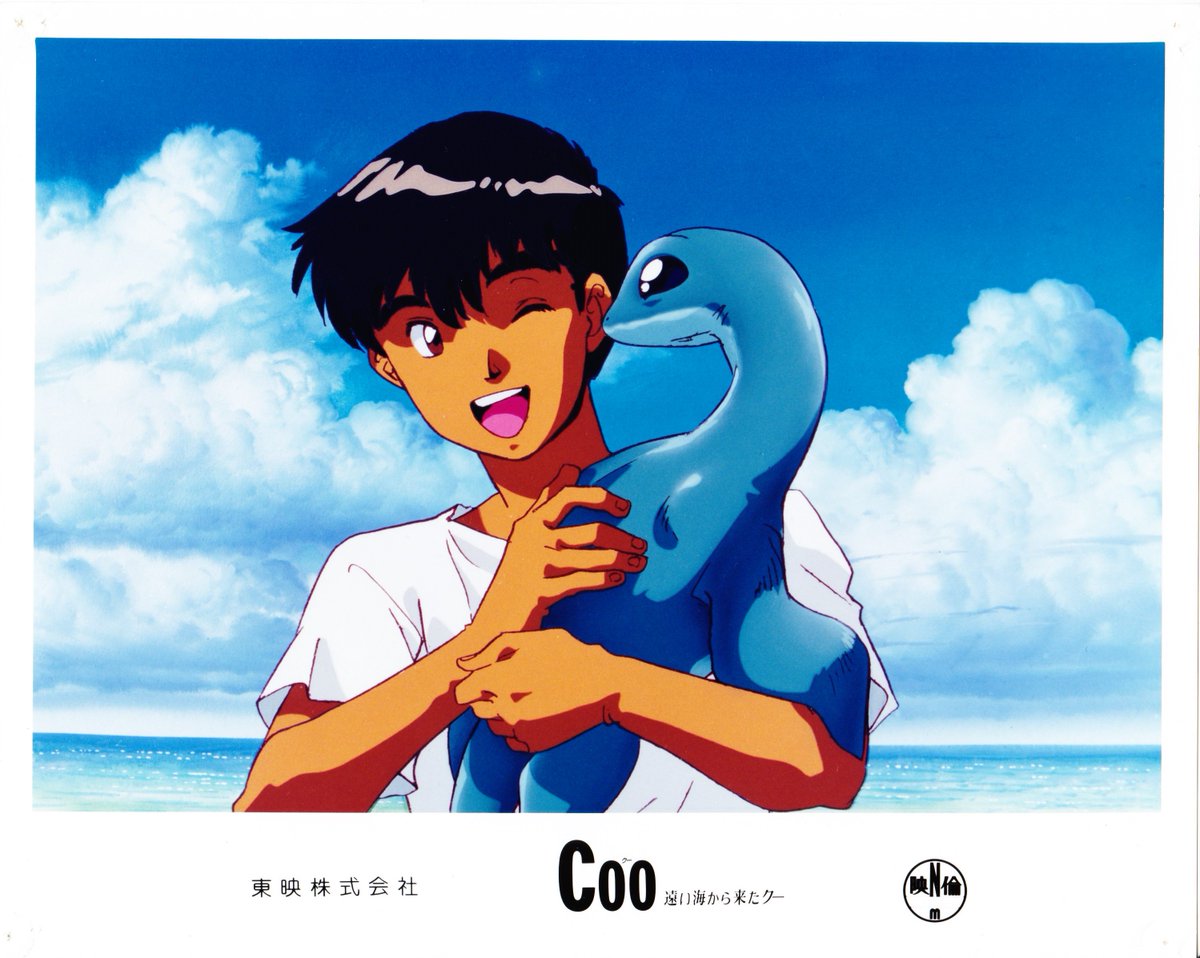
Coo: Coo from the Far Sea" is an animated feature film based on the novel "COO from the Far Sea" by Tamio Kageyama, which was released nationwide in 1993 by Toei Western Pictures. Perhaps due to a string of scandals involving those involved in its production, the film has not been released on DVD or Blu-ray more than 30 years after its release. The main character, Yosuke Obata, is a 12-year-old boy who lives with his father, Tetsuro, on Pago Pago Island in the Fiji Islands. One day, Yosuke picks up a newborn plesiosaur cub in the sea, names it Coo, and raises it. This is the story of the bond between Yosuke and Coo.

Read Article

The Dragon and the Freckled Princess (film) spoiler alert and discussion summary

The Dragon and the Freckled Princess (film) spoiler alert and discussion summary

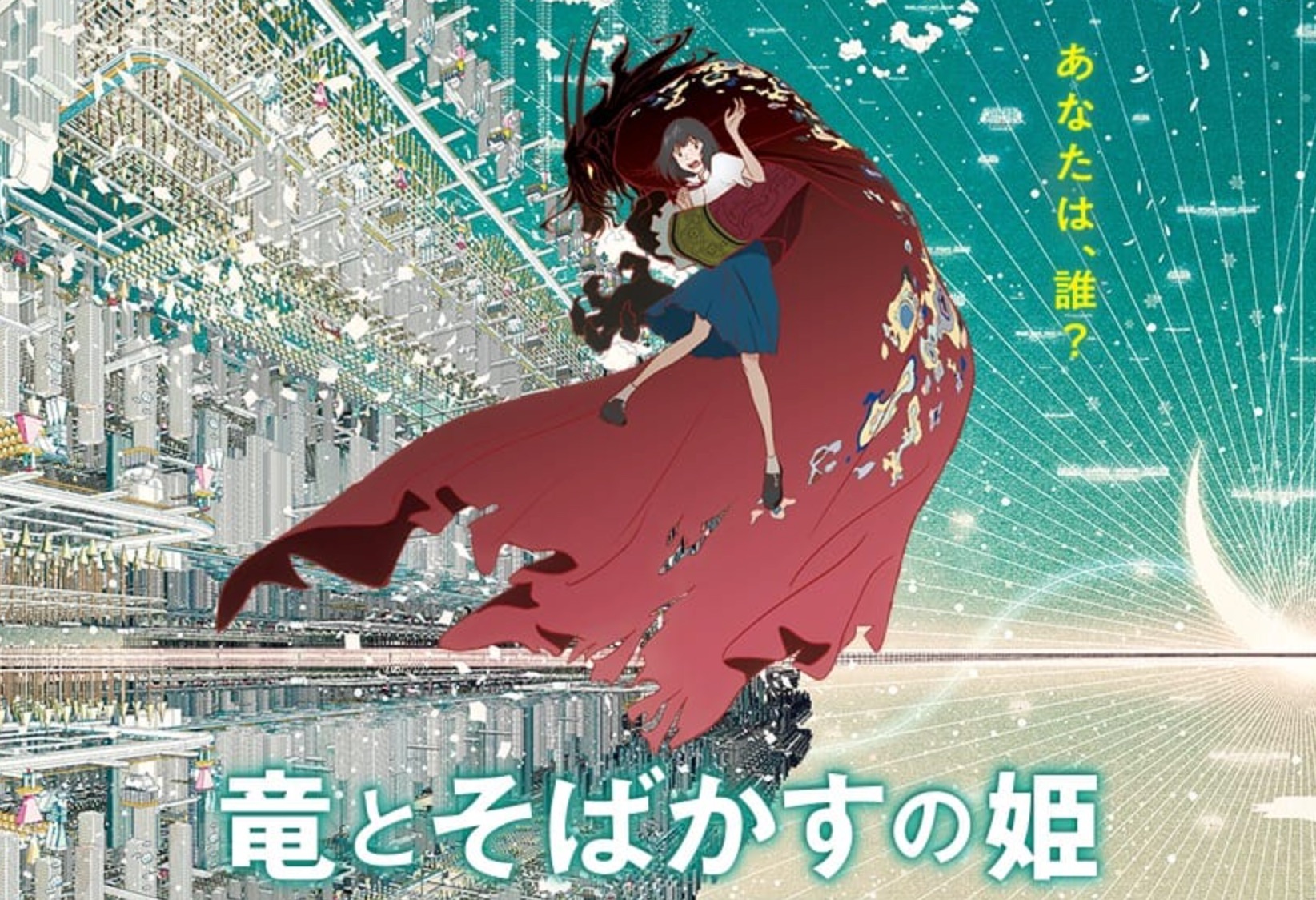
The Dragon and the Freckled Princess" is a Japanese animated film directed by Mamoru Hosoda, produced by Studio Chizu and released in the summer of 2021. The main character, a high school girl with a serious emotional trauma, grows up through encounters in the virtual world and the real world, giving courage to the viewer. The story spun out by the director's unique combination of two worlds, one imaginary and one real, and two animations, is on an overwhelming scale never seen before, and it is a film that appeals to what is important and unchanging in a rapidly changing world where social networking services have become commonplace.

Read Article

A compilation of handsome characters from Ghibli movies! The circumstances they each have are fascinating!

A compilation of handsome characters from Ghibli movies! The circumstances they each have are fascinating!

This article introduces a collection of handsome characters that have appeared in films produced by Studio Ghibli. Many attractive characters have appeared in Ghibli films, such as Haku from "Spirited Away," Pazoo from "Castle in the Sky," and Sho from "The Borrower Arrietty. Each of these characters has his or her own story, and this is what makes them so appealing. We hope you will find your favorite character.

Read Article

ハウルの動く城の名言・名セリフ/名シーン・名場面まとめ

ハウルの動く城の名言・名セリフ/名シーン・名場面まとめ

『ハウルの動く城』とは、2004年公開のスタジオジブリ制作の長編アニメーション作品である。脚本・監督は宮崎駿。 帽子屋の少女・ソフィーは兵隊に絡まれていたところを魔法使いのハウルに助けられるが、魔女の呪いによって90歳の老婆に姿を変えられてしまう。店にいられなくなったソフィーは旅に出、その途中でハウルの動く城に出会うのだった。ファンタジックな世界観や美術、個性的なキャラクターが魅力の作品。ハウルとソフィーの戦火の恋がストーリーの軸となっているため、本作にはロマンチックな名言も数多く登場する。

Read Article

A compilation of layouts, storyboards, and original drawings by popular animators! Also includes valuable materials showing the greatness of Hayao Miyazaki and Mamoru Hosoda!

A compilation of layouts, storyboards, and original drawings by popular animators! Also includes valuable materials showing the greatness of Hayao Miyazaki and Mamoru Hosoda!

This article compiles images of layouts, storyboards, and original drawings by popular animators. Fans are encouraged to check them out, as they are all valuable materials from such brilliant animators as Hayao Miyazaki, Yoshiyuki Sadamoto, Tatsuyuki Tanaka, Satoshi Kon, Okiura, Yoh Yoshinari, Hiroshi Nagahama, and Mamoru Hosoda.

Read Article

Miscellaneous trivia and urban legends to enjoy "Summer Wars," "The Girl Who Leapt Through Time," and "Wolf Children" for the rest of your life! Thorough explanation of Mamoru Hosoda's works.

Miscellaneous trivia and urban legends to enjoy "Summer Wars," "The Girl Who Leapt Through Time," and "Wolf Children" for the rest of your life! Thorough explanation of Mamoru Hosoda's works.

Miscellaneous information and urban legends about Mamoru Hosoda's films "Summer Wars," "The Girl Who Leapt Through Time," and "Wolf Children's Rain and Snow" are compiled. Information related to Mamoru Hosoda's films, including storyboards, catchphrases, and the opinions of those who have seen the films, is thoroughly explained.

Read Article

Mamoru Hosoda was supposed to shoot "Howl's Moving Castle"? Introduction of the relationship with Hayao Miyazaki [Studio Ghibli].

Mamoru Hosoda was supposed to shoot "Howl's Moving Castle"? Introduction of the relationship with Hayao Miyazaki [Studio Ghibli].

Howl's Moving Castle" is a popular work by Studio Ghibli. When the project was first conceived, Mamoru Hosoda, a hit maker who is also known as "post-Hayao Miyazaki," was scheduled to take the megaphone. However, the project fell through, and Hayao Miyazaki was to direct the film. Here, we introduce the reasons why the project was not realized and "One Piece the Movie: Baron Omatsuri and the Island of Secrets," a film directed by Mamoru Hosoda that strongly reflects his shocked state of mind. It also includes a comment from a fan who said, "I wanted to see Hosoda's version of Howl.

Read Article

Delicious-looking foods in anime and manga that make you drool just looking at them.

Delicious-looking foods in anime and manga that make you drool just looking at them.

Food scenes often appear in anime and manga. However, in reality, food has different color gradations and different light absorption and reflection rates, making it extremely difficult to depict in pictures. However, there are anime and manga that depict such unique foods in an extremely delicious manner. In this issue, we have compiled a list of many delicious-looking foods, focusing on such scenes.

Read Article

A summary of information on the production costs of Ghibli films! A generous budget is a sign of talent!

A summary of information on the production costs of Ghibli films! A generous budget is a sign of talent!

This article presents a summary of information on the "production cost" of Ghibli films. The production cost per episode of an animated film varies from film to film, but is in the 50 million yen range at the highest. On the other hand, the production cost of a Ghibli film is at least in the hundreds of millions of yen, and the estimated production cost of "The Tale of the Princess Kaguya" is said to be as much as 5 billion yen. Ghibli producer Toshio Suzuki has stated in interviews that "being able to spend money is also a talent.

Read Article

A great comedy combining the titles of Ghibli movies is interesting! Here are some of the excellent stories that have been talked about on the Internet!

A great comedy combining the titles of Ghibli movies is interesting! Here are some of the excellent stories that have been talked about on the Internet!

This article introduces a number of excellent works on the "Make a funny sentence by combining the titles of Ghibli movies," a very popular comic project that has become popular mainly on the Internet. In addition to the excellent works that have been inducted into the Hall of Fame, the article includes many funny sentences that make you laugh unintentionally.

Read Article

Reviews, Ratings and Comments on バケモノの子 / The Boy and the Beast

バケモノの子 / The Boy and the Beast
9

強くなりたいは必要か?

日本のアニメで、「強くなりたい」と主人公は決まってこう言います。そして、日本の少年たちも、「強くなりたい」と決まってこう言います。
これらは本当に必要なのでしょうか?
当たり前ですが、強くなる=成長と捉えれば、必要なのでしょう。
渋谷で彷徨っていた少年がバケモノに拾われ、強くなった(=成長した)ことで、周囲の評価が変わり、信頼を得るに至ったのでしょう。
ただただ、渋谷の街をブラブラしても(とはいえ、社会生活的には、成長しているのかもしれませんが)、あまり変わってはいかないでしょう。
そうであれば、帰宅しても厄介払いされるし、勉強を教えてもらうこともないのでしょう。
その人がどのようなストーリーを経て今に至るのか。そして、なにができるのか。そうしたことがあるからこそ、人からの評価は変わってくるのだと思います。
9歳の頃、どの親類からも厄介払いをされていた少年は、バケモノに拾われて、鍛えられることによって成長し、家に戻っても歓迎されるまでになったと見ることができます。
少年が成長した事によってバケモノ自身の評価も上がっていることにも価値があります。やはり、人生には成長するときが必要なのでしょう。
強くなるということは、成長することの1つの側面になるのだろうということです。

バケモノの子 / The Boy and the Beast
9

A heartwarming story of a father and son

This is the story of a human child, Ren (Kuta in the world of monsters), who has wandered into the world of monsters, and Kumatoru, a putaro.
In the human world, Kuta has no place to go because his mother is dead and his father is missing, and he comes to live with Kumatoru as his apprentice.
At first they disagree and quarrel constantly, but gradually they come to respect each other and their relationship goes beyond that of master and apprentice to that of a real parent and child.

In the world of monsters, Kuta was discriminated against because he was human, but as he trained with Kumawaki, he became stronger and stronger, and was able to blend in with the other monsters.
However, as Kuta became a young man, he became more interested in the human world, and his relationship with Kumatoru became strained.
Kumatoru thinks he is Kuta's substitute father, but Kuta's real father is also found.
Please watch the end full of love between Kumatoru, a monster who lives in the world of monsters, and Kuta, who has come to want to live a normal life in the human world as a human.

I enjoyed not only the content of the story but also the beautiful depiction of the monster world. The cityscape, which is a true blend of Japanese and Western styles, is very innovative and beautiful, so please pay attention to that as well.
It is interesting to note that the monsters look like animals, but they also look like humans.

バケモノの子 / The Boy and the Beast
10

Review of "Bakemono no ko."

The movie "Bakemono no ko", directed by Mamoru Hosoda, depicts the theme of "parent and child".
A 9-year-old human boy meets "Kumatetsu," a "monster" and a ruffian, when he is separated from his family and left alone.
The "iridescent clouds" and "whales" that always appear in Mamoru Hosoda's films also make an appearance, so please pay attention to them as well.
The title "Bakemono no ko" refers to the main character, of course, but there is another subject as well.
The eldest son of Kumatetsu's rival, Iozen, is also human and believes himself to be a "monster," but this fact becomes a stumbling block and causes him to explode with emotion. I put what could have happened in our own world into the work.
Although the overall atmosphere is a bit heavy because of the difficult theme, the "monster" characters are all attractive and the story is sure to draw you in as it progresses.
The theme music is by "Mr. Children" and is in perfect sync with the world view.
It is a wonderful film, and I highly recommend that you see it.

バケモノの子 / The Boy and the Beast
8

A boy grows up! Encounters and Farewells. Mamoru Hosoda's masterpiece, "Bakemono no ko" is recommended for all ages!

[Attraction
A fusion of real and fictional cityscapes. How does a boy grow up in a world different from the one we live in?
The shadow that approaches the grown-up protagonist, and the climax that vividly confronts us with the mental problems we all have.
Synopsis.
The protagonist, a boy who has lost his mother and separated from his father in the real world, wanders into a town of monsters. The encounters and growth of the boy in this new world create an epic story that involves the real world as well.
The film depicts two worlds: the real world in which we live, and the world in which the main character wanders and grows up, the world in which the monsters live.
The real world is depicted in a more realistic manner, while the world inhabited by the monsters is depicted in a grandiose and fantastic manner. These two contrasting worlds, where the protagonist comes and goes, have great significance in the film.
It is interesting to see how a boy who has been left alone in the world we live in grows up in another world where there are no humans. Similarities can also be seen in "Wolf Children: Rain and Snow," another film by the same director. Personally, I think this way of depiction is the quintessence of director Mamoru Hosoda.
The main character grows up in a world of monsters. But...!
Will the main character, who originally wandered into the world from another world, continue to live in the world of monsters?
From here, we quickly enter a world that is familiar and non-fictional to us.
Here are some other points I would like you to pay attention to.
The main character and the characters he meets in the two worlds. The growth and change of each character.
I believe that the way you perceive this film and its emotional points will change as you watch it over and over again. I would like everyone from adults to children to see this film.

バケモノの子 / The Boy and the Beast
6

I can't stop the tears from flowing.

From the moment Kuta learned the movements of Kumatoru's feet, the story progressed as if the previously dark and lonely world had been colored. Momo-san and Tatami-san are good people, and it was easy to watch as they let the story progress with these people, and they were there for the viewer. Kumatoru loves Kuta, and the fight scene was very moving as he and Kuta became one with each other. I wonder if the line that Momo-san and Tat-san were saying about how proud they were of such a bratty kid who had grown up to be a big boy really speaks for how parents feel about their children. Kumatoru probably raised him more as a disciple than as a parent, and that is why I don't think I ever heard the word "child" from him. Kumatoru was also able to learn from Kuta and changed. And Kumatoru's decision at the end really hit me! There may be "strength" that grows from being "alone"...but it cannot be equaled by the "strength" of "not being alone"...the first step to "strength" may have been to realize that. And even though it was a movie theater, I laughed heartily and cried heartily. This is a film that is not here to make you cry, but the tears just keep flowing. And the content is easy to understand and the images are beautiful, so it is a very easy work to watch.

バケモノの子 / The Boy and the Beast
8

A movie that makes you think about the love between parents and their children; the voice cast includes many famous actors.

I had high expectations for this film, which was directed by Mamoru Hosoda, a very famous director in the animation film industry, whose works include "The Girl Who Leapt Through Time" and "Summer Wars," and I personally felt that I was betrayed, for better or worse.
The film depicts a pseudo parent-child relationship between the main character "Kyuta," a human runaway boy, and "Kumatoru," a yokai with a reputation as a problem child.

In addition to the story, one of the most appealing aspects of this film is the voice cast.
The cast includes well-known actors such as Koji Yakusho, Aoi Miyazaki, Shota Sometani, Suzu Hirose, Yo Oizumi, and Lily Franky, and their performances are very comfortable with their roles.
The battle scenes and backgrounds (the streets of Shibuya are very realistically reproduced) are beautiful and "cool" in both still and moving images.
The story is based on the novel "White Whale" and depicts people's conflicts with vengeance and darkness in their hearts, but I felt that the ending was a little too stoner than the excitement in the middle part of the film.

Overall, this is a clear and easy-to-watch work, and I recommend it to those who enjoy anime works and are fans of the voice actors and cast.

Parent Tags

Sibling Tags