日出処の天子

日出処の天子

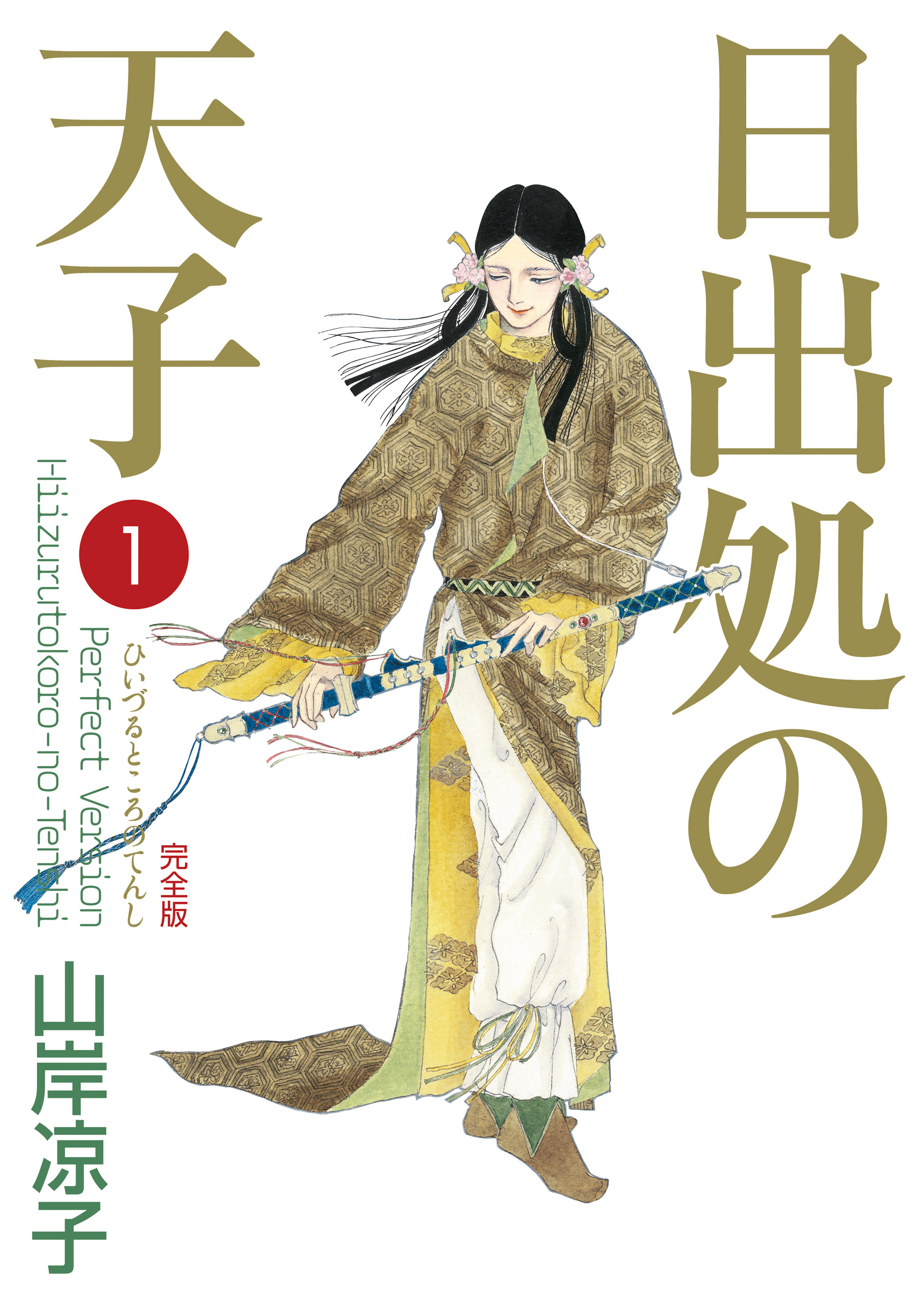
Hiizuru tokoro no tenshi" is a Japanese manga work by Ryoko Yamagishi. It was serialized in "LaLa" (Hakusensha) from April 1980 to June 1984, and won the 7th Kodansha Manga Award for Girls in 1983.
The story is set in the Asuka Period and follows the life of the main character, Prince Umayado, from his boyhood until he becomes a regent. Prince Umayado has become a topic of conversation because of his novel portrayal as a genius, psychic, and homosexual. The supernatural powers are the result of the positive adoption of an anecdote from the "Shotoku Taishi Denryaku" (Prince Shotoku's Biographical Almanac).
This is a historical manga in which the people of the Soga family, Emperor Soshun, Emperor Suiko, and others are at the mercy of the politically scheming Prince Umayado.

Related Articles on 日出処の天子

Summary of Spoiler Commentary and Discussion of Tenko of the Rising Sun (Queen Umayako)

Summary of Spoiler Commentary and Discussion of Tenko of the Rising Sun (Queen Umayako)

Hinode no Tenko" is a manga by Ryoko Yamagishi. It is set in Japan around the time of the arrival of Buddhism. The story centers on the relationship between Prince Umayado, who later became known as Prince Shotoku, and Soga Motojin, and depicts Prince Umayado from his boyhood to his becoming regent. Prince Umayado is depicted not as a saint, but as a superhuman being with mysterious powers. The "Old Queen Umayato" is a manga by Ryoko Yamagishi that is a sequel to "Tenko of the Rising Sun. Both works are ambitious works that renew the previous image of Prince Shotoku.

Read Article
舞姫 テレプシコーラ(漫画)のネタバレ解説・考察まとめ

舞姫 テレプシコーラ(漫画)のネタバレ解説・考察まとめ

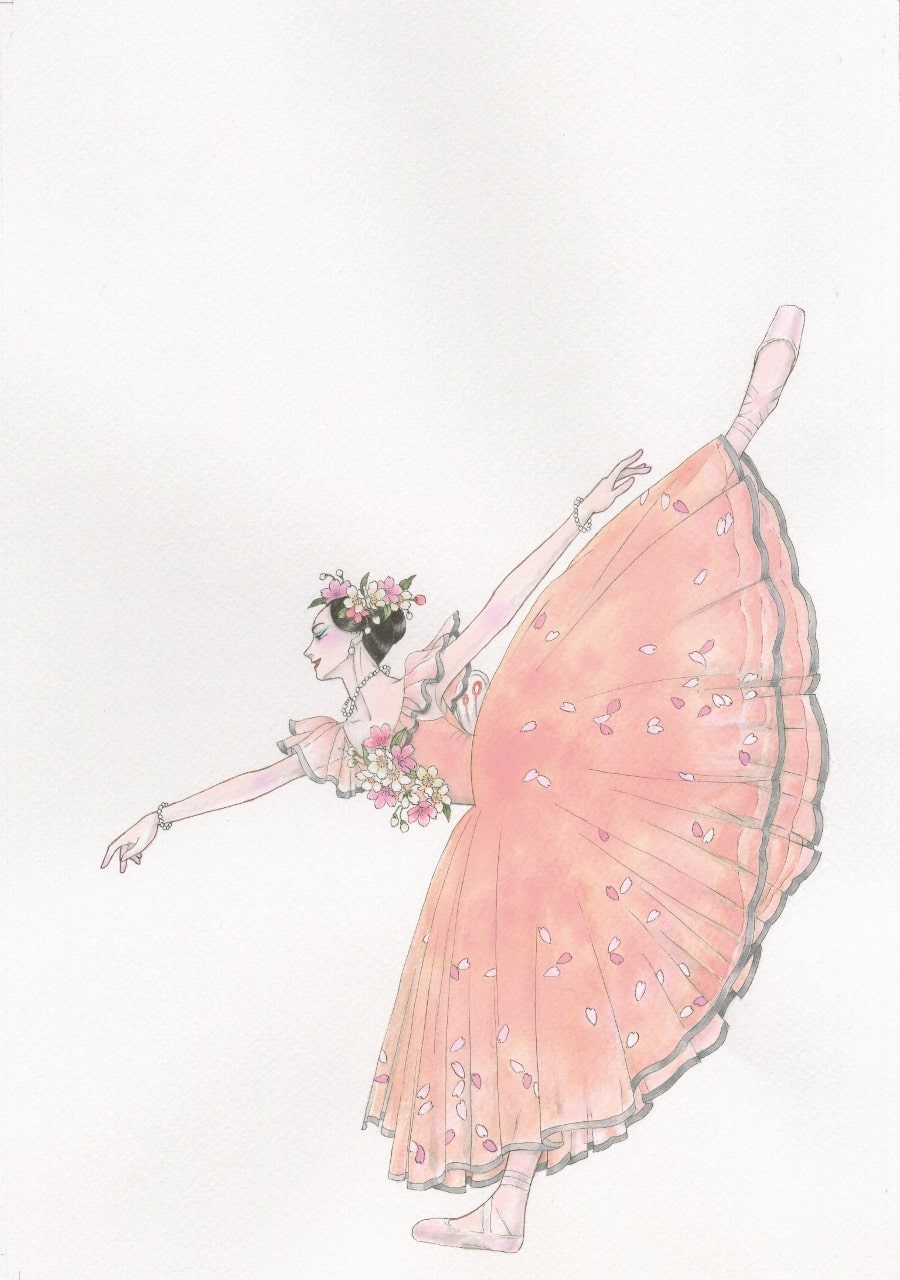
『舞姫テレプシコーラ』とは、山岸凉子によるバレエをテーマにした漫画である。雑誌『ダ・ヴィンチ』(メディアファクトリー)にて、2000年11月号から2006年11月号まで第1部が連載された。その後、第2部が2007年12月号から2010年10月号まで連載された。物語は、バレエダンサーを目指す少女たちの成長と葛藤を描いている。主人公の篠原六花は、バレエ教室を営む母とプロを目指す姉と共にバレエを学び、様々な困難を乗り越えながら自分の道を見つけていく。

Read Article

Hana no 24-nen Gumi: Women Artists Who Radically Changed the Shojo Manga Industry

Hana no 24-nen Gumi: Women Artists Who Radically Changed the Shojo Manga Industry

These female artists were active in the 1970s and took approaches that had never been taken in girls' manga before, such as BL and aesthetic expressions, which are not uncommon nowadays, content that included literary elements, and delicate illustrations. Since they were all born in 1949, they are known as the "Hana no 24-nen class. Here is a summary of the artists who are nostalgic for the author's generation.

Read Article