
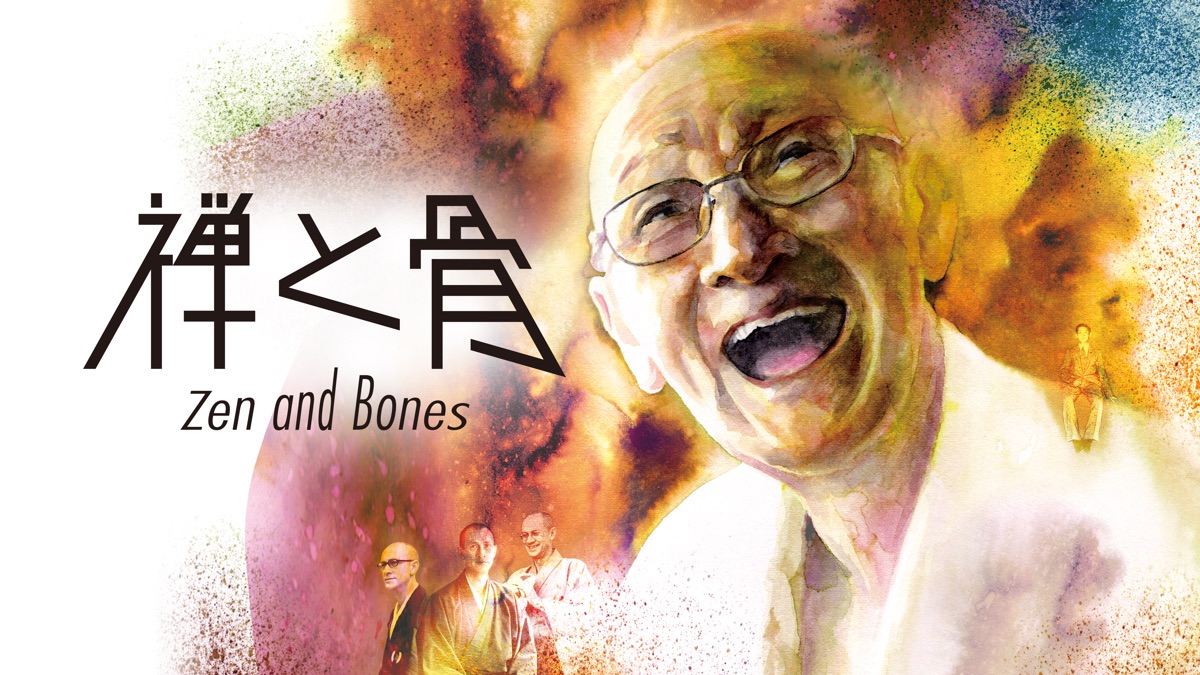

The spiritual journey of a rebellious half-Zen monk who identifies himself with the children's song "The Red Shoes
The film closely follows the later years of Henri Mitoi, a half-Japanese, half-American Tenryuji Zen monk who was at the mercy of war and the blood of wanderers. Born in Yokohama, Mitwa boarded the Hikawa Maru in search of his father, who had returned to the U.S. After the outbreak of the Pacific War, Mitwa was interned in a Japanese-American internment camp. After arriving in the U.S., the Pacific War broke out, and he was interned in a Japanese American internment camp. He remained in the U.S. after the war and did not return to Japan until 21 years later. He became devoted to Zen Buddhism and moved to Myoshinji Temple in Kyoto, where he studied under a priest and became a member of the Urasenke school of Zen Buddhism, where he dabbled in ceramics and flower arrangement. Time passed, and Nakamura heard that there was an eccentric monk in Kyoto, and his camera captures the days of this moody old man, who is more going my way than following the path of Zen. The chaotic scenes of him and his second daughter, who is still traumatized in some ways by being brought to Japan at an impressionable age when she did not understand the language well, and their chaotic exchange of Japanese and English, including their eldest son and daughter who were present at the time, will pierce the viewer's heart.
Eiji Wentz's impassioned performance as young Mitwa in the drama reenactment of her youth also shines through. Wentz, who coincidentally also has a German-American father, apparently could not speak English at the time, much to the astonishment of Chad Mullane, who plays his eldest brother.
I don't understand, Detective. I am Japanese, born in Japan."
He says he was able to show his true self, which was different from when he was in variety shows. The other actresses in the film are Kimiko Yo as the mother of a former geisha, and Ken Yokoyama sings "Love Me to the Bone" during the end roll.
Where do people come from and where do they go? This is a film that makes us think about such questions once again, with Yokohama flowing like a bassophone in the background.