

Gag, Comedy, Action Shonen manga impression
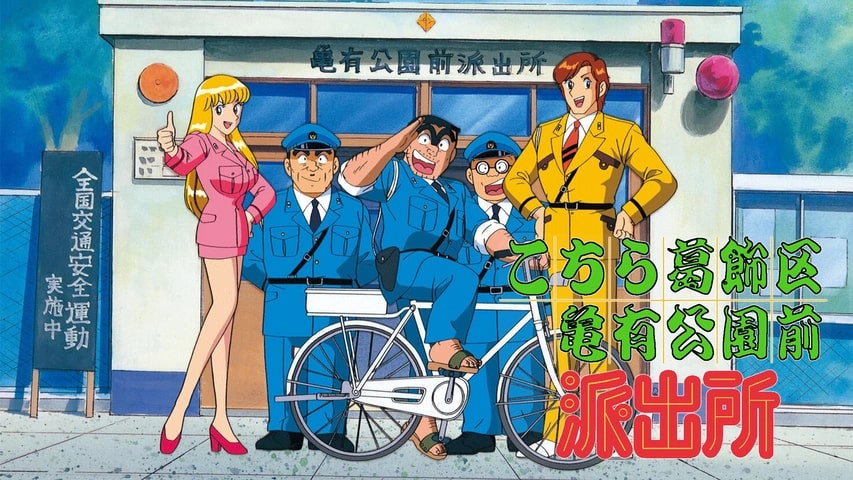
It was serialized in Weekly Shonen Jump for 40 years from 1976 to 2016 and is a manga work written by Osamu Akimoto. The story centers on Kankichi Ryotsu, aka Ryosan, a delinquent police officer working at Kameari Koen-mae Police Station, and the people around him.
The series has been serialized for 40 years, and the total of 200 volumes of comics is a monumental work that breaks the record for the longest run in a manga magazine in Japan, not to mention in JUMP, which shows the influence of this work.
Even though each story is complete, there is a wide variety of stories, ranging from gags, to ironic stories about current events and trends, to human-interest stories with no gags at all (another feature of this work is its style, which directly reflects Osamu Akimoto's opinions and interests), and the unprecedented lifestyle of Ryosan sometimes makes you laugh, and sometimes makes you think. ) The range of the story, which is sometimes funny and sometimes thought-provoking, is felt to have attracted readers of various generations.
Since the series had been serialized for such a long period of time, there was a playful gesture of including Ryousan in all the serialized works on the occasion of the 30th anniversary. However, the power of the original work, which lasted even longer than these works, is overwhelming.
Therefore, when the series came to an end three years ago, I felt as if an era had ended (although the final episode ended with a slapstick drama typical of Kochikame that did not make me feel sad, which is typical of this work).