

'Someday you will not love that man. Bernhardt said quietly. And one day I will also stop loving you. We will be alone again. And yet it is all the same. There is only another year gone by" (a passage from Françoise Sagan's "After a Year," quoted in the play).
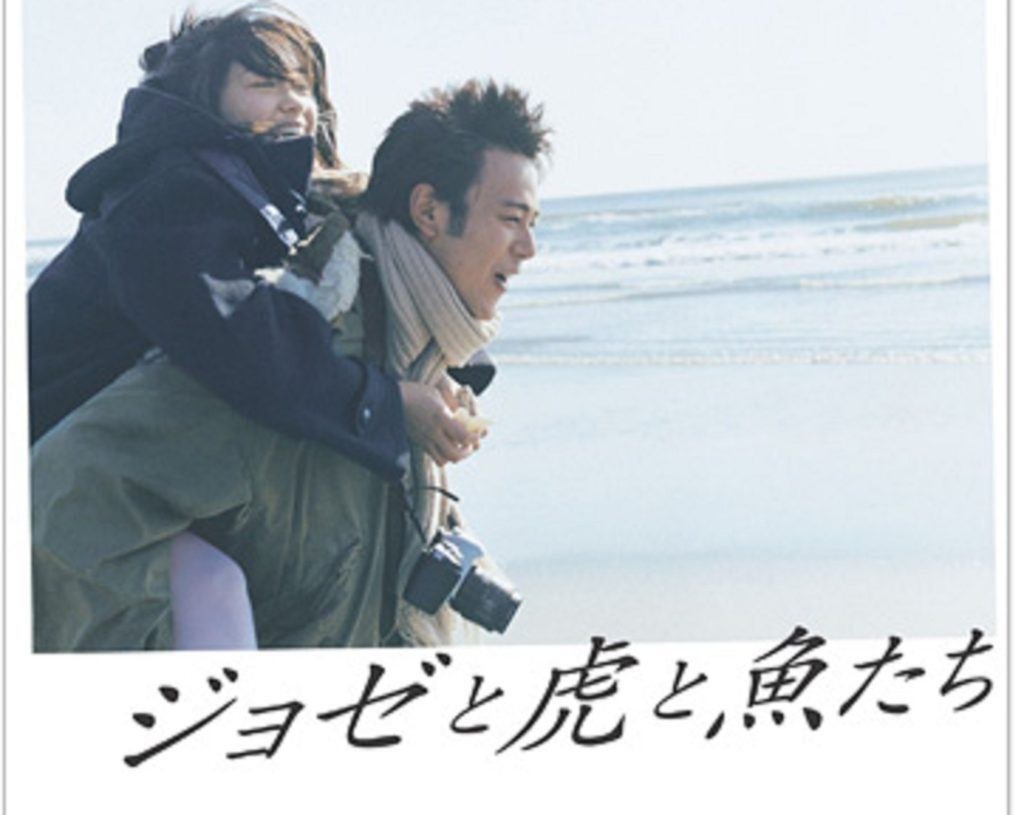
The story is about Tsuneo, an ordinary college student, and a girl who is eccentric, stubborn, and crippled.
At first, I was sniffing at Tsuneo's insouciance, thinking that the way he is attracted to the free-spirited girl, who calls herself Jose, shows his lightness of footwork in terms of love and sex, and that this is also true for people with disabilities.
But Tsuneo is a straightforward man. He goes to see José because he wants to see him, and he goes because he wants to eat a good meal.
I got the impression that he fell in love with José, who is handicapped, rather than the girl he fell in love with who happens to be handicapped.
Tsuneo is always kind. And a little cunning, too. So Tsuneo "flinches" at the carefree José, and the two choose to part ways.
José, who sees her off without a care in the world, never asked for promises, constraints, or permanence when she was with Tsuneo.
I love you. I love you and what you do.
These words are so poignant, spoken at the time of their first meeting.
José must have been affirming Tsuneo until the moment he left her.
The title is a passage from José's favorite novel.
I think that for the two of them, the way they perceive these words may be diametrically opposed.
Like myself, who is not sure whether I want to condemn or defend Tsuneo for moping around saying, "I ran away."