

Suspense at its finest! So little scene development that it's easy to follow and interesting!!!
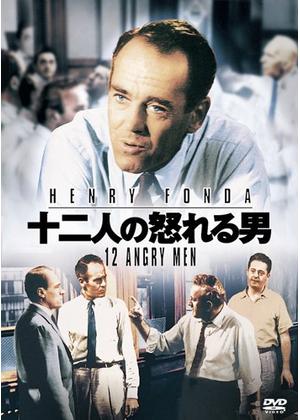
The movie "Twelve Angry Men" is an American film produced in 1957. It won the Golden Bear at the Berlin International Film Festival and was nominated for the Academy Award for Best Picture, and is known as the "milestone of the locked room drama.
The setting is a room in a New York City courthouse. There, 12 jurors discuss the case of a 17-year-old boy who is accused of killing his own father.
The case, and all the eyewitness testimony and evidence point to the boy as the murderer. No matter how they argue, the boy's guilt seems conclusive, but only Juror #8 argues for the boy's innocence. How will the argument proceed from 11 to 1?
The story is told entirely within the confines of a single courtroom, with almost only 12 jurors (although, technically, the opening scene shows the courtroom and the boy as a suspect, and someone who looks like a court official enters the room in the middle of the argument).
The story is easy to follow, unfolding all the way in one room, and yet it continues to draw you in until the very end. The viewer is drawn in by the succession of scenes in which the filmmakers find doubtful points in each of the eyewitness testimonies and evidence that had been thought to be conclusive, and verify them one by one.
The film ends with all the eyewitness testimonies and evidence pointing out suspicious points, but it ends without clearly stating the boy's guilt or innocence. This ending is also a thought-provoking development that will hold the viewer's attention until after the film is over.
And the scene where the jurors say goodbye in the last scene is also impressive. They say their names to each other and part ways. It is another masterpiece that leaves a strong impression as we are reminded here that the discussion was between strangers who had never met before and did not even know each other's names.