

A historical masterpiece that is distinctly different from today's commercial cinema, and one that pursues artistry to the hilt.
Art is man-made beauty created by man. It can never come close to the natural beauty created by God.
The purer something is, the closer it is to natural beauty, and the more impure it is, the further it is from natural beauty. The younger you are, the purer you are, and the older you get, the more impure you become.
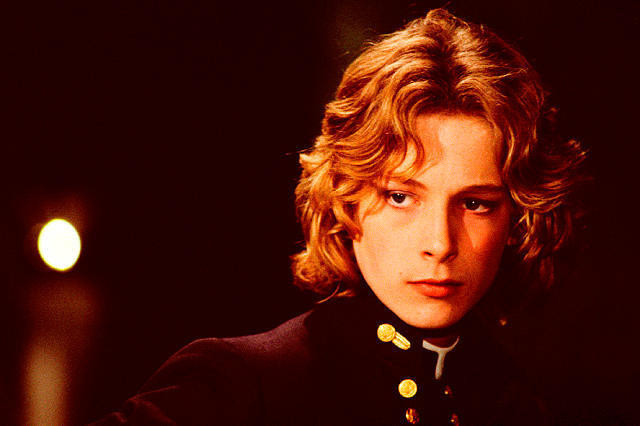
In this film, the contrast between youth and old age, between natural beauty and artificial beauty, is strikingly depicted in every scene. The beautiful boy Turgio and the old composer Aschenbach. The city of Venice and the view of the sea from there.
When the old composer Aschenbach visits the city of Venice after falling into a slump due to failing health, he meets the dazzlingly beautiful young boy Tageo.
Aschenbach is attracted by Turgio's young and pure beauty, and begins to pursue him, but his lack of confidence prevents him from speaking to him or touching him.
Aschenbach, a composer who symbolizes artificial beauty, wishes to approach Turgio, who symbolizes natural beauty, and acquire that beauty.
However, even though he tries to rejuvenate himself with comically toxic make-up, he is unable to do anything before Turgio's natural beauty, and is intimidated.
In the last scene, Aschenbach watches Turgio fighting with his friends on the beach, leaning back in his chair on the sand, unable to move.
Eventually, Turgio enters the sea and points to the setting sun in the distance, silhouetted as if he had become one with nature. Aschenbach tries to reach out his hand in that direction, but it fails to reach him and he dies.
Artificial beauty was defeated by the overwhelming beauty of nature.
Visconti's works are all pictorial, and many of them are thoroughly artistic. It would be difficult to make such films in today's commercialism-driven film industry, so in this sense, Visconti's works are of great value.