
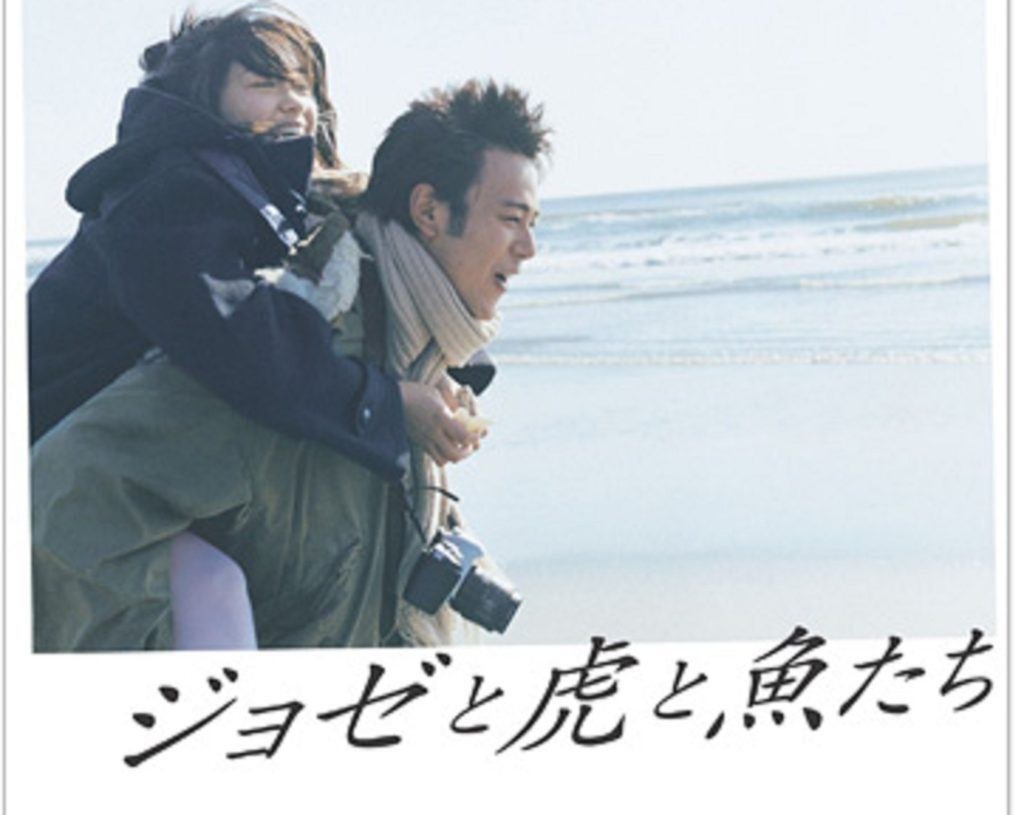

A film that shows the significance of social participation for the physically challenged
In this live-action version, Tsuneo is played by Satoshi Tsumabuki and José by Chizuru Ikewaki. The film was made in 2003, when people were considerably richer and more comfortable than today and there were no social networking services, so the depiction of the public housing in which José lives was somewhat obscene, and the way the college student Tsuneo and his surroundings were also depicted as having a comfortable lifestyle showed how the times had changed.
José and his grandmother live in public housing, but since they live in poverty, they are unaware of the various things that are subsidized by the government, and Tsuneo asks his acquaintances around him to get the government to do things to make their lives easier. This made me think about the size of the information gap regarding public assistance between elderly and disabled households and the rest of the population.
As for José, there have been many changes due to her accidental relationship with Heng Husband, but those who do not have such a relationship are likely to spend their time without knowing much about the public assistance they can naturally receive. People in the welfare and medical fields often talk about normalization, and this film shows why it is so important.
Tsuneo's ex-girlfriend (Juri Ueno) is jealous of José and says some heartless things to him, but without a certain level of equality, he would probably remain indifferent and just a sorry partner. In this light, I understood the significance of various people's participation in society.