
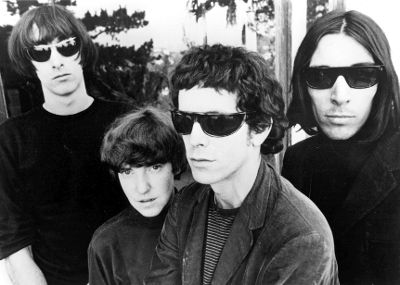
The Velvet Underground is a four-piece rock band formed in New York City. Although the band did not achieve commercial success during its existence, its avant-garde sound and literary poetry, which focused on the darker side of human nature, such as sexual taboos and drugs, had a profound influence on contemporary alternative rock music and played a major role in the artistic development of rock music. Also known by the abbreviated name Velvets.
The Velvet Underground Overview
Lou Reed, a singer-songwriter, joined several garage bands, played a few gigs, and worked as a lyricist for hire at a record company. John Cale, a Welshman who had come to the U.S. to study contemporary music. John Cale was surprised to find that Lou Reed was also interested in contemporary music and that they shared common musical tastes, and they hit it off. The two then began working together.
In 1965, they approached Sterling Morrison, a classmate of Lou Reed's from college, and asked him to join the band. Later, percussionist Angus McCrees joined the band. The band became a unique band, with Lou and Sterling on guitar, Angus on percussion, and John on viola. It was around this time that the band name "Velvet Underground" was coined. The band borrowed the name from the title of a paperback SM novel that had fallen by the wayside.
The band moved to New York and started making demo tapes, but about six months later, Angus, the percussionist, left the band. After about six months, percussionist Angus leaves the band, and is replaced by drummer Maureen Tucker.
The Velvets were based at a live music club in New York's Greenwich Village. One night, the artist Andy Warhol happened to visit the venue and was so impressed with the Velvets' performance that he asked them to perform at the "Exploding Plastic Enevitable," a multimedia event he was planning that included music, dance, and art. The band that appeared and performed at this event was praised and enthusiastically received by New York's fashion-conscious cultural crowd. This led to the production of their first album, produced by Andy Warhol.
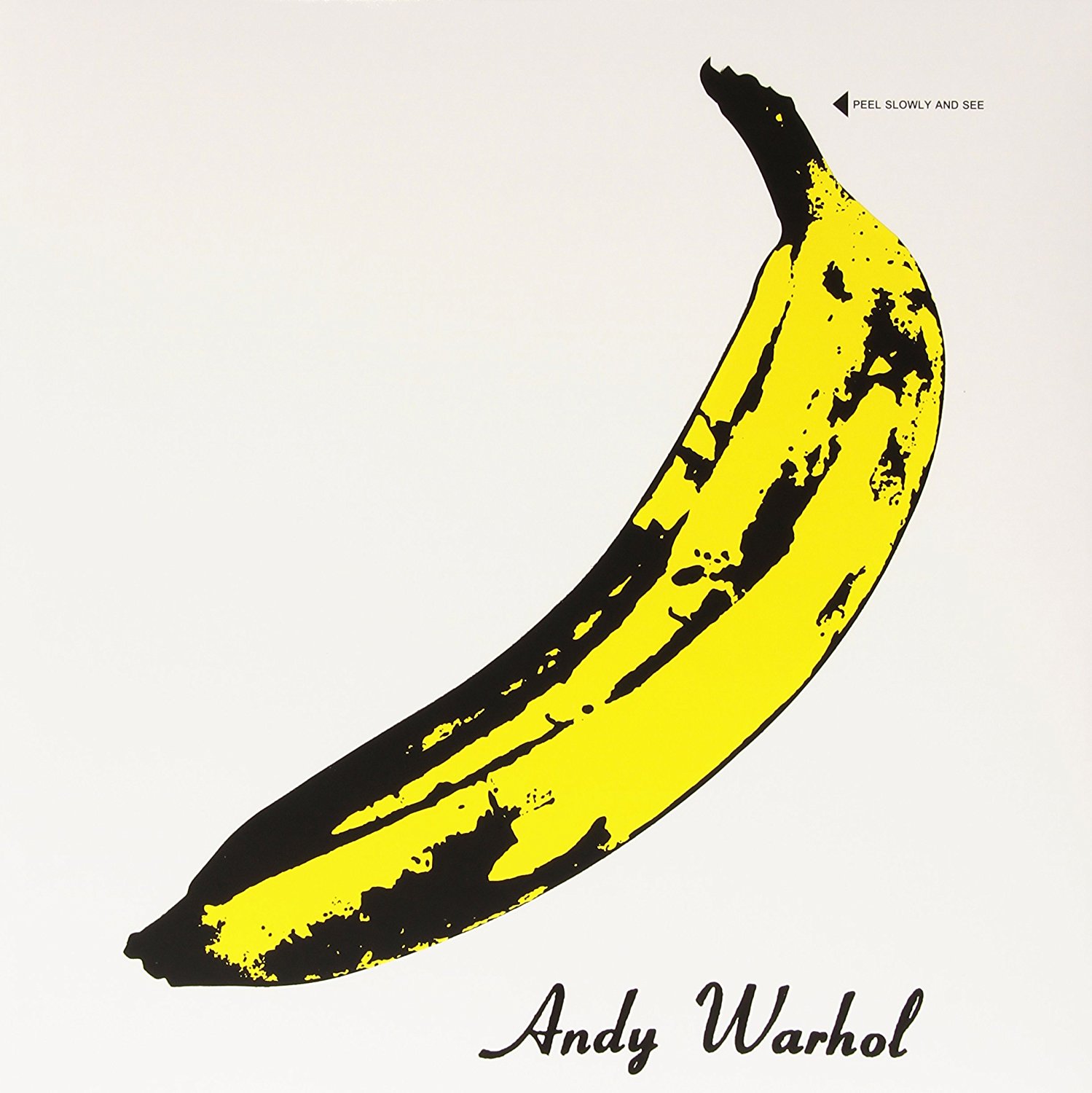
In exchange for his full backing of the Velvets' debut, Warhol decided to enlist Nico, a German-born model who had been frequenting Warhol's studio. Lou Reed accepted this proposal in order to make his debut, but later said that he was not happy with it. Thus, the five-piece band made its debut in 1967 with the album "Velvet Underground and Nico," which is famous for the cover of Warhol's banana painting. As the album title suggests, Nico was not considered an official member of the band, but only a guest, and had already left the band by the time of the release of this album. Sales were not very successful at the time, about 30,000 copies.
After his relationship with Warhol ended, he released his second album "White Light/White Heat" in 1968. This album featured a 17-minute-long song, "Sister Ray," which used a lot of noise, and was characterized by violence and avant-garde style. While the band's break with Warhol allowed them to proceed freely with the production, it also created a power relationship within the band, which resulted in a lack of cohesion. The relationship between Lou Reed and John Cale deteriorated during the production of the album. Lou Reed's position as the band's production leader left John Cale without a place in the band, and after this album, John Cale was forced to leave the band by Lou Reed.
Doug Yule, a musician who had been a friend of the Velvets for some time, joined the band to replace John Cale. Lou Reed assigns Doug Yule to play bass and organ. Later, he also takes on vocals. After touring the U.S. for several months with these members, the band began work on its third album in Hollywood in late 1968.
The Velvet Underground, released in 1969, was less intense and noisy than the first and second albums. The lyrical sound was influenced by folk music, similar to Lou Reed's solo work in later years, and the lyrics were more gentle than on previous albums, as if the band were expressing their inner feelings.
The band's activities were most stable during this period, and a large number of studio and live recordings are still available. However, record sales were still poor, and the band's contract with the record company was finally terminated, and the fourth album, for which recording had already begun, was put on hold.
After that, they managed to get a contract with a new record company and started working on their fourth album. The songs that had been in storage were extensively revised, all songs were newly recorded, and many of the songs themselves were new. The fourth album, "Loaded," was released in September 1970. The experimental nature of the previous album was almost completely eliminated, and the album followed the old rock and roll style, with a very pop-like finish. During the latter half of the recording process, Lou Reed's mental condition begins to deteriorate. During a live tour, he suddenly disappeared and left the Velvets. Released about a month after Lou Reed's disappearance, the album was a long seller and became the biggest-selling album in the band's history.
Lou Reed's sudden departure made it difficult for the band to continue their activities, but due to record company contracts and intentions, the band was forced to continue their activities halfway through the year. The band was rebuilt around Doug Yule, who had joined the band on the previous album, with Yule taking over vocal guitar and a new bassist, Walter Powers. Thus, the band was restarted as a new four-piece, but a year later, Sterling Morrison and Maureen Tucker left the band one after the other. Although none of the original members were left, Doug Yule managed to complete and release the last album under the Velvets name, "Squeeze," using studio musicians, as they still had a contract with a record company to release the album. With the release of this album, the band finally officially disbanded. Squeeze" was released in February 1973. It had already been two years since Lou Reed's disappearance.
The death of Andy Warhol in 1987 prompted the members to get back together, and in 1990, Lou Reed, John Cale, Sterling Morrison, and Maureen Tucker reformed the band. This was a temporary reunion, but two years later, in 1992, the group reunited in earnest for a live tour. However, during the live tour, the relationship between Lou Reed and John Cale deteriorated again, and the activity stopped at the end of the tour.
When the Velvets were inducted into the Rock and Roll Hall of Fame in 1996, Lou Reed, John Cale, and Maureen Tucker were all present.
Members of The Velvet Underground
Lou Reed
Source: gazettemag.com
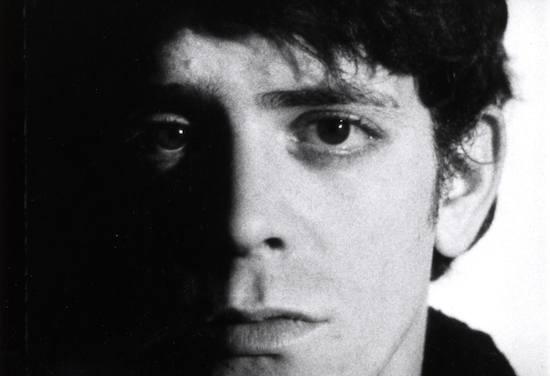
He is the originator of the formation of the Velvets and the central figure of the band. He was in charge of vocals, guitar, piano, keyboards, lyrics, and composition, and took the lead in the production of all songs and albums from the band's inception until his departure due to his own disappearance. He died in October 2013 at the age of 71.
John Cale
Source: philharmoniedeparis.fr
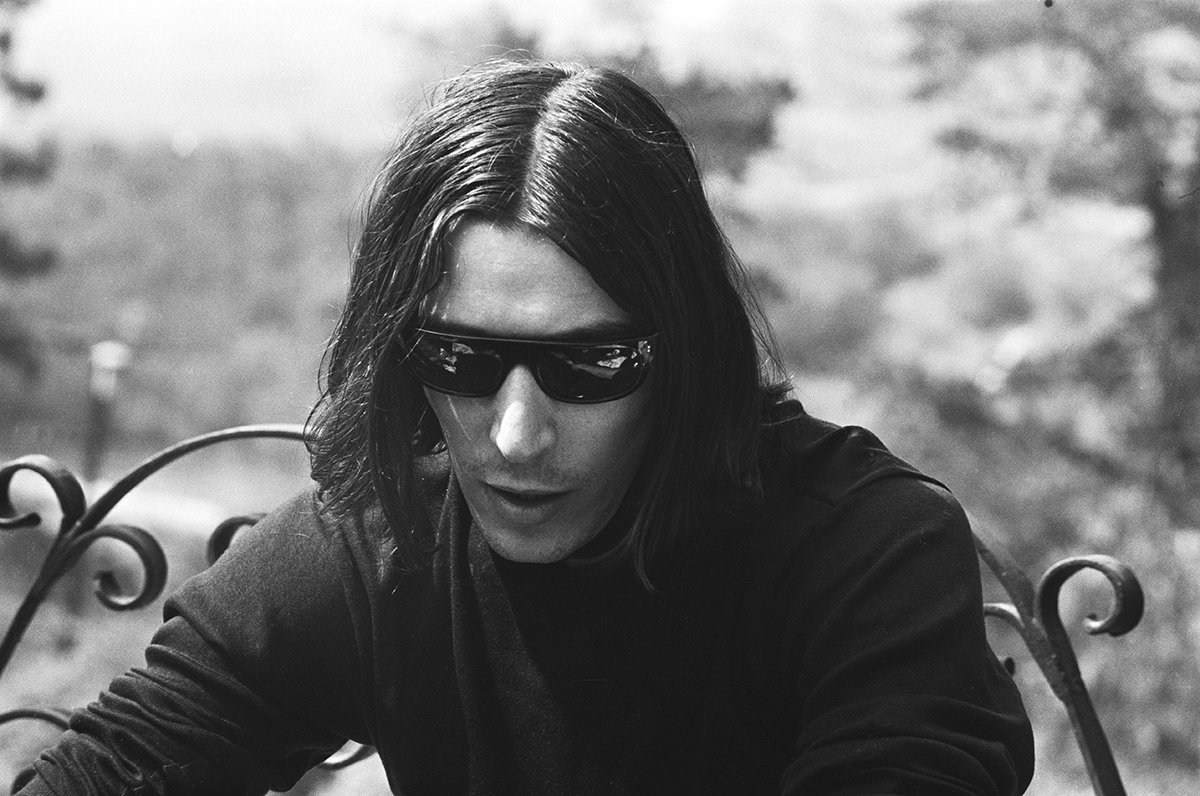
A musician from Wales, England, he met Lou Reed in 1964 when he came to the United States to study contemporary music. He agreed with Lou Reed's musical approach and began working with him. He played viola, violin, guitar, bass, vocals, and composition in the band, and left the band in 1968 due to a conflict with Lou Reed. The band's avant-garde musical style is said to be largely due to his influence.
Sterling Morrison
Source: s-media-cache-ak0.pinimg.com
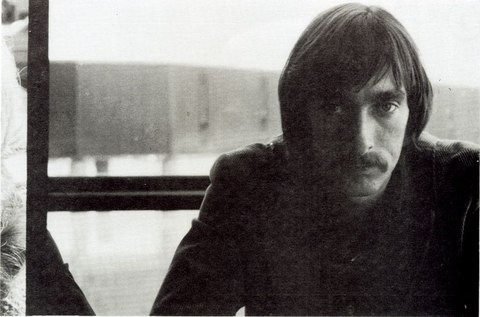
He has been a member of the Velvets since its inception, along with Lou Reed and John Cale. He mainly played guitar and bass in the band.
After Lou Reed's disappearance in 1971, he himself left the Velvets, quit music, and became a high school teacher.
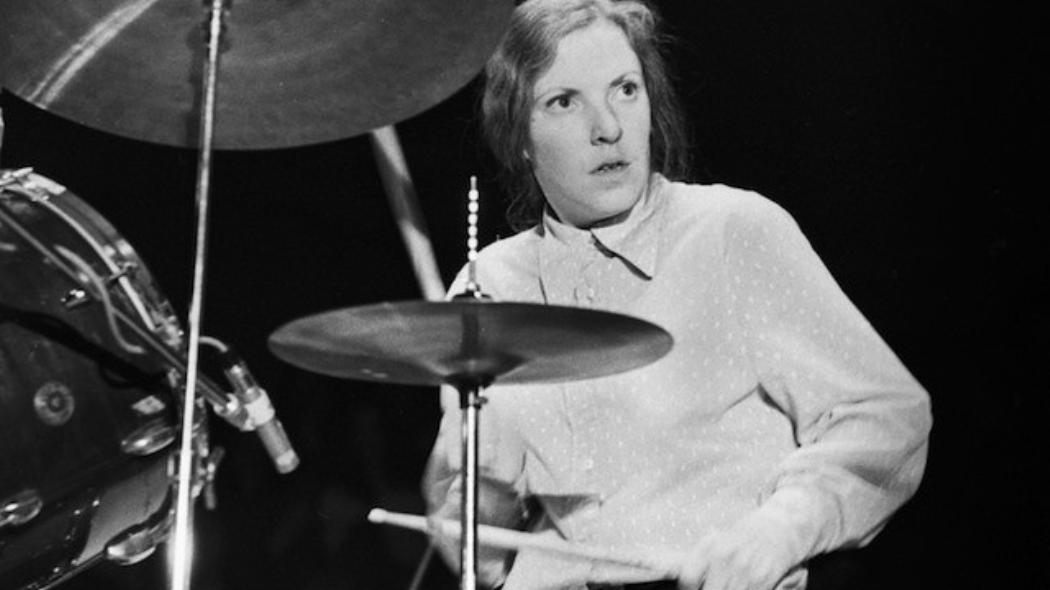
Maureen Tucker
Source: images.vice.com
Member who joined the band in 1965 to replace percussionist Angus McCreese after he left the band. She plays drums and is the only female member of the band.
Influenced by African drumming, she is characterized by her extremely skillful drumming and rarely uses cymbals. She is the main vocalist on the song "After Hours" from the third album.
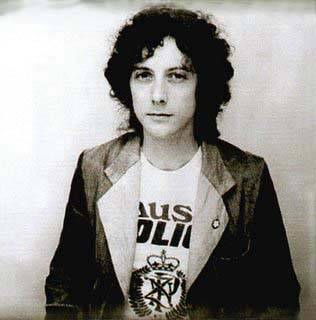
Doug Yule
Source: www.spirit-of-rock.com
He was the member who joined the band in 1969 to replace John Cale after he left, and remained a member until the Velvets disbanded in 1973. He played guitar, bass, and sang vocals. After Lou Reed left the band, he became the actual leader of the band and produced the last album of the Velvets without the original members. After the breakup, he worked as a studio musician and has participated in Lou Reed's solo albums.
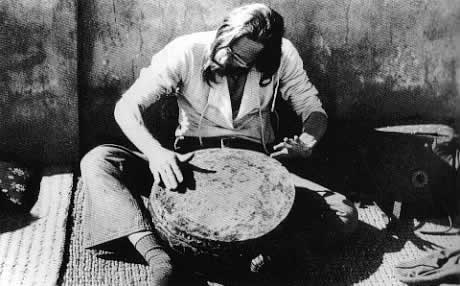
Angus MacLise
Source: www.warholstars.org
Percussionist, born in 1938 in the United States. He is best known as the first drummer of the Velvets.
He joined the group when it was formed in 1965, but left the same year.
After leaving the group, he married and moved to California, where he continued his avant-garde musical activities, including drone and minimalist music.
He died in 1979 at the age of 41.
Original Albums
The Velvet Underground & Nico
Source: images-na.ssl-images-amazon.com


Contents
- The Velvet Underground Overview
- Members of The Velvet Underground
- Lou Reed
- John Cale
- Sterling Morrison
- Maureen Tucker
- Doug Yule
- Angus MacLise
- Original Albums
- The Velvet Underground & Nico
- White Light/White Heat
- The Velvet Underground
- Loaded
- Squeeze
- The Velvet Underground's signature song
- Sunday Morning
- All Tomorrow's Parties
- I'll Be Your Mirror
- White Light/White Heat
- The Gift
- Sister Ray
- Candy Says
- What Goes On
- After Hours
- Sweet Jane
- The Velvet Underground Episodes and Anecdotes