
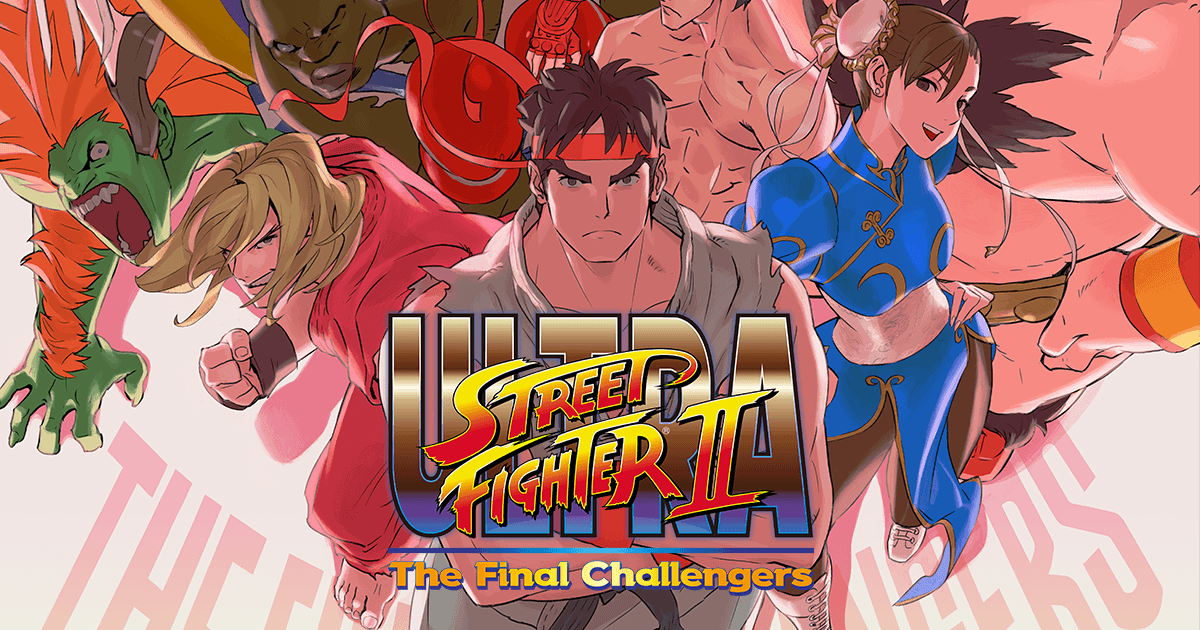
Capcom released this game and its port as an arcade game in 1991.
It was the second game in the Street Fighter series and the biggest hit in the series.
Set in a world tournament of one-on-one street fights, players select one of 19 unique characters and aim to win the match.
The "match-up" with another player was well received.
The command input for HADOKEN. Specifically, it is the command to rotate the lever from the front to the back, which can be expressed in the following directions: down, diagonally forward, down, and forward. This input has been used since "Street Fighter," and its popularity increased greatly with this title. Similarly, the front, bottom, and diagonally forward and back of the Shoryuken are called "Shoryu command," and the bottom, diagonally back, and back of the Tatsumaki Senpuken are called "Tatsumaki command.
One of the reasons why this terminology became established is that it was used as a relatively simple command for input in many games. Many games use the same command as HADOKEN, and this became established when users told the game that it was the same as HADOKEN. In fighting games in particular, users tend to use this expression because the commands are reversed left to right depending on the character's orientation. In publications and in-game tutorials, as mentioned above, the command is often described in text, or the actual input is often shown as an image.
wave-propulsion dinosaur
A fighting style in which the fighter controls the ground battle by shooting Hadouken while adjusting the distance by walking, and then drops the opponent who jumps in with Shoryuken. In this game, this is a tactic used by Ryu, Ken, and Sagat.
Guile and Deejay, who have flying props, can use a similar tactic, but they have to perform a tame move in order to launch an anti-air move against a jumping opponent, which is very different.
The difference between the two is the degree of freedom in adjusting the distance and the gap between the flying moves. The difference between the two is the freedom to control the distance and the timing of the props. The wait is difficult to adjust the distance because it is impossible to cancel the tame, but the gap after launching a flying tool is small, so it is easy to intercept even if the timing is read.
The key to this tactic is to be able to read the opponent's timing and to be sharp enough to fire props if the opponent does not jump in, and not to fire props when the opponent does jump in.
about one's weight
A tactic in which a player intentionally attacks and throws the opponent. This is a tactic unique to Street Fighter II.
In this title, the "hit-and-throw" tactic, in which the attacker hits the opponent and throws after getting close to the opponent, regardless of whether or not the opponent is hit, is very strong. In particular, the use of a jump attack as a guess throw is easy to use because the attack can be canceled by landing while jumping, so it tends to be used frequently. In this game, the time of inactivity is exactly the same when the attacker is hit by an attack as it is when the attacker guards, and the possibility of being thrown is created as soon as the attacker becomes available for action.
Normally, the tactic would be to wait for the opponent to make a mistake and throw back, or to use invincible techniques or techniques that float in the air to prevent the opponent from throwing.
The jump attack in this title has a characteristic that the time of inactivity is shorter than usual only when the attack is made while the player is standing. Furthermore, because jump attacks take a long time to execute, the timing of the attack differs between standing and crouching. Many players will try to throw at the same time as a standing guard or crouching attacker, so the attack will hit earlier in a standing position, and the disablement time will be shorter than normal, allowing the attacker to get ahead of the opponent.
set screw
A technique to execute a screw piledriver without jumping up. This is an important technique for Zangief users. There is also T. Hawk's standing Typhoon, which has the same mechanism but is more difficult.
The command for the screw piledriver is to "rotate the lever one turn," which means that the lever must be pressed in the direction of the jump.
Normally, it would be impossible to perform the screw piledriver while standing up, but in fact it is possible.
The first reason is the input method of the screw piledriver. The first reason is the input method of the screw piledriver. The input of "one rotation of the lever" in this work is recognized by "inputting the four directions of forward, down, backward, and upward in a circular motion". As you can actually imagine, this input is completed in 3/4 of a turn. Therefore, if you input the data in such a way that the last digit is on the top, you can reduce the number of upward inputs.
The second reason is the specification of the jump in this work. The jump in this work has a transition time between the preliminary action and the actual jump up, during which time the jump can be performed by pressing the button.
This allows the player to "turn the lever from the side to the bottom and up at once, and immediately afterwards press the button to perform a screw without jumping.
The transition time to jump varies from character to character, so T. Hawk, who jumps quickly, has difficulty with the standing Typhoon, as mentioned earlier.
Backstories, Trivia, and Small Stories/Episodes/Anecdotes from "Street Fighter II" (Japanese only)
Street Fighter '89"? The eve of the birth of fighting games
In 1987, "Street Fighter" was released, a game of repeated one-on-one battles against the CPU. It was developed by Capcom. Despite the problems of using a special cabinet that was not easy to maintain, and the need to create a version for a general-purpose tabletop cabinet, the game became a popular title, winning seventh place in the "Gamestop Awards," a popularity contest for arcade games launched in the same year.
Street Fighter" was an even bigger hit in North America than in Japan. It was so popular that Capcom's U.S. subsidiary, Capcom USA, asked Capcom headquarters to produce a sequel. In response, the development staff decided to create a new game that evolved into an action game. Tentatively titled "Street Fighter '89. It was a belt-scrolling game that, unlike its predecessor, featured numerous characters on the screen, taking advantage of the improved expressive capabilities of the new circuit board, and was strongly influenced by the popular action game "Double Dragon," which also appeared in 1987.
Although it was a definite evolution of the action game, Capcom USA was surprised at how different the game was from what they had expected, and they asked Capcom USA again to produce a Street Fighter sequel. As a result, the game was never released as part of the Street Fighter series. The official title was "Final Fight. The game is a brilliant masterpiece in the history of video games, boasting a level of perfection that far surpasses that of "Street Fighter," but what exactly was different from expectations?
What was not communicated to the developers was that the main reason "Street Fighter" was such a hit in North America was because it allowed players to play against each other. The developers did not anticipate this at all, as it was a strong extra element and was not done very often in Japan. In North America, on the other hand, it was a common practice, so Capcom USA did not think it was necessary to mention it.
Thus, development of the fighting game "Street Fighter II" began with the obvious goal of "a game specialized for one-on-one battles" for the staff.
Street Fighter '89" became a milestone in the history of fighting games, and is still talked about by fans as a milestone in understanding how new the concept of fighting games was at the time.
Was "Cancel" a Bug? Street Fighter II" Development Secrets
Competition in "Street Fighter" was not the main mode. Some details remained inconvenient. Because the programmers did not adjust the game properly, the balance of the game was such that the player who could land the most special moves in a row would win, and it was difficult to execute special moves. The developers decided that this would make it difficult for users to get into the game, so they researched the reasons why it was difficult to perform special moves in Street Fighter. As a result, they found that users often pressed buttons faster than they could input commands, so they introduced new features called "swing cancel" and "button release input," and succeeded in adjusting the game so that special moves could be executed even if the buttons were pressed too quickly.
As development progressed, the developers discovered a certain "bug. At first, it was reported as a phenomenon in which a Shoryuken that was supposed to have two hits would have three hits only in the bonus stage, but after verification, it was found to be a phenomenon in which a normal move that was supposed to cancel a swing and not hit would hit and then trigger a special move. The cause was that the time for accepting the swing cancel was longer than the time for starting the attack of the normal move, so that the swing cancel was activated when the normal move hit.
This was a completely unexpected behavior and could have been fixed, but the developers decided to leave this "bug" as a "specification" because they thought it would be more interesting if the player could connect from a normal move to a special move without a break. The "Special Move Cancel" that would later appear in most fighting games was a bug. This is a surprising development story in retrospect.
The best scenes and scenes in play. The development team's commitment to production
As the character settings and worldview were developed, the question of what to do with the storyline arose: During the 1980s and 1990s, an increasing number of games were presenting the storyline in the game. Final Fight," which the development team had worked on just prior to this game, also depicted a storyline as a demo between stages.
However, the staff of "Final Fight" chose to depict little of the storyline in the game. Akira Yasuda, the character designer, later explained the reason for this: "We wanted to put all our development efforts into the fighting part of the game," and "We didn't want any story other than the game part. In fact, there was almost no dramatic story direction in the game, and even the ending of the game became a work in which many characters were only depicted in a few single pictures.
Instead, there are a number of famous scenes in this work during play. The moment when the player is able to perform a special move for the first time was as exciting as in a boys' manga where the player has developed a special move after years of training, and the moment when he intercepts his opponent's jump with a Shoryuken is as tense and exhilarating as the highlight of a battle manga.
Since many players began to play person-to-person matches as fighting games, a great deal of human drama has been created. Even today, active players are engaged in dramatic battles daily in game centers and on home consoles.
The famous scenes are in play. The essence of the fighting game can be seen in the development attitude of the staff.
Unexpected relationship with rampant piracy
After starting development of "Super," Capcom was soon plagued by pirate copies.
The pirate version of "Dash" had been copied and modified by the pirate makers who had seen the explosive success of the series. The pirate version had some rather outrageous modifications, such as faster character movement speed and the ability to perform special moves in mid-air, but it was well received and became a smash hit. The game was a smash hit. The most widespread pirated version is said to be "Street Fighter II 'Rainbow'" with its rainbow-colored logo on the title screen.
As a countermeasure, Capcom hastily decided to release a new version. However, "Super" was produced on the premise of moving to a new board with countermeasures against modifications and dead copies, which had just become a problem, and since the board was being developed in parallel, it could not be released immediately. The company added a special move that could be performed in mid-air, which had been a hot topic in pirated copies, and increased the game speed to differentiate it from "Dash" and "Turbo," which was produced on the old circuit board. As a result, although "Turbo" itself was criticized as a "pirated version by the original manufacturer," it succeeded in bringing users back to the company's products.
It is said that the additional special moves, such as the aerial tornado whirlwind leg, which became a standard in later titles, and the increased speed of the game are said to have been created in order to win back attention from pirate copies. In particular, faster game speed was introduced in a variable format in "X" and became the basis for game speed in later fighting games.
Without pirated copies, the "Street Fighter" series and fighting games themselves would have been completely different from what they are today. Pirated copies, which should have been mere inferior copies and obstacles to illegal business, were in fact in competition with the original.
As proof of this, "Street Fighter II Rainbow" is still available in some arcade arcades, and even tournaments are held for the game. It would be impossible for a mere inferior copy to attract so many people.
Street Fighter II" Hollywood and animated films in video
The game was a huge hit, and at the height of its popularity in 1994, two movies were released, one a Hollywood movie and the other an animated film.
The Hollywood version is titled "Street Fighter," but the original story is firmly based on the "Street Fighter II" series. Shadaloo has been changed from a secret society to a military state, and the character names are in line with the foreign versions, so the head of Shadaloo is General M. Bison. The main character was changed to Guile, played by Jean-Claude Van Damme. The special moves are properly introduced despite being live-action.
Among the original characters created for the film, Captain Sawada is unique. He is a Japanese subordinate of Guile, and plays an important role in the final stages of the film, taking direct command of the attack on Shadaloo instead of Guile, who goes off to fight a decisive battle. The character was not originally planned, but Kenya Sawada, who played him, even sent a video of his own work to the director to sell it, which was highly acclaimed and led to his appearance. The name Sawada was taken from his real name. Sawada also appeared in two video games based on this film, most notably "Street Fighter: Real Battle on Film," in which he performed such bizarre moves as the "Jigokushin Jibakujin," in which he attacks with blood spewed from his own body after committing seppuku, and the Kamikaze Attack, a super combo he performs while chanting "Banzai," which made him instantly famous. The animated film "Street Fighter II: The Last Airbender" was released in Japan.
An animated film was produced under the title "Street Fighter II MOVIE. The theme song, "Aisatsu to Setsuna to Shinryo" was written by Tetsuya Komuro and Ryoko Shinohara, and became a smash hit, selling over 2 million copies. The film itself was also a solid drama, with a new plot added to the backstory prepared for the game, and the film was directed by Gisaburo Sugii, one of the greatest names in animation, with Kazuyoshi Ishii and Andy Hug as martial arts advisors. Although each section of the film is full of big names, many of them are new to the animation industry, Sugii's careful total direction succeeded in bringing out the best in the staff, resulting in a masterpiece animation film that not only brings out the best in the big names, but also has a wonderful overall balance. In particular, the depiction of fighting based on the advice of martial artists succeeds in visualizing the speedy, solid movement and flow of mixed martial arts, which has rarely been depicted even in famous martial arts anime. The world view of Street Fighter II is successfully incorporated into the work by incorporating the special moves that are the flower of fighting games in a flashy, anime-like production. The battle between Ryu/Ken and Vega at the end of the game was recreated as a hidden mode in Street Fighter Zero.
The story and setting depicted in this title became so popular that it was reimported into later titles in the series, especially in "PROJECT X ZONE 2: BRAVE NEW WORLD," a crossover title from Namco Bandai, Capcom, Sega, and Nintendo, in which the last part of the story is reproduced with the BGM "Love, Sadness, Heartache," which was very popular. The song received a great response.

Related Articles
In-depth explanation and discussion of Ryu (Street Fighter)
Ryu is the main character in the "Street Fighter" fighting game series, and is a martial artist who continues to search for "true strength. He is a character that represents fighting games of all ages. He has mastered a unique fighting technique that originates from assassination fists, and his character is honest and stoic to the end. He spends all of his time training to reach an unattainable state, not knowing what "true strength" is that he seeks. He is widely recognized for his abilities by various martial artists around the world, but he is also forced to continue to fight with evil fighters who have taken notice of his superior qualities. He is a good rival to his fellow fighter, Ken.
Read Article
A collection of little-known Street Fighter series backstories and urban legends
The Street Fighter series is a popular fighting game that has been highly popular for many years. In this issue, we have collected some little-known backstories, small stories, back settings, and urban legends about the Street Fighter series. Are there any episodes that you know about?
Read Article
Summary of Bosses in the Devil May Cry (Devil May Cry) series
The "Devil May Cry series" is a series of stylish action games released by Capcom. In the series, "1" through "3," Dante is the only protagonist, and in "4" and "5," Nero and Dante are the double protagonists. Dante, who is half demon and half human, is a devil hunter who defeats demons that threaten the human world. From "4" onward, Nero joins Dante to face a variety of powerful enemies. In each series, various demons modeled after mythological monsters appear as mid-bosses and last bosses.
Read Article
Yellow and green and gray. ...... "Mega Man" successive "Devil" monsters.
The Mega Man series is known for its bosses named Devils, who have a reputation for striking fear into the hearts of players. Since the series has been around for a long time, there have been many different Devils in its history. In this article, we would like to introduce such Devil bosses.
Read Article
Street Fighter Zero (STO ZERO) Spoiler Commentary and Discussion Summary
An arcade game series and its port that Capcom began releasing in 1995. This is the third title in the Street Fighter series. Set in a fictional time period after "Street Fighter" and before "Street Fighter II," the game is about winning CPU battles. It became so popular that three games were released in the series, eventually becoming a major work with a total of 39 characters.
Read Article
Street Fighter III (STO III) Spoiler Commentary and Discussion Summary
Street Fighter III" is an arcade game series developed and marketed by Capcom and its port, the fourth in the Street Fighter series. Set 10 years after "Street Fighter II," the game is played by winning CPU matches or competing against other players. Three games were released in the series in total, and the final game, "Street Fighter III 3rd Strike -Fight for the Future-," became a long-played classic.
Read Article
ストリートファイター6(スト6)のネタバレ解説・考察まとめ
『ストリートファイター6』とは、カプコンが2023年に発売した2D対戦格闘ゲームであり、『ストリートファイター』のナンバリングシリーズの6作品目である。 新しい操作方法「モダンシステム」が実装されており、格闘ゲームの初心者でもゲームを始めやすくなっている。 自動実況が収録されており、全体的にeスポーツシーンを意識した作りになっている。 主人公はリュウから前作の最終アップデートで追加されたキャラクター、ルークへと受け継がれている。
Read Article
Spoiler commentary and discussion of Resident Evil (Biohazard)
Resident Evil" is a survival horror game released by Capcom in 1996. The title of the game means "biological disaster," and the storyline revolves around that concept. The title "Resident Evil" outside of Japan means "evil lurking within" and is highly regarded as a pioneer of the survival horror genre that was to emerge later. The player chooses one of two protagonists and attempts to escape by solving various riddles and fighting creatures in a Western-style house where he or she has wandered after a mission.
Read Article
Spoiler commentary and discussion of Biohazard Village (Biohazard Village)
Biohazard Village is a survival horror game released by Capcom. It is the eighth title in the series, and the title logo is highlighted by the Roman numeral "VIII," meaning the eighth title, superimposed on the title. Ethan Winters, the protagonist of "Resident Evil 7," continues to be the main character, and while the previous film told the story of his search for his missing wife, Mia, this film tells the story of his attempt to recover his kidnapped daughter, Rosemary. The theme of the film is "family ties. This is the conclusion of Ethan's story.
Read Article
Breath of Fire II: Child of the Mission (game) spoiler commentary and discussion.
Breath of Fire II: Child of the Mission" is the second title in the "Breath of Fire" series, an RPG game released by Capcom in 1995. The powerful graphics that were well-received in the previous title have been further evolved, and new challenging elements such as the "Combination" system and the "Community" system have been incorporated. In a world 500 years after the previous game, the main character Ryu, who runs a ranger business, sets out on a journey to clear his partner Bosch of all charges. On his journey, Ryu meets various friends and gets involved in a fateful battle to seal the evil god as the child of mission.
Read Article
Resident Evil RE:2 (Biohazard RE:2) Spoilers and Discussion Summary
Resident Evil RE:2 is a survival horror game title released by Capcom in January 2019 and is a remake of Resident Evil 2, which was released in 1998. There were no major changes to the main plot of the story, but some parts of the story related to the main character were changed significantly. The story is told from the perspective of two main characters, Leon S. Kennedy, a rookie police officer, and Claire Redfield, a college girl who has come looking for her missing brother, with the goal of escaping from a city overrun by zombies. The film is a more realistic zombie and survival horror experience.
Read Article
Breath of Fire III (game) spoiler commentary and discussion summary
Breath of Fire III" is an RPG released by Capcom in 1997. This was the first title for the PlayStation, and while maintaining the traditional high quality dots, it took on a new expression by using 3D polygons for the backgrounds. For the first time in the series, the characters are voiced, which makes for a more powerful storyline. The journey of Ryu, a boy survivor of the dragon tribe, as he unravels the world and his origins, is told in two parts: "childhood" and "adolescence.
Read Article
Dragon's Dogma: Dark Arisen (game) spoiler commentary and discussion
Dragon's Dogma: Dark Arisen" is an open-world action role-playing game released by Capcom in 2013, and is an expansion to "Dragon´s Dogma" released in 2012. The PS3 version alone has sold over 460,000 copies; in 2017 it was also released on PS4, Xbox One and Microsoft Windows, as well as on Nintendo Switch. The story follows the adventures of the protagonist, whose heart has been stolen by a dragon, through a vast open world.
Read Article
Devil May Cry 2 (Devil May Cry 2) Spoiler Commentary and Discussion Summary
DEVIL MAY CRY 2" (DEVIL MAY CRY 2) is an action game software produced by Capcom for the PlayStation 2 and released in 2003. It is a sequel to the popular Devil May Cry series, which pioneered the genre of stylish action from the action game genre. The catch copy is "Dance with the Devil. It won the "CESA GAME AWARDS FUTURE Excellence Award" at the 6th CESA GAME AWARDS.
Read Article
Onimusha (game) spoiler commentary and discussion summary
Onimusha" is an action game developed by Capcom and released on January 25, 2001, exclusively for the PlayStation 2. It is the first of the four "Onimusha" series. The game uses the game engine developed for the company's "Resident Evil" series, and features tense and fast-paced action using swords. The main character, with the power of an ogre in his hands, heads for a castle where monsters lurk in order to rescue a captive princess.
Read Article
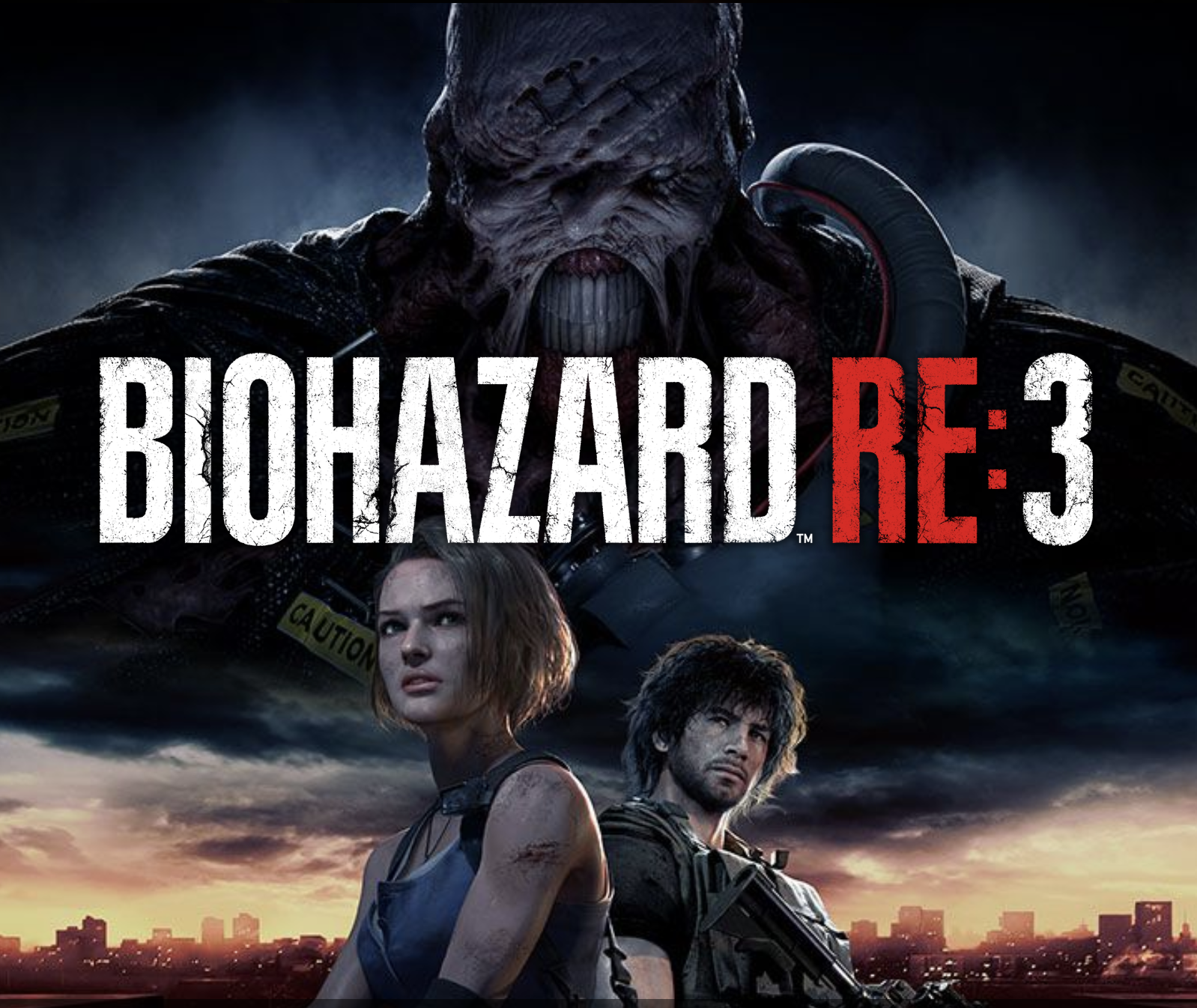
Resident Evil RE:3 (Biohazard RE:3) Spoilers and Discussion Summary
Resident Evil RE:3" is a survival horror game title released by CAPCOM in April 2020 and is a remake of "Resident Evil 3 LAST ESCAPE" released in 1999. And it is the second title in the "RE" series, following "Resident Evil RE:2" released in 2019. The story is about Jill Valentine, the protagonist of the first game of the original series, who escapes Raccoon City while running from her pursuers in order to uncover the truth about a biological disaster (biohazard) that occurred in Raccoon City.
Read Article
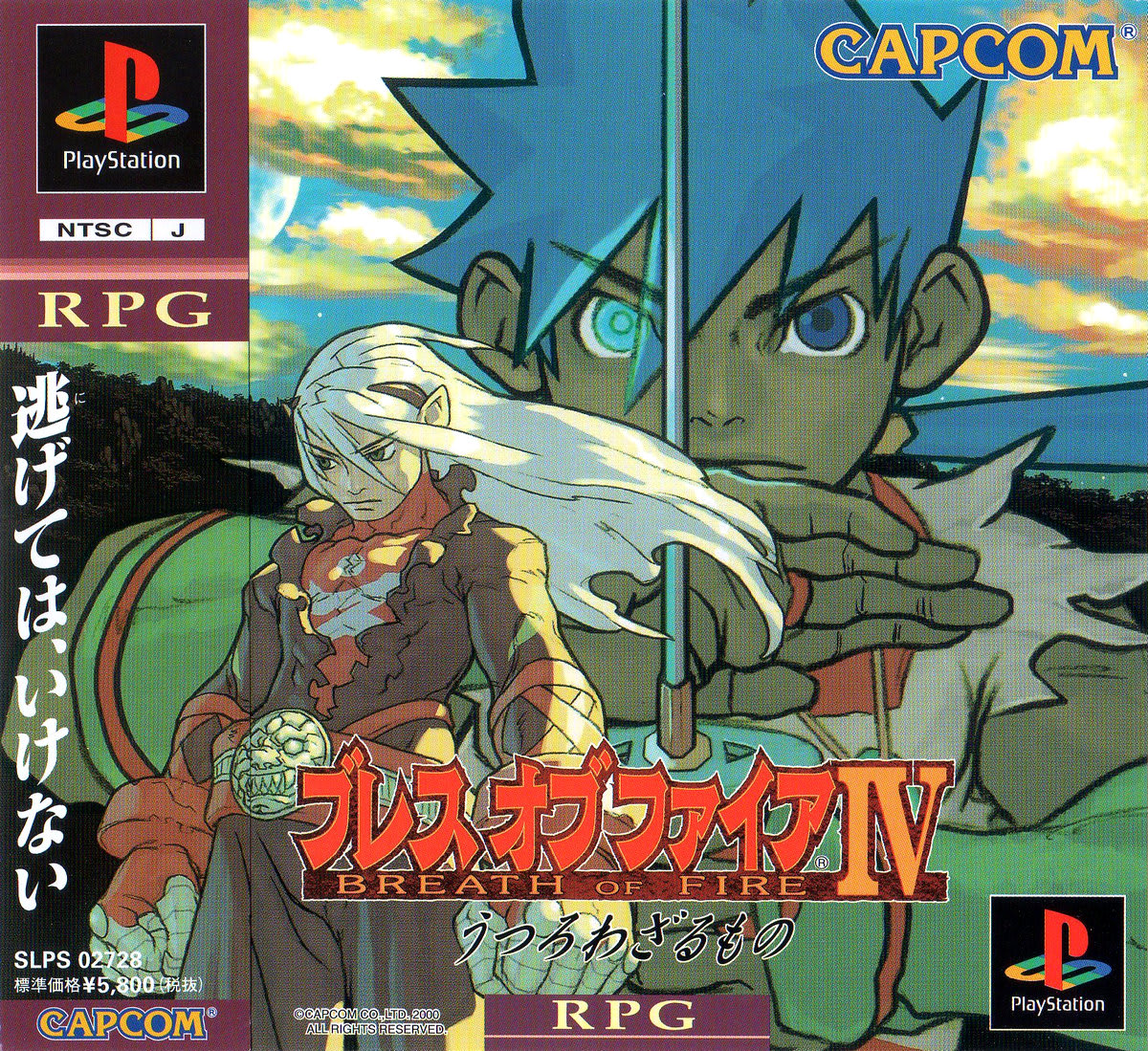
Breath of Fire IV: The Upside Down (Game) Spoiler Commentary and Discussion
Breath of Fire IV: Utsurowa Azareno Mono" is an RPG released by Capcom in 2000. It is the fourth title in the "Breath of Fire" series, and is characterized by an Asian-inspired worldview that sets it apart from the previous titles in the series. In a world where the long-running war between the Empire and the Confederation of Nations has come to a truce, Nina, the princess of Windia, who is searching for her missing sister, meets Ryu, a boy with amnesia. The intertwined stories of the two protagonists became the talk of the town as one of the most depressing scenarios in the series.
Read Article
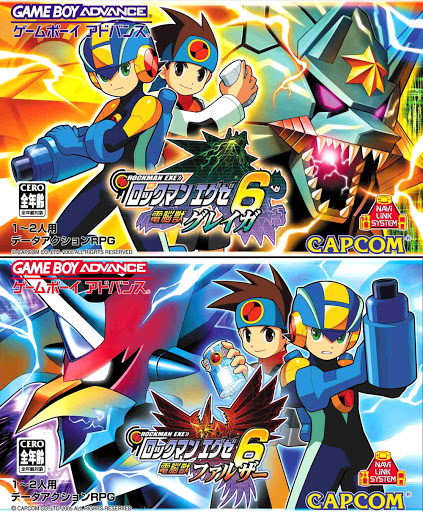
Spoiler commentary and discussion of Mega Man Exe 6 (Rockman.EXE 6)
Mega Man Exe 6" is a data action RPG game for the Game Boy Advance, released by Capcom on November 23, 2006. Two versions of the game were released: "Grainger" and "Falzer". Each version has a different beastification system, cross system, and other systems that can be used. When this game was released, it was in the transition period from the Game Boy Advance to the Nintendo DS, but there was a statement that "Since this software was released for the Game Boy Advance, we want to finish it off here," and it was released on the Game Boy Advance.
Read Article
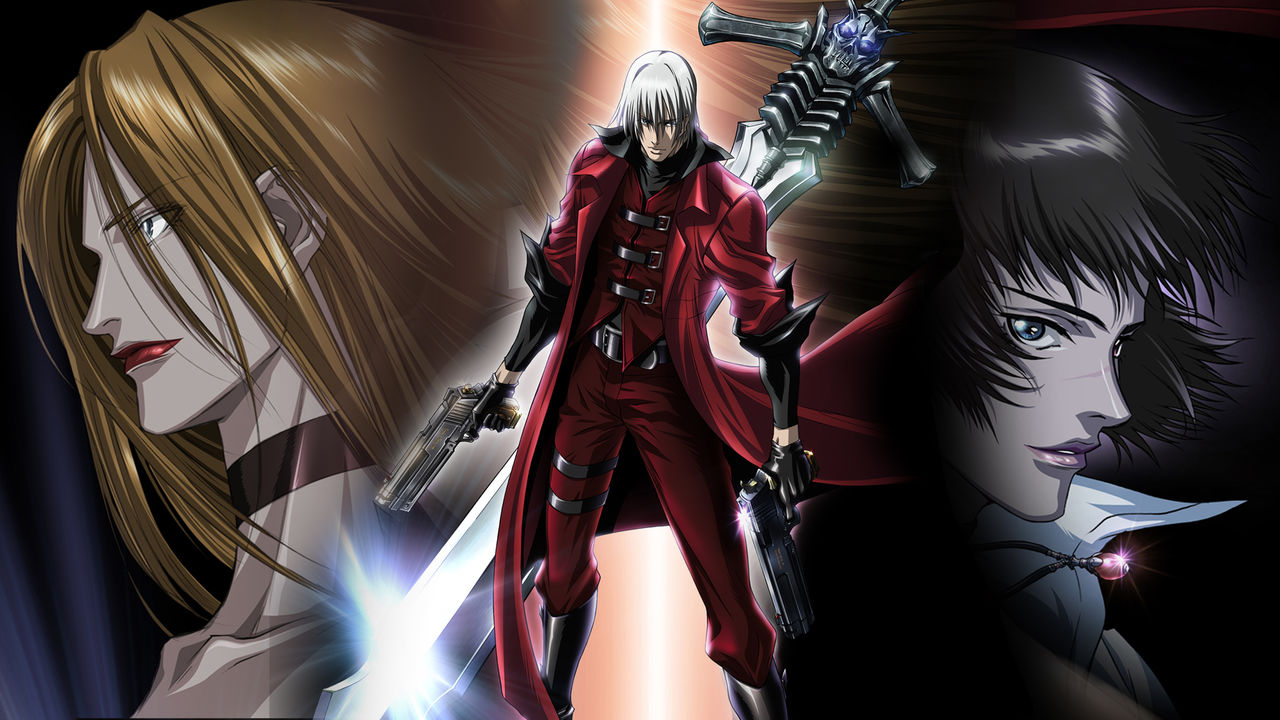
Devil May Cry (anime) spoiler commentary and discussion summary
Devil May Cry" is an animated television series based on Capcom's "Devil May Cry" video game series, which was broadcast by WOWOW from June to September 2007. In addition to the powerful battle scenes in which Dante, the main character of the game series, defeats demons with overwhelming strength befitting the "Devil May Cry" character, the anime also depicts Dante's daily life not seen in the game, such as playing card games with the original characters in the anime.
Read Article
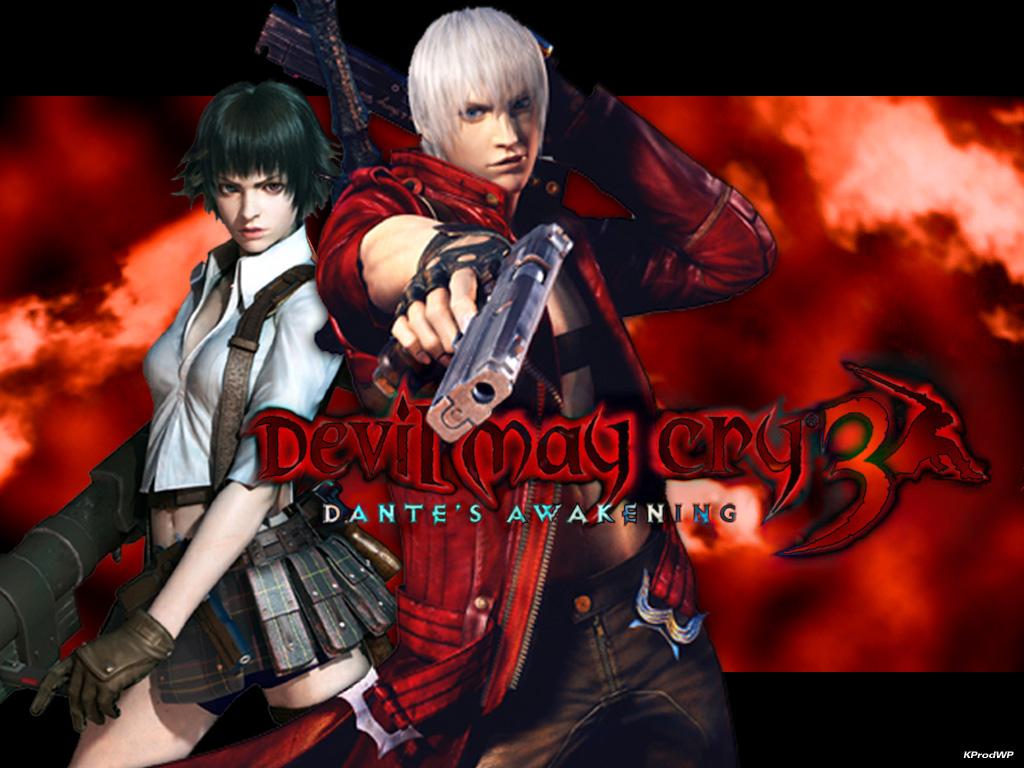
Devil May Cry 3 (Devil May Cry 3) Spoiler Commentary and Discussion Summary
Devil May Cry 3" (Devil May Cry 3, Devil may cry 3) is an action game produced by Capcom and released in 2005 for the PlayStation 2. It is the third title in the popular series that pioneered the stylish action genre from the action game genre, and tells a story that is further in the past than the first "Devil May Cry" title. An upgraded version of the game, "Devil May Cry 3 Special Edition" including additional elements was later released.
Read Article
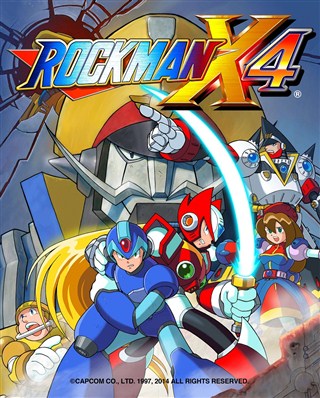
Spoiler commentary and discussion of Rockman X4 (Rockman X4)
Mega Man X4 is an action game by Capcom. X and Zero set out to put down a rebellion started by the Repliforce, an organization dedicated to protecting mankind. For the first time, Zero can be used as the main character in this title. The game features a completely different play style between X, who mainly uses shooting, and Zero, who mainly uses a sword for close combat. The graphics have been upgraded for the PlayStation and Sega Saturn consoles.
Read Article
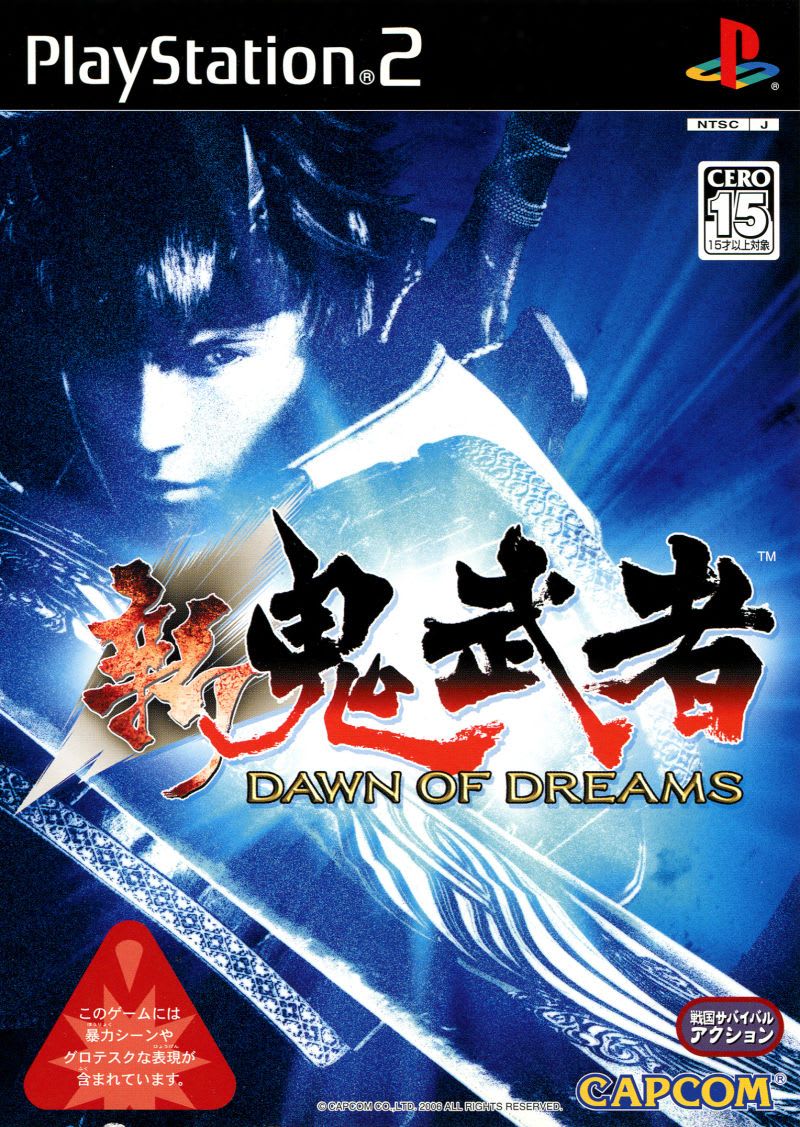
New Onimusha DAWN OF DREAMS (game) spoiler commentary and discussion
Onimusha DAWN OF DREAMS" is a Sengoku survival action game released by Capcom on January 26, 2006 as a sequel to the third title in the "Onimusha" series. Set in the year Keicho 3, the year of the reign of Hideyoshi Toyotomi, the chief vassal of Nobunaga Oda after his defeat in the previous "Onimusha 3," the game depicts the battle between the new protagonist, the ash-colored Ao-oni, and a strange monster, the Genma. In addition to major system changes from the previous trilogy, this work is conscious of the connections with the past series, such as the appearance of blood relatives of the protagonists of the previous trilogy.
Read Article
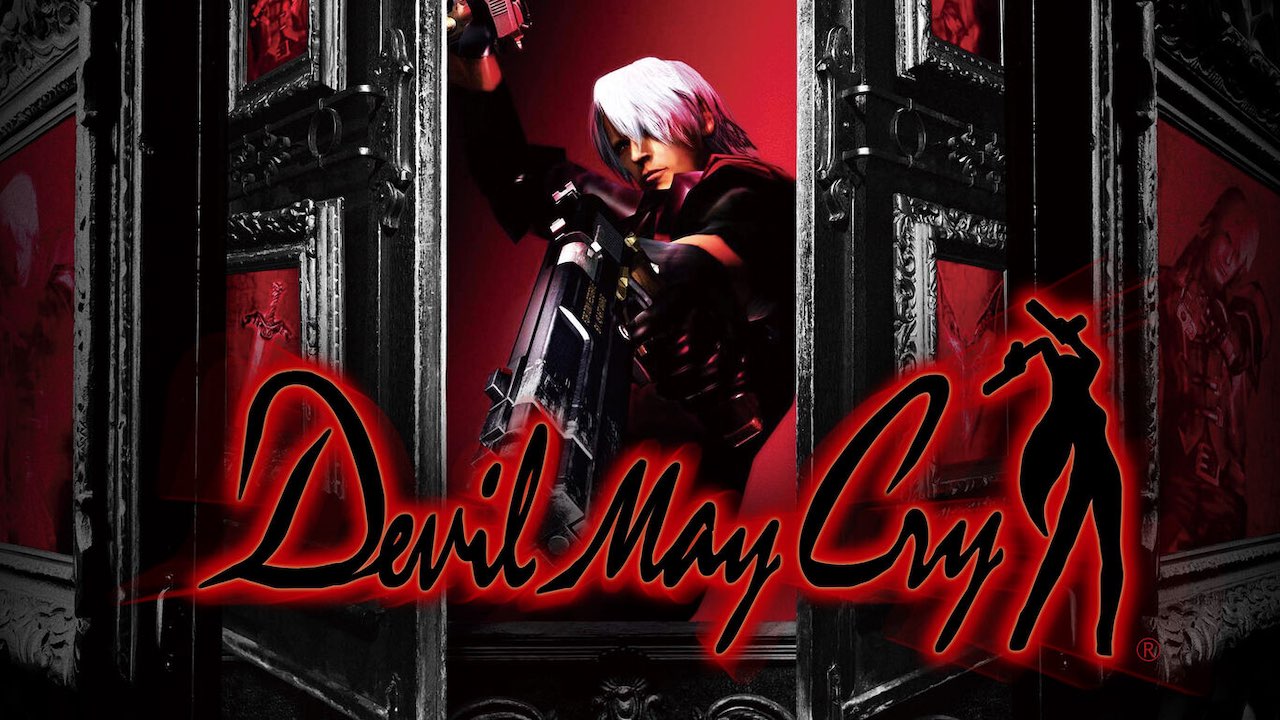
Devil May Cry Spoilers and Discussion Summary
Devil May Cry" is an action game created by Capcom exclusively for the PlayStation 2 and released on August 23, 2001. The fourth sequel to the game has been released, and the total sales of the series have reached 15 million units worldwide. Various media mixes have been created, including games and manga. One night under a full moon, a beautiful woman named Trish visits a man. The man's name is Dante, and he runs a handyman business called "Devil May Cry" that specializes in exterminating demons. Dante is led by Trish to an island where demons are to be saved.
Read Article
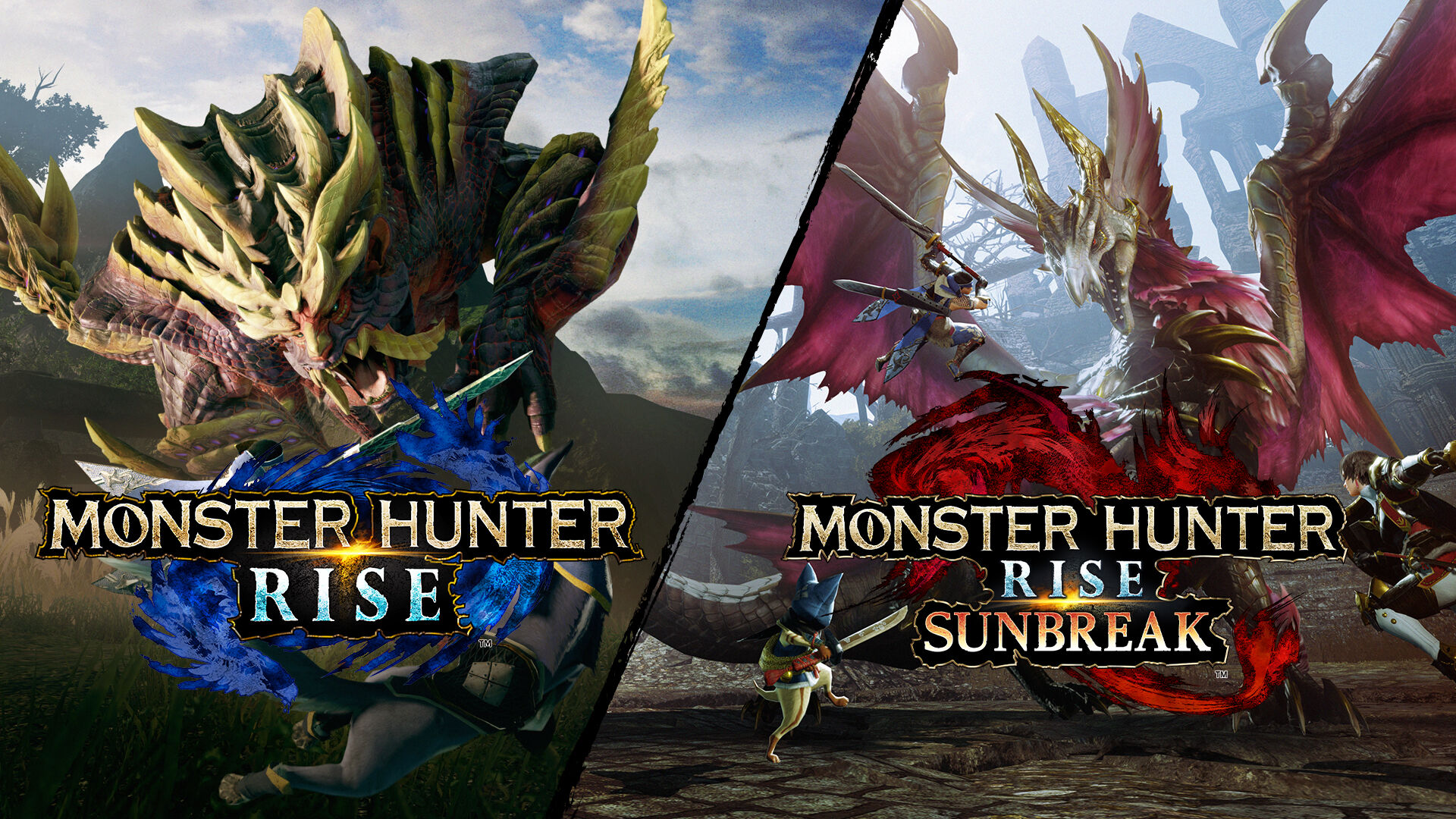
Monster Hunter Rise Monster Hunter Rise: Sunbreak (MHR and MHS) Spoilers and Discussion Summary
Monster Hunter Rise" is a hunting action RPG that was released simultaneously worldwide by Capcom for the Nintendo Switch in 2021, followed in 2022 by the release of "Monster Hunter Rise: Sun Break", also from Capcom, a very large expansion content. The game is a new action RPG with a wide range of action. New elements include the "Sho-mushi Action," which expands the range of action, and the new otomo "Garuku," which makes movement more comfortable, allowing players to experience exhilarating hunting action that is different from that of previous titles in the series.
Read Article
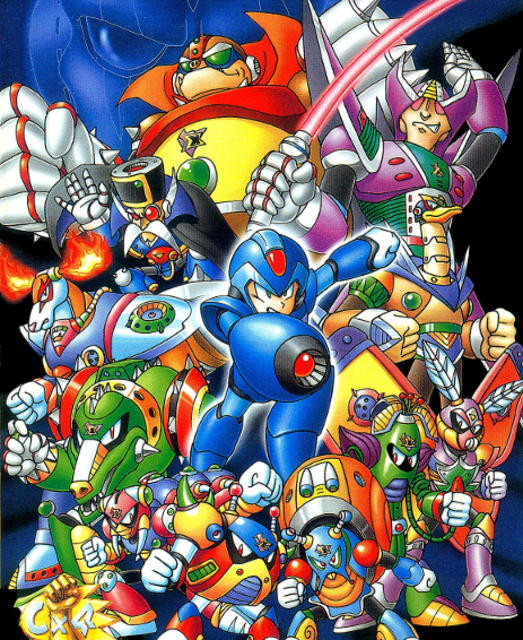
Spoiler commentary and discussion of Rockman X2 (Rockman X2)
Mega Man X2 is an action game software released by Capcom in December 1994 exclusively for the Super Nintendo Entertainment System. It is the second title in the Mega Man X series, which was derived from the Mega Man series. Capcom's proprietary DSP chip, the CX4, was installed in the cartridge, and it provided more advanced graphics and presentation than the previous Super Nintendo Entertainment System software.
Read Article
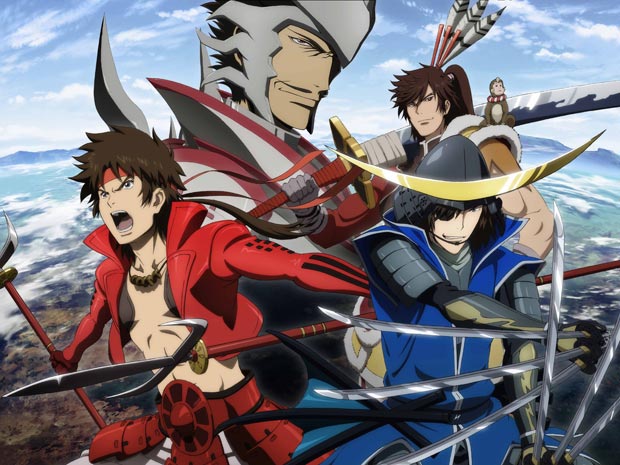
Spoiler commentary and discussion of Sengoku BASARA (anime and game)
Sengoku BASARA" is a popular action game released by Capcom and an animation work based on the game. Production I.G produced the first and second seasons and the movie version, and Telecom Animation Film produced the third season. It is also the spark that ignited the "Sengoku Busho" boom among young women, and has been developed in a variety of media including manga, anime, drama, and stage.
Read Article
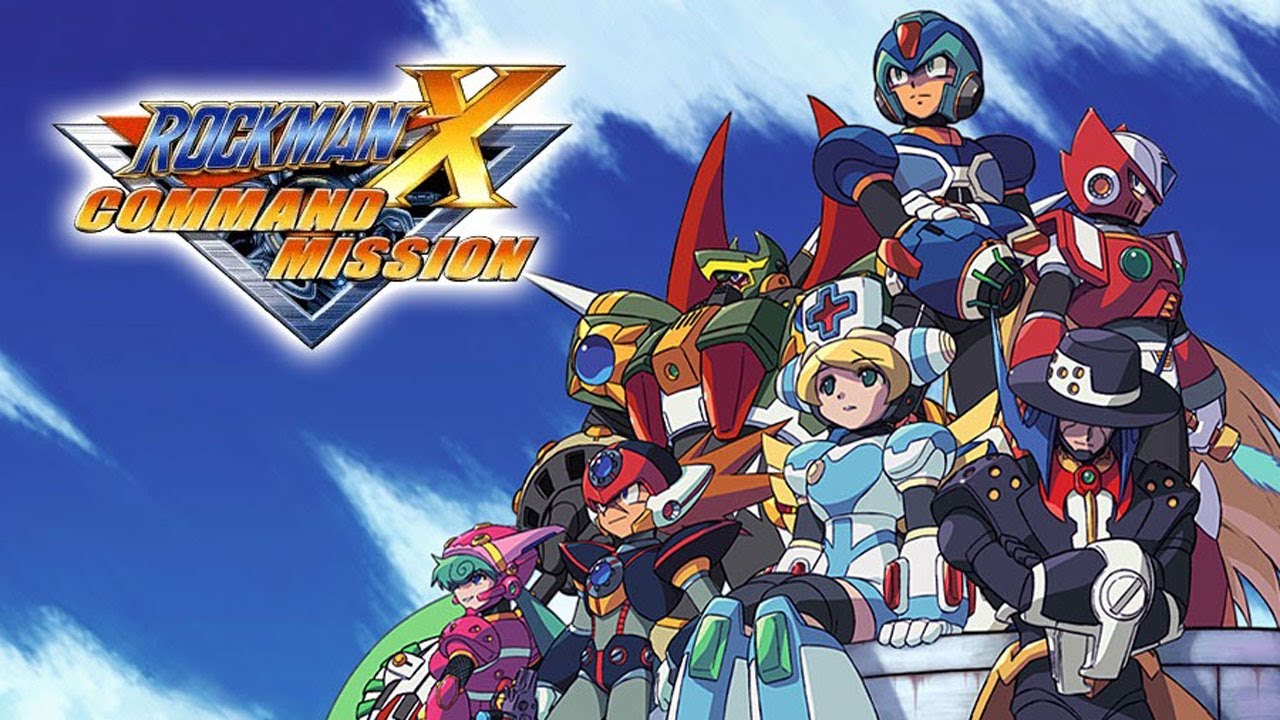
Mega Man not only in action, but also in RPG! Mega Man X Command Mission
The only RPG in the Mega Man X series released on PS2/GC is Command Mission. What kind of game is it? I would like to introduce it.
Read Article
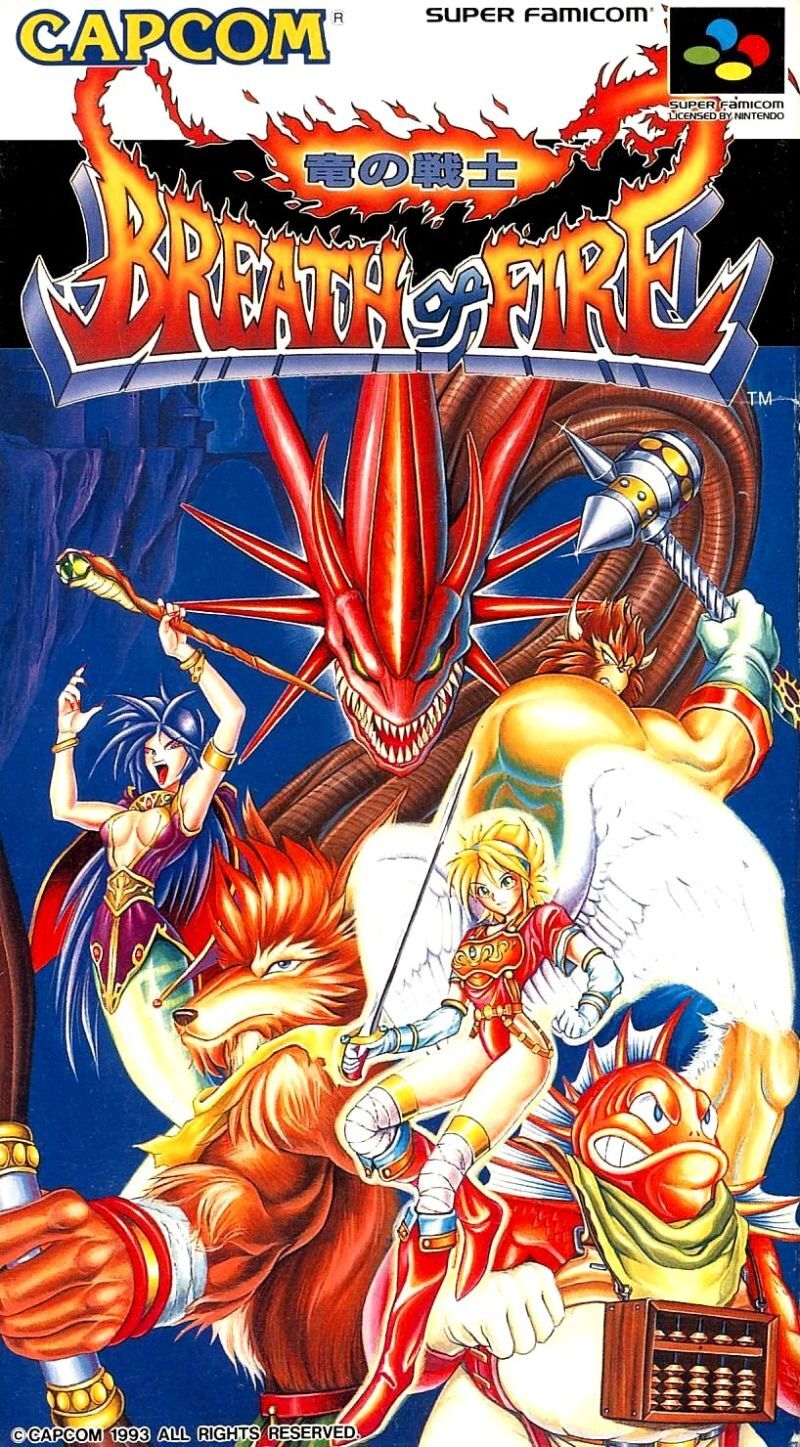
Breath of Fire: The Dragon Warrior (Game) Spoilers and Discussion Summary
Breath of Fire: Dragon Warrior" is an RPG game released by Capcom in 1993. It is the memorable first title in the "Breath of Fire" series and the first RPG that Capcom created. With a hero who uses the power of a dragon, a heroine with wings, and friends of the subspecies, this first game laid the foundation of the series. The story follows Ryu, a hero of the White Dragon Tribe, and his seven friends as they fight to crush the ambitions of Zogon, the emperor of the Black Dragon Tribe, who seeks to resurrect the goddess Myria and conquer the world.
Read Article
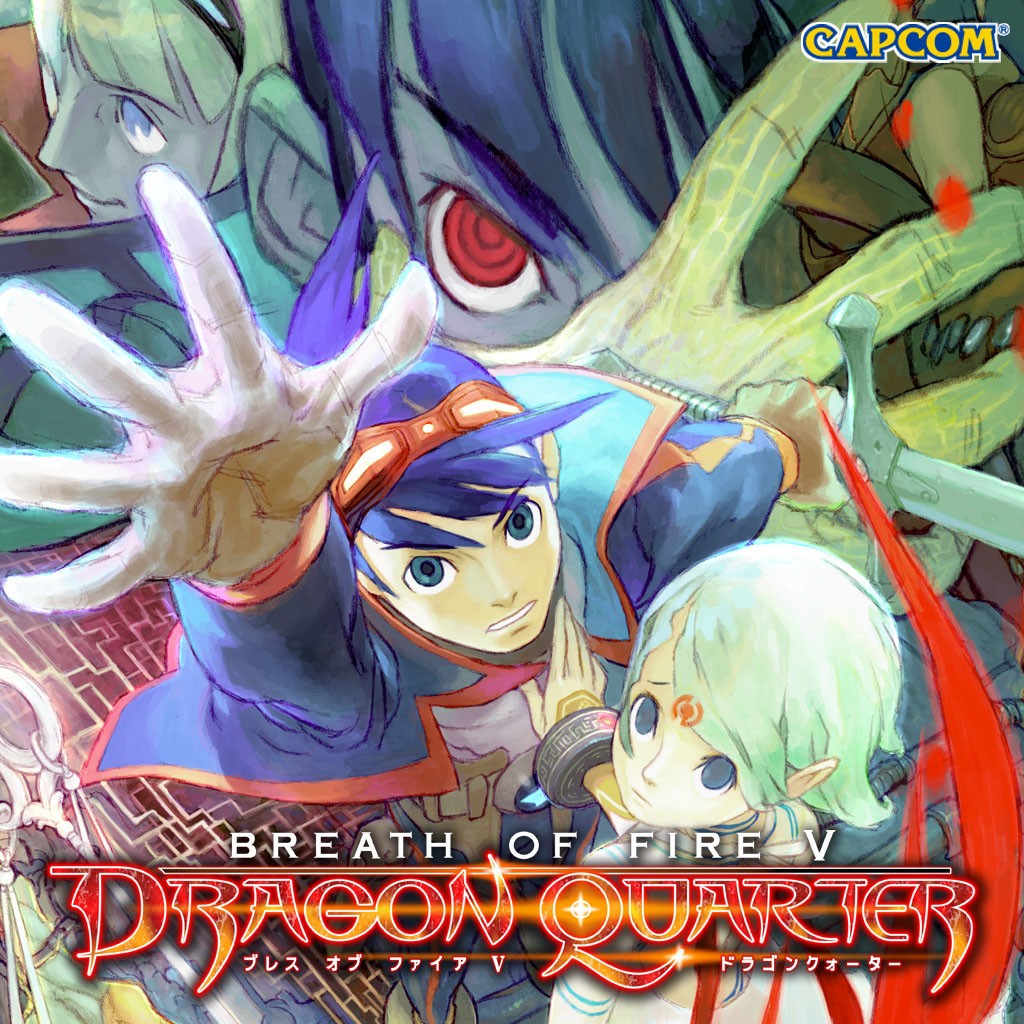
Breath of Fire V: Dragon Quarter (game) spoiler commentary and discussion.
Breath of Fire V Dragon Quarter" is an RPG released by Capcom in November 2002. It is the fifth title in the "Breath of Fire" series, and its catchphrase is "I'm going to see the sky. The world view and game system have been drastically renewed, and the game challenges a new axis from the royal road RPGs of the previous titles. In an age when people have left the earth and are living in underground cities due to disasters, Ryu, a member of the Rangers, a security force, meets a mysterious girl, Nina, on a mission with his best friend, Bosch. In order to save Nina, who cannot live in an underground city, Ryu sets his sights on the skies above.
Read Article
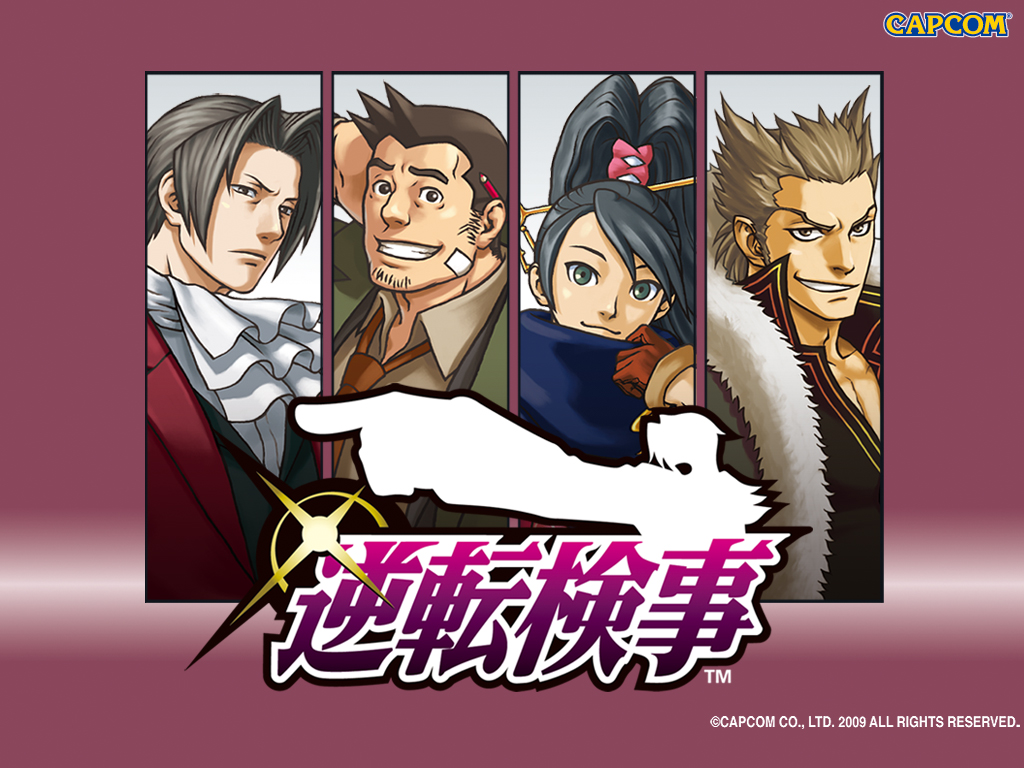
Spoiler commentary and discussion of Reversal Prosecutor (game)
Ace Attorney" is a mystery adventure game released in 2009 exclusively for the Nintendo DS. In this game, Reiji Goken, a rival prosecutor familiar to fans of the "Ace Attorney" series, takes on the role of the main character as he confronts a number of cases that take place in the present day. While retaining the flavor of the "Ace Attorney" series, the game follows the case from a completely different angle, offering a new sensory experience that cannot be experienced in the previous "Ace Attorney" games.
Read Article
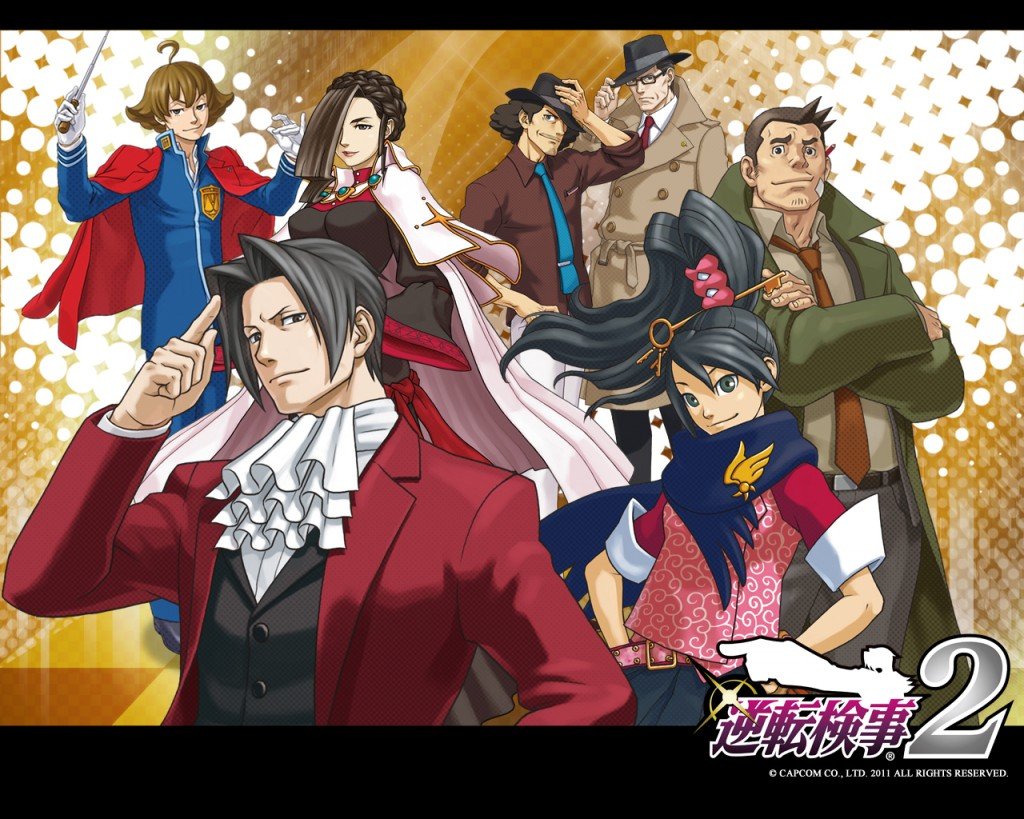
Spoiler commentary and discussion of Averted Prosecutor 2 (game)
Ace Attorney 2" is a mystery adventure game released in 2011 exclusively for the Nintendo DS. Continuing from the previous title, the main character is Reiji Goken, a rival prosecutor well-known in the "Ace Attorney" series, who confronts a number of cases that take place in the present day. This time, Reiji Goken's father also makes an appearance, and the story takes another step deeper as Reiji Goken himself investigates the cases while considering how he should face them "as a prosecutor".
Read Article
Monster Hunter World: Iceborn (MHWI) Spoilers and Discussion Summary
Monster Hunter World: Iceborn is a very large expansion content for the very popular title Monster Hunter: World, which was released in 2018 and sold 16.1 million copies in 2020. In this scenario, which unfolds after the ending of World, both fields and bases have been completely redesigned. A new quest rank, "Master Rank," has been established, and hunters will encounter new powerful enemies in the extremely cold lands known as the frozen lands of the crossing.
Read Article
Devil May Cry 4 (Devil May Cry 4) Spoiler Commentary and Discussion Summary
Devil May Cry 4 is a stylish action game released by Capcom Co. The game is compatible with PlayStation 3 and Xbox 360, and a PC version was later released. The main character has been changed from Dante, who had been the protagonist until the previous game, to a new character, Nero. The story is set in a world where demons exist and harm humans. In the fortress city of Fortuna, Nero, a young knight who belongs to the Order of the Magic Sword, pursues the murderer of the Pope during the Magic Sword Festival, and discovers the true identity of the murderer and the true purpose of the Order.
Read Article
Battle Network Mega Man Exe 2 (Game) Spoiler Commentary and Discussion Summary
Battle Network Mega Man Exe 2" is a data action RPG for the Game Boy Advance, the second title in the popular "Mega Man Exe" series. It was developed by Capcom and released in December 2001. The game alternates between the real world and the cyber world, and depicts the battle against viruses spreading in the cyber world. Three months after the destruction of the criminal organization WWW (World Three), Internet crimes occur one after another in the world. In order to find out the truth behind the crimes, Kouto and his navigator, Megaman, overcome various difficulties.
Read Article
Onimusha 2 (game) spoiler commentary and discussion
Onimusha 2" is a video game developed by Capcom for the PlayStation 2 and is the second title in the "Onimusha" series. The genre is an action game. Set 13 years after the battle between Samosuke Akechi and a phantom demon in the previous "Onimusha," the game depicts the battle between Jubei Yagyu, the hero who has become the new Onimusha, and the phantom demon, an oddly shaped monster. The exhilaration of slashing, which was so well received in the previous title, has been enhanced with the introduction of many new systems, and an adventure element has also been added to branch out the story.
Read Article
Onimusha (anime) spoiler commentary and discussion summary
The anime version of "Onimusha" is a 2023 original anime based on the action game series of the same name. The film is strongly geared toward a Western audience, with the world-famous swordsman Miyamoto Musashi as the main character and Toshiro Mifune, who starred in several of Akira Kurosawa's internationally acclaimed samurai films, as the film's motif. Musashi Miyamoto, who is on a journey of ascetic training, is entrusted by a certain monk with a demon's cage hand, which was made to defeat a phantom demon. While offering his own soul or the souls of those he has discarded to the demon's cage, Musashi throws himself into the battle against the demons that threaten the people of Japan.
Read Article
Contents
- Outline of "Street Fighter II
- Series Description
- Street Fighter II
- Street Fighter II' (Dash)
- Street Fighter II' Turbo
- Super Street Fighter II
- Street Fighter II X
- Hyper Street Fighter II
- Ultra Street Fighter II
- world view
- street fight
- shadaloo
- Game System of "Street Fighter II
- Game progression/clear conditions
- Screen Display and Win/Loss Conditions
- How to operate
- Major Characters
- dragon flute (medium-pitched bamboo transverse flute with seven-holes)
- Ken.
- Edmond Honda
- Chun-Li (dynasty of China; 221-263 CE)
- branca
- Zangief
- guile
- dhalsim
- Thunder Hawk
- fallon
- deejay
- Cammy
- Mike Bison
- balrog
- Sagat.
- Vega (star in the constellation Lyra)
- formidable fighter
- Ryu awakened to the wave of killing intent
- Brainwashed Ken
- Terms for "Street Fighter II
- cancel
- the Three Sacred Treasures (Mirror, Sword and Jewels)
- wave command
- wave-propulsion dinosaur
- about one's weight
- set screw
- Backstories, Trivia, and Small Stories/Episodes/Anecdotes from "Street Fighter II" (Japanese only)
- Street Fighter '89"? The eve of the birth of fighting games
- Was "Cancel" a Bug? Street Fighter II" Development Secrets
- The best scenes and scenes in play. The development team's commitment to production
- Unexpected relationship with rampant piracy
- Street Fighter II" Hollywood and animated films in video