
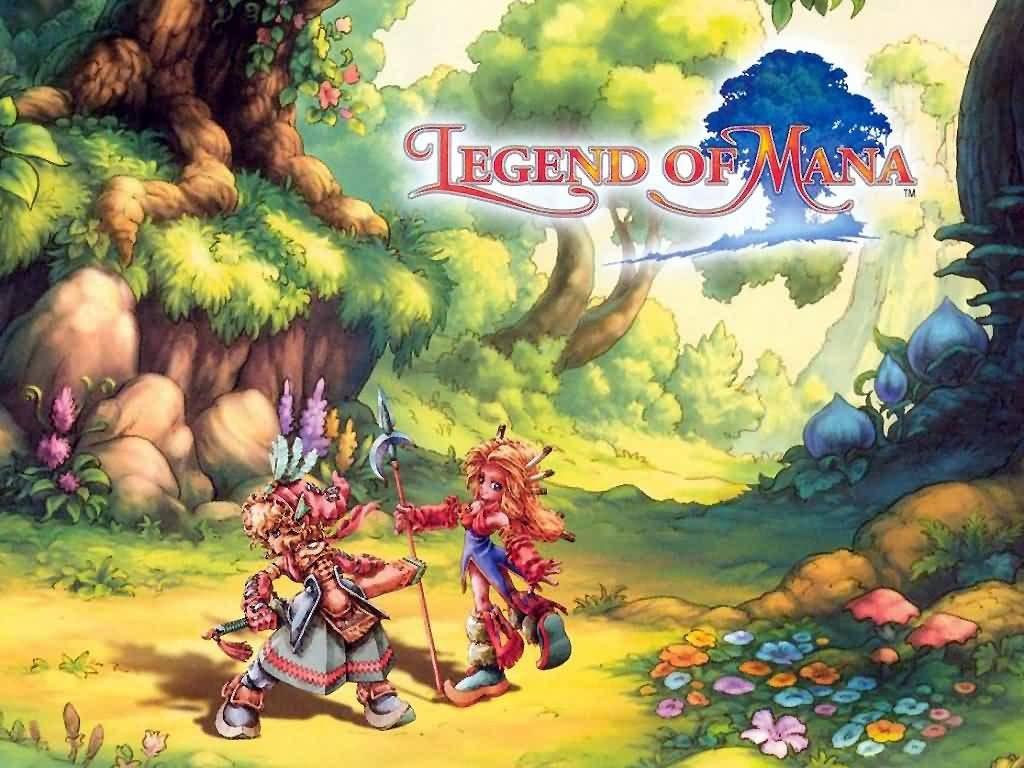
A PlayStation game released by Square in 1999.
This is the fourth game in the "Seiken Densetsu" series, but it is a unique world that is not connected to the previous games.
It is a rare game in a time when 3D screens using polygons were beginning to become the mainstream, and it is a game that uses detailed and delicate 2D dot pictures.
This is an RPG in which the player builds a world by placing towns and dungeons in an empty land, and by coming into contact with the people who live in the world, the player builds the world together with them.
Outline of "Seiken Densetsu: LEGEND OF MANA" (The Legend of the Holy Sword: LEGEND OF MANA)
It will be an action RPG similar to the traditional "Seiken Densetsu" series.
Instead of the conventional one-step scenario, the main character repeatedly goes to new places by himself or talks to people to generate scenarios, which he then clears.
The scenarios are roughly divided into four parts: "Jewel Thief," in which the protagonist becomes involved with the "Jummi," a race that lives on gems as the core of life; "Escade," in which four childhood friends grow up and become involved in different situations; "Dragon Killer," in which the protagonist gets involved in a dragon war that engulfs the world; and "Dragon Killer," in which the protagonist becomes a part of three stories. and "sub-stories" that are not included in the three stories.
By reaching the end of any of the three major stories, the last dungeon can appear.
system
land make-up
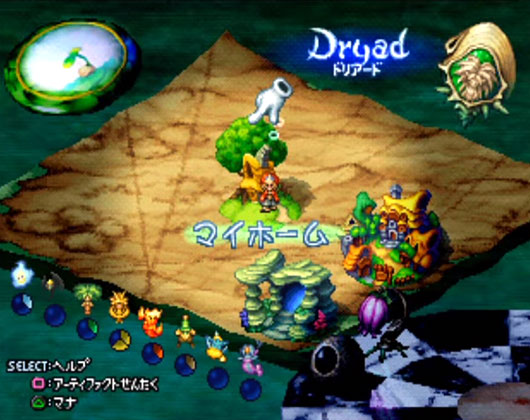
New lands (towns and dungeons) appear on the empty world map by placing objects called "artifacts" in locations chosen by the players themselves.
The game begins when the player selects a section of the vast world map and establishes "My Home," the starting point of the game. As the game progresses, the world expands as more artifacts are acquired and installed.
Land has an attribute energy called "mana," and when lands are placed next to each other, their mana affects each other. As a result, higher mana affects various things such as "occurrence of events," "fruit ripeness value in the orchard," "power of magic," and "strength of monsters.
It is important to note that the land will have installation restrictions, such as only being able to be placed near water. If you choose a place without a waterfront when you first select the world map, or if you have already placed another land in a place where it can be installed, you may not be able to install the land. This can have the detrimental effect of preventing the sub-story from being completed, so careful consideration must be given to the placement of the land.
equipment
workshop
As the story progresses, players can create "weapons," "instruments," and "golems" by using materials.
The manufacturing materials, as well as attributes and skills can be added after completion, allowing players to create their own original weapons and instruments.
Golem can be taken along as a partner to help you in your adventures. Although its appearance cannot be changed, the "machine color," "strength," and "armament" can be altered to create a partner that is just like you.
orchard
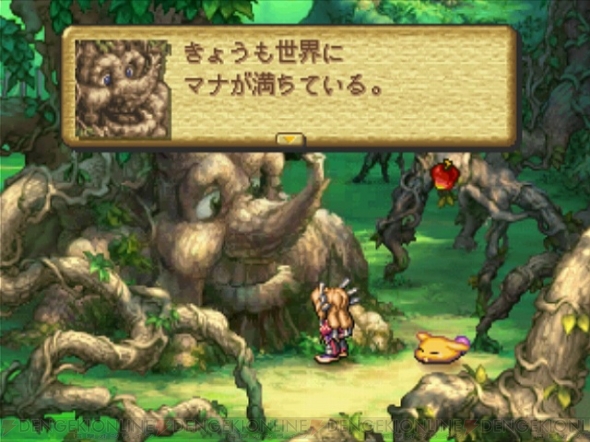
Fruits can be harvested by giving "seeds" obtained through adventures to "Trent," the caretaker.
Fruits are used as materials for "pet food," "golem color change," and "weapon customization.
Seeds can be given up to two at a time, and the type of fruit produced depends on the type of seed given.
meadow
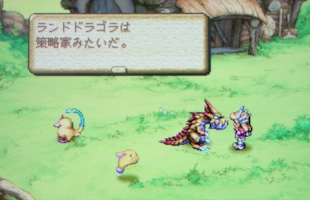
A place where monsters that will become your adventure partners can be kept as pets.
The pets are in the dungeon as egg-shaped "chicks," which hatch when caught and give birth to a pet that matches the chick's race.
The newborn pets are given names and can be taken along on adventures as partners.
Pets can be given fruit, which changes their "personality" and growth parameters, as well as their behavior patterns.
Pets include subspecies such as "Sahagin" and "Carmilla," and by clearing sub-stories with subspecies, you can invite subspecies you have adventured with to your farm as pets.
battle
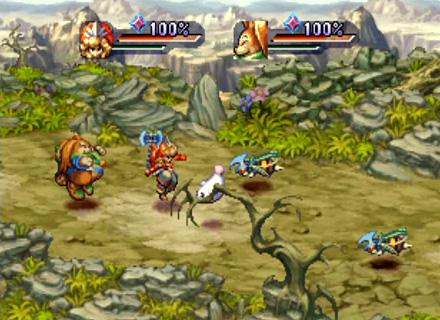
In dungeons, there is a "movement mode" in which you can run when there are no monsters, and a "battle mode" in which you brace yourself to fight monsters.
Encountering a monster changes you into battle mode, where you can use your weapons and skills and fight on foot. In this work, escape is not possible once an encounter occurs. If you are not prepared, you can easily be wiped out. However, the game is not over after losing the battle, and the player starts from the place just before the battle, which reduces the disadvantage of not being able to escape.
The direction of attack is only horizontally, not vertically. Therefore, it is necessary to attack by moving along the vertical axis in accordance with the enemy.
During battle, the player fights together with his companions, and when they are adjacent to each other, they enter a state called "synchronization. This allows each character to obtain the synchronization effects that have been set for each character.
The menu cannot be opened during combat. Therefore, the "ring command," which was a conventional menu screen and displayed a ring of selections that could be made, has been eliminated. In addition, it is no longer possible to select recovery items to recover. Recovery is mainly done by automatically recovering to the maximum after the battle, obtaining recovery items that appear during the battle by combining certain skills, and automatically recovering by equipping and synchronizing.
arms
Players choose and equip one of 11 different weapons for combat.
The available weapons are "dagger," "one-handed sword," "two-handed sword," "one-handed axe," "two-handed axe," "hammer," "spear," "rod," "knuckles," "nunchakus," and "bow and arrow," and each weapon is used in battle according to its characteristics.
Weapons accumulate experience through continued use and learning attack skills. In addition, depending on the weapon used when the level is raised, the growth parameters will change and the growth status will change. Therefore, the final status will differ depending on the weapon used.
Seiken Densetsu: LEGEND OF MANA
A Story of Beginnings

Related Articles
Seiken Densetsu - Final Fantasy Gaiden (FF Gaiden) Spoiler Commentary and Discussion Summary
The first title in the "Seiken Densetsu" series. Originally released as a derivative work of the "Final Fantasy (FF)" series, this action RPG features the familiar chocobos, airships, and magic of the FF series. The story is heavy with themes of life and death, encounters and partings, but it also has comical elements and puzzle-like puzzles to solve. A remake of the game, "The Legend of the Sword of the Holy Sword: New Testament," was made, and it was also fully remade in 3D.
Read Article
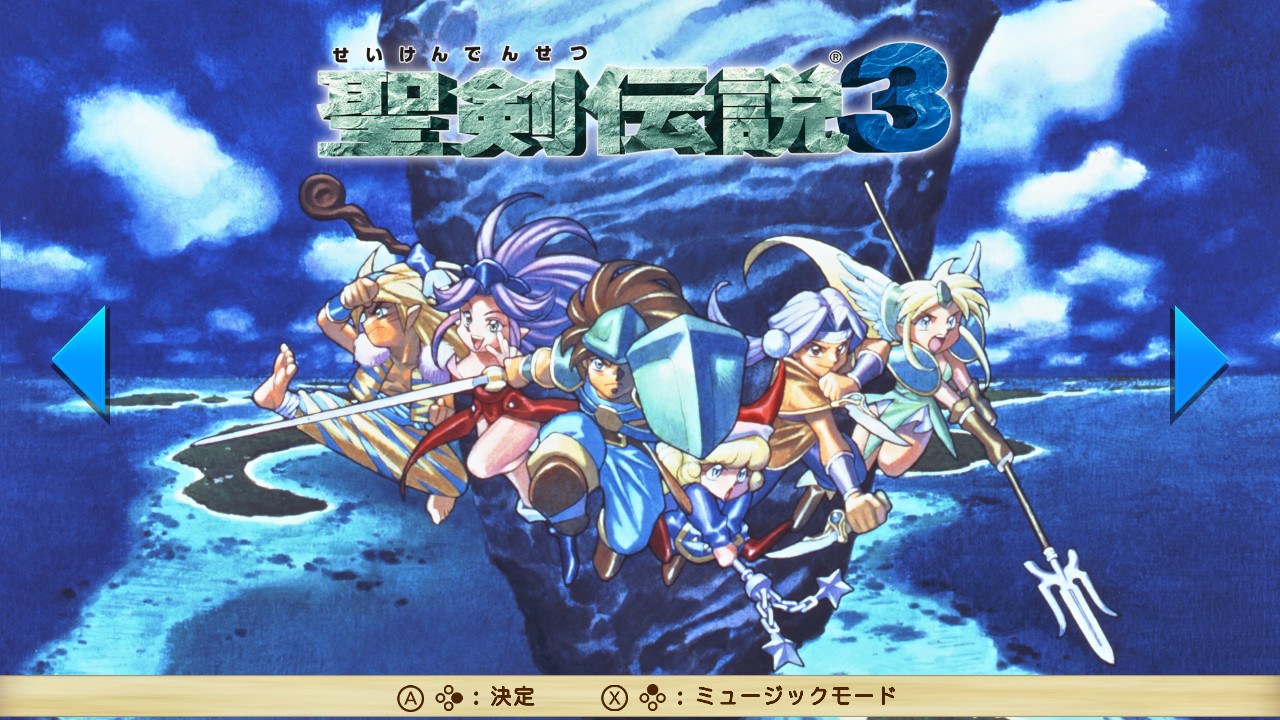
Spoiler commentary and discussion of Seiken Densetsu 3 (TRIALS of MANA)
Seiken Densetsu 3" is an action role-playing game released in 1995, and is the third title in the "Seiken Densetsu" series. It was the last in the series to be released for the Super Nintendo Entertainment System (SNES), and the player could choose three of the six characters to play as, which changed parts of the storyline and led to different final bosses. Six young men caught in the middle of a war fight to restore peace to the world, guided by the power of mana, despite their different circumstances.
Read Article
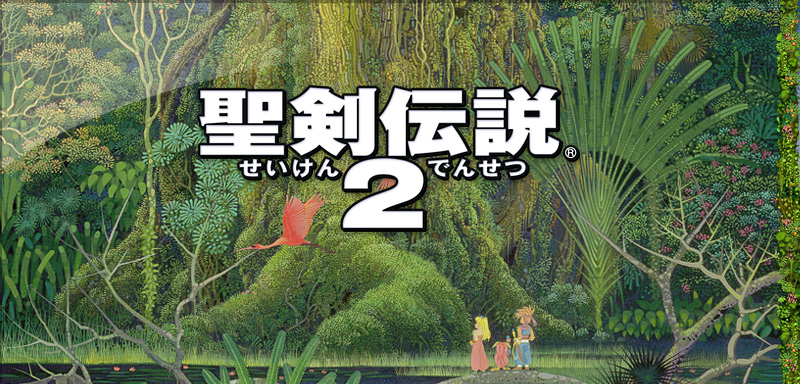
Seiken Densetsu 2 (SECRET of MANA) Spoiler Commentary and Discussion Summary
Seiken Densetsu 2" is an action RPG released in 1993 for the Super Nintendo Entertainment System. It was an ambitious work that introduced new systems such as "Motion Battle" and "Ring Command," and its music was also highly acclaimed, leading to the development of the series that followed. The main character, Randy, accidentally pulls out the holy sword and, together with his friends he meets on his journey, gets caught up in a war with the empire over the "mana" that sustains the world.
Read Article
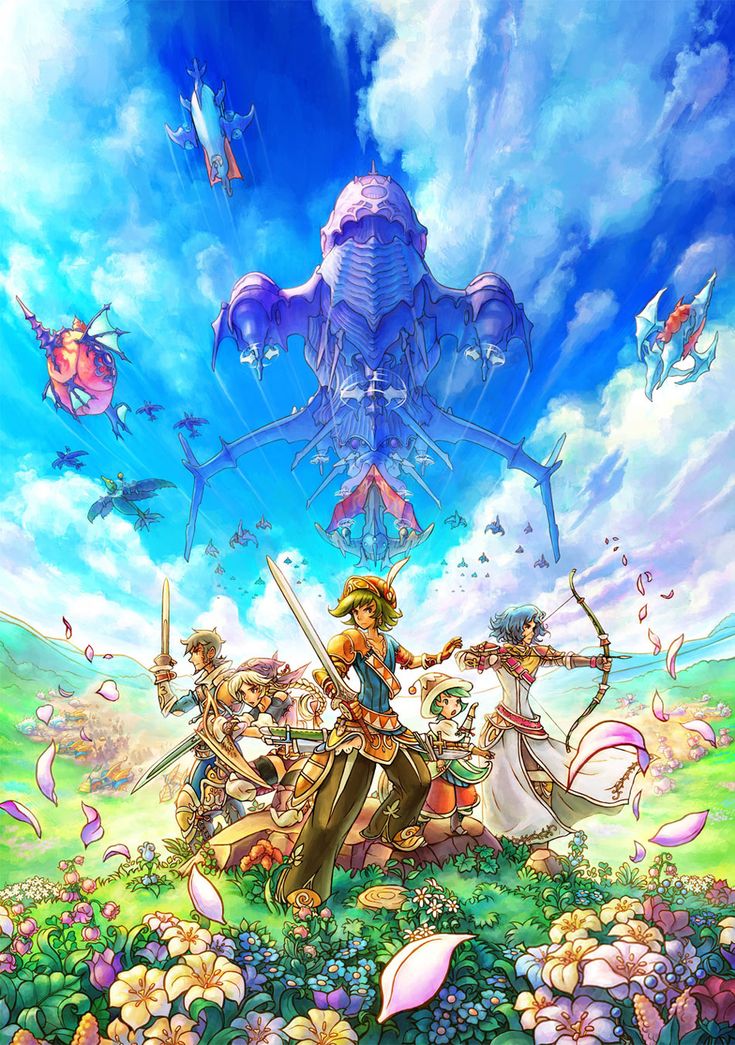
Seiken Densetsu: HEROES of MANA (HoM) Spoiler Commentary and Discussion Summary
Seiken Densetsu: HEROES of MANA" is an extravaganza in the "Seiken Densetsu" series released on March 8, 2007 on the Nintendo DS, set 19 years before "Seiken Densetsu 3". This is the first strategy RPG in the series to employ a real-time strategy system (RTS). It features a battle mode in which players battle each other via wireless communication. The setting is the world 19 years before "The Legend of the Sword 3," and the story of the "ancient city of Pedan," which appeared as a ruined country, is depicted through the main character Roger.
Read Article
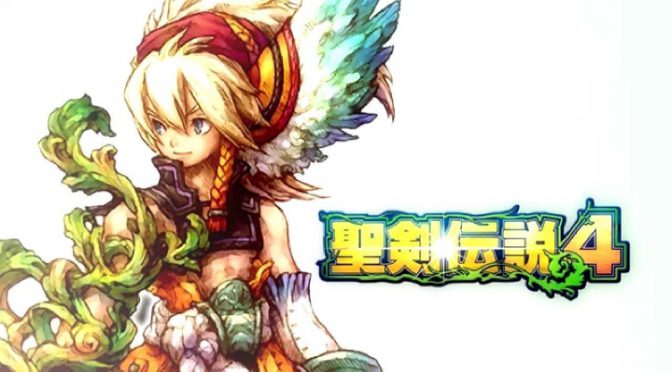
Seiken Densetsu 4 (DAWN of MANA) Spoiler Commentary and Discussion Summary
The fourth title in the "Seiken Densetsu" series. Released on PlayStation 2, this is the first 3D action adventure game in the series. The system has been completely redesigned from the previous titles in the series, and the game is now a stage-clearing type game. Under the theme of "going back to the roots," the game uses the names of the characters from the previous games in the series. The game depicts the birth of the "Goddess of Mana" and the "Holy Sword" through the main character Eldi, who was given the power by a sacred tree.
Read Article
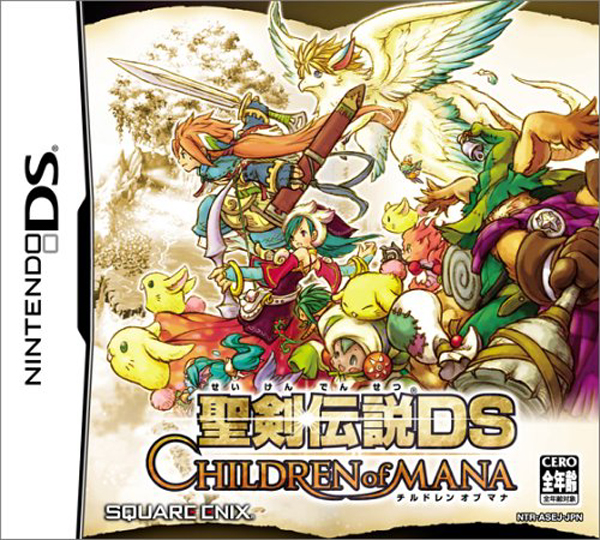
Seiken Densetsu DS CHILDREN of MANA (CoM) Spoilers and Discussion Summary
The first "Seiken Densetsu" series software for the Nintendo DS. Up to four players can now play multiplayer via DS wireless play. Chronologically, the story takes place 10 years after "Seiken Densetsu 4," making it an "outside-the-box" story. This action RPG adds a new system called "Gems" to the existing system of the series. Set in the world of Fadir, the story centers around four protagonists from different backgrounds and backgrounds, and centers on the soon-to-be-born Goddess of Mana and the Sacred Sword.
Read Article
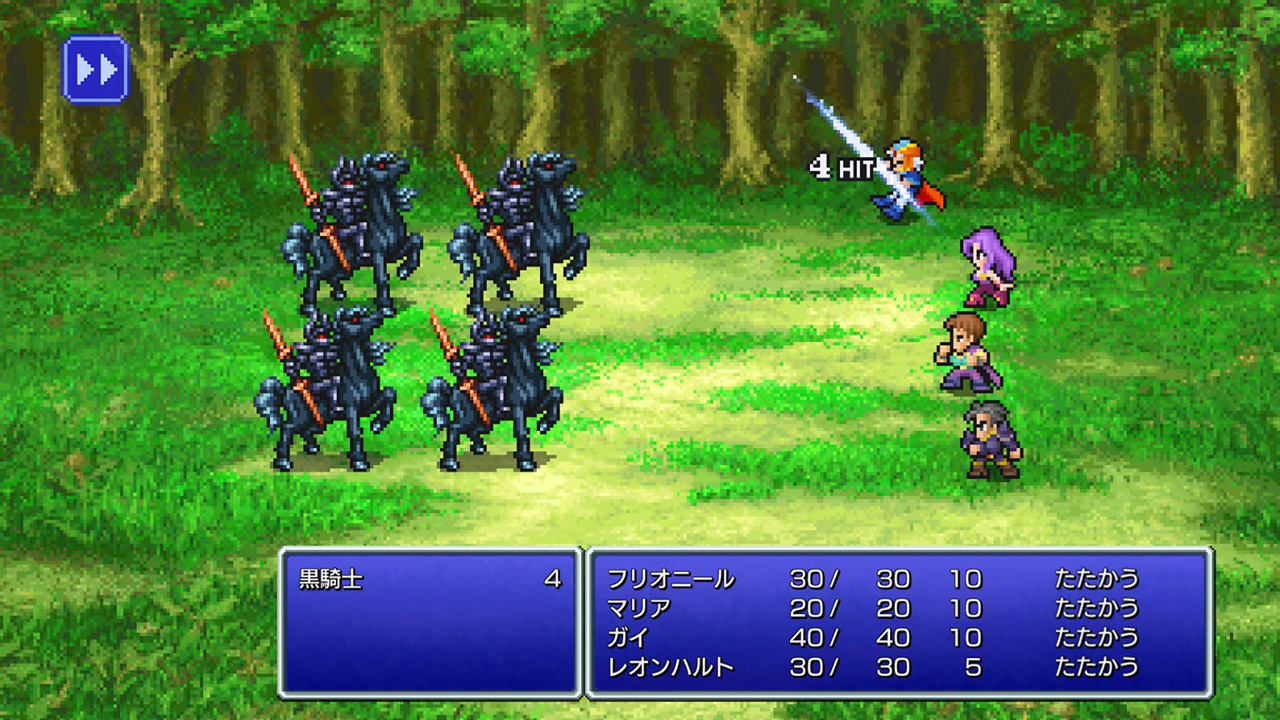
Summary of works by genius programmer Nasha Zibelli [FF1~3] [Seiken Densetsu 2
Nasha Jibelli, a computer game programmer from Iran who is praised as a "genius programmer," was involved in the development of "Final Fantasy Series" and "Seiken Densetsu 2," two of Japan's most famous RPGs. We will introduce some of the works he worked on, which boasted of his legendary talent, including the fact that he called in the code to fix a serious bug.
Read Article
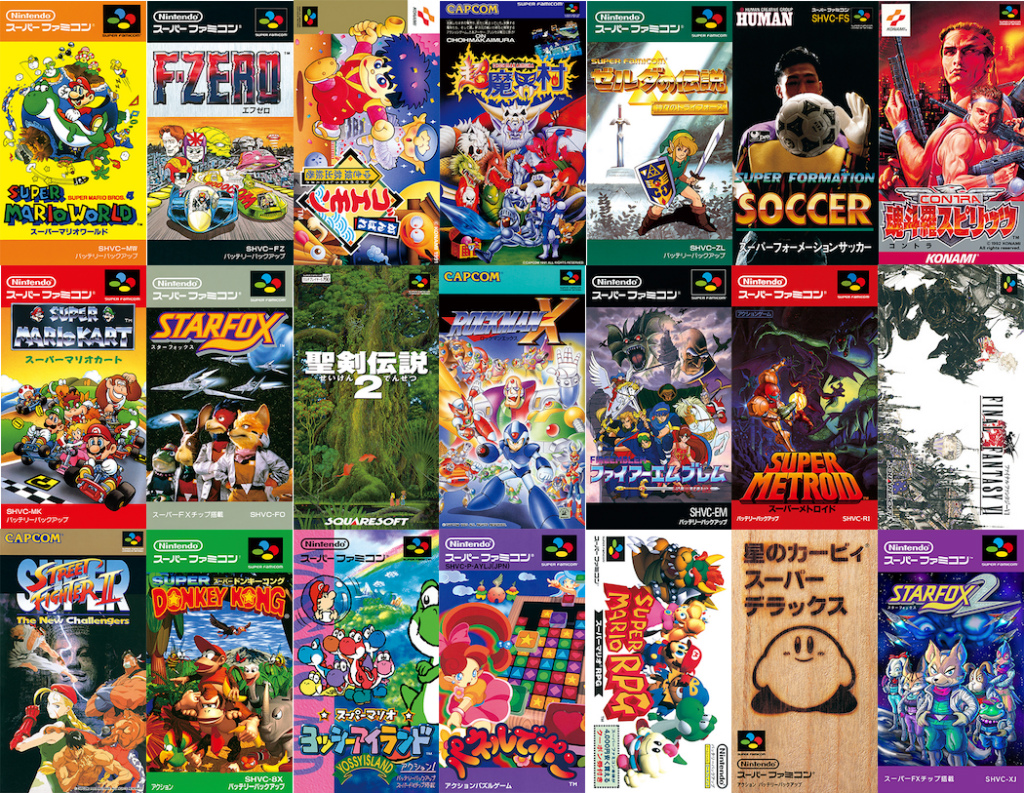
A compilation of recommended Super Nintendo Entertainment System (SNES) software classics.
We will compile a list of the most interesting and highly rated SFC classic software in the series by genre. The SNES is still colorful even if you play it now. Some of them have appeared on the Virtual Console.
Read Article
![A Masterpiece] I want to play it again before I die! Super NES Game 【Recommended】.](https://renote.net/files/blobs/proxy/eyJfcmFpbHMiOnsiZGF0YSI6MTgwNzkyLCJwdXIiOiJibG9iX2lkIn19--89a512c082c743fd6aa77efd98b378b2f9c670a1/z_5fb7b0d7ec722.jpg)
A Masterpiece] I want to play it again before I die! Super NES Game 【Recommended】.
I want to play it again before I die! This is a compilation of Super Nintendo Entertainment System (SNES) game titles. There are more than 1,000 Super Nintendo Entertainment System (SNES) game titles, so we took the time to compile this list. Generally, the further back you go, the older the release.
Read Article
Contents
- Outline of "Seiken Densetsu: LEGEND OF MANA" (The Legend of the Holy Sword: LEGEND OF MANA)
- system
- land make-up
- equipment
- workshop
- orchard
- meadow
- battle
- arms
- Seiken Densetsu: LEGEND OF MANA
- A Story of Beginnings
- Jewel Thief, ed.
- Escadade ed.
- Dragon Killer Edition
- The End Story
- Characters in Seiken Densetsu: Legend of the Sword LEGEND OF MANA
- protagonist
- Mr. Cactus
- herbaceous peoples
- badminton
- corona
- lapis lazuli (color)
- pearl
- Lady Pearl.
- Hotarubi
- Sandra.
- Alex
- Danae
- escalade
- Matilda.
- ERwin
- lark
- Sierra (wine)
- Tiamat
- Nikita.
- Mini-game "Ring Ringu Land" with external device