

Dragon Quest IX: Guardian of the Starry Skies" is an RPG software for the Nintendo DS released by Square Enix in July 2009.
It is the first MORPG in the Dracula numbering series to include multiplayer elements (the main story can also be completed in single-player mode only).
The main character is an angel whose mission is to collect the "Fruits of the Goddess," which have been scattered all over the world due to a certain incident.
The main character's companions are created by the player as in Dracula 3.
Dragon Quest IX: Guardian of the Starry Skies" Overview
Dragon Quest IX: Guardian of the Starry Skies" is an RPG software title for the Nintendo DS, released by Square Enix in July 2009.
It is the first MORPG in the Dracula series to feature multiplayer elements (the main story can also be completed in single-player mode).
The main character is an angel who, together with his fellow angels, lives in the angel world far above the human world.
The angels' goal is to help humans, collect "star auras," the feelings of gratitude that humans give them, and make the World Tree bear the "Fruit of the Goddess" to go to the Kingdom of God.
With the star auras offered by the protagonist, the World Tree bears the Fruit of the Goddess, but suddenly a disastrous light emitted from the ground strikes the angelic world, and the protagonist and the Fruit of the Goddess fall into the human world.
The purpose of this adventure is to collect the fruits of the goddess, which are scattered around the world.
In this title, an occupation system similar to that of "Dragon Quest III" is employed, and characters are always assigned to one of the occupations, and each occupation has its own level.
The story of Dragon Quest IX: Guardian of the Starry Skies
The protagonist falls into the human world
The protagonist living in the village of Wollo
The main character, an angel, lived in the "angel world" with his fellow angels.
The angels collected "star auras," which were tokens of appreciation from humans, and offered them to the World Tree to help it bear the fruit of the goddess.
The star aura offered by the protagonist made the World Tree bear the fruit of the goddess.
However, at that time, an evil light struck the angelic world from the earth, and the hero and the goddess fruit fell into the human world.
The hero fell near "Wollo Village" and was saved by "Rikka," a daughter who runs an inn in the village.
Angels are supposed to be invisible to human eyes, but the main character's figure seems to be visible to humans, and in addition, the wings and rings that used to be on the main character's body have disappeared.
While the protagonist was staying at Ricca's house, a young man named "Need," who lived in a nearby house, came to visit the protagonist.
Need wanted our hero's help to do something about the road to the pass, which had recently been closed by a landslide.
He says that if the road to the pass is opened, many people will return to their homes and the village will flourish.
Neid wanted to do something about the pass in order to show his father and Rikka, his love, that he was in good hands, but he also wanted the hero's help because there would be demons along the way.
The hero agreed and headed for the eastern pass with Need.
At the pass, there was something that looked like the first car of a train.
It seemed to be invisible to Need, but only to the protagonist.
The heroes continued onward and arrived at the site of a landslide.
The landslide was so large that it was not something the hero and Need could manage.
At a loss for what to do, they heard a voice from the opposite side of their position.
The voices were soldiers sent from St. Stein, a kingdom beyond the mountain pass.
The soldiers asked the protagonists if they knew a woman named "Louida.
They said that Louida had been working in the city of St. Stein, but that she had not returned after saying she was going to the village of Wollo.
Rumor had it that she did not go through the mountain pass, but instead went to the village through the "Xagona Ruins," where demons were nesting.
The protagonists decided to leave the landslide to the soldiers and return to the village to look for Rueda.
They told the village chief that the road to the pass was about to be opened and that Luida had gone missing after heading to the village.
Then Ricca intervened and asked the protagonists if it was true that Luida was missing.
Apparently, Luida was an acquaintance of Ricca's father, who had already died, and Luida had tried to come to see him without knowing that Ricca's father was dead.
The protagonist was asked by Ricca to go to the Xagona ruins to look for Luida.
Deep in the ruins of Xagona, the protagonist found a woman with her foot caught in the debris.
Just as the protagonist was about to remove the woman's foot from the debris, the demon "Bulldoga" broke through the ceiling and appeared.
The hero fought the bulldog and defeated it.
While the hero was fighting, the woman pulled her legs out of the debris and was able to move.
The woman called herself Luida and thanked the hero for his help.
The hero and Louida left the ruins together.
The protagonist and Luida left the ruins together.
Luida had visited Ricca's inn.
As Ricca had expected, Luida had business with Ricca's father, and she was shocked to hear from Ricca that her father had died.
Ricca was told by Ruida that her father was called the legendary Inn King in St. Stein.
The innkeeper who started his own inn at a young age quickly expanded the inn, overcoming many of his rivals.
However, for some reason, the legendary innkeeper suddenly abandoned the inn in St. Stein and started a small inn in the village of Wollo.
With the legendary innkeeper gone, the innkeepers of St. Stein are now in trouble, and in order to get out of it, Louida has come to the village of Wollo in search of him.
In place of the innkeeper, Luida offered to take his daughter, Ricca, who had inherited the innkeeper's talents.
However, Ricca did not accept the invitation and went home to cook dinner.
Ark of the Celestial Masters (ancient Chinese Daoist movement orig. known as the heavenly ark)
The area was completely dark.
When the protagonist returned to Ricca's house, he found a man standing in front of the front door.
The man was the spirit of Rikka's father, Liberto, who had already died.
It seems that the protagonist still had the ability to see spirits from his days as an angel.
While the protagonist and Liberto were conversing, "Sandy," a fairy who looked like a gal, suddenly interrupted them.
Sandy called herself the driver of the "Heavenly Ark.
The Ark of Heaven is a train that takes angels to the Kingdom of God, but when lightning strikes the angelic world, the train breaks apart and falls into the human world.
What the hero saw at the mountain pass, which looked like the first car of the train, was indeed the first car of the "Ark of Heaven.
The hero told Sandy that he was an angel, but she did not recognize him as one without wings or rings.
Sandy promised to recognize the hero as an angel and send him to the angelic realm on the Ark of Heaven if he could raise a spirit, which only angels can do.
The hero decided to ascend Liberto's spirit in order to gain Sandy's recognition.
The spirit is bound to this world by some unfinished business he left behind in this world.
The protagonist asked what kind of unfinished business Liberto had left in this world.
Liberto hesitated, but said that his own regret was "the thing I buried on the hill behind the inn.
The hero dug up the ground on the hill and obtained the "inn king's trophy.
The hero took the innkeeper's trophy to Liberto, but his spirit did not ascend.
Liberto had moved from St. Stein to the village of Worlo because of Ricca, who had been sickly as a child.
He said that he sealed the trophy to break his own feelings in St. Stein.
He did not show the trophy to Ricca so that she would not think that he had abandoned the inn because of her, and he did not tell her about his own accomplishments.
The protagonist wondered if this was the case and went to show Ricca, who was in her room, the King of the Inn trophy.
Ricca was surprised that Rueda's story was true, and at the same time she wondered why her father had abandoned the inn and come to this village.
Then Ricca's grandfather came and told her the truth.
Ricca had been sickly as a child and had inherited her mother's constitution, a constitution that would normally have weakened her as she grew older, leading to her death. In fact, Ricca's mother died at a young age because of this constitution.
However, Ricca now lives so well that she forgets the days when she was sickly and weak.
The reason for the change in Ricca's constitution is said to be that she grew up drinking "Wollo's famous water," which is water from a waterfall in the village of Wollo.
In order to save his daughter, Liberto abandoned the inn in St. Stein and returned to the village of Wollo.
When Ricca learned all this, she decided to go to St. Stein at Ruida's invitation in order to carry on her father's wishes, and she went to Ruida.
When the protagonist left the room, Liberto's spirit was there.
Seeing his daughter, who had grown to the point of wanting to carry on his own dream, Liberto said, "I have no more regrets," and slowly ascended to heaven.
The next day, Ricca left for St. Stein with Rueda.
Sandy recognized the hero, who had successfully ascended the spirit of Liberto, as an angel, and he would take him to the angel world on the Ark of Heaven.
The hero and Sandy left the village and came to the mountain pass where the first car of the ark was located.
The hero and his friends entered the ark, and Sandy pressed the ark's switch.
Sandy's plan was that the ark would start moving once the angel was on board, but the ark never started moving.
Sandy pointed out that the problem was that the heroes were half-angels who had lost their angel wings and rings, and suggested that they should try to help people, which was the angel's job, in order to return to being full angels.
The protagonists decided to go to St. Stein, which was at the end of the road that had been opened.
They arrived at St. Stein.
There they found Ricca and Rueda, who had probably arrived there just a few minutes before.
They went into the inn, and the heroes followed them.
The innkeepers welcomed Ricca and she herself was enthusiastic about rebuilding the inn.
The protagonist also agreed to cooperate with Rikka, and when he felt like it, he would work to bring people to the inn (this is an element of the communication that passes between the two, and is not part of the main storyline).
black knight
The hero and his friends hear from a person in the castle town that the Black Knight has recently invaded the castle.
After entering the castle and having an audience with the king, the heroes heard that the black knights were attacking for "Princess Fione" of St. Stein.
The hero promised to help the king to defeat the black knight.
The black knight is said to appear at "Lake Stein" north of the castle.
After gathering his friends at Rueda's bar in the castle town, the hero headed for Lake Stein.
There they found a black knight in black armor riding a black horse.
The heroes won the battle with the black knight.
The black knight kneeled down and said, "Why did the princess send a man like you? Does Princess Melia not remember her promise to me?
When the heroes told him that the princess's name was Fione, not Melia, the black knight was surprised.
He told the hero that he had been in a deep sleep, that he had awakened from his sleep as if released from something at the same time the hero fell into the human world, that he had lost his memory immediately after awakening from his sleep, and that he remembered the promise of marriage between him and Princess Melia when he saw Princess Fione, who looked much like Princess Melia. He told the hero that he had lost his memory immediately after he had fallen asleep.
The black knight's name was "Leocorn," and Princess Melia was the princess of Leocorn's homeland, the Kingdom of Ludiano.
Leokorn and Melia had vowed eternal love and were preparing for a wedding ceremony in their homeland.
Leokorn, realizing that he had the wrong princess, told the hero that he would never go near the castle again, and he left to look for Ludiano.
The hero and his friends went to King St. Stein to report the black knight.
The king said that the black knight's story was a lie, and that he had never heard of a country called Ludiano.
Princess Fione was saddened by her father's refusal to trust anything the heroes said, and left the king's room on the way out.
As the heroes were leaving the King's Chamber, Fione stopped them.
Fione said she had something to tell the heroes and called them into her room.
When they visited the room, Fione told them about the kingdom of Ludiano.
She told them that she had heard the name Ludiano in a song that her nanny had sung to her in the past, and she guessed that the song contained clues about Ludiano.
She said that the grandmother (nanny) is now retired and lives in "Elafita Village" further north of Lake Stein.
The protagonists headed for the village of Elaphita.
They were told a story by Grandma Sona, who used to be Princess Fione's nanny.
When the heroes told Grandma Sona that they were looking for Ludiano, she suggested that they head north.
As they were leaving the village, a leo-corn came to the village.
When the heroes told him about the story, he too headed north.
The hero and his friends headed north and arrived at a ruin.
The ruins had the appearance of a castle and were inhabited by demons.
As the protagonists proceeded deeper into the ruins, they found Leo Cohn confronting a female demon.
The demon's name was Ishdar. It was the demon that Leo Cohn had once gone to defeat, and it was the culprit that had put Leo Cohn to sleep after his defeat and destroyed Ludiano.
The protagonists fought Ishdal on behalf of Leo Cohn, who was again cursed and struggling, and defeated Ishdal.
With the heroes' defeat of Ishdal, Leo Cohn was freed from the curse.
However, Leo Cohn was terribly depressed when he saw the reality that Ludiano had been destroyed and that Princess Melia was already dead.
While Leo Cohn was on his knees in grief, Princess Fione appeared before him, dressed as Princess Melia, who was supposed to be dead.
Princess Fione took Leo Cohn's hand and began to dance the wedding dance with him.
While dancing, Leo Cohn's body was enveloped in light and he slowly ascended to heaven.
Leo Cohn saw from the beginning that it was not Princess Melia there, but Princess Fione dressed as Princess Melia.
However, Leo Cohn was able to sever his attachment to the world by being able to dance the wedding dance that he was once supposed to dance with Princess Melia.
Leo Cohn thanked Princess Fione and ascended to heaven.
The Search for the Fruit of the Goddess
The heroes and Princess Fione returned to St. Stein Castle.
The disappearance of the Black Knight was immediately announced throughout the city, and the king thanked the heroes.
As a reward, the king gave the heroes the treasure in his treasury.
Sandy suggested that the heroes return to the ark, thinking that by helping the people of St. Stein, they might have regained their angelic powers.
The heroes returned to the ark, but nothing seemed to have changed.
However, the moment the hero stepped into the ark, it shook.
Sandy guessed that the protagonist was slowly regaining his angelic powers, and the protagonists headed off to a new place to further help others.
The hero returned to the Ark after helping others in the new land.
As the hero boarded the Ark, it began to glow and make driving noises.
With Sandy driving, the ark raced up to heaven.
The heroes soon reached the angelic realm.
The "Elder Omui" and some angels greeted the hero as he stepped out of the heavenly ark.
According to Ommi's story, since the day of the hero's fall from the angel world, several angels had descended to earth to see what was happening on earth, but none of them had returned.
The hero received Omui's order and went to pray to the World Tree to express his gratitude for being able to return to the angel world.
As he prayed, he heard a mysterious voice coming out of nowhere.
The mysterious voice told the hero to gather the fruits of the goddess and said that it had opened the way for him to do so.
When he told this to Omri, the voice said it was a divine sign and ordered the hero to search for the fruit of the goddess.
The hero again enlisted Sandy's help and descended to earth in the Ark of Heaven.
After traveling around and collecting the seven fruits of the goddess, the hero boarded the heavenly ark and headed for the angelic realm.
On the way there, the hero's master "Isaiah" appeared in the ark.
Isaiah offered to deliver the fruits of the goddess that the hero had collected to the angelic realm in return, and demanded that the hero give him the fruits of the goddess.
Although somewhat suspicious, the protagonist did as he was told and handed the fruit of the goddess to Isaiah, since it is an angel's principle not to disobey an angel of a higher rank than himself.
Then, out of nowhere, he heard an ominous voice.
The hero had a bad premonition and tried to take back the fruit of the goddess from Izayar, but the angel's reason prevented him from moving his body, and he was knocked out by a blow from Izayar.
Isaiah flies away with the fruit of the goddess.
Just as Sandy is about to step out of the ark to follow Izayar's whereabouts, she sees a black dragon and a demon riding it.
The dragon's name was "Barboros" and the demon's name was "General Gelnick.
They seemed to be Isayar's companions.
Barboros attacked the Ark of Heaven, and the tremors caused by the attack caused the hero and Sandy to fall off the Ark.
The hero and Sandy fell into the "village of Nazam.
The hero, who had fallen in the middle of the village of Nazam, was saved by "Til," a boy who lived in the village, and woke up on a bed in Til's house.
When the hero awoke, the village chief came into his room and told him to come to the village meeting at the church in the evening.
The hero decides to walk around the village until night falls, but it seems that this village is very strict about strangers, and the villagers are very strict with them.
Night fell, and the hero visited the church.
The villagers, who did not trust strangers, suspected him of being one of the black dragons that flew over the village and asked him to leave.
Tiru pleaded with the villagers why they did not believe him, but his voice was not heard and he ran out of the village.
The hero followed Tiru to the "Fountain of Hope" north of the village.
The protagonist found Tiru at the Fountain of Hope.
Tiru apologized for the rudeness of the villagers and told them that he himself was originally a stranger.
The hero was going to pursue Barbolos and challenge him to a battle, but it was obvious that he would be defeated by Barbolos with the hero's current condition.
Then Tiru tells him of the existence of a legendary hero named Graenal, who is said to be in the "Village of Domir.
He told us that Greynal had once fought and won against Balboros in the past and that he would surely help us.
However, the village of Domir could only be reached by special means.
The clue that would open the way to the village of Domir was a legend from Nazam, which Tir had told us about, "When a person who seeks the way to Domir appears, he will be called 'Domir. The only clue to open the way to the village of Dormir was a legend from Nazam, which Tir had told us: "When a person appears who seeks the road to Dormir, he must open the Dragon's Gate with the light sealed in the land watched over by the statue.
The place guarded by the statue is said to be the "Cave of the Demon Beast" located west of Nazam.
The cave of the magical beast is currently sealed, and the method of unsealing it was supposed to have been handed down in Nazam, but since it has not been used for a long time, no one in the village remembers how to do it.
Tiru returned to Nazam to look for further clues.
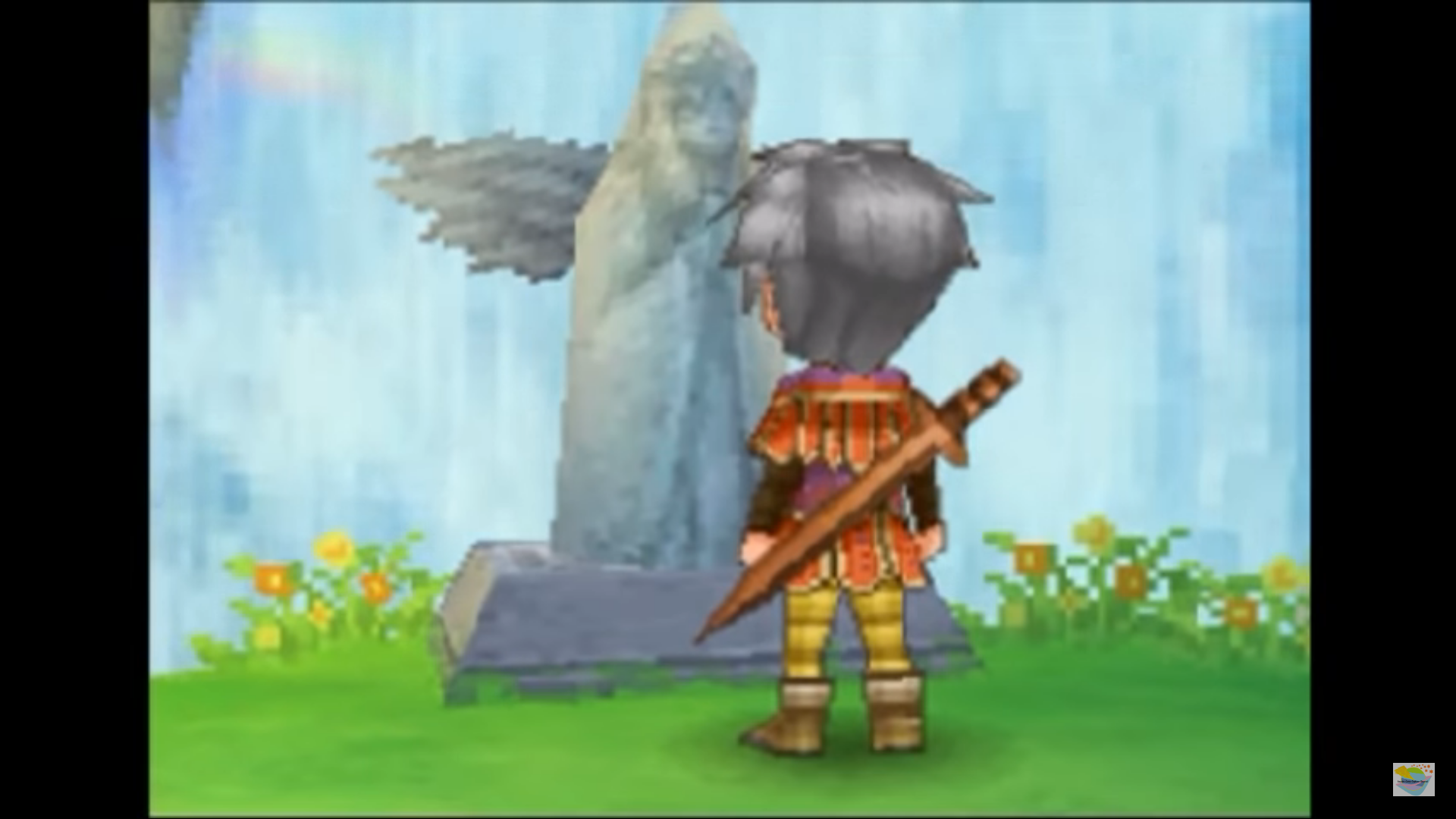
The protagonist also decided to return to Nazam, but he met a female ghost who called herself "Ratena" in front of a spring, and she asked him to retrieve something important buried at the foot of a statue of a guardian angel in Nazam.
The protagonist returned to Nazam and searched the foot of the guardian angel statue, but found nothing.
Then Tiru arrived.
The hero told Till about the situation.
Tiru wondered why the guardian angel statue, which was supposed to be cherished, was left out in the open in Nazam, where it would not be seen.
Till guessed that the guardian angel statue had been in a different place before and had been moved to its current location for some reason.
Tiru, who had been asked to run an errand for the village head, told him this much and left the protagonist.
The protagonist believed Tiru's guess and decided to search the village.
He found a gap under a stone monument placed at the back of the church.
The hero explored the gap and found the "necklace of the starry sky.
The hero returned to the Fountain of Hope with the Necklace of Starry Skies.
Latena saw the necklace and told the hero that it was my prized possession.
The hero gave the necklace to Laterna at the Fountain of Hope.
In return for finding the necklace, Latena offered to open the entrance to the cave of the magical beast.
Latena went to the cave of the hexenbiest ahead of the hero, and he followed her.
When the hero arrived at the cave of the magical beast, Latena was already standing in front of the entrance.
She chanted a spell, opened the entrance to the cave, and went away.
The hero proceeded deeper into the cave, and at the innermost part of the cave, he fought "Kadongo," a large monster statue that attacked to test the hero's strength.
After defeating Kadongo, the hero was recognized for his strength and given the "Arrow of Light," which was necessary to open the way to the village of Domir.
The hero stood in front of the "Dragon's Gate" west of Nazam and used the Arrow of Light.
This created a bridge of light, connecting the regions of Nazam and Domir.
The villagers of Nazam and Tiru came there and saw the bridge of light.
Tiru was amazed to see the bridge of light and complained that the hero was planning to go after Balboros and fight him.
The villagers finally recognized the hero and apologized for their many past disrespects.
The villagers saw him off and the hero crossed the bridge of light toward the village of Domir.
The protagonist arrives at the village of Domir.
When he told the village chief that he had come to see Grainal, he was guided by the chief to the entrance of the Domir volcano.
He was told that Greynal was at the summit of this volcano.
The hero climbed the volcano and reached the summit.
Then, a huge white dragon appeared at the summit.
The dragon called itself "Greynal. The hero Greynal was a dragon.
Mistaking the hero for an enemy, Grainaru attacked him.
The hero managed to defeat Greynal.
He told Greynal about the situation, but Greynal did not believe him and did not seem to be able to help him.
The hero went down to the village of Domir again.
When he got down to the village, he found some commotion at the entrance of the village.
At the entrance, three demon soldiers from the "Demon Empire of Ganan," the homeland of Gelnick and Barbolos, who were plotting to conquer the world, had arrived and were trying to destroy Domir.
The soldiers were defeated by the hero who rushed to the scene.
Then General Gelnick, who once attacked the protagonist with Barbolos, arrived.
Gelnick was surprised that the hero was still alive and immediately retreated.
Then the chief of the village of Domir came to the hero and told him that Graenal had changed his mind and would listen to the hero's story.
However, he was told that he would have to bring Greynal's favorite drink, called "dragon fire wine," in order to do so.
After receiving the dragon fire wine from the villagers, the hero once again climbed to the top of the volcano.
Since Greynal's hearing is several times better than humans, it seems that he had heard from the volcano's summit that the hero had defeated the soldiers of the empire.
Grainaru said that he was wrong not to believe the hero and accepted the dragon's fire wine from the hero.
As a reward for the fire wine, the hero received the "Ganan no Monsho" from Grainaru.
Grainaru was in a good mood after drinking the fire wine, but then Barbolos arrived and began attacking the village.
If nothing is done, the village will be destroyed.
Graenal gave the hero a piece of equipment called the "armor of the dragon warrior.
The warrior who wears this equipment rides on the back of Grainaru, and even old Grainaru can fly again.
The hero put on the equipment and rode on the back of the dragon warrior.
Grainar took off into the sky and began to fight with Barboros.
Grainal and Barboros were evenly matched, but the newly empowered and strengthened Barboros was no match for Grainal.
In order to destroy the village of Domir, Balboros unleashed his evil energy on the village.
Grainaru shook off the hero and offset the energy released by Balboros by sacrificing himself to protect the village.
The protagonist fell away somewhere while watching Greynal.
While the protagonist was unconscious, he was imprisoned in a prison of the Gernik empire by Gernik's troops.
The next day, the protagonist was guided by "Aguilo," the leader of the prisoners, who taught him about the rules, life, and work in the prison.
On the way, he was also told about the wards that surrounded the prison.
The prisoners are not allowed to pass through the wards, and if anyone other than Ganan's soldiers touch the wards, they are repelled.
The protagonist decided to try the warding as a test, but for some reason he was not repelled by it.
Aguilo was surprised and asked why he was not repelled by the warding.
He found that Ganan's monshou, which the hero had received from Graenal, was glowing.
Apparently, thanks to this, he was not repelled by the wards.
After the tour was over, he went to work with Aguilo.
After working all day, he returned to the prison, where Aguilo, who was in the next cell, spoke to him.
Aguilo was working with the other prisoners on an escape plan.
Aguilo asked the protagonist to cooperate with them.
The protagonist agreed and went to sleep.
The next morning, when the protagonist emerged from the prison, he found that there was a commotion around the execution table.
Apparently, a prisoner was about to be executed.
The prisoners of the prison were gathered around the execution table.
Just as the prisoners were about to be executed by the Imperial Guards, Aguilo struck the Imperial Guards and knocked them out.
Aguilo called out to the prisoners and told them that now was the time to escape.
The prisoners were given hope by the presence of the hero, who could pass through the wards.
While the prisoners held back the imperial soldiers, the protagonist was forced to stop the warding generator.
The protagonist stops the warding generator.
With the warding device gone, the prisoners were able to get out.
However, Aguilo went underground with the protagonist to help a special group of prisoners who were being held in the basement.
There, the hero defeated "General Goreon," the prison administrator who was waiting for him, and obtained the key to the dungeon.
The angels were being held captive in the dungeon.
The hero and Aguilo rescue the angels and carry them out of the prison.
They were greeted by the prisoners. They had been waiting for Aguilo and the protagonist after the imperial soldiers had been cleared out.
But then Barboros arrived and tried to burn down the prison.
The prisoners were impatient at the suddenness of the situation, but Aguilo told them, "I'll take care of this, just run straight away and don't look back," and they believed him and ran away.
Aguilo took a whistle from his pocket and blew it as hard as he could.
Then, to their surprise, the Ark of Heaven appeared and crashed into Barboros.
Barbolos left, and the prisoners were able to escape.
God's Kingdom
Sandy came aboard the Ark of Heaven.
The main character boarded the Ark of Heaven with Aguilo.
Sandy saw Aguilo and shouted "Tencho.
Apparently, Aguilo was Sandy's mentor, a man who had been the driver of the Ark of Heaven for a long time.
The heroes returned to the angel world once they had picked up the captured angels.
The heroes delivered the angels and reported to Omri that the demon empire Ganan, which was supposed to have been destroyed long ago, the dark dragon Barboros had returned, the prison of Cades, and that Isayar had betrayed the angelic world.
But Omri said he could not believe that Izayar was a traitor.
He said that after the protagonist lost the fruit of the goddess to Izayar, Izayar delivered the fruit of the goddess to the angelic world.
Omi was confused, but he decided that there was no point in thinking about it now and ordered the hero to get on the Ark of Heaven and head for the Kingdom of God.
Omui would accompany him.
The hero boarded the Ark of Heaven with Omi.
The two were driven by Aguilo to the Kingdom of God.
The heroes proceeded deeper into the land of God and entered the palace of God, where God was said to reside.
However, the palace of God had been destroyed, and God was nowhere to be found.
The heroes went upstairs to the second floor of the palace and offered the fruit of the goddess they had brought with them.
Then, out of nowhere, they heard a mysterious voice.
The heroes were enveloped in a light and warped to the front of the World Tree.
The World Tree shone with a golden light, and the goddess Celesia, the only daughter of God, appeared from it.
Celesia existed in the angelic realm as the World Tree, and was awakened from a sleep of thousands of years when the heroes offered the goddess' fruit to God's kingdom.
The heroes heard from Celesia that God once tried to destroy human beings.
The "creator god, Grand Zenith," who created all things, claimed that man was a failure.
Seresia disagreed and turned herself into a world tree.
Only the pure hearts of humans could restore Seresia to her original form.
Celesia wanted to teach Grandzenith that humans have pure hearts.
Grand Zenith took Seresia's will into consideration and created the angelic world.
He placed Celesia, who became the world tree, in the angel world and gave the angels the role of collecting proof of the pure hearts of human beings.
When pure hearts are gathered, the World Tree bears the fruit of the goddess.
The angels would deliver the fruit to the kingdom of God, and the goddess would awaken.
Celesia asked the hero to go to the castle of the Gunan Empire to protect the humans.
Celesia paved the way for the hero to enter the Gunan Empire, and then slowly disappeared.
With the help of Aguilo and Sandy, the hero arrived at the castle of the Ganan Empire aboard the Ark of Heaven.
At the entrance, General Gelnik was waiting for him and attacked the hero.
The hero won the battle.
On his deathbed, General Gelnick said, "As long as General Gyumay is with us, the castle will be safe.
It seems that there is a third general in the Ganan Empire, following Generals Goreon and Gelnick.
The protagonist went deeper into the imperial castle and finally arrived at the throne room.
There, "General Gyumay," who was mentioned earlier by General Gelnick, was waiting for him and attacked the hero.
When the hero defeated General Gyumay, General Gyumay said, "I am proud to have fought an enemy like you for the last time," and disappeared.
The only enemy left was the Emperor of the Ganan Empire.
The hero entered the throne room with all his might.
When he entered the throne room, he found Isaiah facing the "Dark Emperor Ganassadai.
Isaiah pointed his sword at Ganassadai.
Isayar pretended to have betrayed the angelic world in order to engage Ganassadai directly.
Izayar fell before the overwhelming power of Ganassadai.
The hero stood before Ganassadai.
After a mortal struggle, the hero defeated Ganassadai and rushed to his master Isayar.
At that time, Izayar protected the hero from the attack of Ganassadai, who was still alive, and Izayar's life ended.
Along with Ganasadai, Izayar disappeared.
The hero went to rescue the angels held captive in the imperial castle.
The hero descends deep into the castle's basement while freeing the angels.
On the lowest floor of the castle, there was an angel held captive with his hands and feet chained with thick chains.
The protagonist removed the chains from his hands and feet and freed the angels.
The angel's name was Elgios. He was the angel who served as Isaiah's teacher.
Elgios asked the protagonist, "Do you think humans are worth protecting?" Elgios asked the hero, "Do you think humans are worth protecting?
When the protagonist answered that he did, Elgios attacked him.
The protagonist tried to fight back, but his body would not move due to the angelic principle that one cannot defy an angel higher than oneself.
The hero collapsed under the attack of Elgios.
Elgios called himself "a being beyond the gods" and claimed that the evil light that struck the angelic world was his own.
Elgios summoned Balboros and flew away to take over the kingdom of God.
Upon awakening, Lathena came to the hero.
It seems that Lathena had been wandering around the country looking for Elgios.
She told him why Elgios had turned into such an evil figure.
Latera said that she was from Nazam and that Elgios had once been an angel who had fallen into Nazam.
Nazam was hiding Elgios, but then the forces of the Ganan Empire, wanting the angel's power, came to the city.
To protect Elgios, Lathena hid him in the Fountain of Hope and gave him a sleeping potion that she falsely claimed was a secret potion so that he would not fight.
The villagers, however, were willing to give up Elgios in order to protect their village.
Unaware of this, Lathena cooperated with the villagers' plan to keep Elgios away from the village, put him to sleep, and extradite him to the empire.
In the end, Elgios was captured by Ganan and Nazam was destroyed by the empire.
In prison, Elgios grew in strength from his hatred of having been betrayed by humans, and he became the evil man he is today.
Elgios had nothing left in his head but to destroy mankind.
The hero put the captive angels on the heavenly ark and returned once more to the angelic realm.
The hero reported to Omri about Elgios.
According to Omoi, there were no angels higher than Elgios left in the angel world.
The hero heard Celesia's voice as he left Ommi's side.
The hero came to the World Tree as Celesia told him.
He received one of the goddess's fruits from Celesia.
This fruit was the fruit of the gratitude of the humans whom he had saved, and if he ate it, he would become human.
If he becomes human, he will be able to fight Elgios without being bound by angelic laws.
The hero accepted Celesia's wish and ate the fruit of the goddess.
The hero would definitely have become human, but it seemed that he still needed more time to become fully human, and he could see the other angels and Sandy.
The hero boarded the Ark of Heaven and headed for the Kingdom of God, where Elgios awaited him.
The Kingdom of God had been transformed by the hand of Elgios into a hideous form.
The hero advanced deeper into the land, fending off the generals of Ganan who had been revived by Elgios.
Elgios was waiting for him at the innermost part.
Seeing the hero, who had given up his angelic form to become a human, Elgios also gave up his angelic form and changed into an evil demon-like form.
Elgios then told the hero, "You may follow me," and took off into the sky.
While chasing after Elgios, the hero engages with Balboros.
After fighting off Barboros, the hero found Elgios, who had completely changed into the form of a demon, waiting for him.
After a mortal struggle, the hero was victorious over Elgios.
However, Elgios gathered the power of his hatred and tried to destroy the human world.
Then Lathena arrives and purifies Elgios' hatred-ridden heart.
Elgios returned to his angelic form.
Elgios and Lathena ascended into heaven, enveloped in a dazzling light.
With Elgios gone, the Kingdom of God regained its original beautiful form.
With this, the goddess Celesia returned to her full goddess form, and all the angels who had completed their roles ascended to the heavens and became the guardians of the starry sky.
The hero, now human, was ordered by the goddess Celesia to become the guardian of the human world.
The hero boarded the Ark of Heaven and descended to the human world.
Eventually, the Ark of Heaven and Sandy and the others disappeared from sight, and the hero's life as a human began.
Characters in Dragon Quest IX: Guardian of the Starry Skies
key people
protagonist
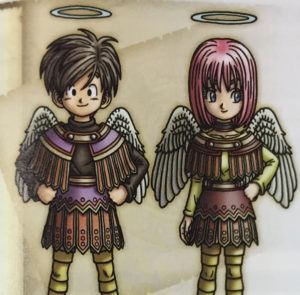
The main character of this work.
The name, gender, and appearance can be customized by the player.
A novice angel and disciple of Isaiah.
She falls into the human world along with the fruit of the goddess due to the evil light emitted by Elgios.
Through her adventures in the human world, she grows in strength, and in the end, she is able to save the human world.
Sandy.

She is a fairy with blonde hair and a gungro complexion.
Her language is also characterized as stereotypical gyaru.
She works part-time at the Ark of Heaven and can drive the ark.
She calls the driver, Aguilo, "Tencho.
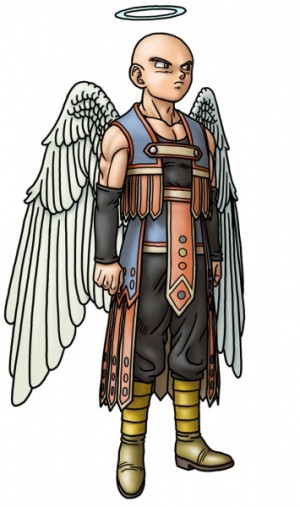
Isaiah.

Related Articles
ドラゴンクエスト(ドラクエ)の勇者・男性メインキャラクターまとめ
大人気RPG『ドラゴンクエスト(ドラクエ)』の勇者たちは、『ドラゴンクエスト』シリーズにおいて、なくてはならない存在であり、物語の重要人物として活躍する。悲しい過去を持つ者や、裏切り者、親子で勇者を継ぐ者がいたりとシリーズによって様々なキャラクターがおり、その1人1人の魅力の多さも特徴的である。勇者、そしてそれに関わる仲間たちとの関係性も作品ごとに異なる点も面白さの1つである。
Read Article
[Dracula] Summary of all 122 types of Dragon Quest slime monsters [images, characteristics, appearances, etc.
Among the enemy characters appearing in the "Dragon Quest" series, the "slime" is one of the most well-known monsters. Its popularity is so wide-ranging that it has become a food called "slime manan," not to mention the sale of goods. The following is a list of 122 slime monsters from the "Dragon Quest" series.
Read Article
Summary of images of previous packages of the Dracula series [Dragon Quest].
The [Dragon Quest] series is a very popular RPG work. Starting with the Super Nintendo Entertainment System (SNES), the series has been developed into DS, NINTENDO Switch, console PS, and smartphone applications. Each work has its own ingenious package design. Here is a collection of package images of the Dragon Quest series' successive works.
Read Article
Dragon Quest (DQ, Dracula) Spell Summary
Dragon Quest" was released by Square Enix (then Enix) on May 27, 1986. With its lovable characters and monsters and easy-to-understand storyline, it has become a nationally popular game that everyone knows. In this issue, we summarize the "spells" that are indispensable for the progress of the game.
Read Article
Summary of Dragon Quest (DQ and Dracula) specialties
Dragon Quest" was released by Square Enix (then Enix) on May 27, 1986. With its lovable characters and monsters and easy-to-understand storyline, it has become a nationally popular game that everyone knows. In this issue, we summarize the "special skills" that are indispensable for the progress of the game.
Read Article
Summary of differences between the Japanese and international versions of the Dragon Quest series [DQ series].
The "Dragon Quest" series was first released in Japan in 1986. The title, game system, character names, etc., have been changed for various reasons in the overseas versions. This article compares the Japanese and international versions, and introduces the changes and the reasons for them.
Read Article
Dragon Quest series, summary of all-time sales ranking [DQ].
The "Dragon Quest" series is one of the most popular RPGs from Japan. It is a major content series with many sequels and derivative works, as well as frequent remakes for smartphone applications and portable game devices. In this article, we will introduce the sales ranking of "Dragon Quest" series from the first "Dragon Quest" to "Dragon Quest X" in two categories: "sales of original works" and "sales including remakes".
Read Article
Dragon Quest VIII (DQ8, Dracula 8) Spoiler Commentary and Discussion
Dragon Quest VIII: The Sky, the Sea, the Earth, and the Cursed Princess" was released in 2004 exclusively for the PlayStation 2. It is the eighth title in the Dragon Quest series. The story follows the hero and his friends on a journey to save a kingdom where time has been stopped by an evil curse. Everything from the characters to the field backgrounds are now expressed in 3D, and systems such as growth through skill selection, enhanced combat through increased tension, and item alchemy have been introduced.
Read Article
Dragon Quest X (DQ10, Dracula 10) Spoiler Commentary and Discussion
The tenth in the Dragon Quest series. It is the first online game in the numbered series. The protagonists' village, called the "People of Etaine," was destroyed by the attack of the Dark Lord Nergel, and the protagonist, reincarnated as one of the five races on the Astartia continent, begins his journey to regain his original human form and defeat the Dark Lord Nergel.
Read Article
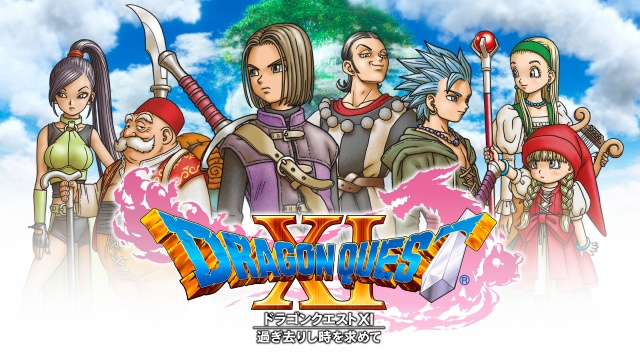
Dragon Quest XI (DQ11, Dracula 11) Spoiler Commentary and Discussion
Dragon Quest 11 is the 11th game in the series, released on July 29, 2017, and the first to be released simultaneously on both the PlayStation 4 (hereafter referred to as PS4) and Nintendo 3DS (hereafter referred to as 3DS). However, it was later decided to develop a 3DS version as well. The main character is called the "Son of the Devil," and although he is a brave warrior, he is hunted. The hero is called the Son of the Devil, and although he is a brave man, he is hunted.
Read Article
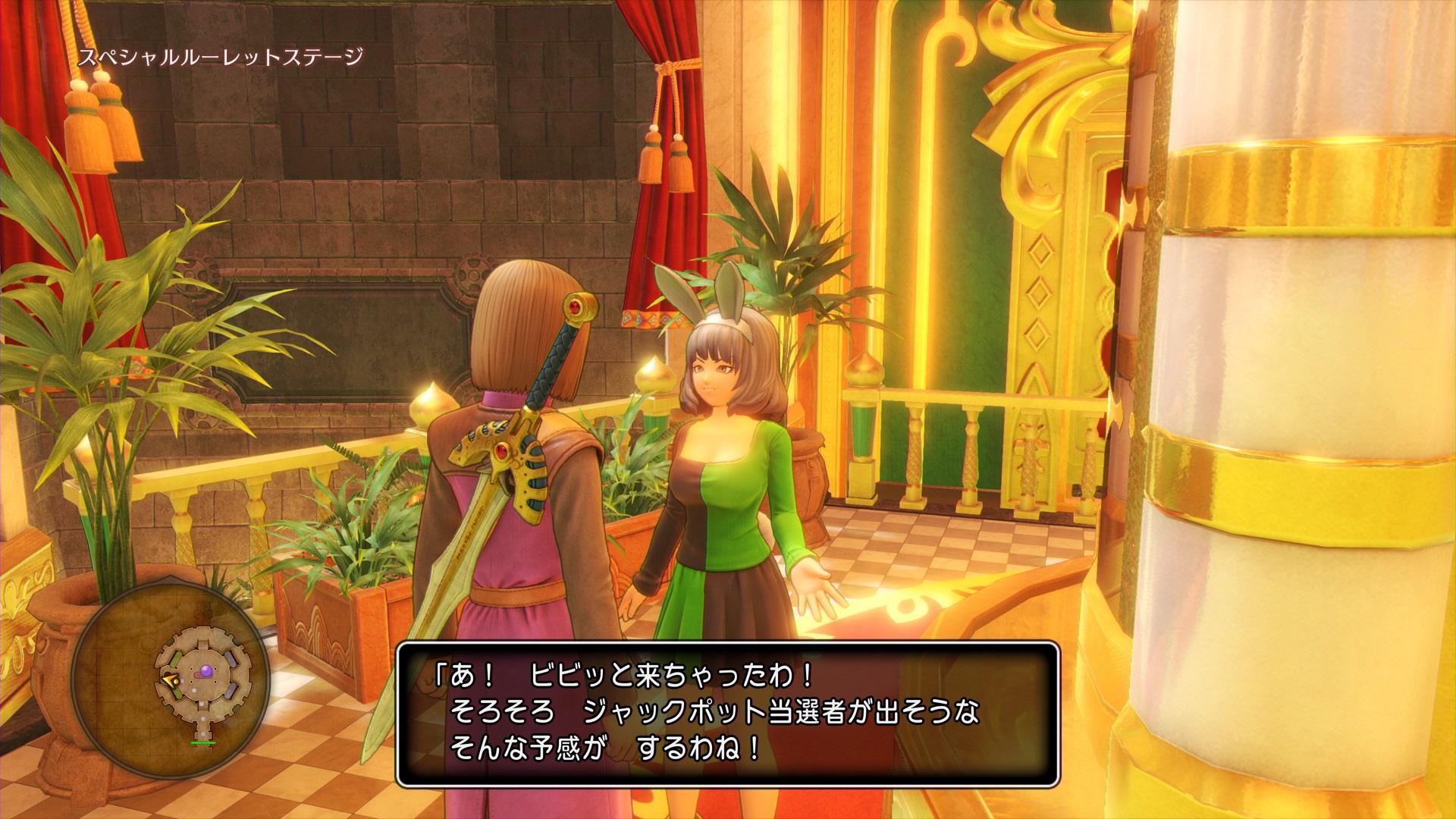
The secret to hitting the jackpot in DQ11's casino! Dragon Quest XI: The Search for a Time Gone By Strategy
In the casino of "Dragon Quest XI: The Search for a Time Gone By," jackpots rarely occur in slots and roulette. During these jackpots, players have a chance to win a large amount of coins. Try the tricks described here to win prizes such as the Gringham Whip and the Metal King Helm.
Read Article
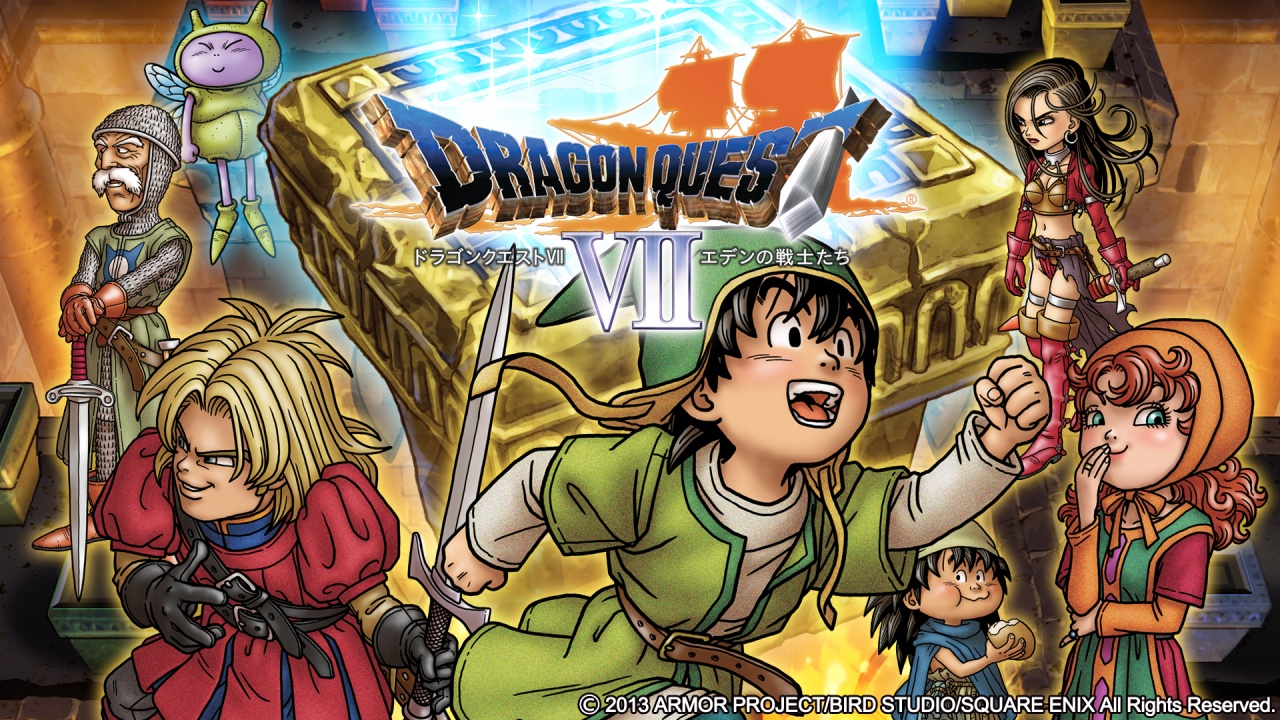
Dragon Quest VII (DQ7, Dracula 7) Spoiler Commentary and Discussion
Dragon Quest VII: Warriors of Eden" is a PlayStation® RPG released by Enix in 2000. It is the seventh title in the series and, with the exception of the ported version, the first to be developed exclusively for non-Nintendo video game consoles. The story begins on the island of Estado, the only remaining island in the world that has escaped the seal of the Demon King. The main characters travel to the past to collect "mysterious tablets," break the seal of the land, revive the continent, and challenge the Demon Lord to a final battle in order to save the world. It is a very voluminous story and the most time-consuming game in the series to complete.
Read Article
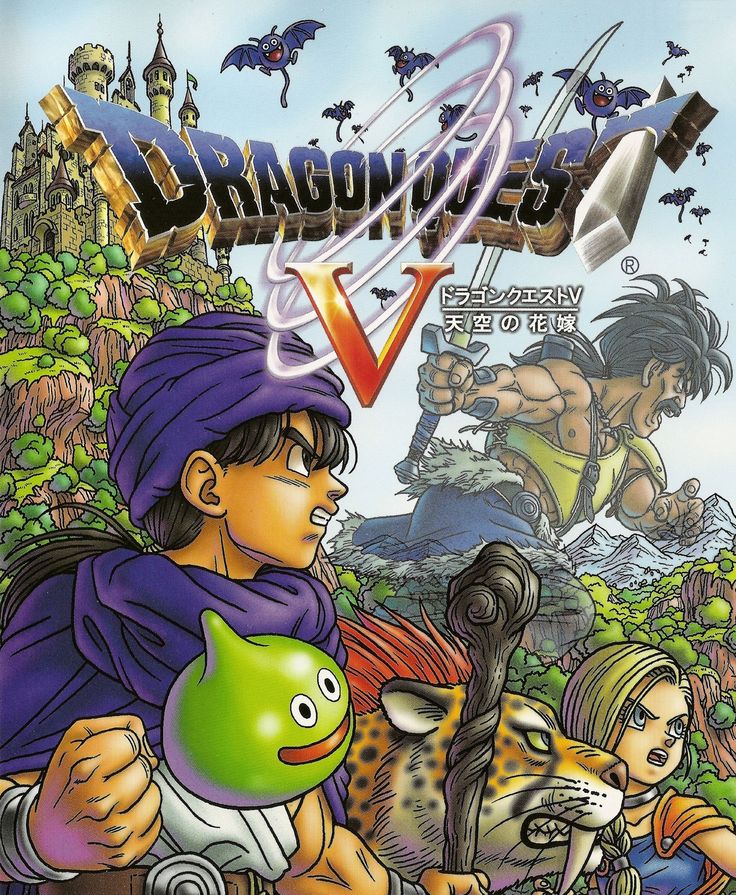
Dragon Quest V (DQ5, Dracula 5) Spoiler Commentary and Discussion
Dragon Quest V: Bride of the Sky" is an RPG software for the Super Nintendo Entertainment System released by Enix on September 27, 1992. It is known as the second title in the "Bride of the Sky" series, following its predecessor, "Dragon Quest IV". The objective of this adventure is to find the "Hero of the Sky," who has been searched for by parents and children for two generations, and to defeat the Great Demon King who sits in the Demon World. This title introduces a new companion monster system, allowing players to incorporate monsters into their party.
Read Article
Dragon Quest VI (DQ6, Dracula 6) Spoiler Commentary and Discussion
Dragon Quest VI: The Land of Illusion" is the sixth title in the Dragon Quest series, released in 1995. The theme of the game is "discovery," and the story follows the protagonists on a "journey of self-discovery," in which they discover their true selves through adventures in two different worlds. The game features a new job change system and a scenario in which the players repeatedly travel back and forth between the two worlds. Along with the fourth and fifth titles in the series, this is one of the "Sky Series" and the final installment in the series.
Read Article
Dragon Quest III (DQ3, Dracula 3) Spoiler Commentary and Discussion
Dragon Quest III: And to the Legend..." is an RPG software for the Family Computer released by Enix on February 10, 1988, and tells the story of the legendary hero Lot, the ancestor of the heroes of the first and second games. Ortega, the hero of Ariahan, set out to defeat the demon king Baramos and disappeared. The hero, the child of Ortega, asks the king to succeed his father and sets off on a journey to defeat the Demon King Baramos.
Read Article
Dragon Quest IV (DQ4, Dracula 4) Spoiler Commentary and Discussion
Dragon Quest IV: The Leaders" is an RPG software for the Famicom (NES) released by Enix in February 1990. While the previous titles up to this one are called the Lot series, this one is the first in the Sky series. The objective of this adventure is to defeat the Emperor of Hell by thwarting Despizarro's attempts to revive him. The eight main player characters are known as the "Guided Ones," and chapters 1 through 4 depict the departure of the companions, with the Guided Ones gathering under the protagonist in chapter 5 to defeat the Demon King.
Read Article
Dragon Quest II (DQ2, Dracula 2) Spoilers and Discussion Summary
Dragon Quest II: Evil Gods" is an RPG for family computers released by Enix Corporation on January 26, 1987, as a sequel to "Dragon Quest I" and set 100 years after Dragon Quest 1. The Prince of Laurecia, a descendant of the protagonist of the previous game, travels with the Prince of Samartoria, also a descendant of the protagonist of the previous game, and the Princess of Moonburg to defeat the evil High Priestess Hurgon.
Read Article
Dragon Quest I (DQ1, Dracula 1) Spoiler Commentary and Discussion Summary
Dragon Quest I" is the memorable first installment of the national RPG "Dragon Quest". It was released on May 27, 1986 by Enix for the Family Computer. It was the first RPG game for the NES. Hundreds of years after the overthrow of the demon king Zoma, the ruler of the world. Alefgard is once again ruled by the Dragon King, and Princess Laura is kidnapped. By order of the king, the hero, a descendant of the legendary hero Lot, sets off on an adventure to rescue Princess Laura as a new hero.
Read Article
Dragon Quest III'' Double Prime Spoilers Summary [Free Game
Dragon Quest III: And to the Legend...", the third title in the Dragon Quest series, depicts the exploits of the legendary hero Lot. Dragon Quest III'' Double Prime, a free game for PC, was created by a fan of Dragon Quest III with a slight rearrangement of the original story's atmosphere. The following is a summary of "Dragon Quest III'' Double Prime," including its synopsis, storyline, and play movies.
Read Article
What is a classic fantasy "elf"! A thorough explanation of their origin, characteristics, abilities, and famous characters!
Elves are a race of people called "subhumans" who often appear in works set in fantasy-like other worlds. Originally a type of fairy in Norse folklore, they were first introduced in works such as "The Lord of the Rings" and "The Chronicles of Rhodes," and their settings were refined over time. Elves have long ears, a lifespan several times longer than humans, and high magical powers as a race. They are nature worshippers and live mainly in forests, and tend to be exclusive toward other races. In this section, we will discuss the elves, who are a standard character in fantasy works.
Read Article
Final Fantasy XIII (FF13) Spoilers and Discussion Summary
FINAL FANTASY XIII (FF13) is the 13th installment of the FF series released by Square Enix for the PlayStation 3 (PS3) and Xbox 360 multiplatforms. It is one of the projects that share the mythological world of FABULA NOVA CRYSTALLIS. Lightning and his team fight against the "god-like" existence Farsi in the two worlds of Pulse and Cocoon.
Read Article
Lightning Returns Final Fantasy XIII (LRFF13) Spoilers and Discussion Summary
Lightning Returns Final Fantasy XIII" (LRFF13) was released by Square Enix in 2013 for the PlayStation 3 and Xbox 360. It is the sequel to "FF13-2" and the final chapter in the trilogy that began with "FF13. Lightning, the protagonist of "FF13," once again takes the lead role and fights to save the people in a world headed toward the apocalypse 500 years after the previous game.
Read Article
Final Fantasy XIII-2 (FF13-2) Spoilers and Discussion Summary
FINAL FANTASY XIII-2" (FF13-2) is a game software for PlayStation 3 and Xbox 360 released by Square Enix in 2011, and is a sequel to "FF13". FF13-2" begins after the ending of "FF13. In this game, Lightning's younger sister Sera, who was the main character in "FF13," becomes the main character and embarks on a journey through time and space with Noel, who has come from the future, in order to correct the distortion of space-time.
Read Article
Summary of Jump's past heroines
Weekly Shonen Jump, the most widely circulated manga magazine in Japan, is at the pinnacle of manga culture in terms of popularity and name recognition, and has produced many masterpieces. As a shōnen manga magazine, most of the main characters are male, but the heroines who support them are also fascinating characters. Some are adults, some are children, some are just protectors, some are sidekicks who fight alongside the hero, some are heroines who have kicked out the regular heroines and are united with the hero, and some are heroines and female protagonists that go beyond the norm of "shōnen manga. Here we introduce some of the heroines who have graced the pages of JUMP.
Read Article
Final Fantasy X (FF10) Spoilers and Discussion Summary
Final Fantasy X" (FF10) is a role-playing game (RPG) released by Square Enix for the PlayStation 2 in July 2001, and is the 10th title in the FF numbering series. One day, Teeda, a young man living in Zanarkand, is transported to the other world of "Spira. Together with Yuna, a summoner he meets there, he embarks on a journey to defeat the threat of this world, "Sin.
Read Article
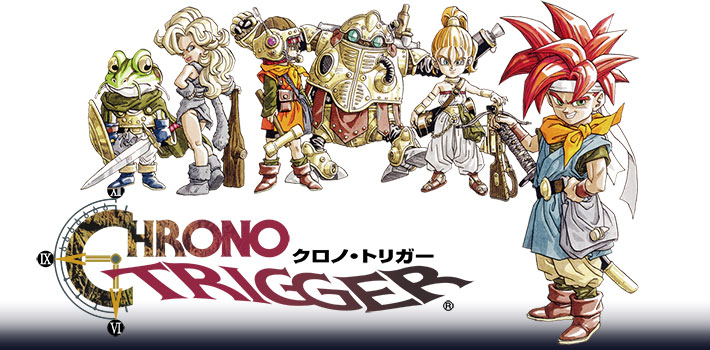
Chrono Trigger Spoiler Commentary and Discussion Summary
Chrono Trigger" is a role-playing game for the Super Nintendo Entertainment System released in 1995. It was planned as a dream project by Hironobu Sakaguchi (Final Fantasy), Yuji Horii (Dracula), and Akira Toriyama (Dragon Ball), and became a hot topic. The main character, Chrono, travels back and forth between the past, present, and future in his quest to defeat the future world destroyer, Lavos.
Read Article
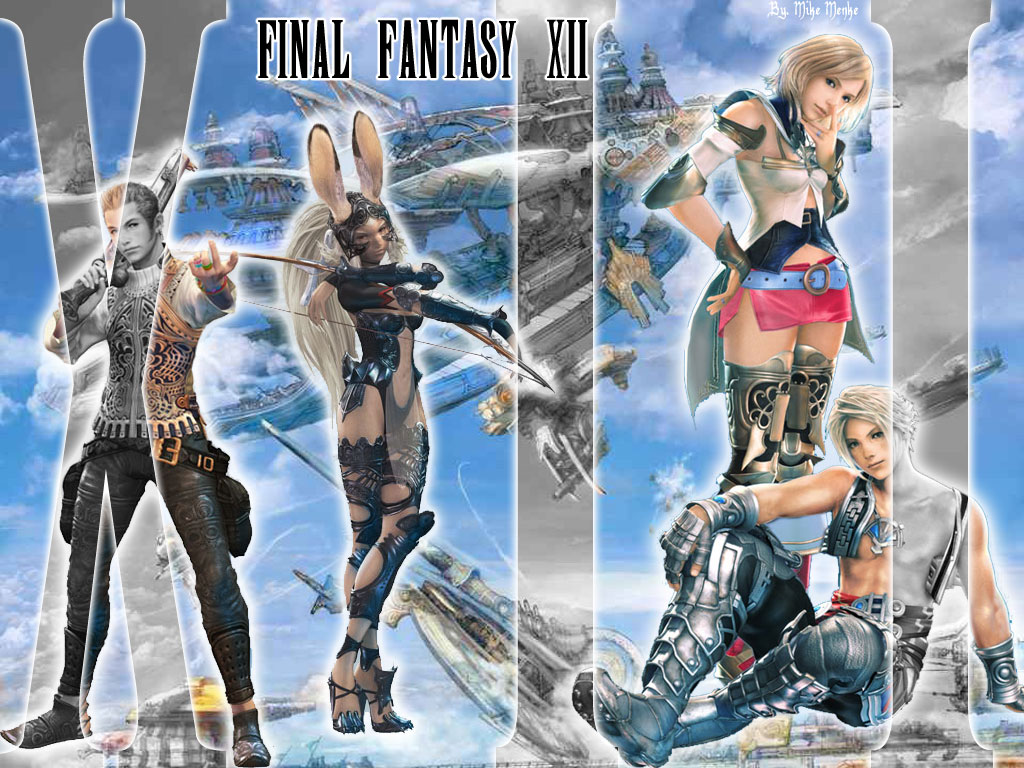
Final Fantasy XII (FF12) Spoilers and Discussion Summary
Final Fantasy XII (FF12) is a role-playing game released in 2006 exclusively for the PlayStation 2 and the 12th in the FF series.On July 13, 2017, a remastered version of Final Fantasy XII The Zodiac Age will be available for the PS4 . Van, a young boy living in a small country under the control of the Empire, gets caught up in a war between major powers when he sneaks into the royal palace for the purpose of stealing things.
Read Article
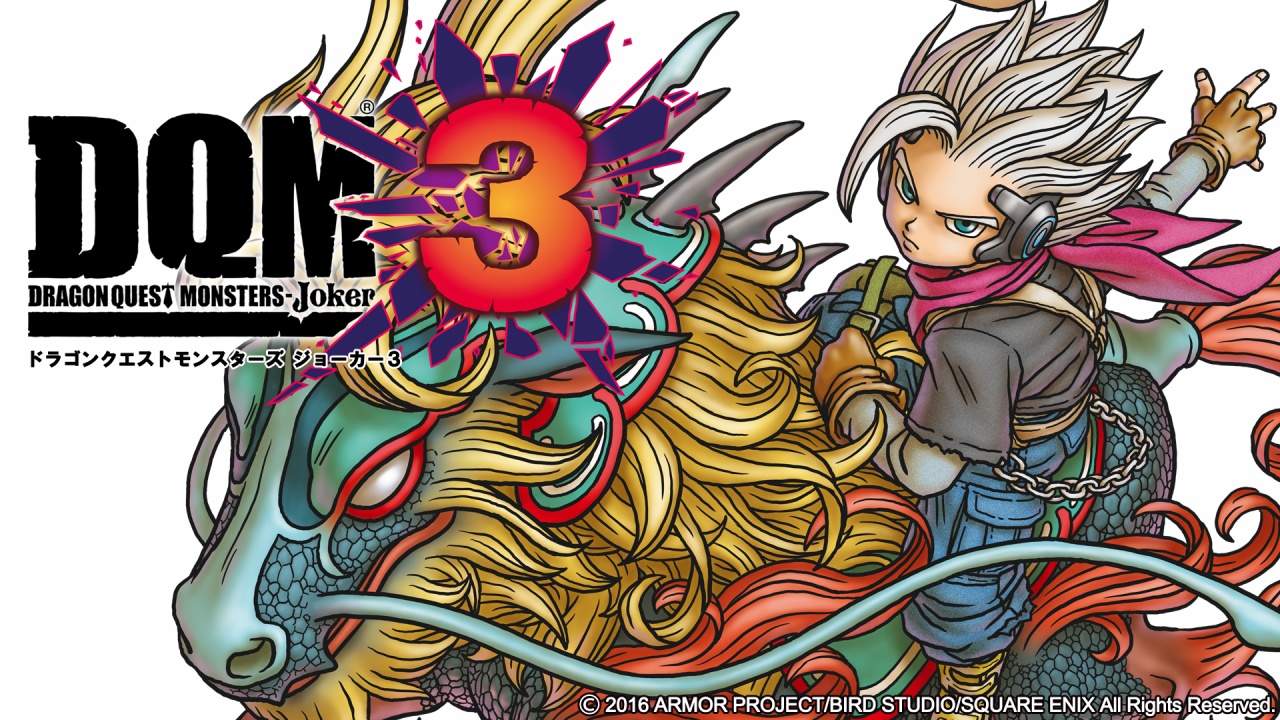
Dragon Quest Monsters Joker 3 (DQMJ3) Spoilers and Discussion Summary
Dragon Quest Monsters Joker 3" is the fourth RPG in the Dragon Quest Monsters Joker series released by Square Enix. In this story, the main character unravels the secrets of his past and the world while scouting for monsters to join him in Breakworld, the setting of the story. New elements have been added, such as the "Ride System," which allows players to ride along with their fellow monsters for the first time in the series. With many connections to the first game in the Joker series, the minor-edition Professional Edition is the finale and conclusion to the series.
Read Article
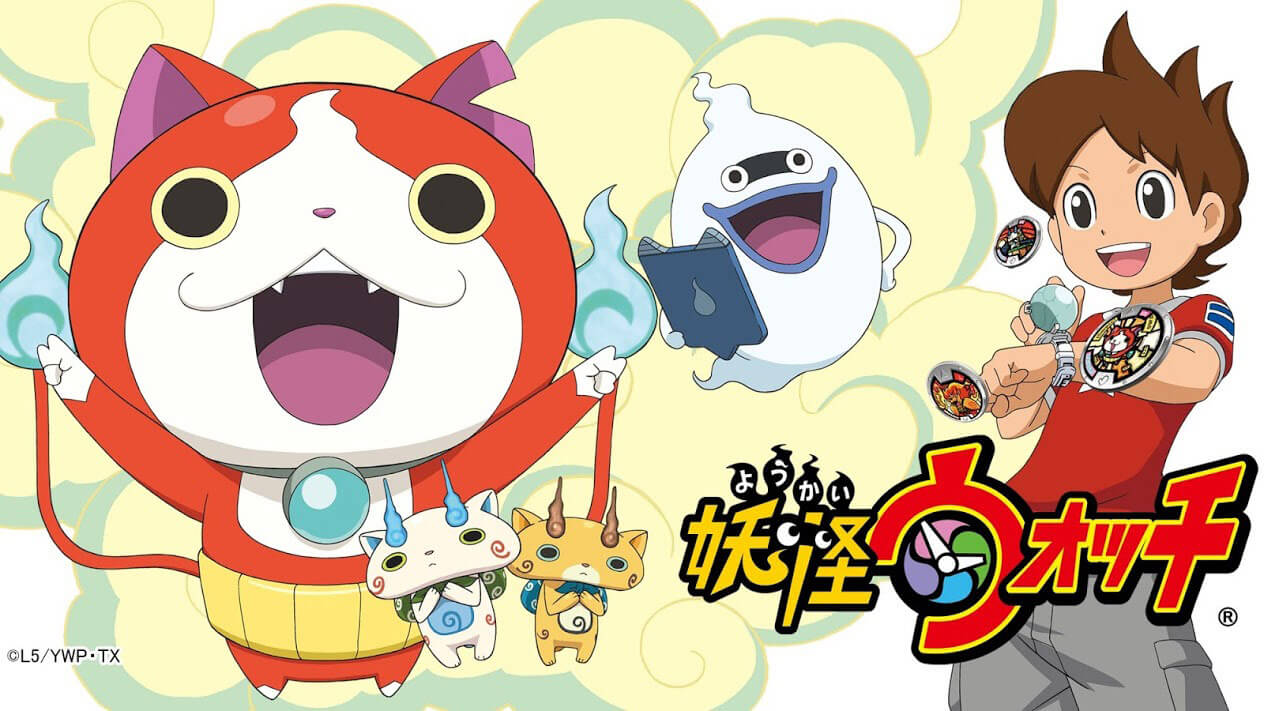
Spoiler commentary and discussion of Yokai Watch (anime and game)
YOKAI WATCH" is a gag anime based on Level-5's video game, which began airing on TV on January 8, 2014. The main character, Keta, an ordinary elementary school student, becomes involved in various "yokai scandals" caused by yokai when he meets the yokai Whisper and obtains a "yokai watch". Keta persuades and fights with these troubled yokai and becomes their "friend.
Read Article
Final Fantasy XII Revenant Wing (FF12RW) Spoilers and Discussion Summary
Final Fantasy XII: Revenant Wing" (FF12RW) is a video game for the Nintendo DS released by Square Enix in 2007. It is a derivative work of "FINAL FANTASY XII" (FF12). This handheld game uses a stylus and is a role-playing game (RPG) that can be played easily. It depicts the new adventures of Van, the main character of "FF12," in the floating continent of Lemraeth.
Read Article
Dragon Quest Monsters Joker 2 Professional (DQMJ2P) Spoilers and Discussion Summary
Dragon Quest Monsters Joker 2 Professional" is an RPG for the Nintendo DS released by Square Enix, based on the previous "Dragon Quest Monsters Joker 2" with minor changes and new elements added. The adventure takes place on an isolated island inhabited by giant monsters. The main character searches for his missing friends, battles giant monsters to escape, and unravels the mysteries hidden on the island. In this RPG, players scout monsters from the "Dragon Quest" series, train and blend them to make them stronger, and defeat enemy monsters.
Read Article
Spoiler commentary and discussion of Danball Senki (LBX)
Danboard Senki" is a cross-media work in which a video game, anime, manga, and plastic model run simultaneously. The main setting is "Tokio City," which is considered to be the capital of Japan in the work, and the story is about the main character, Yamano Ban, who uses a small humanoid robot called "LBX" to fight against an evil organization. The anime is based on the first three seasons of the series, which began with the first season. The anime was produced from the first to the third season, each of which was broadcast on the TV Tokyo network.
Read Article
Dragon Quest Walk (Dracula Walk, DQ Walk, DQW) Spoilers and Discussion Summary
Dragon Quest Walk is a smartphone application for the iconic Japanese RPG game Dragon Quest. It was released in 2019 as a jointly developed title by Square Enix and Coloplast, and is compatible with Android and iOS. It is a location-based RPG in which players hold the device and actually walk around to defeat monsters and progress in quests. It is abbreviated as "Dracula Walk," "DQ Walk," and "DQW. It is a completely independent title from the Dragon Quest series, and the story is independent as well.
Read Article
ドラゴンクエストモンスターズ3 魔族の王子とエルフの旅(DQM3)のネタバレ解説・考察まとめ
『ドラゴンクエストモンスターズ3 魔族の王子とエルフの旅』は、2023年にNintendo Switchでスクウェア・エニックスが発売した育成RPGである。『ドラゴンクエストモンスターズシリーズ』25周年を記念して発売されたタイトルで、『ドラゴンクエストIV 導かれし者たち』で登場した魔族の王子ピサロを主人公としている。ピサロの生い立ちや人間を滅ぼすきっかけとなった出来事がピサロ視点で描かれている作品である。
Read Article
Chrono Trigger magic, single and coordinated techniques summary
Chrono Trigger" was released by Square in 1995. Chrono, an ordinary boy, has a chance encounter with Princess Marle at a peace festival, and eventually begins to travel back and forth between different eras in order to save the world. As the main characters progress through the story, they learn various magic and coordination techniques. Since there are many different types of coordination techniques, one of the main attractions of this game is the freedom to create a party formation that will help the player gain an advantage in battle.
Read Article
Spoiler commentary and discussion of the relationship between FFX-2 "Shinra-kun, the seagull group's information officer" and FF7 "Shinra Company".
In FFX-2, the main character Yuna and her friends Luc and Pine belong to the Seagulls, a group of sphere hunters. One of them, Shinra-kun, an information officer, had an unusual relationship with the Shinra Company of FF7. Shinra-kun had actually accomplished something big. It involved a different story over a long, long period of time. It is not just the similarity of the names, but the backstory revealed by the official. Its contents and explanation.
Read Article
Contents
- Dragon Quest IX: Guardian of the Starry Skies" Overview
- The story of Dragon Quest IX: Guardian of the Starry Skies
- The protagonist falls into the human world
- Ark of the Celestial Masters (ancient Chinese Daoist movement orig. known as the heavenly ark)
- black knight
- The Search for the Fruit of the Goddess
- God's Kingdom
- Characters in Dragon Quest IX: Guardian of the Starry Skies
- key people
- protagonist
- Sandy.
- Isaiah.
- fellow workers
- licker
- Ruida.
- Roxanne.
- Lena.
- Lavielle.
- toad (esp. the Japanese toad, Bufo japonicus)
- Elder Omey.
- aguiro
- Latin (language)
- captain's medal
- Other Persons
- need
- Princess Fione
- King St. Stein
- leo cone
- Meliah Princess
- grandmother
- Grandma Chloe.
- rooffin
- Eliza.
- Dharma Priest
- origga (Origa vulgare)
- a dot (esp. a small dot or dot-like object)
- Labao.
- makina (Brassica rapa var. nipposinica)
- Maurya.
- Queen Ulysses
- zilla
- southern snakehead (species of fish, Channa argus)
- nam-jin
- pal
- pogie
- mozzio (Clausena lutea)
- tir
- grenal (polyvinyl alcohol)
- milo
- Don Yadroch.
- cross
- Angel Realm, God's Kingdom
- Grand Zenith, the Creator God
- Selecia, the Goddess of Mercy
- ruffet
- Ganan Empire
- Dark Emperor Ganassadai
- General Gholeon.
- General Gelnick.
- General Gyumay.
- Barboros the Dark Dragon
- sandonella
- boss character
- bulldog
- Ishdar the Bewitch
- Pandermes lepidermus (ancient Roman god of pandemics)
- master
- stone guardian
- Monstrous poisonous insect Zuo.
- anon
- Sharmana the Spellcaster
- Magic Teacher Elsion
- Large Monster Statue Gadongo
- Fallen Angel Elgios
- Delivery Quest Bosses
- The Demon God of the Ancient of Days
- gang animal
- The king who lost his name
- phorobosita
- Almatra
- Treasure Map Boss
- Kuroryu Maru
- Hanuman
- slime general
- S Killer machine
- ideal dragon (any dragonfish of genus Idea-ragon)
- blood night
- atlas
- Monstrous Sergeant Ivoinos
- Evil eye emperor awlut
- Lepard, the God of Magic Swords
- Phorobos, the God of Destruction
- grenal (polyvinyl alcohol)
- Wi-fi Guest Character
- arena
- couleur
- Barbara.
- Setia.
- Hassan
- cliff
- flora
- cookie
- Jessica.
- purine
- Deborah.
- Molly.
- trode
- Maribel
- miraille
- tornado
- bianca
- key fielder
- Miner
- braai
- Manya.
- Yang gas
- Ryan.
- Game System of "Dragon Quest IX: Guardian of the Starry Skies
- player character
- (computer) command
- Change of jobs and reincarnation system
- warrior
- monk
- wizard
- martial artist
- thief
- itinerant entertainer
- battle master
- paladin
- warrior magician
- ranger
- wise man
- superstar
- super special move
- Super Miracle Zone
- super roulette
- tension master
- high priest's slash
- Guardian of the Spirit
- spectacular show
- Skill System
- status
- item
- Innkeepers in Ricca
- rika (Italian liquor similar to vodka)
- Ruida.
- Roxanne.
- Lavielle.
- Lena.
- toad (esp. the Japanese toad, Bufo japonicus)
- moving screen
- battle
- spell
- mela spell
- Io spell
- Baggy spell
- Hyad spell
- dolma-based spell
- Zaki-style spell
- megane
- madante
- whimsy spell
- Zaoral spells
- Abnormality recovery spells
- Lucani-type spells
- Rariho type spell
- mahotone
- Medapani spell
- divine spell
- scalar spell
- bichirrhite
- Hennatos.
- mahoganta
- Mahobarrier spells
- Bahá'í Spells
- Piola spell
- Bomie spell
- tra manna
- relaymito
- ruler
- special skill
- dragon slash
- metal cutting
- Miracle Sword
- cutting a thin object (e.g. vegetable stalk) at a 45 degree angle
- gigaslash
- eighth lunar month
- seventh lunar month
- first lunar month
- flash of lightning
- fifth lunar month
- poison dagger
- killer boom
- Thanatos Hunt
- assassin attack
- vampire edge
- wand used to ward off evil
- exorcism
- staff of blessing
- spiral strike
- whip
- binding arms behind the back
- sleep deprivation (as a form of torture)
- heelwhip
- killing two birds with one stone
- tripping up
- exorcism
- mowing down
- Freeze-fire Revolt
- wing brow
- clenched fist
- nail scratch
- tiger claw
- goldfinger
- falling cherry blossoms
- exhaling in rapid succession
- ripple effect
- love affair with beautiful women
- type of longevity celebration for a wrestler beside the ring before his retirement from the tournament
- eradication of (sources of) trees
- blue sky magic slash
- portable painting used as part of the backdrop (in kabuki, etc.)
- magic clippings
- Ono-Tsumari (variety of rice)
- heartbreak
- gold hammer
- last batter (baseball)
- drum crash
- land impact
- cross cutter
- Powerful Slow
- slime brow
- shines call
- burning bird
- metal wing
- magic arrow
- bird chute
- needle shot
- random pounding (e.g. on a drum)
- Angel Arrow
- throwing stone
- cut caused by whirlwind
- regular fist bump
- the right to revenge
- loss of eyesight
- shield attack
- great defense
- big shield
- Mirror Shield
- shield
- the point of a sword
- support
- take under one's wing
- whistle
- ramming (suicide) attack
- lost attack
- smashing an arrow (into a shell)
- divine grace
- purification
- zombie guard
- Protection of the Saints
- Holy Prayer
- magic circle
- eerie light
- concentration of mind
- gain (improve) one's power or strength
- war cry
- save (i.e. in a bank)
- indomitableness
- clearing one's mind of all mundane thoughts
- misconception
- steal
- pitfall
- the nose of a thief
- see through
- game involving finding hidden prizes from a sand box, barrel of leaves, etc.
- Japanese traditional performing arts (e.g. shamisen, koto, dance, etc.)
- funny man (of a comedy duo)
- retort
- tap dance
- glitter juggling
- marriage vows
- at the risk of one's life
- cutting in two
- unpreparedness attack
- tension burn
- Force-based specialties
- calm
- overlook
- stealth
- fog of protection
- attack by wolves
- Dharma Satori
- welcome rain
- freeze (in fear, surprise, etc.)
- "Satoru Mystery Satori" (Japanese religious group founded in 1924)
- physical defense (defense) of a sword
- HP passer
- MP Purser
- sacrifice (of, to)
- imposing stance
- torture in which the victim is bound and gagged with their signature
- Calling Backup Dancers
- scandal
- make-up
- spotlight
- multiplayer
- operability
- quest
- Wi-fi Quest
- Book of Adventures
- treasure map
- Weapons in Dragon Quest IX: Guardian of the Starry Skies
- sword (originally esp. a doubled-edged sword)
- sword of the Dao (as opposed to the sword of the Taira Clan)
- Hayabusa no Ken
- Soldier's sword
- rapier
- Hayabusa no Kenkai Kai
- iron tsurugi
- rusty sword
- Shaisha no Tsurugi (the sword of the Imperial regalia)
- steel sword
- platinum sword
- three-handled saber
- steel made from iron sand or black sand (used in sword blades)
- Sword of the Warrior
- valkyrie sword
- Makenzhi's rapier
- sword of light
- Dragon Killer
- wizard's sword
- twenty-third of the sexagenary cycle
- dragon slayer
- armour of the gods
- inferno sword
- Sword of Metathras
- Hagure Metal Sword
- Sword of the Metal King
- stardust sword
- Grim Reed's Torture (tantric Buddhist deity)
- Lotho's sword
- sword of the Spirit
- Ginga no Tsurugi (alternate name for Ama-no-Murakami; the sword of the Imperial regalia)
- spear
- bamboo spear
- iron spear
- longspear
- steel spear
- holy lance
- battle fork
- spear with curved cross-blades
- spear of the Sazhin sect
- partisan
- trident
- divine spear
- halberd
- spear of lightning
- Gracos' Javelin
- demonsphere
- spear of a god-like creature
- hero's spear
- Methuselah's spear
- Dungeness crabapple (Metacarcinus magister)
- Metal King's spear
- nervous breakdown
- fantasy
- Yama'sama (as protector deity of the south in esoteric Buddhism)
- an incarnation of Hell
- stiletto
- stinger (of a bee, etc.)
- killer earring
- Fruit knife
- bronze knife
- Sacred Knife
- poisoned knife
- butterfly dagger
- sheaves knife
- assassin's dagger
- night papillon
- gleaming sword
- swordbreaker
- soul breaker
- Fenrir's Fist
- gladius
- Little Dagger
- salamander
- Thousand Dagger
- million dagger
- billion dagger
- trillion dagger
- cane
- walking stick (which is used to ward off calamities)
- magic wand
- wand of a sorcerer
- sword cane
- Stross's staff
- staff to which shields are attached to make a go-hei
- long-handled Chinese spear bearing a small flag
- anger vein (stylised)
- magma wand
- staff with plaited paper streamers
- staff to which one is attached to make a visiting pilgrimage
- loan staff (e.g. from a parent or related organization)
- sword of magic
- Wizard Staff
- magical mace
- Miracle Mace
- Ganin's dolphin (Ganin's dolphin, Ganin's tamarisk)
- stick used to ward off calamities (usu. made of holly olive oil)
- person who can make a lot of money (e.g. from a large rock)
- wand of light
- The Dragon's Staff
- brightly shining wand
- pencil (of a compass, etc.)
- Aurora's staff
- whip
- whip (often used as a metaphor for something that does not exist)
- thorn in one's side
- battle ribbon
- snakeskin whip
- chain cloth
- lash
- iron whip
- sidewinder (missile)
- dragon tail
- iron whip
- bulletproof whip
- the devil's own whip
- the Queen's Whip
- arch-villain's whip
- buster whip
- The Whip of the Empress
- culverobute
- Goddess Whip
- Gringham's whip
- Continuing Gringham's Whip
- True Gringham's Whip
- Super Gringham's Whip
- cudgel
- pole on which to hang laundry for drying
- shoulder carrying pole
- kashikone root
- iron wedding (anniversary)
- mainstay (e.g. of an economy)
- steel wedding
- divorce of a couple who have been married for a long time (often brought on by retirement of the husband)
- steel wedding (anniversary)
- doze
- irrationality
- rainbow rod
- marriage of a dreamer (esp. a dreamer who dreams of having children)
- old person's hat
- squall rod
- tempest rod
- dragon rod
- Shenron rod
- oligarchic root
- scene of carnage
- marriage vows
- Bhavati (Amitabha's Pure Land)
- divorce of a unmarried woman
- close up (editing mark)
- claw of a stone
- iron claws
- steel hook
- claws of steel
- claws of protection
- steel-blue claw
- HAYABUSA's claws
- drill knuckle
- hyperdrill
- Steller's sea eagle claw
- Garuda's claw
- dragon claw
- Scarlet's claws
- claws of evil
- claws of iron
- Satan Nail
- claws of a devil's claw
- long claws (like those of a sword blade)
- claws of orichalcone
- Claws of the Dragon King
- jaws of the Dragon
- Claws of the Dragon King
- Claws of the divine dragon
- folding fan
- king of feathers
- iron helmet
- battle fan
- steel crown
- Four Pungent Truths (of Buddhism)
- unicorn-shaped fan-shaped object
- tortoise shell
- fan of the tiger (esp. the red lion, Panthera tigris)
- clay bed-warmer (cylindrical with holes in the sides, containing a braided cat's claw)
- snakeskin
- fan painted with a tornado (i.e. a grapevine)
- a Buddha figure of Genbu no Ukiyo
- Vespula flaviceps (species of yellowjacket)
- itinerant monk being on pilgrimages to many lands
- Lord of Sterling's Supper
- Star Festival (one of the five annual festivals)
- Tsuki no Ukihi (the god of the moon in Shinto and mythology)
- White bouquet
- sunshade
- camel toe (i.e. female genitals visible through tight clothing)
- as fast as the wind, as quiet as the forest, as daring as fire, and immovable as the mountain
- falling written in red ink
- fan-tailed goddess of autumn (esp. the African lily, Agapanthus africanus)
- long-winded speech
- centrist
- ono (edible plant, Allium cepa)
- Golden Horn (used as a metaphor for things that do not exist)
- iron axe
- steel axe
- battleaxe
- moon axe (ax)
- steel machete
- king axe
- full moon axe
- master's axe
- Kaiser axe
- machete
- Bubuki no Hono
- Hauou's axe
- blizzard axe
- you of all people
- great axe
- giganto-axe
- Gravity Axe
- god axe
- hammer
- mixed spinning
- large hammer
- giant club
- warhammer
- gigantic spanner
- hammer of a claw or hammerhead (used to strike, strike, etc.)
- Warhammer Revision
- resolute determination
- making a strong person even stronger (like giving a metal rod to an ogre)
- Gaea's iron fist
- giant hammer
- Atlas hammer
- megaton hammer
- superhuman (Herculean) sword
- Gigacrusher
- earth-moving
- continental bomb
- plate pelletizing
- shrunken shroud
- boomerang
- boomerang
- Yaiba boomerang
- high boomerang
- cross boomerang
- forward boomerang (ballistic missile)
- wing edge
- twin swallowtail butterfly
- crescent edge
- victory edge
- Boomerang of the wind
- eagle feather
- Hoho boomerang
- hurricane edge
- flame cutter
- pentagram
- hexagram
- meteor edge
- comet edge
- supernova
- hypernova
- bow (and arrow)
- short bow
- longbow
- crossbow
- bow of a desperate hope
- hunter's bow
- bowing while the wind blows
- sniping bow
- bow of a storm
- Chiron's bow
- big bow gun
- cyclone bow
- infinite bow
- bow of infinity
- bow of the earth
- Odin bow
- Angel Bow
- Archangel's Bow
- cherubim's bow
- Seraphim's bow
- Armor for Dragon Quest IX: Guardian of the Starry Skies
- shield
- locking arms around an opponent and pushing him out of the ring
- pot lid
- leather shield
- scaly shield
- rusted shield
- bronze shield
- silver tray
- red-whiskered bulbul (Pycnonotus jocosus)
- gold tray
- iron shield
- light shield
- kitten shield
- Platinum Tray
- steel shield
- steel shield made from iron sand or black sand (used in sword blades)
- cat girder
- Platinum Shield
- magic shield
- flames of passion
- ice shield
- sacred shield
- White Shield
- Warrior Shield
- Genma's shield
- Dragon Shield
- wind shield
- genital shield
- force shield
- power shield modification
- dark shield
- one's boss's shield
- mirror-shaped shield
- ogre shield
- shield of a great-grandfather
- Shield of the Saints
- Metal Slug Shield
- Shield of the Goddess
- shield made of stray metal
- Metal King Shield
- Lot's shield
- Ring Shield
- English shield
- Moebius strip
- Ouroboros Shield
- head
- tree hat
- turban
- steel helmet
- feather duster
- gilt hair ornaments
- hood made of fur
- pointy hat
- bandana
- hair band
- leather hat
- Stylish bandana
- circlet
- band
- cat ears
- Sacred Carrot
- witch's turban
- Bandana of Shippu
- gold jewellery
- Circlet of the Golden Circlet
- kerchief band
- beaver hat
- great one-horned hat
- turban in the shade
- magical hat
- intellectual hat
- healing spectacles
- slimehead
- circlet of tips
- butterfly mask
- slime crown
- iron surface
- Carrot of Shinpi
- Minerva Mitre.
- Papillon Mask
- steel helmet
- hunter hat
- Magical Hat Modification
- black-market turban
- Brillian hat
- Shapka of Warmth
- Dragon Warrior's Headwear
- hatchet
- The Hat of Happiness
- warrior's armour
- a well-consideredかぶ
- star hat
- Orange Ribbon
- platinum head
- Tiara of the King
- steel helmet
- silver-plated champron
- coarse mask
- intellectual crown
- chain food
- rusted beards
- double-headed buzzard (Buteo rufinus)
- headband
- Satan Helm
- Helm of the Beef
- spring wind hat
- angel's walking stick (tree) (Aralia elata)
- Miss Thrill Food
- the crown of one's head
- towel twisted around one's head in summer
- fall rain hat
- mithril helmet
- winter weather hat
- Great Helm
- ancient and powerful person's helmet
- buffalo helmet
- skull and crossbones
- kanji "sun" radical at top
- Metal Slug Helm
- Apollo's crown
- a helmet made out of clay figurines and worn by the nobility in ancient Japan
- Phantom Mask
- headdress
- Lost Metal Helm
- Metal King Helm
- helmet of Lotto
- small, puffed-up head of clothing worn by soldiers, students, etc. (Meiji period)
- armour made of jewels
- bolt from the giblets
- Body (top)
- leather armour
- armour of scales
- chain mail (armor, armour)
- armor of righteousness
- iron helmet
- iron armor (armour)
- tortoise shell
- hookah
- gilt-edged sword blade
- rusted armor
- steel armour
- tortoise armor
- armour plate
- steel armor (armour)
- magic armour
- goldmail
- armor of a dragon warrior (armour)
- armor of a (sword) sheath
- amazoness chain
- warrior's armour
- armour of a saint
- Platinum Mail
- Dragon Mail
- combat armour
- combat mail
- armour of the gods
- Genma's armour
- holy chain
- chain dress
- mirror armor
- armour of the gods
- armor of the veterans
- giganto-armor
- reflective armor
- Metal Slug Armor
- armor, helmet-style, metal armor (armour)
- metal king armour
- suit of armor
- armor of Lot
- glory armour
- legendary armour
- armour of mythology
- Angel Clothing
- cloth of a cloth
- Traveler's Clothes
- leather dress
- uphill racing
- leather cloak
- elcion blazer
- White T-shirt
- flamboyant clothes
- Dancing Clothes
- dodgy clothes
- Young grass colored dress
- above the line
- poncho
- clothing designed to hide one's true colors
- Stylish suits
- sequined dress
- T-shirts with skulls
- velvet cloak
- Slime Clothing
- bunny suit
- summer dress
- small striped T-shirt
- Noble Cloak
- above the constitution
- dancing clothes
- Tuxedo of Light
- dress of light
- Fur vest
- sunset
- Dancer's shirt
- Doriko Dresses
- Dragon's Thumb
- imitation leather jacket
- Tunic of Gizoku
- Quilts of the Earth
- Dragon Suit
- cloak of Shikoku
- Hideous suits
- colorful tutu
- jaguar dress
- samurai code of chivalry
- bourgeois dress
- Starry suit
- rainbow tutu
- toga in the sky
- mantle of a Buddhist monk
- heavenly toga
- Oosora no toga
- complete toga
- silk robe
- Yasuragi no Robe
- Clean vest
- Hypnos gown
- magic square
- Clothes for the bewildered and the bewildered
- witch's clothing
- eventful times for a Buddhist priest
- double weaving
- laws of nature and justice
- Mysterious Bolero
- food served in such a manner
- right and (or) wrong
- angel's feathered robe
- law of the raw material world (i.e. freedom of speech)
- straw robe worn by military officials with a round collar, unstitched open sides and no ran
- witch's robe
- apron for newcomers
- Prince Court
- princess robe
- silk floss robe
- cloak of the most beautiful woman
- king coat
- Quinlobe.
- cloak of satori
- Satori dress
- the object of one's desire
- back in the days of Seresia
- emperor coat
- empress robe
- Dragon Robe
- Angel Robe
- linen robe of selesia
- Archangel's Robe
- fencer coat
- fencerdress
- Shenglong Robe
- cherubim's robe
- Seraphim's Robe
- Dangerous swimsuit on
- safety bustier
- boiler belt
- maid uniform
- head over heels in a swimsuit that shouldn't be worn
- Silk bustier
- skeleton suit
- on the verge of a swimsuit
- wedding dress
- White Tuxedo
- Santa Girl Clothing
- Santa's Clothes
- suit which can be worn by a member of the same family or group
- bustier of Shinpi
- arm
- leather trowel
- iron brace
- ginkgo (ginkgo) list
- steel hands
- magic wand
- rusty iron
- Dragon Warrior's trowel
- Amazon's trowel
- steel made from iron sand or black sand (used in sword blades)
- warrior's allowance
- small shovel or trowel used in gardening
- over-the-counter payment
- light gauntlet
- the letter of resignation
- metal grab
- list of indebtedness
- middle gauntlet
- sleeveless robe worn by military officials with a round collar, unstitched open sides and no ran
- heavy gauntlet
- Metathlon trowel
- Haguer Metals' trowel
- Metal King's trowel
- Kagutsuchi's trowel
- Lotto's trowel
- Tsukuyomi's trowel
- Susanoo no Trowel
- Amaterasu's arm
- cloth gloves
- early-morning attack
- leather gloves
- Gorm's gloves
- traveler's gloves
- Blue Globe
- Warrior Gloves
- Stylish gloves
- archer's gloves
- swordsman's gloves
- locked glove
- one-armed glove
- thimble glove
- pouch for wiping one's hands with a kifuji
- glove with heat
- Globe of the Old Strong
- small pouch containing a paper charm or talisman
- magical mittens
- glove for newcomers
- Queen's gloves
- open finger
- opening glove
- mummy's gloves
- gloves of hardship
- Mittens of darkness
- Mittens of Yamiwada
- matador grab
- gloves made from the skin of one's opponent
- master handbag
- master gloves
- paper gloves
- Body (lower)
- cloth pants
- rowing downhill
- iron knee pads
- underhanded
- waders
- El Sion Lisbon
- pants with magical powers
- steel knee pads
- florid pants
- blue jeans
- under construction
- crematorium pants
- jodhpurs
- sleek and modern Pao
- deep-dyed leather pants
- Dragon Warrior Pants
- wanderlust pants
- knee protector
- Swordsman's Pants
- woven-string pants
- under the Dragon's Thumb
- battle pants
- samurai code of chivalry
- pants worn by women as a diversion (judo, kendo, etc.)
- unequal pants
- incapacitated pants
- sweat pants
- absolutely necessary pants
- rolling something thinly (i.e. a cigarette, a thin roll of makizushi, etc.)
- red skirt
- spring-colored skirt
- dress skirt
- elcion skirt
- denim skirt
- blue skirt
- magical skirt
- checked skirt
- sea breeze skirt
- Angel Tights
- red tights
- green tights
- white tights
- transparent tights
- tights for newcomers
- protective spat
- steel-plated spats
- Dangerous swimsuit bottom
- pants with thick soles to make one look taller
- blueguard
- boomerang pants
- bottom of a bad swimsuit
- victory pants
- blackguard
- under a severe swimsuit
- knee-high socks
- fishnet stockings (tights)
- ruffled pants
- Amazons bottom
- skeletal tights
- chain knee-high socks
- White slacks
- Santa's pants
- pirate's pants
- leg
- Angel Boots
- leather boots
- Gorm's long boots
- iron greave
- engineering boots
- boots of purity
- pointy boots
- Boots with a taciturn face
- Karuwazashi's Boots
- Glebe of steel
- Warrior Boots
- Amazonian boots
- rough boots
- Western boots
- Hayate boots
- quiet boots
- spike legers
- Stylish boots
- Dragon Warrior Boots
- yellow-green tungsten
- Holly Greve.
- Chie's Boots
- Shinkan boots
- witch's boots
- hardy rubber boots
- Boots of the Boots of the Boots of the Boots of the Boots of the Boots of the Boots
- Boots of Storm
- Old Strongman's Boots
- Boots of Satori
- Metal Slug Boots
- Lost Metal Boots
- Eiyu boots
- Metal King Boots
- Oja boots
- Sulfur boots
- Tentei's Boots
- sandal
- leather shoes
- high-heeled shoes
- wooden shoes
- iron geta
- chamois
- Nice sabo
- safety shoes
- stiletto (high heels)
- Allen's shoes
- White shoes
- Sandals of Mamidoshi
- Cool mules.
- kung-fu shoes
- perfect shoes
- Uma sandals
- The Shoe of Happiness
- Quinn heel
- mortarboard
- shoes with thick soles to make one look taller
- loafer
- Enameled shoes
- muddy shoes
- white enamel shoes
- enamel heel
- Western-style shoes
- Rise Sandals
- Oberon's Boots
- Shinto sandals
- Eichi's sandals
- Idea sandals
- Accessory
- Accessories to increase attack power
- Accessories to increase defenses
- Accessories to increase speed
- Accessories that increase magical power
- Accessories that help you recover
- Accessories that are resistant to abnormal conditions
- Cursed accessories
- Proof of Occupation
- Items from Dragon Quest IX: Guardian of the Starry Skies
- recovery item
- priest in charge of a temple's clerical duties
- rank-and-file wrestlers in the highest division
- disdainful
- drug addict
- vase used to hold flower offerings (often made of gilded copper)
- (something that seems) likely to be better than it really is
- exclusive (e.g. to a magazine)
- full moon
- telling someone to do something
- grace of the moon
- Tin of Angels
- panacea
- supernatural medicine
- The World Tree Faction (of the Imperial Japanese Army)
- The World Tree Drops
- magic water
- the prosperous inevitably decay (from the Humane King Sutra)
- elvish medicine
- Movement items
- welfare
- Chimera's Wings
- keepsake (not from a dead person)
- Combat Items
- boasting of one's own faults
- still cotton
- dream flower
- waking flower
- funny medicine
- bombshell
- Happy Cracker
- philosopher's stone
- seed
- the elixir of life (i.e. the will to save all living things)
- capriciousness
- source of power
- source of utility
- source of quickness
- talisman
- Elixir of Elixir (title bestowed by the Buddha on all living creatures)
- source of religious inspiration
- skill seed
- Other Items
- Gubiana ulmoides (species of peacock cichlid from Lake Malawi)
- Gubiana encyclopedia
- gubianization
- Small medal
- Aguilo Whistle
- Terms for Dragon Quest IX: Guardian of the Starry Skies
- angel world
- Wollo Village
- Xagona Ruins
- St. Stein
- Stein Lake
- Elaphita Village
- Rudiano.
- Bexelia.
- The Sealed Holland
- The Island of Ayurdhama
- Temple of Dharma
- Tower of Dharma
- Tso's Beach
- Cave by the Sea
- blue-green algae (esp. Microcystis spp.)
- anchorage
- Karakota Bridge
- Mount Vitali
- sunset morpho (butterfly, Morpho hecuba)
- Saint Malou North Cave
- guviana
- Gubiana Underground Sewerage System
- isle of rain
- Cliffs of Ongoli
- Settlement of Calvado
- Kazucha Village
- Elsion Academy
- Elsion Underground School Building
- Village of Nazam
- Cave of the Monster
- Dragon's Gate
- Village of Dormir
- Domyr Volcano
- Cades Prison
- Ganan Imperial Castle
- Closed Prison
- God's Kingdom
- The Demon Palace of Despair and Hatred
- Tower of Alma
- 『ドラゴンクエストIX 星空の守り人』の日本版・海外版の違い・相違点
- Dragon Quest IX: Guardian of the Starry Skies" Backstory, Trivia, Minor Stories/Episodes, Anecdotes
- まさゆきの地図
- 「エルきもす」と呼ばれたエルギオス
- Theme song and insert song for Dragon Quest IX: Guardian of the Starry Skies
- OP (Opening): "Overture IX
- ED (Ending): "To the Starry Sky" "Guardian of the Starry Sky
- BGM in the angel world: "Heavenly Prayer
- BGM of Ricca's Inn: "Barroom Polka".