
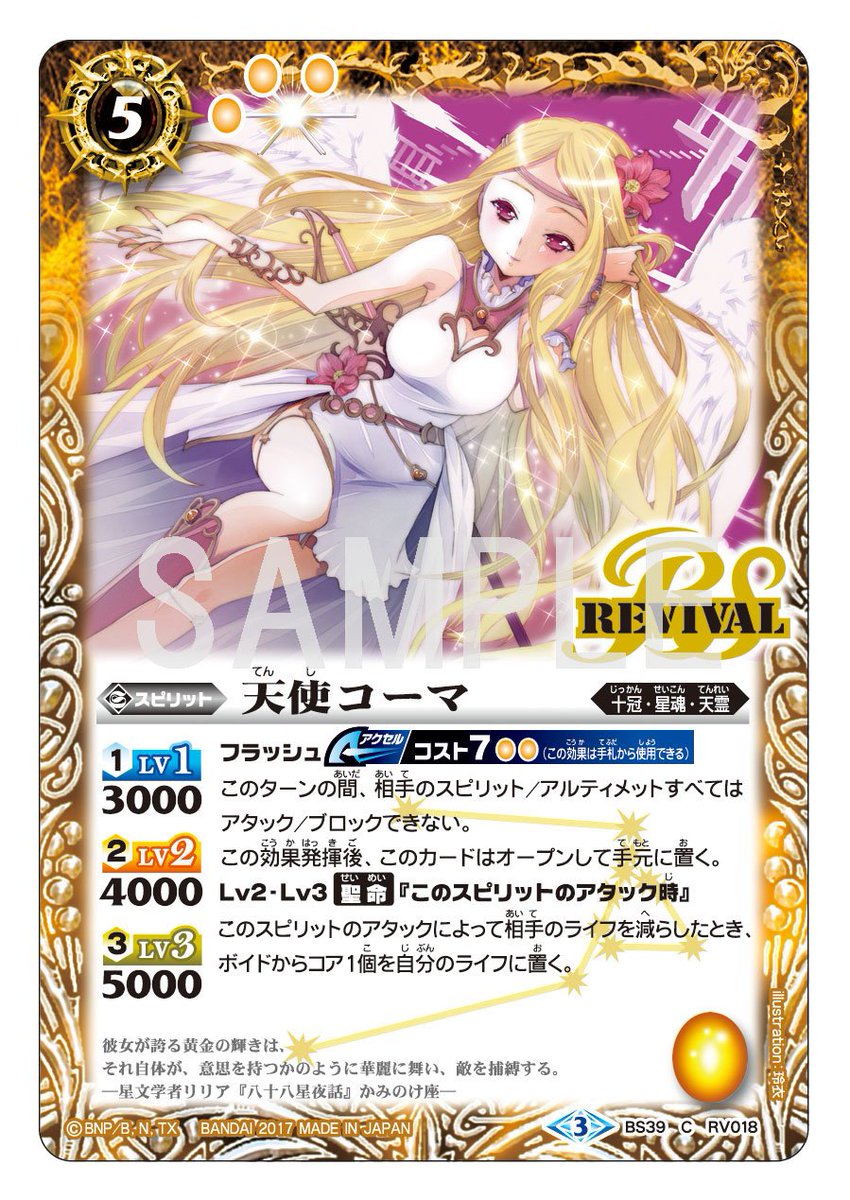
Cards in "Battle Spirits" belong to one of six attributes. Cards of "Yellow" are characterized by the presence of many angels and legendary creatures, and by their ability to make tricky moves through magic-using tactics.
Here we have compiled a list of versatile "Yellow" cards recommended for beginners.
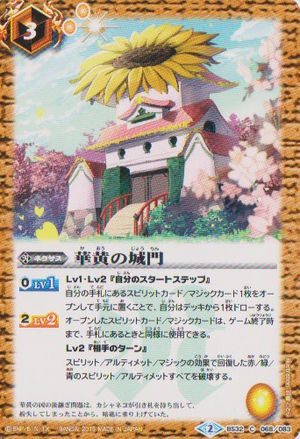
Huahuang Castle Gate
Source: supicon.ocnk.net
Just open, one draw per turn.
A convenient nexus that can be used.
Level 2 effect.
It's pretty good because it's decent.
Normal in storage.
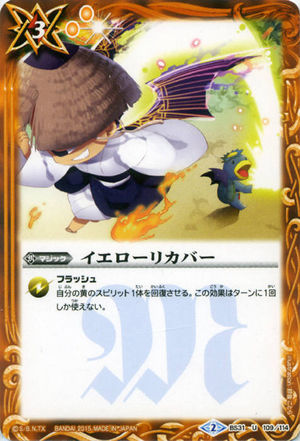
Yellow cover
Source: batspi.com
Once in a turn;
Recovery at least one cost Magic is pretty useful.
Easy to enter ディーバー, etc., yellow deck
It goes relatively well with any deck.
Normal in storage.
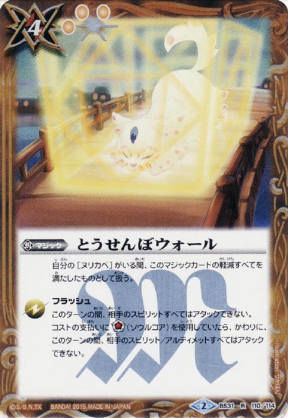
Tokyo Senbo Wall
Source: image.search.yahoo.co.jp
Magic like yellow silent wall.
Although it is weak in resistance to effects such as armor, it is often reduced.
Easy to use on the yellow deck. Even without ヌリカベ
Enough to use.
The price is around 200 yen.
Symphonic burst
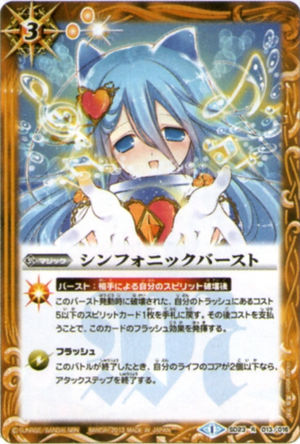
Source: p.twpl.jp
Yellow Defense Number Two.
It is backward compatible with Thunderwall, and burst
The effect is easy to activate.
The price is around 400 yen.
Twilight, the Heavenly Sword of Dreams - FANTASIA
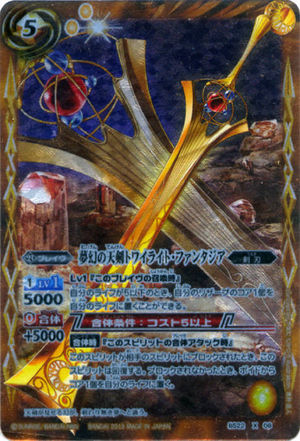
Source: batspi.com
Yellow Sword Blade.
ディーバー and other cities
It can be used on the yellow deck.
The savings are small relative to cost.
It works accordingly.
The price is around 300 yen.
ヒメネコ
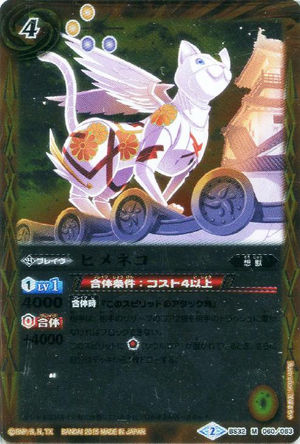
Source: www.torecolo.jp
Unblockable & Symbolic at Low Cost
Fearsome Brave.
On top of that, it can draw.
It has a lump-like performance.
The price is around 500 yen.
Shiyu
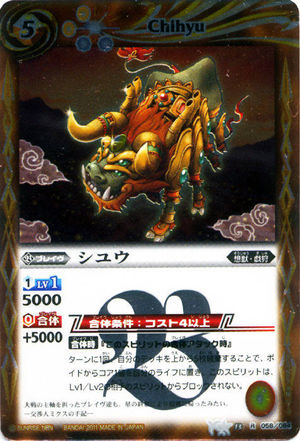
Source: batspi.com
Yellow unblocker blue added.
More expensive than ヒメネコ, draw
I can't, but I can recover my life.
The price is around 50 yen.
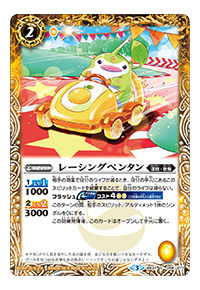
Lacing pentane
Source: battlespirits.com

Related Articles
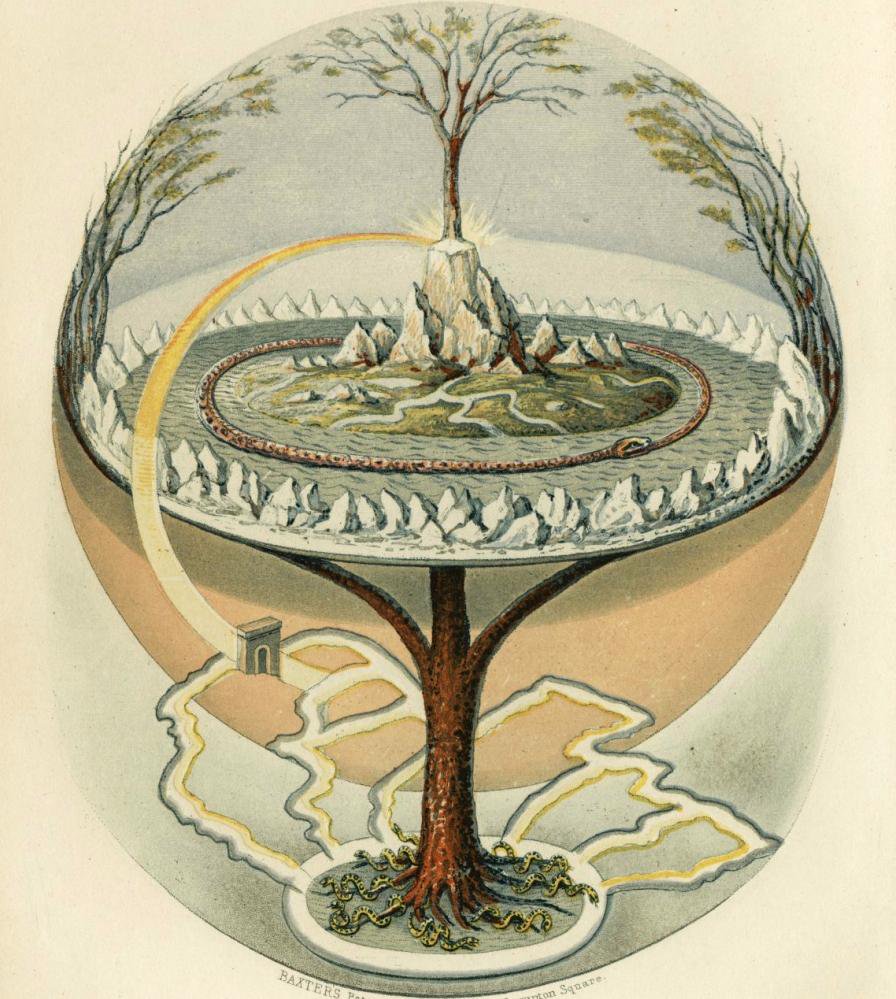
A thorough explanation and discussion of Norse mythology! Interesting and easy to understand!
Norse mythology is a mythological system that was believed by the Norse people before the spread of Christianity. It is also called Scandinavian mythology because the Norse had the Scandinavian Peninsula as their sphere of influence. The myths were passed down orally, but around the 13th century, the Icelandic poet Snorri Sturluson compiled them into a book titled Edda. The story depicts the rise and fall of gods whose "doom of destruction" has been decreed, and many of the episodes have a dark overall impression. The story as a whole is highly accomplished, and it is often used as a subject in modern creative works such as comic books.
Read Article
![Battle Spirits] A summary of red cards recommended for beginners in Bat-Spirits! Characterized by high versatility](https://renote.net/files/blobs/proxy/eyJfcmFpbHMiOnsiZGF0YSI6NjAyMzM3NywicHVyIjoiYmxvYl9pZCJ9fQ==--924a6d09284b1151974688d5dba8642d6fddfced/batosupiaka.jpg)
Battle Spirits] A summary of red cards recommended for beginners in Bat-Spirits! Characterized by high versatility
Cards in "Battle Spirits" belong to one of six attributes. The "Red" attribute is dominated by dragons, which are good at attacking. They can also destroy and draw when attacking. Here is a list of versatile "Red" cards recommended for beginners.
Read Article

Summary of the top environmental decks in Battlestar Spirits [Battlestar Spirits Commentary].
Battle Spirits" is a trading card game in which players build a deck of five different cards and play one-on-one or two-on-two. The game is so popular that tournaments and store battles are held frequently. The following is a list of decks that are active in the environment, divided into three groups: First Army, Second Army, and Third Army.
Read Article
![Battle Spirits] Summary of Green Cards Recommended for Beginners in Bat-Spirits [Versatile!](https://renote.net/files/blobs/proxy/eyJfcmFpbHMiOnsiZGF0YSI6NjAzNjU4OCwicHVyIjoiYmxvYl9pZCJ9fQ==--90922fc9ec9d7f85c7b01eaf1a29217ba76a79de/batosupimidori.jpg)
Battle Spirits] Summary of Green Cards Recommended for Beginners in Bat-Spirits [Versatile!
Cards in "Battle Spirits" belong to one of six attributes. The "green" cards are mostly insects and beasts, which are characterized by their ability to increase one's core and fatigue the opponent. Here we have compiled a list of versatile "green" cards recommended for beginners.
Read Article
![Battle Spirits] Summary of White Cards Recommended for Beginner Bat-Spirits [Versatile!](https://renote.net/files/blobs/proxy/eyJfcmFpbHMiOnsiZGF0YSI6NjAyMzM3NiwicHVyIjoiYmxvYl9pZCJ9fQ==--adccb2280113fe3b7cc1f18b2069ee6fea379cf9/batosupisiro2.jpg)
Battle Spirits] Summary of White Cards Recommended for Beginner Bat-Spirits [Versatile!
Cards in "Battle Spirits" belong to one of six attributes. The "White" cards are mostly robots and are good at defense. They can also return opponents to their hands. Here is a list of versatile "White" cards recommended for beginners.
Read Article
![Green/Blue Chain] Summary of green and blue cards for environmental decks (Battlestar Spirits).](https://renote.net/files/blobs/proxy/eyJfcmFpbHMiOnsiZGF0YSI6NjAzNjU4OSwicHVyIjoiYmxvYl9pZCJ9fQ==--add41a1a66a7d500bb0405023c61c9c27ea0e14a/batosupiaomidori.jpg)
Green/Blue Chain] Summary of green and blue cards for environmental decks (Battlestar Spirits).
There are six attributes in Battle Spirits. Among them, the mixed green/blue deck is called the "green-blue chain" and has the potential to win in a wide range of constructions. However, the main cards are often restricted. Here we have compiled a list of green and blue cards from "environment decks" that are active in tournaments and other events.
Read Article
![Purple-White Chain] Summary of Purple and White Cards in Environmental Decks (Bat-Spy) [Battle Spirits Commentary and Discussion](https://renote.net/files/blobs/proxy/eyJfcmFpbHMiOnsiZGF0YSI6NjAzNjU4NywicHVyIjoiYmxvYl9pZCJ9fQ==--3ffcc5debeb0ebf5ce5c6fa2640fa351d9ffaf62/batosupisiromurasaki.jpg)
Purple-White Chain] Summary of Purple and White Cards in Environmental Decks (Bat-Spy) [Battle Spirits Commentary and Discussion
There are six attributes in "Battle Spirits. Among them, the purple and white chain deck is called "purple-white chain," and it is possible to build a deck that is always consistently strong. Here, we have compiled a list of purple and white cards in strong decks that frequently show results at tournaments and other events, so-called "environment decks.
Read Article
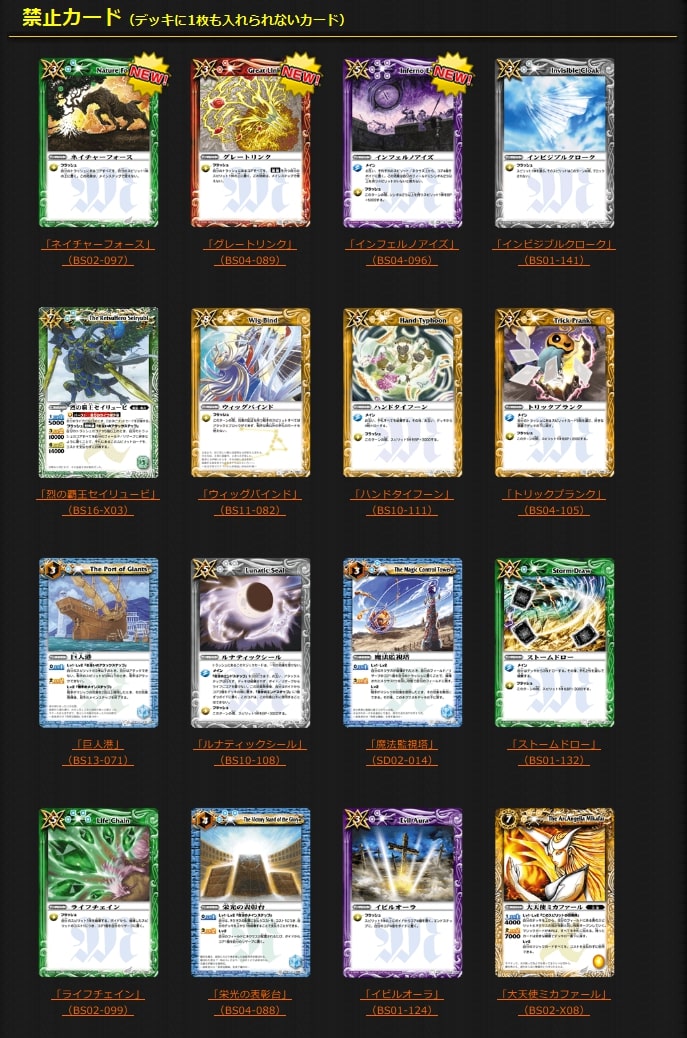
Summary of Banned and Restricted Cards in Battle Spirits [Battle Spirits].
There are cards in "Battle Spirits" that are banned or restricted in official tournaments. Cards that are too strong, which impair the diversity of deck construction, and cards with delay, loop, or lock effects are banned or restricted. Banned or restricted cards are sometimes allowed to be used due to their relative weakening caused by later card power inflation.
Read Article