

Miyuki Nakajima is a female singer-songwriter from Sapporo, Hokkaido.
From her debut in 1975 to the present, she has been actively engaged in concert activities, providing songs to other artists, appearing in movies and TV dramas, and providing theme songs, in addition to producing one album a year.
This was Miyuki Nakajima's second single released in 1975. It has been covered by various artists including Hiroko Yakushimaru.
Fight!"
This piece was written based on a postcard sent by a listener of a radio program. The message of the song is to those who are struggling in an unreasonable world, "Go ahead and look forward even if you are hurt by the struggle.
The song has been covered by many artists including Masaharu Fukuyama.
Stars on Earth.
It was released as the opening theme for NHK's documentary program "Project X," but at first it was not even mentioned. However, as the program's popularity grew, the song gained popularity, especially among middle-aged and older viewers, and the single cut of the song, which was to be included only on the album, was released first and became a big hit, selling more than 1 million copies.
Once in a Lifetime."
It was released as the theme song for TBS's "Sekai Ulleung Stayki". The lyrics are based on the theme of travel and life, meeting and parting with people, in line with the content of the program.
Leave nothing but love."
It was released as the theme song for the movie "Zero Focus. The arrangement is different between the single and the album, with the single having a stronger overall tone while the album version has a more nostalgic feel.
Song of Wheat
Released as the theme song for the NHK television series "Massan," the song was produced in response to an offer from NHK to "sing a song of support for Japanese people who have lived through hard times and never give up on their dreams.
Miyuki Nakajima's Famous Quotes and Lines
Tuna from the shelf
On November 3, 2009, upon receiving the Medal with Purple Ribbon
I am very happy to receive the Shijuho Medal with Purple Ribbon, and I am very surprised to receive the Medal with Purple Ribbon.
Thank you for being born in the same time period."
The last words of the MC before the encore of Miyuki Nakajima Concert Tour 2007-Uta Tabi.

Related Articles
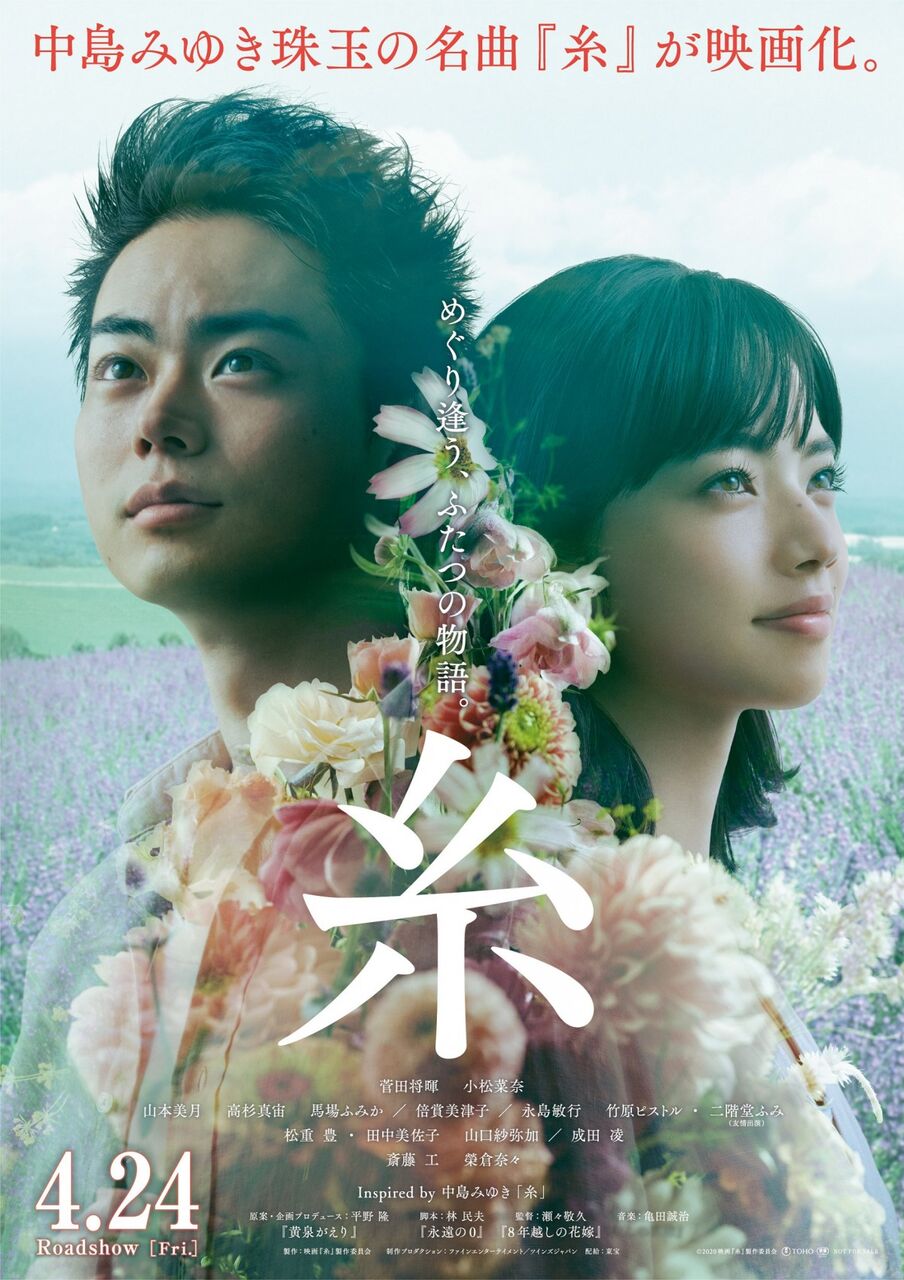
Spoiler alerts and discussion summary for Ito (film)
Ito" is a Japanese romantic film released in 2020, inspired by the song "Ito" by Miyuki Nakashima and produced by producer Takashi Hirano. Directed by Takahisa Zeze. Ren Takahashi and Aoi Sonoda, born in the first year of Heisei (1989), meet in Biei and fall in love. However, due to circumstances beyond their control, they are torn apart and lead separate lives. Eighteen years later, as the Heisei era comes to an end, Ren and Aoi, who have never been able to forget each other, begin to work together again. This story depicts the trajectory of Ren, Aoi, and the people around them in the "Heisei" era.
Read Article
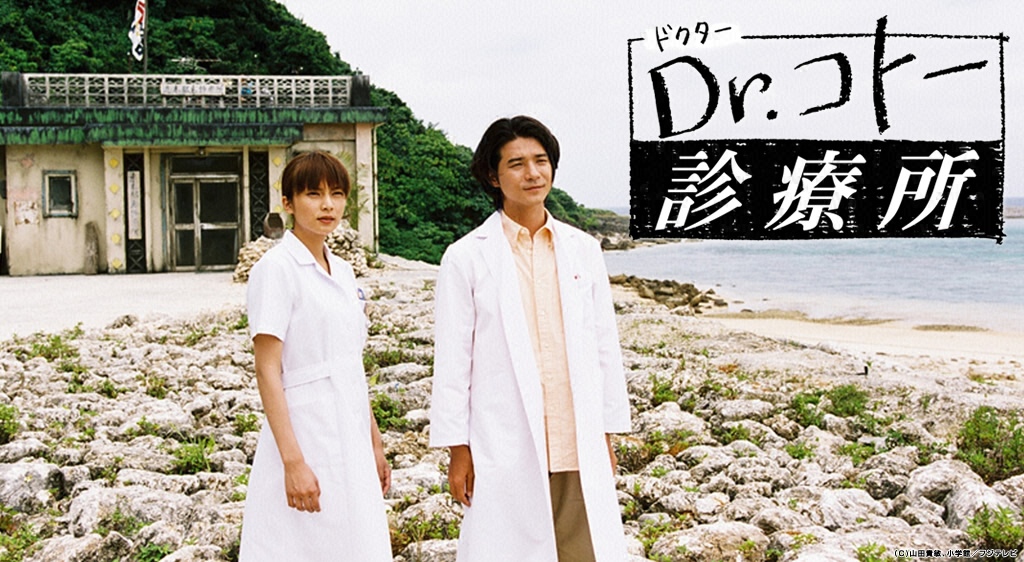
Dr.コトー診療所(漫画・ドラマ・映画)のネタバレ解説・考察まとめ
『Dr.コトー診療所』とは、山田貴敏による漫画、およびそれを原作とした医療ドラマである。脚本は吉田紀子。主演は吉岡秀隆で、柴咲コウや時任三郎などが出演する。東京の病院で外科医をしていた五島健助は沖縄県・志木那島の診療所に勤務することになる。これまで島に来た医師に逃げられてきたことから島民は五島を信頼していなかったが、彼の医師としての技術や人柄を見て見直していく。だがそんな五島には秘められた過去があった。本作は最高視聴率22.3%を記録し、第2期や劇場版などが放送された。
Read Article
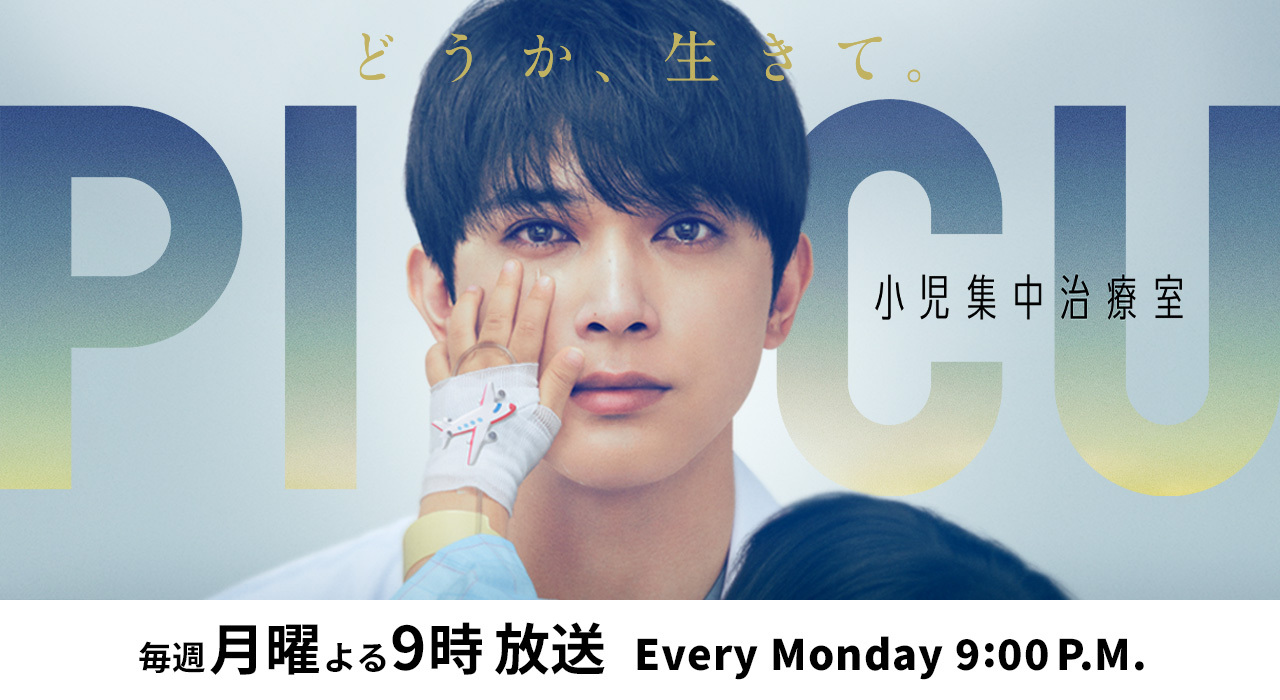
PICU Pediatric Intensive Care Unit (Drama) Spoilers and Discussion Summary
PICU Pediatric Intensive Care Unit" is a TV drama about pediatric care in Hokkaido that aired in Fuji Television's "Tsuki 9" slot. Takeshiro Shikoda, a pediatrician working at Okadama Hospital, is ordered to be transferred to the PICU, where pediatric patients requiring intensive care are treated. Takeshiro grows as a doctor as he overcomes the difficulties of pediatric care unique to the vast island of Hokkaido. In the first episode, a scene in which a female patient is transported from Biei-cho to the university hospital was broadcast, but there was an uproar when the town of Biei-cho protested to Fuji Television Network for misinterpreting the medical system.
Read Article

Summary of songs covered by BankBand and their original songs
BankBand is a band formed by Mr.children Kazutoshi Sakurai and music producer Takeshi Kobayashi. They have covered numerous famous songs at festivals they have organized and on their CDs, and each time they do so, they have become the talk of the town. Therefore, we have compiled BankBand's cover songs and original songs together. Please compare the differences between covers and originals.
Read Article
![Mr.Children] Cheering and graduation songs that will surely make you cry! Miyuki Nakajima](https://renote.net/files/blobs/proxy/eyJfcmFpbHMiOnsiZGF0YSI6ODU2NDg4NSwicHVyIjoiYmxvYl9pZCJ9fQ==--ae354ab5a5d2acd5b2a8dcc7a5c541e085c27a71/o0800106712476301539.jpg)
Mr.Children] Cheering and graduation songs that will surely make you cry! Miyuki Nakajima
We have collected recommended cheering & graduation songs to listen to during the season of graduation and departure. Introduced here are "Fight" by Miyuki Nakajima, as well as famous songs sung by Mr. Children, Ayumi Hamasaki, and EXILE. Here we introduce the music video and fans' opinions that will surely make you cry!
Read Article
Tags
Contents
- career
- Miyuki Nakajima's Personality
- album
- Can you hear my voice?
- They're all gone.
- Thank you
- Tell me you love me.
- Dear.
- welcome home
- May I live?
- cold-water fish (Synodontis nigriventris)
- premonition
- I am glad to meet you
- 36.5°C
- goodbye girl
- I can only say it in song.
- EAST ASIA
- LOVE OR NOTHING
- collection of short stories
- Lullaby SINGER
- I Love You Answer.
- problem collection
- Suite
- Miyuki Nakajima's representative song
- The Age."
- Fight!"
- Stars on Earth.
- Once in a Lifetime."
- Leave nothing but love."
- Song of Wheat
- Miyuki Nakajima's Famous Quotes and Lines
- Tuna from the shelf
- Thank you for being born in the same time period."