
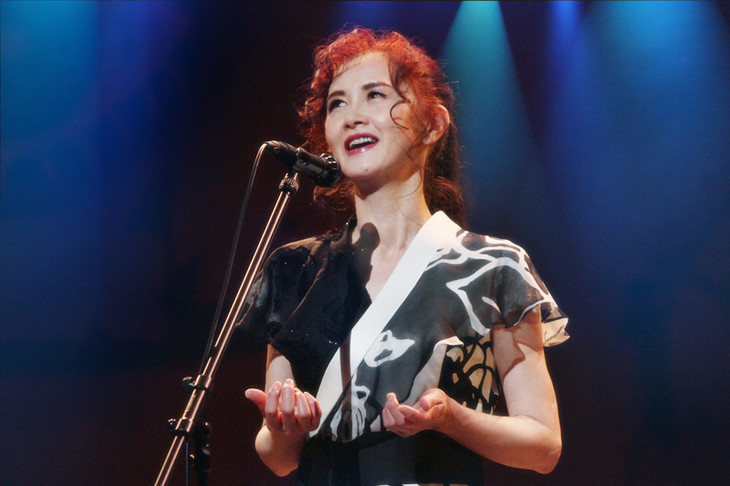
Miyuki Nakajima is a female singer-songwriter from Sapporo, Hokkaido.
From her debut in 1975 to the present, she has been actively engaged in concert activities, providing songs to other artists, appearing in movies and TV dramas, and providing theme songs, in addition to producing one album a year.
5th album Released March 21, 1979. No. 1 on the Oricon Weekly Chart and No. 21 for the year.
Included "Taxi Driver" and "Nesuki", the theme song for the drama "Afternoon Lovers".
The song "Wolves" was later covered by Jimpachi Nezu.
Songs Included
1. barefoot and running
2. cab driver
3. from the muddy sea
4. unbelievable thing
5. neyuki
6. kata-sou
7. dial 117
8. like a pebble
9. want to be a wolf
10. cliff - to the one who is dear to me
welcome home
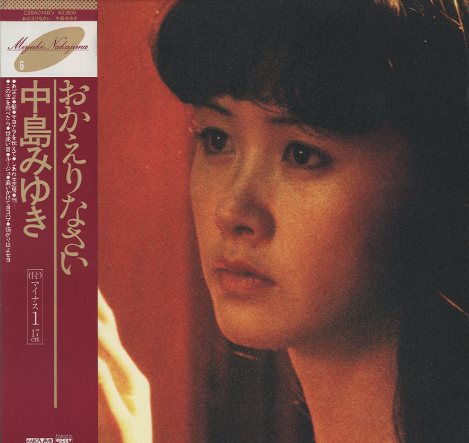
6th album Released November 21, 1979. No.2 in Oricon Weekly Ranking and No.5 in Annual Ranking.
An album of self-covers of songs provided to other artists.
Included Naoko Ken's "Abayo", Junko Sakurada's "Shiawase Shibai", Tokiko Kato's "Kono Sora no Hiberu Betara", etc.
The title "Okaerinasai" means that the songs provided to other artists come back to him.
Included songs
1. abayo
2. hair
3. sayonara wo katena (tell them good-bye)
4. shiawase shibai
5. rain
6. if i could fly this sky
7. a strange talk
8. rouge
9. chasing after yokohama
10. don't be stubborn
May I live?
7th album Released April 5, 1980. No.1 in Oricon Weekly Ranking, No.17 of the year.
Includes "Urami Masu", "Crying on a Crying Night", and "Elaine".
According to the singer herself, it was "the ultimate in darkness," with many heavy songs throughout, but as an album, it ranked at the top of the Oricon charts following "Dearly Departed.
Songs included
1. urami・masu
2. on a night when you want to cry
3. song of fox hunting
4. soba noodles shop
5. if you want to sail a boat, it's september
6. instrumental
7. elaine
8. foreign country
cold-water fish (Synodontis nigriventris)
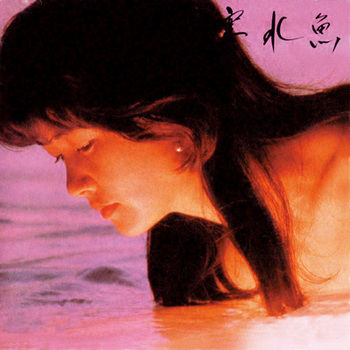
9th album Released on March 21, 1982. No. 1 on the Oricon Weekly Charts and No. 1 for the year.
Included the album version of "Bad Girl," which had been released as a single, and the epic "Utahime," which is over 8 minutes long.
It was the No. 1 selling album of 1982. It is also the most successful of all Miyuki Nakajima's albums.
Included songs
1. bad girl
2. slope
3. become a bird
4. just love me enough to throw away
5. b.g.m
6. run away from home
7. timetable
8. ship in the sand
9. diva
premonition
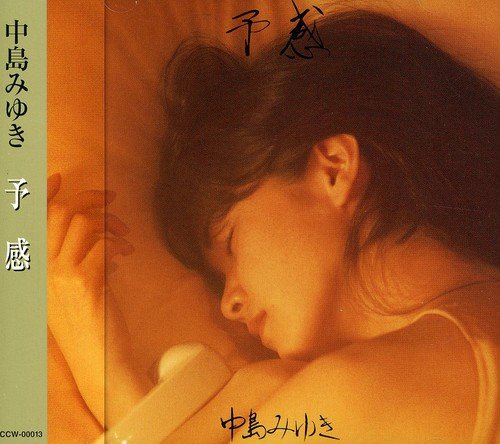
10th album Released on March 5, 1983. No. 1 on the Oricon Weekly Charts and No. 11 for the year.
Later covered by various artists, "Fight! Included in the album.
Songs included
1. just the two of us in this world
2. summer souvenir
3. woman washing hair
4. bai bai doku obu zabei
5. no one's fault but mine
6. fate
7. drink up the tequila
8. goldfish
9. fight!
I am glad to meet you
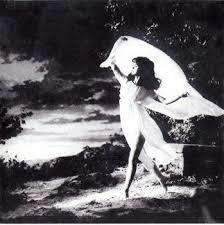
11th album Released October 24, 1984. No. 1 on the Oricon Weekly Ranking, No. 37 of the year.
This was the first album to include many rock-oriented songs, which he called "the era of Goranshin".
Included a different arrangement of "Hitori" which had been released as a single.
Songs included
1. boku wa aoi tori
2. Happiness Theory
3. alone
4. since birth
5. say hello to her
6. delinquent
7. cynical moon
8. how long till spring
9. our future
10. how do you do?
36.5°C
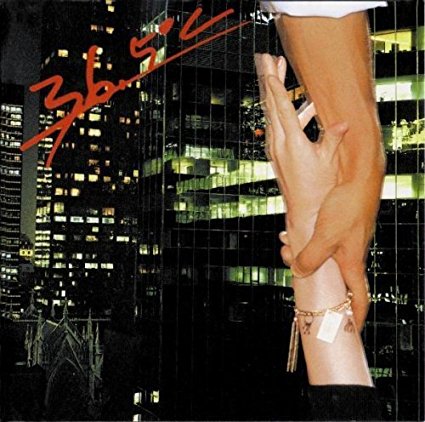
14th album Released November 21, 1986. No.1 in Oricon Weekly Ranking.
Produced by Yoshihiro Kai.
It still contains rock songs such as "Atai no Natsuyasumi", "Yamaneko", and "Mikaeri Bijin", but it also includes acoustic songs such as "Seaside Corpus".
The album title is said to be derived from the temperature obtained by adding the normal temperatures of Miyuki Nakajima and Yoshihiro Kai.
Included songs
1. my summer vacation
2. worst
3. f.o.
4. poison
5. seaside corpora
6. wild cat
7. HALF
8. kawaraimi biyoujin
9. swan song can be heard
goodbye girl
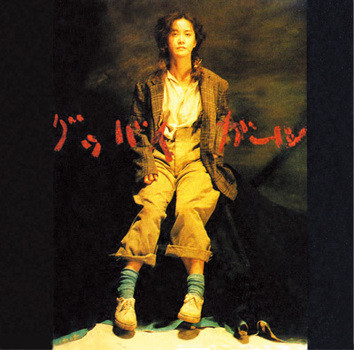
16th album Released November 16, 1988. No.1 in Oricon Weekly Ranking.
Included the self cover of "Tears -Made in tears-" provided to Kiyoshi Maekawa.
This was the first album in which Kazumi Seo, who became his most trusted partner as a producer after this album, participated.
Included songs
1. like a wild rabbit
2. fluffy
3. megami
4. don't mind me
5. june
6. even if the world falls from the sky
7. more than love
8. made in tears
9. blizzard
I can only say it in song.

Related Articles
Spoiler alerts and discussion summary for Ito (film)
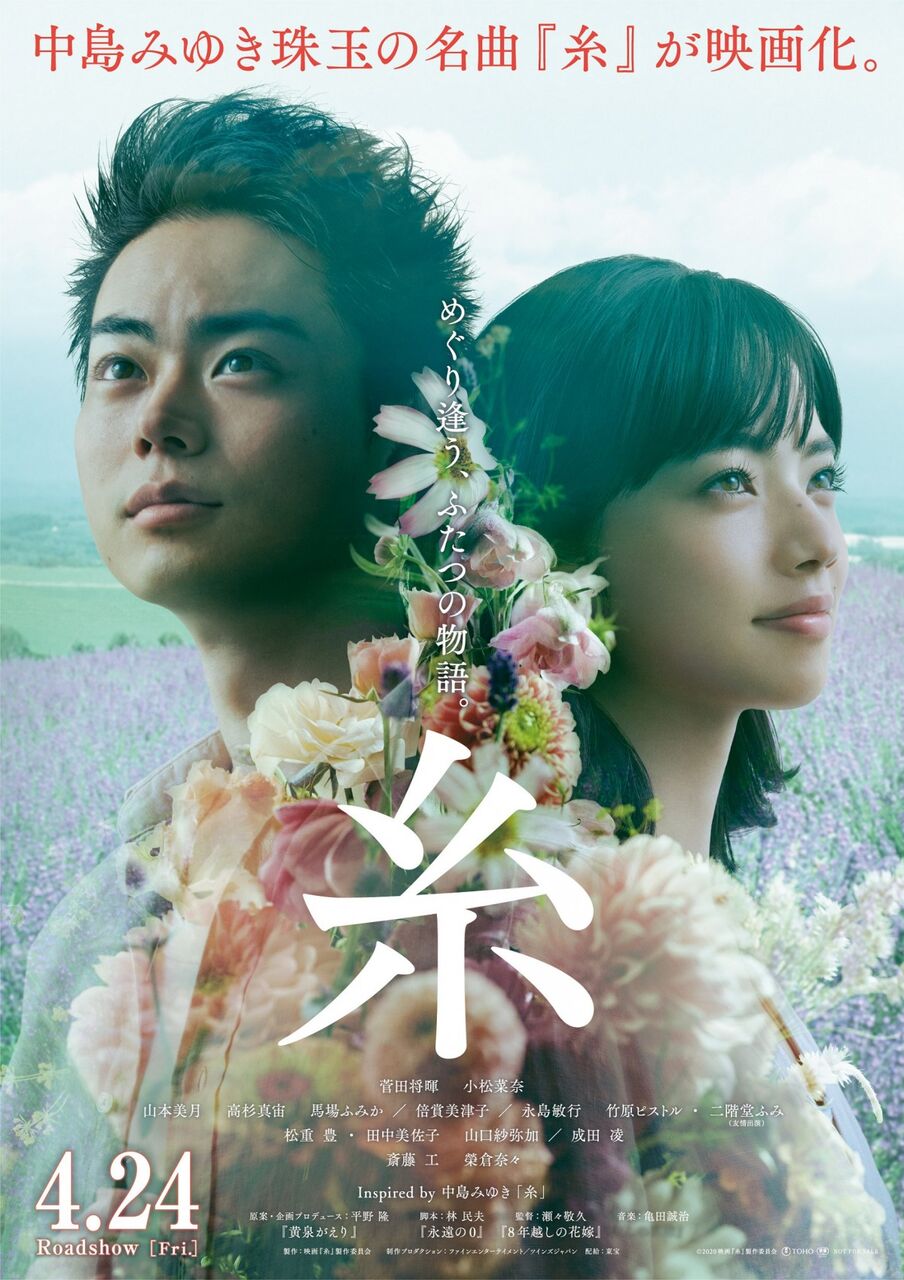
Ito" is a Japanese romantic film released in 2020, inspired by the song "Ito" by Miyuki Nakashima and produced by producer Takashi Hirano. Directed by Takahisa Zeze. Ren Takahashi and Aoi Sonoda, born in the first year of Heisei (1989), meet in Biei and fall in love. However, due to circumstances beyond their control, they are torn apart and lead separate lives. Eighteen years later, as the Heisei era comes to an end, Ren and Aoi, who have never been able to forget each other, begin to work together again. This story depicts the trajectory of Ren, Aoi, and the people around them in the "Heisei" era.
Read Article
Dr.コトー診療所(漫画・ドラマ・映画)のネタバレ解説・考察まとめ
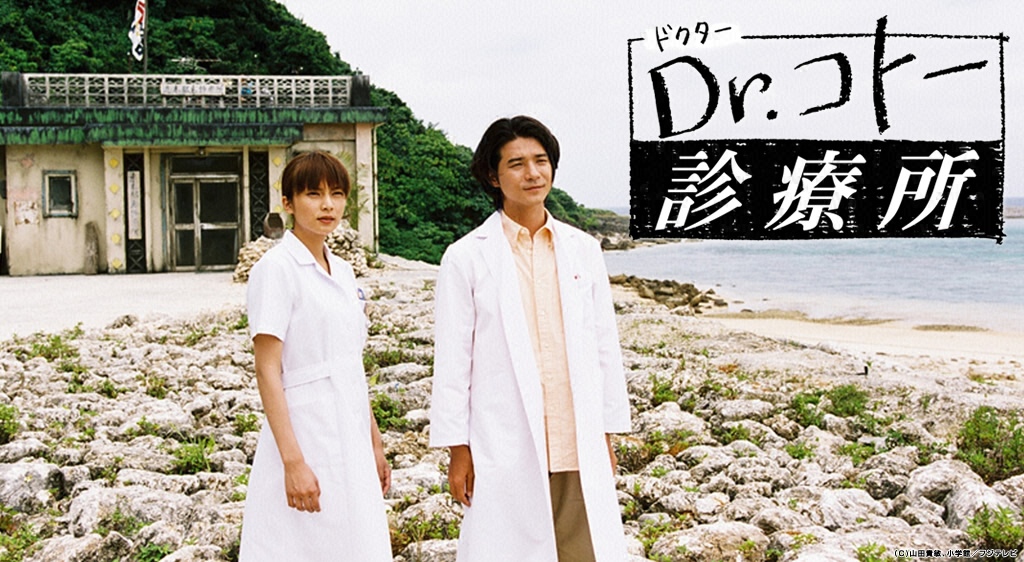
『Dr.コトー診療所』とは、山田貴敏による漫画、およびそれを原作とした医療ドラマである。脚本は吉田紀子。主演は吉岡秀隆で、柴咲コウや時任三郎などが出演する。東京の病院で外科医をしていた五島健助は沖縄県・志木那島の診療所に勤務することになる。これまで島に来た医師に逃げられてきたことから島民は五島を信頼していなかったが、彼の医師としての技術や人柄を見て見直していく。だがそんな五島には秘められた過去があった。本作は最高視聴率22.3%を記録し、第2期や劇場版などが放送された。
Read Article
PICU Pediatric Intensive Care Unit (Drama) Spoilers and Discussion Summary
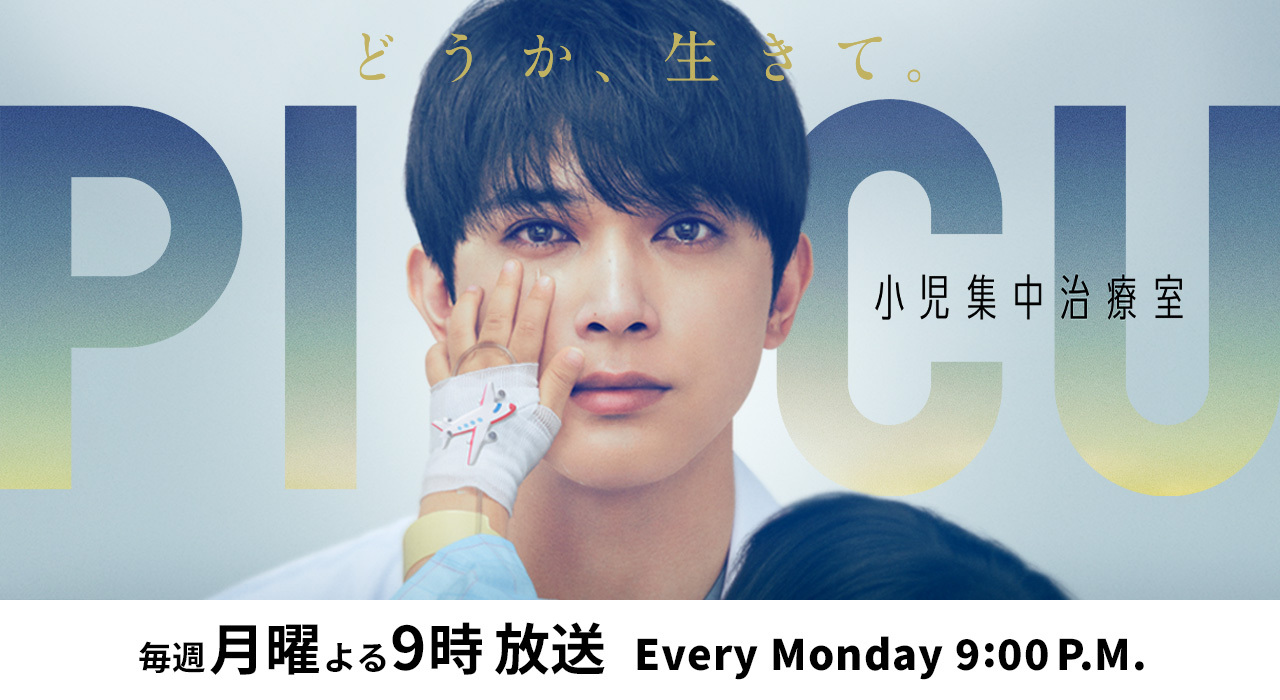
PICU Pediatric Intensive Care Unit" is a TV drama about pediatric care in Hokkaido that aired in Fuji Television's "Tsuki 9" slot. Takeshiro Shikoda, a pediatrician working at Okadama Hospital, is ordered to be transferred to the PICU, where pediatric patients requiring intensive care are treated. Takeshiro grows as a doctor as he overcomes the difficulties of pediatric care unique to the vast island of Hokkaido. In the first episode, a scene in which a female patient is transported from Biei-cho to the university hospital was broadcast, but there was an uproar when the town of Biei-cho protested to Fuji Television Network for misinterpreting the medical system.
Read Article
Summary of songs covered by BankBand and their original songs
BankBand is a band formed by Mr.children Kazutoshi Sakurai and music producer Takeshi Kobayashi. They have covered numerous famous songs at festivals they have organized and on their CDs, and each time they do so, they have become the talk of the town. Therefore, we have compiled BankBand's cover songs and original songs together. Please compare the differences between covers and originals.
Read Article
![Mr.Children] Cheering and graduation songs that will surely make you cry! Miyuki Nakajima](https://renote.net/files/blobs/proxy/eyJfcmFpbHMiOnsiZGF0YSI6ODU2NDg4NSwicHVyIjoiYmxvYl9pZCJ9fQ==--ae354ab5a5d2acd5b2a8dcc7a5c541e085c27a71/o0800106712476301539.jpg)
Mr.Children] Cheering and graduation songs that will surely make you cry! Miyuki Nakajima
We have collected recommended cheering & graduation songs to listen to during the season of graduation and departure. Introduced here are "Fight" by Miyuki Nakajima, as well as famous songs sung by Mr. Children, Ayumi Hamasaki, and EXILE. Here we introduce the music video and fans' opinions that will surely make you cry!
Read Article
Tags
Contents
- career
- Miyuki Nakajima's Personality
- album
- Can you hear my voice?
- They're all gone.
- Thank you
- Tell me you love me.
- Dear.
- welcome home
- May I live?
- cold-water fish (Synodontis nigriventris)
- premonition
- I am glad to meet you
- 36.5°C
- goodbye girl
- I can only say it in song.
- EAST ASIA
- LOVE OR NOTHING
- collection of short stories
- Lullaby SINGER
- I Love You Answer.
- problem collection
- Suite
- Miyuki Nakajima's representative song
- The Age."
- Fight!"
- Stars on Earth.
- Once in a Lifetime."
- Leave nothing but love."
- Song of Wheat
- Miyuki Nakajima's Famous Quotes and Lines
- Tuna from the shelf
- Thank you for being born in the same time period."