
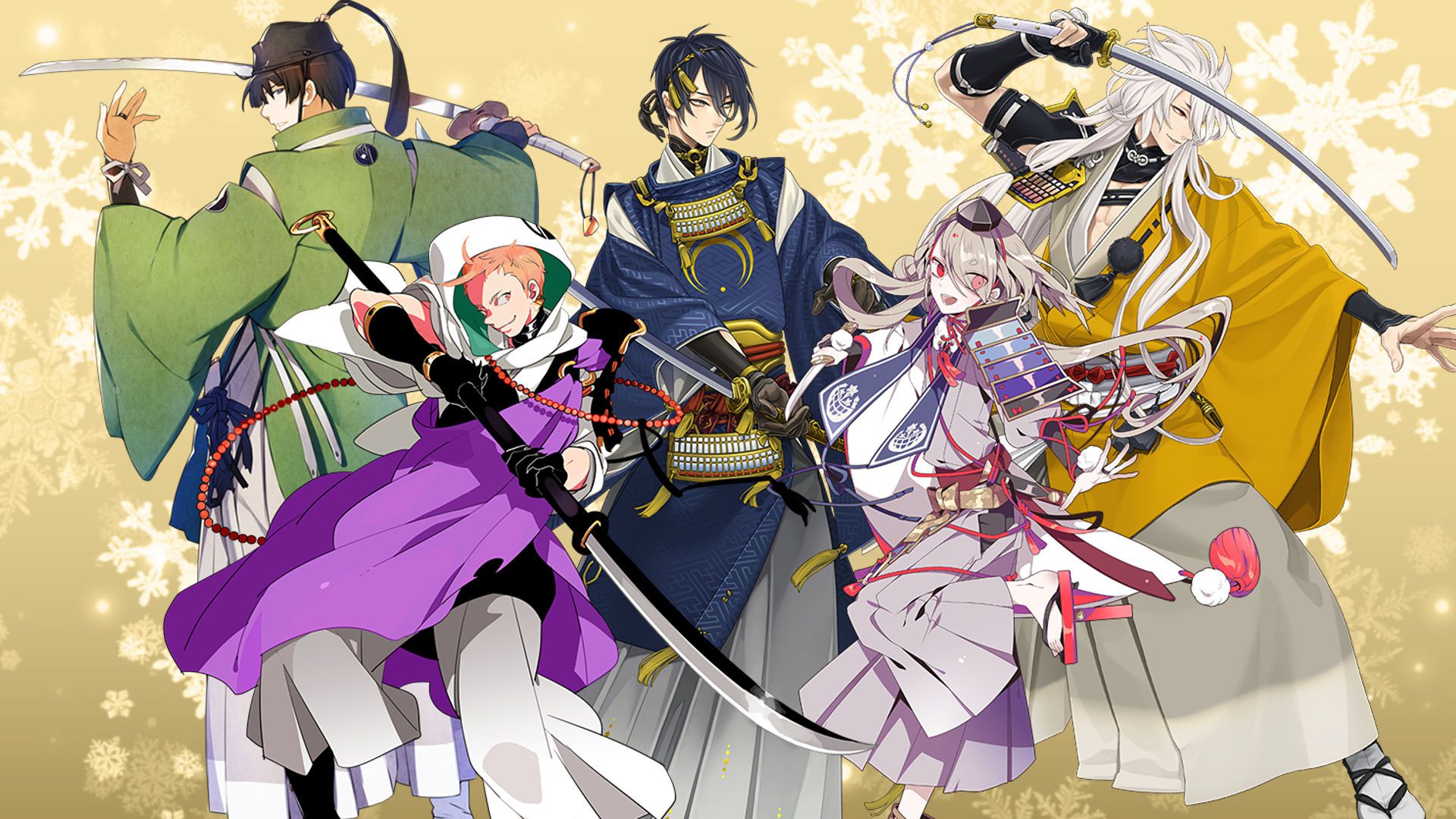
The following is a summary of the history, anecdotes, and origin of the names of the swordsmen appearing in "Sword Dance". The information is presented by sword school and swordsmith, so you can find information on your favorite swords. It is very interesting to know the history and anecdotes of each of them, and you will be able to understand their clothing and personalities.
In old sword books, the length of the blade is agreed to be 2 shaku 6 sun 5 min (80.3 cm).
Source: meitou.info
They also agree on the sword form, which seems to have cut the center of the naginata, and that the center is short.
Source: meitou.info
It is generally believed to have been made by Amakuni, a swordsmith from Uda County, Yamato Province, around the time of the Taiho era, who was the first to make a name for himself in Japan.
Source: meitou.info
The following is written in the "Kaji Meji Kou" with an inscription in the back dated 1452.
Source: meitou.info
recitation
The Heike is the author of a sword called "Kogarasu
This little crow is the author of the sword called "Kogarasu", which is used to wield the sword in the Hokkedo kitchen of the kamakura (temple).
He is also said to be the author of the sword called Kirii.
The name "Kirisuhe" is used to refer to the Yoroi warrior Kirisuhe.
Also, he is said to be the author of the Hikekiri of the Shigeyo Genji clan, which is actually a recitation of a caricature.
The word "recitation" is also called "fujyu" or "akitaka". According to this, he is said to be the author of the sword "Kirii" and also "Hige-kiri" of the Shigeyo Genji clan...
origin
When Emperor Kanmu was standing in the southern hall, a large raven (yatagarasu) flew in front of him and presented itself as the messenger of the Ise Shrine, and after it flew away, a sword was left behind.
Source: meitou.info
The name "Kogarasumaru" comes from the legend that it came from the wings of that great raven.
Source: meitou.info
different opinion
Sadamori received this sword from the Imperial Court when he was ordered to defeat the Taira clan during the reign of Taira no Shogun. Sadamori used the sword he received to cut one of them, who was wearing a small image of a crow on the top of his helmet, and he was also cut. For this reason, he was named "Kogarasumaru.
Source: meitou.info
The name "kokarasusabi" was coined by a Japanese scholar at the end of the Edo period, and refers to a sword that came from the Korean peninsula. In the Nihon shoki (Chronicles of Japan), the word for plow is rendered sahi (karasahi), which was then changed to shi (karashi), resulting in kokarashi from kohan-suki, and then shi was accented to su to become kokarasu. This theory, however, has been dismissed as nothing more than a play on letters in modern times.
Source: meitou.info
history
Tadamori Taira (father of Kiyomori Taira) obtains it.
Source: meitou.info
Originally called "Kigare," a giant snake once tried to swallow Tadamori while he was sleeping in the afternoon.
Source: meitou.info
At that time, Kogarasumaru slipped out by himself and headed for the serpent, causing it to flee in fear.
Source: meitou.info
After this, the name was changed to "Nukumaru.
Source: meitou.info
Kogarasumaru was inherited from the family of Yoshimori Wada, the Kamakura shogunate's samurai governor. In 1211, when Yoshimori raised an army to defeat the Hojo clan, Ashikaga Yoshimori defeated Wada Yoshimori, and Kogarasumaru was handed over to Yoshimori.
Source: meitou.info
The fifth grandson of Yoshiji was Ashikaga Takauji, but the tradition after Yoshiji is unknown.
Source: meitou.info
Originally housed in the Shosoin Repository, it is said to have been given to Taira no Sadamori by the Suzaku emperor during the Taira no Masakado rebellion.
Source: meitou.info
Several swords with the same name exist.
In addition to Kogarasumaru by Tengoku, several other swords of the same name exist.
Ise family's inheritance...currently in the possession of the Imperial Household, in the possession of the Yamasato Gobunko Goken Kosho (administered by the Imperial Household Agency).
Genji Shigeyo...missing.
Norishige made...It was in the collection of Toyotomi Hideyoshi, but its subsequent whereabouts are unknown.
In the collection of Hida Kokubunji...Important Cultural Property
Hamamatsu, Enshu...Believed to have been handed down to the Ema clan of Hamamatsu, Enshu.
Naritasan Shinshoji Temple...It is said that Kashiwaya Shigejiro of Edo Azabu donated this sword to Naritasan Shinshoji Temple during the Ansei era.
The most famous one is "Kogarasumaru," a present-day imperial property characterized by its kogarasuzukuri.
Source: meitou.info
It is called kikusaki moroha zukuri (double-edged sword blade with a double-edged blade on the tip half of the blade).

Related Articles
Spoiler commentary and discussion of the sword dance (tourabu)
TOURABU" (short for "sword fighting") is a simulation game for browsers. The game is based on the original story by game maker Nitroplus and operated by EXNOA (formerly known as DMM Games). The game is set in future Japan. Players become "shinjinsha," or "saniwa," and are ordered by the government of the time to summon sword mourning gods called tokendanshi, or "sword men. The players then fight together with the swordsmiths against the enemies who are trying to change the history of the world to stop their plans.
Read Article
Many Hall of Famers! Popular MMD Compilation of Sword Dance
Has it calmed down from a period of time? No, no, no, the popularity of sword dance has not yet waned. As soon as they were uploaded to Nico Nico Douga, they quickly became the talk of the town. From the breathtakingly beautiful and cool to the ones that make you laugh so hard your stomach muscles die, you can't stop repeating them. You may even be inspired to change your mind!
Read Article

April 2024 Spring Anime (First Semester Anime) Summary
This is an alphabetical list of spring anime that will start airing in April 2024.The April 2024 spring anime lineup includes many hot new anime and sequels to popular series. Information such as anime titles, broadcast information, cast voice actors and staffs are compiled in an easy-to-understand format.
Read Article
Spoiler commentary and discussion of the musical "Sword Dance" (Katamyu)
The musical "Sword Dance" is a musical series based on the popular video game "Sword Dance". The story is about a group of mourning gods who inhabit famous swords and take on the form of warriors to fight against historical revisionists who plan to change the course of history. The first part is a story featuring intense sword fighting, and the second part is a live performance that resembles an idol.
Read Article
Spoiler commentary and discussion of the sword dance Hanamaru- (anime)
The anime "Toukendanbu: Hanamaru" is based on the PC and smartphone game "Toukendanbu" and aired from October to December 2016 on TOKYO MX, Kantele, and BS11 for a total of 12 episodes. The game is roughly about sword mourning "sword men" who are manifested in the present day by a person with the ability to change history, and fight against a retrograde army. The story focuses on the swordsmen belonging to "a certain Honmaru," and depicts their comedic, flowery days as well as their tough battles.
Read Article
Spoiler commentary and discussion of the continuing "Sword Dance: Hanamaru" (anime)
Sequel to "Toukendanbu - Hanamaru-" is an anime based on the training simulation game "Toukendanbu -ONLINE-" Sequel to the anime "Toukendanbu -Hanamaru-" which aired in 2016. Total of 12 episodes. The sword-attached mourning gods, who have been given physical bodies, are engaged in a battle to the death against historical revisionists. The 50-odd swordsmen living in the castle are in a constant state of commotion every day.
Read Article
Spoiler commentary and discussion of Katsugeki: Sword Dance (anime)
Katsugeki Katana Ranbu" is an animation work produced by ufotable, based on "Katana Ranbu" by DMM Games. In the year 2205 A.D., "Shinjinsha," who have the power to awaken the feelings and minds that lie dormant in objects, call upon "Toushi," the personified form of swords, to fight to protect history in order to defeat historical revisionists who seek to change it. In Katsugeki, the battle against the historical revisionists is depicted with "Izumimori Kanetada," once the favorite sword of Hijikata Toshizo.
Read Article
Spoiler commentary and discussion of the movie Sword Dance (Succession).
Based on the popular sword-breeding game "Touken Ranbu ONLINE" that triggered the Japanese sword boom, "Touken Ranbu (Succession) the Movie" is directed by Yakumo Yaharu and written by Kobayashi Yasuko. The film features a hot battle between "swordsmen," who are personifications of famous swords of the past, and "retrograde forces," who plan to alter history. The story takes place at Honnoji Temple, where the swordsmen have successfully defeated the retrograde army that is trying to change history by protecting Oda Nobunaga. However, just when it seems that history is being followed, they learn that Nobunaga is still alive. The cast features young stage actors, and the theme song is sung by Takanori Nishikawa and Torayasu Hotei.
Read Article
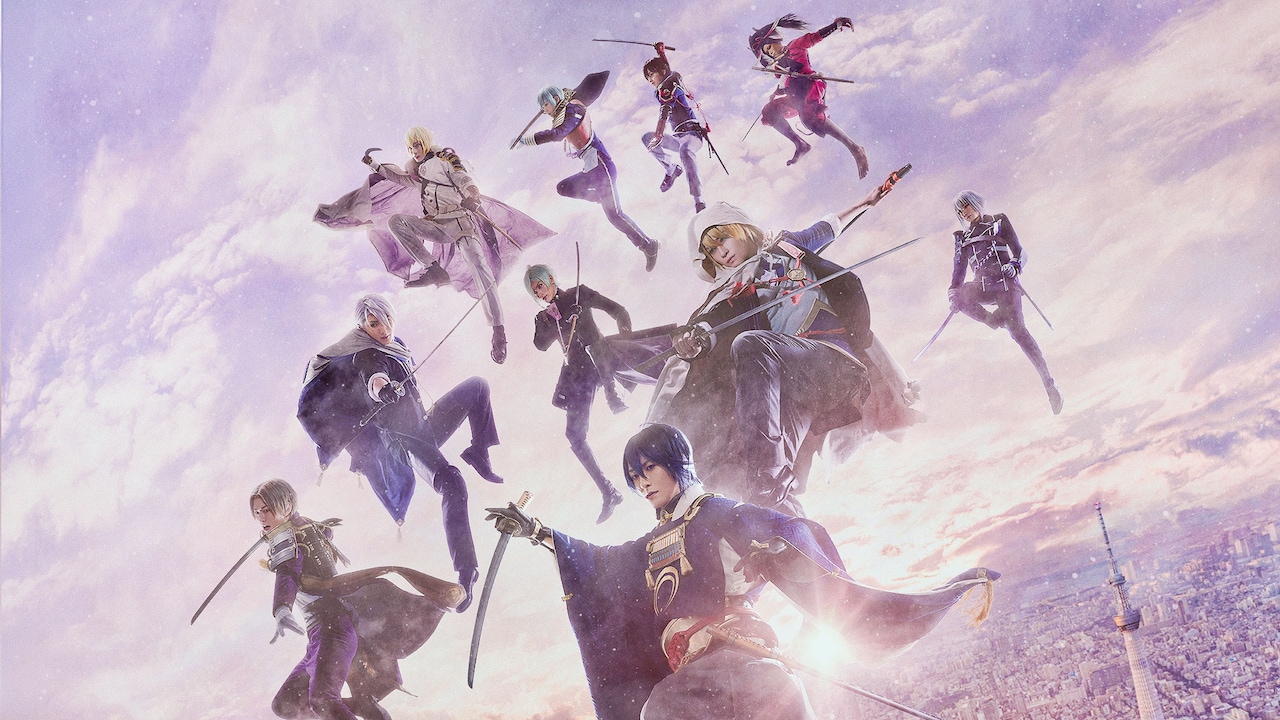
Spoiler commentary and discussion of the movie Sword Dance (Reimei).
Reimei" is the second live-action film based on the PC browser and smartphone game "Touken Ranbu" developed jointly by EXNOA (formerly DMM Games) and Nitroplus. The story depicts the battle between the sword men, who are personifications of famous swords that have left their mark on history, and the Time Armored Forces, who plan to alter history. The story takes place in the year 2012. In this time period, a critical juncture that will lead to the future is hidden. The swordsman Mikazuki Munechika, together with his temporary master Suzuki Kotone, struggles to solve the situation.
Read Article
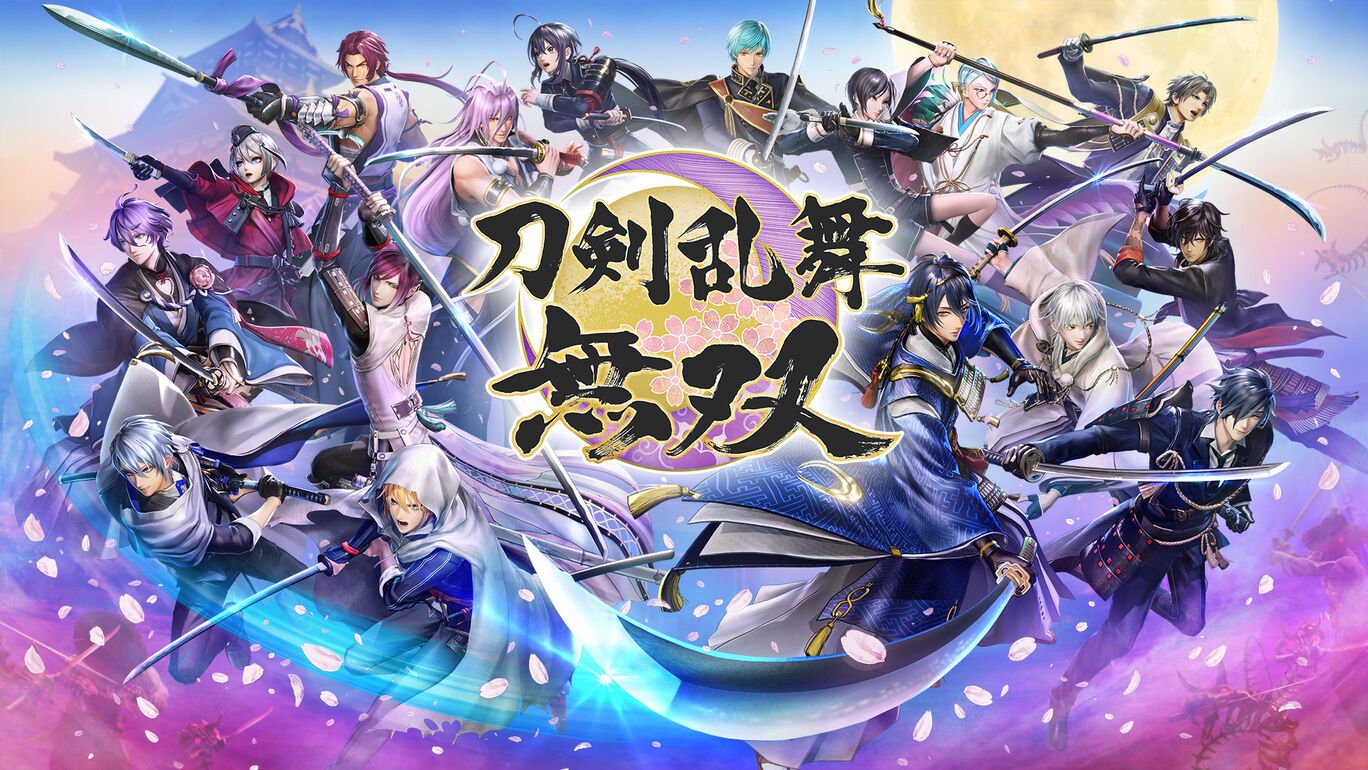
Spoiler commentary and discussion of Sword Warriors (Tousou Musou, Tourabu Musou).
Toukendanbu Musou" is a tactical action game based on the sword training simulation game "Toukendanbu". It is also a collaboration between the "Musou" game series and "Sword Dance". The story takes place in the year 2205 AD. The story depicts the battles of "Toushi," 15 mourning gods of swords who have lost their masters, who are sent by the government to investigate a plot by "historical revisionists" to change the history of Japan.
Read Article
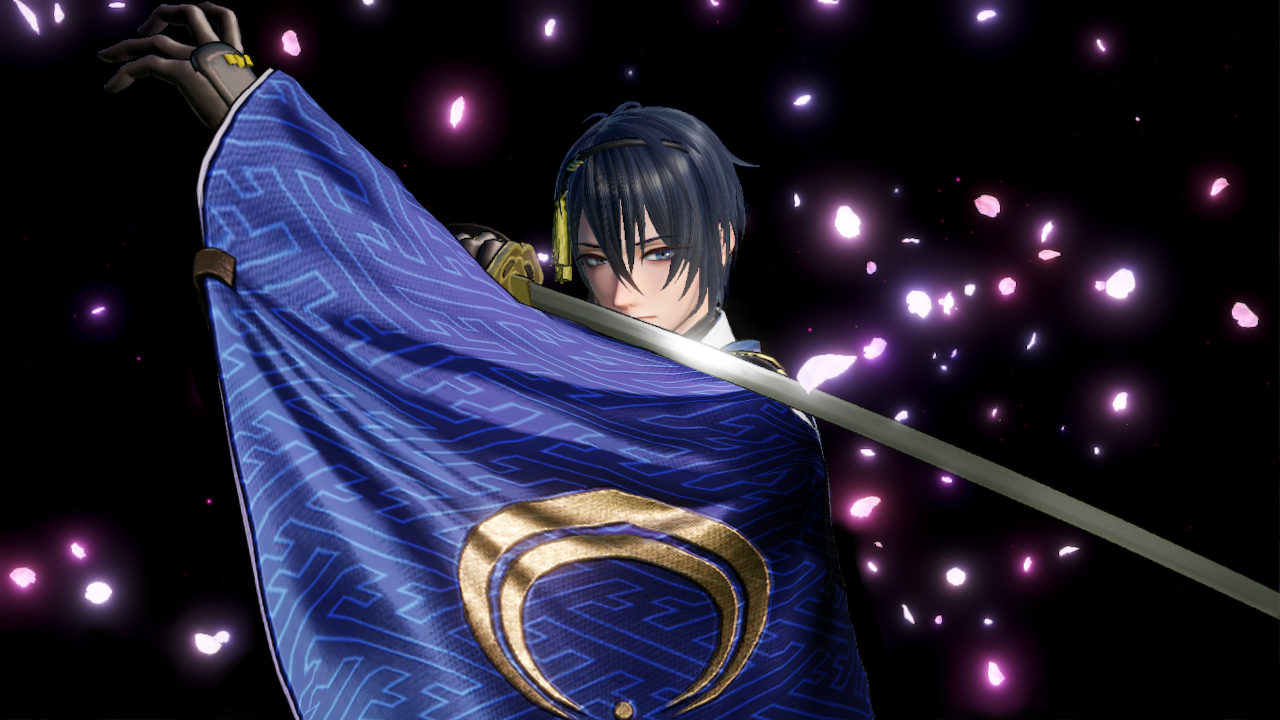
I guessed the age of the characters in the sword dance! Mikazuki Munekika is over 1000 years old! [Tourabu
We have estimated the ages of the swords in "Sword Dance". Although anthropomorphized, they are still originally swords, so they have spent an incomparable number of years compared to humans. In particular, Mikazuki Munekika, who is called "Grandpa" and calls himself "Jiji," seems to be over 1,000 years old.
Read Article
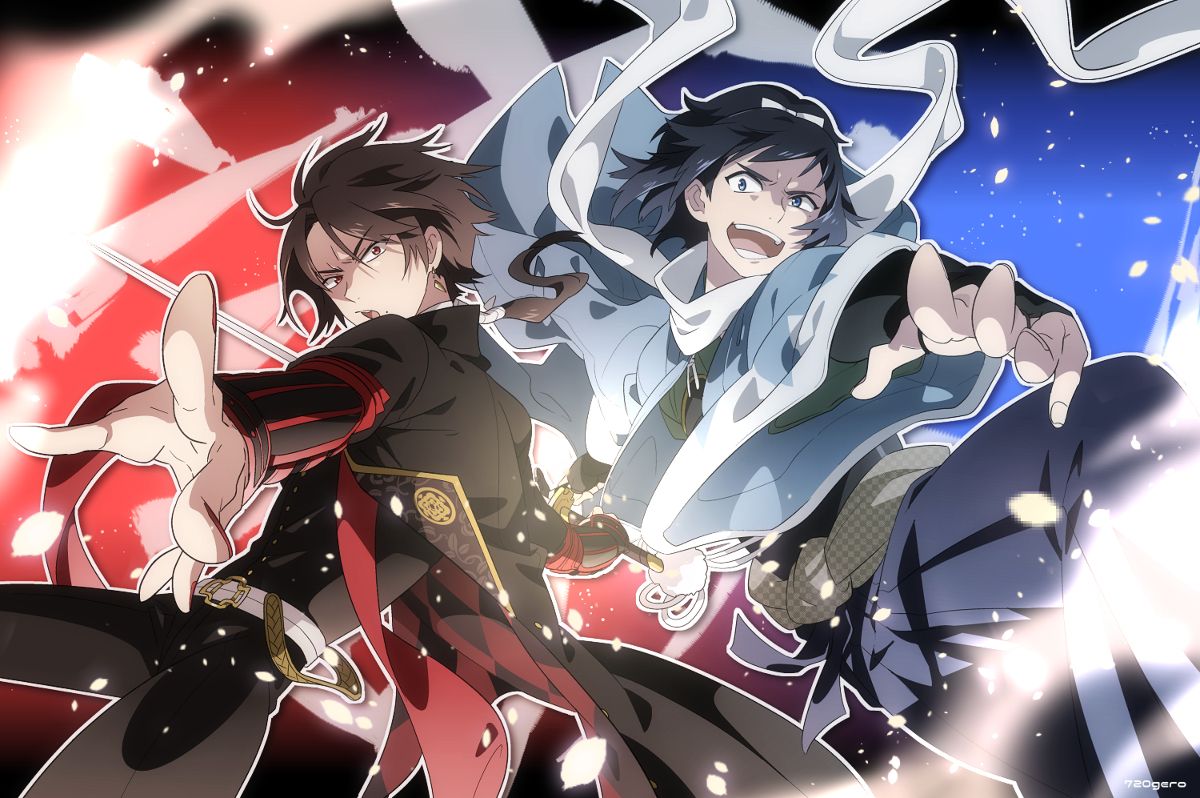
A ranking of the couplings in "Touurabu", including a popular tag that has been viewed 2 million times on pixiv! Tourabu
We have compiled a ranking of "Sword Dance" couplings, including many popular tags on pixiv, which are sometimes viewed 2 million times in a day. Illustrations of the couplings and the reasons for the ranking are also introduced, so please check how popular your favorite combination is.
Read Article
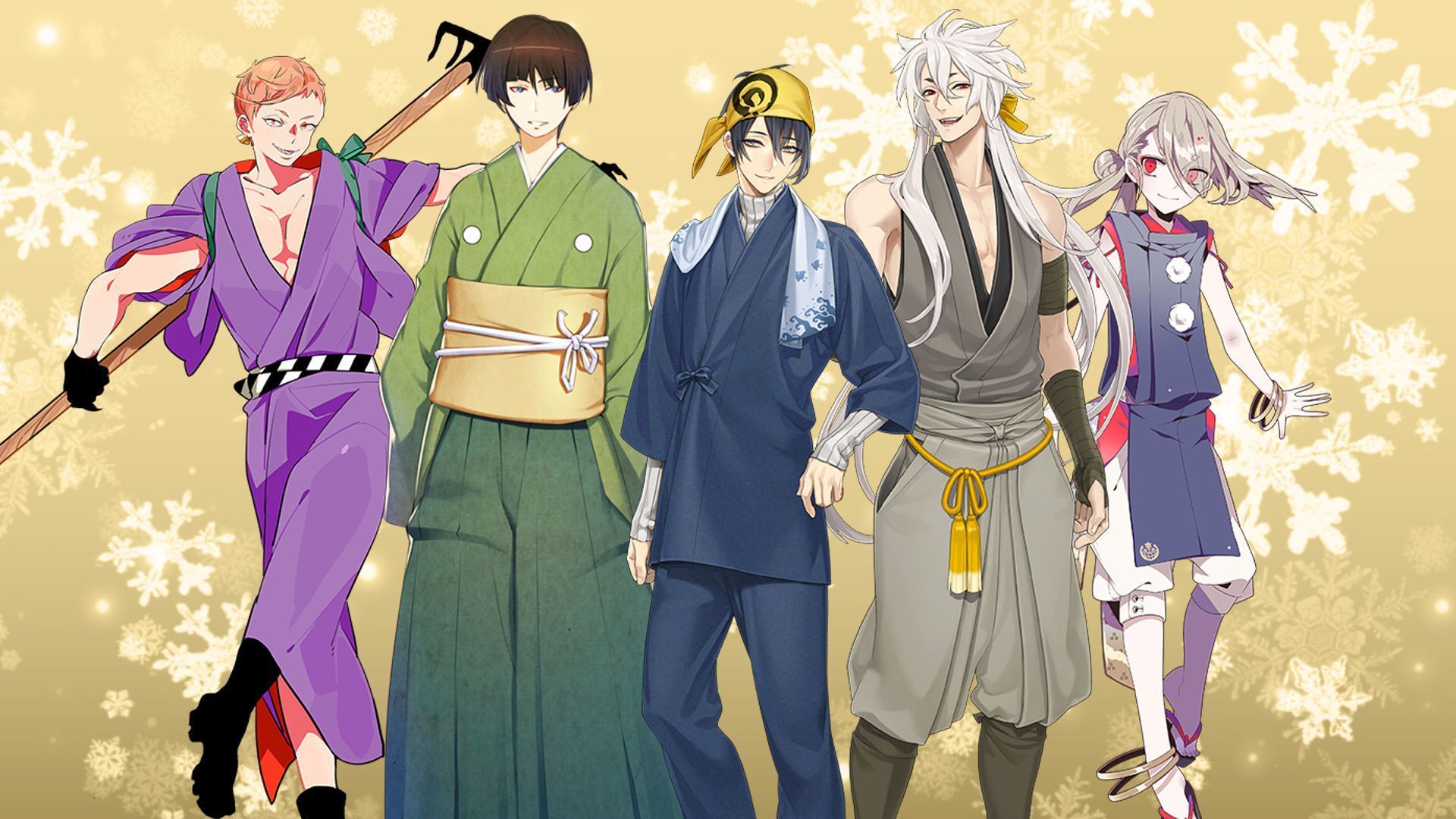
Sword Dance Uchiban Costumes Summary! Introducing from early mounted characters to Hagegiri & Kneemaru! The first time I saw a sword in the world, I was in the middle of a sword fight.
This is a collection of Uchiban costumes from "Sword Dance". This page introduces those of 51 different swords from the beginning of the service until the appearance of Hagekiri & Kneemaru. Please check out their off-mode appearance, which seems to be specialized for ease of movement and wearability, unlike their regular costumes.
Read Article
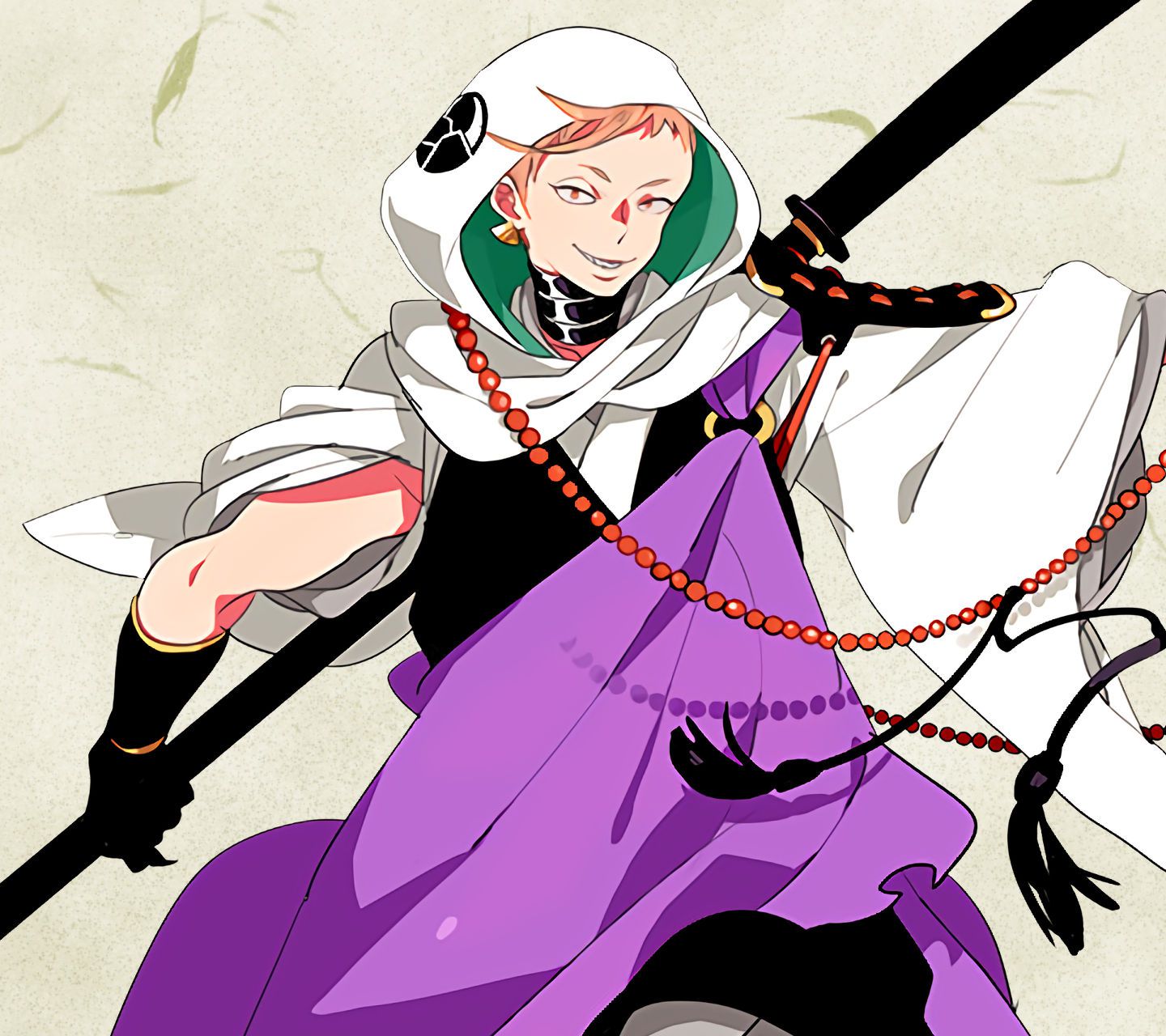
I put together a level guideline for the "Iwayu Kindergarten" sword dance! The power of the naginata is too great! [Tourabu]
This is a summary of "Iwayu Kindergarten," a leveling method in "Sword Dance" in which Iwayu, a naginata, is asked to lead the swords you want to train. The main focus is on maps that are easy to train on, according to Iwayu's level. Since short sword swordsmen do not have moderate firepower, it is recommended to level up with the help of the Cleave and Daitachi swords at first.
Read Article
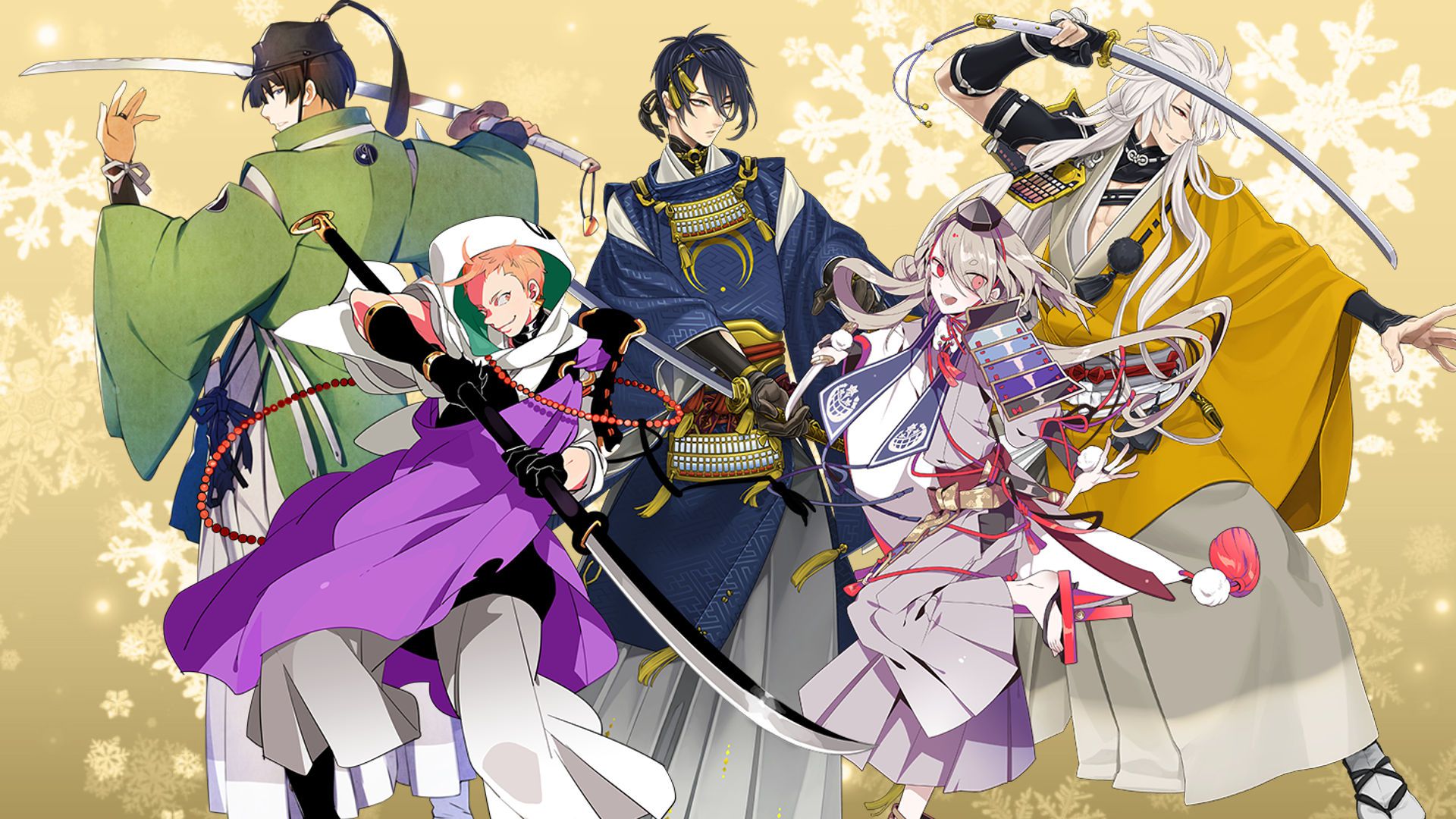
Sword Dance: Summary of birthdays and anniversaries of swordsmiths! Let's celebrate your favorite characters! Touyabu
The following is a summary of the birthdays and anniversaries of the swordsmiths in "Sword Dance". Since swordsmiths are personifications of swords, not humans, they seem to celebrate "the anniversary of the designation as national treasures" or "the anniversary of the designation as important cultural properties" as their birthdays or anniversaries. Please take a look at this and celebrate your favorite swordsmith!
Read Article
![Sword Ranbu] Introducing the former masters of swordsmiths! Full of famous figures such as Sengoku warlords and Shinsengumi troopers! TOURABU](https://renote.net/files/blobs/proxy/eyJfcmFpbHMiOnsiZGF0YSI6ODU3OTQ4MywicHVyIjoiYmxvYl9pZCJ9fQ==--af0ae48f7b4860c61abc26dfb3038e67b4c3b9d1/R%20(2).jpeg)
Sword Ranbu] Introducing the former masters of swordsmiths! Full of famous figures such as Sengoku warlords and Shinsengumi troopers! TOURABU
We have compiled a list of the former masters of the swordsmen in "Touken Ranbu" along with illustrations of the swords. Many of the swords were owned by famous people such as Oda Nobunaga, Date Masamune, Hijikata Toshizo, and others that appear in history textbooks. Knowing their relationship with their former masters may make you fall in love with the characters even more.
Read Article
A collection of recipes for sword forging for "Sword Dance" characters! Also includes excellent blends for each sword type! TOURABU
We have compiled a list of 42 different forging recipes that have been implemented since the beginning of the service for the very popular game "Sword Dance". In addition to recipes for each character, we have also introduced excellent blends that tend to produce each type of sword. If you are having trouble finding the sword you are looking for, please give it a try.
Read Article
A collection of unusual goods such as shoes and watches, alcohol and scissors.
Sword Dance-ONLINE-" has been in service since January 2015. It is one of the most popular contents on DMM.com with over 1.3 million registered users. Currently, many collaborations have been developed and a lot of goods are on sale. Here, we have collected a few quirky items. The collection is limited to items up to January 2016.
Read Article
Summary of the flame wars, pacifism, and other incidents involving "Sword Dance" and "Tourabu Class Group.
In this article, we summarize the incidents of flame wars, pacifism, and other incidents involving "Tourabu Gakkyukai," a fan site for "Sword Dance" and its fans. Deep love for a work is wonderful in itself, but if it goes too far, it can cause trouble for various people. Let's keep moderation in mind.
Read Article
Introducing the original swords and places associated with the swordsmiths! Recommended for pilgrimages and trips to sacred places! Touurabu
We have compiled a list of the swords that were the original inspiration for the swordsmen in "Sword Dance" and the places related to them. Many famous castles and shrines are involved, so there are many spots recommended not only for fans of "Sword Dance" but also for history buffs. Please visit them on your pilgrimage or trip to the sacred places.
Read Article
An introduction to the Japanese swords, legends and folklore that were the basis for "Sword Dance"! Also includes images of real swords! TOURABU
We have compiled a list of Japanese swords that are the origin of the swords in "Sword Dance", as well as legends and folklore related to them. Along with the origin of the sword names, we have also included images of actual swords preserved in museums. Swords of famous figures from history textbooks also appear in the book, so history buffs are welcome to check it out as well.
Read Article

With anime and anthropomorphized male units, we can't take our eyes off Sanrio!
Sanrio is a company full of cute characters such as Kitty-chan. In fact, did you know that Sanrio has created many other characters in addition to its fancy characters, and has developed "new developments" such as anime, anthropomorphic characters, and several male groups unique to Sanrio?
Read Article
Summary of Recommended Sword Recipes for Sword Dancers [Touhou].
Sword Dance" is an application game in which players collect famous anthropomorphic Japanese swords and battle them. In the game, there are items called "sword costumes" that can be used to advance in battle, which can be obtained as quest rewards or by turning in gacha (gacha). This article introduces a collection of recommended sword armor recipes.
Read Article
I want to go there at least once! A collection of sword locations and places associated with the swords of the sword dance [Tourabu].
Sword Dance" is a popular game in which "sword boys," personified versions of famous swords, play an active role. This popular game has been supported by many women and has been used in a variety of media. Many of the swords that appear in "Sword Dance" are real swords, and can still be seen today in museums and other places. This section introduces facilities and places where swords appearing in the game are exhibited.
Read Article
Introduction to Sword Dance Secondary Games of My Own Creation
There are many high quality secondary games of sword fighting, and some of them are distributed, so we will introduce them here.
Read Article
![Sword Ranbu] A collection of swords that were in the collection of the Meiji Emperor! Onimaru, Kogarasumaru, Hirano Fujishiro, Ichiki Ichifumi, Tsurumaru, Shishio, Uguisumaru and many more! [Touyabu]](https://renote.net/files/blobs/proxy/eyJfcmFpbHMiOnsiZGF0YSI6ODU4NjMwNCwicHVyIjoiYmxvYl9pZCJ9fQ==--42e44e571f6aa359b2e451da56cf7bea7de16613/48e884e6.jpg)
Sword Ranbu] A collection of swords that were in the collection of the Meiji Emperor! Onimaru, Kogarasumaru, Hirano Fujishiro, Ichiki Ichifumi, Tsurumaru, Shishio, Uguisumaru and many more! [Touyabu]
Kogarasumaru, Tsurumaru Kuninaga, Shishioh, and Uguisumaru, which appear in "Sword Dance," were part of Emperor Meiji's sword collection. The following is a summary of how these swords, which were carefully cared for, were brought to the Imperial Household.
Read Article
The conditions for activation of the "serious special kill" & the efficient way to collect illustrations! [Touyabu]
In "Sword Dance," a "serious kill" occurs when certain conditions are met during battle. Not only can you attack with advantage, but you can also see the exclusive illustrations of the swordsmanship of the swordsmen. We have compiled a detailed list of conditions for activating the "serious special kill" and how to efficiently collect the illustrations, which are rarely seen when just playing the game.
Read Article
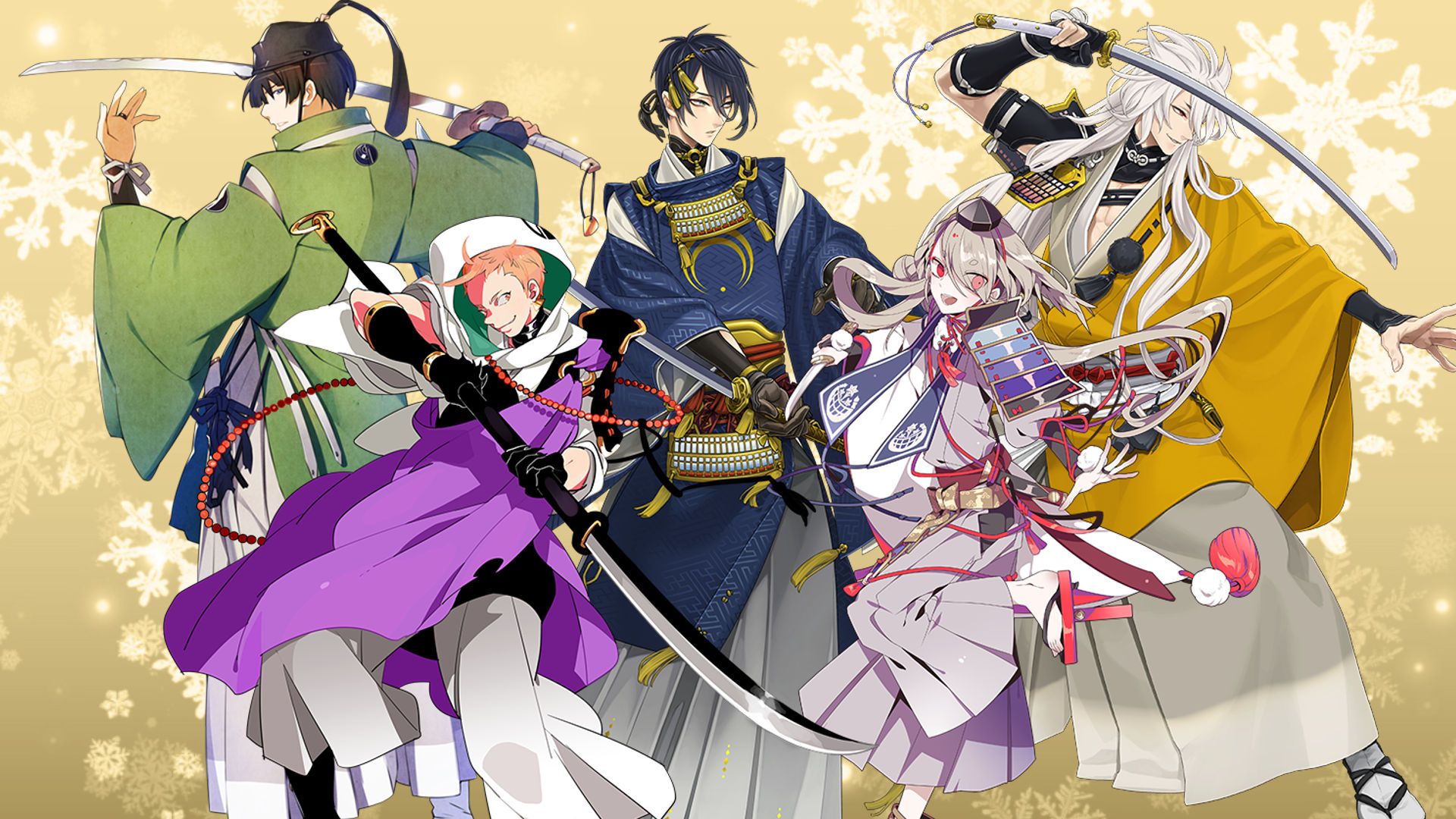
A list of spots associated with "Sword Dance"! Recommended for pilgrimages to sacred places! TOURABU
We have compiled a list of spots that are associated with "Sword Dance". These places are recommended for pilgrimages to sacred places, such as the locations of Japanese swords, which are the source of the swordsmen, and the museums of historical figures who were the original owners of the swords. These places are enjoyable not only for "Sword Dance" fans but also for history buffs, so be sure to check them out.
Read Article
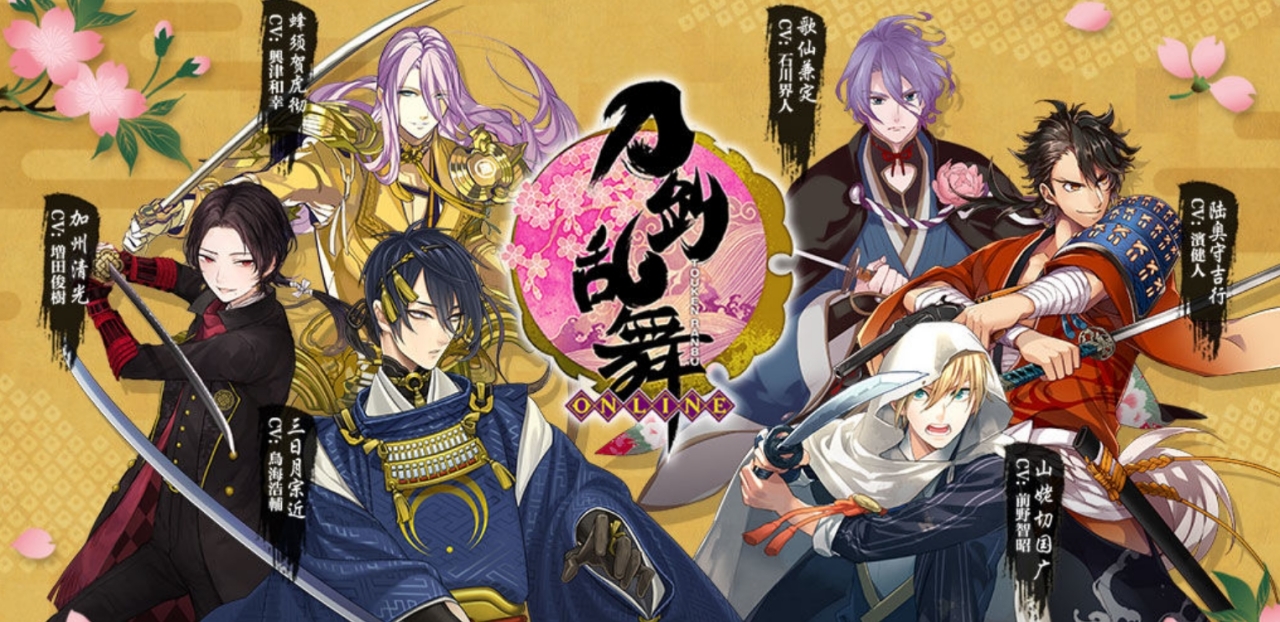
Summary of the original name of the horse and its relationship to the character in the sword dance [Tourabu].
In the browser game version of the original "Sword Dance," a major content series that boasts enormous popularity among women, "horses" exist as equipment items. Each horse has a different name and status, but like the swordsmiths, their names have their own origin stories. Here we will introduce the original story of the horses and their relationship to the characters.
Read Article
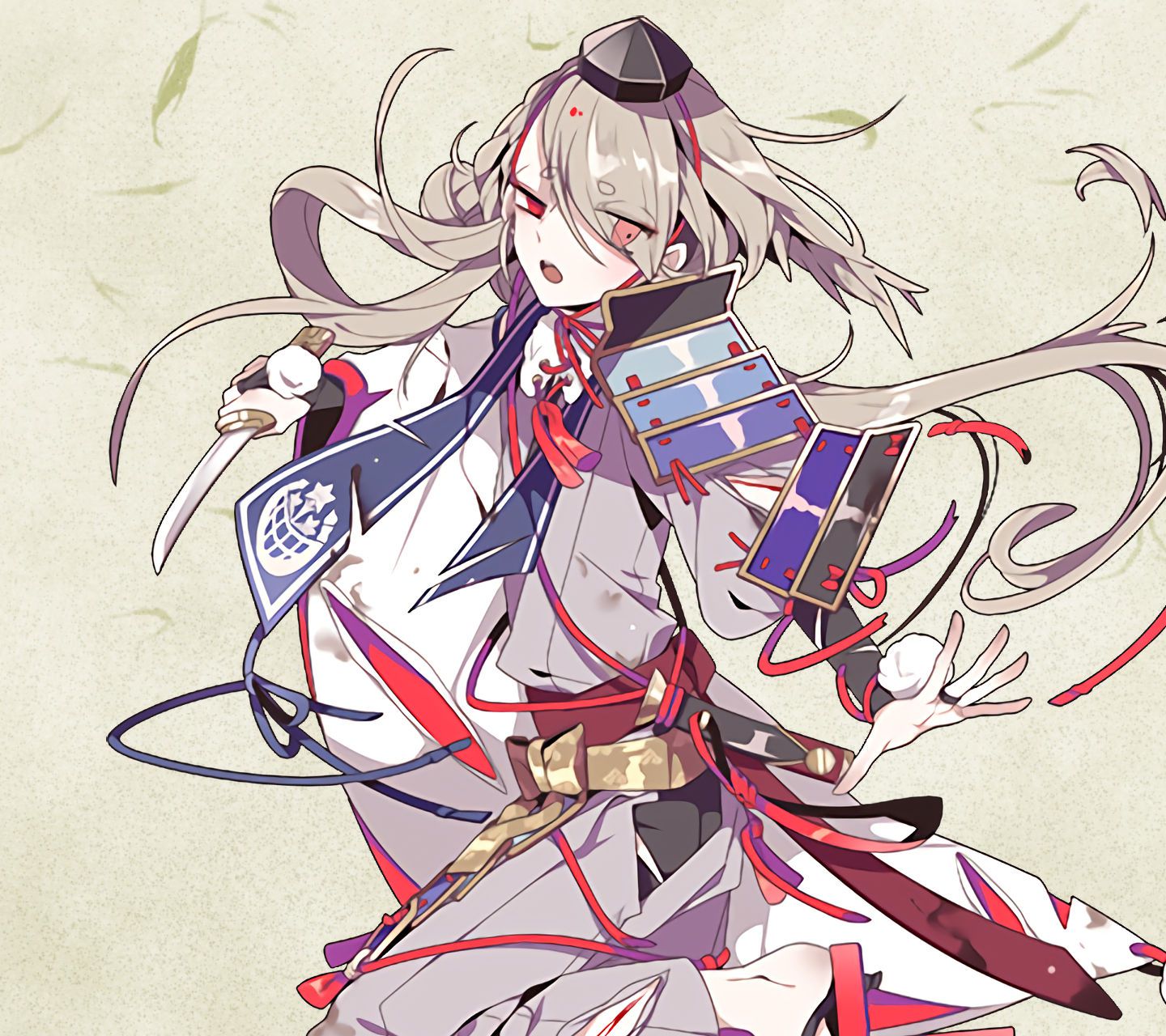
A summary of "Sword Dance" painters! Introducing the creators of the beautiful swordsmiths and the characters they work with! Tourabu
We have compiled a list of artists who have created illustrations of swordsmiths appearing in "Sword Dance. The artists and illustrators who created these beautiful illustrations are active in a variety of genres, so if you are interested in their work, please check them out.
Read Article
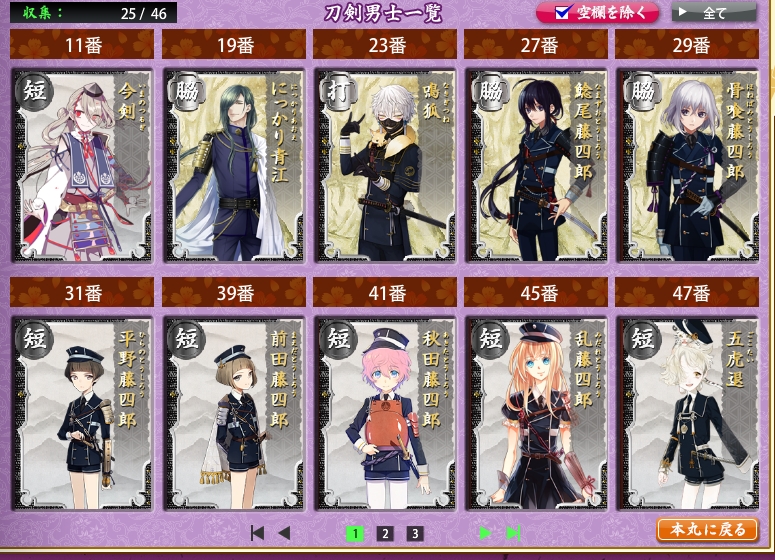
A summary of fans' passion for making sword fighting healthy for 4-year-olds.
In January 2016, "Tourabu" celebrated its first anniversary since its distribution. Over the past year, Tourabu has knocked out numerous legends, including a musical adaptation, song distribution, and various goods development, but finally the details of the smartphone version of the application have been announced, and with it, fans have been able to see "a certain care" in the ......?
Read Article
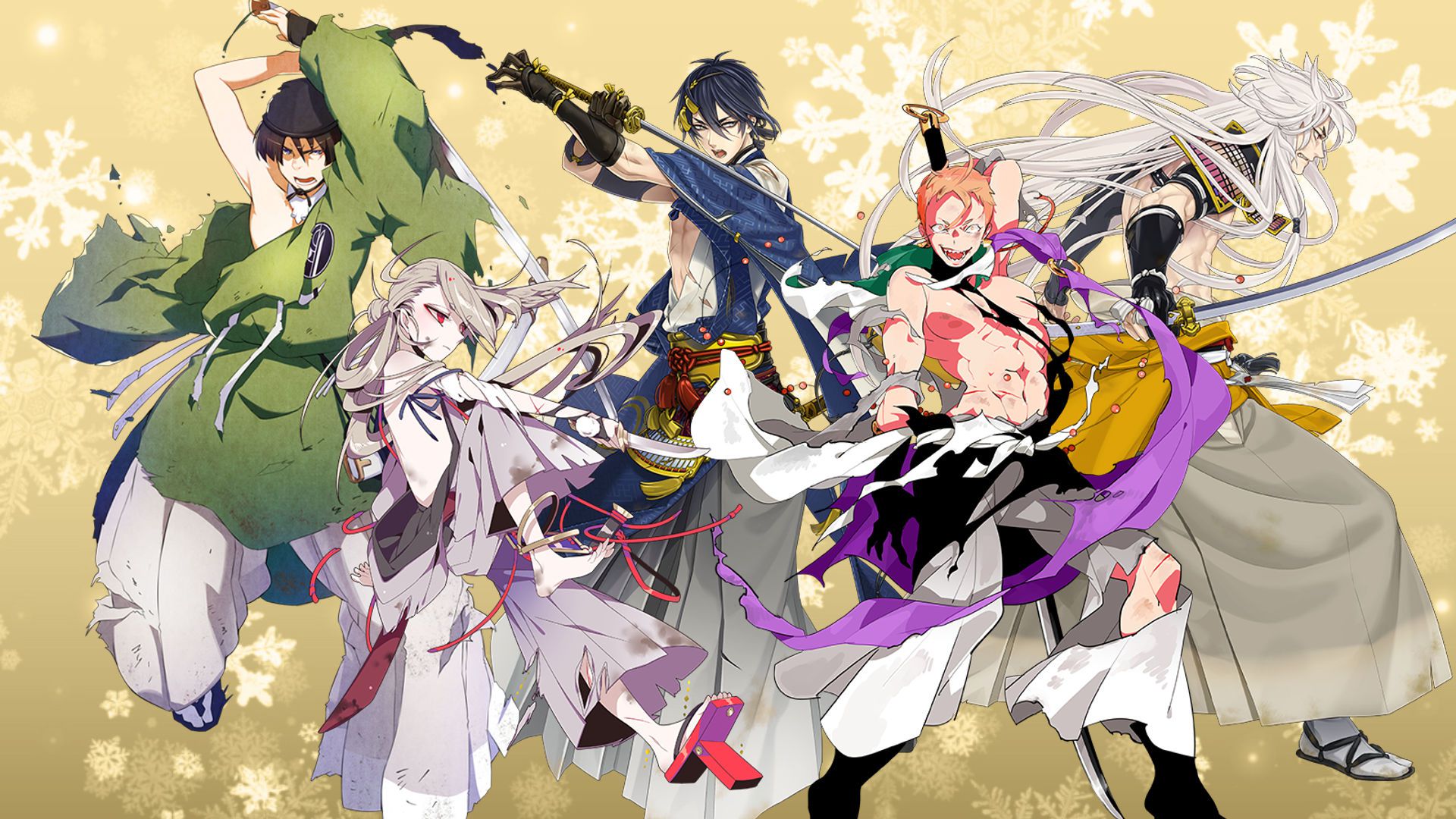
A collection of images of "Tourabu" with medium & heavy wounds! The differences in costumes and facial expressions are amazing... [Tourabu
Here is a summary of the appearance of the swordsmen in "Touken Ranbu" when they are moderately or seriously wounded. The following are those of the swords that were implemented from the beginning of the service until the appearance of Hagekiri & Hizemaru. It is tempting to see their tattered outfits and different expressions from normal, but you don't want them to look like that in your own Honmaru because they may lose their swords when they are seriously wounded...
Read Article
Collection of Golden Recipes for Sword Forging! You might get a rare swordsmith! TOURABU
The online game "Touurabu" is a popular game in Japan. Here we have collected "golden recipes" that have a high chance of forging the swordsmith you are looking for. The site also provides easy-to-understand information for beginners. We also introduce the voices of players who have succeeded in forging rare swordsmen using the golden recipe.
Read Article
Additional illustrations and behind-the-scenes settings by the artist are now available for viewing!
Originally released as a game, "Sword Dance. The work's explosive popularity, mainly among women, eventually led to a musical, stage, anime, and even a live-action film adaptation. This article summarizes additional illustrations and backstories released by the official illustrators of "Sword Dance".
Read Article
![TouyanBu] Introducing the Top 10 Most Popular Swordsmen! No. 1 is Tsurumaru Kuninaga, a sword born in the Heian Period! The first place goes to Tsurumaru Kuninaga, a sword born in the Heian period!](https://renote.net/files/blobs/proxy/eyJfcmFpbHMiOnsiZGF0YSI6ODU3NzgwNiwicHVyIjoiYmxvYl9pZCJ9fQ==--d78e32353064e4082eec8d8472879588e07272a3/DWzDtBwVAAAVZmH.jpg)
TouyanBu] Introducing the Top 10 Most Popular Swordsmen! No. 1 is Tsurumaru Kuninaga, a sword born in the Heian Period! The first place goes to Tsurumaru Kuninaga, a sword born in the Heian period!
We have compiled a ranking of the 1st to 10th most popular swordsmiths in "Touken Ranbu". The first place goes to Tsurumaru Kuninaga, who has a charming gap between his fragile appearance and cheerful personality.
Read Article
Costume illustrations of "Sword Dance"! Includes battle scenes and Uchiban outfits! TOURABU
We have compiled a collection of standing pictures of swordsmen in "Sword Dance" that make it easy to recognize their costumes. The illustrations include standing pictures of battle scenes, medium and severely wounded figures, and Uchiban figures, etc. Please use them as reference materials when you create fan art.
Read Article
Tags
Contents
- Table of Contents (listed by sword group)
- Sword School Name: Sanjo
- Mikazuki Munekin
- origin
- history
- fox spirit
- origin
- stone circle
- history
- stone monument bearing an inscription (esp. memorial for future generations)
- history
- present day sword
- origin
- history
- Sword School Name: Gojo
- Tsurumaru Kuninaga
- origin
- history
- Sword School Name: Aoe
- Successive Pearl Harvest Festival (Ichinoseki-shi, Iwate-ken)
- origin
- history
- Nikkari Aoe
- origin
- history
- Sword School: Awataguchi
- Rousseau's fox (Vulpes rufa)
- origin
- history
- one shaking a stick of rice in one's hand
- origin
- history
- catfish (esp. the Japanese catfish, Silurus glanis)
- origin
- history
- bone-eating Fujishiro
- origin
- history
- Yakken Fujishiro
- origin
- handed down
- Atsushi Fujishiro
- origin
- history
- Kofu Toshiro
- origin
- history
- Shinano Fujishiro (kabuki actor)
- origin
- history
- Hakata Fujishiro
- origin
- history
- Hirano Fujishiro
- origin
- history
- Maeda Fujishiro
- origin
- history
- Ran Fujishiro
- origin
- history
- fiveleaf aralia (Acanthopanax sieboldianus)
- origin
- history
- Akita Fujishiro
- origin
- history
- chef
- history
- Two knives Fujishiro
- The other "Bakkou Fujishiro" that was burnt down.
- origin
- history
- Name of sword school: Kobizen
- Japanese nightingale (Cettia diphone)
- origin
- history
- Sword School Name: Kurei
- firefly (Luciola cruciata)
- origin
- history
- Aizen Kunitoshi (master of sake brewing)
- origin
- history
- Akashi no Kuniyuki
- origin
- history
- Sword School Name: Muramasa
- ephemeropteran
- three copies
- origin
- history
- Name of sword school: Sadamune
- Monotsukichi Sadamune
- origin
- history
- Sadamune Tadasuke, a famous swordsmith and drummer in the Kamakura and Muromachi periods
- origin
- history
- Kikkosadamune
- origin
- history
- Sword School Name: Nagafune
- Candlestar Mitsutada
- origin
- history
- Sword School Name: Left Character
- snowflake-shaped family crest
- origin
- history
- head priest of the Sosan sect (of Shin Buddhism)
- origin
- history
- Lethocerus deyrollei (species of giant water bug)
- anecdote
- origin
- history
- Sword School Name: Kanetada
- Kanade Utasen
- origin
- history
- Kanade Izumimamori
- history
- Sword School Name: Horikawa
- Yamabushi no Kunihiro
- origin
- history
- Yamambakiri Kunihiro
- origin
- history
- Kunihiro Horikawa
- Sword School Name: Toratetsu
- Hachisuga Toratoru
- origin
- history
- grasshopper
- Urashima Toranomono (god of war)
- origin
- history
- No sword group (unknown)
- Kashu Kiyomitsu (kabuki actor)
- Yamatomamori Yasusada
- Mutsu no Yoshiyuki
- Biography (in possession of Ryoma Sakamoto)
- Coming after Ryoma
- Mahakala (incarnation of Mahesvara)
- origin
- history
- Heshikiri Hasebe
- origin
- history
- lion king
- anecdote
- history
- Dotanuki Masanori
- origin
- anecdote
- long sword
- origin
- handed down
- sword of the Jiro school, usually thicker and heavier than regular Japanese swords
- history
- mallet
- origin
- history
- name of Japan
- history
- bearded cuttlefish (esp. species Sepia esculenta)
- anecdote
- origin
- history
- knee-high sleeper (species of club moss, Lycopodium clavatum)
- anecdote
- origin
- history
- thereafter
- Āryācalanātha
- origin
- history
- Name of sword school: Miike-ha
- Mitsuyo Ootenta
- origin
- Regarding the name
- Personal History (Ashikaga Shoguns ➡ Hideyoshi ➡ Maeda Family)
- Different theories on his history (Kyoho Meimonocho, Maeda family documents)
- episode
- test of courage at Osaka Castle
- Sorbus japonoca
- origin
- Biography (Oyado family ➡ Ieyasu ➡ Collection of Kunouzan Toshogu Shrine)
- episode
- Swordsmith: Heaven
- Kogarasumaru
- Name, sword shape, maker (swordsmith)
- origin
- different opinion
- history
- Several swords with the same name exist.