
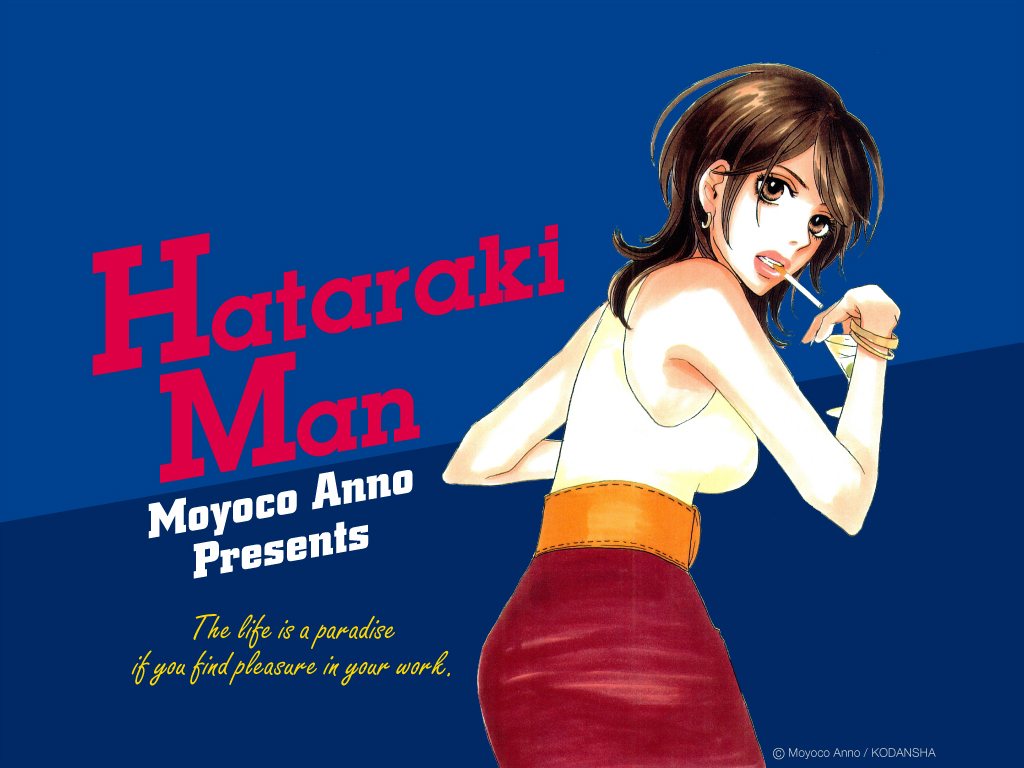
Working Man" is a work manga by Moyoco Anno that began serialization in Kodansha's "Morning" in 2004 and ran until 2008. Hiroko Matsukata, a female editor of the magazine "JIDAI," is 28 years old and single. She struggles day and night with her boss, colleagues, and junior staff to create a "good magazine. Once she gets into work mode, she forgets about sleep and food and prioritizes work over her boyfriend. The story was adapted into an anime in 2006 and a TV drama in 2007. The drama starred Miho Kanno.
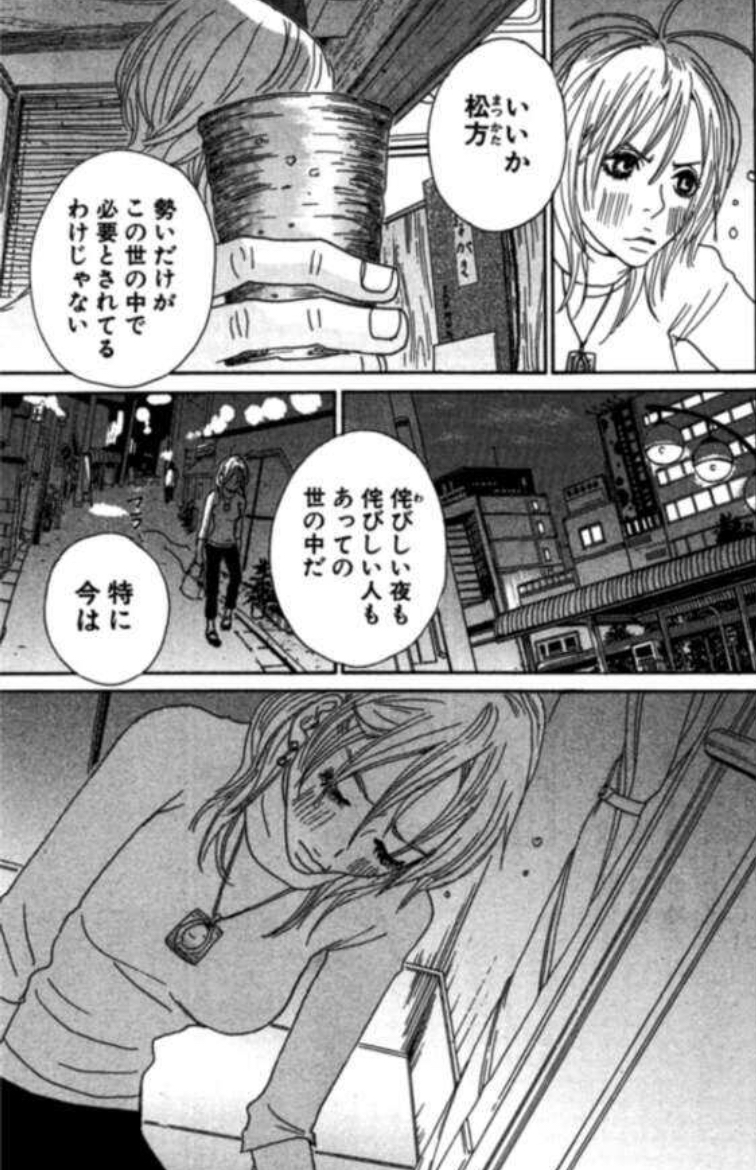
Hiroko said to Umenomiya at a drinking party, "I think' JIDAI' of today has no power. Is it because of the times?" hiroko had heard from Narita that Umenomiya used to be "aggressive", so she asked, "Do you have a responsibility to protect now?" Umenomiya listened to hiroko's words, and after a while he said, "Look, Matsukata. It's not that only force is needed in this world. It's a world where there are wabi nights and wabi people. Especially now." Umenomiya, Umenomiya works with the same amount of energy as in the past, but it's also necessary to look at the times calmly like this. This is a wise remark that can be read as the breadth of vision of Umenomiya as the chief editor. hiroko
Hiroko MATSUKATA "After all, do I have to do the task in front of me to do what I like?"
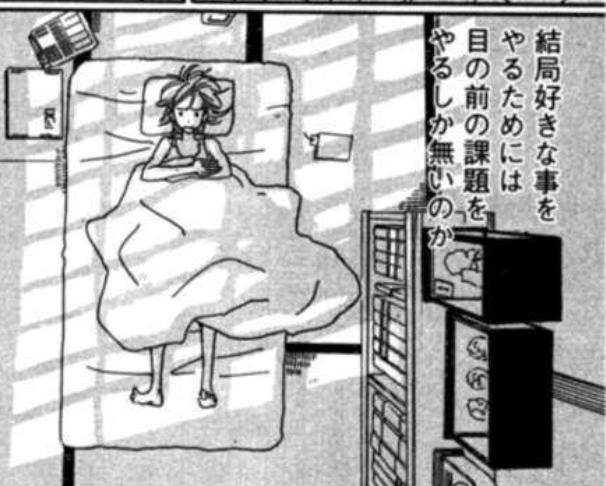
Hiroko has been working in the editorial department of "JIDAI" for nine years now. He is approaching the age of 30, and it is time to wonder if he should stay as he is now. In the midst of this, hiroko returns to her parents' home and is persuaded by her father to "become the chief editor and make a proper one." Her dream is to become the chief editor, but it is constitutionally difficult for a woman to become the editor of "JIDAI." When hiroko says, "I can't be a woman," her father gives a simple answer: "Then you can make it." To quit "JIDAI" and make a new magazine. But to do that, you have to produce results where you are now. "What's the result? To increase the number of copies? It's impossible if you don't become the chief editor," she says wryly in her mind. She thinks all night long and comes to the conclusion, "In the end, I have to do the task in front of me in order to do what I like." This is an important wise saying that if I do the work in front of me one by one, it will lead to great success and big work. JIDAI hiroko hiroko hiroko
Behind the Scenes, Trivia, and Small Stories / Episodes and Anecdotes of "Hataraku Man"
In the British newspaper Times of London
This manga was featured in the British Times of London on the theme "Can' Working-Man' Reverse Japanese Gender Inequality?" When hiroko enters work mode, the "Otoko Switch" is turned on. Then she forgets to dress, sleep, eat, and fall in love, and works furiously. The theme of this manga is "What is working?" and "Meaning of working", but the deeper theme is "For people who work hard, gender does not matter." However, in the United Kingdom, hiroko's strenuous work was interpreted as a Japanese symbol that "a woman must work three times as hard as a man to be recognized."
Misspelled characters
There is a character named "Yumi Nokawa" in the editorial staff of "JIDAI." Her name is "Yumi Nokawa," but depending on the comic strip, "Yumi" is changed to "Yumi." It is confusing which one is true. It is usually "Yumi Nokawa," so the correct one is "Yumi."
Theme song and insert song of "Work Man"
Anime "Workingman"
OP (opening): Puffy AmiYumi "Working man"
Written and composed by Tamio Okuda, the song was originally released by Tamio Okuda in 1990. The lyrics are about the tragic feelings of office workers. It was covered by Puffy AmiYumi in 2006 and used as the theme song for the anime "Work Man."
ED (ending): Chatmonchy "Shangri-La"
Chatmonchy's third single, written by Kumiko Takahashi and composed by Eriko Hashimoto, was the first to top 10 on the Oricon Singles Chart and became the Chatmonchy's most popular single. The title "Shangri-La" is the name of her lover and has nothing to do with "Shangri-La," which means paradise on earth.
Inserted song:' Omoide wa Yogisha ni Notte' (Memories are on the Night Train) (Episode 1 to Episode 8 and Episode 10 to Final) by Sambomaster
Sambomaster "Omoide wa Yogisha ni Notte" song (single), lyric page 21004429 Recochoku
recochoku.jp
Download Sambomaster's "Omoide wa Yogisha ni Notte" at RecoChoku. (iPhone/Android app support)
Both the lyrics and the music are written by Takashi Yamaguchi. The song is about the main character who leaves town on the train and laments the parting with his lover who has hurt each other so far. The last lyrics end with the train starting to run with the memories of the two people on the night train.
Insert: Sambomaster "The World Calls It Love" (Chapter 9)
Both the lyrics and music were written by Takashi Yamaguchi. It was written as the ending theme of the 2005 Fuji TV series "Densha Otoko" (The Train Man). Later, it was used as an insertion song for the 2006 anime "Karutsumi Man" (Working Man). It was the first single to make the Oricon Top 10.

Related Articles
Spoiler commentary and discussion of Hana to Mitsubachi (manga)
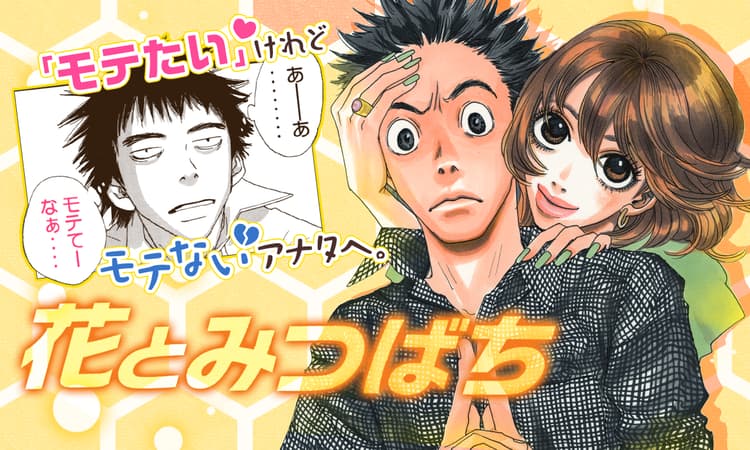
Hana to Mitsubachi" is a youth comedy manga by Moyoco Anno serialized in Kodansha's "Weekly Young Magazine" from 2000 to 2003. The comic was published in seven volumes. High school student Masao Komatsu (Komatsu Masao) wants to be popular, but he is plain and lacks confidence in his fashion and appearance. Komatsu, who is at the bottom of the school caste consisting of the disparity in society, struggles to become a popular guy. This is an adolescent comedy film in which Komatsu grows up by going to an eccentric men's esthetic salon and being guided by the "Oni sisters" he meets there.
Read Article

Spoiler commentary and discussion of Shugasugarun (manga and anime)
Shugasugarun" is a girls' manga by Moyoco Anno that ran in "Nakayoshi" magazine from 2003 to 2007, and an anime based on it. Chocolat-Mayeur and Vanilla-Mu, witches who are candidates for the next queen, have come to the human world from the demon world made of sweets for the queen exam. They compete over the human heart, which crystallizes their feelings, to see who is more suitable to be queen. Soon, the demon world is in a pinch because of a battle with the rival Ogle. The two rivals and best friends fantastically depict their friendship and where their love goes. This work won the 29th Kodansha Manga Award in the children's category.
Read Article
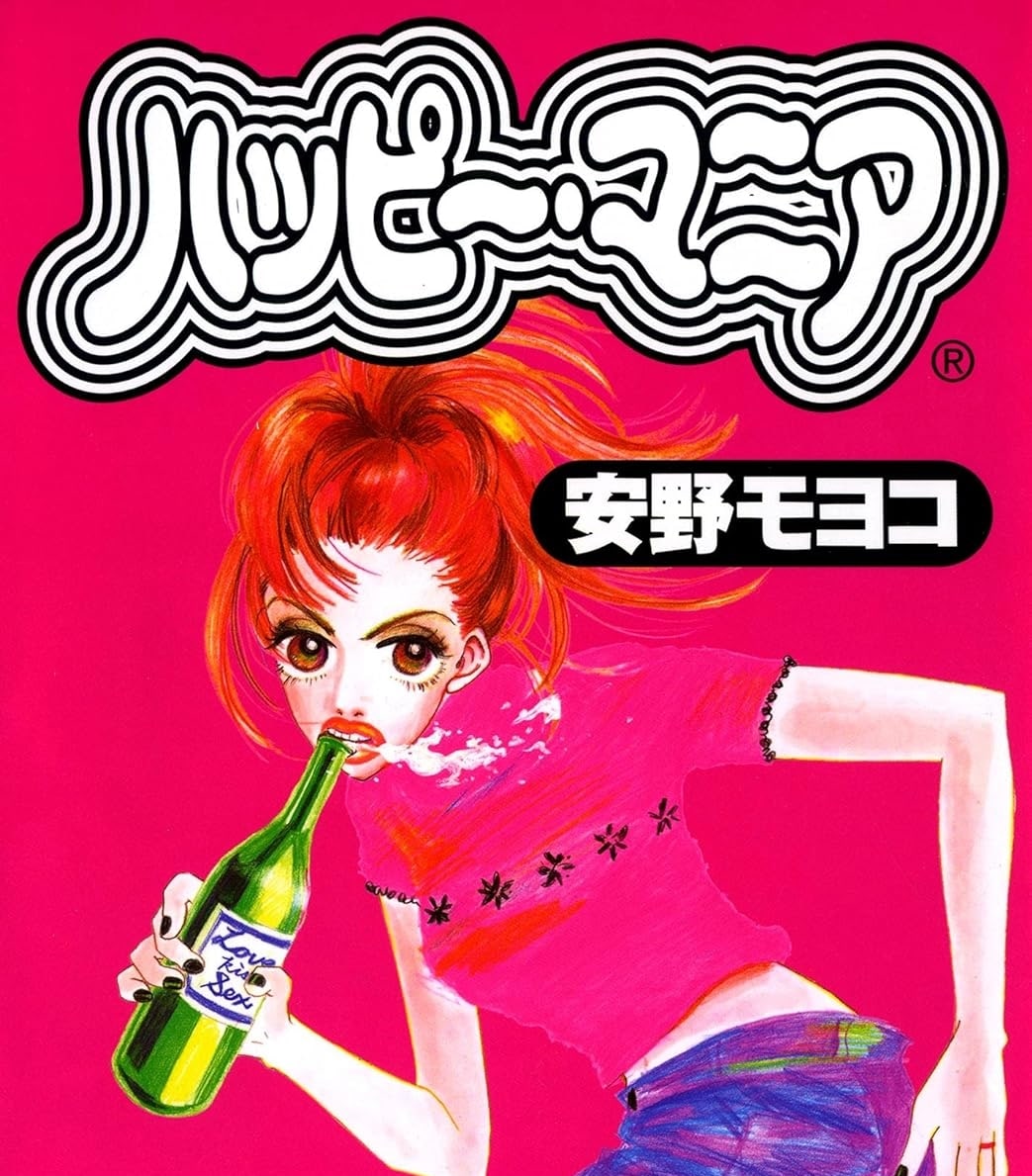
Happy Mania (Moyoco Anno) Spoilers and Discussion Summary
Happy Mania" is a manga serialized by Moyoco Anno in FEEL YOUNG since 1995, and a drama work based on it; a sequel, "Later Happy Mania," was released in 2017, followed by the serialization of the manga. The story follows Shigekayo (Shigeta Kayoko), a maverick protagonist who is on a quest to find her ideal lover, and how she "searches for happiness" while repeatedly going out with and breaking up with men. The film is a frank and honest account of a girl's true feelings about love and sex. Shigekayo's recovery from her many painful encounters is both funny and charming in this romantic comedy.
Read Article
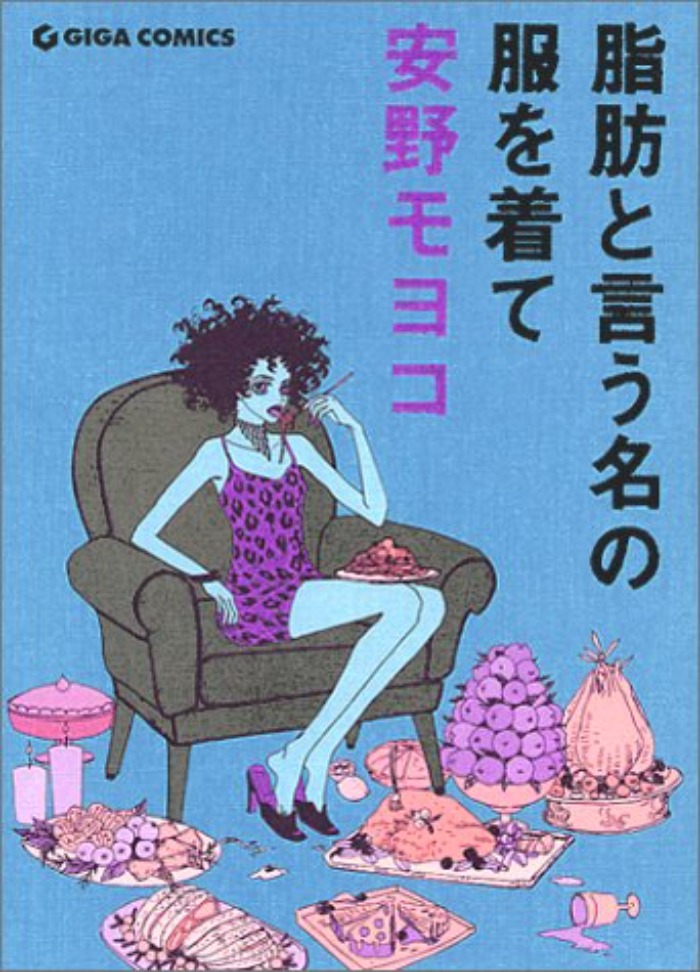
Wearing a Dress Named Fat (You Have to Be Skinny!) Spoiler commentary and discussion summary of
Wearing Clothes Named Fat" is a manga by Moyoco Anno about overeating and dieting, serialized in Shukan Josei from June 1996 to September 1997. The title of the manga was changed from "Yase ni mo Dame! when it was serialized, and was changed when it was published in book form. An obese office worker, Noko, who lacks self-confidence and finds comfort in eating, falls into overeating because her boyfriend is cheating on her. With a large sum of money given to her by a mysterious "fatty elder" she met at a phone club, she goes to an esthetic salon and loses weight. This problematic film depicts the dark side of women's hearts, questioning what beauty is.
Read Article
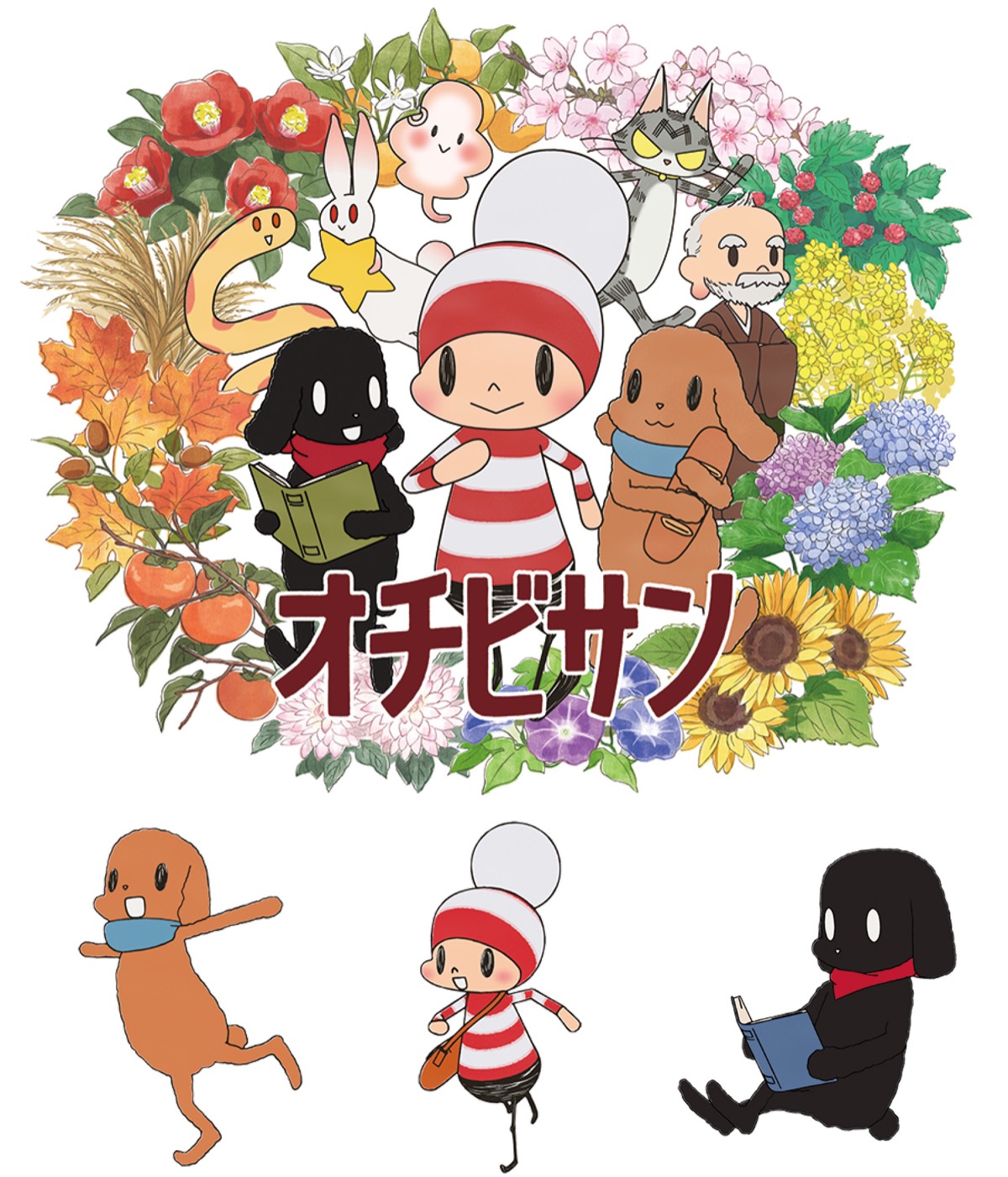
Spoiler commentary and discussion of Ochibisan (Moyoco Anno)
Ochibisan" is a full-color manga by Moyoco Anno depicting the daily life of the main character, Ochibisan, from season to season, with one-page storylines for each episode. It was serialized in Asahi Shimbun from April 2007 to March 2014, and transferred to AERA (Asahi Shimbun Publications) from April 2014 to December 2019. The book is in 10 volumes. The heartwarming story of Ochibisan and his friends and his watercolor drawings became popular. It became a picture book, was made into an animated TV series, and was even shown on a video distribution site.
Read Article
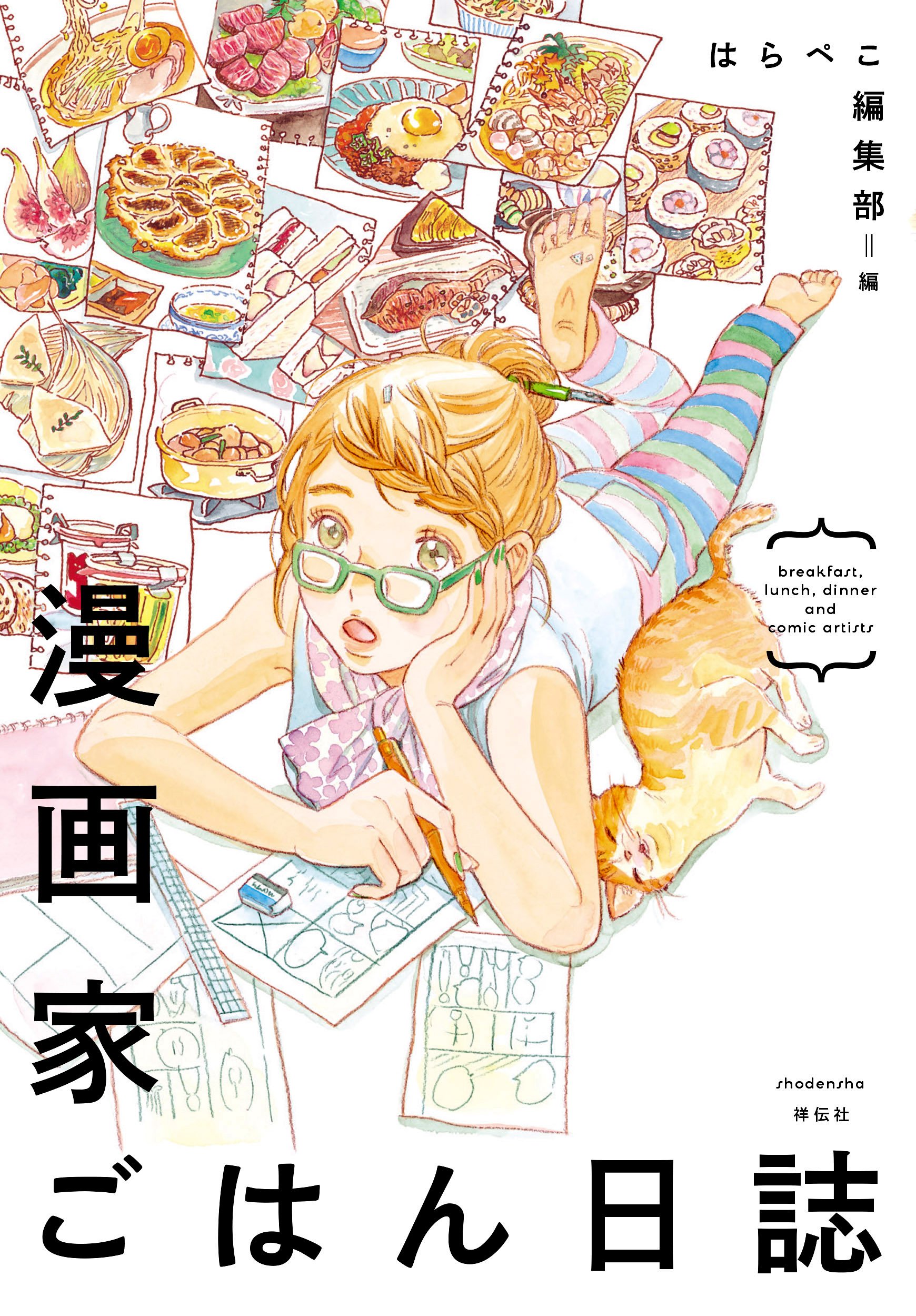
Spoiler commentary and discussion of Manga Gohan Nisshi (manga).
Manga-ka Gohan Nisshi" is a comic book featuring 50 cartoonists' episodic drawings about their own food. It was published by Shodensha on May 8, 2015. Each of the 52 manga artists draws two pages in a rough style about the food they eat on a daily basis and the manga artist's thoughts on food. It is a book that provides an insight into the daily eating habits of popular manga artists and a chance to think about what food is all about.
Read Article
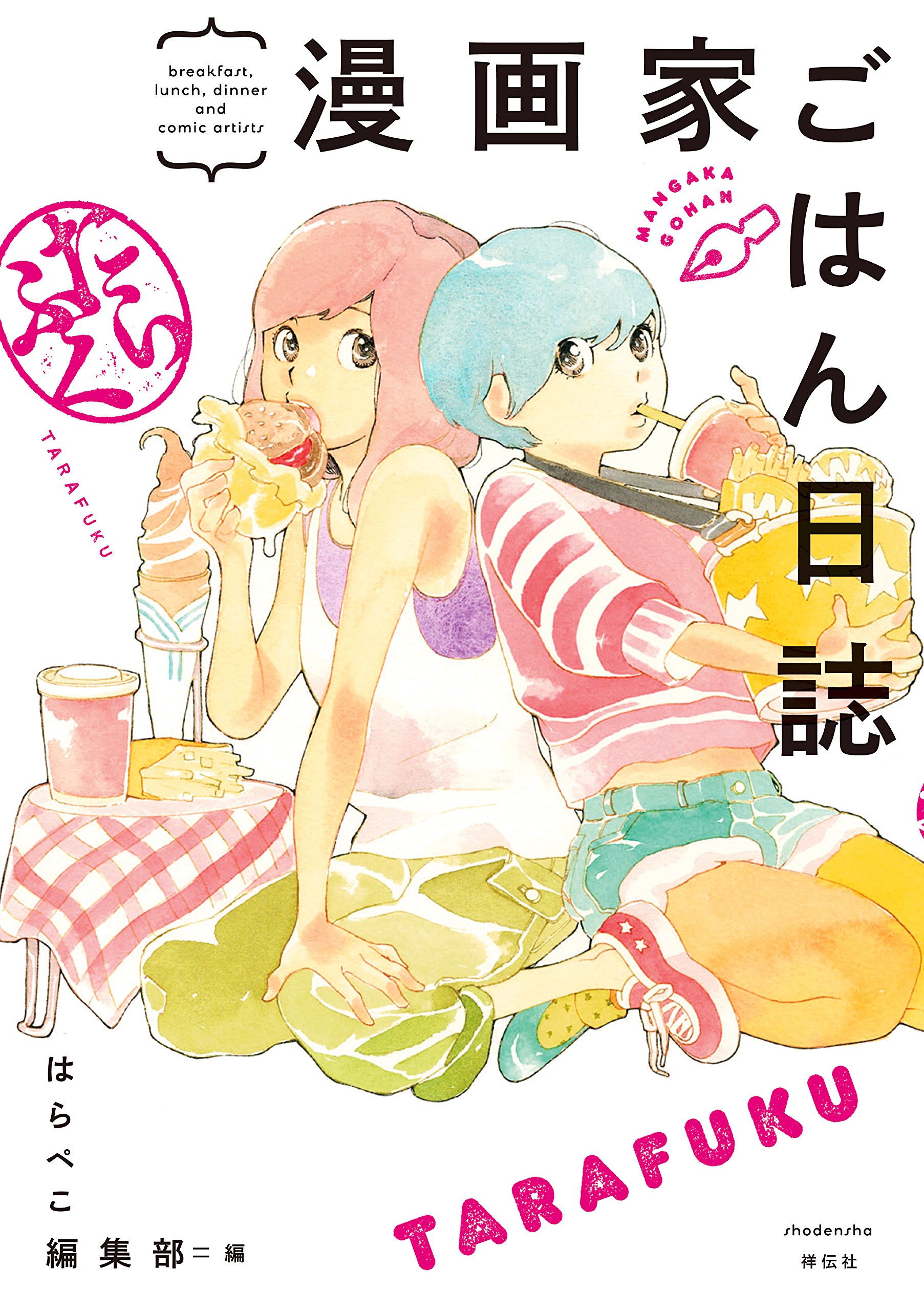
Manga Gohan Nisshi Tarafuku (Manga) Spoiler Commentary and Discussion Summary
Manga-ka Gohan Nisshi Tarafuku" is a comic book featuring cartoons drawn by 50 cartoonists based on their own episodes about food. Each of the 50 cartoonists draws two pages in a rough style, describing the food they eat on a daily basis and their own thoughts on food. The second half of the book contains a special interview and a special dialogue. It is a book that gives readers an insight into what the popular manga artist eats on a daily basis, and furthermore, it is a work that encourages readers to think about what food is all about. This book is a sequel to "Manga-ka Gohan Nisshi" published in May 2015.
Read Article

A collection of mugshots and images of female manga artists! Amazingly beautiful real faces of Hikaru Nakamura, Ami Shibata, and others!
Compared to actors and voice actors, manga artists are rarely seen on the stage. The opportunity for female manga artists in particular to make an appearance is rare, and people who see them on the Internet are often surprised by their beauty. This article will focus on the "particularly beautiful and attractive" women who are not often seen in the limelight. This article introduces female cartoonists who are popular among fans for being "especially beautiful" and their famous works.
Read Article
A compilation of handsome shoujo manga with cute fashion that I want to imitate [all in color!
There are manga in which the characters are very fashionable ♡ I want to imitate them at least once. We have compiled a list of manga with cute fashion.
Read Article
Tags
Contents
- Outline of "Work Man"
- Outline and story of "Work Man"
- Man, switch on.
- Scandals are not the only face of weekly magazines.
- Take care of the work in front of you
- Working style as a woman
- Same amount of heat now and then
- The effort is rewarded
- Hiroko no Namida
- Tanaka's Awakening
- Long, long, working man.
- List of Work Man characters
- Editorial staff of the weekly "JIDAI"
- Hiroko MATSUKATA (played by Miho Kanno)
- Kimio NARITA (played by Ikki Sawamura)
- Kunio Tanaka (played by Mokomichi Hayami)
- Nagisa Mayu (played by Aya Hirayama)
- Maiko Kaji (played by Michiko Kichise)
- Yumi Nogawa (played by Yumiko Shaku)
- Aya Sugawara Fumiya (played by Kanji Tsuda)
- Akihisa Kobayashi (played by Yoshiyoshi Arakawa)
- Tatsuhiko UMEMIYA (played by Masato Ibu)
- Sales department
- Makoto Chiba (played by Ken Watabe)
- Political world
- Hoshikawa Hikaru (played by Nobuyuki Katsube)
- Utako SEKIGUCHI (played by Mari Natsuki)
- World of sports
- Kazuyo SASAKI
- Coach Yamamoto
- SHIMURA Junji (played by Yusuke Kamiji)
- Writer
- Natsume Miyoshi
- Takahiro MOGI
- Show business
- Megumi Hotta (played by Ayaka Komatsu)
- Hiroko's Lover
- Shinji Yamashiro (played by Hisashi Yoshizawa)
- The Matsukata family.
- Yoko MATSUKATA
- Ryō Nishida
- Hiroko's father / actor: Takehiko Ono
- Term for "workman"
- Weekly "JIDAI"
- Koryo
- Desk
- Words, Lines, Scenes, and Scenes of "Workingman"
- A scene where hiroko is switched on to become a "working man."
- Hiroko MATSUKATA "I want to die thinking that I have worked."
- Scene where the editorial staff's power is concentrated
- Akihisa Kobayashi "Various things such as work, pride, courtesy, being serious and common sense. 70% of them are meaningless. No, it's a correction. It doesn't have to be meaningless in the first place."
- Tatsuhiko Umemiya: "Listen Matsukata. Momentum is not the only thing needed in this world. There are shabby nights and shabby people in this world. Especially now.
- Hiroko MATSUKATA "After all, do I have to do the task in front of me to do what I like?"
- Behind the Scenes, Trivia, and Small Stories / Episodes and Anecdotes of "Hataraku Man"
- In the British newspaper Times of London
- Misspelled characters
- Theme song and insert song of "Work Man"
- Anime "Workingman"
- OP (opening): Puffy AmiYumi "Working man"
- ED (ending): Chatmonchy "Shangri-La"
- Inserted song:' Omoide wa Yogisha ni Notte' (Memories are on the Night Train) (Episode 1 to Episode 8 and Episode 10 to Final) by Sambomaster
- Insert: Sambomaster "The World Calls It Love" (Chapter 9)
- Drama "Workingman"
- Theme song: UVERworld "Ukiyo CROSSING"
- Ed Ending: Mitsuru 働木's' Karatsuman Ondo' (Working Man Dance)
- Image Song: Avril Lavigne "Girl Friend"