
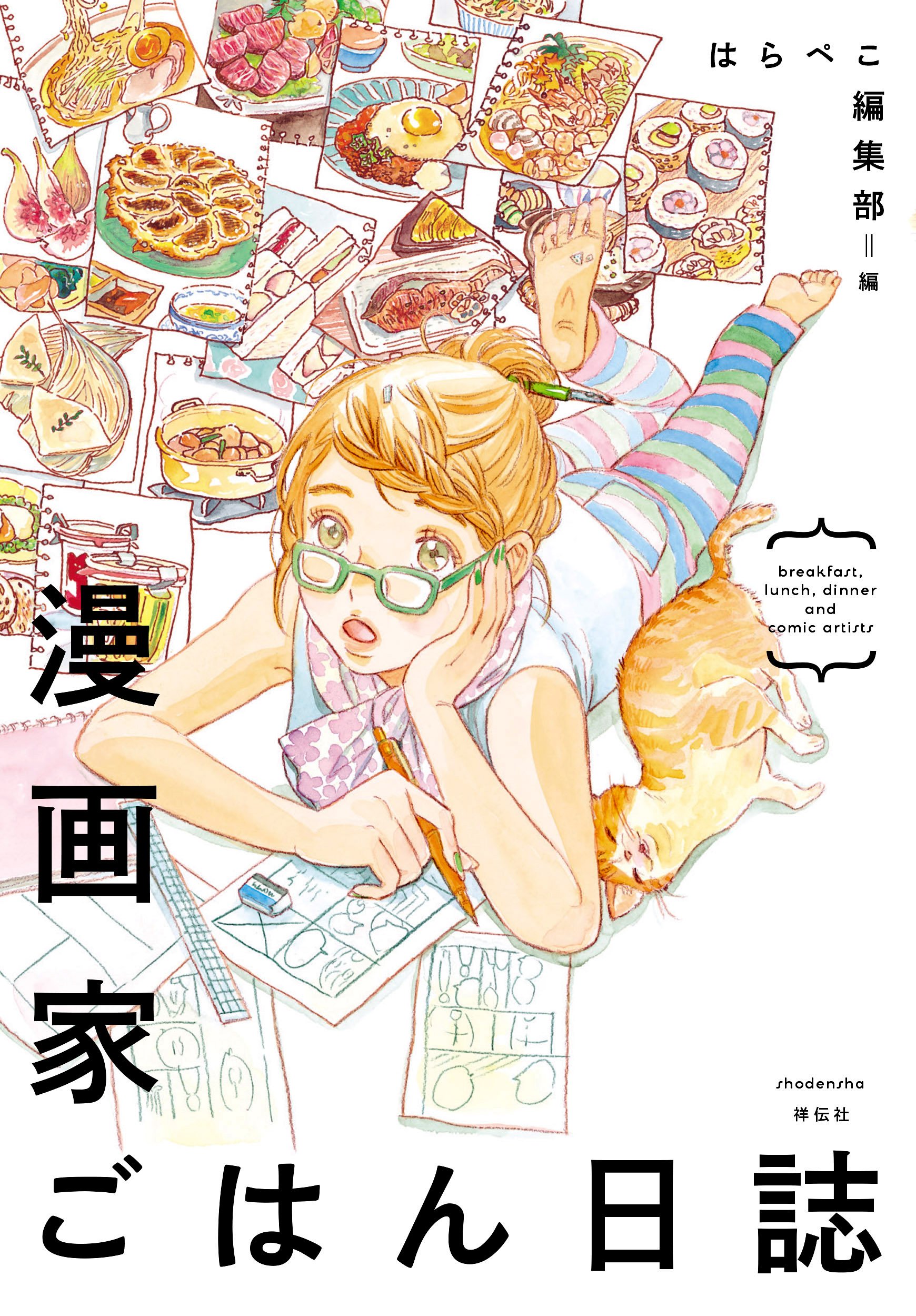
Manga-ka Gohan Nisshi" is a comic book featuring 50 cartoonists' episodic drawings about their own food. It was published by Shodensha on May 8, 2015. Each of the 52 manga artists draws two pages in a rough style about the food they eat on a daily basis and the manga artist's thoughts on food. It is a book that provides an insight into the daily eating habits of popular manga artists and a chance to think about what food is all about.
Outline of "Mangaka Gohan-Nisshi"
"Mangaka Gohan-Nisshi" is a comic book compiled by 50 cartoonists who appeared in "FEEL YOUNG" from June 2010 to May 2014. The second half contains special interviews and special dialogues. It was published by Shodensha on May 8, 2015. Each of the 52 cartoonists in this two page book paints in a casual style their thoughts about the food they usually eat and the food they have. It is a book in which you can learn what kind of diet they have on a daily basis. Some cartoonists think rice is important, and some cartoonists are careless about eating. You can learn what kind of diet they are sending in the work environment unique to the profession of cartoonist. In particular, what kind of rice they eat or don't eat during the period called shurafa just before the deadline varies depending on the cartoonist, and it is very interesting to read. Also, you can catch a glimpse of the family environment in which the cartoonists grew up and what kind of state they are in in the two page comic book with the theme of food. The 50 works drawn by 50 cartoonists and two interview articles tell readers how the popular cartoonist views food. By reading this comic book, readers can get a panoramic view of how people have understood food. This makes readers more interested in food than in ordinary cookbooks, and makes them feel like they want to cook. This work has a concrete impact on readers' minds.
The plot and story of "Mangaka Gohan-Nisshi"
Cartoonists' Food Situation
From Yumi Unita's One Day Dinner to Hisae Iwaoka's Iwagaki oyster Cooking Experience
宇仁田: Dinner on a beautiful day.
The side dishes are pork and cabbage stir-fried with miso, giant shiitake mushrooms grilled with butter and soy sauce, pork and cabbage stir-fried with miso, cucumbers cut into sticks, fresh tomatoes cut into wedges, sweet soysauce simmered Hijiki, and potato miso soup.
Tomoko Yamashita hot pot dishes.
I eat nabe every Sunday. The ingredients are milk, flour, and curry powder base. I add various ingredients such as onion, cauliflower, pork, carrot, green onion, and Chinese cabbage. Then, I eat it with soy sauce, vinegar, garlic with green onion, ginger, and sake sauce. My recent favorite is a blend of sesame and ponzu sauce.
Haruka KAWACHI's circumstances regarding snacks and meals before the deadline.
Before closing, they choose snacks that can be eaten with one hand, such as soy milk, black vinegar, Weider in Jelly, fami chiki, rice balls, sandwiches, vitamin drinks, etc. They also like soft seedless dried plums, sweet dried sweet potato, strips of candied sweet potato, soybeans, dried sardines, pickled plums, etc. When I stayed up all night, the pink eraser looked delicious.
Est em's Diet During Travel and Dietary Circumstances after Return to Japan.
I traveled in Spain for a month and a half. In the city of Burgos, they are friendly with me. I eat a lot of beers, wines, bokadillo, uncured ham, cheeses, chorizo, and boiled pork.
Yoko Nemu's meal menu.
There are only 2 types of dishes to eat. The first is brown rice, miso soup and fried egg. The second is brown rice, miso soup and natto. I eat this every day. I am particular about each dish.
Natsuo Motomachi's home garden.
Vegetables harvested from home gardens, such as tomatoes, basil, eggplant, okra, paprika, and cucumbers, are used to make salads. The dressing is made with olive oil, salt, balsamic vinegar, soy sauce, and mayonnaise. When the deadline approaches, harvesting is difficult, and tomatoes are spoiled and eaten by vermin.
Torino's Fixed Menu
I always order the same food at family restaurants: tuna sandwich, Sunday Brunch, Salted Caramel French Toast, Salmon Meuniere, Vietnamese Seafood Yakisoba at Subway. I always eat the same food at home: salad and dressing.
This is how Fumiko Tanikawa ate before the deadline.
When the deadline is up, make a lot of udon or ojiya in the pot and eat it little by little. Make rice balls too. Freeze it after making it. Thaw it as much as you want to eat and eat it.
Koike da: Maya's cooking experience.
When I was a junior high school student, I came across "Pari shikomi o-ryouri note written by Yoshiko Ishii." This book was influenced by the overall feeling of eating habits, such as the joy of preparing and having dishes prepared, eating and feeding, examining and obtaining ingredients, the pleasure of having a party at home, and talking about poop and ingenuity.
Experience Isaoka Hisae's Iwagaki oyster cooking.
I ate Iwagaki oyster from Choshi, Chiba Prefecture. The meat is very big and the flavor is delicious. It is best grilled with butter and the meat does not shrink when grilled.
From 阿仁谷 ユイジ's childhood food situation to Hiko Yamanaka's memories of sea urchins
This is 阿仁谷 ユイジ's childhood food situation.
When I was a child, my diet was terrible. I ate only one meal every two days, and all three meals a day were ice cream. Of the nutrients I ate, 90% was sugar. At that time, I had a terrible diet, and it was lonely to eat alone. Now, I have an assistant for esophageal music.
A rich meal of Natsuko Kusuda (Kusuda Natsuko).
I like rich foods. There was a time when I wanted to eat food that didn't use meat or oil. I became a manga artist, and I don't have time to sleep because I'm busy with deadlines. I got excited when I ate what I like, so I returned to rich foods.
Diet food by Mika HORIUCHI.
When I was on a diet, I paid attention to calories and ingredients in my daily diet. The dinner menu that supported my diet was tomato soup. Just simmer canned tomatoes, cabbage, celery, onions, carrots, shiitake mushrooms, and chicken.
Tomoko Ninomiya no Onigiri (rice ball).
My hobby is making lunch boxes. I ate and worked near the river. My family is with me. It's difficult to work outside in winter. My family tells me to do my work at home.
This is how Risa Ito cooked rice.
When I came to Tokyo, I was surprised at how delicious the rice was when I cooked it in a rice cooker with rice that I brought from the countryside.
The story of George Asakura's bread.
He froze the delicious bread in his home freezer and baked it with the toaster function of his microwave oven. He bought a toaster for his beloved Sinifian Sinifier's baguette and Payzan. The croquettes from hamada and croissants from Louvain also became delicious.
They serve simple homemade Q-ta Minami dishes.
Children like chicken soboro. The seasoning is only soy sauce and sugar. Sometimes vegetables and water are added in the middle to make curry. The vegetables are onion, potato, carrot, green bean, etc. These are steamed and boiled. The tool is also a frying pan.
Mari Okazaki's home cooking.
We have many children, so we drink at home rather than outside. We cook 2 kg of pastas and 3 kg of karaage. We use chicory to make our meals simple and stylish. We put tuna salad, daikon radish and scallop salad on chicory leaves. We use chicory to make our meals cute.
This is a Eriko Mishima protin.
I don't cook for myself. I just drink diet protein dissolved in water, barley tea, and coffee. I buy American protein. I drink protein because it tastes good, regardless of whether I'm on a diet or training.
A memory of sea urchin in Yamanaka Hiko.
I hated sea urchins because they smelled fishy. I visited my grandfather, who was a fisherman when I was young. He prepared me living sea urchins for me. However, when I ate them, I found that they were too adultlike for me to eat. I can't forget how my grandfather looked behind me.
From Seiko Erisawa's Chinese cabbage dishes to Mai Machi's simple recipes
It is a Chinese cabbage dish of Seiko Erisawa.
I often cook Chinese cabbage in cream stew. When it comes to Chinese cabbage, it's the jade Chinese cabbage sculpture from the National Palace Museum of Taiwan. It reminds me of something I ate while traveling to Taiwan that was delicious.
It is a pumpkin dish with Kuroda Sawaki.
I often eat pumpkin dishes. The way to cook it is to add mirin and soy sauce to the ingredients and boil it over low heat. The taste is sweet and soft. I also make pumpkin and potato saute. Stir-fry the ingredients with oil and season it with salt and pepper. It is very easy and delicious.
Satoshi Karasuya talked about cooking.
I failed to make the tartar sauce. I made it by mixing mayonnaise, cucumber and onion. It was bad. I looked into it and found that the ingredients for the tartar sauce were mayonnaise, boiled egg, lemon juice, and pickled cucumber and onion. The ingredients are different, but the ingredients are almost the same. If the procedure is different, it will be bad.
It is the chicken dishes of Hideko (Yoshiko).
When I was a kid, I studied in a mountain village for a year. One day, a chicken on the site was cooked and turned into a steamed chicken salad. The salad was delicious, but other schoolmates said they were sorry and didn't eat it. When I saw it, I put down my chopsticks. Even as an adult, I regret putting down my chopsticks at that time.
Hideo Shinanogawa's Rice War.
He stayed at his wife's parents' house for two months. His mother-in-law was in charge of cooking. He asked for no rice because he wanted to go on a carbohydrate-free diet, but her mother-in-law refused. A large portion of rice is served at the dining table. If he still refused, she cooked Thick Rolled Sushi and takikomi gohan (rice mixed with soy sauce and sugar). It was a rice war.
Machio Same's spaghetti dish.
I thought I had come up with a new pasta dish. Peperoncino is delicious, but I thought it would cause a shortage of vegetables, so I added tomatoes and leftover white wine. But it wasn't a new dish, it was an empty spaghetti called vongole.
Nobara Aiko's childhood dish.
When I went to my grandmother's house, she served me a snack: spotty toast, miso soup with big ingredients, soft rice, sweet buns, and baked sweet potatoes. I felt it was a bit rough. What I liked the most was tamagoyaki. The surface was rough and fatty, with a soy sauce flavor that I couldn't reproduce.
Fusako Kuramochi's carbs.
One of the Three Sacred Treasures of the Imperial Family that we eat at work is a rice ball with baked cod roe from a convenience store. Next is an assistant's homemade corned beef curry or bean curry with a nice broth. Less curry roux is fine. We eat all the rice with two spoonfuls of curry roux on rice. The third is black oolong tea.
This is how Hato Okachimachi ate during the day.
I always think about food. When I finish writing, I drink beer. My snacks are beef jerky, ginger pickled in miso, instant noodles, ramen snacks, cheese snacks, cheeses, potato chips, and ramen. I watch late-night programs and communicate with my friends on my computer.
This is a simple Mai Machi recipe.
They grew up in a place where delicious ingredients can be found. They eat it just by grilling, cutting, boiling and washing. Among the food in my hometown, the Ruibe that can be made in a very simple way is my favorite.
From Fumiko Fumi's Ji-chan Cooking to Moyoco Anno's Apple Situation
Fumiko Fumi no Jii-chanko cuisine.
Sometimes I want to eat the food in the Tupperware in my grandmother's refrigerator. It goes well with rice like tsukemono and fuki stew. However, I was shocked to learn that all the food in the Tupperware was made by my grandfather.
Shinomiya Shinno's soul food.
He is from Oita Prefecture. The soul food of Oita Prefecture includes Seki mackerel, Seki horse mackerel, chicken tempura and Dango Soup. Among them, he often makes chicken tempura. Salt, soy sauce, garlic, ginger and grated onion are added to chicken thighs to marinade them. They are then covered with tempura flour and deep fried, and eaten with ponzu and mustard.
This is the gum situation.
クロレッツ Ita-gamu is recommended. This one piece is big and has good texture. The flavor lasts long. It is characterized by not getting smaller and not dividing. I like chewing gum, but I don't chew it at work because my body shakes when I chew it.
Yamazaki 童々's fresh spring roll dish.
I like summer rolls. Roll bean sprouts, chives, vermicelli, lettuce, pork, scrambled eggs, etc. with 2 sheets of rice paper. Steam it in a steamer. You can toast it in the microwave and eat it like gyoza. You can make a lot and eat it for 2 or 3 days.
This is Ryo Ikuemi's favorite dish.
I don't cook. My favorite foods are cabbage and beans. In winter, I like cabbage in a pot. I season shredded cabbage with salt and olive oil and use it for sake. I like various kinds of beans. In summer, I eat Tea Beans. In winter, I put beans in cabbage soup.
I like the ends of Nishitsurumi's sweets.
I like the edges of sweets, especially the four corners of my mother's sponge cake. I also like the edges of chocolate chip cakes and cheese cakes. I like all kinds of dry, hard-to-swallow foods.
Meals prepared by Murakami wigs.
The menu on the day before the deadline is chicken curry. Simmer it with garlic, onion, water and bouillon. Boil the carrot and potato separately. Season the chicken with spices. Season the boiled egg with soy sauce, mirin, sake, vinegar and sesame oil. Put these on top of the roux.
The story of Suzu HASEGAWA's rice ball.
I love my mother's Manmaru rice balls. I've always eaten my mother's Manmaru rice balls, whether it's on a field day or on a school trip. As an adult, I don't have a chance to eat my mother's Manmaru rice balls anymore, but sometimes I feel like eating them.
Kamoi Masane's soul food.
I ate Kyushu's soul food. There was a pot full of boiled Donko shiitake mushrooms. The honey was in a can. I ate bread dipped in honey and drank it in milk or juice. Living alone in Osaka, I realized that my diet was a celebrity. In Tokyo, I dream of red pickled ginger tempura.
The situation of Yasuno モヨコ.
I cooked an apple without peeling the skin. I cut it into small pieces with the skin on. I sprinkled them with pepper and balsamic vinegar to make a salad. I dipped it in coffee to make a perfect breakfast. When you get tired of this, yogurt and bananas become the standard breakfast. When you get tired of this too, you can go back to apples.
From Aoi Ikebe's all-nighters to Takako Shimura's naughty eaters.
An all-nighter's meal for a Aoi Ikebe.
For all-nighters, they make miso soup with lots of aburaage. If they have shrimp, they grill it and eat it. The shells of the shrimp are made into soup stock. If they want sugar, they boil the koya-dofu with a soup pack, instant soup stock, plenty of sugar and soy sauce, and drop an egg on top.
The circumstances of Shigeyuki Fukumitsu's umeboshi.
My wife, who can't eat umeboshi, came up with a way for her to eat umeboshi without pain, starting with Pickled Crunchy Plum, then umeboshi without shiso, and finally umeboshi rice balls.
This is how NODA Ayako eats everyday.
She doesn't cook by herself. She eats yogurt with honey for breakfast. She asks her mother for dinner. When she asks for tonkatsu, she makes her own menu.
This is how Nichio Mayu ate before the deadline.
I eat vegetables when I'm pressed for time. I make pasta with lots of vegetables, stir-fried vegetables and grilled fish, vegetable ankake, and so on. It's my daily routine to think about eating this or that after work.
He liked Tsutsumidani 菜央 as a condiment.
He likes the taste of herbs like Kakkonto and Asadaame. He also likes the taste of herbs, and he eats a lot of coriander, and people say he eats rabbit food.
Shihoko Shimura's meal situation before the deadline.
Before the deadline, I ask my mother to take care of my children. She also cooks meals for me. My mother cooks Japanese dishes such as simmered flounder, kinpira-gobo, and simmered taro. When you are tired before the deadline, the nostalgic sweetness like this makes you feel warm.
Amida Shizuku's memorable meal of Kamigyo.
When I first arrived in Tokyo a long time ago, when I was waiting half a day for my package to arrive in an empty room, I ate the char-grilled kalbi bento from seven eleven. The memory of eating it in an empty room with no luggage was perfect for me to put my mind into drawing a good picture in front of the manuscript.
Miyako Yoko loves gyoza.
I like gyoza. I love it so much that I want to eat it before I die. I ate boiled gyoza every day for a month. I watched it boil in front of the pot. I made it by hand from the skin, and I went to a nearby gyoza shop to eat Hanetsuki gyoza. I want to go to Utsunomiya someday.
Suzume Takano loves miso soup.
My voice comes out when I drink miso soup. I like miso soup that much. In winter, it's nameko and tofu. In summer, it's myoga ginger and beaten egg. The miso soup with aburaage and Seaweed is delicious all year round. It's better to use dried bonito flakes instead of bonito flakes for the broth. You can drink it together with miso soup.
Takako Shimura is a naughty eater.
I always wake up on my stomach watch. I like rice. I like curry and rice, ramen, hamburger, ginger pork, grilled fish, especially atka mackerel and mackerel. My favorite food is the same as that of naughty male students.
Special Interview with Takeshi Konomi and the Editor
An interview with Takeshi Konomi and the editor of "Mangaka Gohan-Nisshi" (Rice Diary of a Cartoonist). The interview explores what kind of food supports the body and soul of a Takeshi Konomi who is always lively and energetic. The interview begins with the food he liked or disliked as a child. He talks about the meaning of eating, the food situation unique to the job of a cartoonist, and how he views "food" as an item in cartoons. He introduces the favorite and favorite dishes of a Takeshi Konomi who says he likes to eat and cook. Takeshi Konomi believes that food is the basis of life. It is very rare for a cartoonist, but Takeshi Konomi always eats three meals a day, whether at work or in a near-deadline situation. He sometimes manages to survive by drinking green soy milk, Weider in Jelly, or nutritional supplements to keep him from getting sleepy. When asked what kind of item "food" is depicted when drawing cartoons, he says that eating can show a different side from usual and give readers a sense of affinity. His favorite dish is seafood, and he thinks that eating rice for seasonal events is also important. Takeshi Konomi, who says he can make anything, is the best at seafood. When asked what the last supper is, he says that the last supper is when he eats rice balls at work. This is because he dislikes dry food and feels like he is choking since he was a child.
Chica Umino and Shino Torino Special Interview
They begin to talk about each other's encounters, and then move on to how to draw a meal in a comic book. Hamano calls Torino "Hare-chan" and Torino calls Hamano "Oto-san." However, since they are writers, they feel that their relationship is different from that of normal, close friends. They both like each other's ability as writers. Both Hama-chan and Oto-san want to sit on their heels and listen to each other's stories. The relationship goes on and on, keeping a distance from each other. It took a long time for them to get along. However, working together requires a good sense of distance. The thoughts and points of work are the same. The points to look at are the same. So it's easy not to need explanations at work. Not only work, but also hobbies such as clothing and accessories are the same. They say that the rice they draw in a comic book depends on whether it's for female or male readers. Male readers draw it precisely. Female readers, on the other hand, don't think it's delicious if they draw it precisely. For example, if you draw a stew like it's warm, female readers complement it with their memories. For female readers, it's used to create a drama about the rice scene or to express a relationship.
Torino says that she wants to make a dish she finds in a cookbook appear in a cartoon scene so that readers will think it looks delicious. After writing the episode, she is very happy when she receives a report from a reader that she cooked the dish. Torino's favorite dishes are raw meat dishes such as liver sashimi and yukhoe.
Haumino believes that it is important to eat together with friends at work. Eating together is a way to communicate with your friends. You eat coffee and donuts at work. When it comes to shuraku, you eat too many donuts, so you eat it with vegetables and ham on top of rice in a rice bowl. When you draw a dish in a comic book, you think it's all right to draw a dish that you think is delicious. It's important to gain experience that you actually think it's delicious. After shuraku, cartoonists are in an extreme state where they lack water, so they get used to it by taking as much water as possible.
What to have for the last dinner is rice balls and tea for Haneno, and rice balls, salty tamagoyaki and barley tea for Torino. Both of them are planning to eat while watching mankind fall, and they say that delicious rice is always important.
Characters in "Mangaka Gohan-Nisshi"
"FEEL YOUNG" from June 2010 issue to November 2011 issue
Yumi 宇仁田
In 1998, he made his debut at "VOICE" Shiroizumi Co., Ltd., and his representative work "BUNNY DROP" was made into a TV animation and live-action film. His books include "Itohen" Shodensha and "Yoke Kazoku" Takeshobo.
Tomoko Yamashita

Related Articles
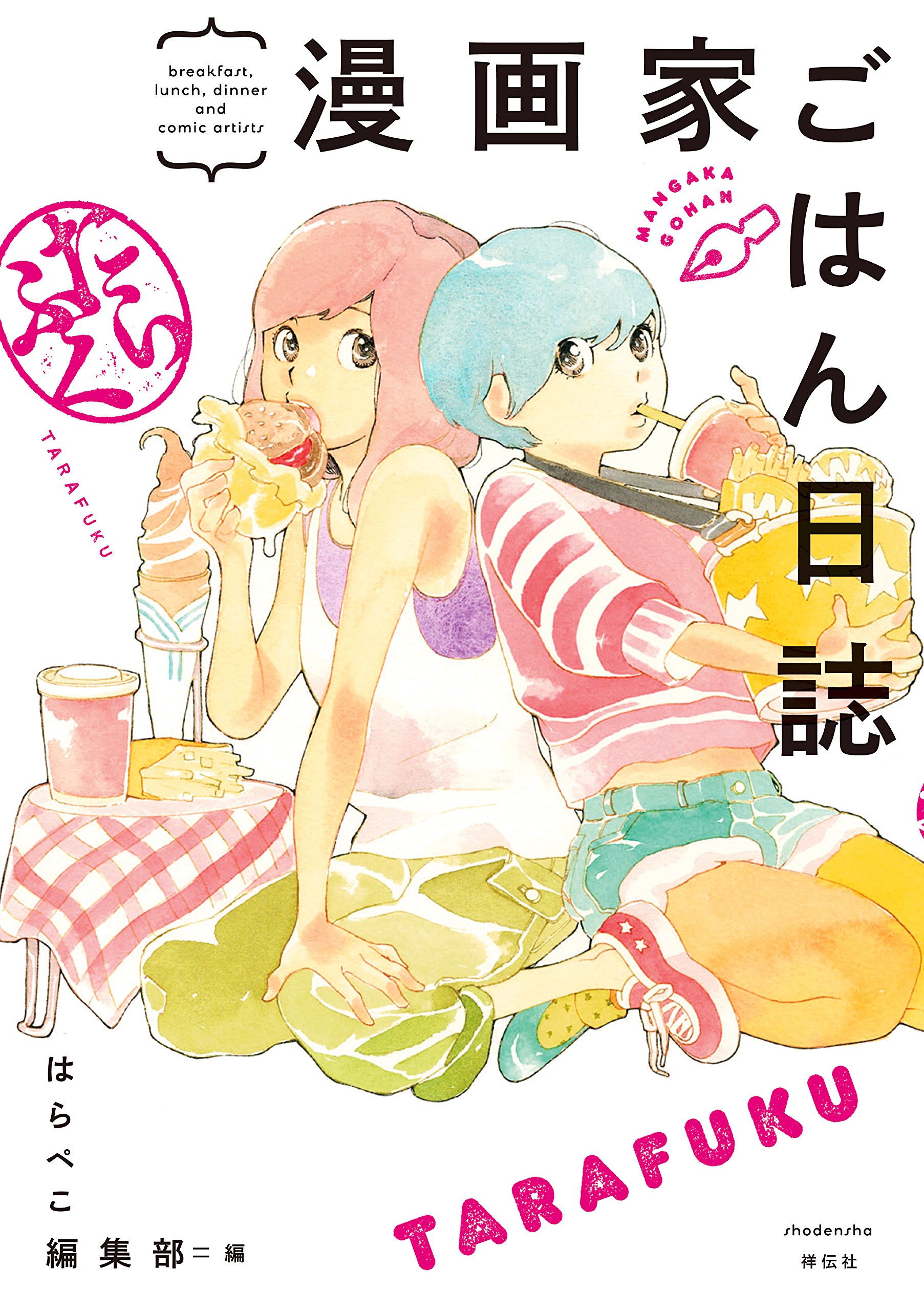
Manga Gohan Nisshi Tarafuku (Manga) Spoiler Commentary and Discussion Summary
Manga-ka Gohan Nisshi Tarafuku" is a comic book featuring cartoons drawn by 50 cartoonists based on their own episodes about food. Each of the 50 cartoonists draws two pages in a rough style, describing the food they eat on a daily basis and their own thoughts on food. The second half of the book contains a special interview and a special dialogue. It is a book that gives readers an insight into what the popular manga artist eats on a daily basis, and furthermore, it is a work that encourages readers to think about what food is all about. This book is a sequel to "Manga-ka Gohan Nisshi" published in May 2015.
Read Article
Nodame Cantabile (manga, anime, drama) spoiler commentary and discussion
Nodame Cantabile" is a Japanese manga by Tomoko Ninomiya. It is based on the theme of classical music and was serialized in Kodansha's "Kiss". It won the 28th Kodansha Manga Award for Girls. It has been adapted into a wide variety of media, including dramas, animations, movies, novels, video games, CDs, and dramas in Korea, and has created a classical music boom among the public. The work depicts Chiaki and Nodame's growth through their interactions with the people they meet through music. The film depicts the main character "Nodame" Megumi Noda and elite music student Shinichi Chiaki as they interact with and grow up with the people they meet through music.
Read Article

Aldnoah Zero (ALDNOAH.ZERO) Spoiler Commentary and Discussion Summary
Aldnoah Zero" is an original robot animation co-produced by A-1 Pictures and TROYCA. It is a two-part series, with the first part airing from July to September 2014 and the second part airing from January to March 2015. It depicts a war between Earthlings and Martians. The two main characters, Inaho Kaizuka, an Earthling, and Slaine Troyard, an Earthling who serves the Martians, and a Martian princess, change the course of the war.
Read Article
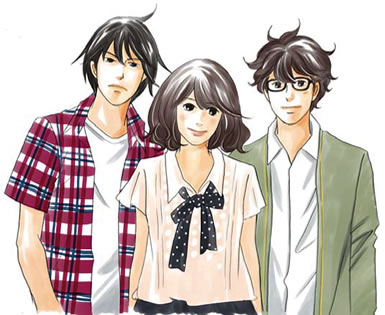
87CLOCKERS (Eighty-Seven Clockers) Spoilers and Discussion Summary
87CLOCKERS" is a Japanese manga work by Tomoko Ninomiya. It was published in Shueisha's "JUMP KAI" from its first issue in June 2011 to the November 2014 issue. After "JUMP KAI" stopped publication, the manga was serialized in "Weekly Young Jump". Kanade, a music college student, jumps into the world of overclocking, the F1 competition of the PC world, in order to make a connection with Hana, a beautiful woman he fell in love with at first sight. The story is about his growth through encounters with the unique people of that world.
Read Article
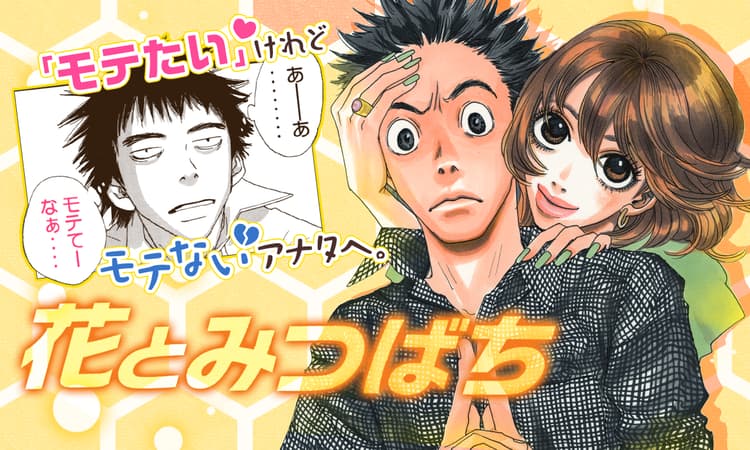
Spoiler commentary and discussion of Hana to Mitsubachi (manga)
Hana to Mitsubachi" is a youth comedy manga by Moyoco Anno serialized in Kodansha's "Weekly Young Magazine" from 2000 to 2003. The comic was published in seven volumes. High school student Masao Komatsu (Komatsu Masao) wants to be popular, but he is plain and lacks confidence in his fashion and appearance. Komatsu, who is at the bottom of the school caste consisting of the disparity in society, struggles to become a popular guy. This is an adolescent comedy film in which Komatsu grows up by going to an eccentric men's esthetic salon and being guided by the "Oni sisters" he meets there.
Read Article

Spoiler commentary and discussion of Shugasugarun (manga and anime)
Shugasugarun" is a girls' manga by Moyoco Anno that ran in "Nakayoshi" magazine from 2003 to 2007, and an anime based on it. Chocolat-Mayeur and Vanilla-Mu, witches who are candidates for the next queen, have come to the human world from the demon world made of sweets for the queen exam. They compete over the human heart, which crystallizes their feelings, to see who is more suitable to be queen. Soon, the demon world is in a pinch because of a battle with the rival Ogle. The two rivals and best friends fantastically depict their friendship and where their love goes. This work won the 29th Kodansha Manga Award in the children's category.
Read Article
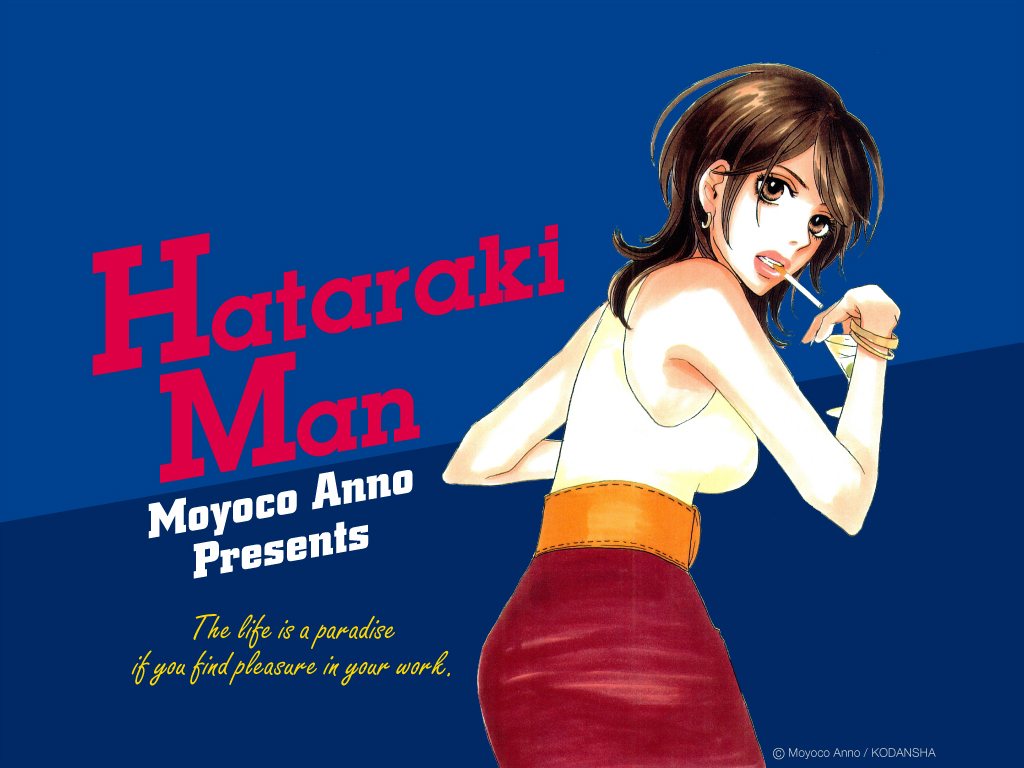
Spoiler commentary and discussion of Working Man (manga, anime, drama)
Working Man" is a work manga by Moyoco Anno that began serialization in Kodansha's "Morning" in 2004 and ran until 2008. Hiroko Matsukata, a female editor of the magazine "JIDAI," is 28 years old and single. She struggles day and night with her boss, colleagues, and junior staff to create a "good magazine. Once she gets into work mode, she forgets about sleep and food and prioritizes work over her boyfriend. The story was adapted into an anime in 2006 and a TV drama in 2007. The drama starred Miho Kanno.
Read Article
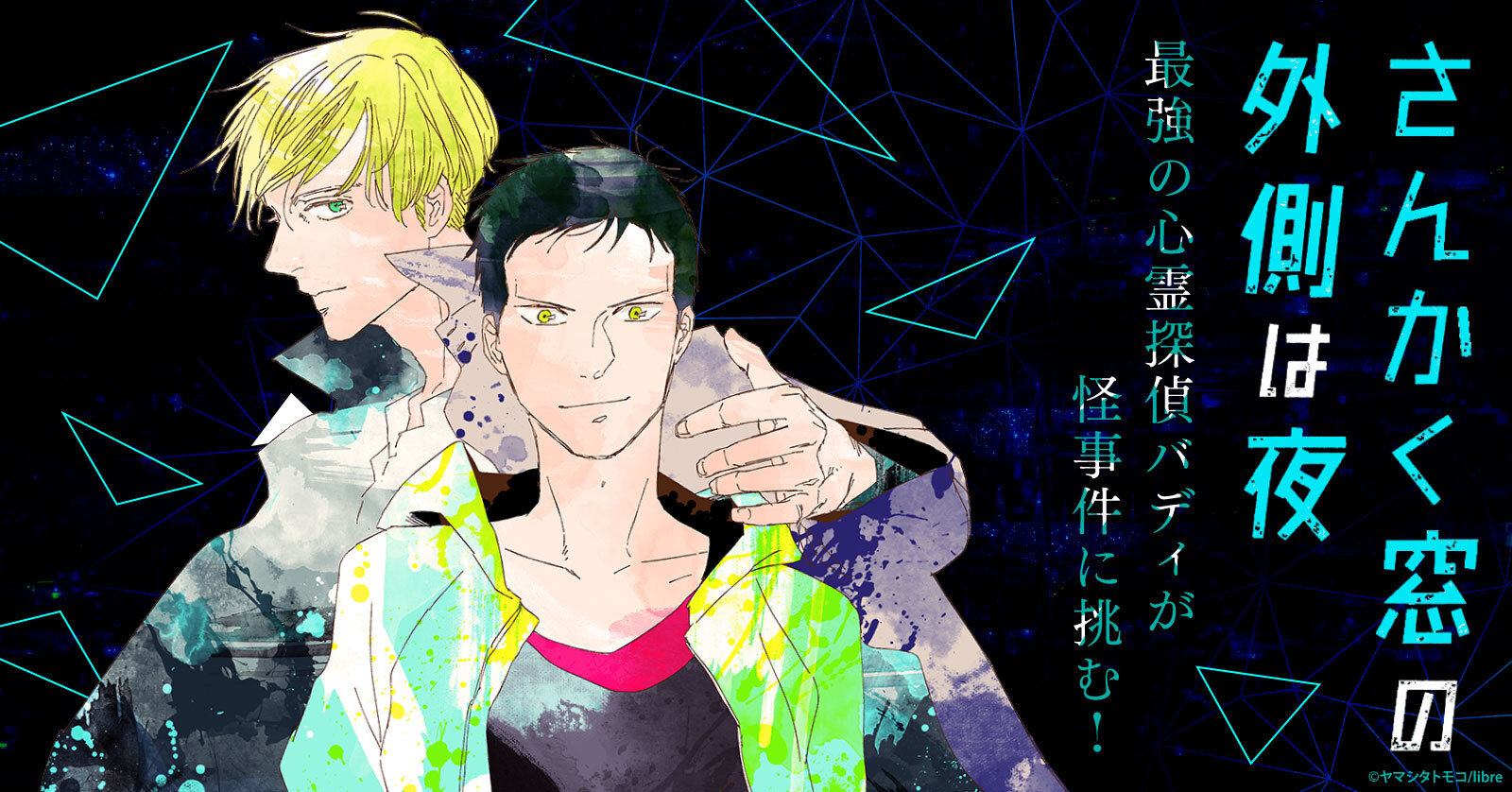
Spoiler commentary and discussion of Outside the Triangular Window is Night (manga)
Sankaku mado no gai wa yoru" is a Japanese manga series written by Tomoko Yamashita. It is a mystery/horror manga in which a bookstore clerk, Mikado Kosuke (Mikado Usuke), who has the gift of being able to see spirits, works with an exorcist, Rito Hiyakawa (Hiyakawa Rito), to exorcise spirits and solve the mystery of a murder case. The story is a mystery of the uneven duo of Reikawa, who is an excellent spirit exorcist but lacks life skills and common sense in human relations, and Sankaku, who is serious and sincere, and unfolds with comical interactions, while also developing a shadowy drama about the background and dark past of Sankaku and Reikawa.
Read Article
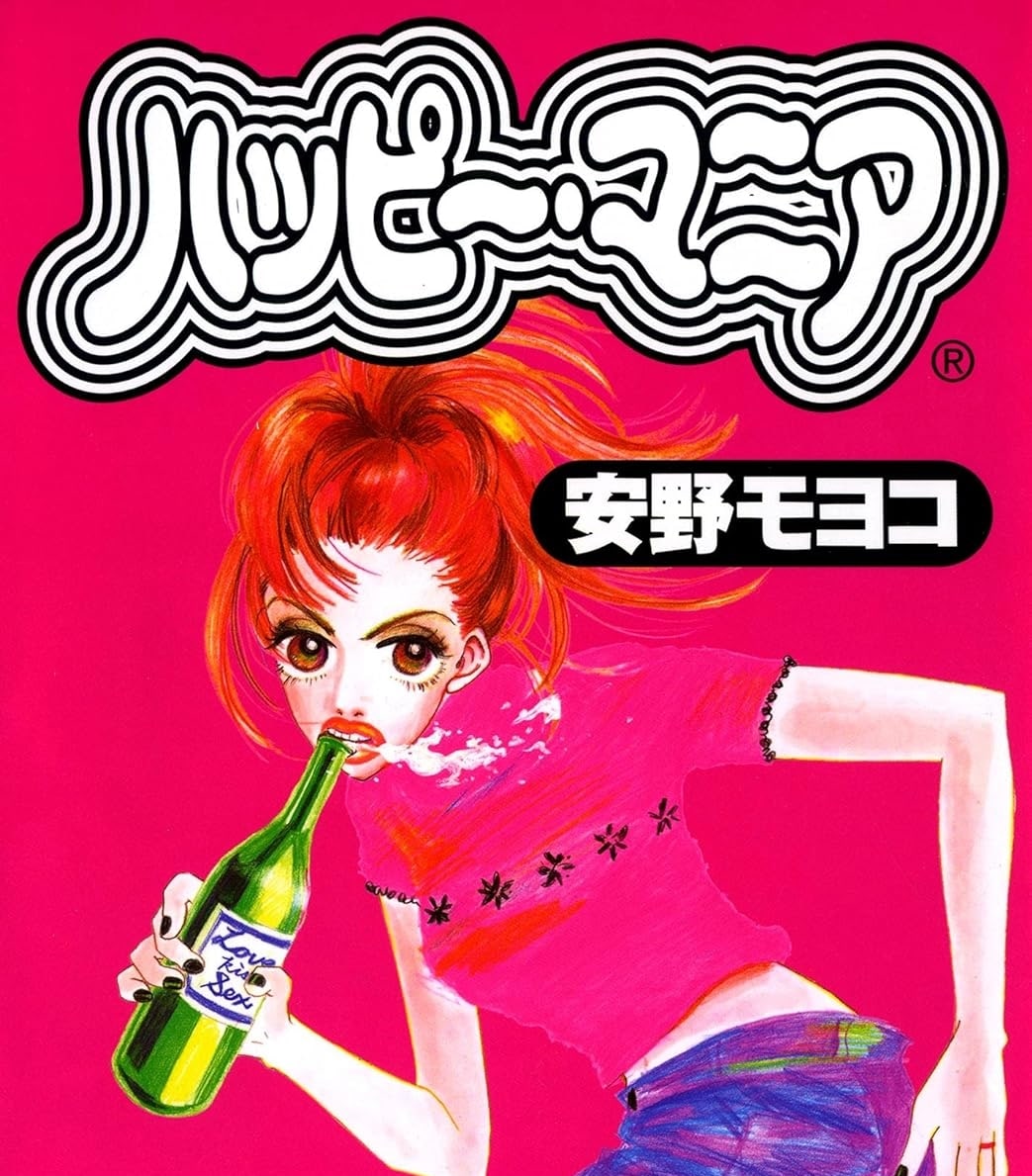
Happy Mania (Moyoco Anno) Spoilers and Discussion Summary
Happy Mania" is a manga serialized by Moyoco Anno in FEEL YOUNG since 1995, and a drama work based on it; a sequel, "Later Happy Mania," was released in 2017, followed by the serialization of the manga. The story follows Shigekayo (Shigeta Kayoko), a maverick protagonist who is on a quest to find her ideal lover, and how she "searches for happiness" while repeatedly going out with and breaking up with men. The film is a frank and honest account of a girl's true feelings about love and sex. Shigekayo's recovery from her many painful encounters is both funny and charming in this romantic comedy.
Read Article
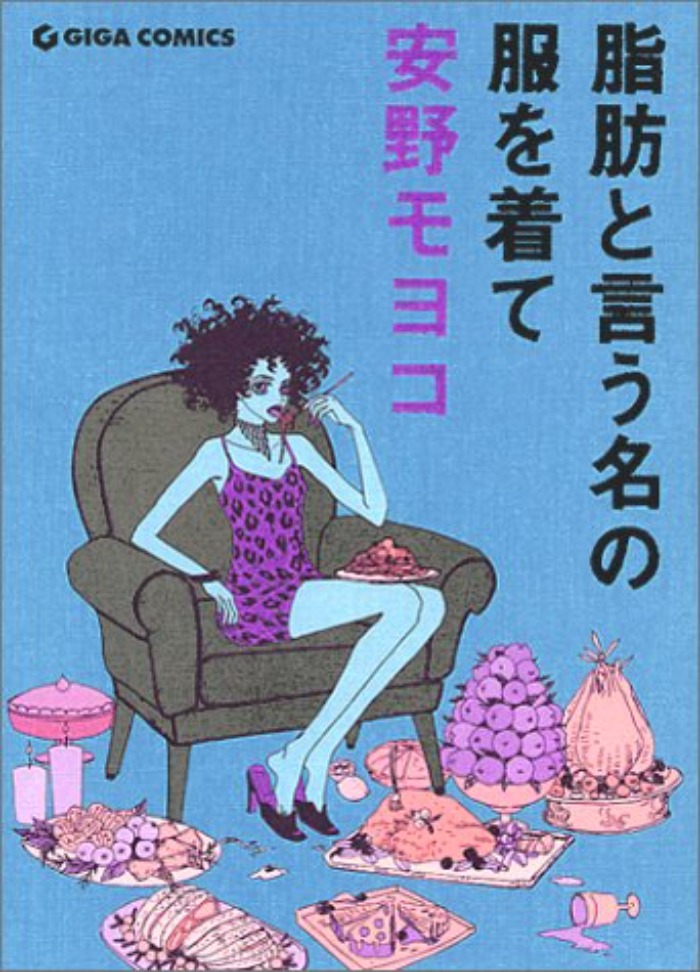
Wearing a Dress Named Fat (You Have to Be Skinny!) Spoiler commentary and discussion summary of
Wearing Clothes Named Fat" is a manga by Moyoco Anno about overeating and dieting, serialized in Shukan Josei from June 1996 to September 1997. The title of the manga was changed from "Yase ni mo Dame! when it was serialized, and was changed when it was published in book form. An obese office worker, Noko, who lacks self-confidence and finds comfort in eating, falls into overeating because her boyfriend is cheating on her. With a large sum of money given to her by a mysterious "fatty elder" she met at a phone club, she goes to an esthetic salon and loses weight. This problematic film depicts the dark side of women's hearts, questioning what beauty is.
Read Article
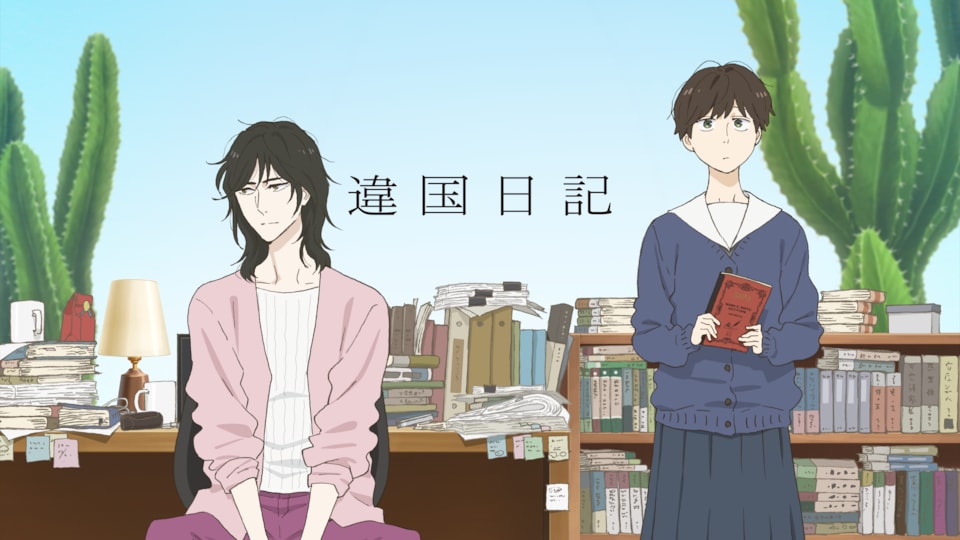
Spoiler commentary and discussion of Diary of a Different Country (manga)
Diary of a Different Country" is a heartwarming manga that has been serialized in "Feel Young" by Tomoko Yamashita since 2017, in which a female novelist, Makiyo Takadai, takes in her niece, Asa Tagumi, and lives with her after her estranged sister and her husband suddenly pass away. The story centers around the sudden cohabitation between the shy Makiaki and the sociable Asa, and the two, who have a strange distance from each other that is slightly different from that of a parent and child, clash at times, but find their own form of family. The delicate portrayal of each character is a highlight of this work.
Read Article
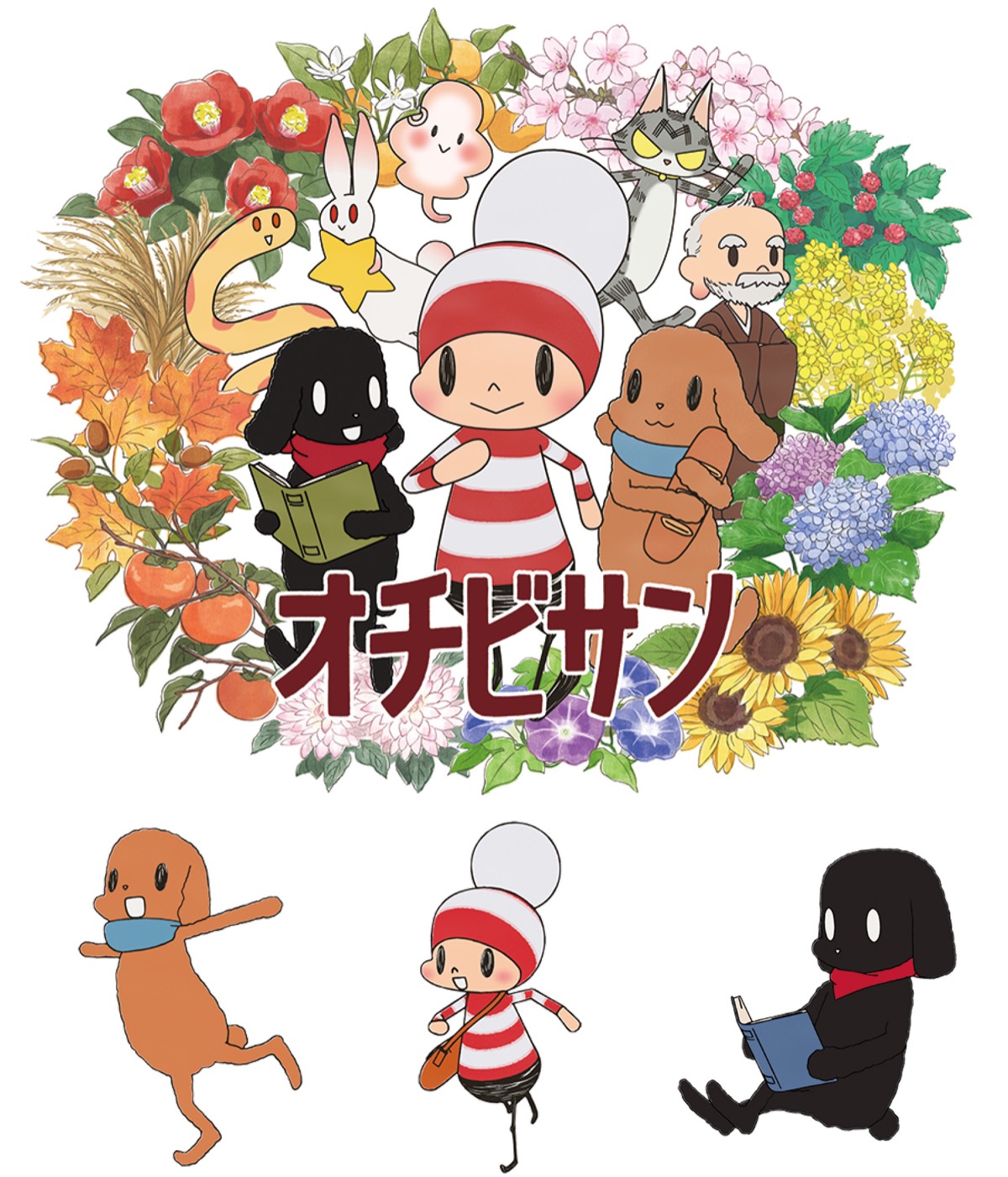
Spoiler commentary and discussion of Ochibisan (Moyoco Anno)
Ochibisan" is a full-color manga by Moyoco Anno depicting the daily life of the main character, Ochibisan, from season to season, with one-page storylines for each episode. It was serialized in Asahi Shimbun from April 2007 to March 2014, and transferred to AERA (Asahi Shimbun Publications) from April 2014 to December 2019. The book is in 10 volumes. The heartwarming story of Ochibisan and his friends and his watercolor drawings became popular. It became a picture book, was made into an animated TV series, and was even shown on a video distribution site.
Read Article
Summary of the superb cast of the drama "Nodame Cantabile" [Osamu Mukai, etc.
This is a summary of information on the cast members who appeared in the popular drama "Nodame Cantabile. This drama is too gorgeous to look at now, with starring actors Juri Ueno and Hiroshi Tamaki, as well as Osamu Mukai, Eita, Asami Mizukawa, Michiko Kichise, and other members who make up the supporting cast. Here are profiles of the gorgeous cast members, along with some of the more memorable scenes from the film!
Read Article

A collection of recommended yuri anime.
For those who like yuri works and those who want to like them in the future (!) We have compiled a list of recommended yuri anime for those who like yuri works and those who want to like them.
Read Article
Debut 10th Anniversary! Among Tomoko Yamashita's diverse works, 10 titles you can't miss!
Tomoko Yamashita is a female manga artist who works in a wide range of genres, from youth magazines to women's magazines. In any case, she is energetically publishing a large number of works. After reading all of her titles, we would like to introduce 10 titles that we particularly recommend.
Read Article
A compilation of handsome shoujo manga with cute fashion that I want to imitate [all in color!
There are manga in which the characters are very fashionable ♡ I want to imitate them at least once. We have compiled a list of manga with cute fashion.
Read Article
A collection of mugshots and images of female manga artists! Amazingly beautiful real faces of Hikaru Nakamura, Ami Shibata, and others!
Compared to actors and voice actors, manga artists are rarely seen on the stage. The opportunity for female manga artists in particular to make an appearance is rare, and people who see them on the Internet are often surprised by their beauty. This article will focus on the "particularly beautiful and attractive" women who are not often seen in the limelight. This article introduces female cartoonists who are popular among fans for being "especially beautiful" and their famous works.
Read Article
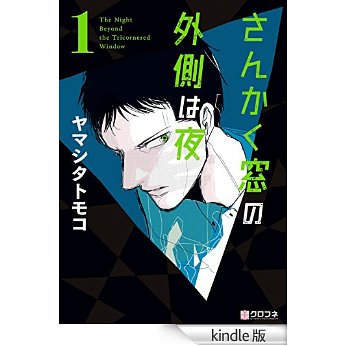
Doting x mediocre commercial BL manga, 3 recommendations - Part 2 -.
The world of commercial BL manga is diverse in genres such as "younger", "glasses", "tsundere", etc.! We have collected works of "doting x mediocre" couples, which is one of the most royal patterns and has many fans. Together with the first volume, they are all highly recommended masterpieces.
Read Article
Improve your skills! A compilation of informative animations
In recent years, there are many anime that you can not only watch and enjoy, but also learn many things by watching them! From sports to art, culture, and other minor jobs to business, the scope is vast. In this issue, we have compiled a list of anime that you can learn from and benefit from.
Read Article
Tags
Contents
- Outline of "Mangaka Gohan-Nisshi"
- The plot and story of "Mangaka Gohan-Nisshi"
- Cartoonists' Food Situation
- From Yumi Unita's One Day Dinner to Hisae Iwaoka's Iwagaki oyster Cooking Experience
- From 阿仁谷 ユイジ's childhood food situation to Hiko Yamanaka's memories of sea urchins
- From Seiko Erisawa's Chinese cabbage dishes to Mai Machi's simple recipes
- From Fumiko Fumi's Ji-chan Cooking to Moyoco Anno's Apple Situation
- From Aoi Ikebe's all-nighters to Takako Shimura's naughty eaters.
- Special Interview with Takeshi Konomi and the Editor
- Chica Umino and Shino Torino Special Interview
- Characters in "Mangaka Gohan-Nisshi"
- "FEEL YOUNG" from June 2010 issue to November 2011 issue
- Yumi 宇仁田
- Tomoko Yamashita
- Haruka Kawachi
- Est em
- Yoko Nemu
- Natsuo Motomachi
- Shino Torino
- Fumiko Tanikawa
- Koike da Maya
- Isae Iwaoka
- "FEEL YOUNG" from April 2011 issue to November 2011 issue, including special issues
- 阿仁谷 ユイジ
- Natsuko Kusuda (Natsuko Kusuda)
- Mika Horiuchi
- Tomoko Ninomiya
- Risa Ito
- George Asakura
- Q-ta Minami
- Mari Okazaki
- Eriko Mishima
- Hiko Yamanaka
- "FEEL YOUNG" from December 2011 issue to October 2012 issue
- Seiko Erisawa
- Kuroda Sakakaki
- Satoshi Karasuya
- Hide Yoshiko
- Hideo Shinanogawa
- Machio Same
- Aiko Nobara
- Fusako Kuramochi
- Hato Okachimachi
- Mai Machi
- "FEEL YOUNG" from November 2012 issue to August 2018 issue
- Fumiko Fumi
- Shinomiya Shino
- Aiko Igawa
- Yamazaki 童々
- Ryo Ikuemi
- Nishi Tsurumi
- Murakami Wig
- Suzu Hasegawa
- Kamoi Maasane
- Yasuno モヨコ
- "FEEL YOUNG" from September 2013 issue to June 2014 issue
- Aoi Ikebe
- Fukumitsu Shigeyuki
- Ayako NODA
- Hinase Mayu
- Tsutsumidani 菜央
- Shihoko Shimura
- Amida Shizuku
- Miyako Yoko
- Suzume Takano
- Takako Shimura
- "FEEL YOUNG" special publication
- Takeshi Konomi
- Chika Umino
- Terms in "Mangaka Gohan-Nisshi"
- "Pari Jikomi Oryori Note" by Yoshiko Ishii
- "The Strange Food of Alice's Country"
- "Kogure Hide no Maari Gohan"
- Sinifian Sinifier
- Payzan
- Hamada no Kakushoku
- Louvain Croissant
- Tea Beans
- "Mangaka Gohan-Nisshi" (Rice Diary of a Manga Artist): Famous Words, Lines, Scenes
- Maya Koikeda: "Cooking is cool."
- Hideyoshiko "Oh, poor thing. I won't eat."
- Masane Kamoi: "Red pickled ginger tempura is not sold at supermarkets in Tokyo!"
- "Mangaka Gohan-Nisshi" small stories / Episodes and Anecdotes of "Mangaka Gohan-Nisshi"
- Interview with a cartoonist
- A comic named "Gohan Nisshi" will be serialized.
- The sequel "Mangaka Gohan Nisshi Tarafuku" is published.