
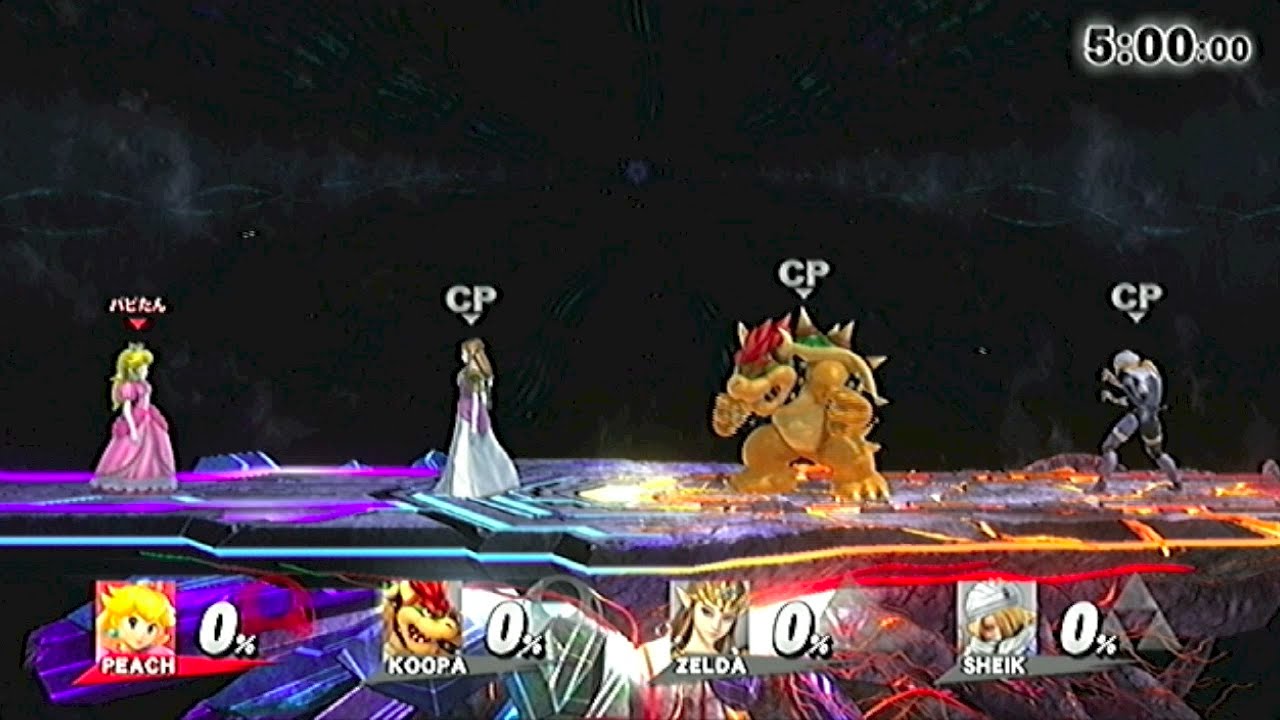
I would like to talk about the "no item endpoint" that is sometimes employed by players in the "Super Smash Bros. (Smash Bros.)" series. Some of you may have only been allowed to choose an endpoint with no items in a match and had little to no fun with it.
A Smash Bros. staple (?) and "No Item, Endpoint"
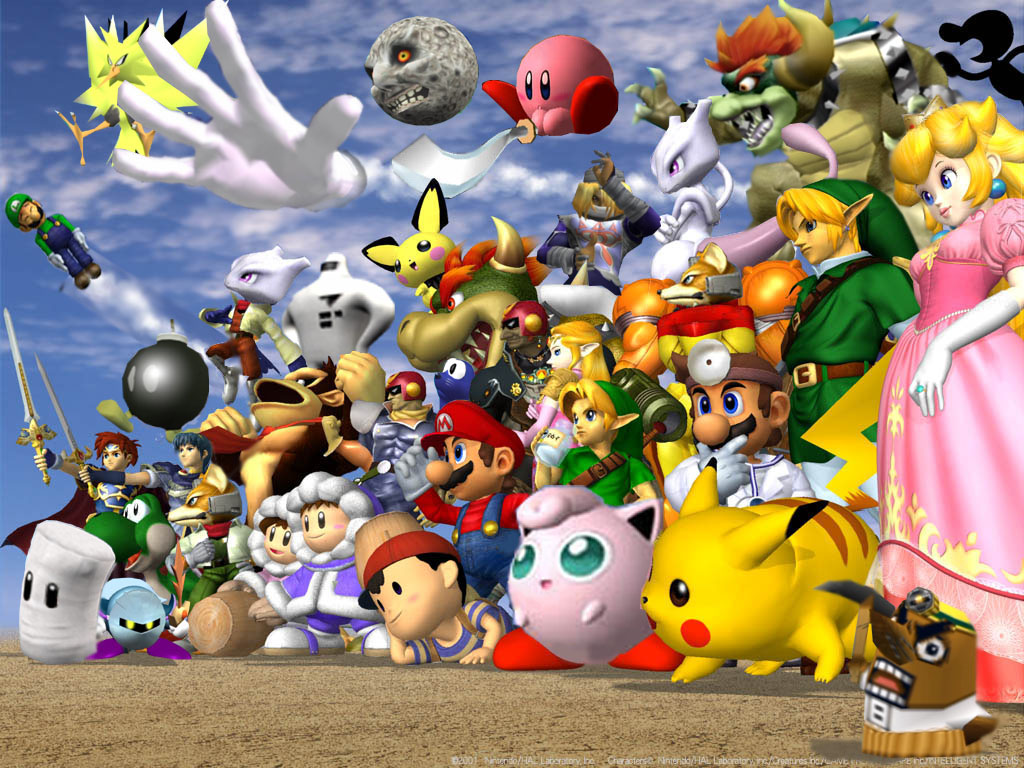
One rule that is often used in Super Smash Bros. (Smash Bros.) is "no items, end point".
No items literally means that the appearance of items is turned off. The endpoint is one of the stages, which is characterized by its simplicity and lack of gimmicks that move periodically. This rule eliminates the "reversal by items and stage gimmicks," which is a characteristic of Smash Bros.
Boring!" There are many who say
Currently, Smash Bros. allows online matches using an Internet connection.
However, some players in online matches always select "Endpoint" in the stage select. This is fine if it is only one person, but since stage selection in online matches is decided by majority vote, if two or more people keep choosing "end point," the problem has arisen that the freedom of stage selection is lost.
Even when playing with friends, there is no freedom in stage selection, and many people want to play "end point, no items" every time. I really want to fight using various stages and items, but the people around me won't allow me to do so. ...... Some of you may have experienced this.
Endpoint Kitchen is a new disease discovered in Super Smash Bros. X, and a new kind of violence in numbers
Source: dic.nicovideo.jp
Is this actually a stage where different characters have distinct advantages and disadvantages?
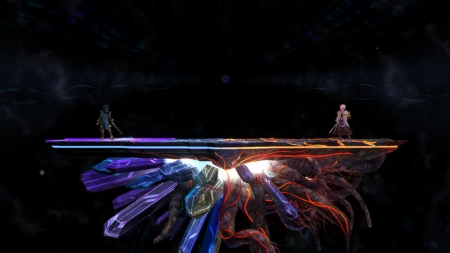
Although the "end point" has no element of luck due to gimmicks, it is not a completely fair stage.
There are no shields or floating footholds, so there are few ways to prevent long-range attacks. The edge of the stage is a rat's nest, making it difficult to grab, and tough on characters with poor return capabilities.
Furthermore, the lack of items puts characters who can only attack at close range at a disadvantage. Some items enable long-range attacks, but without items, many characters have to fight only with close-range attacks. There are many situations where a character with a long-range attack by default inflicts damage unilaterally.
It would be difficult to cover these disadvantages by playing skill alone. The stage and rules may seem fair at first glance, but in fact, differences in character performance are very easy to see.
However, this stage also has its advantages and disadvantages.
Due to the relatively wide stage, characters with high flying ability can easily gain an advantage in the battle.
There are no floating footholds, so it is difficult to counter flying props, and characters with strong attacks mainly upward will have a somewhat difficult time.
Also, the end point of the game, the "mouse return," makes it difficult for some characters with low resilience to return to the game.
Therefore, it is not too much to say that there is a big difference between the two stages.
Source: dic.nicovideo.jp
Masahiro Sakurai also commented negatively
Masahiro Sakurai, director of Smash Bros. and also famous for the "Kirby of the Stars" series, says that the end point and no items are not stiff at all.
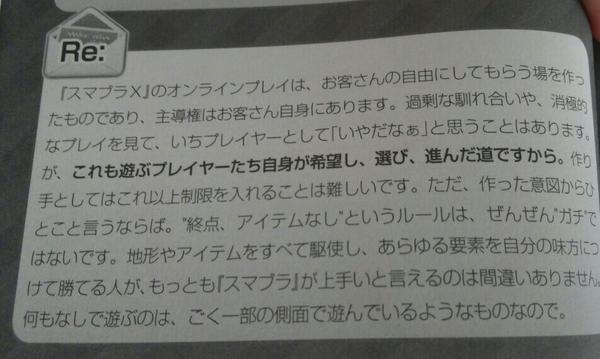
I would like to say a few words about my intention. The rule of no items at the end of the game is not "tough" at all.
There is no doubt that the person who makes full use of the terrain and items and has all the elements on his/her side is the most skillful player of Smash Bros.
Playing without anything is like playing with only a few aspects.
The "all-star" "big brawl" is the purpose of the game and its real appeal, and the brawl involving various stages, characters, and items is the appeal of this work and the original concept of the game that Masahiro Sakurai was aiming for.
Source: dic.nicovideo.jp
The new game features "Enjoy Room" and "Gachi-Room". Gachi-ya and Enjoy-ya will be able to live separately!
In "Super Smash Bros. for Nintendo 3DS / Wii U," two modes have been implemented for online matches in Okiraku Brawl (play against strangers): "Enjoy Room" and "Gachi Room.
In light of the aforementioned problem of only the end point being chosen in online matches, a room dedicated to the end point has been prepared.
This allows both those who want to enjoy a variety of battles and those who want to master the fighting action to be able to enjoy it.
In addition, in internet matches
The name of NintendoNetwork is displayed in the match. Players can report any unwanted behavior.
The management is considering taking measures such as "locking out the game for a while" against players who engage in such nuisance behavior, including excessive reporting.
This is the reason for this.
Source: dic.nicovideo.jp
summary
End point and no items", which is likely to happen in real game situations as well as in online competitions.
I see Smash Bros. as "a variety of fighting action with all the items and stage gimmicks," and I still don't like the "no items/end point" rule.
As Sakurai says, it is a great waste to only enjoy one part of the game.
However, these simple rules of battle are fun to play sometimes. Since I usually play by moving around the entire screen and making the most of the items and stage gimmicks that appear, it is not a bad idea to play with the endpoint and no items rule once in a while.
I enjoy the elements of the game, and in between, I enjoy the stiff battles.
I think that's about right.

Related Articles
Super Smash Bros. X (Smash Bros. X) Spoiler Commentary and Discussion
Super Smash Bros. X" is a video game developed by SOLA Corporation and marketed by Nintendo for the Nintendo Wii. In addition to Super Smash Bros. and mini-games, this title includes the full-length adventure mode "Subspace Emissary". In addition, there are many challenging elements, such as collecting figures and clearing 100% of the "Subspace Emissary". This is also the first time that characters from other companies have appeared in the series, whereas only Nintendo characters have appeared in previous titles.
Read Article
Super Smash Bros. SPECIAL (Smash Bros. SP) Spoiler Commentary and Discussion
Super Smash Bros. It is an action game in which players fight each other while moving around the screen. The game has more than 70 characters, over 100 stages, and more than 900 types of background music. In addition, an adventure mode was introduced for the first time in two games, and new elements are added one after another with each update, making this game the culmination of the series.
Read Article
Super Smash Bros. for Nintendo 3DS / Wii U spoiler commentary and discussion
Super Smash Bros. for Nintendo 3DS and Wii U was developed by SOLA Corporation and Namco Bandai and marketed by Nintendo for the Nintendo 3DS and Wii U, respectively. The game can be played alone or with a large group of players, with stages and game modes unique to both the 3DS and Wii U versions, as well as compatibility with both versions.
Read Article
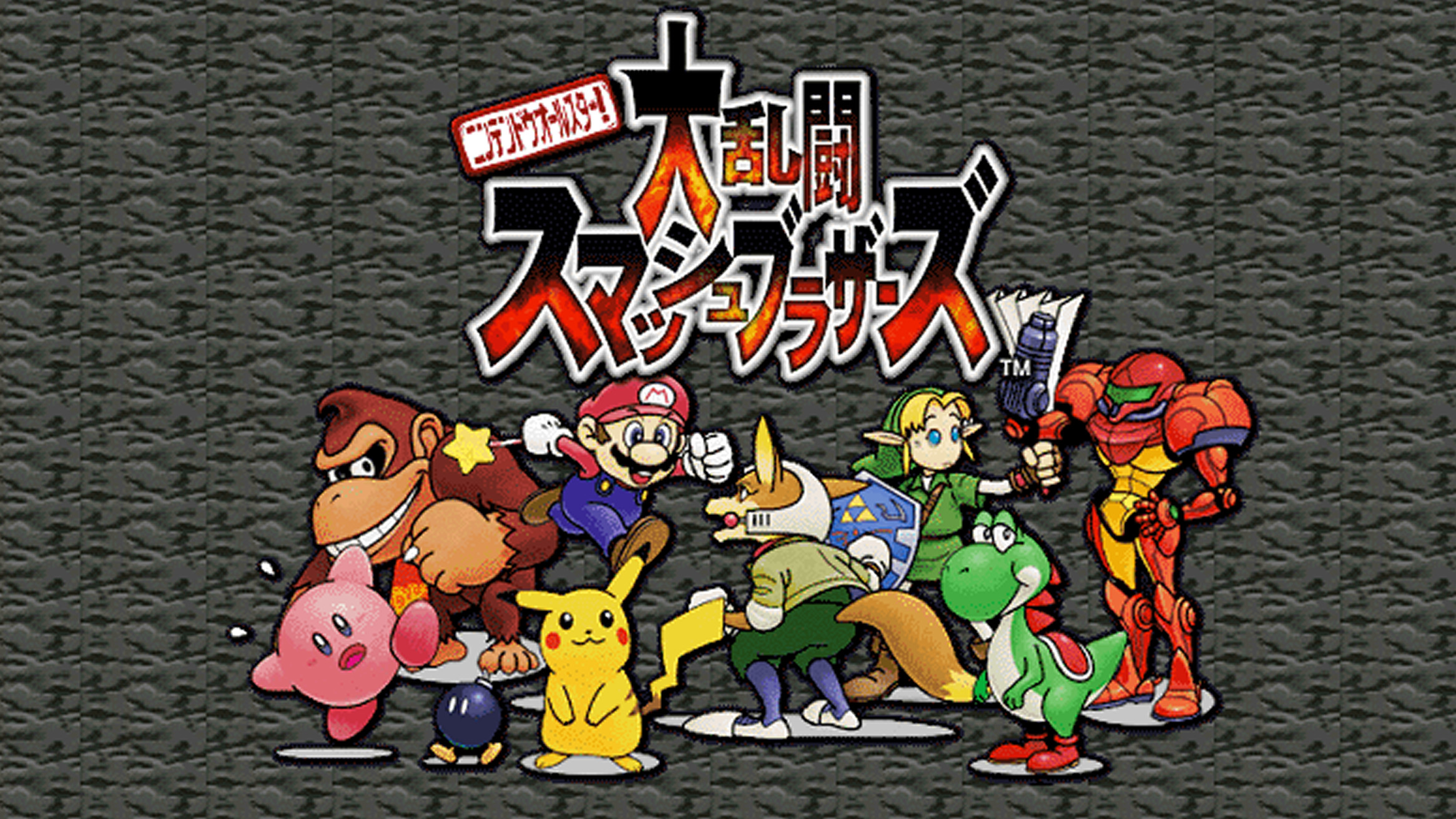
Nintendo-All-Stars! Super Smash Bros. (Smash Bros. 64) Spoilers and Discussion Summary
The first title in the Super Smash Bros. series for the Nintendo 64. This game became very popular as a new innovation in competitive action games, in which characters from many video games fight each other on the stage and blow away their opponents. This title laid the foundation for the Super Smash Bros. series that followed.
Read Article
Pokémon Urban Legend: What is Mimikyu's true identity? A verification of the prevailing polygon theory [Pokémon].
We discussed the contents of Mimikyu, a Pokémon that appears in the popular game "Pokémon. Although the most popular theory on the Internet is the Polygon theory, we will examine why this theory is supported while explaining the causal relationship with Pikachu.
Read Article
![Smash Bros. SP] Strongest Spirits and Recommended Combinations [Super Smash Bros.](https://renote.net/files/blobs/proxy/eyJfcmFpbHMiOnsiZGF0YSI6MjA2NTI0NCwicHVyIjoiYmxvYl9pZCJ9fQ==--f4a98b029b5a9d2147b818eb676e762e35703d52/full_upload.jpg)
Smash Bros. SP] Strongest Spirits and Recommended Combinations [Super Smash Bros.
We have compiled a list of the strongest spirits and recommended combinations for Super Smash Bros. SPECIAL. Equipping Spirits can increase your character's abilities, bring in certain items, and more. Let's combine Spirits and advance the game to your advantage.
Read Article
![Smash Bros. SP] 33 Instant Death Combos that are quite useful [Super Smash Bros.](https://renote.net/files/blobs/proxy/eyJfcmFpbHMiOnsiZGF0YSI6MjA2NTkxOCwicHVyIjoiYmxvYl9pZCJ9fQ==--1a2b43f95debe36c84e56f30b645deff8c52ed71/DtnkFhSU8AA0NgR.jpg)
Smash Bros. SP] 33 Instant Death Combos that are quite useful [Super Smash Bros.
This is a compilation of 33 instant kill combos that can be used in Smash Bros. SP, which has been talked about for its high level of difficulty. If you can't beat the CPU or can't use your character well, try these combos. You just have to practice so that the combos come out naturally.
Read Article
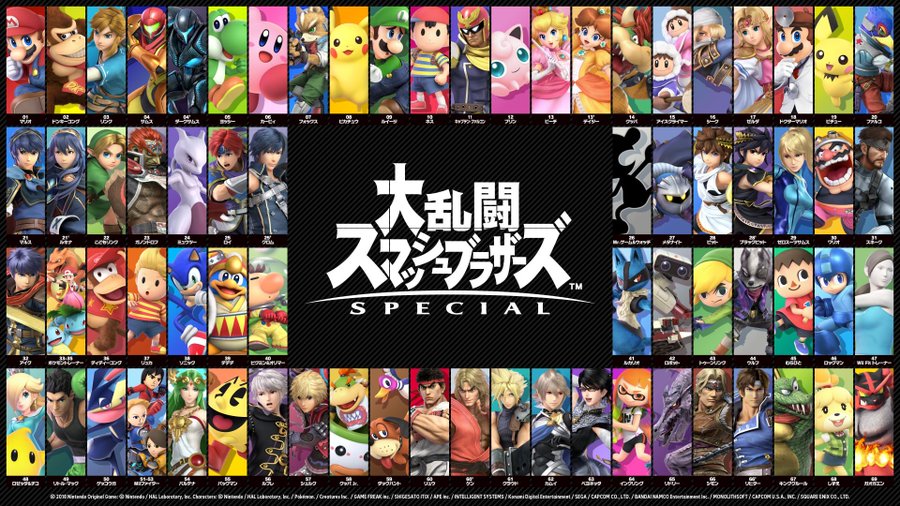
List of Smash Bros. SP tricks and bugs [Super Smash Bros. SPECIAL
This page introduces backstage tricks and bug tricks for "Super Smash Bros. SPECIAL" on the Nintendo DS. Not only usable tricks, but also tricks with no practical use.... If you try them, please do so at your own risk, even if they negatively affect your data.
Read Article
Smash Bros. entry generator lets anyone become a Smash Bros. fighter! Super Smash Bros.
A generator that allows users to create collage images of characters from the popular fighting game "Super Smash Bros. Images of various characters are being created one after another. Such and such characters have entered Smash Bros.
Read Article
A collection of little-known Super Smash Bros. backstories and urban legends [Smash Bros.
Super Smash Bros." is Nintendo's popular Super Smash Bros. series. It is a very popular work that is always talked about whenever a new character is announced to join the series. In this article, we have compiled a list of little-known backstories, urban legends, small stories, episodes, and behind-the-scenes settings of this series. You will definitely enjoy Smash Bros. more if you know them.
Read Article
A compilation of Smash Bros. fighters of famous characters made with Mii [Super Smash Bros.
Since Super Smash Bros. for Nintendo 3DS, Mii Fighters have been available for use in Smash Bros. You can use various characters by creating avatars with Mii. We've compiled a list of Mii Fighters that were popular at the time, as well as Mii and QR codes for famous characters.
Read Article
![Smash Bros. SP] Summary of tips and techniques for beginners to quickly improve [Super Smash Bros.](https://renote.net/files/blobs/proxy/eyJfcmFpbHMiOnsiZGF0YSI6MjA0MDg3MCwicHVyIjoiYmxvYl9pZCJ9fQ==--43635b9afe3fb01b5819a41b3b045dc899e6f936/poyiutyrbt.jpg)
Smash Bros. SP] Summary of tips and techniques for beginners to quickly improve [Super Smash Bros.
Super Smash Bros. SP is getting more and more exciting as new fighters are announced one after another, and we have compiled some tips for beginners to quickly become stronger. If you're having trouble winning, try practicing with these tips.
Read Article
![Smash Bros. SP] Moneymaking Methods to Earn Lots of Spirit Points [Super Smash Bros.](https://renote.net/files/blobs/proxy/eyJfcmFpbHMiOnsiZGF0YSI6MjExNjQxMSwicHVyIjoiYmxvYl9pZCJ9fQ==--75210b57a06aa583af21d59a1e9ff09b10cce679/20181221162606.jpg)
Smash Bros. SP] Moneymaking Methods to Earn Lots of Spirit Points [Super Smash Bros.
Spirit points are needed to clear the Star of Lights, but since they can be used to strengthen attackers or to make purchases at stores, it is difficult to run out of them quickly. If you run out, please refer to this article for a money-saving plan.
Read Article
Smash Bros. SP: Recommended characters that even a beginner can beat [Super Smash Bros. SPECIAL
Super Smash Bros. SPECIAL has been talked about for its high level of difficulty, and if you can't beat online matches or the CPU, you may be able to win if you use the characters recommended in this article. Here are some fighters that are easy to use even for beginners.
Read Article
Summary of characters weakened in Smash Bros. SP [Super Smash Bros. SPECIAL
This article summarizes the characters that have been weakened in Super Smash Bros. SPECIAL on the Nintendo DS. The environment seems to have changed drastically with the weakening of that character who was a rage in the previous game.
Read Article
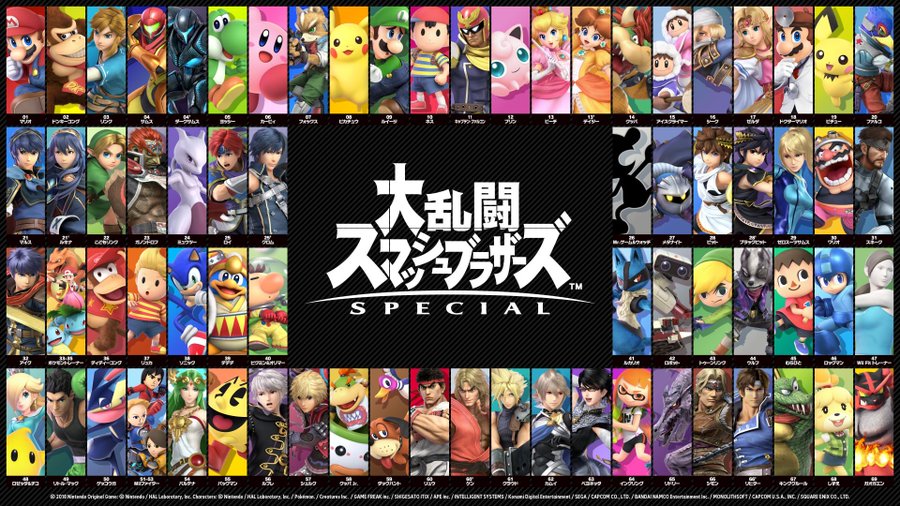
Smash Bros. Summary of everyone's entry predictions [Super Smash Bros.
Popular characters from a variety of game companies have joined Super Smash Bros. Special, and we have compiled a list of characters predicted on Twitter to see who will join the series next. Some of these characters may actually be in the game.
Read Article
Super Smash Bros. for 3DS/Wii U's most powerful characters [Smash Bros.
We have compiled a list of the strongest characters in Super Smash Bros. for 3DS/Wii U. With the release of Smash Bros. SP, they have been overshadowed by new characters, but we think there are still some people who use them. Let's take a look back at the strongest characters of the past.
Read Article
Kirby of the Stars" games!
Kirby is that cute and cuddly character who is about 20 cm tall and has a small, pink, round figure. Kirby games started with side-scrolling games (Game Boy generation) and have now been released in a variety of genres, such as racing and fighting big battles. This time, we have compiled a list of such cute and fun Kirby games with interesting points.
Read Article
Smash Bros. style! A compilation of fighting action games in which the main characters from other works fight each other.
This is a compilation of crossover works that bring together the main characters from other works. Not only characters from video game companies, but also battle actions from works other than video games have appeared.
Read Article
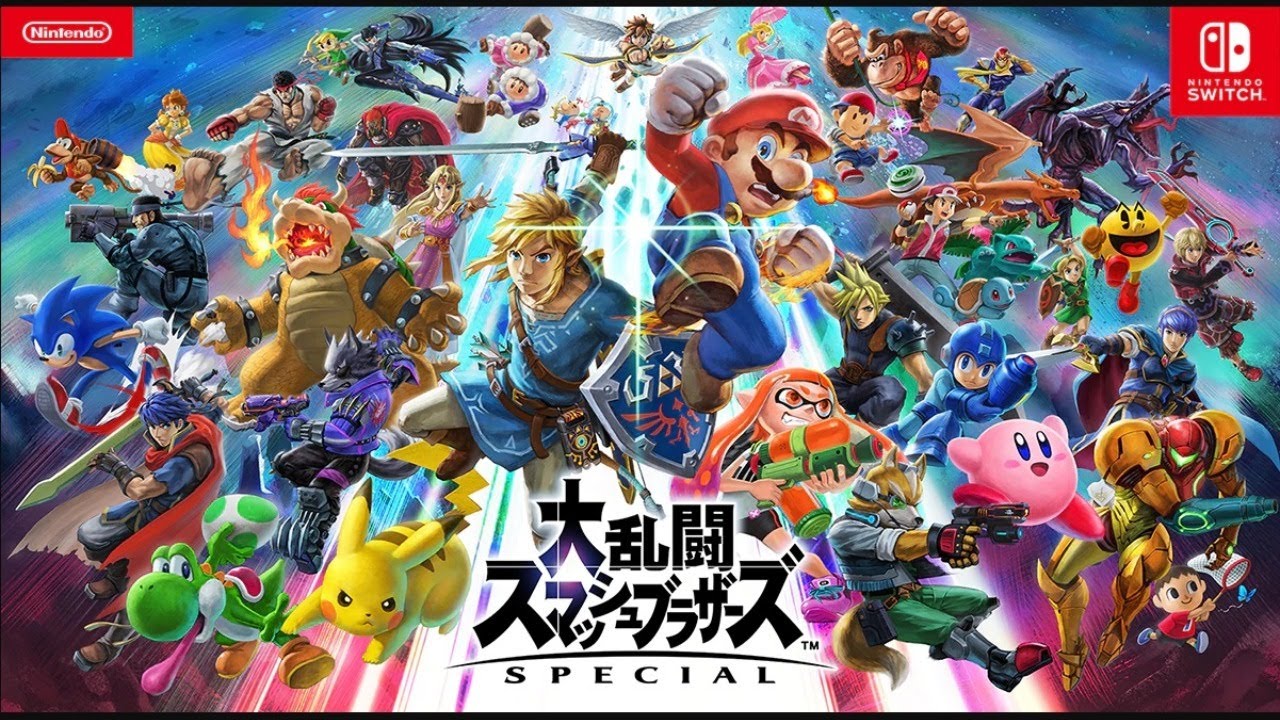
A compilation of masterpiece screencaps and hilarious stories from Smash Bros. SP [Super Smash Bros. SPECIAL].
If you see this, you might want to buy it too! ? "Super Smash Bros. SPECIAL" for Nintendo Switch is a collection of hilarious screencaps and story images of the game. We introduce people who are enjoying Smash Bros. in a free spirit.
Read Article
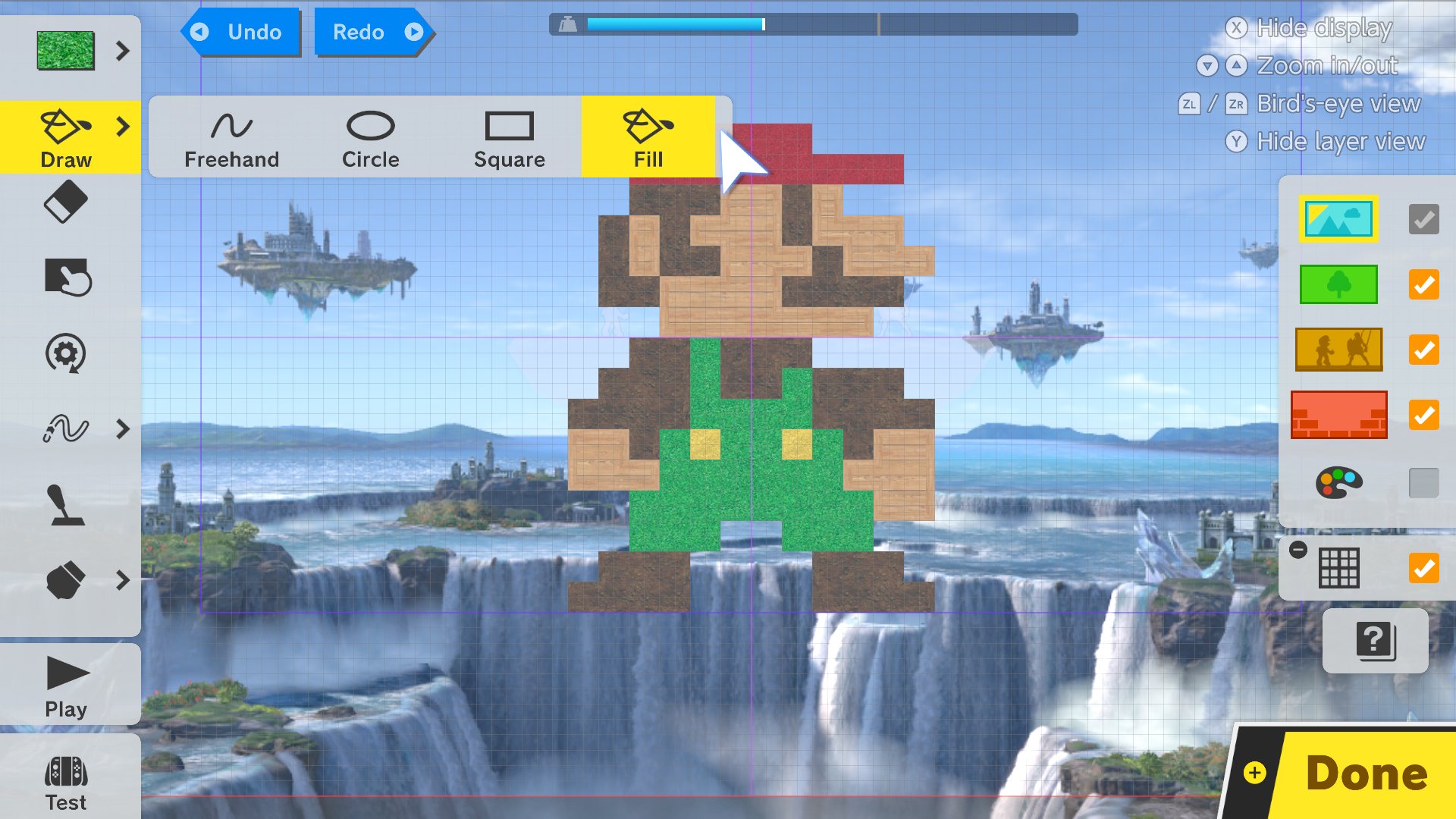
Interesting Stages Created by Everyone in Smash Bros. SP [Super Smash Bros.
With the free upgrade of the Nintendo Switch software "Super Smash Bros. SPECIAL," the "stage creation" that was also available in the Wii version of Smash Bros. has been implemented in the Switch version, and it seems to be getting a lot of excitement right away. Here are some of the "interesting stages" that people have created.
Read Article
![Smash Bros. SP] Summary of How to Complete Clear Getters [Super Smash Bros.](https://renote.net/files/blobs/proxy/eyJfcmFpbHMiOnsiZGF0YSI6MjA2NTk4MywicHVyIjoiYmxvYl9pZCJ9fQ==--ee5efd135b5a2291a16023bc6b0603789edd69ef/DuxcsC2VYAEpCdT.jpg)
Smash Bros. SP] Summary of How to Complete Clear Getters [Super Smash Bros.
Super Smash Bros. SPECIAL was released on the NINTENDO Switch, and this is a summary of how to easily complete its challenging Clear Getter. You can get various rewards for filling up the clear getters.
Read Article
![Smash Bros. for Nintendo 3DS / Wii U] Summary of "Today's Picture" posted by Masahiro Sakurai on Miiverse [Super Smash Bros.](https://renote.net/files/blobs/proxy/eyJfcmFpbHMiOnsiZGF0YSI6MjAxNTcwNCwicHVyIjoiYmxvYl9pZCJ9fQ==--fa6e838536343f97d8a903d0841fb8d049bdfdaa/bd2f87aa8d81ee5504e9ac036a20905a8b55d6b05c48bf736f8fab67f7c65b86.jpg)
Smash Bros. for Nintendo 3DS / Wii U] Summary of "Today's Picture" posted by Masahiro Sakurai on Miiverse [Super Smash Bros.
Masahiro Sakurai, director of the Super Smash Bros. series at SOLA, Inc., has compiled "Today's Picture," which he uploaded to the Smash Bros. community on Miiverse every day except holidays during the "for Nintendo 3DS / Wii U" era.
Read Article
![Smash Bros. SP] Techniques for When the Challenger is Too Strong [Super Smash Bros.](https://renote.net/files/blobs/proxy/eyJfcmFpbHMiOnsiZGF0YSI6MjExNjUzMiwicHVyIjoiYmxvYl9pZCJ9fQ==--c00e0369d7a40909a721d84c5e7cd74aa4527aeb/2018120701575500-0E7DF678130F4F0FA2C88AE72B47AFDF.jpg)
Smash Bros. SP] Techniques for When the Challenger is Too Strong [Super Smash Bros.
Smash Bros. SP is a hot topic, but many people say that it is difficult to play hidden characters because the challengers are quite strong. In this article, we have compiled tips, tricks, and techniques on how to defeat challengers for those who have difficulty defeating them. Even beginners can win, so give it a try!
Read Article
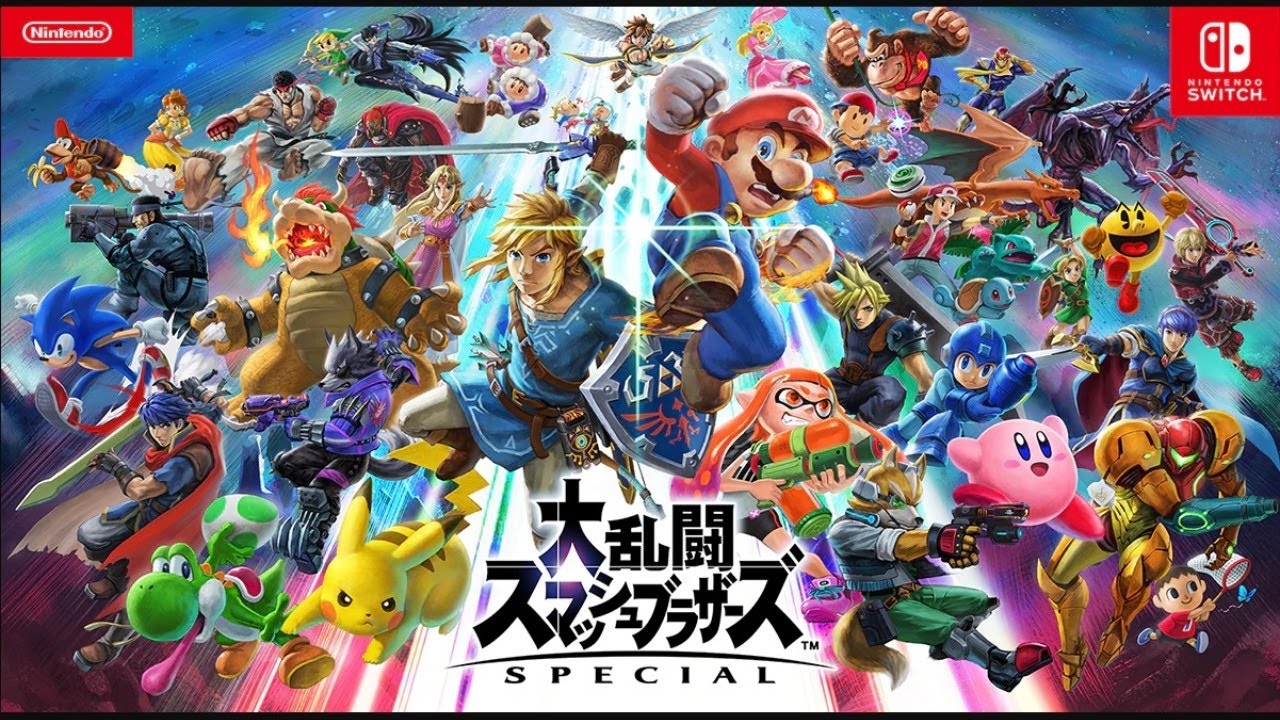
The CPU in Smash Bros. SP is too strong [Super Smash Bros. SPECIAL].
Super Smash Bros. SPECIAL has been released on the Nintendo Switch, but this time the CPU is so strong that it is difficult to liberate all the characters. For those who are not good at games or children, it might be a bit of a hardship.... We also introduce some tips on how to release the characters.
Read Article
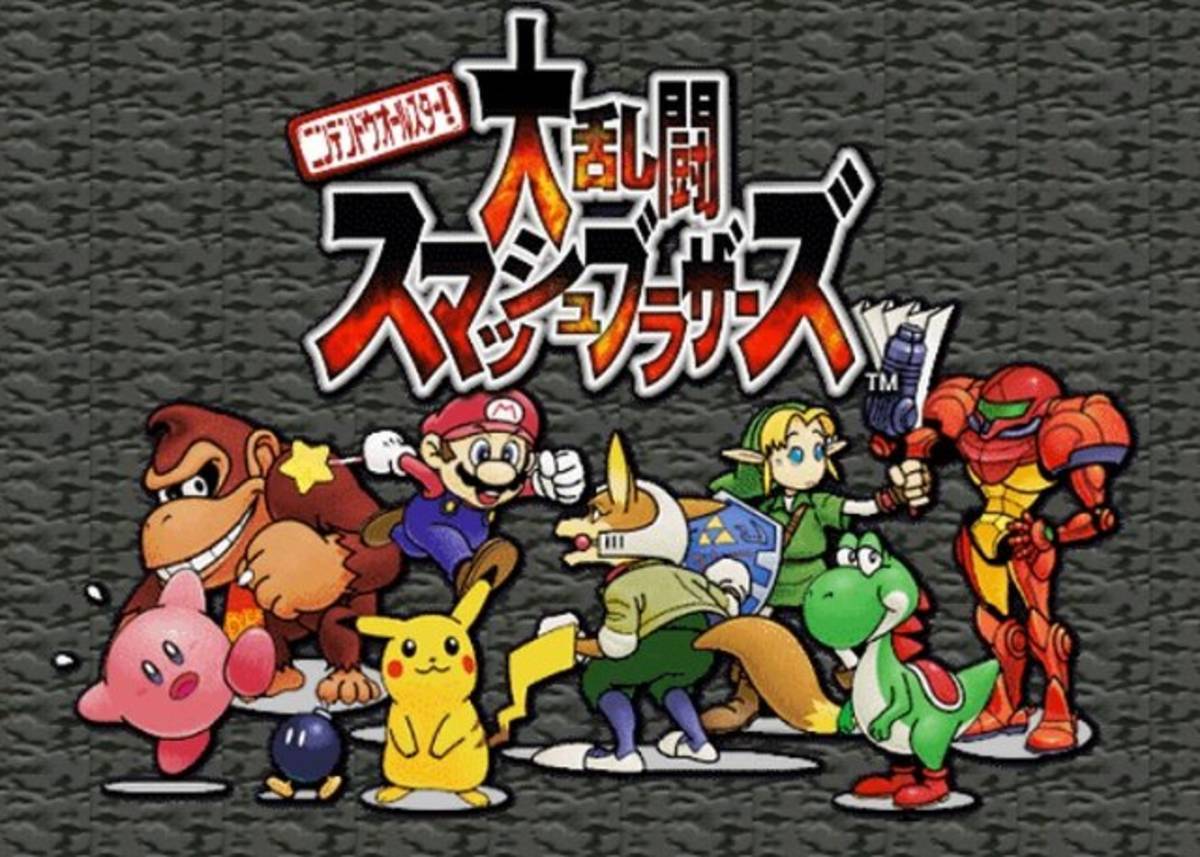
Who is ISAI, the Smash Bros. 64 World Champion? [Super Smash Bros.
Do you know that you can play Smash Bros. 64 on the Internet against people all over the world using a PC? But there are all these crazy players who are no longer satisfied with the local Smash Bros. level of competition. Among them, the man who is considered the strongest is ISAI. Here is a summary of ISAI, the strongest professional player in the galaxy.
Read Article
List of fighters participating in Smash Bros. Wii U/3DS [Super Smash Bros.
This is a summary of the characters that will be participating in Super Smash Bros. for Wii U/3DS, with images of the Wii U version being compared to the previous installments of the series. We do not deal with leaks, flageolet information, etc., but only those that have been officially announced by the official procedure.
Read Article
Introducing the additional characters that have been added to Super Smash Bros.
Last year, it was announced that Mewtwo from the Pokémon series would be added to the Super Smash Bros. for WiiU pre-launch special, and since then, seven additional characters have been announced to date. The following is a list of the additional characters, including those scheduled for distribution in the future.
Read Article
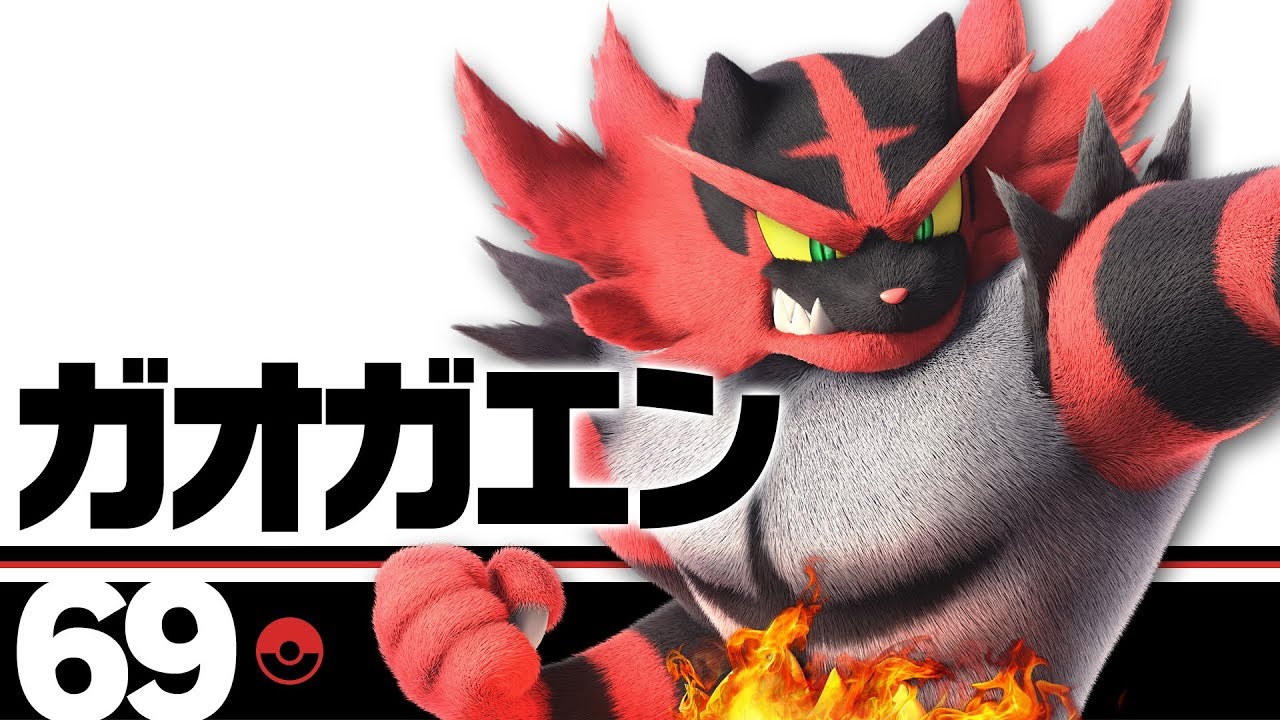
Smash Bros. SP's New Characters Are Too Gorgeous [Super Smash Bros. SPECIAL].
We have compiled a list of new characters that will be in Super Smash Bros. SPECIAL. This time around, not only are all of the characters from the past participating in the series, but the new characters being added to the series are being talked about as being spectacular. Here is a summary of the characteristics of each new character.
Read Article
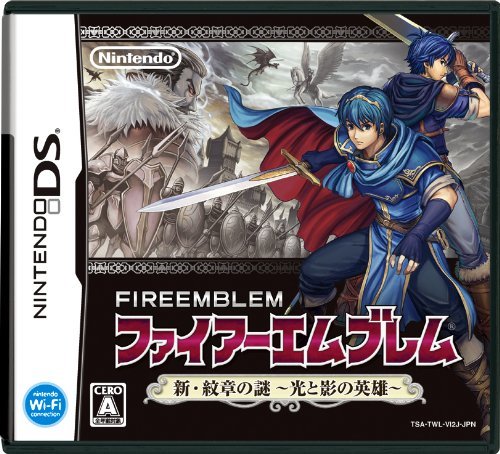
Fire Emblem is shaken up with a film featuring characters who have participated in the Smash Bros. series.
This year marks the 25th anniversary of the release of the first "Fire Emblem" SRPG. At first, the name was not very well known, but it became well known when the first main character, Mars, and Roy, who appeared in the first game, entered the "Super Smash Bros. There have been 13 Smash Bros. games released to date, excluding remakes, and here we take a look back at the games in which characters from the Smash Bros. series have appeared.
Read Article
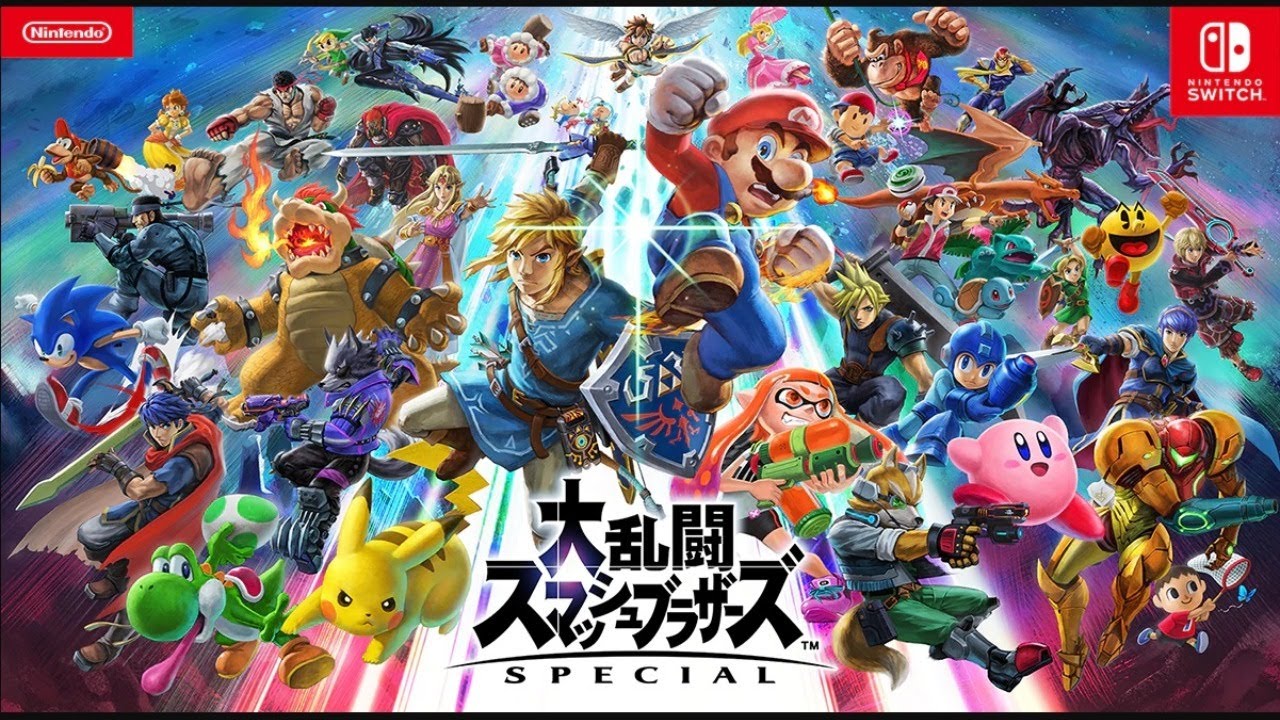
Did you hit the mark? Pre-Launch Smash Bros. SP New Character Predictions [Super Smash Bros. SPECIAL
Super Smash Bros. SPECIAL is now available on Nintendo Switch.This article summarizes the new character predictions at the time of the release announcement. Are any of these characters actually implemented? Might an unexpected character enter the game?
Read Article
![Pikmin] Top 50 Total Sales Ranking of Nintendo GameCube Software [Super Smash Bros.](https://renote.net/files/blobs/proxy/eyJfcmFpbHMiOnsiZGF0YSI6NzM0ODgxMSwicHVyIjoiYmxvYl9pZCJ9fQ==--f63d7d73d51897e1e5774aadc0582a8d6b9d1f50/E_P15RNWQA8e5mK.jpg)
Pikmin] Top 50 Total Sales Ranking of Nintendo GameCube Software [Super Smash Bros.
Among the console video game consoles released by Nintendo, the "Nintendo GameCube" has a large impact with its square appearance. It is characterized by the fact that it is compatible with a wide range of popular Nintendo characters, including the "Mario" series, "Kirby" series, "The Legend of Zelda" series, and others. This article introduces the cumulative sales ranking of the top 50 Nintendo GameCube software titles.
Read Article
![Smash Bros.] Murabito & Wii Fit trainer are scary [Super Smash Bros. for Nintendo 3DS].](https://renote.net/files/blobs/proxy/eyJfcmFpbHMiOnsiZGF0YSI6MjExNjIwNSwicHVyIjoiYmxvYl9pZCJ9fQ==--dc66d0152f9bf59abb3dbcbfc36f4248c292ca85/2020071714260900-0E7DF678130F4F0FA2C88AE72B47AFDF.jpg)
Smash Bros.] Murabito & Wii Fit trainer are scary [Super Smash Bros. for Nintendo 3DS].
Murabito and the Wii Fit trainer from the "Animal Crossing" series were added to Super Smash Bros. for Nintendo 3DS. At the time, the Internet talked about how scary Murabito was smiling and attacking. Here is a summary of the reactions.
Read Article
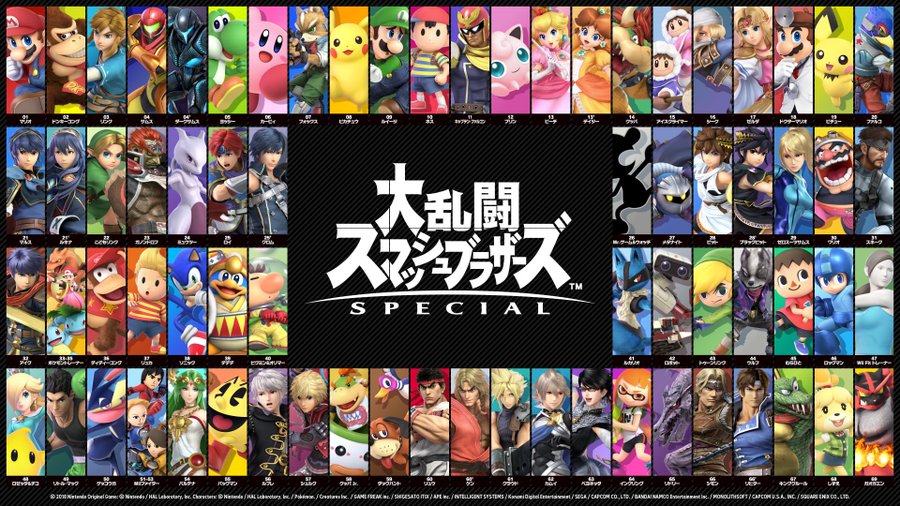
Smash Bros. SP Character Recommendations [Super Smash Bros. SPECIAL
We have compiled a list of recommended characters for Super Smash Bros. SPECIAL on the Nintendo DS that can be handled by beginners. We have also included the strengths and weaknesses of each character, so if you are interested, please take a look. Find the right character for you among the many fighters.
Read Article
Introducing a demake of a video game software made to look like the old days! Final Fantasy series, etc.
This is a collection of "demake" works that dared to recreate popular video game software with an old look and feel. The subjects include the "Super Smash Bros." series and the "Final Fantasy" series. Here you will find images of the "demake" games, videos, and download links to actually play them on your PC.
Read Article
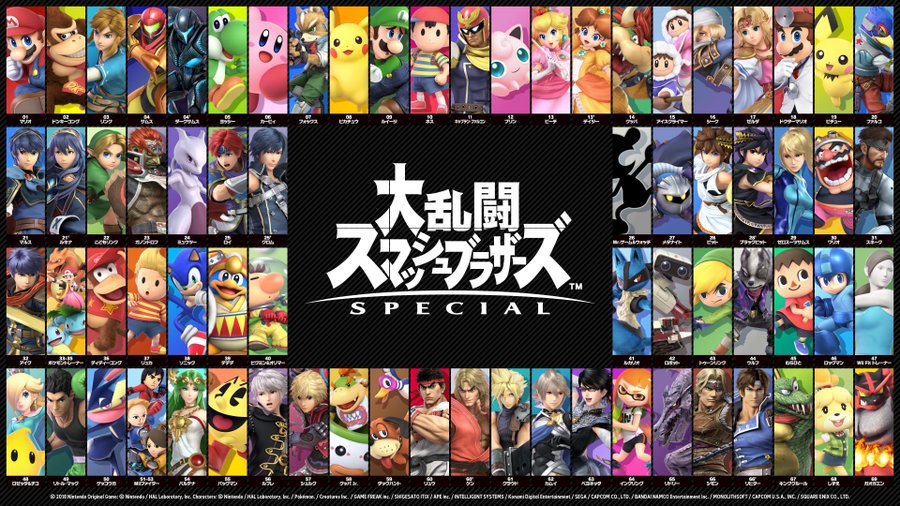
Everyone's Smash Bros. SP character cora summary of characters they hope to enter [Super Smash Bros. SPECIAL].
Super Smash Bros. SPECIAL," the latest title for the Nintendo DS, features all of the past fighters, as well as many new fighters. In the midst of all this, the internet has been abuzz with the collages that people have made of the new fighters.
Read Article
Contents
- A Smash Bros. staple (?) and "No Item, Endpoint"
- Boring!" There are many who say
- Is this actually a stage where different characters have distinct advantages and disadvantages?
- Masahiro Sakurai also commented negatively
- The new game features "Enjoy Room" and "Gachi-Room". Gachi-ya and Enjoy-ya will be able to live separately!
- summary