
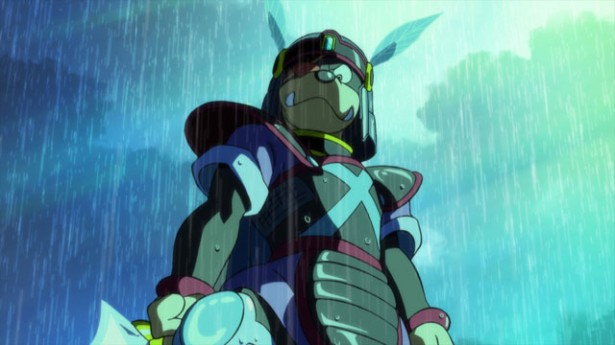
I know this is a bit late, but I dare you. I chose it because of the popularity of "Osomatsu-san" and the fact that it is a remake of a masterpiece from Tokiwa-so. The dog is not a tough dog like in the old anime, but a complete copy of the original work. It is not a complete copy of the original, and the characters are well-developed. Moreover, the characters are well-developed. This also seems to have been the policy of the production team. (view spoiler)
A scene that was not in the original or the old movie, where Doraemon and his friends stop the carriage in which they are hiding and reform the load. They ask what is under the straw, and then order their men to move the straw out of the way. and ordered his men to move the straw out of the way. He thought Peco and his men were hiding, but since they were disguised as potatoes, he apologized to Chippo, the boy who was driving the cart.
He said, "I smelled something strange," and in these few minutes, his sense of smell, keen senses, and chivalry, as well as his swordsmanship, were all portrayed.
At the same time, he showed no mercy to anyone suspicious of him, even children.
After all, he is a no-looker (the right side of the room is a blind spot for Captain Sabert, and if you cut his head off at the wrong time, you will be killed). If the timing was wrong, he could have cut off the head.
The tone of his voice was slightly different between when he was suspicious and when he apologized, but it may have been more of a "I'm sorry for scaring you" rather than to hide his awkwardness.
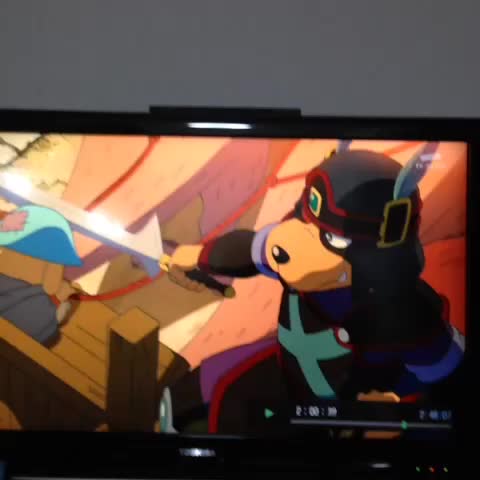
While his men are examining the luggage, he remains vigilant, keeping his sword in front of his eyes the whole time. There were scenes of carriages passing each other in both the original and the old film, but they both pass by unnoticed.
Opponent is Nobita (Peco in the old work)
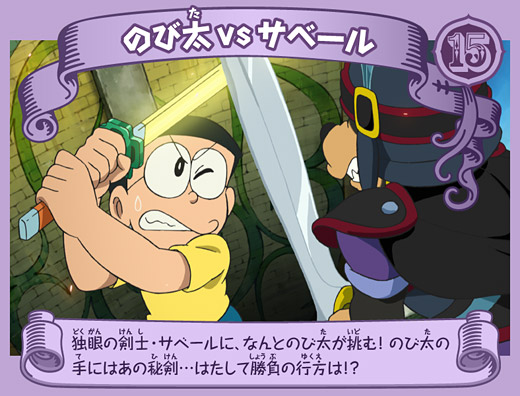
Nobita in the old movie was just wielding a lightning round against small fry soldiers....
His opponent was Nobita. I thought you were Peco! What's the rematch flag for? Some may say, "Why not Peko?" But in the original story, Nobita was also the stopper in the rematch.
It is not just based on the original story, but also adds Nobita's determination and resolve to fight for the sake of his friends. In his hand is a sword with a built-in radar called Meito Denkomaru.
It is a foul-armed sword that senses the opponent's movements and moves automatically, allowing him to win even if he is asleep. Captain Saber, who thought Nobita was a great swordsman, thought he was able to fend off his attackers with the power of Denkomaru, and he was ready to challenge Nobita to a match.
The onslaught is so fierce that even the sword, which is the product of 22nd century science, is only able to catch it, and the Denkomaru's battery runs out.
Doraemon, you should have recharged your batteries," he thought, "but they seem to have run out due to the fact that it was running at full capacity in order to cope with the attack by Sabeel. In other words, Captain Savelle's swordsmanship is the mastery of his skill. However, he also complained that Nobita, who had the electric light circle that had lost its evasive ability due to running out of battery power, had been avoiding his attacks all the time.
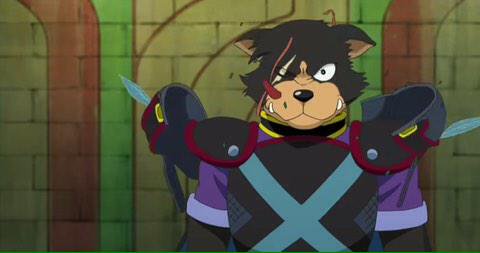
We did not see the face with the eye patch removed in the original or the old film. Including the destruction of the helmet, this scene shows the deepening of the character.
The result was defeat, with Nobita's longest strike being decided due to the timing and aim being off due to the vibrations caused by the activation of the Giant God Statue.
Captain Sabert fell to the ground, his helmet literally cracking with the impact. He turned around and said one word: "Brilliant.
It is unclear whether this was a simple fainting spell or death as it happened, but even if he had been breathing at this stage, it is highly possible that he would not have survived anyway because the passageway collapsed after his men fled. For the remake captain, whose aspect as a warrior was also emphasized, death in battle might have been more desirable.
In the original story, he fell down the stairs after Nobita split his helmet. Unknown.
The old version: When the Giant God Statue was activated, the cape got caught in the gears and tore, causing the cape to lose its balance and fall. The scene of his death is clearly depicted as he hits his head on the cogwheel.
Changes, characters, and characters other than Captain Savelle
Pekoe.
The unconsciously supercilious behavior of royalty, such as the line "Thank you for your hard work" and the urging of tools, has been eliminated.
He now has a noble and humble side, literally making eye contact with his own people and offering words of encouragement, and crying and thanking Nobita and the others for their cooperation.
On the other hand, he also shows his strength and weakness as he reveals to Nobita alone his lack of confidence due to his position of regaining his country and becoming the king, his strong sense of responsibility, and his helplessness.
Some people think that this is why the friendship between Nobita and the king stood out in the scene where they share a sausage and the parting scene. He had a habit of turning his head since he was just pretending to be a dog, and it remained unchanged even after his accession to the throne, emphasizing that he was "Peco, Nobita's dear friend.
In the old work, he did not know about the prophecy, but in this work, he explains it to Nobita and his friends himself. In the original, his attitude is slightly more indifferent. The circumstances of his coming to the human world have been drastically changed in this work.
In the original work, both the king and Peco die of illness (the method of assassinating the king is unknown). Peco himself is shown being driven into a coffin while still alive, and the coffin falls into the water.
In this film, Peko is hunted as a traitor who killed his father, King Bauwanko 108. He escapes by using the movement of a waterwheel and somehow manages to dodge the pursuit of soldiers, but is confronted by Sabert, who is waiting for him on a cliff. He then confronts Sabert, who is waiting for him on the cliff, and they begin a sword duel on the edge of the cliff.
The scaffold collapses and he falls, and is swept away to the human world. He is accused of killing the king, but for some reason he is wanted as a fake prince, but judging from the blessing of the people, no one seems to think that Peko killed the king.
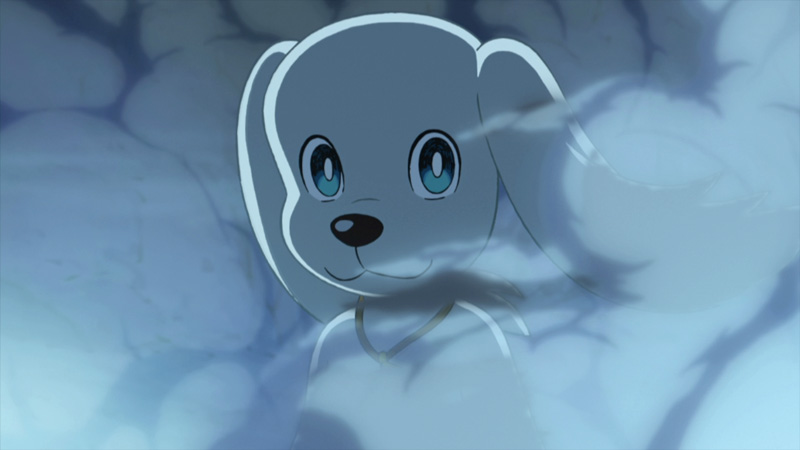
Source: doraeiga.com
Princess Spiana
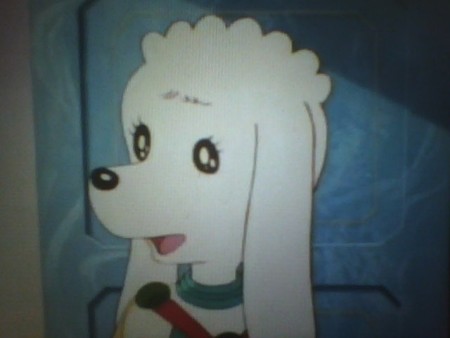
Source: d.hatena.ne.jp
The former Princess Spiana. Ladylike and frail, she is truly a captive princess.
Peco's fiancée. In both the original and the previous work, she is a white Spitz-like dog. In the original, she was a weak captive princess who was almost taken away by a dublander, but in the current work, she has changed to a beautiful brown dog.
Her costume is also somewhat exotic. She even shows a glimpse of her mental core strength as she rejects the hand of the wooing dublander and speaks out, and she even shows her intelligence in sensing the friendship between Peco and Nobita, who has become king.
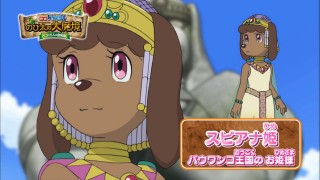
Source: www.tv-asahi.co.jp
A new Princess Spiana with many beats. Zero visual traces.
brussels sprouts
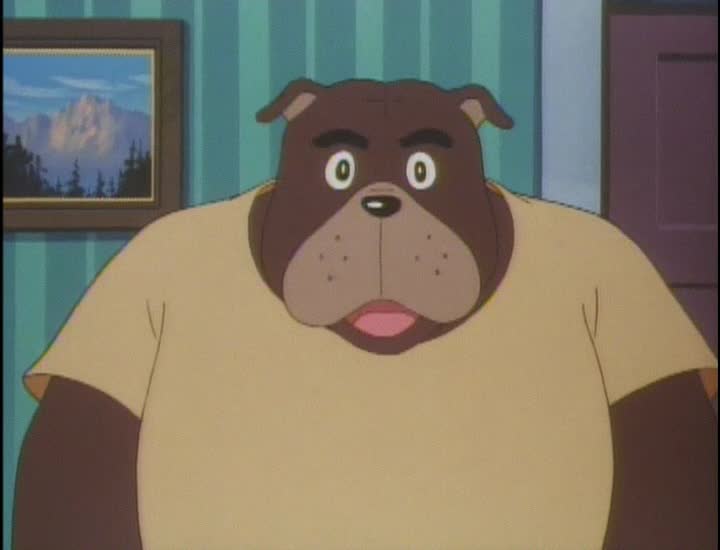
Formerly known as Brusus. Monstrous strength, able to knock down a soldier with one hand.
SS chief in the service of the previous king. According to Peco, he was "the most reliable" loyal subject in the country, and for that reason, he was treated as an obstacle by the dublanders and imprisoned.
His brown hair and good-natured face were replaced by cream-colored hair and a slightly kowamote appearance. He is usually mild-mannered.
He also has a comical side, such as when he cries out in joy when he is reunited with the prince or when he learns that Nobita and his friends may be the foreigners of the prophecy.
His fighting skills are well-known, as he can fight a large battle by himself against several armed soldiers and pull out a tree to use it as a weapon. In the last scene, he reverts to the position of SS chief and appears in armor.
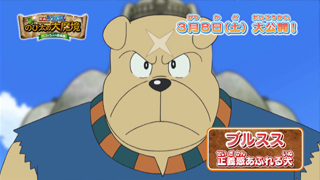
Source: www.tv-asahi.co.jp
New Brussus. Caught in a passing hoop.
penis
A boy victimized by a dublander. The story of how his parents were taken away as weapons manufacturers and his bond with his domestic animal, an aardvark (like a horse), were also briefly depicted.
His character has been drastically changed. Unlike in the original and older works, where he was more mature, he is now a mischievous boy who shields himself from soldiers and is determined to make a wooden sword to save his parents.
In the original and the previous films, he did not play a prominent role except for secretly carrying the prince's group and informing them of the place where Brusus was imprisoned, but in this film, he helped the adults who were taken away to inform them that the prince was alive and that he was fighting for his life and helped them to hunt down Davlander.
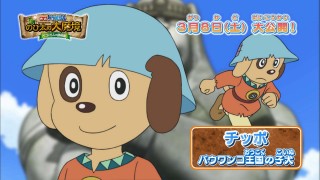
Source: www.tv-asahi.co.jp
dublander
He is the first person in the "Doraemon" films to plot world domination. His original position was minister of the kingdom of Bauwanko. He usurped the throne by poisoning Peco's father, Bauwanko 108, and pinning the crime on Peco, a prince.
According to Peco, he is "devious and wily. Because of his politics of fear, he is not well-liked, and his soldiers complain that he is "unpopular.
In the previous work, he was giving orders in a crisp and clear manner, but in this work, he watches Nobita and the others from the future from the shadows, and gives them a notice that says, "Get it over with! He is a small man who is conspicuous for his petty attitude.
He abandoned his men and went to the royal palace to take Princess Spiana away, but when he saw the people rising up in arms, he decided to kill himself in a fit of desperation.
He captured her, but the ceiling was scraped off by the statue of the giant god, and the rubble hit him directly on the head, causing him to fall into a coma.
In the old movie, he says, "I'll give the kingdom to my son," and is about to take Princess Spiana away when everyone arrives. She was cut off by Peco's sword and left the stage.

Related Articles
An ordinary kid becomes a hero. Perman"
Fujiko F. Fujio's (hereinafter referred to as "Mr. F") works include "Doraemon," which is famous for its pattern of "a peculiar being staying at home," and "peculiar short stories" reminiscent of "Se Ni ni Bizarre Monogatari" (Strange Stories). Among them, Perman may be a little special.
Read Article
In-depth description and discussion of The Doraemon's (Dora's Dora 7)
The Doraemons" is the story of Doraemon and seven other feline robots who have pledged their eternal friendship to each other. The story is sometimes touching, sometimes acrobatic, and sometimes slapstick comedy. These adventures are sometimes solved by the special abilities of the members, sometimes by their resourcefulness, and most of all, by the friendship among the seven, symbolized by their special secret tool, the "best friend telecard".
Read Article
Spoiler commentary and discussion of Doraemon (manga and anime)
A manga, anime, and video game series by Fujiko F. Fujio that has been serialized since 1969 in Shogakukan's learning magazines ("Good Boy," "Kindergarten," "First Grader" to "Fourth Grader"). It depicts the uproar caused by Doraemon, a robot who comes from the future in the 22nd century to help Nobita Nobi, who has led a miserable life and left debts to his grandchildren, and by the secret tools of the future that Doraemon brings with him. The work was discontinued in 1996 with the death of Fujiko F. Fujio.
Read Article
Spoiler commentary and discussion of Doraemon: Nobita's Genesis Diary (film).
Doraemon: Nobita's Diary of Creation" is the 16th animation film in the series, released in 1995. Nobita Nobi, a fifth grader, creates a new universe using the Genesis Set that Doraemon, a cat-shaped robot, purchased at a department store in the 22nd century future, and begins to write an observational picture diary as his free study during summer vacation. In the new earth that exists in that universe, new creatures and human beings are born. This is the definitive work on the theme of "Genesis" by Fujiko F. Fujio, the author of "Doraemon. The film recorded box-office revenues of 1.3 billion yen and won high acclaim for touching on the birth of the universe and life.
Read Article
Doraemon: Nobita and the Tin Labyrinth (film) Spoiler Commentary and Discussion Summary
Doraemon: Nobita and the Tin Labyrinth" is the 14th animation film in the series, released in 1993. Nobita Nobi, a fifth grader in elementary school, receives a trunk that opens a gate to Tin-Tin Island, an island of toys made of tin. Nobita and Doraemon enjoy their time on Tin Island, but suddenly Doraemon is kidnapped by tin soldiers. The film is unique in that Doraemon, the main character, breaks down and is absent during the middle of the film, leaving Nobita and his friends to fend for themselves.
Read Article
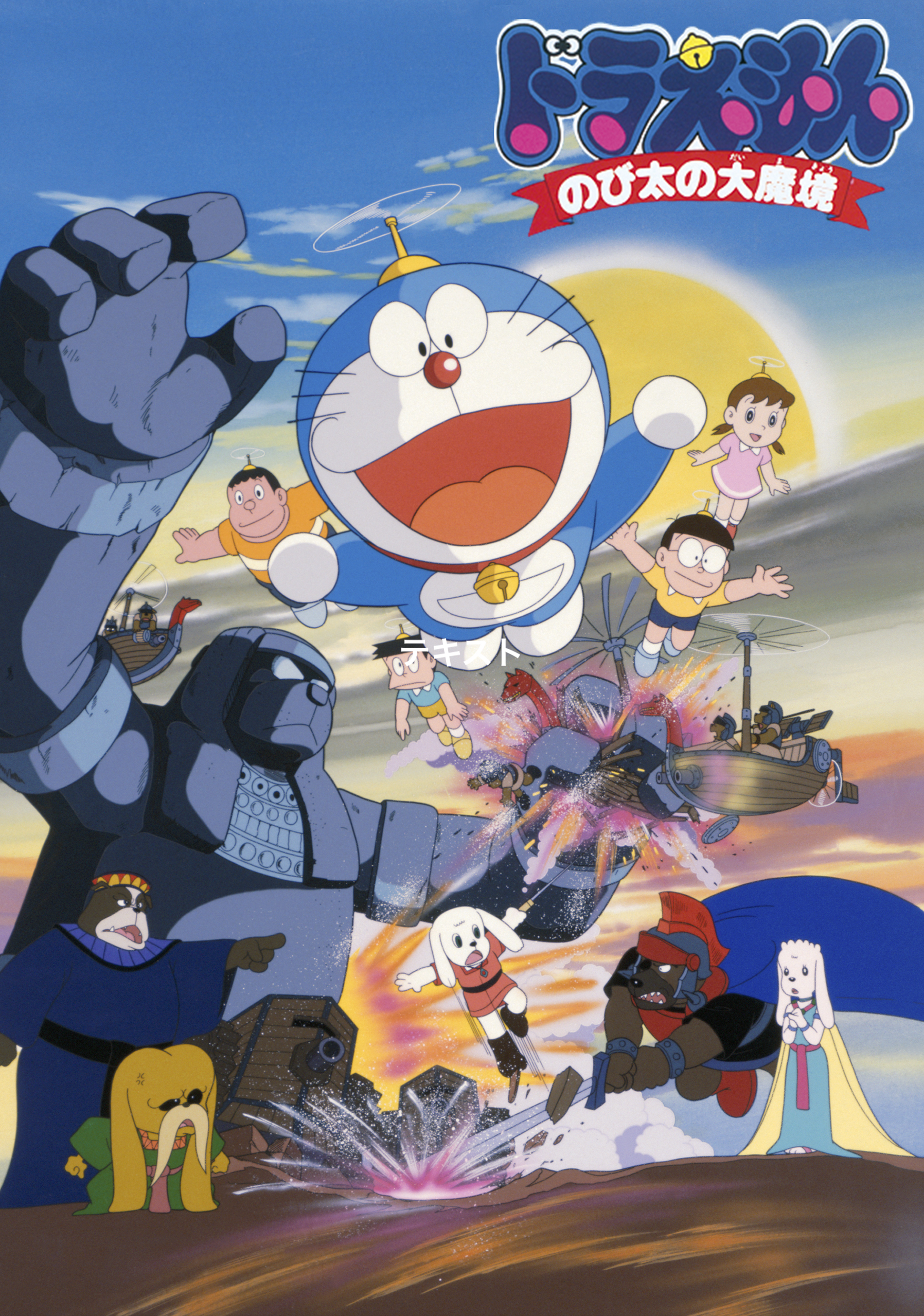
Doraemon: Nobita's Daimakyo (The Movie) Spoilers and Discussion Summary
Doraemon: Nobita's Demon Kingdom" is the third feature-length animated film based on Fujiko F. Fujio's "Doraemon," released in March 1982. This work is set in the Bauwanko Kingdom, a dog kingdom under a dictatorship, and features interactions and battles between the dog inhabitants there and Doraemon and his friends. The opening song "Doraemon's Song" was used in this work, and the style of the story, in which Gian goes from being a bully to cooperating with Doraemon, Nobita, and others in their adventures, became a standard feature.
Read Article
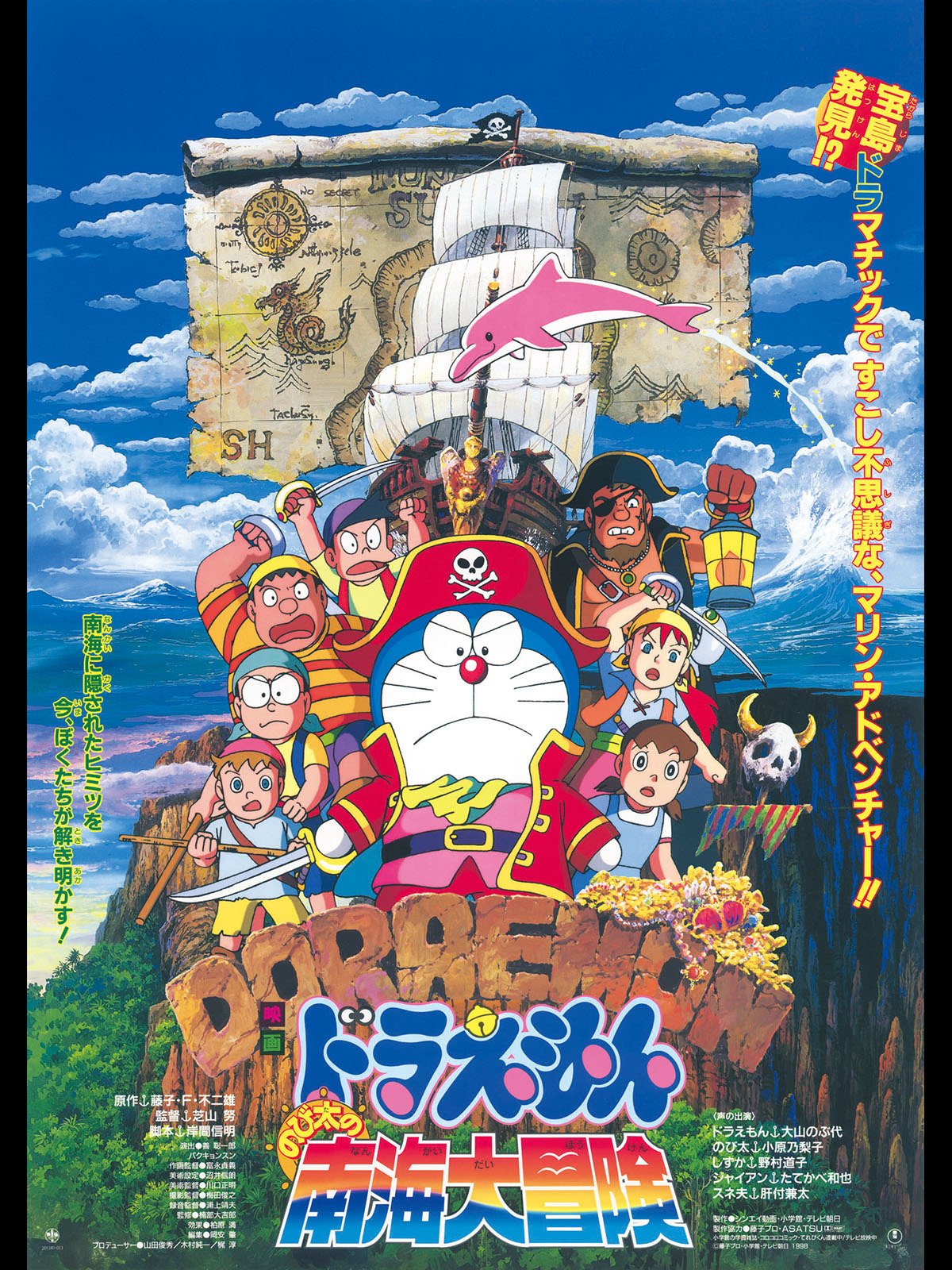
Doraemon: Nobita's Great Adventure in the South Seas (movie) spoiler commentary and discussion.
Doraemon: Nobita's Great Adventure in the South Seas" is an animated film released in 1998. Doraemon and Nobita, accompanied by Gian and his friends, head off on a sea adventure to Treasure Island. Along the way, they are transported back in time to the Caribbean Sea in the 17th century due to a change in space-time. Doraemon and Nobita get separated from Doraemon and his friends. Doraemon and his friends meet real pirates and join them. Nobita washes ashore on an island, where he meets a boy named Jack. This is the 19th film in the series, and its distribution revenue exceeded that of the previous film, "Nobita's Adventures in Twisted City," becoming the highest-grossing film of all time at the time of its release in 1998.
Read Article
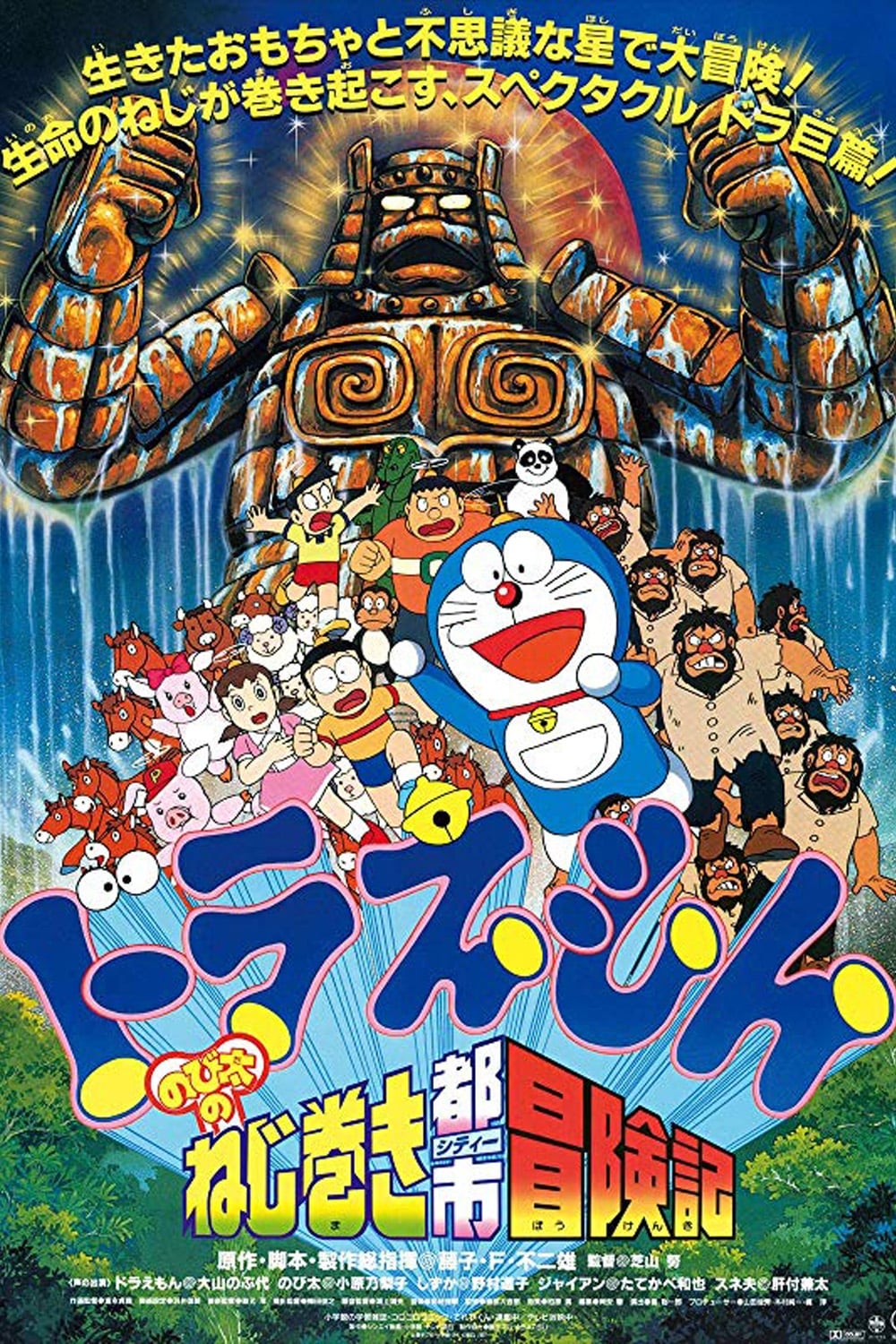
Spoiler commentary and discussion of Doraemon: Nobita's Adventures in Twisted City (movie).
Doraemon: Nobita's Adventures in Twisted City" is an animated film released in 1997. Doraemon gets a voucher for an asteroid from a lucky draw in the 22nd century, and Nobita accidentally finds a vast planet. He invites Suneo and Gian to join him and attempts to develop a city on the planet, but unexpected trouble arises. This is the last film by Fujiko F. Fujio, the author of the original "Doraemon". It is also a memorable film in that the people who live on the same planet as Nobita and his friends appear as villains and environmental issues are discussed.
Read Article
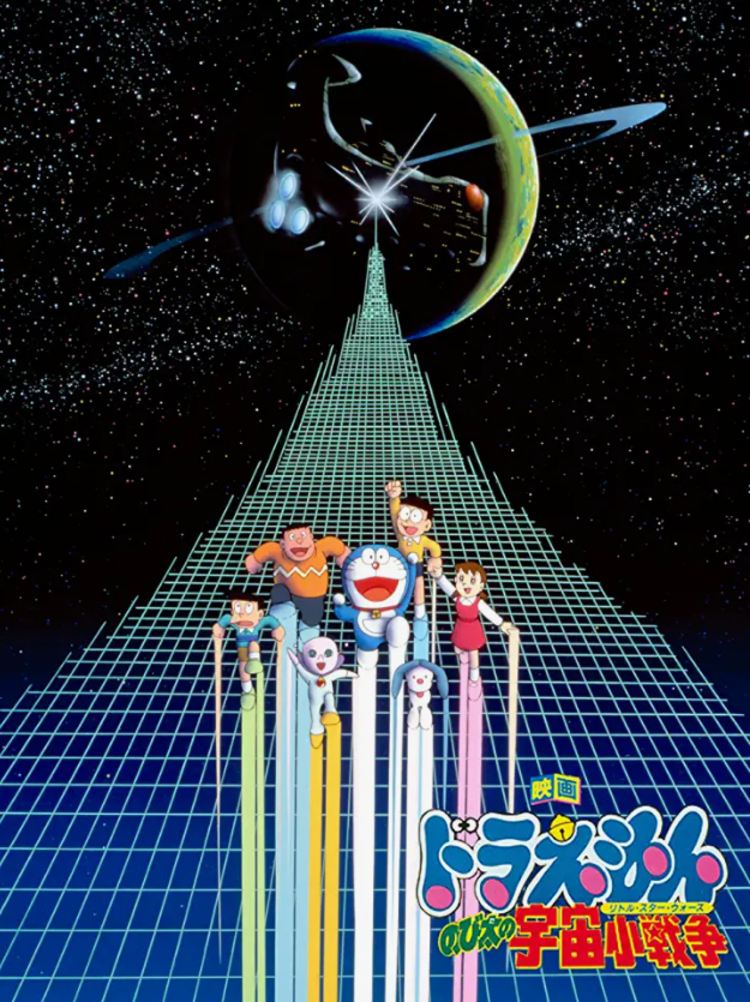
Spoiler commentary and discussion of Doraemon: Nobita's Space Wars (movie)
Doraemon: Nobita's Space Wars" is the sixth feature-length animated film based on the manga "Doraemon" by Fujiko F. Fujio. Nobita Nobi, a fifth grader, Doraemon, a cat-shaped robot, and his friends meet Papi, a small alien. Doraemon and his friends learn that the planet Pirika, where Papi lives, is ruled by a dictatorship, and they set off into space to save it. This work is inspired by the novel "The Gulliver's Travels" and the science fiction movie "Star Wars.
Read Article
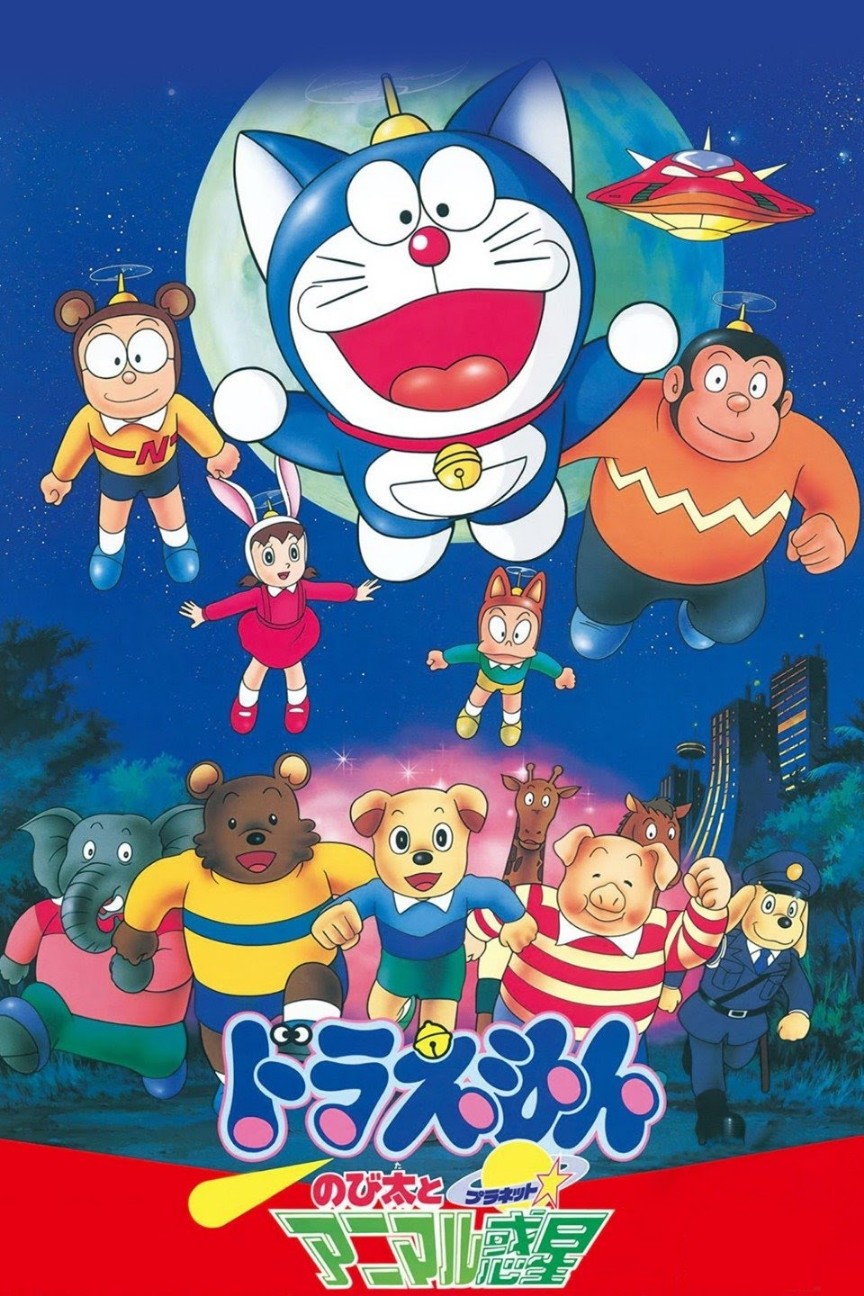
Doraemon: Nobita and the Planet of the Animals (film) Spoiler Commentary and Discussion Summary
Doraemon: Nobita and the Animal Planet" is the 11th animation film in the series, released in 1990, and based on the manga written by Fujiko F. Fujio. Nobita Nobi (Nobita Nobita), a fifth grader in elementary school, Doraemon, a cat-shaped robot, and his friends pass through a mysterious pink mist and arrive at the Animal Planet, where animals live. Doraemon and his friends stand up to save Animal Planet from the evil forces of invasion. This work depicts the battle between Doraemon and the Nimuge, a group of animals invading Animal Planet, but it also depicts real-life social issues such as environmental destruction.
Read Article
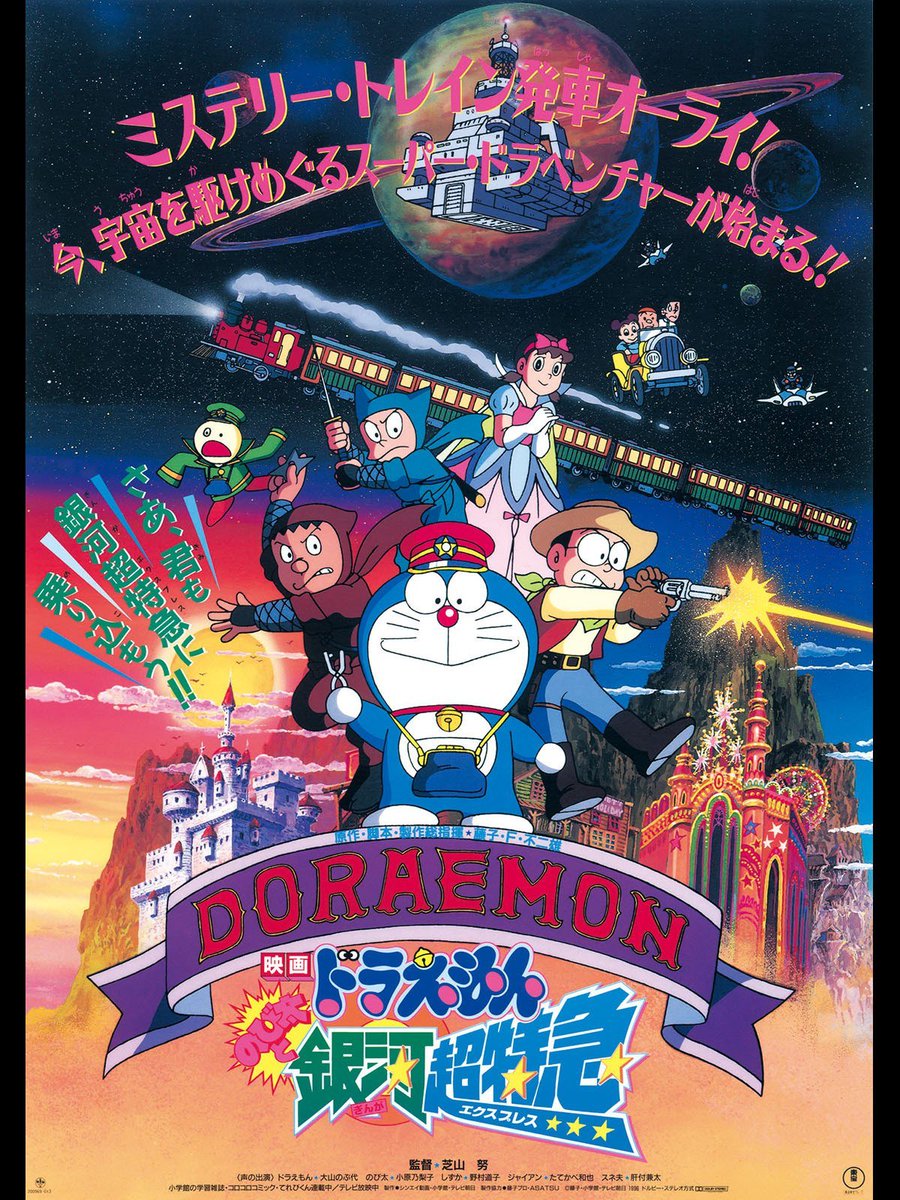
Doraemon: Nobita and the Galactic Super Express (movie) spoiler commentary and discussion.
Doraemon: Nobita and the Galactic Express" is the 17th animation film in the series, released in 1996. Nobita invites his classmate Takeshi Goda and others to join him on a space trip. However, unexpected happenings occur on the space trip, and they are also attacked by a mysterious life form. This was the last film that Fujiko F. Fujio, the author of the original "Doraemon," wrote and saw through to the screening of this film.
Read Article
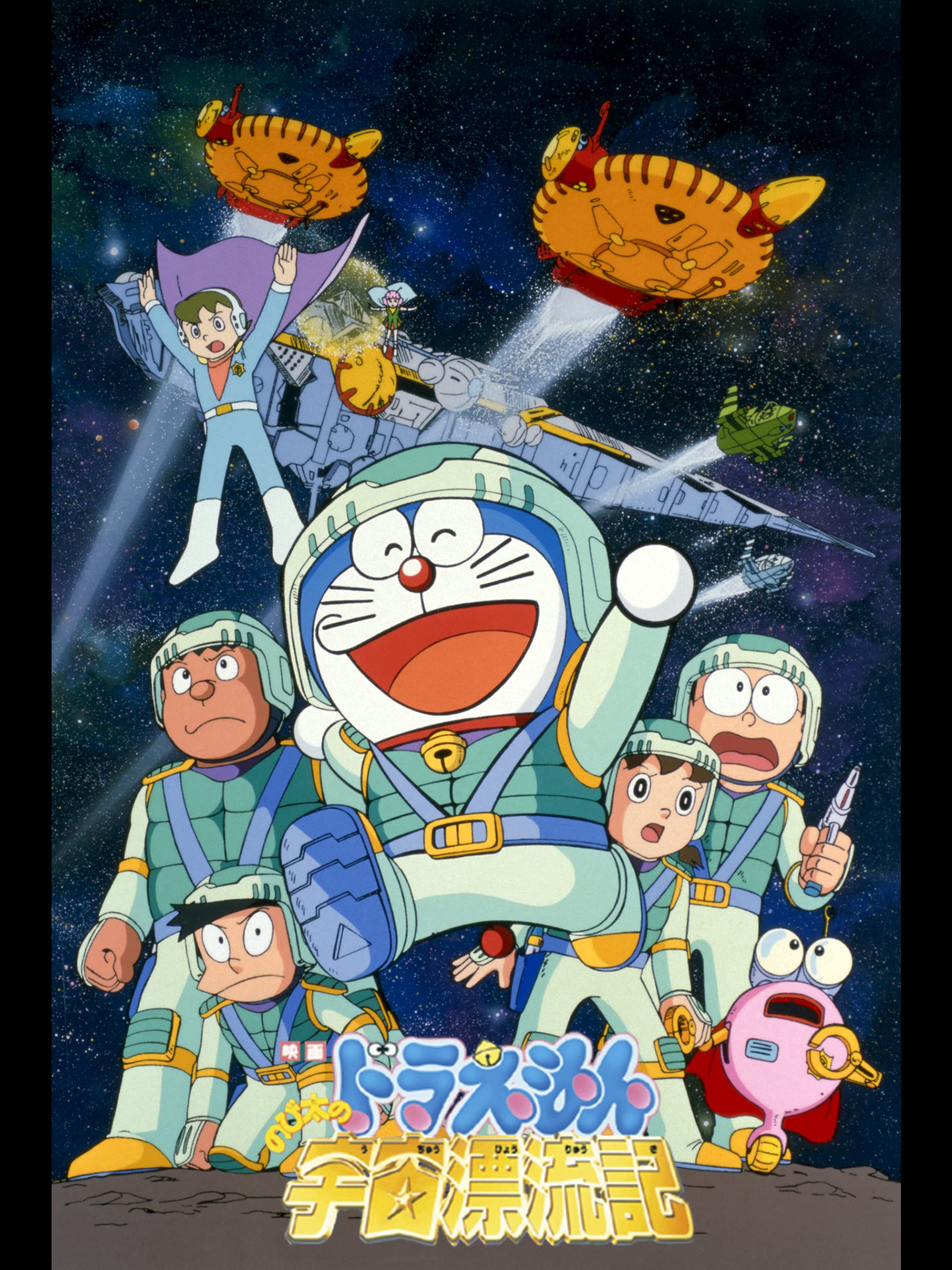
Spoiler commentary and discussion of Doraemon: Nobita's Space Drift (film).
Doraemon: Nobita's Space Drift" is an animated film released in 1999. Nobita and his friends enjoy playing Doraemon's secret tool, the space exploration game, but Suneo and Gian are trapped in the game world, and the game box is taken away by a mysterious spaceship. In order to save Suneo and his friends, Nobita and his friends go out into space and confront an invasion force that aims to invade the earth. The staff for this film includes Kazutaka Miyatake, mechanical designer of the sci-fi robot animation "Macross" series, and Studio Nue. In addition, no celebrity entertainers were used as guest characters, but only voice actors.
Read Article
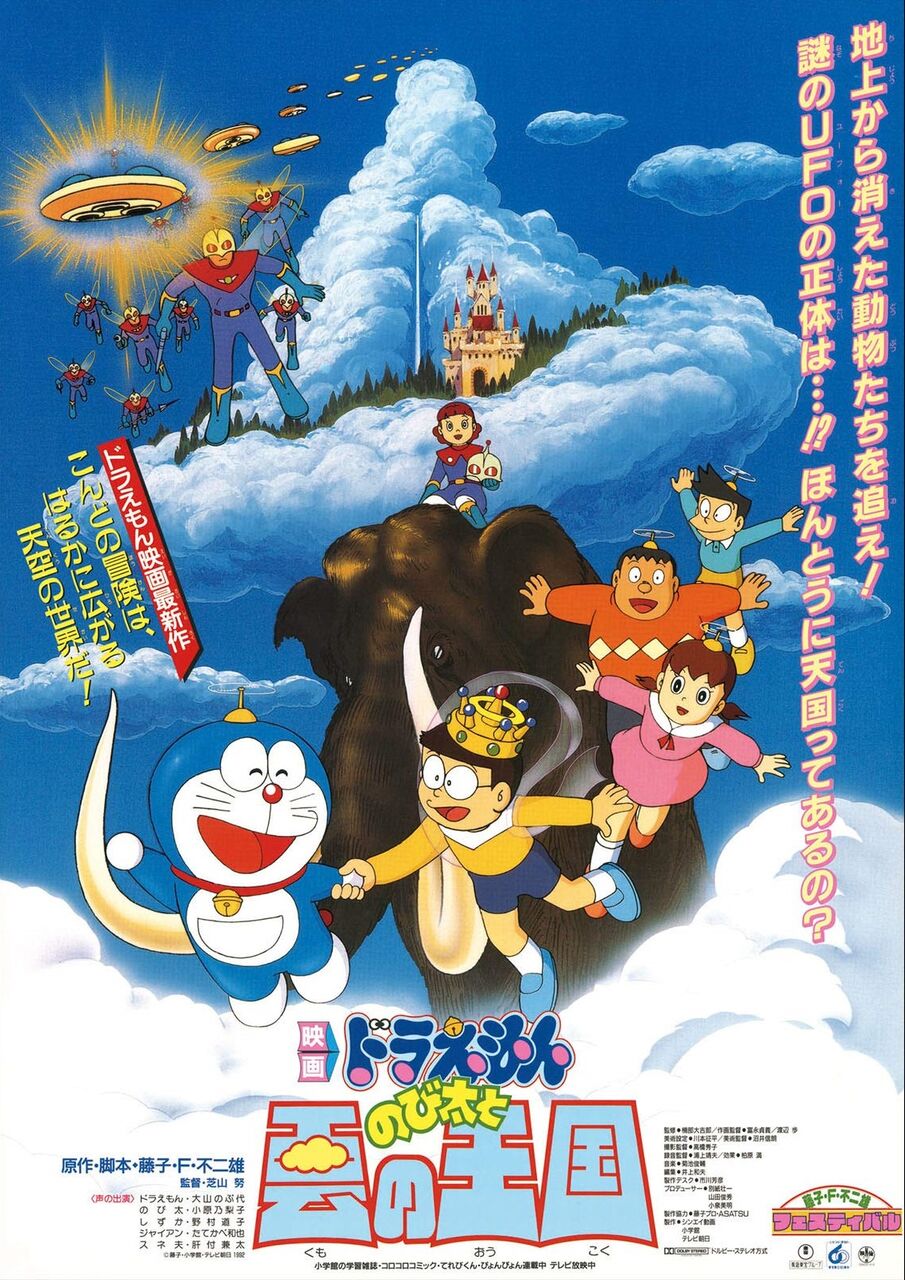
Doraemon: Nobita and the Kingdom of the Clouds (film) Spoiler Commentary and Discussion Summary
Doraemon: Nobita and the Kingdom of Clouds" is the 13th animation film in the series, released in 1992, and based on the manga written by Fujiko F. Fujio. Fifth grader Nobita Nobi (Nobita Nobita) believes that there is a heaven above the clouds, while Doraemon, a cat-shaped robot, creates a cloud kingdom for Nobita with the tools of his four-dimensional pocket. However, a heavenly world already exists above the clouds. This film is unusual in that it is the first film version in which Doraemon breaks down and a great flood destroys the human race.
Read Article
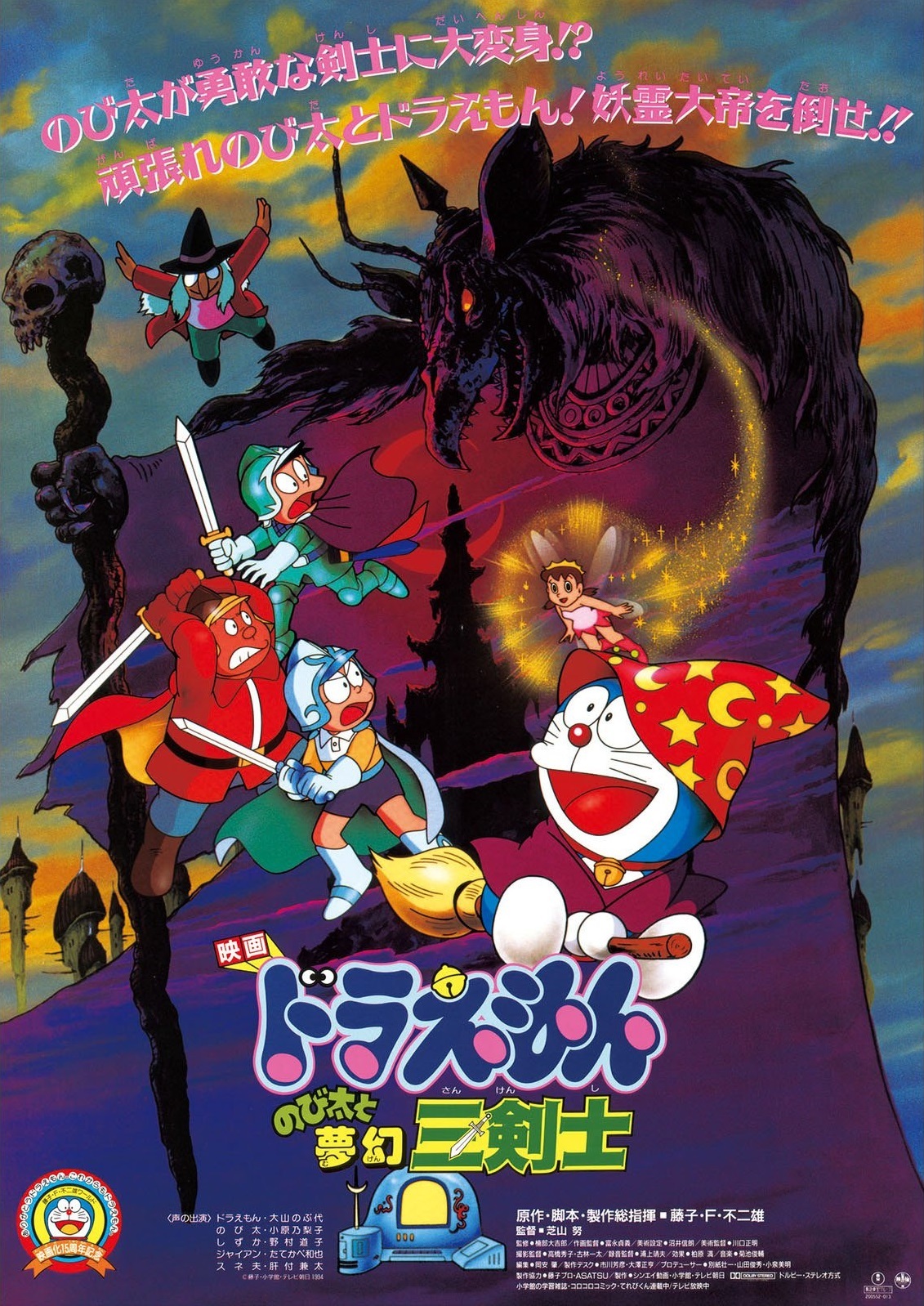
Doraemon: Nobita and the Three Dreamy Swordsmen (film) Spoiler Commentary and Discussion Summary
Doraemon: Nobita and the Dreamy Three Swordsmen" is the 15th animation film in the series, released in 1994. Nobita Nobi, a fifth grader in elementary school, experiences various dreams on a dreaming machine imported from the 22nd century by Doraemon, a cat-shaped robot. Eventually, he takes on the dream world of the "Three Swordsmen of Dreaming," ruled by the spectral giant Odrome. This is a unique work in which characters other than Doraemon and Nobita are treated as guests.
Read Article
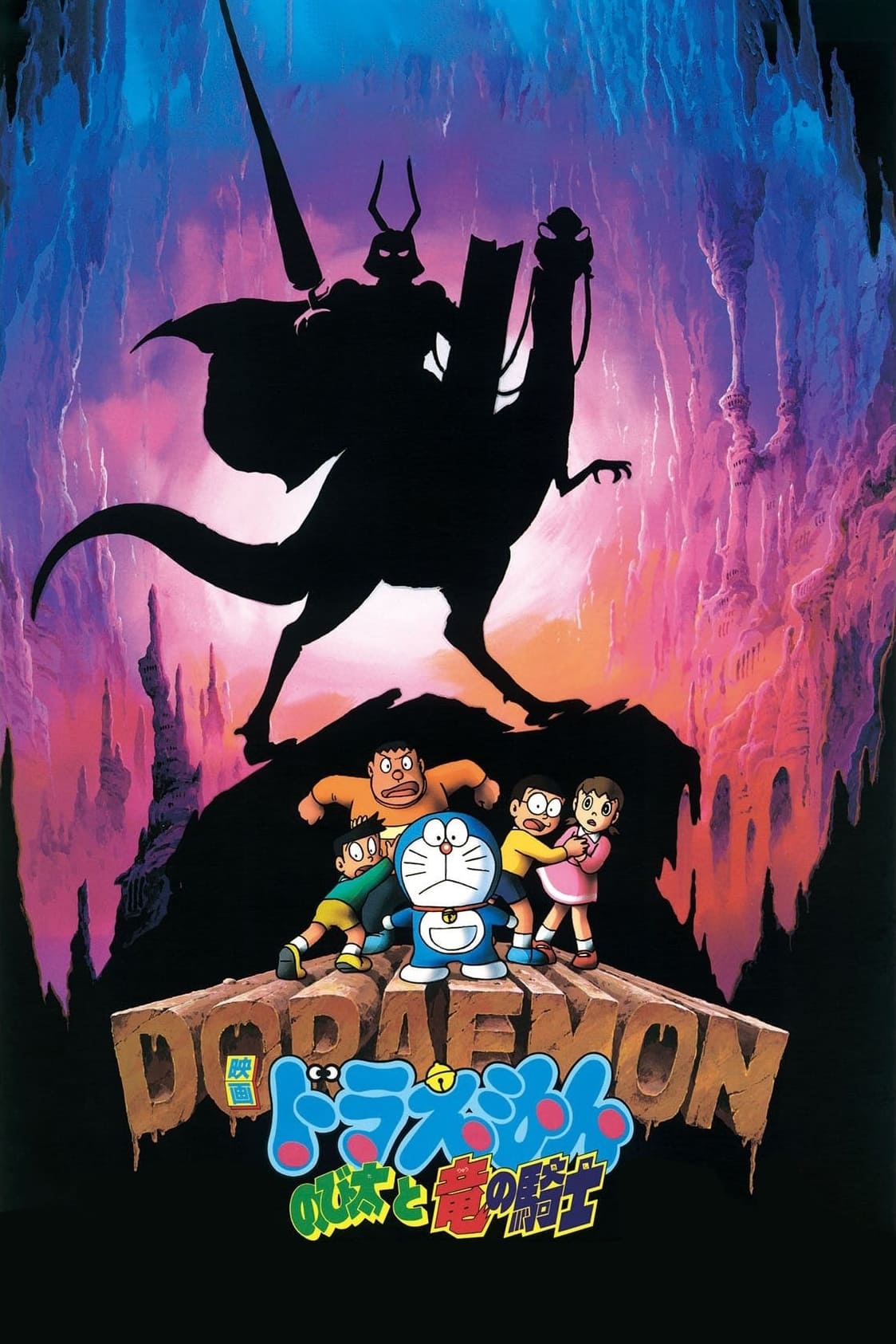
ドラえもん のび太と竜の騎士(映画)のネタバレ解説・考察まとめ
『ドラえもん のび太と竜の騎士』とは、藤子・F・不二雄が手掛けた漫画『ドラえもん』の劇場版長編アニメ第9作目作品である。 小学5年生の野比のび太や同級生達がネコ型ロボットのドラえもんが出したどこでもホールで地下の広い洞窟を作り楽しむが、その洞窟から恐竜や恐竜人達が住む地底国へと繋がっていたという物語展開となっている。 大の恐竜好きである藤子・F・不二雄が『ドラえもん のびたの恐竜』(1980年)に続き、地底世界の恐竜や恐竜人の姿を手掛けた長編大作。
Read Article
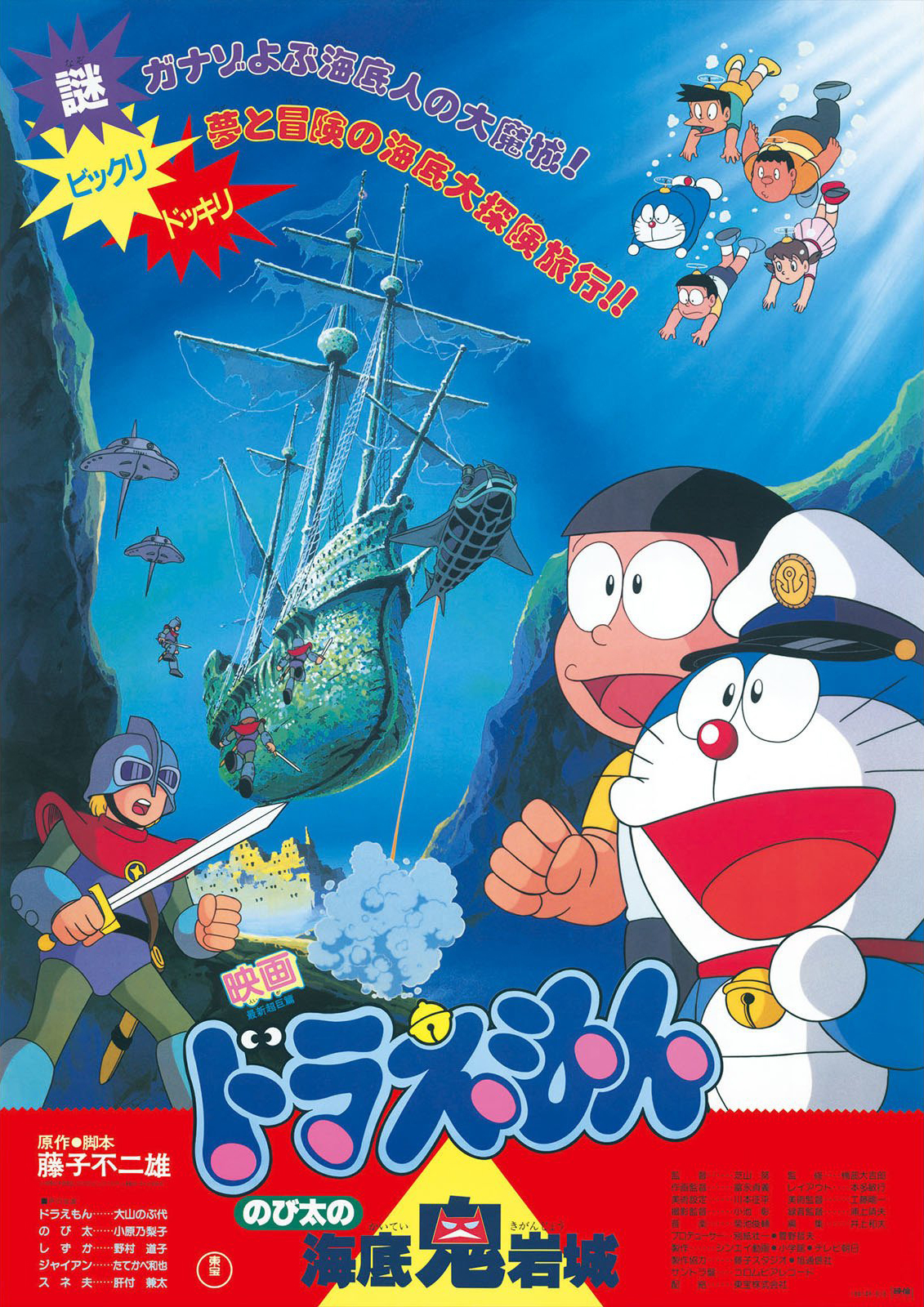
Doraemon: Nobita's Undersea Oniwashiro (The Movie) Spoilers and Discussion Summary
Doraemon: Nobita's Undersea Oniwashiro is the fourth feature-length animated film based on the manga "Doraemon" by Fujiko F. Fujio, and was released on March 12, 1983. Nobi Nobita (Nobi Nobita), a fifth grader in elementary school, goes to an undersea camp with some of his classmates during their summer vacation with the help of Doraemon, a cat-shaped robot, and enjoys exploring deep-sea fish. Just then, they encounter the Mu Federation, an undersea subterranean nation, and the story takes a major turn. While knowledge about the deep sea and the seafloor is conveyed through the story, the film also depicts the ruthlessness of the Mu Federation, the self-destruction of ATVs, and other serious developments.
Read Article
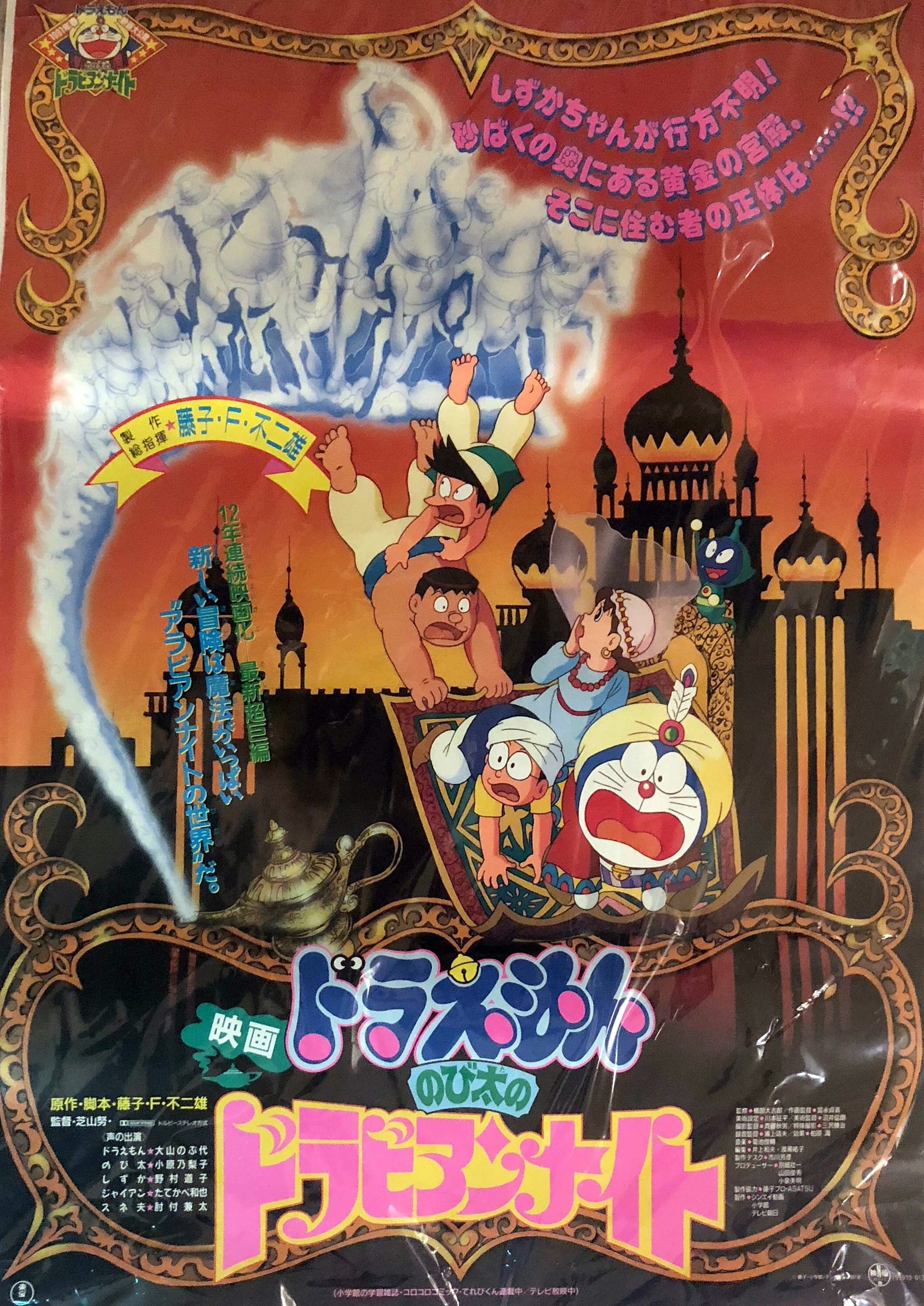
Spoiler commentary and discussion of Doraemon: Nobita's Drabian Nights (movie).
Doraemon: Nobita's Drabian Nights" is the 12th animated film in the series, released in 1991, and based on a manga written by Fujiko F. Fujio. Nobita Nobi, a fifth grader, enters the world of picture books using the tools in the four-dimensional pocket of Doraemon, a cat-shaped robot. However, Shizuka Minamoto, who was also enjoying the picture book world, goes missing. The film is set in Baghdad in the year 794 and is inspired by the picture book "Arabian Nights.
Read Article
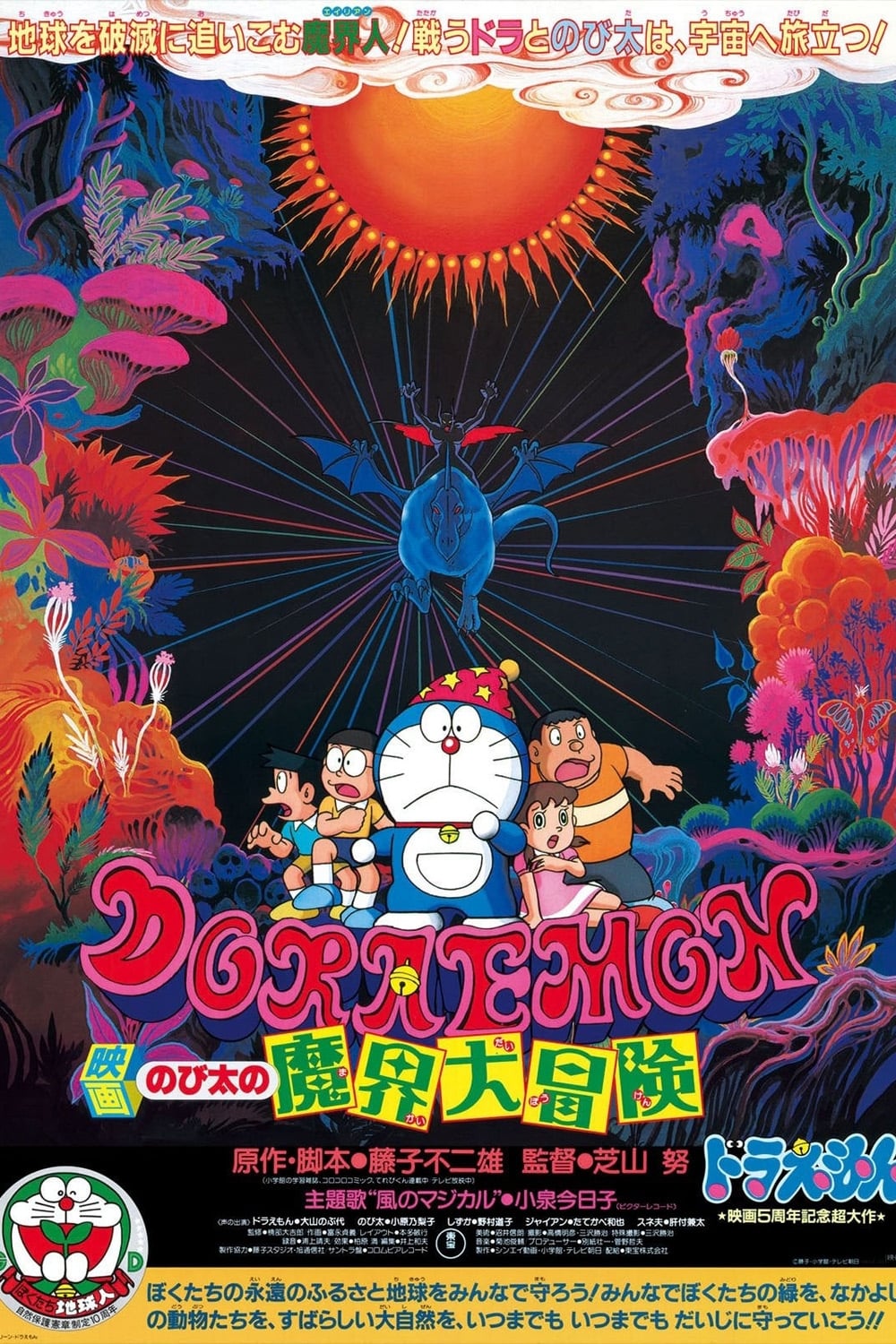
Spoiler commentary and discussion of Doraemon Nobita no Makai Daiboken (The Great Adventure of Nobita in the Magic World) (movie).
Doraemon: Nobita's Magical World Adventure" is the fifth feature-length animated adaptation of Fujiko F. Fujio's manga "Doraemon" and was released on March 17, 1984. Nobita Nobi, a fifth grader in elementary school who yearns for magic, uses the tools of Doraemon, a cat-shaped robot, to bring about a magical world. However, it is not the ideal Nobita had in mind at all, but a magical world ruled by demons. This work depicts a parallel world where the real world and the magical world created by Doraemon's tool, Moshi Moshi Box, intersect.
Read Article
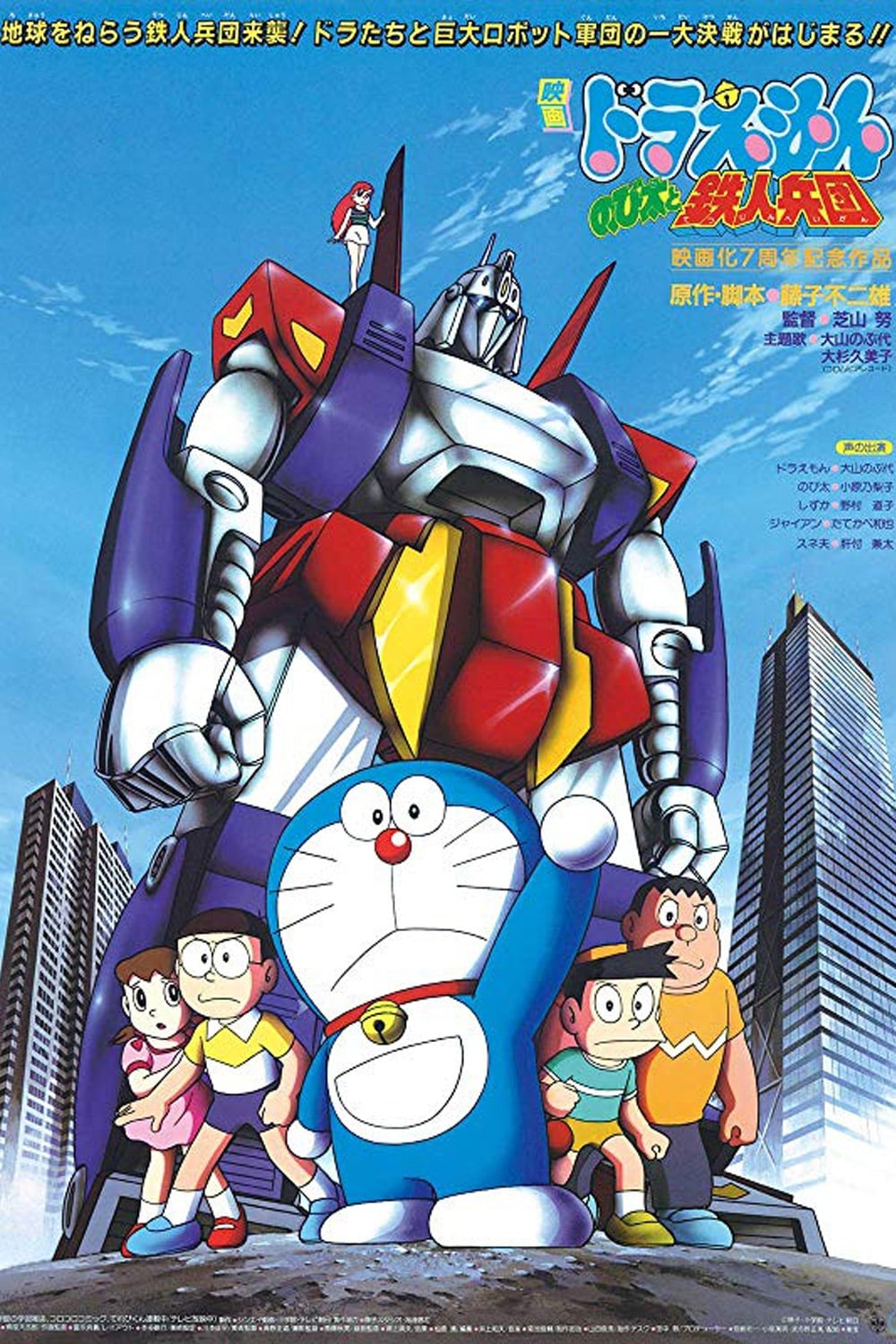
ドラえもん のび太と鉄人兵団(映画)のネタバレ解説・考察まとめ
『ドラえもん のび太と鉄人兵団』とは、藤子・F・不二雄が手掛けた漫画『ドラえもん』の長編アニメ第7作目作品である。小学5年生の野比のび太(のびのびた)は巨大ロボットが手に入れ喜ぶが、それは地球侵略を企む鉄人兵団の兵器だった。それからネコ型ロボットのドラえもんやのび太達は、ロボット惑星のメカトピアから地球侵略に来た鉄人兵団との戦いが展開する。地球人の総奴隷化という熾烈な目的を持つ鉄人兵団を、ドラえもん原作者の藤子・F・不二雄は「ドラえもん映画史上最強の敵」だと語った。
Read Article
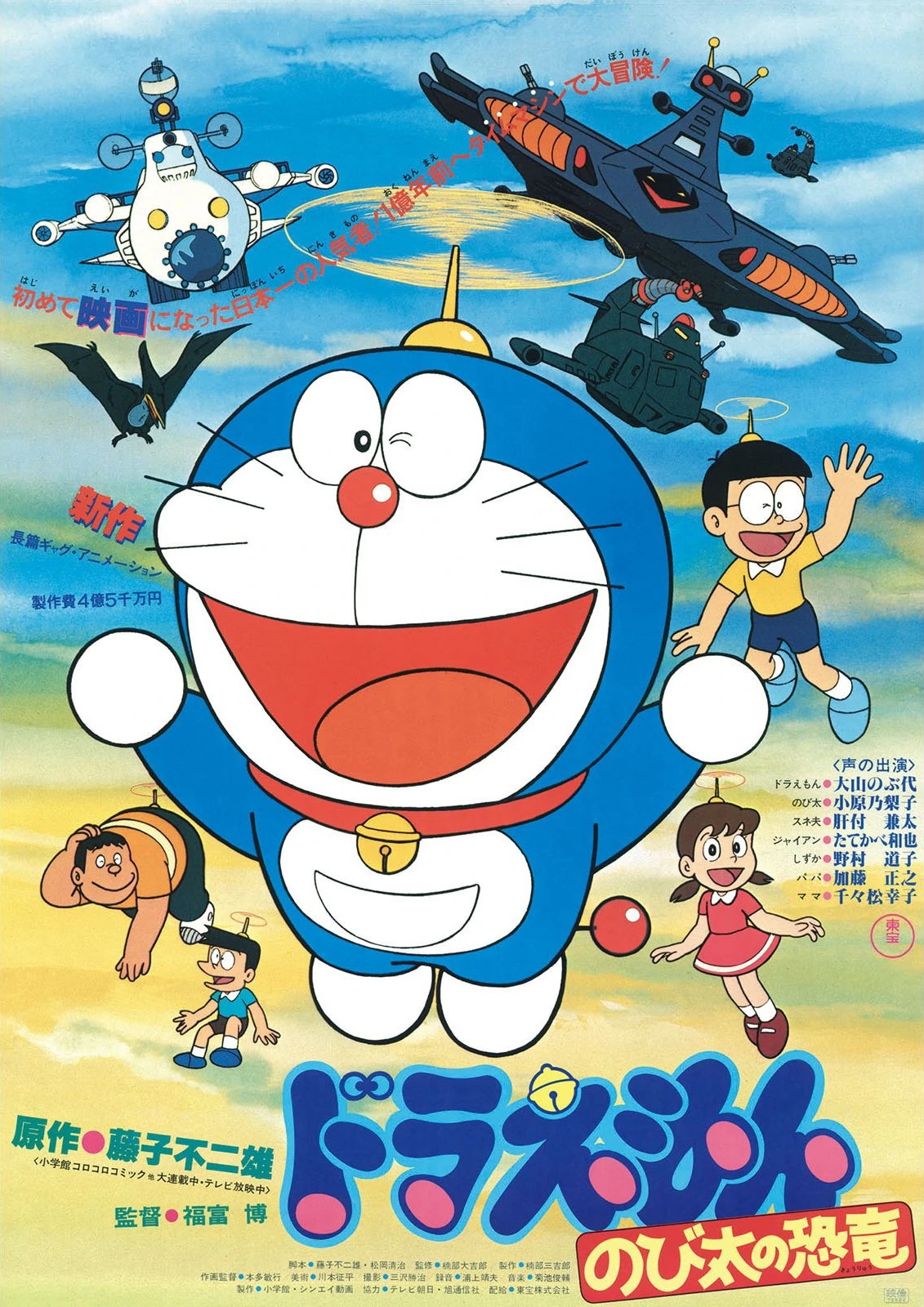
Spoiler commentary and discussion of Doraemon: Nobita's Dinosaurs (1980 film).
Doraemon: Nobita's Dinosaur" is a "Doraemon" film released on March 15, 1980. Nobita Nobi, a fifth grader, promises his classmates, including Suneo Konekawa (Hone Kaseo), that he will find a dinosaur fossil, and discovers what looks like a dinosaur egg under a cliff. With the help of Doraemon, a cat-shaped robot, he gives birth to a dinosaur named Pisuke from the egg and raises him, but this is the beginning of a series of turbulent events. This is the first "Doraemon" movie commemorating the highly acclaimed "Doraemon" musical stage version and remake movie.
Read Article
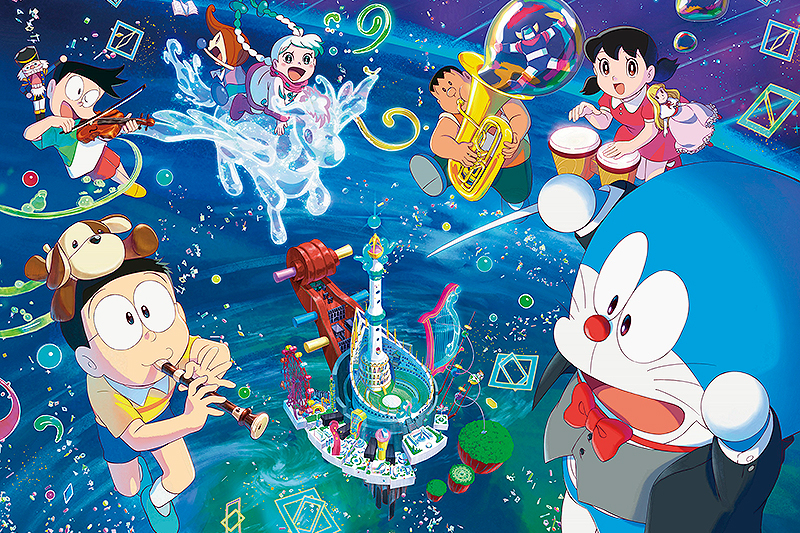
Doraemon the Movie: Nobita's Earth Symphony Spoiler Commentary and Discussion Summary
Doraemon the Movie: Nobita's Earth Symphony is a film based on Fujiko F. Fujio's manga "Doraemon," which was released in March 2024. It is the 43rd film in the "Doraemon the Movie" series. Nobita and his friends meet a girl named Mikka, who has a beautiful singing voice, before a music concert. Micka is a survivor of the planet Musica, where music once flourished. The creature that destroyed Musica was a space creature called Noise. Nobita and his friends fight using music to save the planet from being targeted by Noise.
Read Article
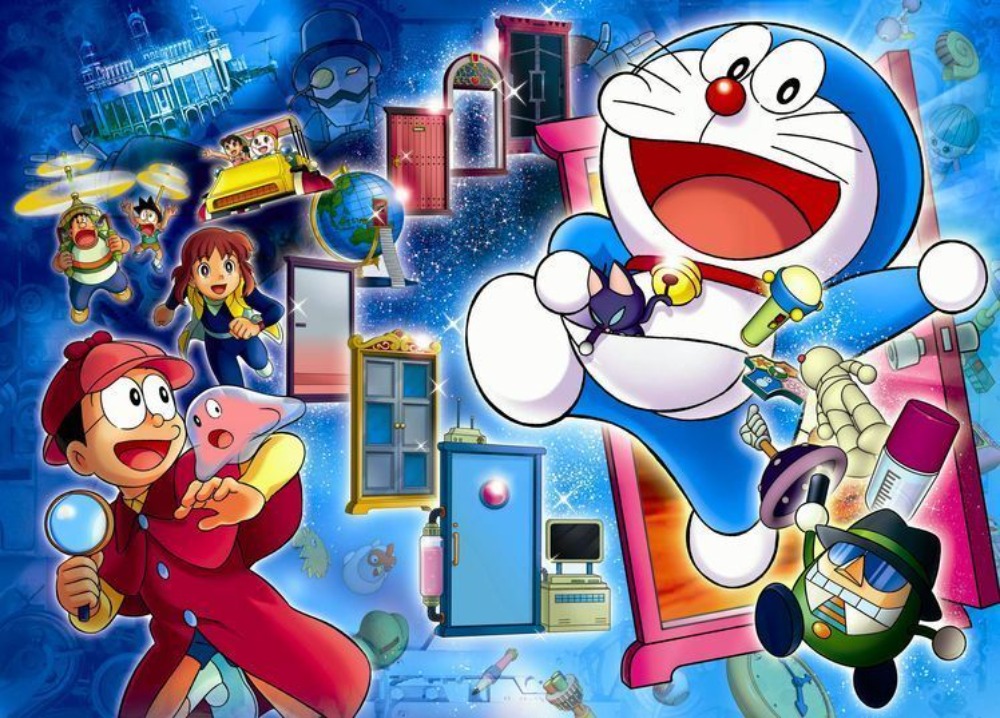
Summary of Doraemon's Secret Tools
Doraemon" is a manga and animated film by Fujiko F. Fujio, based on the manga, in which Doraemon, a cat-shaped robot created in the 22nd century, helps Nobi Nobita, the ancestor of his owner, Sewashi, with a mysterious tool. Since its TV animation in 1979, it has become a popular work in Japan. The "secret tools" are items that Doraemon pulls out of his four-dimensional pocket to help Nobita, and they are the centerpiece of the work. The Secret Tools also play an important role in the annual theatrical film "Doraemon the Movie".
Read Article
Summary of Nobita Nobi's classmates and classmates
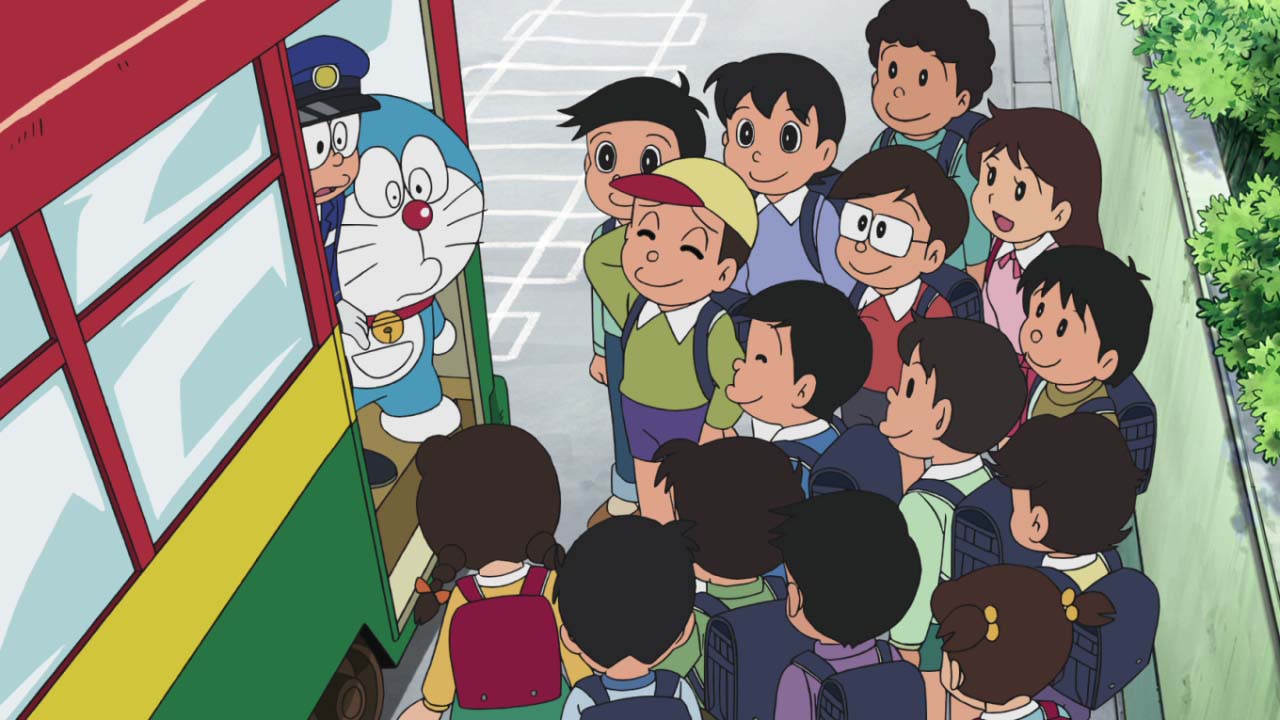
Nobi Nobita is a character in the science fiction gag manga "Doraemon" by Fujiko F. Fujio. He is the secondary character in "Doraemon" and is an elementary school student who lives a S (little) F (mysterious) life with the main character, Doraemon. He belongs to the 5th grade 3 class at school (4th grade in the manga), where he spends his days studying and playing with his classmates and classmates. In addition to characters such as Shizuka Minamoto, Takeshi Gouda (a.k.a. Gian), and Suneo Konekawa, with whom he always acts together, he has many classmates in the manga.
Read Article
Summary of guest heroines of Doraemon
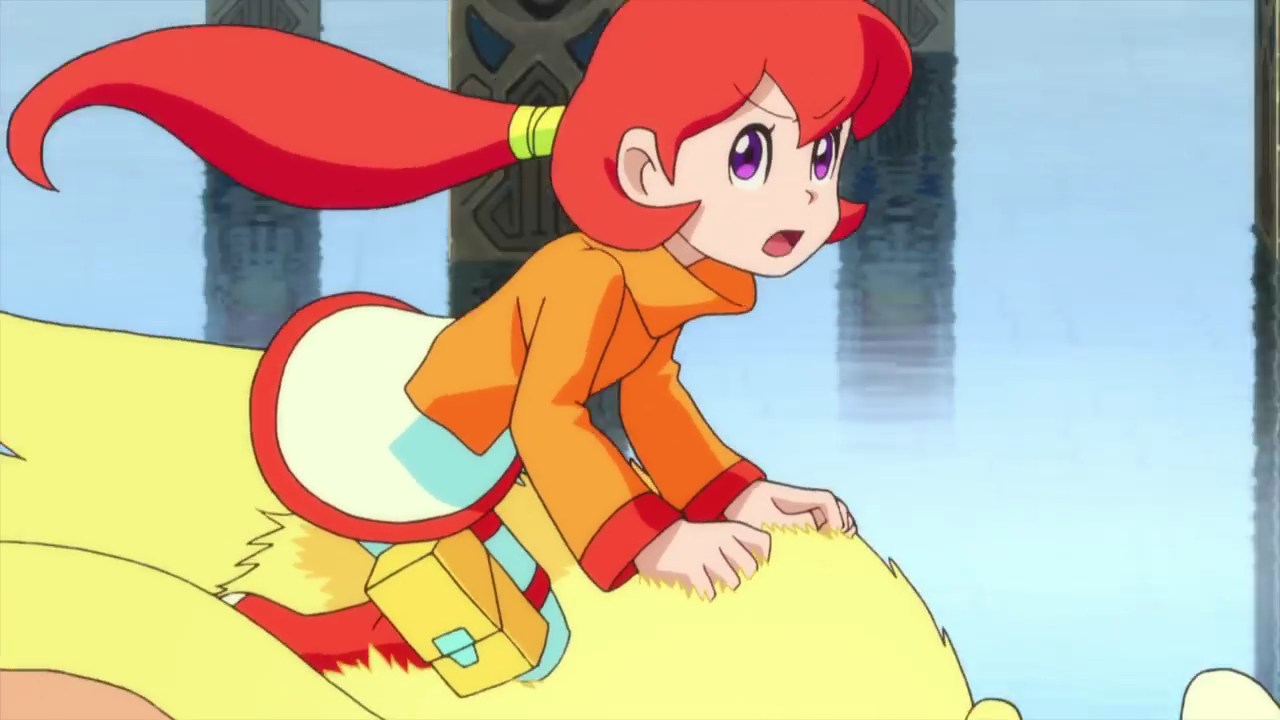
The science fiction gag manga "Doraemon" by Fujiko F. Fujio is one of Japan's most popular manga, boasting national popularity." Despite its "children's" nature, it is loved by men and women of all ages, not only in Japan, but around the world. The TV and movie versions of "Doraemon" sometimes include guest characters who do not usually appear in the series. Among them, those with a heroine (female) guest character sometimes include an element of romantic comedy, which is different and more interesting than those with a male guest character who focuses on friendship.
Read Article
Summary of Doraemon's girlfriends and lovers
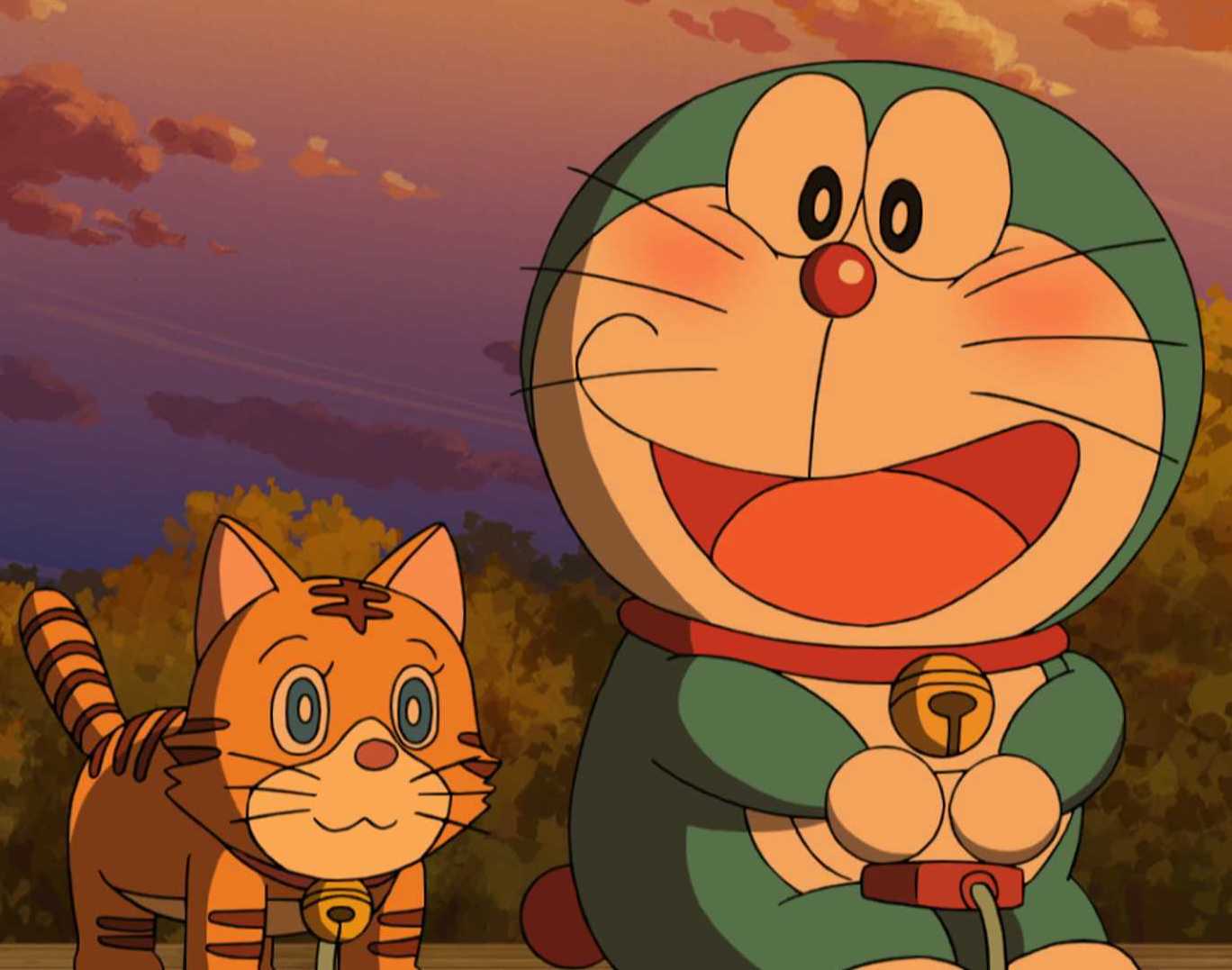
Doraemon, the main character in Fujiko F. Fujio's children's science fiction manga "Doraemon," is a cat-shaped robot from the 22nd century who one day comes to Nobi Nobita, an elementary school student living in the 20th century. Nobita's descendant, who lives in the 22nd century, told him to come here in order to make Nobita, who is not good at studying, sports, or anything else, into a respectable person. Doraemon lives with Nobita in his house and together they lead a peaceful life. Doraemon's friendships expand and he is sometimes depicted going out on dates with his girlfriend.
Read Article
Summary of Doraemon's cooking, meals, food, snacks, and drinks
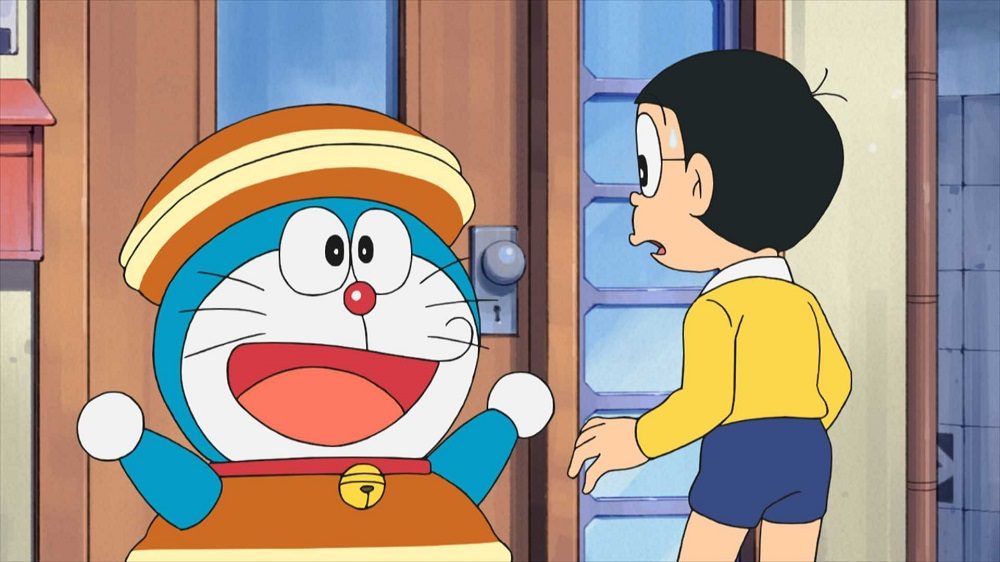
Doraemon" is a manga by Fujiko F. Fujio and an anime/movie based on it, which began serialization in the children's manga magazine Shogakukan in 1969 and is known as a national work. It is a gag manga about the daily life of Doraemon, a cat-shaped robot, and Nobita Nobi, an elementary school student who is not good at sports and studies. The main story is that Doraemon solves Nobita's mishaps with secret tools that he takes out of his belly pocket. In addition to Doraemon's favorite food, dorayaki, many foods and drinks appear in the secret tools.
Read Article
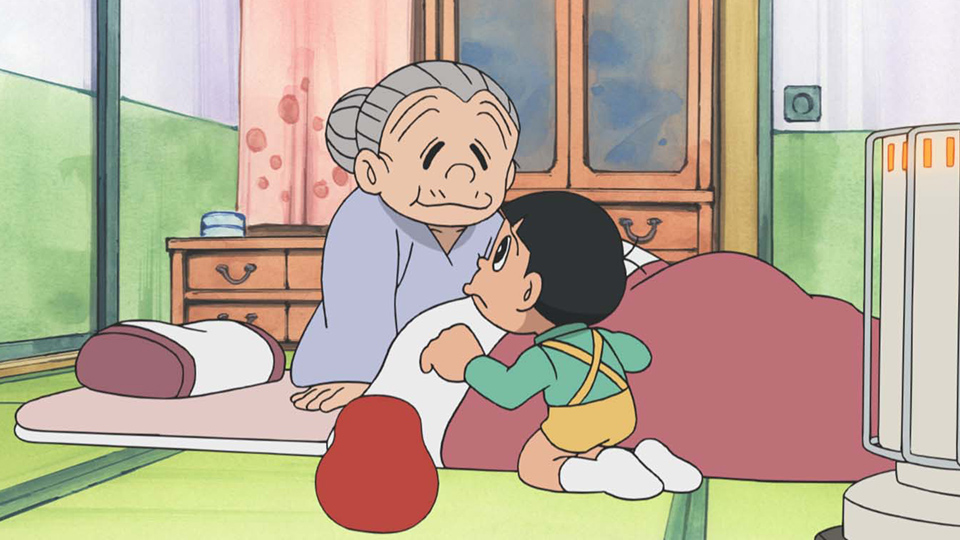
Summary of Nobita Nobi's (Doraemon) grandmother's appearances
Nobita's grandmother is a character in the science fiction gag manga "Doraemon" by Fujiko F. Fujio. She is the blood grandmother of Nobita, the secondary character in "Doraemon," and mostly refers to Nobita's father Nobisuke's mother (paternal grandmother). His mother Tamako's mother (maternal grandmother) rarely appears. Nicknamed Nobita's grandmother, "Grandma's Memories," an episode of Nobita and Nobita's grandmother, is known as one of the most moving episodes in the "Doraemon" series.
Read Article

A collection of little-known Doraemon backstories and urban legends
Everyone is familiar with Fujiko F. Fujio's masterpiece "Doraemon. This time, we have collected such little-known back stories, small stories, back settings, and urban legends of Doraemon. Are there any episodes you know?
Read Article
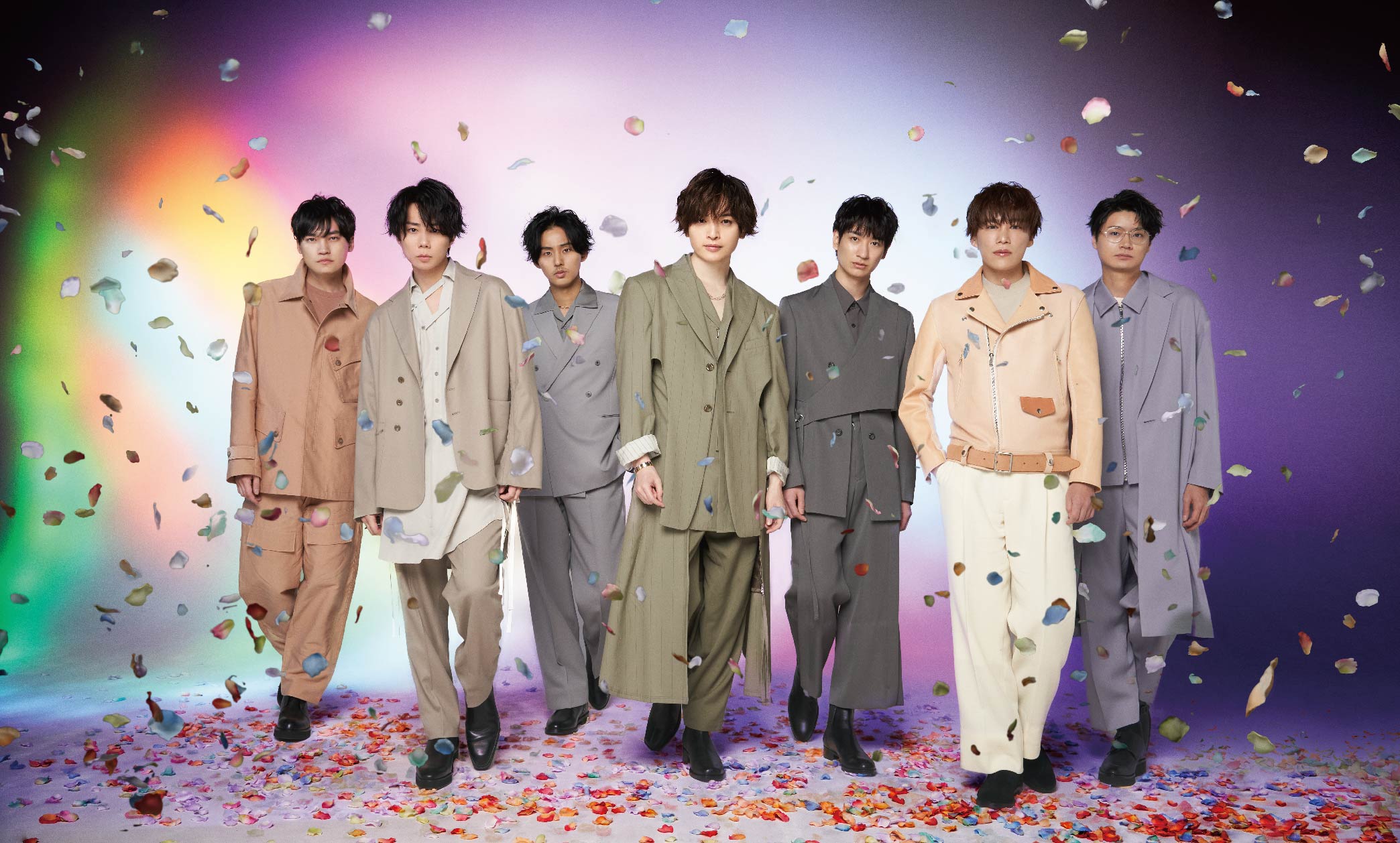
In-depth summary of Kis-My-Ft2 (Kiss My)
Kis-My-Ft2 is a seven-member group that debuted with the single "Everybody Go" on August 10, 2011. The members are Hiromitsu Kitayama, Kennaga Senga, Toshiya Miyata, Wataru Yokoo, Taisuke Fujigaya, Yuta Tamamori, and Takatsugu Nikaido. The group was named after the initials of each member. They are good at performing on roller skates. The group also continues to be active in a wide range of venues, not only as a group but also individually, starring in movies, TV dramas, and commercials.
Read Article
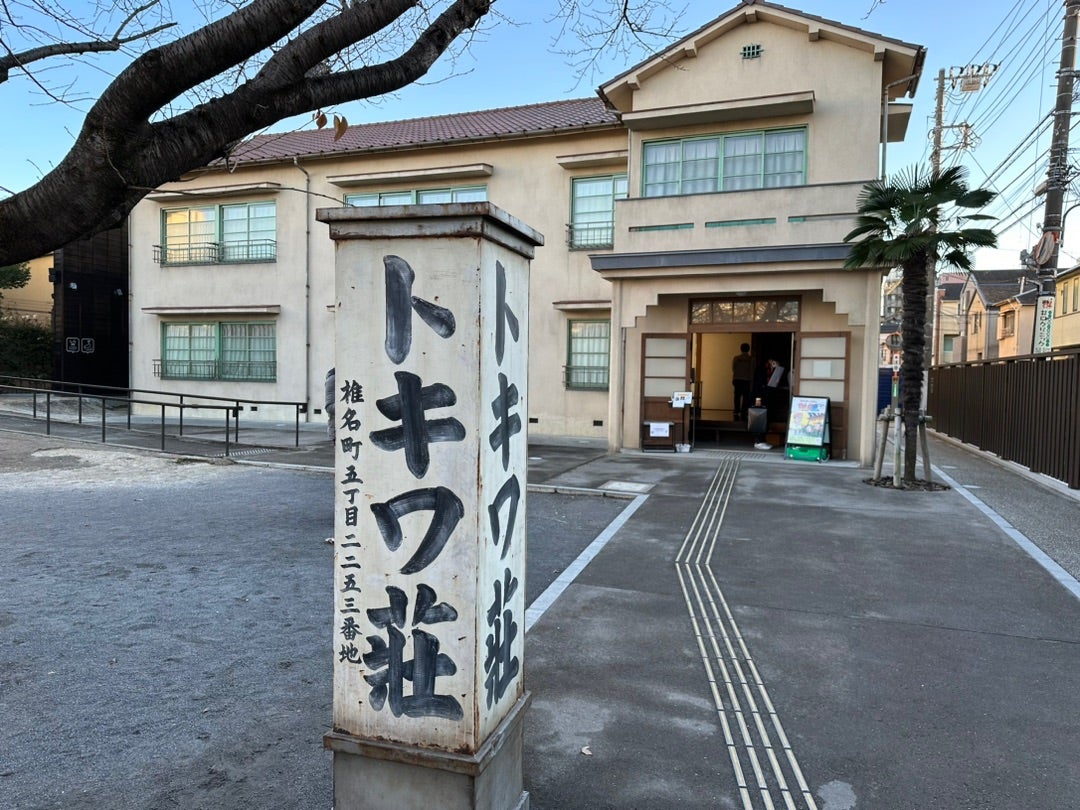
What is Tokiwasou? History, anecdotes, trivia, cartoonists who lived there, members, and where it is located!
Tokiwa-so is a two-story wooden apartment building in Minami-Nagasaki 3-chome, Toshima-ku, Tokyo. Although the building was demolished in 1982 due to aging, it is still very well known as a "sacred place for manga. Even today, the Tokiwa-so Manga Museum and the Tokiwa-so Project have left their mark on the manga world. This article provides information about Tokiwa-so and the manga artists who lived there.
Read Article
Tools "I don't want" in "Doraemon
"What tools do you want at Doraemon?" We sometimes hear this question, but on the other hand, we also hear the question, "I definitely don't want this one tool! Even if I could have all of the tools from the pockets and all of the works, I would definitely throw this one away! Even if I could have all the tools that appeared in the work, including the pockets, I would definitely throw this one away! Please take a look at some of these "unwanted" tools.
Read Article
A compilation of gaffes & outbursts & other hilarious statements from the cartoon "Doraemon".
Doraemon" is a well-known cartoon character, but did you know that the cartoon "Doraemon" and the animated TV series "Doraemon" actually say completely different things (under the strict supervision of our BPO)? In this article, we have excerpted the frame scenes of the real "Doraemon" as he is depicted in the cartoon "Doraemon.
Read Article
Doraemon" is no longer a joke! Secret Tools
The "secret tools" in the popular national anime and manga "Doraemon" are all very attractive. The "Dokodemo Door" and the "Takekoputaa" are all things that every human being would like to have! They are all things that any human would want to have. However, there are also "jokey secret gadgets" among them. I have compiled a list of them, because they were terrible when I opened the lid, and there were a large number of them.
Read Article
Time Patrol, over here! Violations regarding the history of "Doraemon
I often hear people say that it is already a violation when Doraemon came to Nobita's place, but I also see quite a few other actions that make me want to say, "Aren't you altering history, hey?", Dora-san.
Read Article
![Fujiko F. Fujio] Spoiler Alert! I'll show you everything, Kawasaki City Museum](https://renote.net/files/blobs/proxy/eyJfcmFpbHMiOnsiZGF0YSI6NTY2MjEzNCwicHVyIjoiYmxvYl9pZCJ9fQ==--0c310c539b9822e93d73f765034169995c943fec/8d499747327daac730a94583a6adf40f.jpg)
Fujiko F. Fujio] Spoiler Alert! I'll show you everything, Kawasaki City Museum
The Fujiko F. Fujio Museum in Kawasaki City, Kanagawa Prefecture, is known as a place where many people visit every year. Please use this article as a guide to enjoy the Fujiko F. Fujio Museum to the fullest. It contains spoilers, so be warned if you don't want your fun taken away until you get there!
Read Article
Warning! Nothing makes me cry like "STAND BY ME Doraemon"! Doraemon "bokete" excellent bokeh compilation
Doraemon" is a science fiction manga by Fujiko F. Fujio that was serialized in "Yoriko" (Shogakukan) from 1970. It depicts the interaction between a cat-shaped robot named "Doraemon" and a boy named "Nobita" in elementary school. Even after Fujiko F. Fujio's death, "Doraemon" has continued to be made into movies that are always talked about as "tear-jerkers." We have compiled a list of shocking "bokete" that break down the world view of "Doraemon.
Read Article
Tags
Contents
- What is Captain Savelle?
- What is "Doraemon: Nobita's Daimakyo"?
- Bauwanko Kingdom
- gigantic statue of a god
- Comparison of old and new Captain Savelle in the movie
- Peco's connection with Peco
- Relationship with dublander
- Additional scenes showing the character of the remake captain
- Opponent is Nobita (Peco in the old work)
- Changes, characters, and characters other than Captain Savelle
- Pekoe.
- Princess Spiana
- brussels sprouts
- penis
- dublander
- Dr. Koss.
- Bruteli Bernard.
- Changes and descriptions other than Captain Savelle's
- summary