
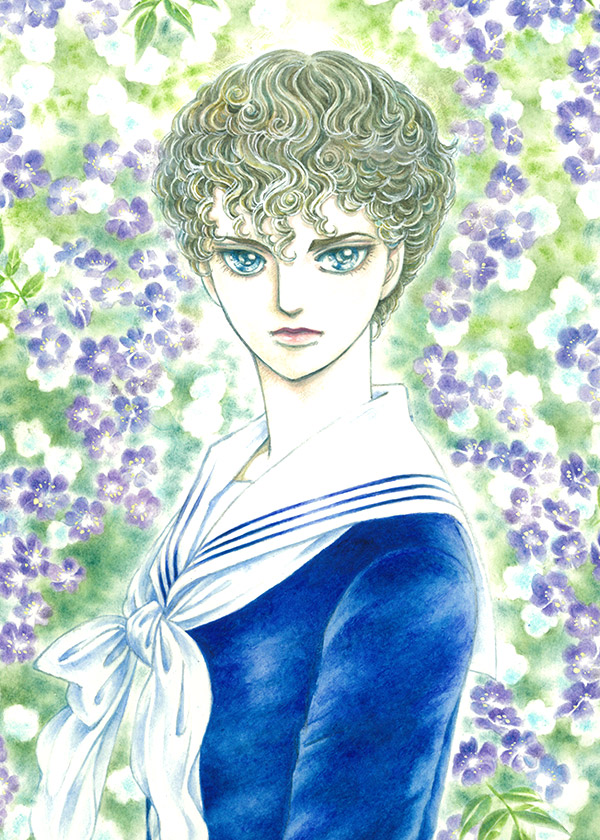
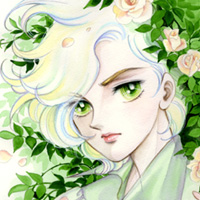
Poe's Clan" is a girls' manga featuring Edgar, a vampire boy, that has been published since 1972. It has a strong fan base for its aesthetic appeal and the melancholy of the vampaneras, who are not accepted by humans and must live in solitude. It was adapted for the stage in 2018 by the Takarazuka Revue, with which it has a strong affinity. It tells the story of Edgar, who wanders around the country as a boy who will never age, and survives alone while losing his friends.
Terms from "Poe's Clan"
Poe (or "the family")
The Bambaneras live by growing roses and forming a "village.
The person who is the village chief is called Grand Elder (King) Poe, and he has lived longer than anyone else.
Edgar is said to have "thick blood" as a direct descendant since he was added to the Bampaneras directly from the Grand Elder Poe.
Therefore, he has few weaknesses, etc.
Some people sometimes wander into the village, but after staying there for a few days and returning to their own place of residence, they are told that such a village does not exist and they can never actually reach it again.
Evans' will
A will left by Edgar and Marybelle's real father, "Oswald O. Evans," the half-brother of "Count Evans" by birth.
The contents of the will are as follows: "If anyone who claims to be Edgar and Marybelle appears in the Evans family in the future, their identities, nationalities, ages, etc., are to be fully disclosed to the Evans family. The will states that the Evans family should be granted all of the Evans family's assets, regardless of nationality or age.
A descendant, Count Henry Evans, protected Edgar, who had amnesia, and recalled the contents of this will.
Although the will was already no longer in effect, the Evans descendant actually came into contact with Edgar and Marybelle and gave them generous protection.
Rampton
This is what we call "Lampton's painting."
The boy in the portrait is based on Edgar, and it also refers to the "Lampton Speaks," a palm leaf story in which people who have "met this boy" over time come together to talk about him.
Originally, the term "Rampton" referred to the real painting "The Boy Rampton" by Thomas Lawrence in 1825, but in the work, only the face of this portrait of the Rampton boy is replaced by Edgar, and the 11 paintings left by Sir Arthur Thomas Quenton are called "Rampton" for convenience.
Of the eleven portraits, only the tenth painting, called "Lampton in the Garden," has been renamed "Lampton among the Flowers" and is set to survive in the work.
Hagio Mochito, the first shoujo manga artist to receive the Medal with Purple Ribbon.

Born in Fukuoka Prefecture. His representative works include "Poe's Family," "Thomas' Heart," "There Are 11 of Us! and "Cruel Gods Rule.
His works cover a wide range of genres, from science fiction to romantic comedy and psychological suspense, and have attracted many fans.
Along with Keiko Takemiya and Yumiko Oshima, she is one of the "Hana no 24-nen Gumi," a group of hit shoujo manga artists, and is sometimes referred to as the "god of shoujo manga.
In the spring of 2012, she became the first shoujo manga artist to receive the Medal with Purple Ribbon.
Backstories, trivia, subplots/episodes, and anecdotes from "Poe's Family"
Named after a great mystery writer.
The names Edgar and Alan are taken from the mystery writer "Edgar Allan Poe.
Others have speculated that the name Liddell may have come from Alice Pleasance Liddell, the model for "Alice in Wonderland," and in "Poe's Family in Wonderland" written by Masahiro Ito, he researched the similarities between "Alice in Wonderland" and "Poe's Family".
Shingo Katori gives an impassioned performance as Bumpanella.
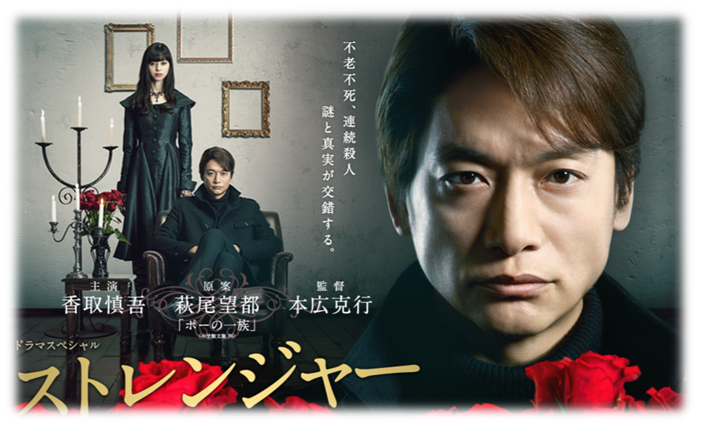
In "Stranger - Bakemono Uncovers a Case," which aired on March 27, 2016 in TV Asahi's "Sunday Entertainment" slot, the original idea was named after Moto Hagio, claiming that the Bampanella setting was inspired by Poe's Family.
The setting was Japan, with Shingo Katori playing the main character, Vampanella.
The role of Alan Twilight in the original work was played by a woman, Ayami Nakajo, and also had elements of Marybelle.
In addition, since the film is not a direct adaptation of the original work, the circumstances in which the main character became Bumpanella are very different.
In the original story, Edgar promised old Hannah that he would join the clan in order to protect Marybelle from Poe's clan, the vampaneras, but in the drama "Stranger - Bakemono Uncovers a Case," Akira Misugi, played by Shingo Katori, lost his beloved wife and child and measured a sleeping pill suicide out of despair. He was about to commit suicide by sleeping pills when he was saved by a vampanella descendant named Maria, played by Nakajo, and became a vampanella.
Sophisticated visuals for Takarazuka's version of "Poe's Family
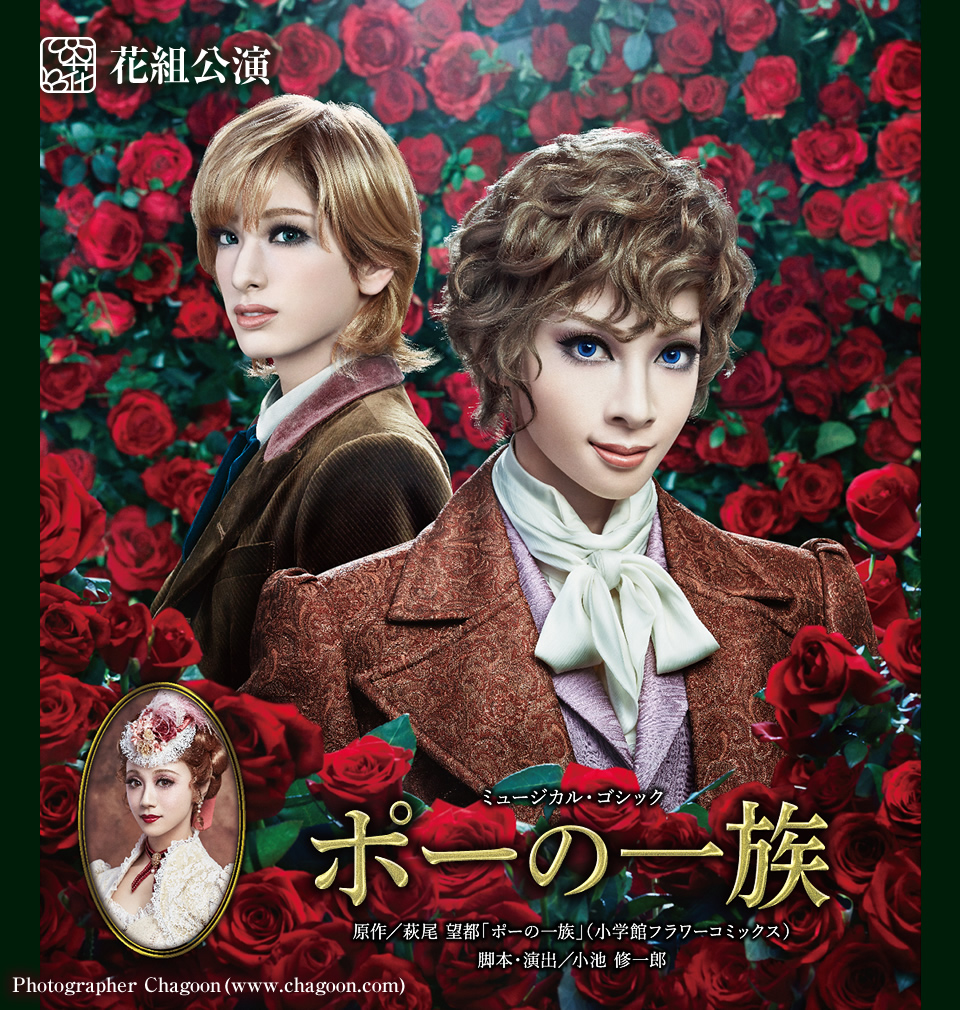
Because of Moto Hagio's aesthetic style, there have always been a certain number of requests for Takarazuka to adapt "Poe's Family" for the stage.
Many of Moto Hagio's works have actually been used in plays, such as "Half-Blood God," but "Poe" was the only one that was not easily adapted for the stage.
However, from January to March 2018, it will be adapted for the stage by the Takarazuka Revue's flower troupe.
The lead roles were played by Rio Asumai and Ayao Senna.
Koike joined the Takarazuka Revue with the dream of someday adapting Poe's Family into a musical, and since 1985, he has been sending requests to the author, Moto Hagio, for a stage adaptation, which has finally been accepted.
Takarazuka Revue had previously produced musical adaptations of "The Rose of Versailles" and "Rurouni Kenshin" in the 2000s, and there was much anxiety and anticipation for this stage adaptation, which could be called both a live-action and 2.5-dimensional version.
However, as soon as the key visuals were unveiled, they were so perfect that even those who had opposed the stage adaptation were forced to lower their voices.
Takarazuka Hanagumi's "Poe's Family" production presentation
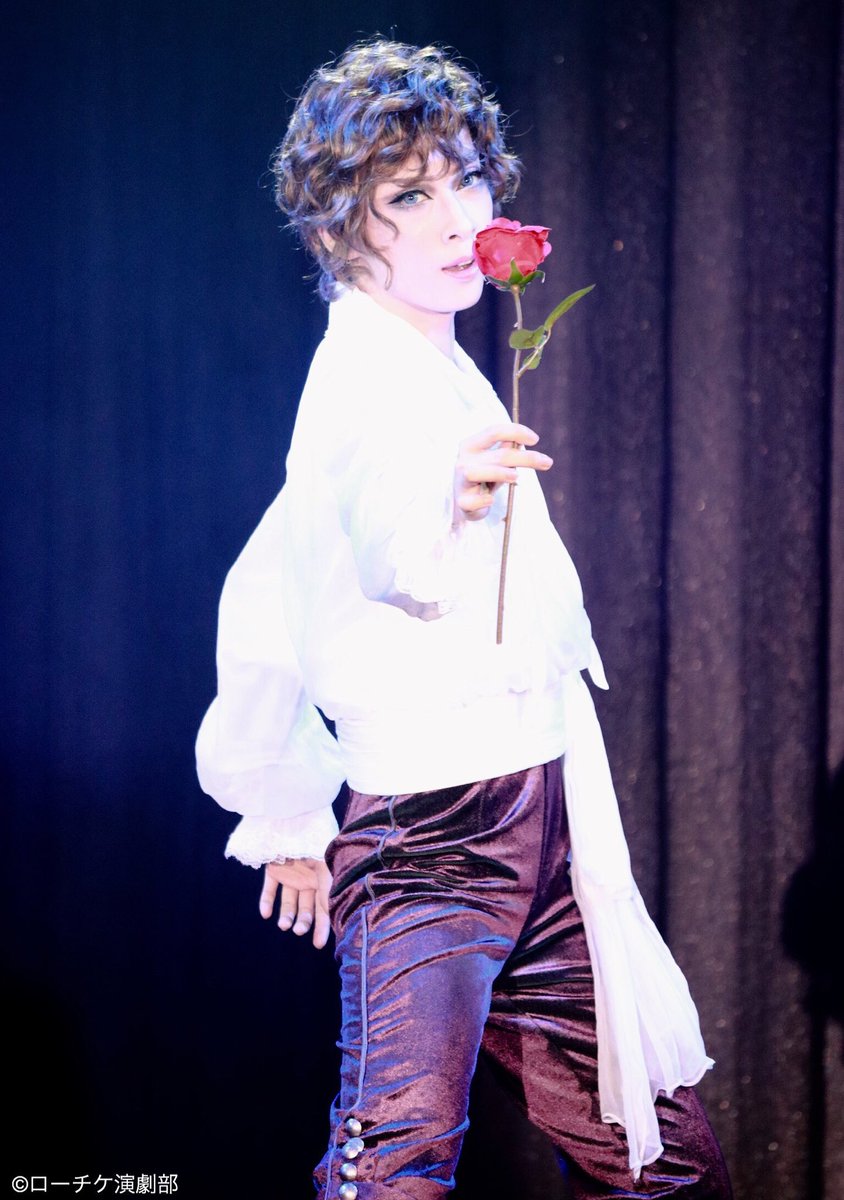
Rio Asumai as Edgar Portnell
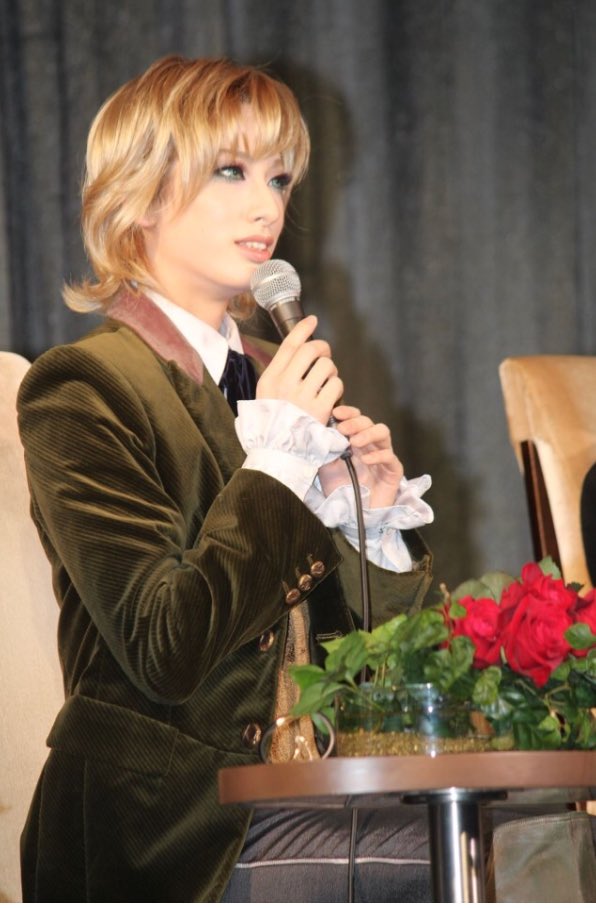
Hikaru Yuzuka as Alan Twilight

Rio Asumai as Edgar Portnell
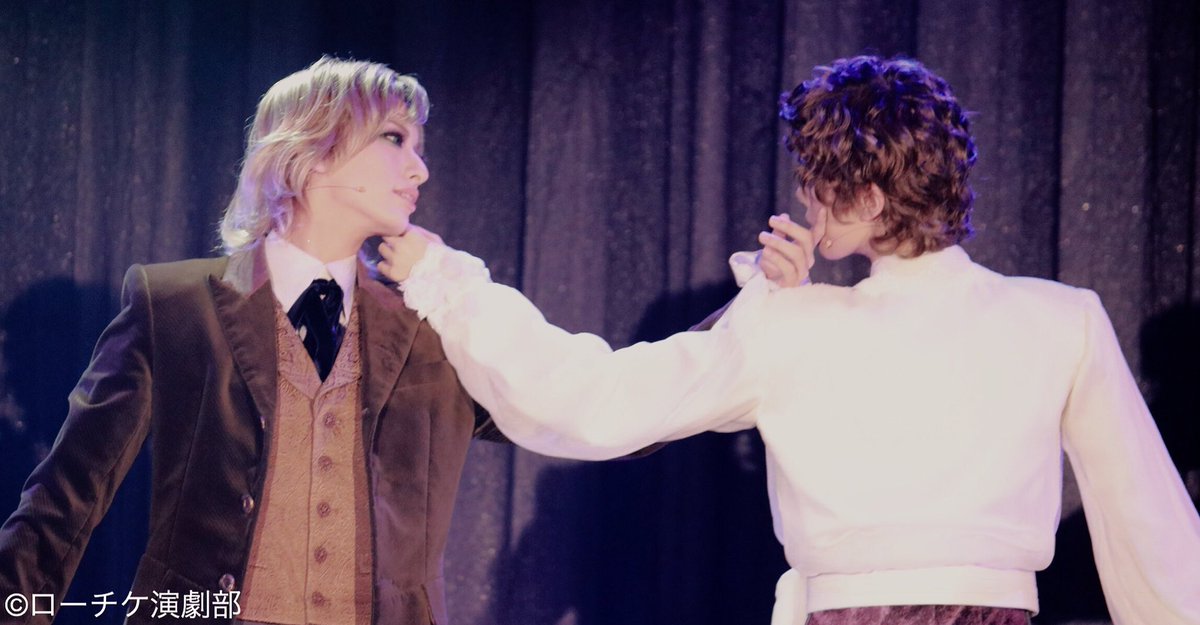
From left to right: Hikaru Yuzuka, Rio Asumi

Related Articles
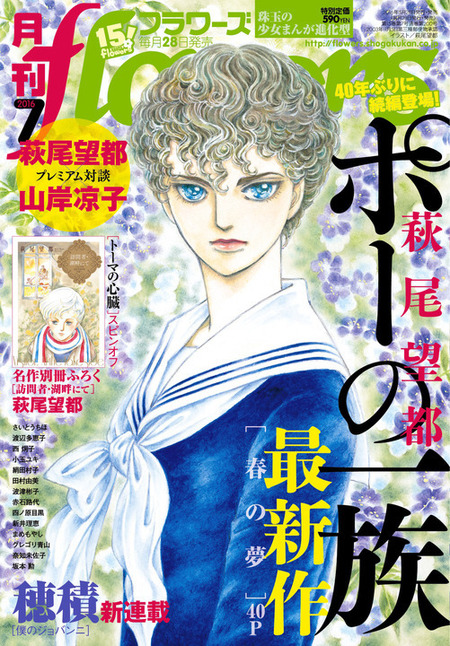
Hagio Moto's "Poe's Family": "Haru no Yume," the first sequel in 40 years, is so well-received that the magazine is going into overprint!
Since I was still young, the name "Moto Hagio" had already set him apart from other manga artists. Mr. Hagio has many excellent works, among which the "sequel" to his especially famous "Poe's Family" has recently been published in the monthly magazine "Flowers. The sales of the book far exceeded the publisher's expectations, and the book will soon be reprinted.
Read Article
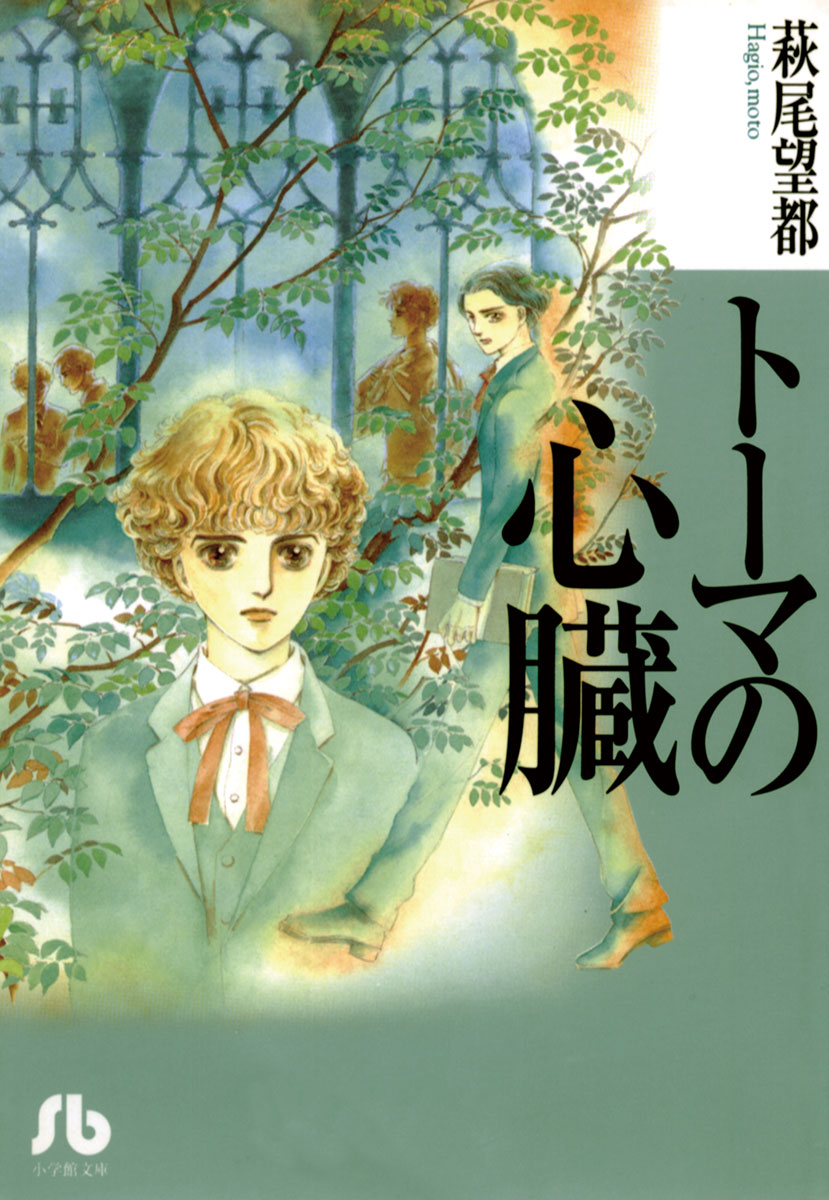
Spoiler commentary and discussion of Heart of Thomas (Mochito Hagio)
Thomas' Heart" is a girls' manga by Moto Hagio that was serialized in "Weekly Shoujo Comic" for a total of 33 issues starting in 1974, depicting the doubts and interactions of boys in a German gimnazium. It is a timeless masterpiece of girls' manga that boasts strong popularity, delicately depicting boys who are lost and find love in a closed gymnasium. On the last snowy day of that winter, a boy died. The main character, Yuri, receives a short suicide note. The story depicts the fragile and beautiful boys' faith, love, and friendship.
Read Article
Hana no 24-nen Gumi: Women Artists Who Radically Changed the Shojo Manga Industry
These female artists were active in the 1970s and took approaches that had never been taken in girls' manga before, such as BL and aesthetic expressions, which are not uncommon nowadays, content that included literary elements, and delicate illustrations. Since they were all born in 1949, they are known as the "Hana no 24-nen class. Here is a summary of the artists who are nostalgic for the author's generation.
Read Article
Tags
Contents
- Overview of "Poe's Family"
- Synopsis and story of "Poe's Family"
- Characters and characters from "Poe's Family"
- BAMPANELLA (Vampire)
- Edgar Portsnell.
- Marybelle Portsnell
- Alan Twilight
- Baron Frank Portnell
- Baroness Sheila Portnell
- Old Hannah Poe
- Oro (King) Po
- People who have interacted deeply with Edgar and others.
- Liderado (Liddell) Sodosa
- Edith Evans
- Famous quotes, lines/scenes and scenes from "Poe's Family
- Edgar decides never to see Marybelle again and says goodbye
- "The more you love, the more you love, the more you love, the more you regret not being able to make them happy!"
- "What about you? You wanna... come? Come on. ......
- A scene where Edgar, in his sleep, reflects on the people he has met.
- Terms from "Poe's Clan"
- Poe (or "the family")
- Evans' will
- Rampton
- Hagio Mochito, the first shoujo manga artist to receive the Medal with Purple Ribbon.
- Backstories, trivia, subplots/episodes, and anecdotes from "Poe's Family"
- Named after a great mystery writer.
- Shingo Katori gives an impassioned performance as Bumpanella.
- Sophisticated visuals for Takarazuka's version of "Poe's Family
- Takarazuka Hanagumi's "Poe's Family" production presentation
- Related Links