
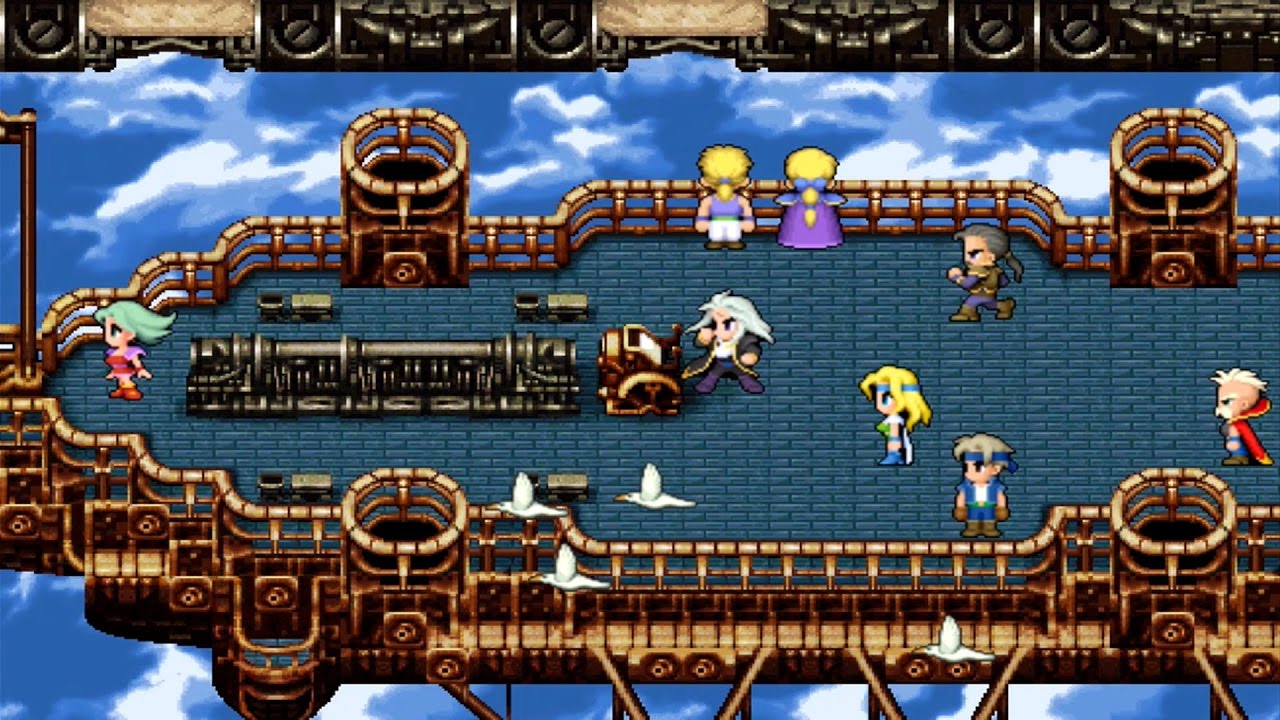
Final Fantasy VI" is one of the most popular of the numerous "Final Fantasy" series. In a world where the "magic" that once ruled the continent has disappeared and machines have developed, an empire is planning to invoke the power of "magic" to rule the "world" once again. Since its release in 1994, the game has gained a strong fan base and has been remade for various video game consoles and smartphone applications. This article provides a summary of information on the machines on which "Final Fantasy VI" can be played.
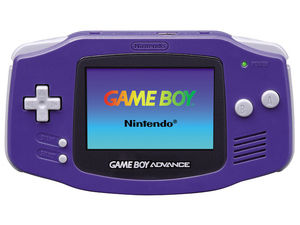
Source: kakaku.com
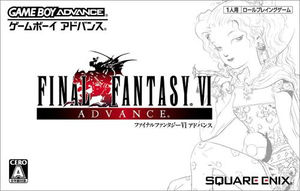
Source: www.amazon.co.jp
Features of the Game Boy Advance
"FINAL FANTASY VI Advance" was released on November 30, 2006 (the last Japanese version of GBA software). The catch phrases are "Naruberu, Premonition." (TGSPV), and "Pure-transcended Transparency" (TVCM). Dungeon was added and minor changes were made to specifications.
Source: ja.wikipedia.org
Face graphics appear in the conversation window. In addition to all player characters, face graphics such as Tina (Trans), Sid, ケフカ, and Gastra have been added. Face graphics cannot be hidden.
The amount of text that can be displayed at one time has decreased due to the introduction of face graphics, double-byte display of character names, and a decrease in the number of text frames (4 lines for SFC and PS versions, 3 lines for GBA).
As with "FFIV Advance" and "FFV Advance", the text of the message window can be optionally set to use only hiragana or mixed with kanji depending on the configuration.
As a result, the kanji conversion from the original to the message was changed in some parts.
Four additional magic stones, "Leviathan," "Cactender," "Gilgamesh," and "Diaboros," have been added, as well as three new magic that can be learned with these magic stones.
The strongest weapon for each character has been added. However, Gau, which cannot be equipped with weapons, is a helmet, and Umaro, which cannot be changed, is an accessory.
A total of 14 units were added as special equipment for each character.
Source: ja.wikipedia.org
As a bonus, it adds a monster guide and a sound test mode (the latter is added when there is data already cleared). There was a monster guide in the PS version, but the advanced version is very different. The music player is also English. There is no old man in the PS version.
Extra dungeons "Dragon's Nest" and "Soul's Harpoon" are added.
"Dragon's Nest" requires eight legendary dragons to be defeated in the main story before entering the inner part. The inner part is divided into three parties to aim for the deepest part where the strongest dragon sleeps. In addition, eight dragons reappear after being strengthened. "Soul's Nest" requires the main story and extra dungeon to be cleared. In relation to this, it is possible to save after the main story is cleared.
The data that has been cleared will be marked with a star. Once loaded, it will resume from the deck of the Falcon with a single Setteer. The data after loading will also reflect the items acquired and consumed during the last battle.
Source: ja.wikipedia.org
Correction of some treasure chest markings (two in' Cave to the Charm Wall' and four in' ジドール Town'), which led to a mistake in the original version where the item gil marked as earned was different from what was actually earned.
The pattern of enemy parties in "Jugahara" has increased. As a result, you can learn the death penalty of "Abare" which you could not learn in the original version. However, the additional monster of extra dungeon "Dragon's Nest" does not appear and cannot be learned.
Since the Game Boy Advance does not have buttons corresponding to X (△) and Y (□), some commands of Mash's "hisatsu-waza" are quite different from those of the SFC and PS versions. In addition, there is only one feed button for the turn path during battle, so it can only be fed forward.
Since the sound source is different from the SFC version and the PS version, the sound quality such as music and sound effects has been further changed. In addition,' Yosei Ranmai' (the music of the last battle), which was originally a suite and did not advance until the specified part was played even if the battle advanced in the old version, was changed when each layer was cleared.
Source: ja.wikipedia.org
Even under the influence of' バニシュ,' the original tolerance came to be taken into consideration. If a monster is not protected by' Death' or' Dejong', it is disabled even in the transparent state, which makes it extremely difficult for a monster called' Sleeping Lion' to be defeated (however, since' Sleeping Lion' does not have tolerance to' Stop', it can be used to make it easier to defeat). If you only want to win a battle (i.e., get a magic score), you can do it by using the method described below using smoke bombs, but it is difficult to register it in the monster catalog. You can also fight with' Tamashi-no-Hokora' (literally,' Soul's Harpoon').
The scene of Seris being beaten by imperial soldiers and tied in chains was cut from the event in South Figaro where Seris joined, and along with that, the text of the options at the time of rescue was changed.
The flying speed of the flying boat is slightly slow.
If the status of magic or speed becomes extremely high, it causes an overflow and becomes weak.
The techniques and magic of the Drain-A-Spill system were adjusted.
The phenomenon in which the value of the physical avoidance rate does not function and the magic avoidance rate affects both physical attacks and magic attacks has been corrected, and the effect of the physical avoidance rate appears properly.
Source: ja.wikipedia.org
The characters that can be equipped in some items have been changed from the PS version, such as Gogo can not be equipped with the decoration.
The secret technique of forcing the enemy to retreat with smoke bombs using chaos, commonly called' コンフュ + smoke bombs,' was not changed. However, the monster at the time of the battle is not registered in' Monster Catalog' because it is treated as a runaway.
The GBA Final Fantasy port series is the only one that doesn't have an original GBA opening demo.
Source: ja.wikipedia.org
FF6 Attack GBA Version - PLAY FINAL FANTASY VI
playshinra.com
FF6 attack information for GBA (Advanced) version. Charts such as Dragon's Nest and Spirit's Shrine mainly show FF6 attack data.
Wii, Wii U (virtual console) (VC)
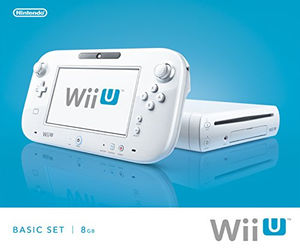
Source: www.amazon.co.jp
What is the Virtual Console?
A virtual console is a Wii that reproduces the game software that was released on previous game consoles.
In addition to games for family computers, Super Nintendo, NINTENDO64, PC engines, Mega Drives, NEOGEO, Master Systems, and MSX, you can also enjoy "Virtual Console Arcade" software, which reproduces arcade games (arcade games) on the Wii, by downloading it from the Wii Shopping Channel.
Source: www.nintendo.co.jp
This is a download.
VC FINAL FANTASY VI
www.nintendo.co.jp
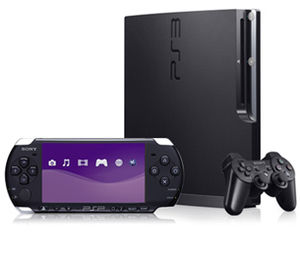
PS3, PSPs (Game archives) (GA)
Source: br.playstation.com
What is the Game archives?
"Game archives" is a series in which you can enjoy classic games released in the past.
Enjoy this work on your PS3 ®, PS Vita, PS Vita TV, or PSP ®.
Source: www.jp.playstation.com
Game archives Enjoy your favorite game software! PlayStation ® official site
www.jp.playstation.com
"Game archives" is a service that allows you to enjoy classic games released in the past with PS3 ®, PlayStation ® Vita and PSPs ® "PlayStation Portable".
FINAL FANTASY VI Software Catalog PlayStation ® official site
www.jp.playstation.com
Provides information about the PlayStation ® 3 / PS Vita / PSPs ® software catalog "FINAL FANTASY VI".
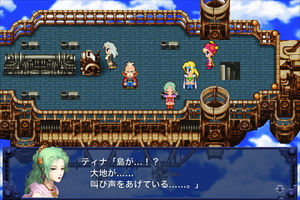
Android (4.0 or later) / iOS (iPhone/iPod touch/iPad) (7.0 or later)
Source: play.google.com
The fee is ¥ 1,800.

Related Articles
Final Fantasy VI (FF6) Spoilers and Discussion Summary
This is the sixth title in the FF series, released by Square (now Square Enix) for the Super Famicom (SFC) in 1994. This title follows the system up to FF5, but presents an ensemble drama with an emphasis on character-driven storytelling. The setting is a world of lost magic, fantastic beasts, and mechanical civilization. This ensemble drama depicts the battle between the Gastra Empire, which is attempting to conquer the world, and those who belong to a resistance organization that stands up against it.
Read Article
Final Fantasy VI (FF6) Magic Stone Summary
The "magic stone" is an important item in FF6. Equipping it enables the use of powerful magic, and it is also greatly connected to the battle system, as the character's status when leveling up changes depending on the magic stone that is equipped. The magic stone allows the player to customize the character's growth direction and strengths/weaknesses.
Read Article
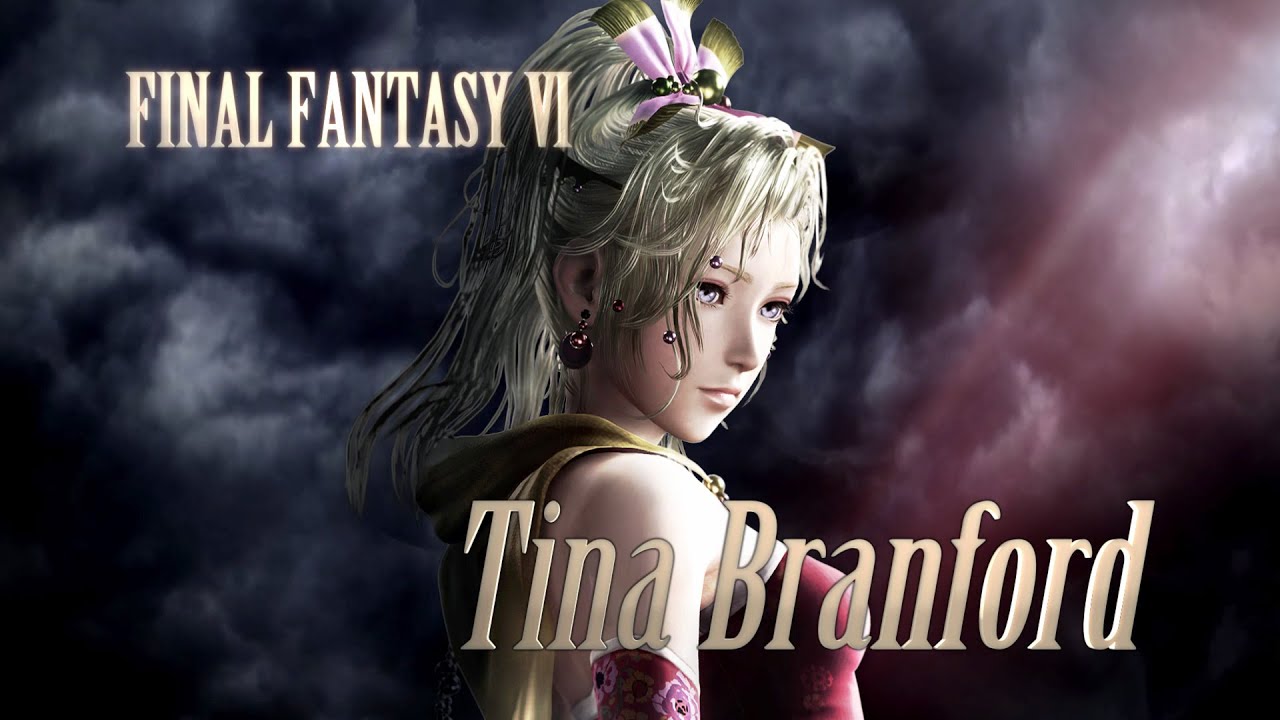
In-depth description and discussion of Tina Branford (Final Fantasy VI)
Tina Branford is one of the main characters in "Final Fantasy VI," a role-playing game released by Square in 1994, and is a mysterious girl who was born with the power of "magic," which was supposed to have been lost 1000 years ago. She was manipulated by the Gastra Empire, which planned to dominate the world through the power of magic. Because her ego has been suppressed, she struggles with who she is and why she alone has the power of magic, but through encounters with her friends and the secret of her birth, she decides to use her power to fight the empire.
Read Article
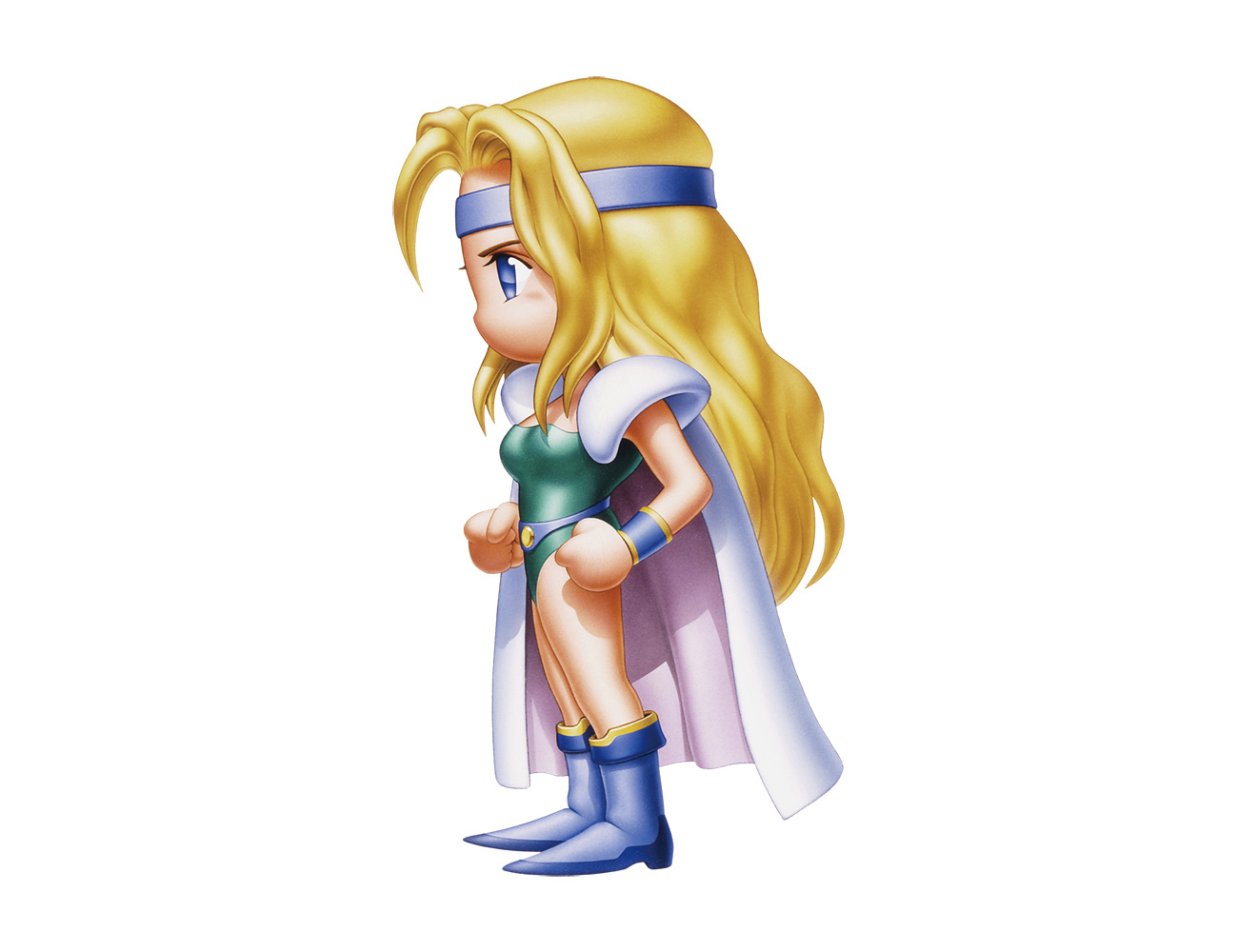
In-depth description and discussion of Cerys Shale (Final Fantasy VI)
Cerys Shale is one of the 14 main characters in Final Fantasy VI, a role-playing game released by Square in 1994. A former general of the Gastra Empire who has been educated as a gifted child, he is a rune knight who also wields the power of magic. He distrusts the Empire, which plans to dominate the world with the power of magic, and was on the verge of being executed as a traitor when he was rescued by a young man named Locke, who belongs to the "anti-Imperial organization Returner. He later joins the side of the Returner, and together with his friends, he stands up against the Gastran Empire.
Read Article
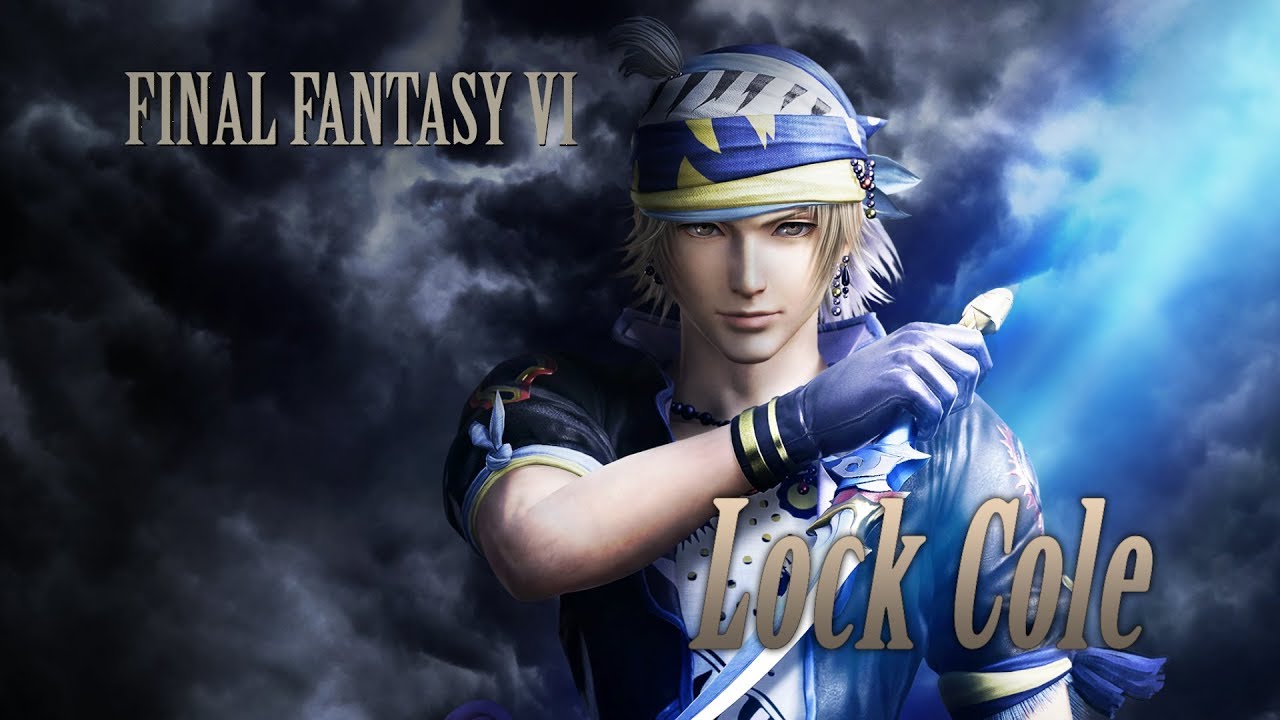
Rock Cole (Final Fantasy VI) in-depth description and discussion summary
Locke Cole is one of the 14 main characters in "Final Fantasy VI," a role-playing game released by Square in 1994, and is a treasure hunter who continues to search for fantastic treasures while traveling the world. In addition to being an adventurer, he is also a member of the "Returner," an anti-imperial organization. Through an encounter with Tina, a girl born with the power of "magic," Locke himself is destined to protect the world.
Read Article
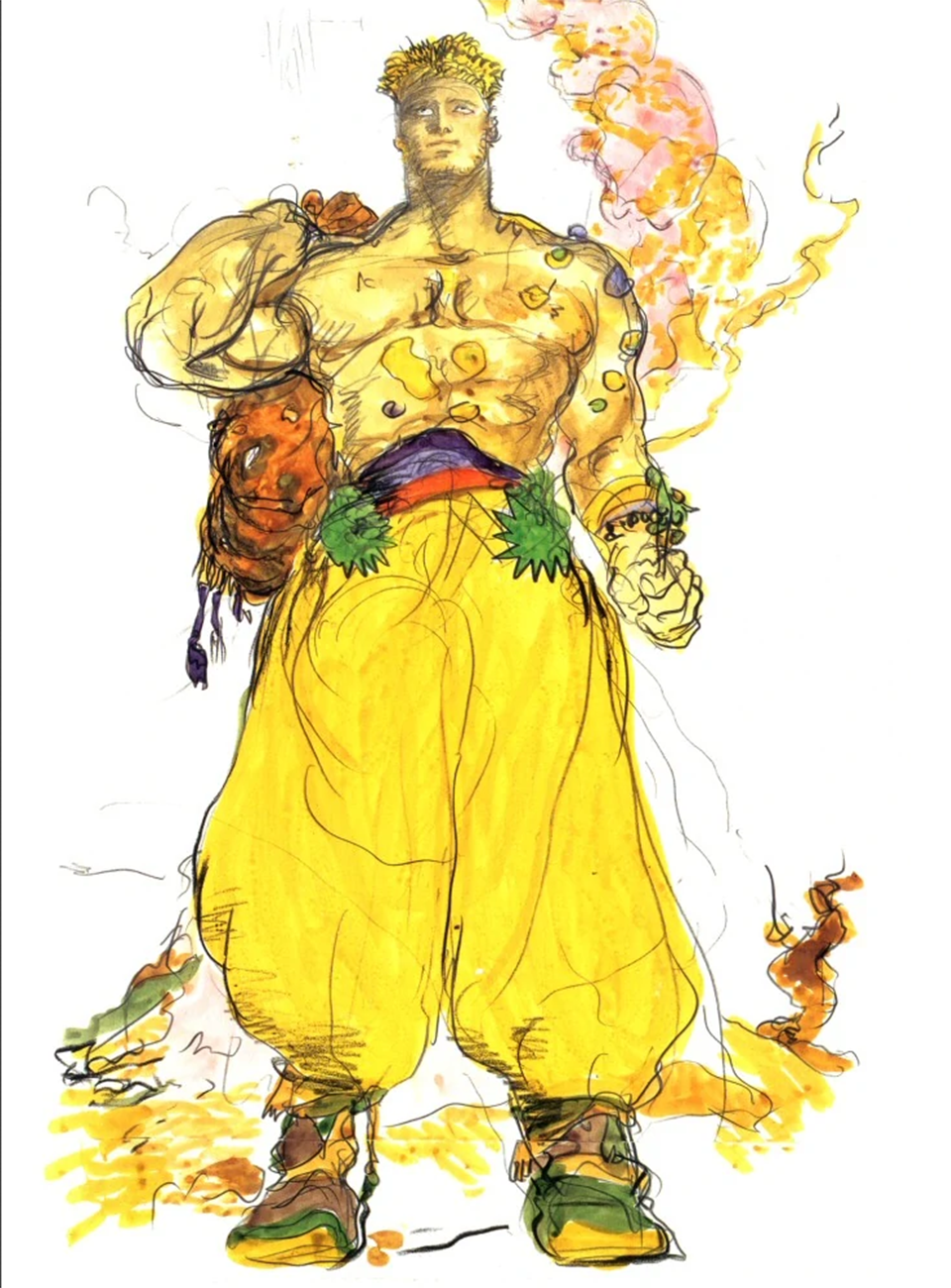
In-depth description and discussion of Mash Rene Figaro (Final Fantasy VI)
Mash Rene Figaro is one of the main characters in the role-playing game "Final Fantasy VI," released by Square in 1994, and is a monk trained as a martial artist. He is the twin brother of King Edgar of Figaro, and after leaving the castle 10 years ago in search of freedom, he has been training under his master Duncan in special techniques. He joined the anti-imperial organization "Returner" after reuniting with his brother Edgar while pursuing his brother Vargas, who had taken his master in hand, and joined Edgar and his friends to fight against the Gastran Empire.
Read Article
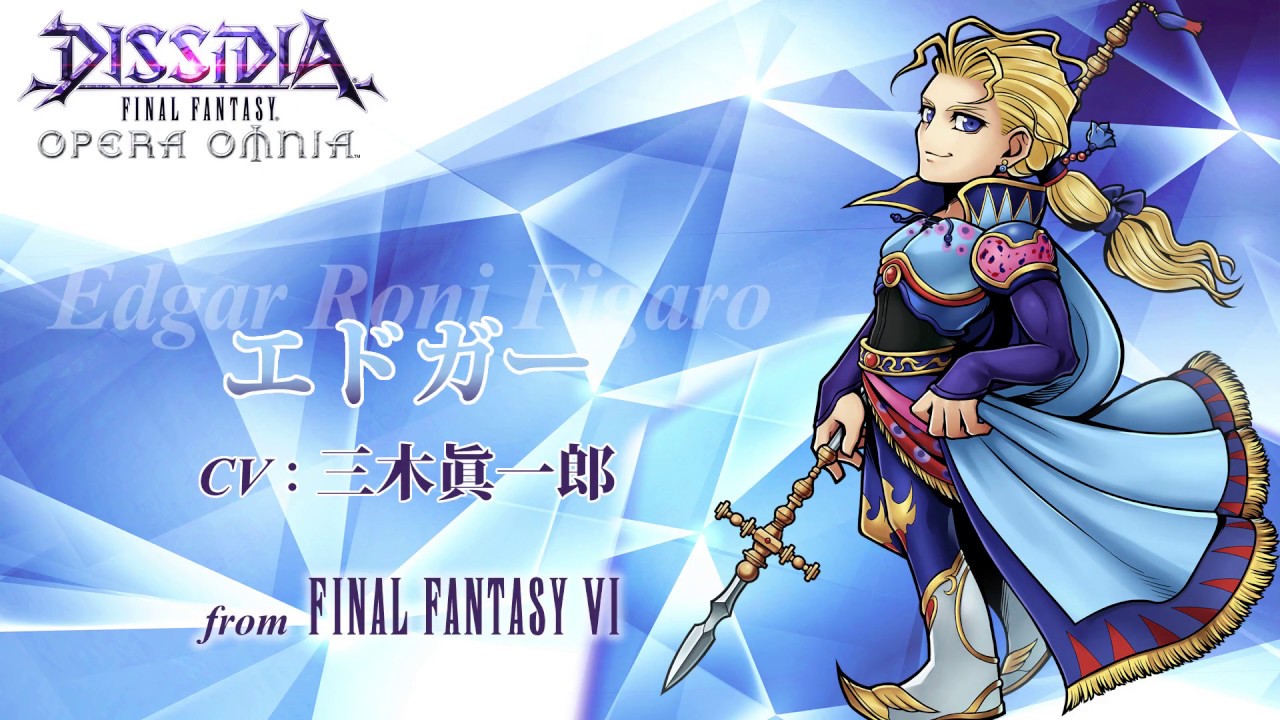
Edgar Roni Figaro (Final Fantasy VI), an in-depth description and discussion of Final Fantasy VI.
Edgar Roni Figaro is one of the main characters in the role-playing game "Final Fantasy VI" released by Square in 1994, and is a young king who rules the kingdom of Figaro. He is such a womanizer that when he sees a woman, he immediately starts hitting on her. After meeting Tina, a girl who possesses the power of "magic," which was lost in the "Demon Wars" 1,000 years ago, he ends his alliance with the Gastra Empire, which plans to use the power of magic to rule the world, and stands up to the Empire as a member of the "Returner," an anti-Empire organization.
Read Article
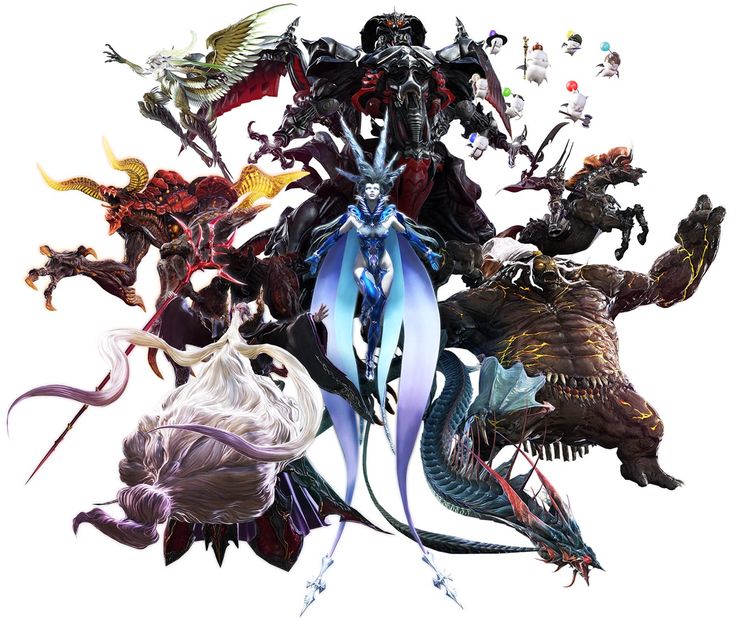
Final Fantasy (FF) Summons Summary
Summoners are deformed beings that appear in the popular RPG "Final Fantasy (FF)" series. They have a great influence on the storyline of some titles. Summoners come in a wide variety of forms, including humanoid and monstrous, and they fight as reassuring allies to the player or sometimes appear as powerful enemies to liven up the game.
Read Article
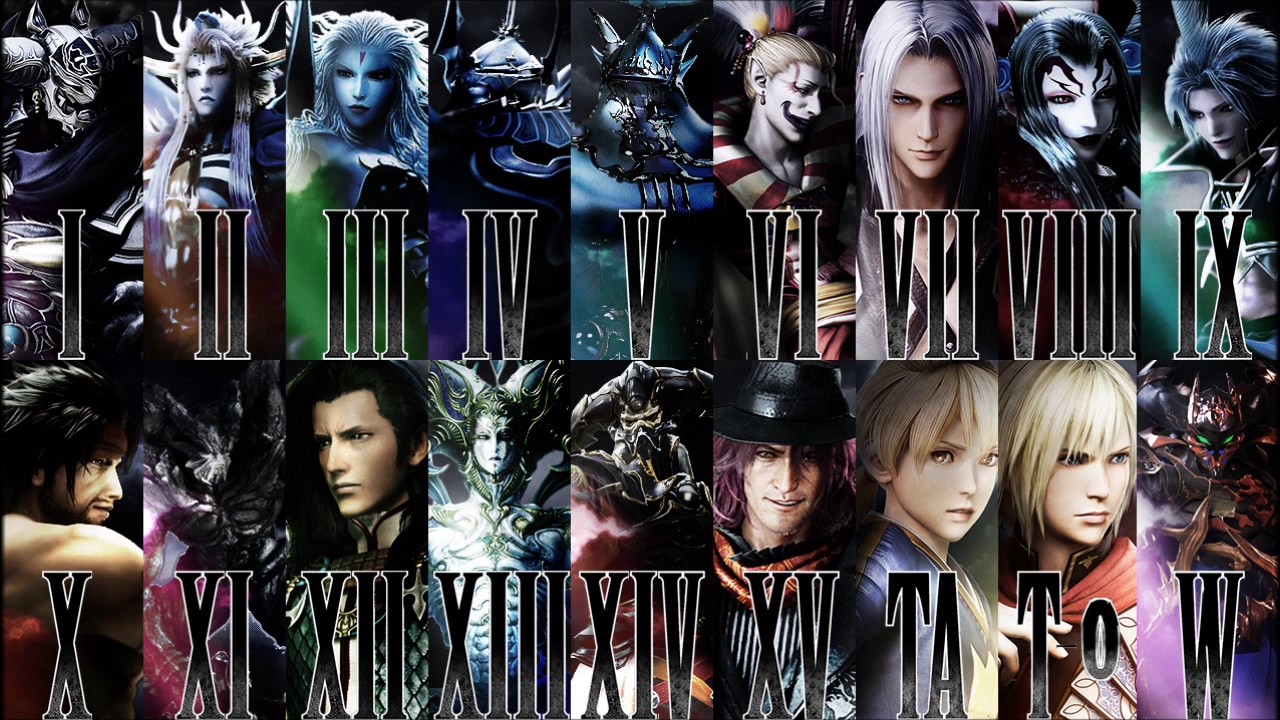
Final Fantasy (FF) Back and Hidden Bosses Summary
Back bosses and hidden bosses are boss monsters that do not need to be defeated in the storyline. Basically, they are strong enough to destroy you in an instant if you challenge them without knowing it, and you need to take countermeasures or strengthen your character, such as by leveling up. In the past Final Fantasy series, there are also backstage bosses and hidden bosses, and all of them are powerful monsters.
Read Article
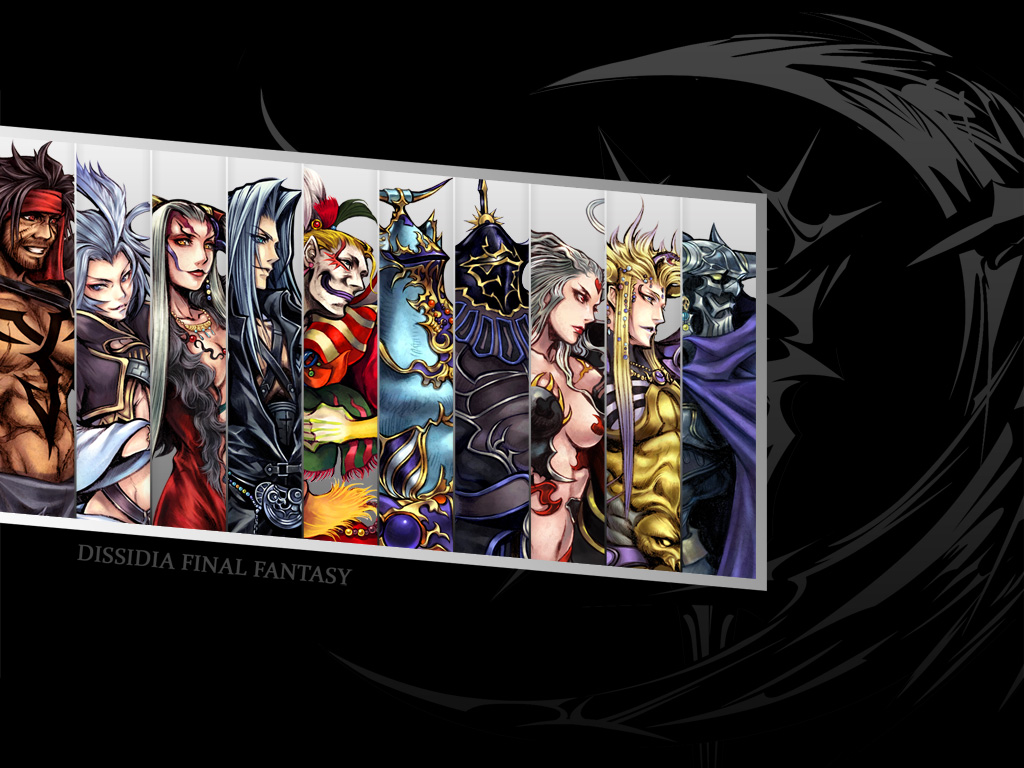
Summary of Final Fantasy (FF) Rust Bosses
The last enemy of the popular RPG "Final Fantasy (FF)" series. His appearance is often unique and peculiarly deformed, and he sometimes leaves famous lines. He is not just a villain, but the emotions and story behind him are also carefully depicted, capturing the hearts and minds of players. As the performance of video game consoles improved, so did the graphics, resulting in more realistic depictions of the ruthless bosses.
Read Article
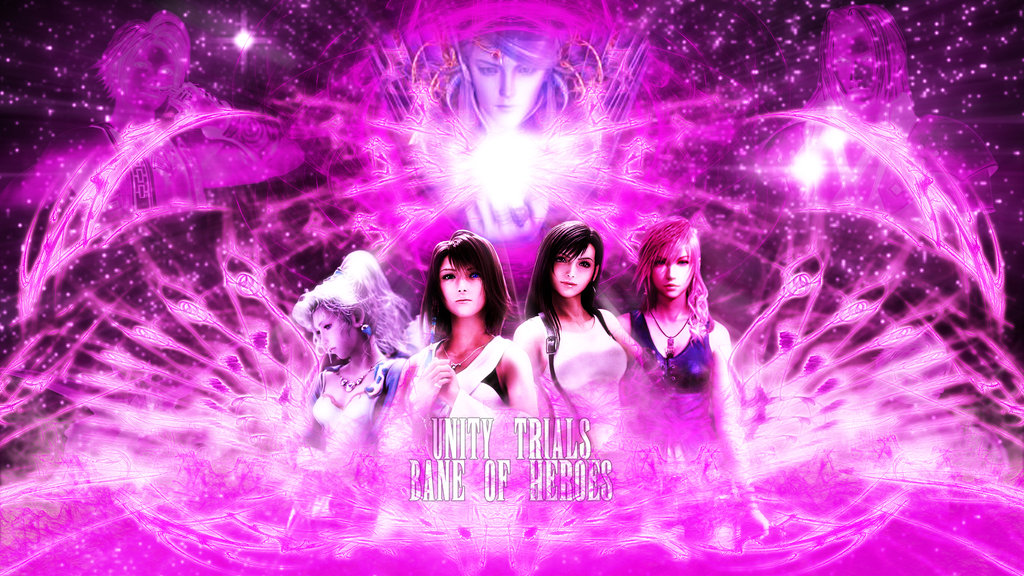
Summary of Final Fantasy (FF) heroines and female main characters
The heroines of the popular RPG "Final Fantasy (FF)" series are strong and beautiful and color the story. Heroines play a leading role or support the hero. Sometimes they fall in love, sometimes they experience separation, and sometimes they face a harsh fate. Each work features a different heroine with various charms that will fascinate players.
Read Article
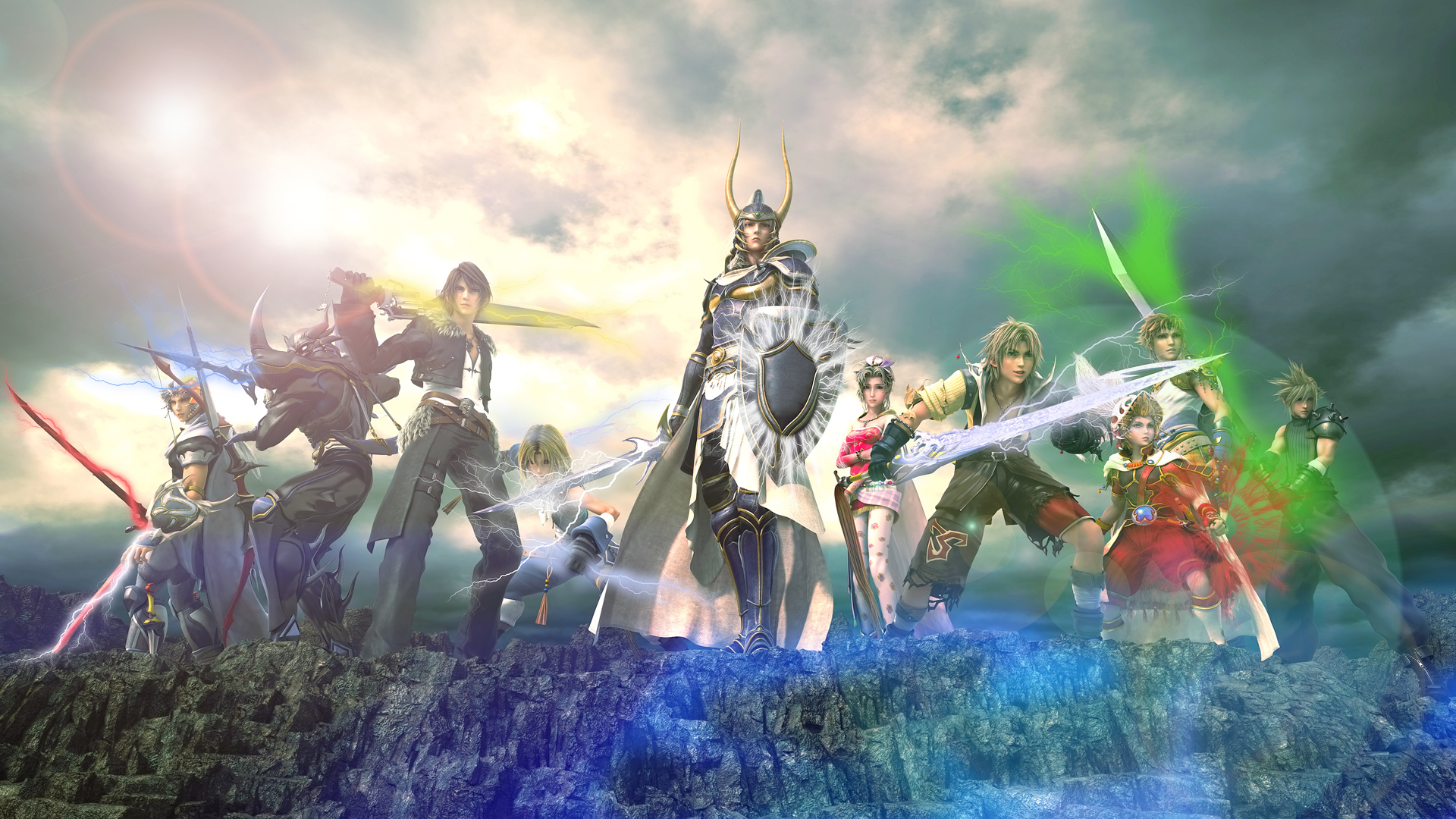
Final Fantasy (FF) Heroes and Male Main Characters Summary
The heroes of the popular RPG series "Final Fantasy (FF)" play key roles in the story, but their charms differ from one work to another, with some suffering sad fates and others betraying their characters. The feature of the series is that many of them are beautifully shaped. The visuals, which become more and more realistic with each series, are unrivaled.
Read Article
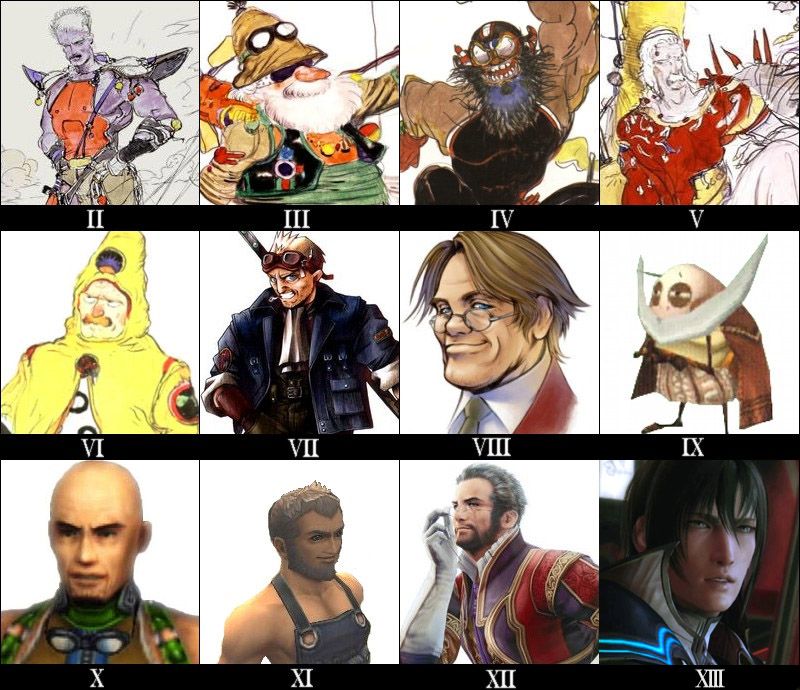
Final Fantasy (FF) summary of successive generations of Cid
Cid is a well-known character in the Final Fantasy (FF) series. Although he shares only the name "Cid," his appearance, age, and settings differ in each series. He is also known for his involvement with the "airships" that frequently appear in the "FF" series. Here, we will introduce the character of Cid in each of the "FF" numbered series.
Read Article
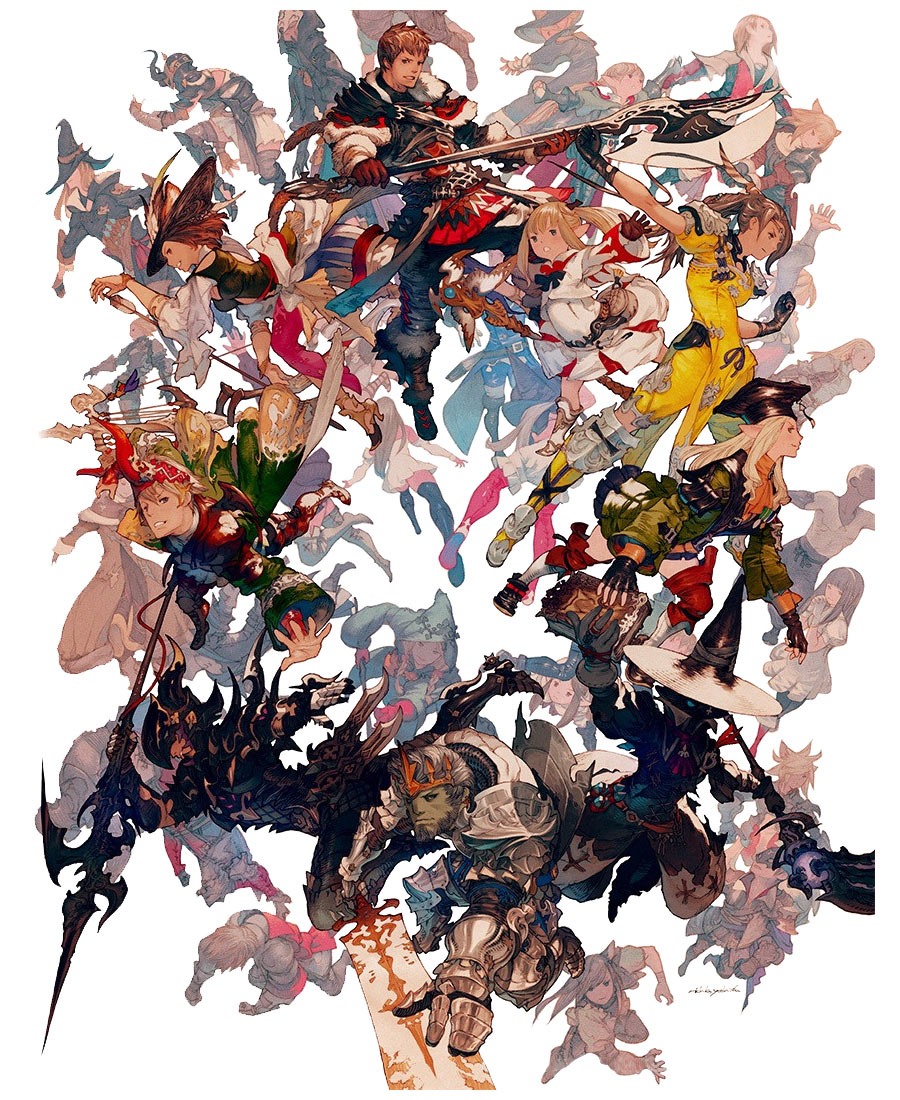
Final Fantasy (FF) Job Summary
Jobs in the Final Fantasy series are a system in which players arbitrarily determine the job (role) of their characters and use their abilities to battle and conquer dungeons. Typical examples are Knight, Monk, White Mage, and Black Mage. Switching jobs depending on the situation is called "job changing," and the game system for acquiring and switching jobs is called the "job system" or "job change system.
Read Article
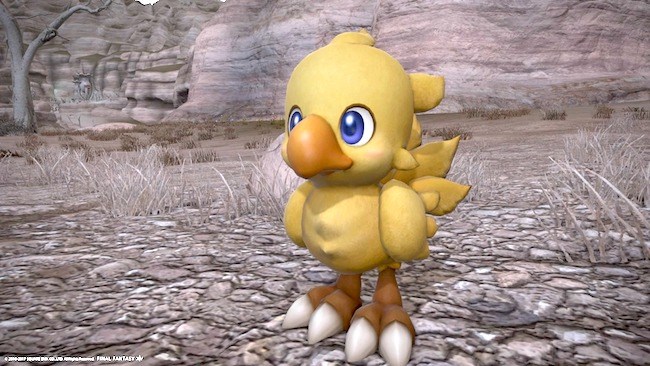
Final Fantasy (FF) Chocobo Summary of the Past
Chocobo is a fictional bipedal bird that appears in the "Final Fantasy (FF)" series and is a representative mascot character of the series. Chocobos are often used as vehicles in the games, and there are various arranged versions of the chocobo theme song, which is the background music when riding a chocobo. Various types of chocobos appear in each series, and they can join the series, appear as summoned beasts, or fight as enemies.
Read Article
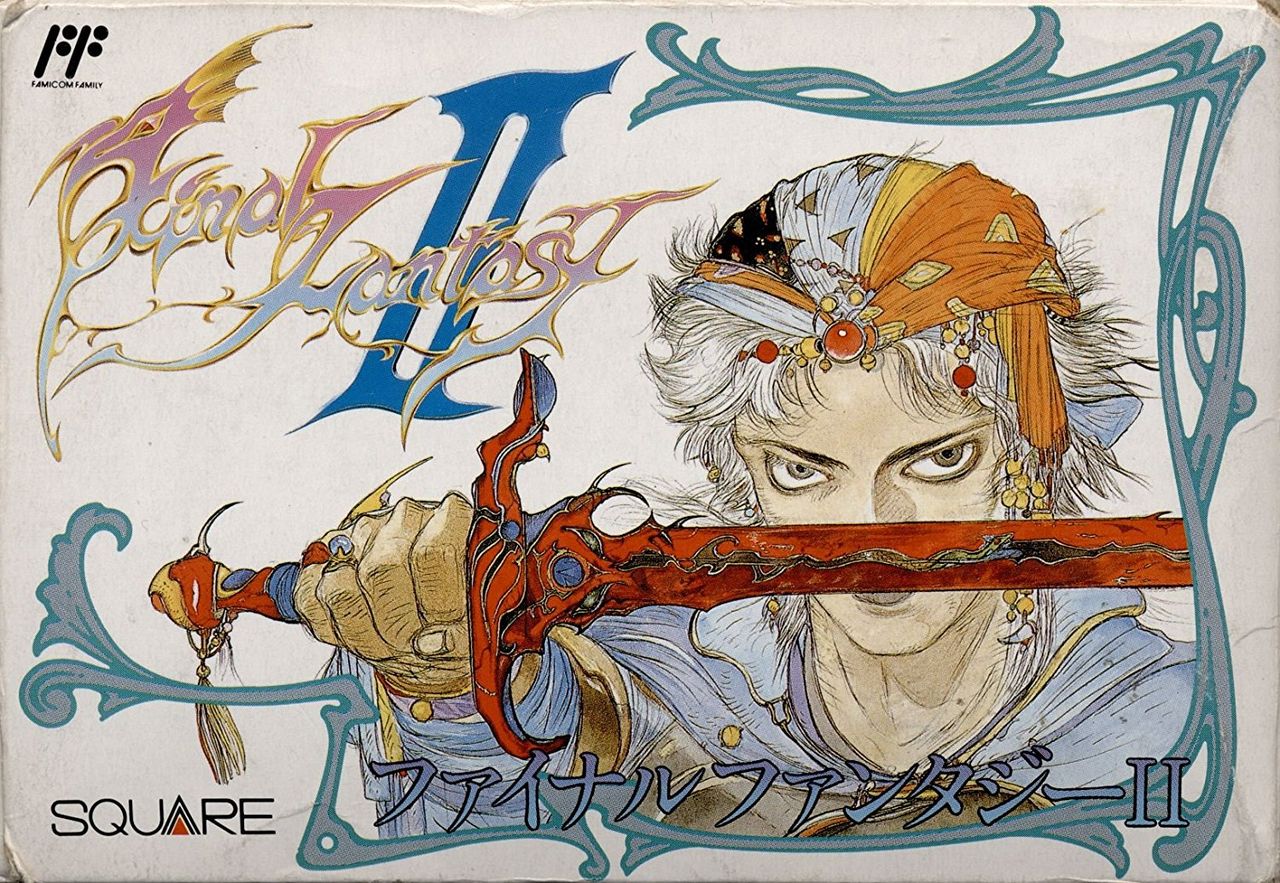
Images of previous packages of the FF series [FINAL FANTASY].
A fantastical world of swords, magic, crystals, and cities in the air. The Final Fantasy series has become a hit and very popular series with its deep story and unique characters. The package that symbolizes the series is the first thing you see when you purchase a game. Here is a collection of images of the packaging of the Final Fantasy series over the years.
Read Article
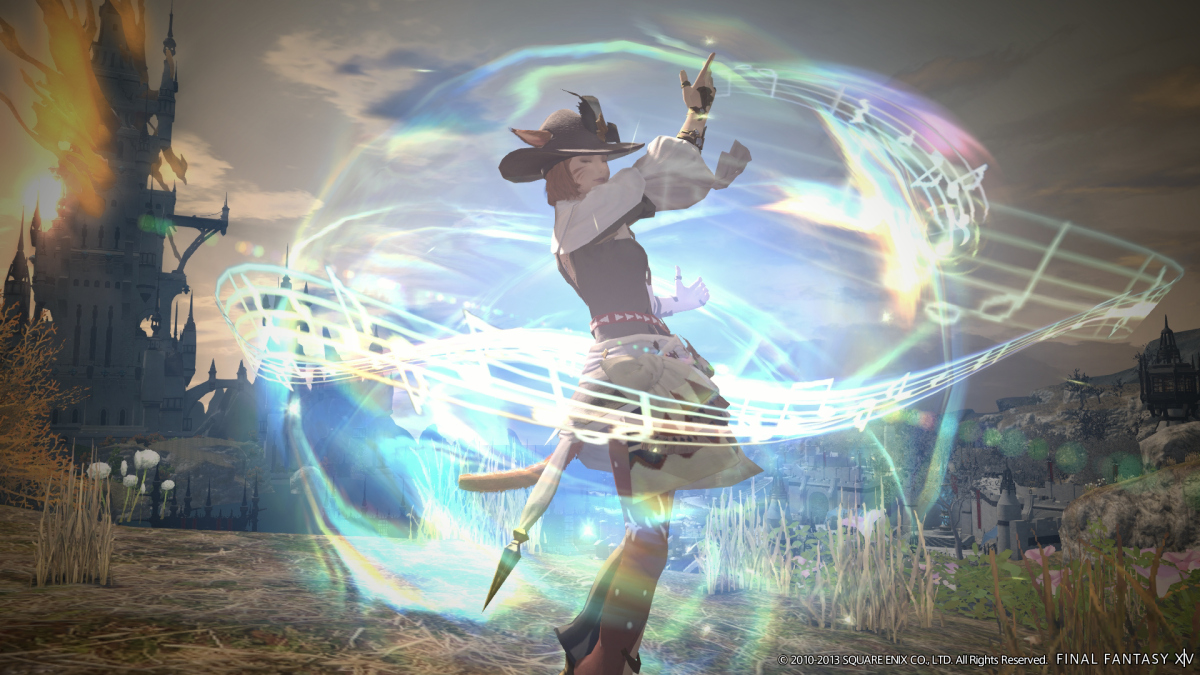
Final Fantasy (FF) Magic Summary
The Final Fantasy series, developed and released by Square Enix, will celebrate its 30th anniversary in 2017. With a total of 87 titles, it was recognized by Guinness World Records in 2017 as the RPG series with the largest number of titles. As such a long-lived series, Final Fantasy has a number of magic characters.
Read Article
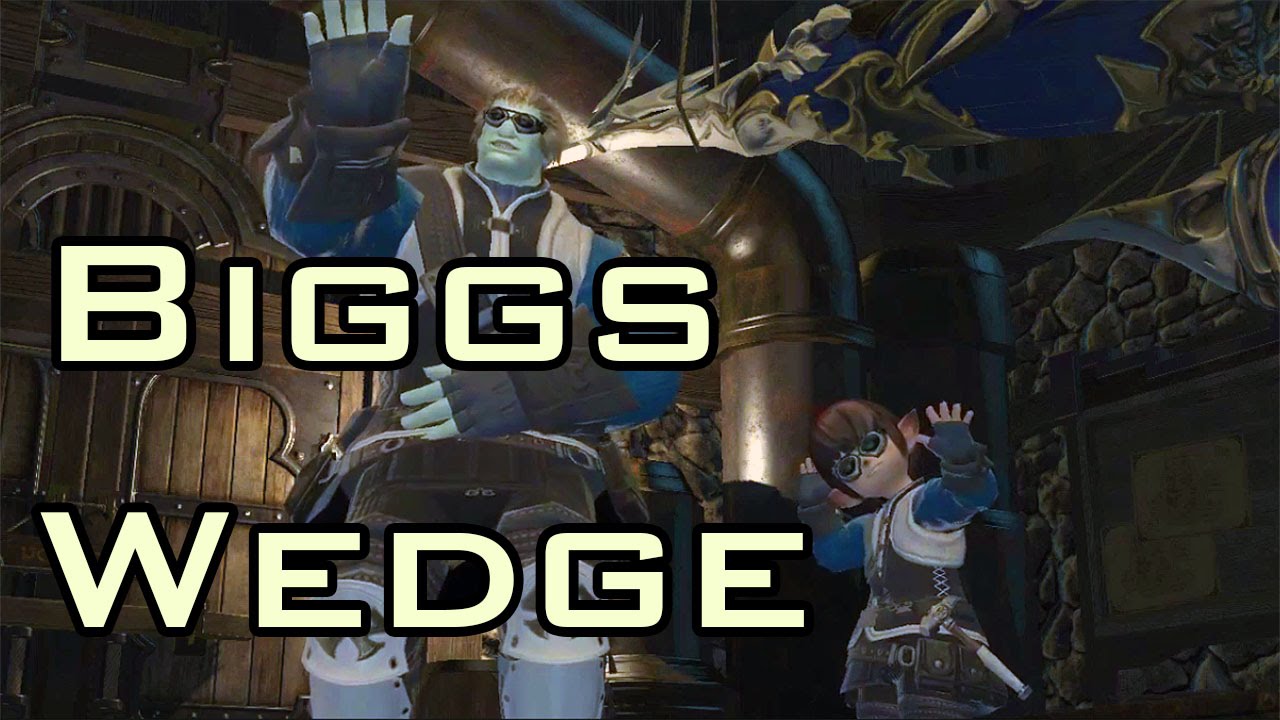
Final Fantasy (FF) Bigs & Wedges summary of all time
Biggs and Wedge are a pair of sub-characters in the Final Fantasy (FF) series. They first appeared in "FF6" and have since appeared as supporting characters in most of the series, making them familiar to "FF" fans. Here we introduce the activities of Biggs & Wedge in each numbered title.
Read Article
Final Fantasy (FF) Abilities Summary
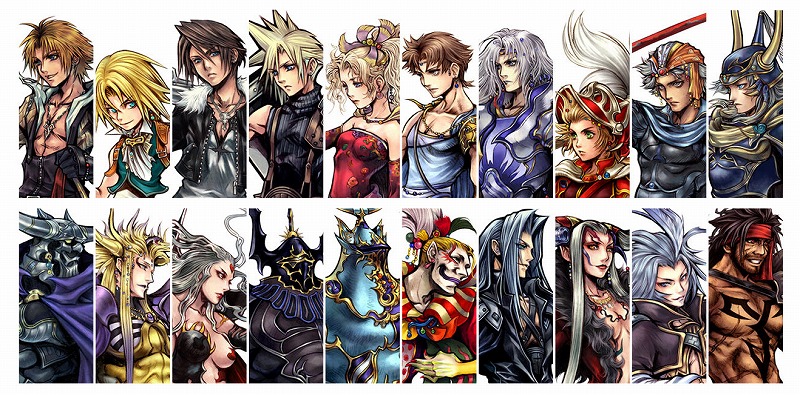
The Final Fantasy ability system is a combat and training system in the Final Fantasy series (FF series) of Japanese RPGs that allows players to customize their "commands" and "characteristics. Abilities in the Final Fantasy series refer to techniques that characterize a job or character, and abilities can be used to give a character a unique personality.
Read Article
Final Fantasy (FF) Trauma Summary
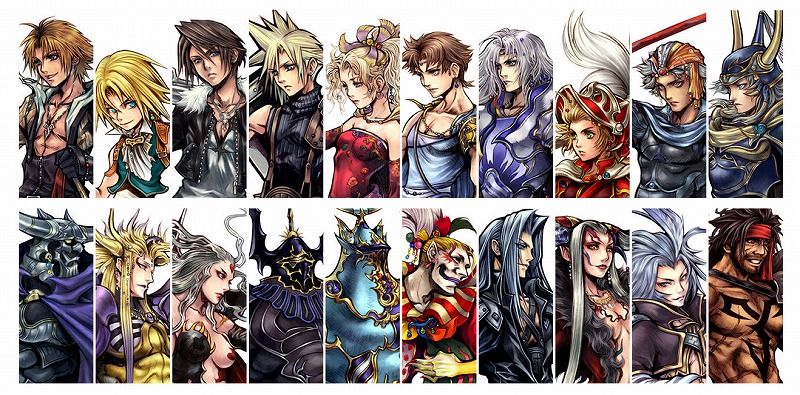
There are many unforgettable scenes in the "FINAL FANTASY" series, but the more painful the experience, the more memorable it is. In this section, we will introduce scenes in the games of the numbered titles in the "FF" series that were so difficult, scary, or sad that they became traumatic.
Read Article
A thorough explanation and discussion of Norse mythology! Interesting and easy to understand!
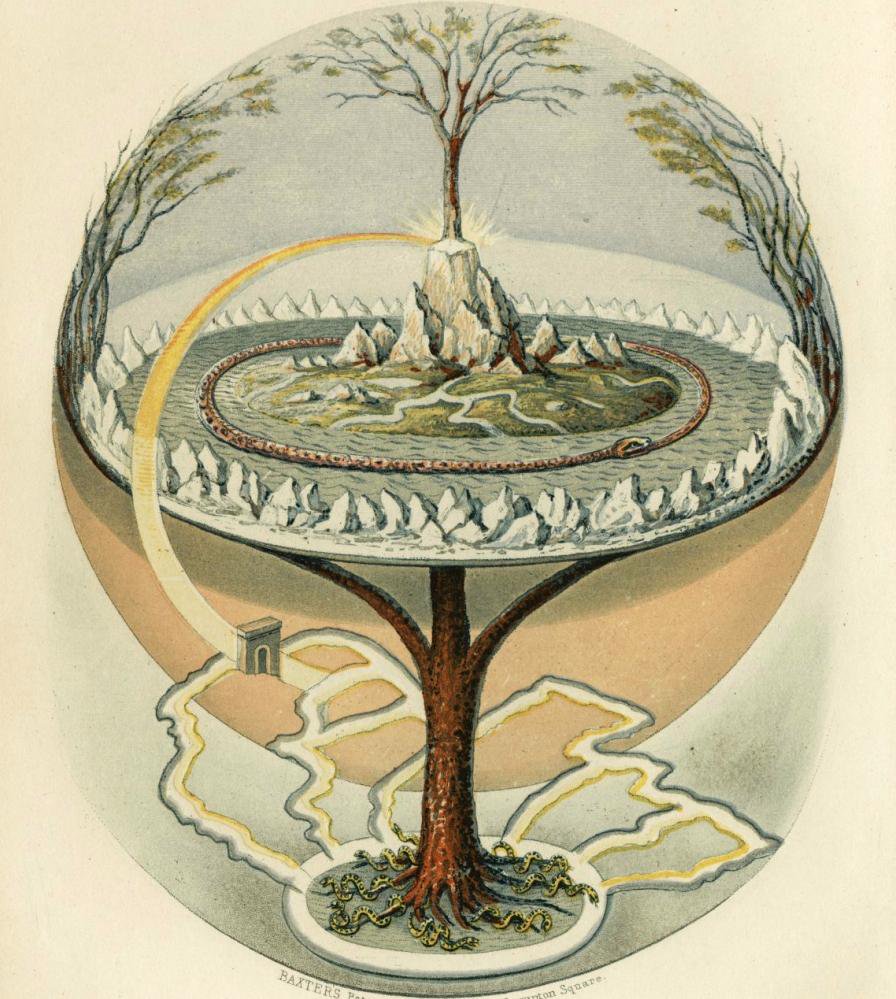
Norse mythology is a mythological system that was believed by the Norse people before the spread of Christianity. It is also called Scandinavian mythology because the Norse had the Scandinavian Peninsula as their sphere of influence. The myths were passed down orally, but around the 13th century, the Icelandic poet Snorri Sturluson compiled them into a book titled Edda. The story depicts the rise and fall of gods whose "doom of destruction" has been decreed, and many of the episodes have a dark overall impression. The story as a whole is highly accomplished, and it is often used as a subject in modern creative works such as comic books.
Read Article
Final Fantasy XIII (FF13) Spoilers and Discussion Summary
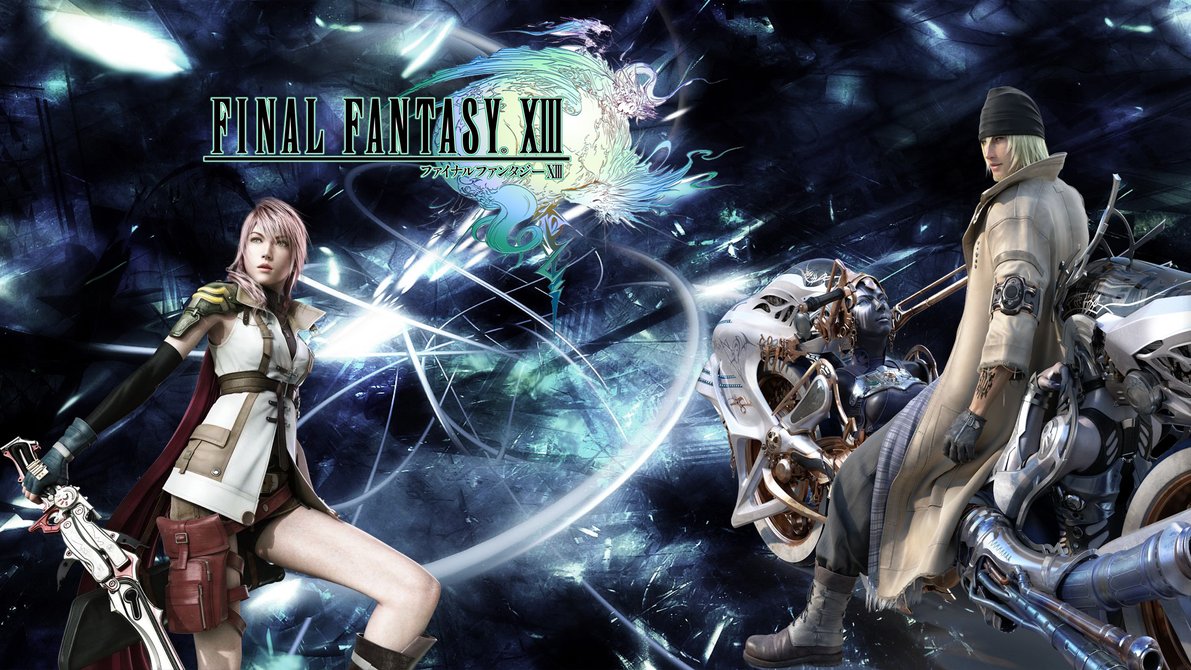
FINAL FANTASY XIII (FF13) is the 13th installment of the FF series released by Square Enix for the PlayStation 3 (PS3) and Xbox 360 multiplatforms. It is one of the projects that share the mythological world of FABULA NOVA CRYSTALLIS. Lightning and his team fight against the "god-like" existence Farsi in the two worlds of Pulse and Cocoon.
Read Article
Lightning Returns Final Fantasy XIII (LRFF13) Spoilers and Discussion Summary
Lightning Returns Final Fantasy XIII" (LRFF13) was released by Square Enix in 2013 for the PlayStation 3 and Xbox 360. It is the sequel to "FF13-2" and the final chapter in the trilogy that began with "FF13. Lightning, the protagonist of "FF13," once again takes the lead role and fights to save the people in a world headed toward the apocalypse 500 years after the previous game.
Read Article
Final Fantasy XIII-2 (FF13-2) Spoilers and Discussion Summary
FINAL FANTASY XIII-2" (FF13-2) is a game software for PlayStation 3 and Xbox 360 released by Square Enix in 2011, and is a sequel to "FF13". FF13-2" begins after the ending of "FF13. In this game, Lightning's younger sister Sera, who was the main character in "FF13," becomes the main character and embarks on a journey through time and space with Noel, who has come from the future, in order to correct the distortion of space-time.
Read Article
Final Fantasy X (FF10) Spoilers and Discussion Summary
Final Fantasy X" (FF10) is a role-playing game (RPG) released by Square Enix for the PlayStation 2 in July 2001, and is the 10th title in the FF numbering series. One day, Teeda, a young man living in Zanarkand, is transported to the other world of "Spira. Together with Yuna, a summoner he meets there, he embarks on a journey to defeat the threat of this world, "Sin.
Read Article
Final Fantasy XII (FF12) Spoilers and Discussion Summary
Final Fantasy XII (FF12) is a role-playing game released in 2006 exclusively for the PlayStation 2 and the 12th in the FF series.On July 13, 2017, a remastered version of Final Fantasy XII The Zodiac Age will be available for the PS4 . Van, a young boy living in a small country under the control of the Empire, gets caught up in a war between major powers when he sneaks into the royal palace for the purpose of stealing things.
Read Article
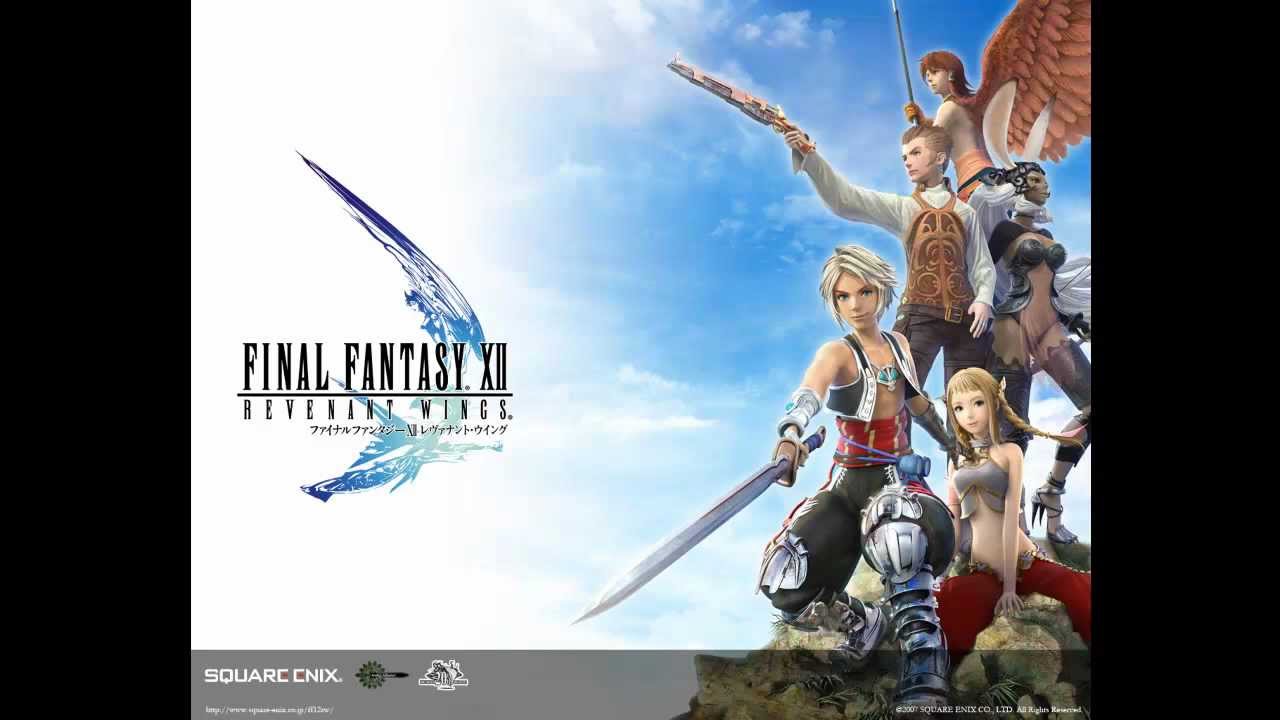
Final Fantasy XII Revenant Wing (FF12RW) Spoilers and Discussion Summary
Final Fantasy XII: Revenant Wing" (FF12RW) is a video game for the Nintendo DS released by Square Enix in 2007. It is a derivative work of "FINAL FANTASY XII" (FF12). This handheld game uses a stylus and is a role-playing game (RPG) that can be played easily. It depicts the new adventures of Van, the main character of "FF12," in the floating continent of Lemraeth.
Read Article
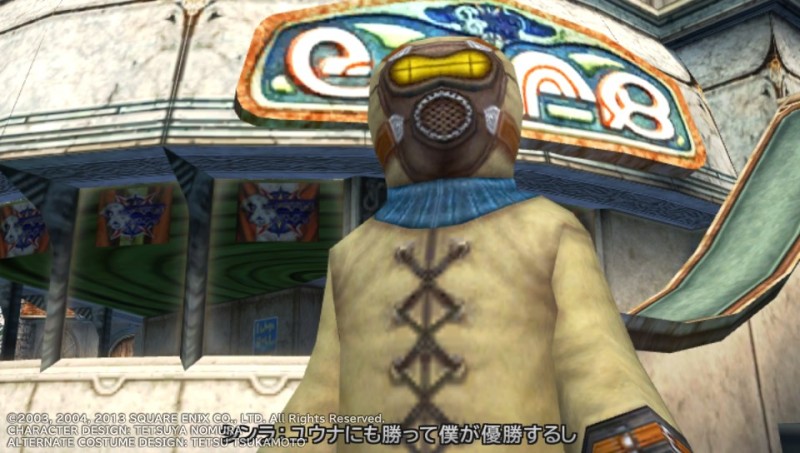
Spoiler commentary and discussion of the relationship between FFX-2 "Shinra-kun, the seagull group's information officer" and FF7 "Shinra Company".
In FFX-2, the main character Yuna and her friends Luc and Pine belong to the Seagulls, a group of sphere hunters. One of them, Shinra-kun, an information officer, had an unusual relationship with the Shinra Company of FF7. Shinra-kun had actually accomplished something big. It involved a different story over a long, long period of time. It is not just the similarity of the names, but the backstory revealed by the official. Its contents and explanation.
Read Article
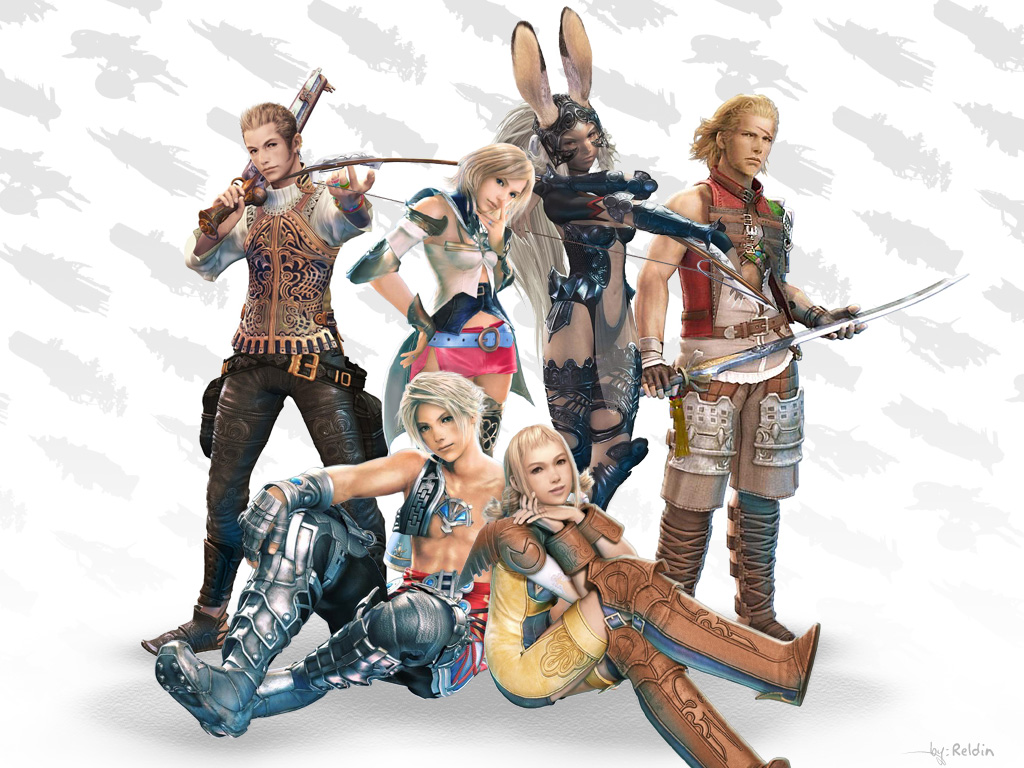
Final Fantasy XII (FF12) Quotes and Lines of Wisdom / Great Scenes and Scenes
Final Fantasy XII (FF12) is the 12th title in the FF series released in 2006. Van, a young boy living in downtown Dalmasca, sneaks into the royal palace to take a swing at the empire that rules his homeland, and becomes embroiled in a great destiny that will shake the world. In the history of Ivalice, each of the characters has a memorable line in the story.
Read Article
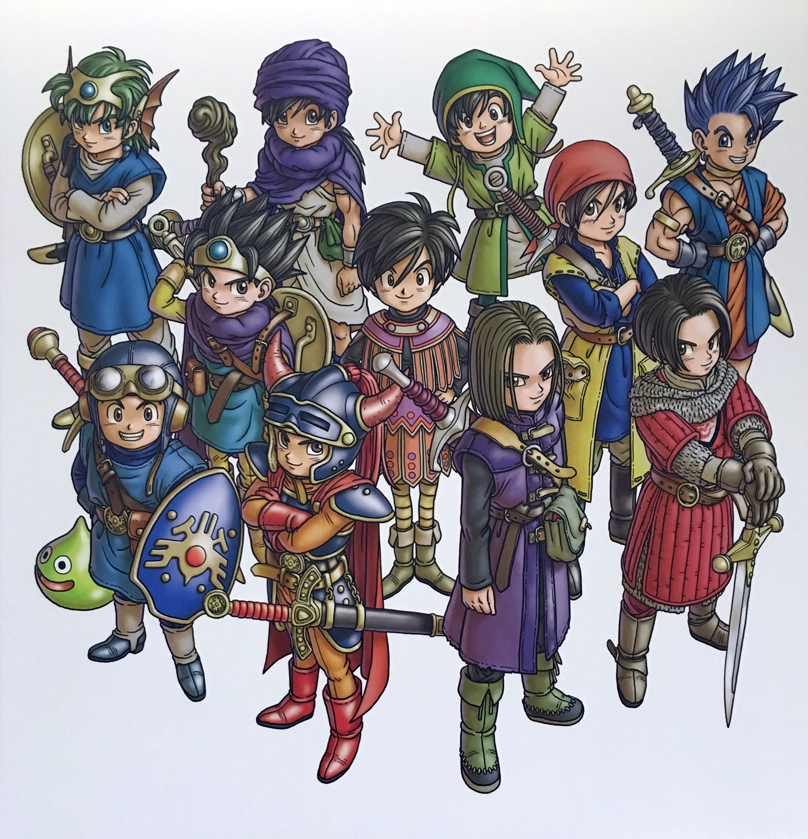
ドラゴンクエスト(ドラクエ)の勇者・男性メインキャラクターまとめ
大人気RPG『ドラゴンクエスト(ドラクエ)』の勇者たちは、『ドラゴンクエスト』シリーズにおいて、なくてはならない存在であり、物語の重要人物として活躍する。悲しい過去を持つ者や、裏切り者、親子で勇者を継ぐ者がいたりとシリーズによって様々なキャラクターがおり、その1人1人の魅力の多さも特徴的である。勇者、そしてそれに関わる仲間たちとの関係性も作品ごとに異なる点も面白さの1つである。
Read Article
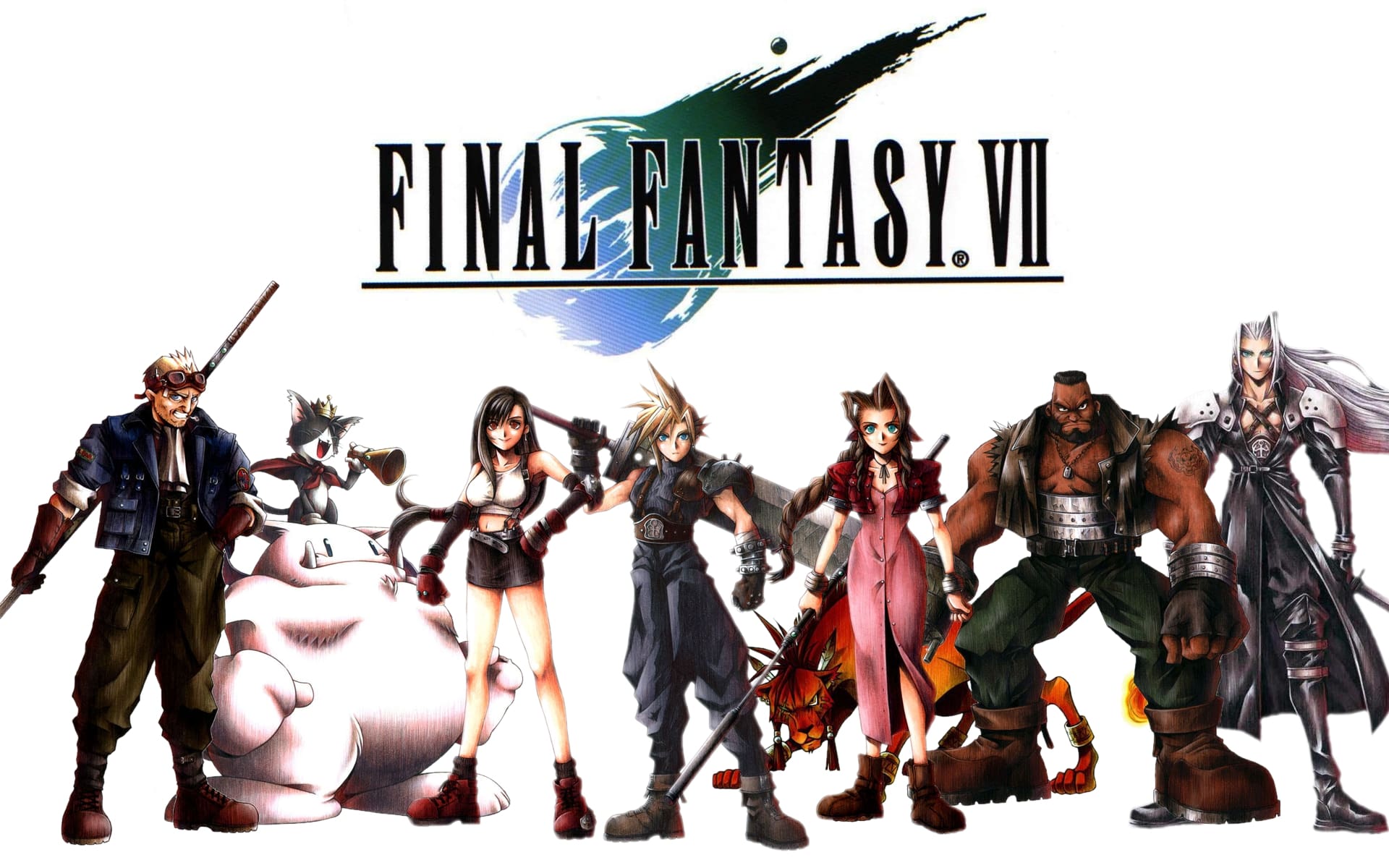
Final Fantasy VII (FF7) Spoilers and Discussion Summary
Final Fantasy VII" is the first role-playing game (RPG) for PlayStation (PS), released by Square (now Square Enix) in 1997. It is the seventh title in the series. It was the first in the series to feature all maps in 3D and to incorporate CG movies into its presentation, ushering in a new era of RPGs. The story follows the battle between Sephiroth, who is trying to destroy the stars, and Cloud, the hero who is trying to stop him.
Read Article
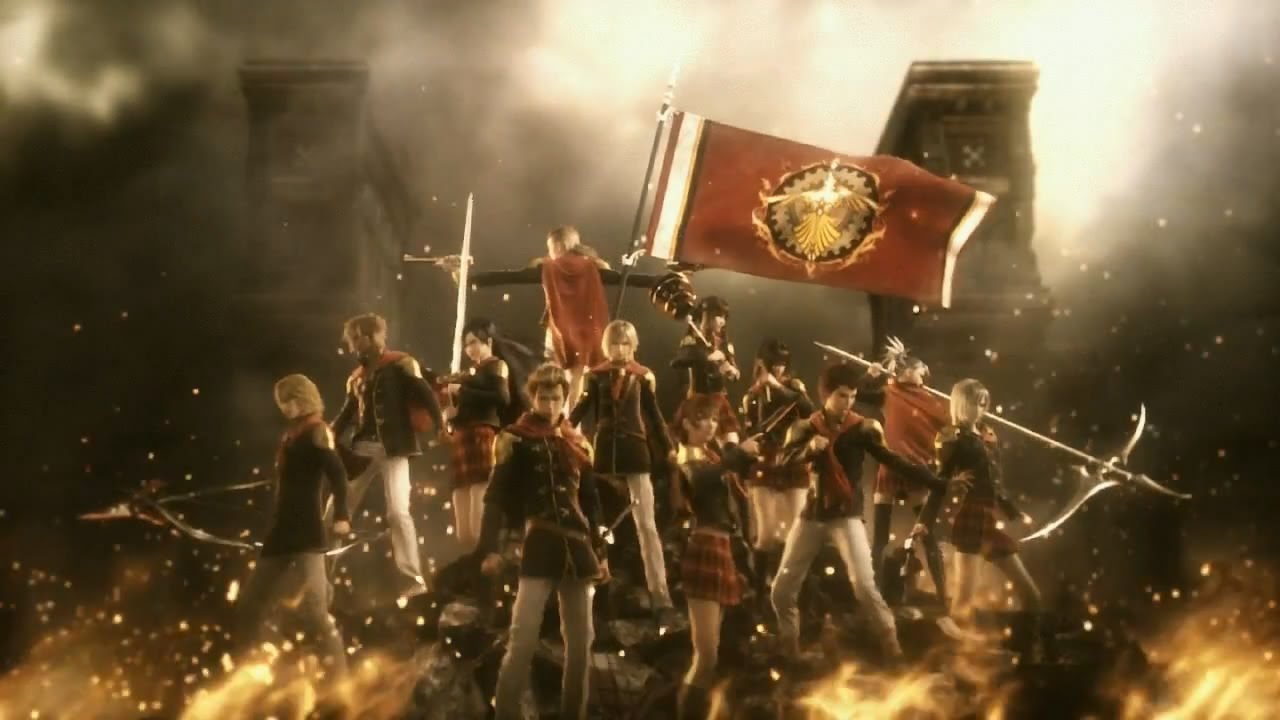
Final Fantasy Zero (FF Zero) Spoiler Commentary and Discussion Summary
FINAL FANTASY ZERO SHIKI is a role-playing game (RPG) for the PlayStation Portable (PSP) released by Square Enix in 2011. It is an extravaganza of the FF series, with the theme of war and the story of crystals and gods, and human life and death. The setting is a world called "Oriens," where 14 boys and girls, the main characters, go through severe training to become saviors called "Agito" and throw themselves into war.
Read Article
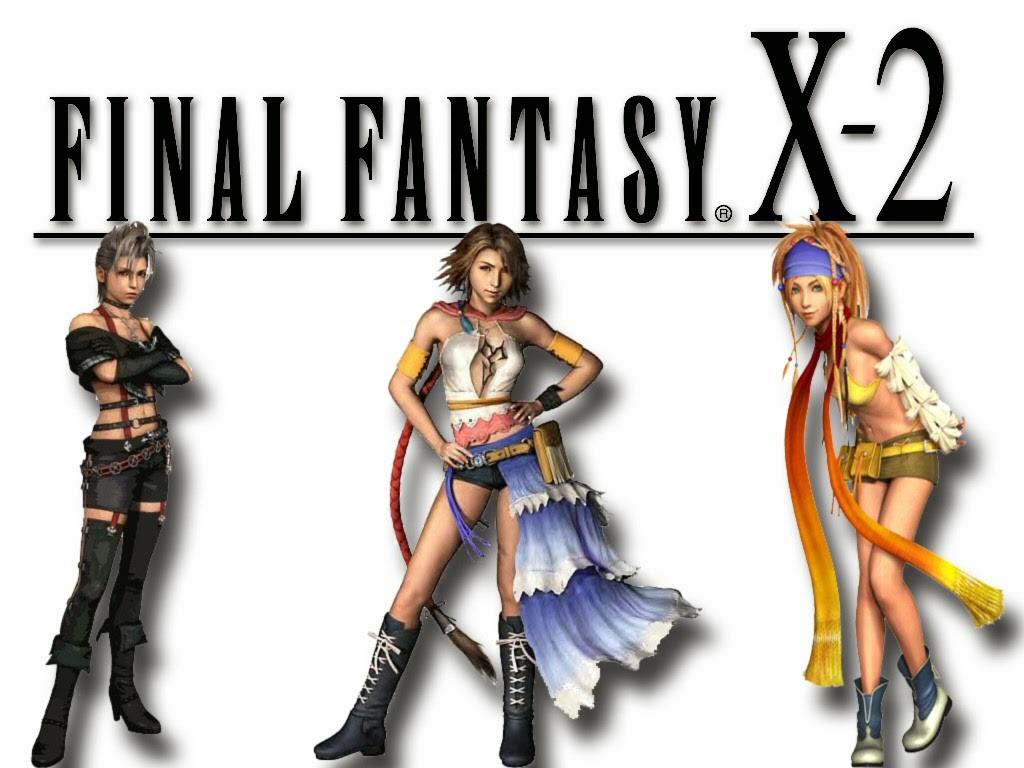
Final Fantasy X-2 (FF10-2) Spoilers and Discussion Summary
Final Fantasy X-2" (FFX-2) is an RPG released by Square Enix for the PlayStation2 in 2003, and is a legitimate sequel to "FFX. The worldview is taken over from "X," but the character presentation and other aspects of the game are much lighter. It has new systems such as dress-up. Two years after "FFX," Yuna sees a sphere showing a young man who looks like Tida and sets off on a journey again.
Read Article
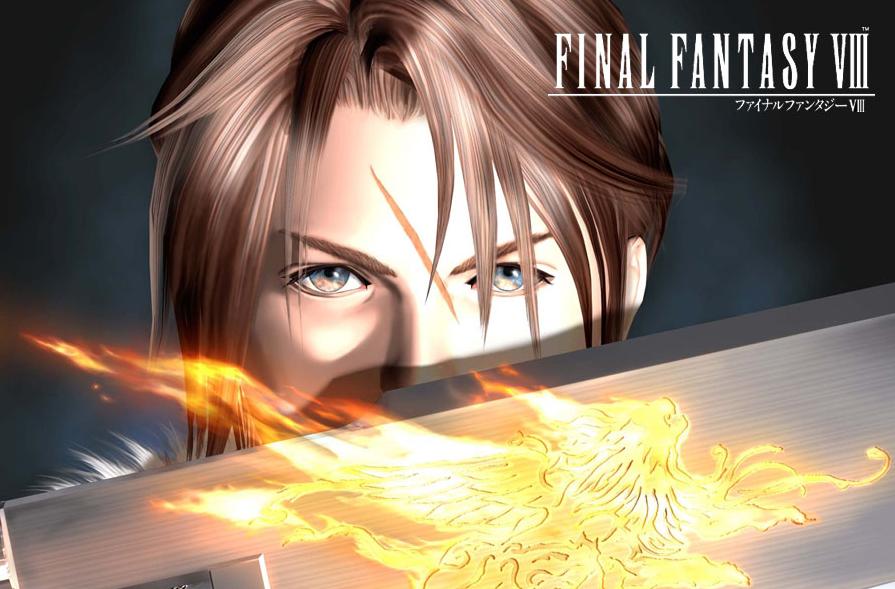
Final Fantasy VIII (FF8) Spoilers and Discussion Summary
Final Fantasy VIII (FF8) is a role-playing game (RPG) released by Square (now Square Enix) for the PlayStation in 1999, the eighth in the series. This title featured the first theme song in the series, and its theme song "Eyes On Me" sold over 500,000 copies. The story is about a young man named Squall, who belongs to a soldier training school, and his friends who fight witches that pose a threat to the world.
Read Article
Final Fantasy Tactics (FFT) Spoilers and Discussion Summary
Final Fantasy Tactics (FFT) is a simulation role-playing game (RPG) released by Square (now Square Enix) for the PlayStation in 1997. The story depicts the glory and darkness of the main character Ramza, who played an active role behind the scenes during the civil war known as the Lion's War, and his close friend Dirita.
Read Article
Final Fantasy I (FF1) Spoilers and Discussion Summary
FINAL FANTASY (FF)" is a video game for the Family Computer (FC) released in 1987. The genre is role-playing game (RPG). Since then, it has been remade for various game consoles. This is the memorable first title in the FF series. In a world shrouded in darkness, four young men appear with a crystal in their hands. As "Warriors of Light," they embark on an adventurous journey to dispel the darkness and restore peace to the world.
Read Article
Contents
- What is Final Fantasy 6?
- List of Supported Models
- Super Family Computer (SFC)
- PlayStation(PS)
- Features of the PlayStation version
- Game Boy Advance (GBA)
- Features of the Game Boy Advance
- Wii, Wii U (virtual console) (VC)
- What is the Virtual Console?
- PS3, PSPs (Game archives) (GA)
- What is the Game archives?
- Android (4.0 or later) / iOS (iPhone/iPod touch/iPad) (7.0 or later)
- Android/iOS features
- Nintendo Classic Mini Super Famicom