
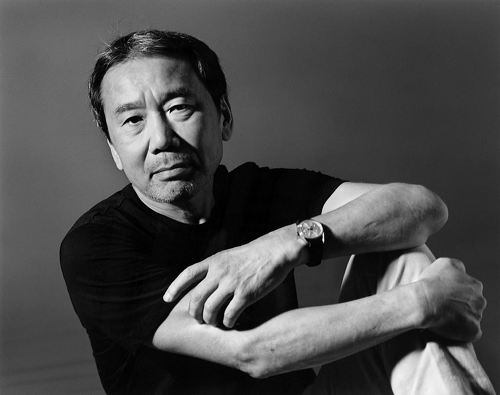
On September 10, 2015, "Novelist as a Profession" by Haruki Murakami was released. Haruki Murakami is a novelist who has published many essays and travelogues in addition to novels, but what has he said in the <non-novel> books he has published?
Long-awaited by fans! Haruki Murakami's latest novel, "The Novelist as a Profession"
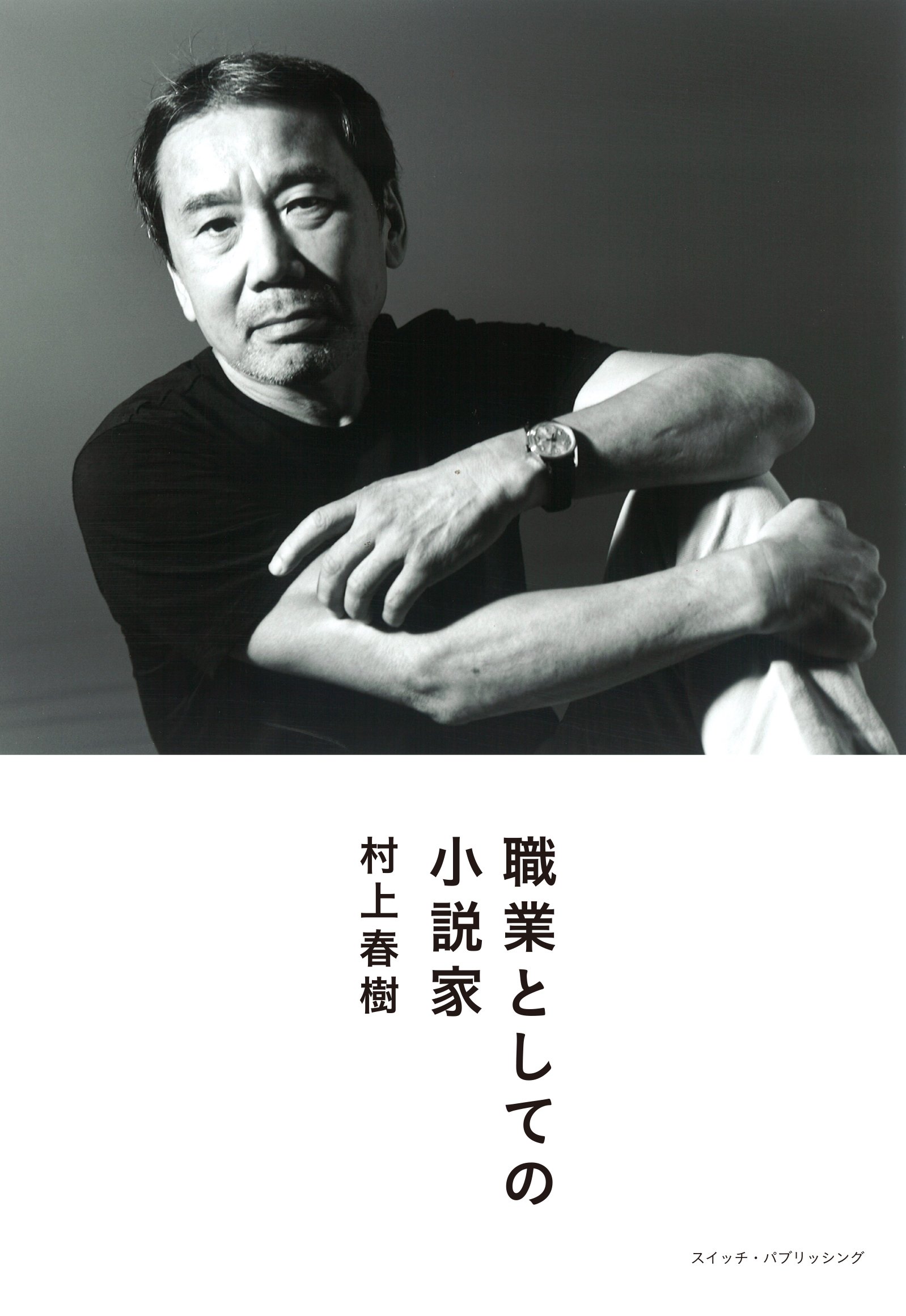
Haruki Murakami's latest novel, which has been the focus of much attention since 90% of the 100,000 copies of the first edition were purchased by Kinokuniya Bookstore.
In this work, he talks about episodes when he first became a novelist and his attitude toward writing novels.
It is a book that gives the impression that Murakami has finally taken the time to talk about the various aspects of his creative work that have been discussed in fragments until now.
The novelist Haruki Murakami has published many books, including essays and travelogues.
After reading this much-talked-about work, I thought, "It was interesting! If you are wondering what other books he has written, here is a look back at some of Haruki Murakami's "non-novel" works published to date.
Haruki Murakami as a non-novelist = long-distance runner
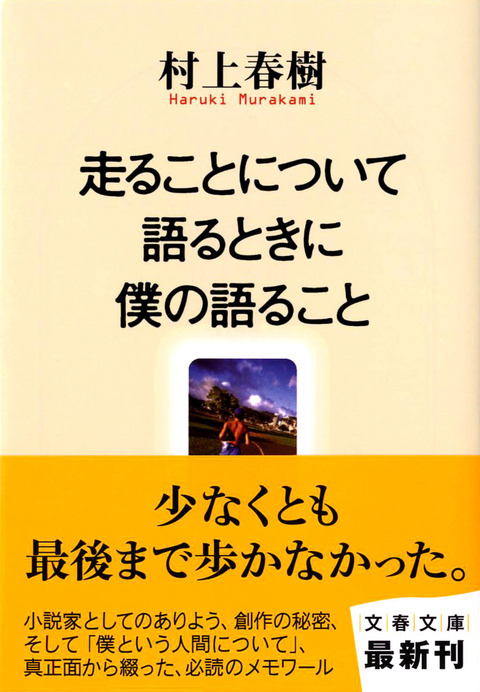
As is well known among his fans, Haruki Murakami is also a long-distance runner.
Having run the Boston Marathon and the Lake Saroma 100 km Marathon in various parts of the world, Murakami will talk about writing and running, sometimes as a novelist and sometimes as a runner, overlapping the two.
In a joking tone, he writes, "If there were to be an epitaph for me, I would like it to read, 'At least I didn't walk to the end. However, those who know his stoic attitude toward creation and the fact that he has continued to write his works from his debut until now may be able to feel the weight of these words.
Haruki Murakami as a non-novelist = Jazz lover
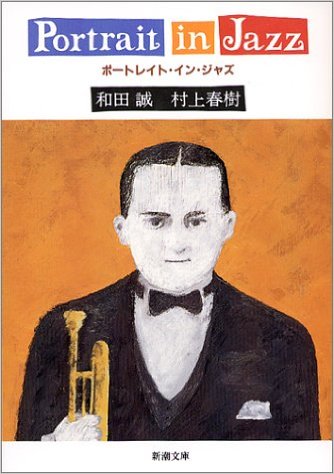
The book was written with illustrations by Makoto Wada, another jazz enthusiast.
The title, "Portraits in Jazz," comes from an album by jazz pianist Bill Evans.
Although you can see glimpses of the jazz aficionado in his novels and other essays, this book is a grueling account of the jazz musician and his musical works. Portraits in Jazz 2 and No Swing Without Meaning, which followed this work, are also must-reads.
Haruki Murakami as a non-novelist = travelogue writer
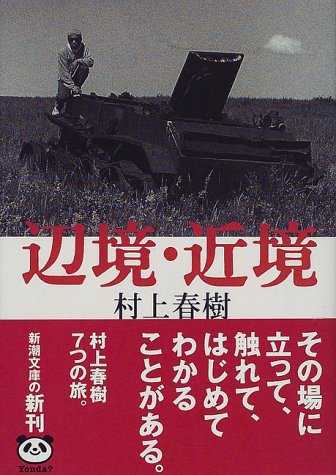
In "Traveling the Frontier," included in this collection, Murakami says that writing travelogues has provided him with valuable training in writing. He has always loved travelogues and has read Sven Hedin, Henry Stanley, Paul Theroux, and others.
In "Frontier, Nearby," Murakami writes about East Hampton, Mexico, the Nomonhan, and crossing the American continent in faraway places, and about his travels in nearby places, such as visiting udon restaurants in Kagawa Prefecture and walking from Nishinomiya to his hometown in Kobe.
The cover photo is of a medium-sized Soviet tank abandoned at the site of the Nomonhan War. Nomonhan is an important place that appears in the second part of the novel "The Nejimaki Bird Chronicle," but he did not actually visit this place until after he wrote the novel.
Other books he has written include "Rain and Sunshine: Travels on the Greek-Turkish Frontier," "If Our Words Were Whiskey," which visits Islay, Scotland and Ireland, famous for its whisky, and "Sydney! Sydney! which is a collection of on-the-spot reports from the 2000 Sydney Olympics.
His wife, Yoko Murakami, took the photographs of the trip, including the cover photo, in "If Our Words Were Whiskey," which is also a must-read.
What we talk about when we talk about what we have put together
We have introduced Haruki Murakami's works as a "long-distance runner," "jazz lover," and "travelogue writer," but have you found a book you want to read?
As a world-famous author, Haruki Murakami is subject to various critiques and criticisms just because he is famous.
Some people avoid him because he is too famous or too popular.
It may be a good idea to start by trying Murakami's works other than novels, without thinking too hard about them.

Related Articles
![Norwegian Wood] Quotes in Haruki Murakami's works [Kafka by the Sea](https://renote.net/files/blobs/proxy/eyJfcmFpbHMiOnsiZGF0YSI6ODUyNzcwLCJwdXIiOiJibG9iX2lkIn19--3ad29fe82fe61983fd4813482eb31c56ab9e6cc0/20200907.jpg)
Norwegian Wood] Quotes in Haruki Murakami's works [Kafka by the Sea
Haruki Murakami is the author of many major works, including "Norwegian Wood," "Kafka by the Sea," and "1Q84. Haruki Murakami has many fans around the world, and the Nobel Prize in Literature is also awaited. We have compiled a list of Haruki Murakami's memorable quotes from his works. Please enjoy the creative world of Haruki Murakami.
Read Article
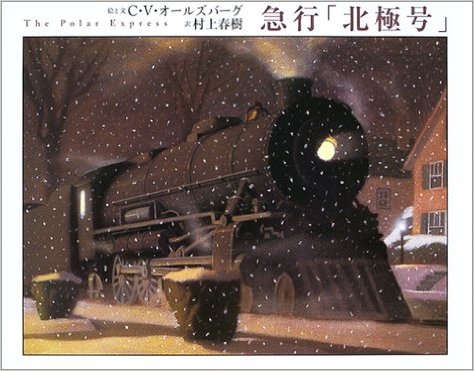
A Christmas picture book that will take you back to your childhood. Enjoy the world of Oldsburg!
Picture book author C. V. Allsburg excels at depicting scenes of American children and families that Japanese people would admire. The "Express to the North Pole" is one of these books, with many pictures that will make you smile and say, "Yes, that's what it looks like. The fact that the famous author Haruki Murakami translated this picture book is one of the reasons why this book has attracted so much attention. This is a Christmas fantasy that you will want to read by yourself or to your loved ones.
Read Article
Tags
Contents
- Long-awaited by fans! Haruki Murakami's latest novel, "The Novelist as a Profession"
- Haruki Murakami as a non-novelist = long-distance runner
- Haruki Murakami as a non-novelist = Jazz lover
- Haruki Murakami as a non-novelist = travelogue writer
- What we talk about when we talk about what we have put together