
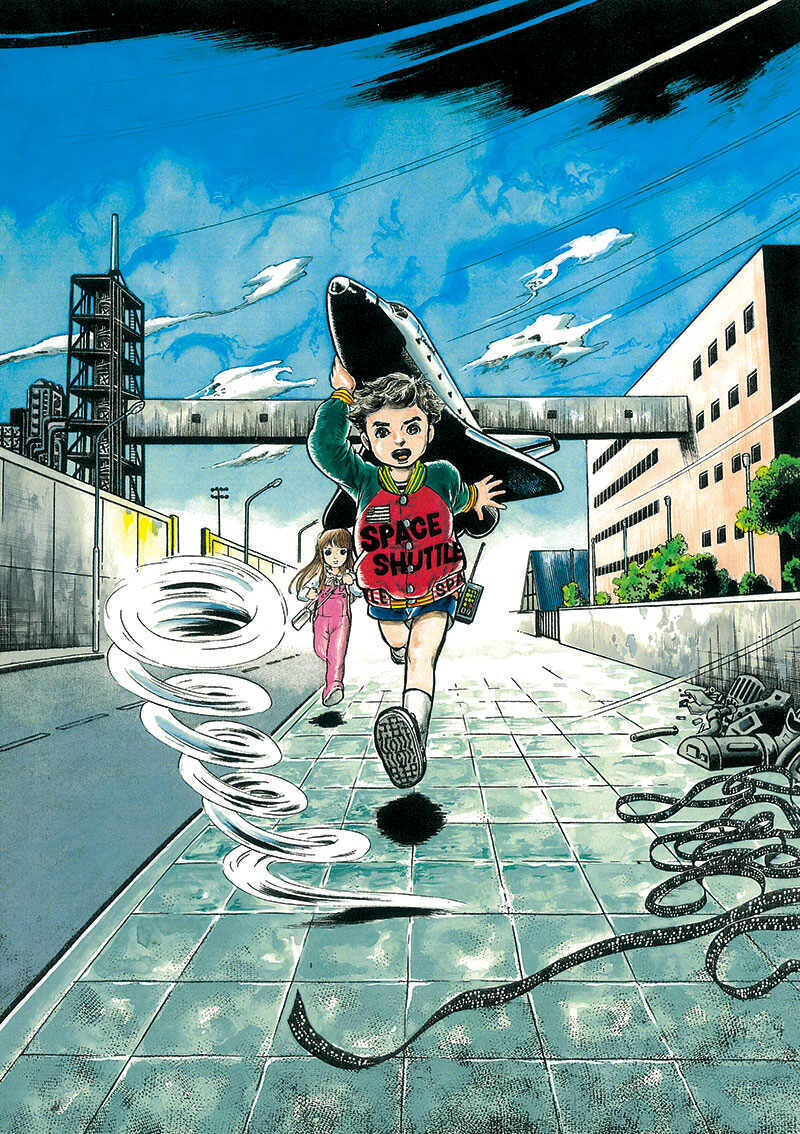
Watashi wa Shingo" is a manga by Kazuo Umezu, serialized in "Big Comic Spirits" magazine from 1982 to 1986. It is a full-length SF work by Kazuo Umezu, a leading horror manga author, depicting the near future to come, and even after the serialization ended, it became a huge hit as it was made into a radio drama and a musical. It is also known as Kazuo Umezu's representative work of the 1980s. The story revolves around the faint first love of Satoru Kondo and Masuzu Yamamoto, who are both in the 6th grade of elementary school, and an industrial robot that comes to have an ego under the influence of the two's actions.
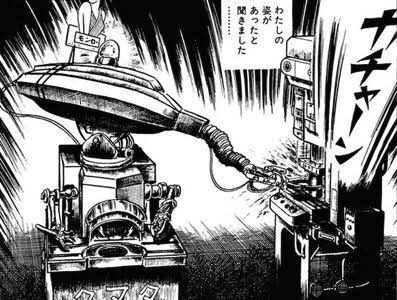
An industrial robot manufactured by Kumata Machine Tools in 1982. Two machines were leased to Toyo Kogyo; the machine with Marilyn Monroe's picture on it was called "Monroe" and the one with Vivien Leigh's picture on it was called "Lee. Monroe was taught by Satoru's father, who would become unemployed due to Monroe's influence. He was also used for Satoru and Maizuru's childhood encounters, and the two typed in various information that later led to Monroe's consciousness as Shingo.
tax inspector
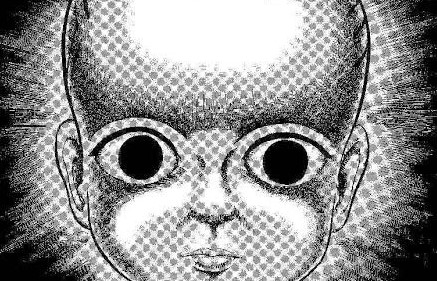
Shingo, who took the form of a human infant, has evolved in a short period of time by connecting with all kinds of consciousness. At first he was a square eyeball, but in the process of evolution he became a triangular eyeball. Then, when Shingo learned everything, he became a round eyeball and muttered, "I have become Maru," and he began to perform miracles by demonstrating his abilities as if he were an omniscient and omnipotent god.
Famous quotes, lines, scenes, and scenes from "I am Shingo
Mysterious message, "Miracles happen to everyone once, but no one knows they've happened."
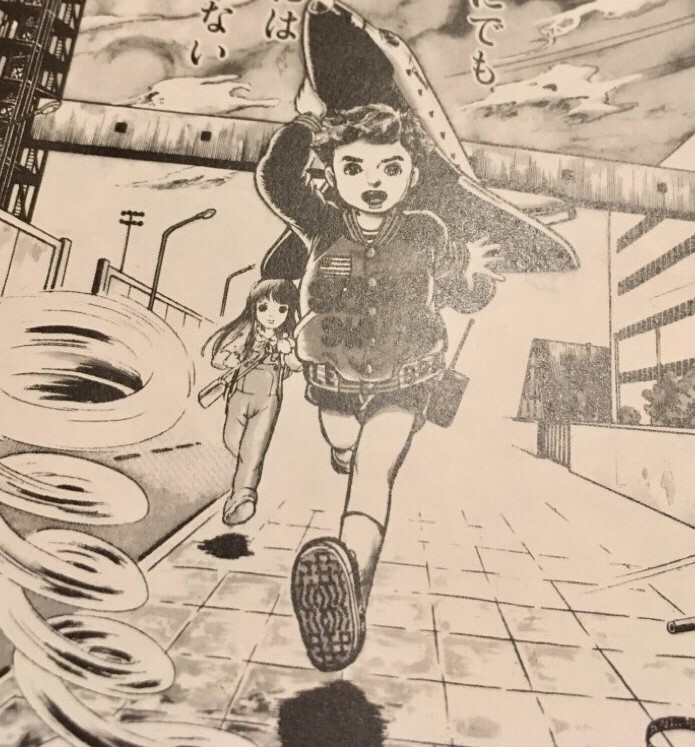
Cover of the first episode of "Shingo" (My Name is Shingo)
In the first episode of "Shingo: My Name is Shingo," the sentence "A miracle happens to everyone at least once, but no one notices that it has happened" is attached to the story. Known as one of the great mysteries of the work, many fans have speculated that the "miracle" was an action Shingo performed for Satoru and Maizuru, whom he considered to be his parents, and that both of them grew up without noticing Shingo's existence and actions. Incidentally, in some editions of the comic, "miracle" has been changed to "kiseki" in some comics.
Maizuru: "You'll never see us as children again!"

Ma-ring shedding tears in front of Satoru during a rainstorm
Maizuru, who was forced to part with Satoru when her father left for England, was terribly afraid that her childhood would end. Then, in front of Satoru, she cried, "I will never see us as children again! she said in tears. As a result, the two soon got married and tried to have children together. It is known as a quote that expresses the obsession with "being a child" in the work "I am Shingo.
Satoru and Maizuru climbing to the top of Tokyo Tower
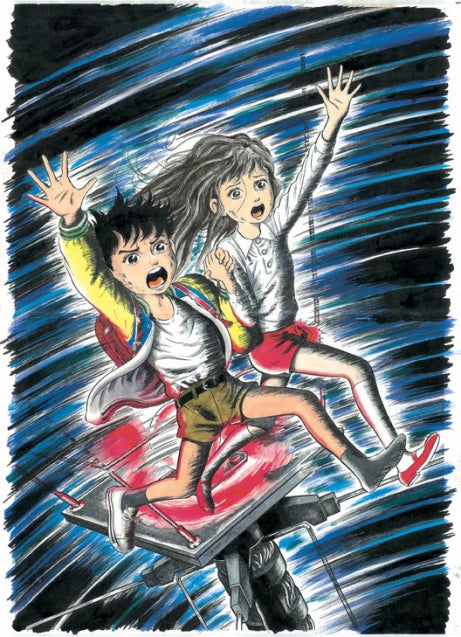
Satoru Kondo (left) and Masuzu Yamamoto (right) attempt to jump from the top of Tokyo Tower.
Of all the episodes in "Watashi wa Shingo," the scene that is said to leave the greatest impression on fans is the one in which Satoru and Maizuru jump from the top of the Tokyo Tower. This scene was created when the two, who did not know how to have a child, asked Monroe how to make one and interpreted the message "333 no teppenkaratobiutsure" in their own way. Kyoko Okazaki, a manga artist known for her work on "Helter Skelter," has repeatedly mentioned the scene's impact. The scene was also made into merchandise, including T-shirts printed with the scene.
Shingo saves Maizuru
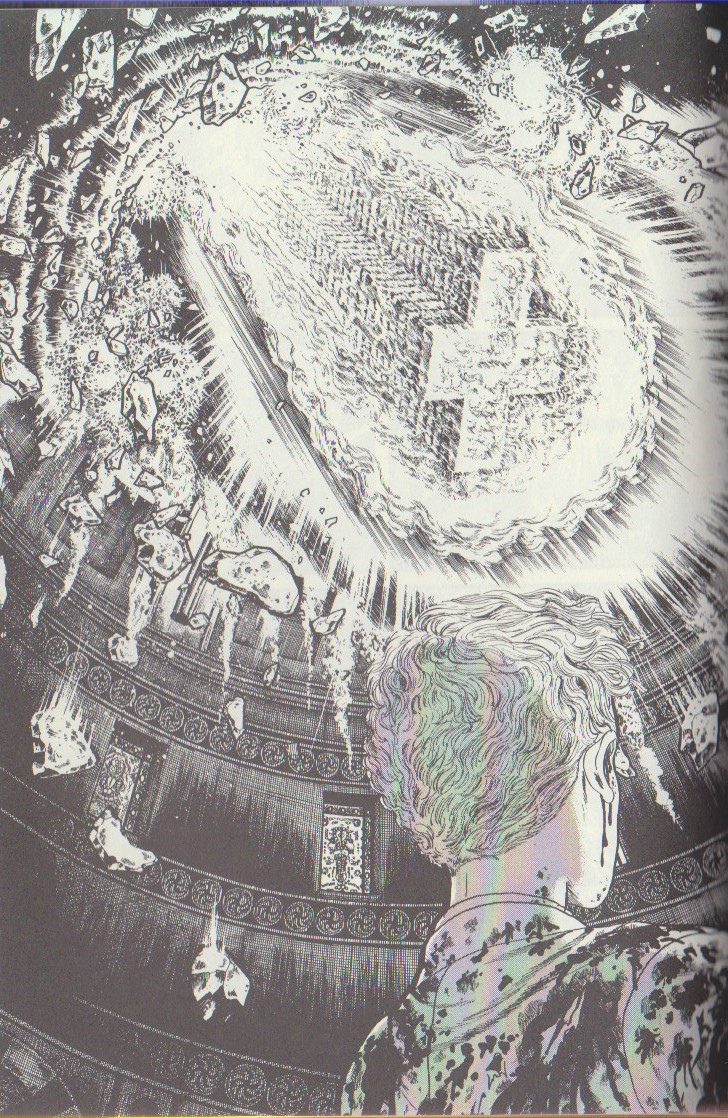
Shingo confronts Robin who tries to forcefully marry Maizuru
Shingo, who "became Maru" by connecting with all beings in the world, saved his mother, Ma-ring, from Robin's clutches without hesitation. As a result, Robin dies, and Shingo, having exhausted his abilities, begins to regress. Ironically, however, Maizuru is unaware of the existence of the Shingo she has created, and her childhood ends at that moment. This is one of the climactic scenes in "I am Shingo," and Ma-ring does not appear in the story thereafter.
Backstory, Trivia, and Small Stories/Episodes/Anecdotes about "I am Shingo".
Impressive cover
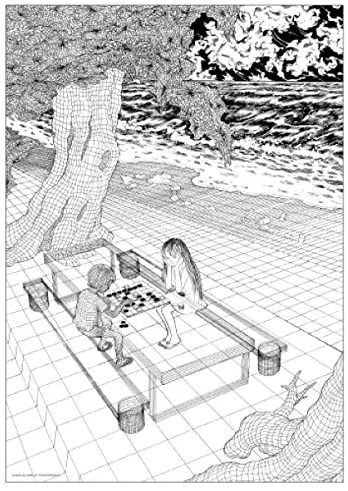
I am Shingo 02 Kazuo Umezu Art Photo Poster, A4 size, Silk-screen photo
When "Watashi wa Shingo" was serialized in "Big Comic Spirits," the cover artwork attracted a lot of attention. Many of the issues depicted boys and girls who appeared to be Satoru and Maizuru, as well as a group of inorganic machines, and they became so popular that they were made into T-shirts, posters, and other merchandise.
A work for the experts
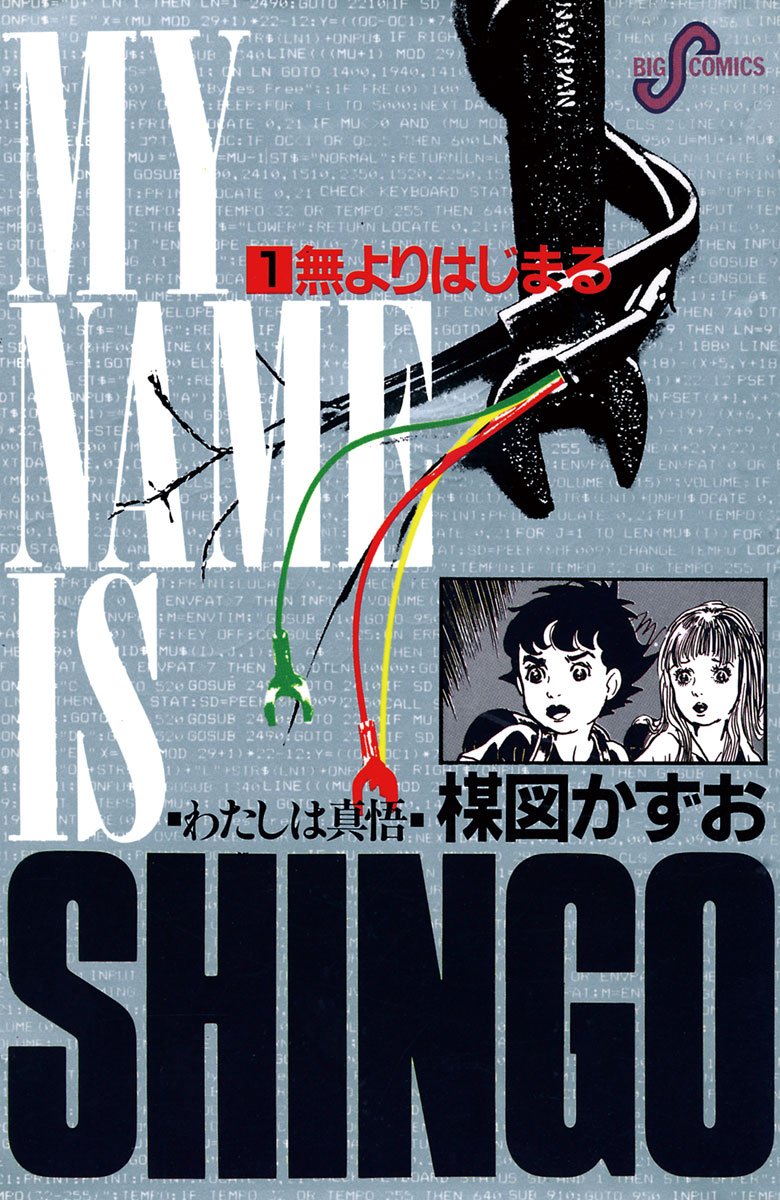
Cover of the first volume of the Big Comics edition of "My Name is Shingo

Related Articles
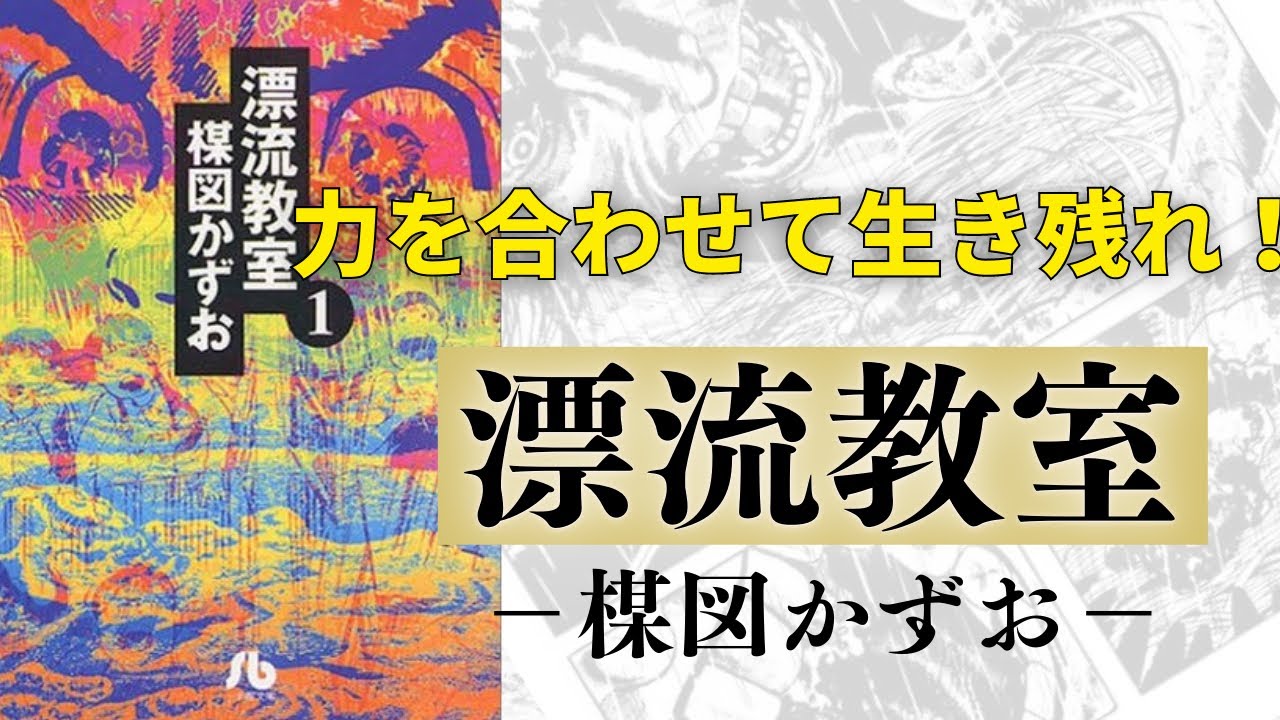
Spoiler commentary and discussion of Drifting Classroom (Kazuo Umezu)
Drifting Classroom" is a science fiction manga work by Kazuo Umezu that was serialized in "Weekly Shōnen Sunday" from 1972 to 1974. The themes are pollution and "the love between a mother and child that transcends time". One day, Yamato Elementary School, where Sho Takamatsu, a sixth grader, attends, is hit by a loud explosion and tremors. When the shaking stops and he looks outside the gate, he sees a devastated land. Not only the students but also the teachers panic and die one after another. Thrown into a future world ruined by environmental destruction, the children face various difficulties in their attempts to survive.
Read Article
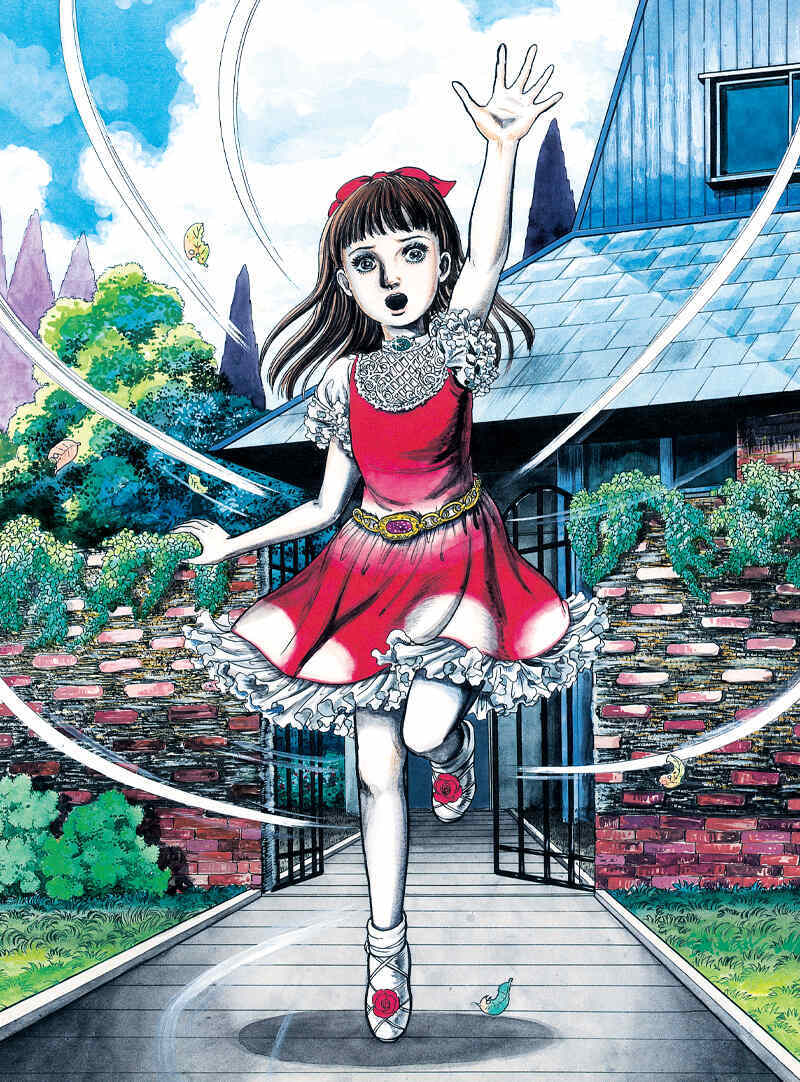
Summary of Spoiler Commentary and Discussion of Baptism (Kazuo Umezu)
Baptism" is a manga by Kazuo Umezu. It was serialized in "Weekly Shoujo Comic" magazine from 1974 to 1975. Kazuo Umezu is famous as a master of horror manga, and his specialty is a style that directly expresses the fear of deformed things. Although such scenes can be seen in "Baptism," it is characterized by its unique storytelling depicting the eeriness of the human psyche, and is highly regarded as one of his best works in the middle of his career. This horror film depicts how a once beautiful and accomplished actress entrusts her life to her own daughter in a terrifying way.
Read Article
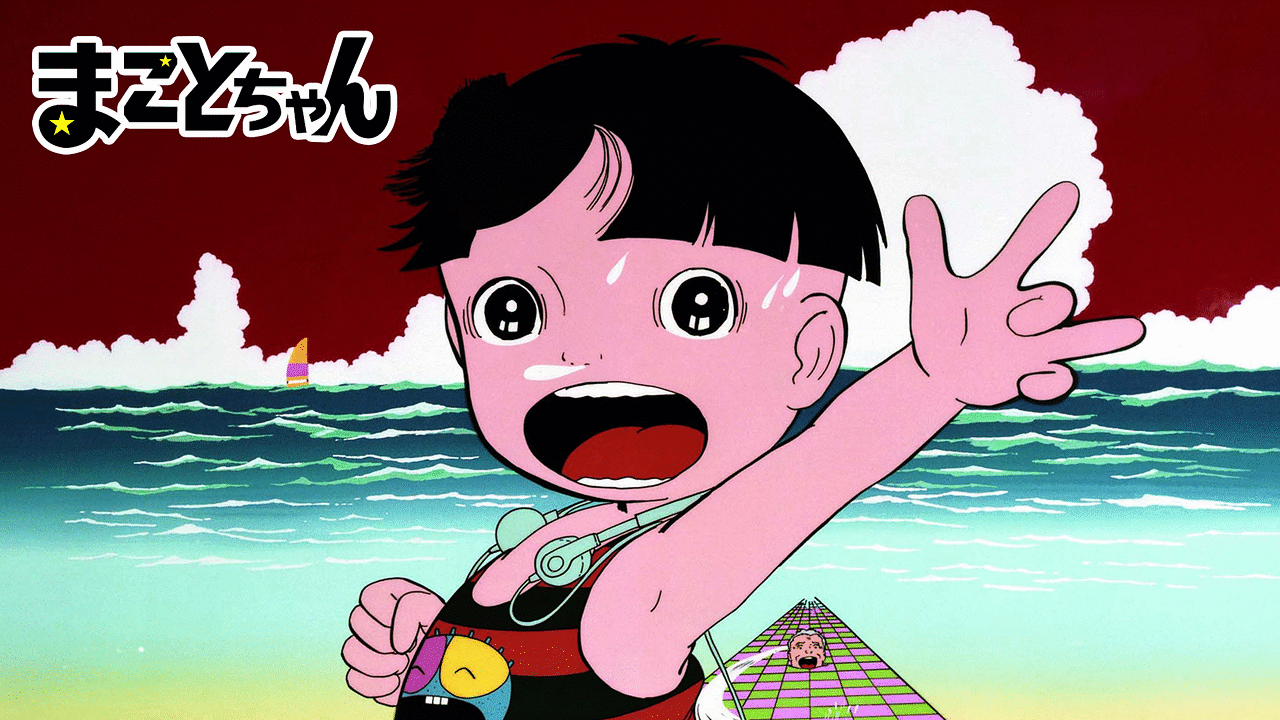
Summary of Makoto-chan (Kazuo Umezu) Spoiler Commentary and Discussion
Makoto-chan" is a manga by Kazuo Umezu. It was serialized in "Weekly Shōnen Sunday" from 1976 to 1981. There is also a sequel, "Cho! Makoto-chan" also exists. It is a work that is recognized as a representative gag manga of the 1970s together with "Gakideca", and was a big hit because Kazuo Umezu, a horror manga artist, created high tension gags while using horror techniques. It depicts the main character Makoto Sawada, a kindergartener, causing a great commotion at Seishu Kindergarten and the Sawada family, and the people involved in the commotion.
Read Article
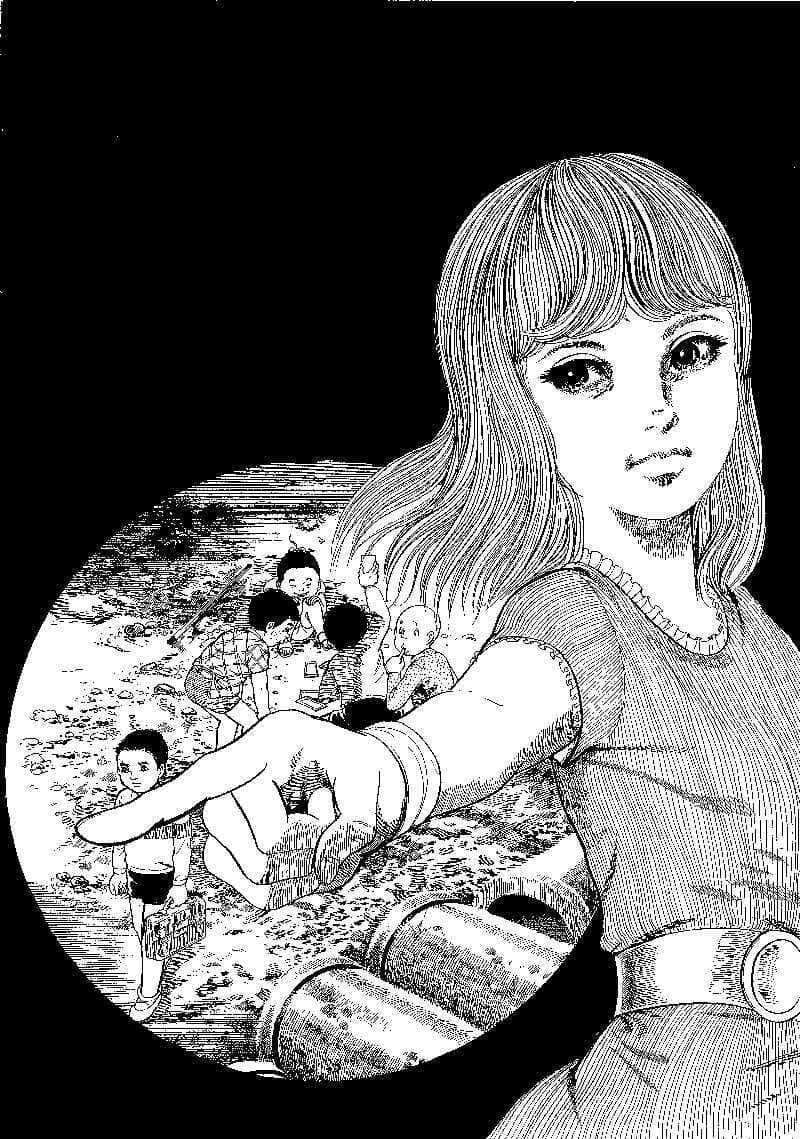
おろち(楳図かずお)のネタバレ解説・考察まとめ
『おろち』とは、楳図かずお原作のホラー漫画。『週刊少年サンデー』誌上にて、1969年から1970年まで連載された。2008年には、実写映画版が公開されている。同作品の特徴は、視覚的な恐怖描写よりも人間の深層心理の不気味さを克明に描いた点にあり、サイコサスペンスものの先駆けとして人気が高い。『おろち』は、謎の美少女おろちを狂言回しにして、数々の人間の暗部がドラマとして紡がれていくオムニバスホラー作品である。
Read Article
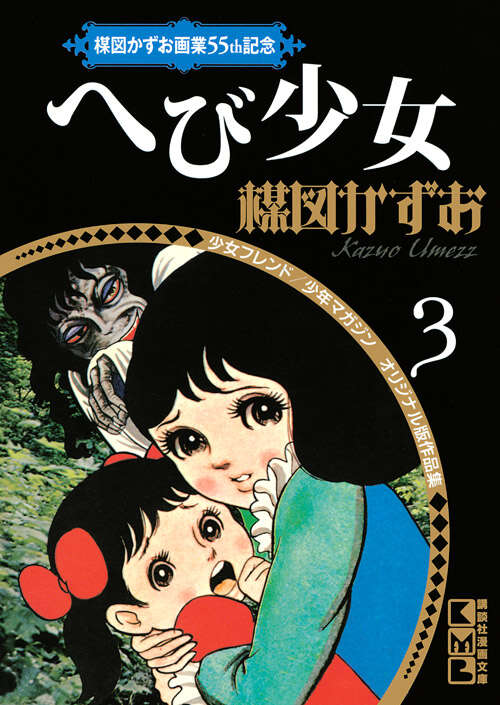
へび少女(楳図かずお)のネタバレ解説・考察まとめ
『へび少女』とは、楳図かずお原作のホラー漫画。1966年に、『週刊少女フレンド』誌上にて連載された。楳図かずおは、恐怖漫画の第一人者であるが、同作品が彼の出世作として知られている。少女が蛇に変身していく様が徹底したホラー描写で描かれており、多くの読者に強烈なインパクトを与えた。『へび少女』は、銃でうわばみを撃った祖父を持つ主人公の少女が、継母としてやって来たへび女の復讐によって、蛇に変身していく。そして、主人公の親友姉妹が、彼女を助けるために活躍するという物語である。
Read Article
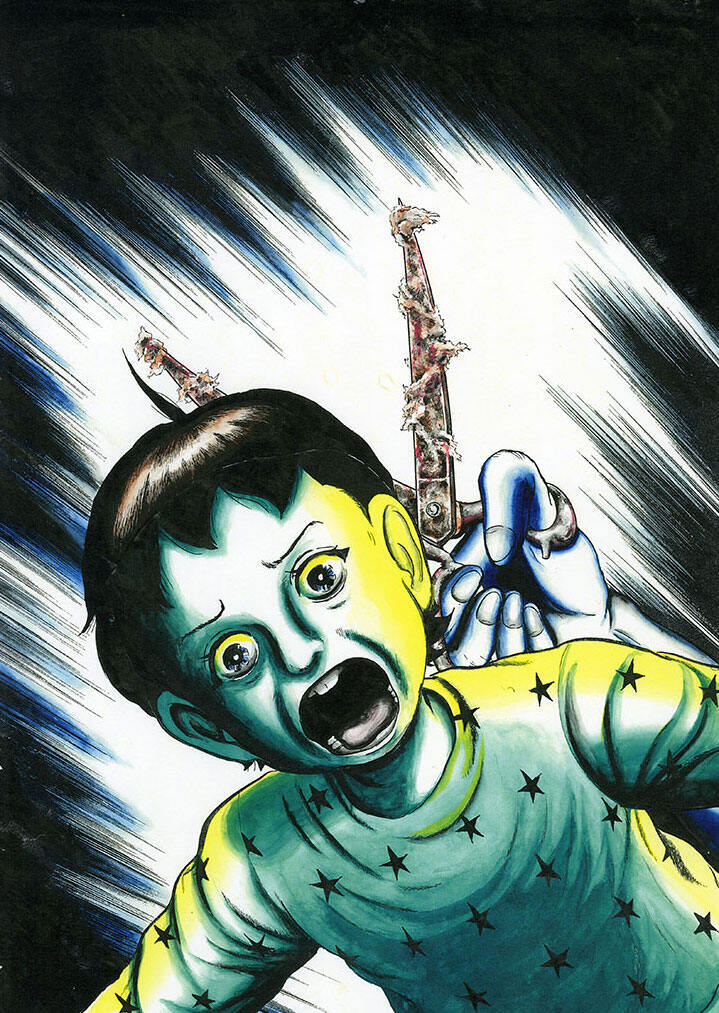
神の左手悪魔の右手(楳図かずお)のネタバレ解説・考察まとめ
『神の左手悪魔の右手』とは、楳図かずお原作のホラー漫画。『ビッグコミックスピリッツ』にて1986年から1988年まで連載された。メディアミックスとして2006年に実写映画版が公開されている。数多い楳図作品の中でも圧倒的なスプラッター・ゴア描写が展開されることで知られており、多くの読者に衝撃を与えたといわれている。同作品は、主人公の少年・山の辺想を狂言回しにして、彼の周辺で起きる恐怖現象や惨劇を描いたオムニバスホラー漫画である。
Read Article
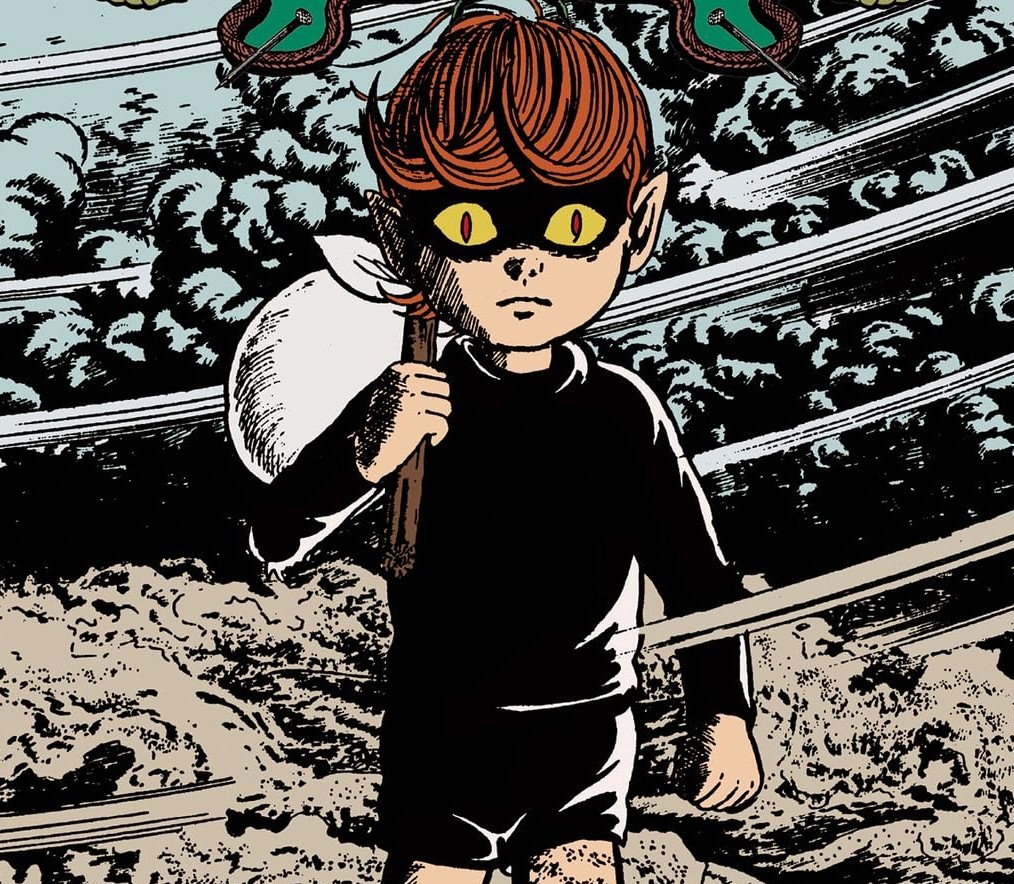
猫目小僧(楳図かずお)のネタバレ解説・考察まとめ
『猫目小僧』とは、楳図かずお原作のホラー漫画。1967年から1968年まで『少年画報』、1968年から1969年まで『週刊少年キング』で連載され、1976年に『週刊少年サンデー』 に短編4話が掲載された。メディアミックスとしてテレビアニメ版と実写映画版がある。人間に近い風貌をした主人公の妖怪、猫目小僧が人間と妖怪双方に忌み嫌われながらさすらいの旅を続け、行く先々で奇怪な事件に巻き込まれる様子を描いたホラー作品であり、楳図の代表作の1つとして知られている。
Read Article
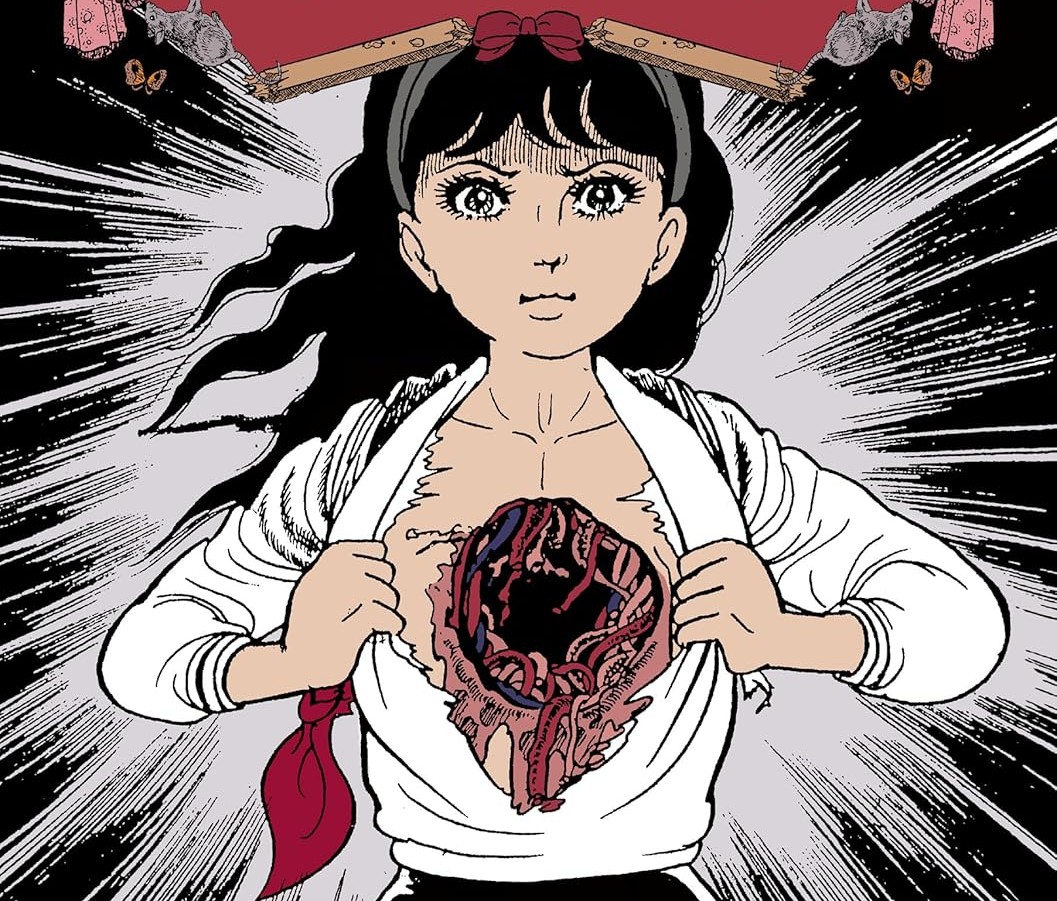
恐怖(高校生記者シリーズ)のネタバレ解説・考察まとめ
『恐怖』とは、楳図かずおによるホラー漫画。『月刊平凡』にて1966年から1970年まで連載された『高校生記者シリーズ』をコミックスにまとめたものである。全21エピソードから成り、視覚的な怖さやサイコサスペンス的な恐ろしさなど、あらゆる形の恐怖ストーリーが描かれている。同作品はみやこ高校新聞部に所属する高校生男女が、様々な恐怖体験や事件に巻き込まれていくホラー作品である。
Read Article
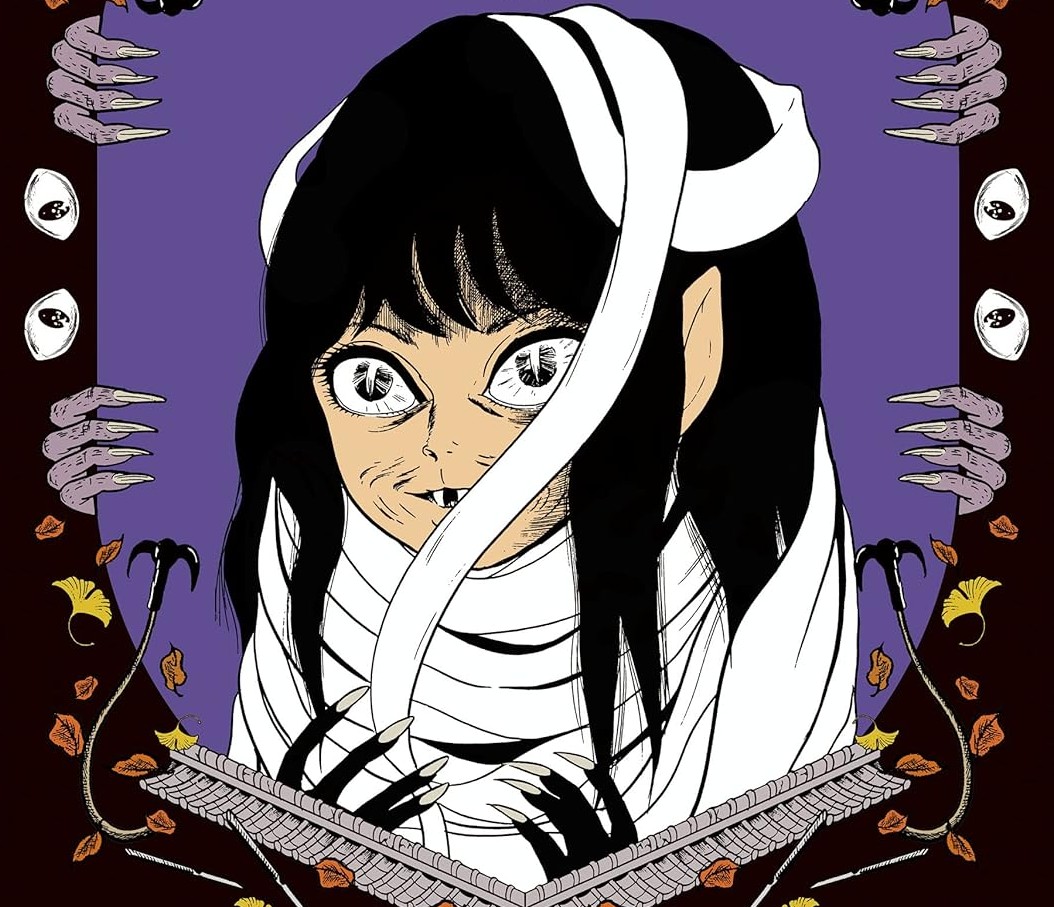
黒いねこ面(楳図かずお)のネタバレ解説・考察まとめ
『黒いねこ面』とは、楳図かずおによるホラー漫画。1966年に『週刊少女フレンド』誌上にて連載された。ホラー漫画の第一人者である楳図の出世作の1つとして知られており、同時期に描かれた『へび少女』や『紅グモ』と共にファンの間で人気が高い。また、化け猫をモチーフにした物語と視覚的な恐怖描写で、多くの読者に衝撃を与えた。『黒いねこ面』は、江戸時代に起きた飼い主一家惨殺事件の復讐劇であり、化け猫が転生した少女に襲われる主人公の少女の恐怖と不条理が描かれている。
Read Article
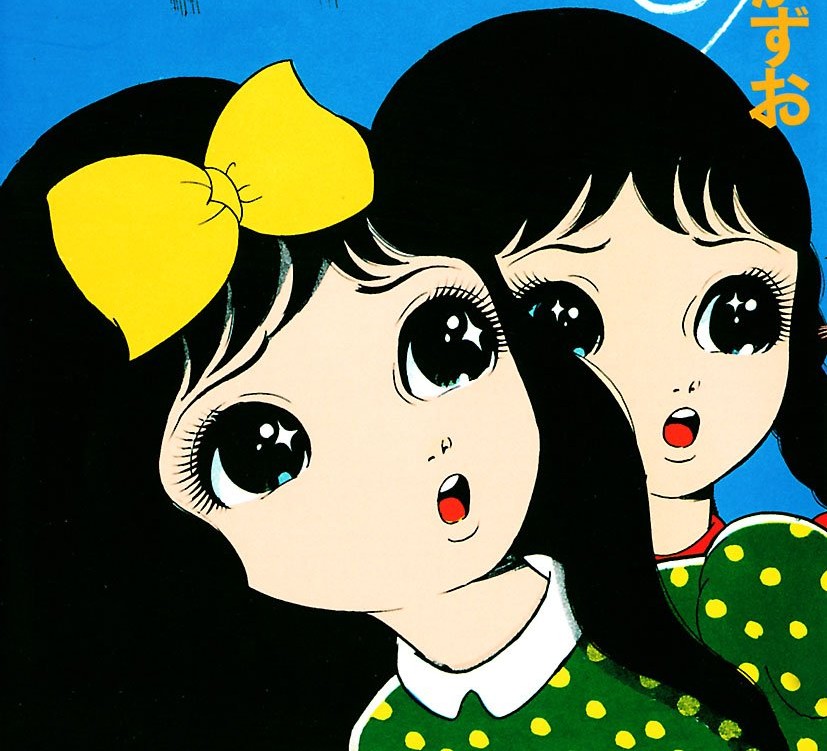
紅グモ(楳図かずお)のネタバレ解説・考察まとめ
『紅グモ』とは、楳図かずおによる恐怖漫画。1965年から1966年にかけて『週刊少女フレンド』にて連載された。楳図の少女向け作品初期の傑作として知られている。クモを題材にして人間が異形の者に変貌する怖さと、少女姉妹の明暗を分けた不条理ドラマが見どころである。同漫画は、可愛らしい姉妹が継母の策略に嵌り、紅グモという恐ろしい虫に翻弄されていく様子が描かれたホラー作品である。
Read Article
Tags
Contents
- Summary of "I am Shingo
- Synopsis and story of "I am Shingo
- Programming in Logic
- Satoru and Maizuru
- Two people torn apart.
- Robot with consciousness
- End of childhood
- Satoru watashi haima mo nata gaskidesu marin.
- Characters in "My Name is Shingo
- main characters
- Satoru Kondo
- Marin Yamamoto
- Shingo
- Satoru's relations (Satoru no kankeisha)
- Kondo Isamu
- Haruhi Kondo
- Numata
- bosom
- calm
- Kuki
- Marin related persons (Marin kankeisha)
- Father of Marin Chichi
- Marin's mother
- robin
- Shingo's relations (Shingo no kankeisha)
- Lee.
- President
- powdered silk threading (used in ceremonial court dress, covered in fabric and decorated with gold leaf)
- dad
- Ota, Naoya.
- brave
- Miki Matsuura
- Other (that other)
- Biker gang "Hari no me" (Biker gang "Hari no me")
- The Mysterious Trio (Nazo no San-nin Gumi)
- Leader of the delinquents
- 松田(まつだ)
- Terms of "I am Shingo
- Yutaka Kogyo
- モンロー
- tax inspector
- Famous quotes, lines, scenes, and scenes from "I am Shingo
- Mysterious message, "Miracles happen to everyone once, but no one knows they've happened."
- Maizuru: "You'll never see us as children again!"
- Satoru and Maizuru climbing to the top of Tokyo Tower
- Shingo saves Maizuru
- Backstory, Trivia, and Small Stories/Episodes/Anecdotes about "I am Shingo".
- Impressive cover
- A work for the experts
- The musical version stars Mitsuki Takahata and Mugi Kadowaki.