
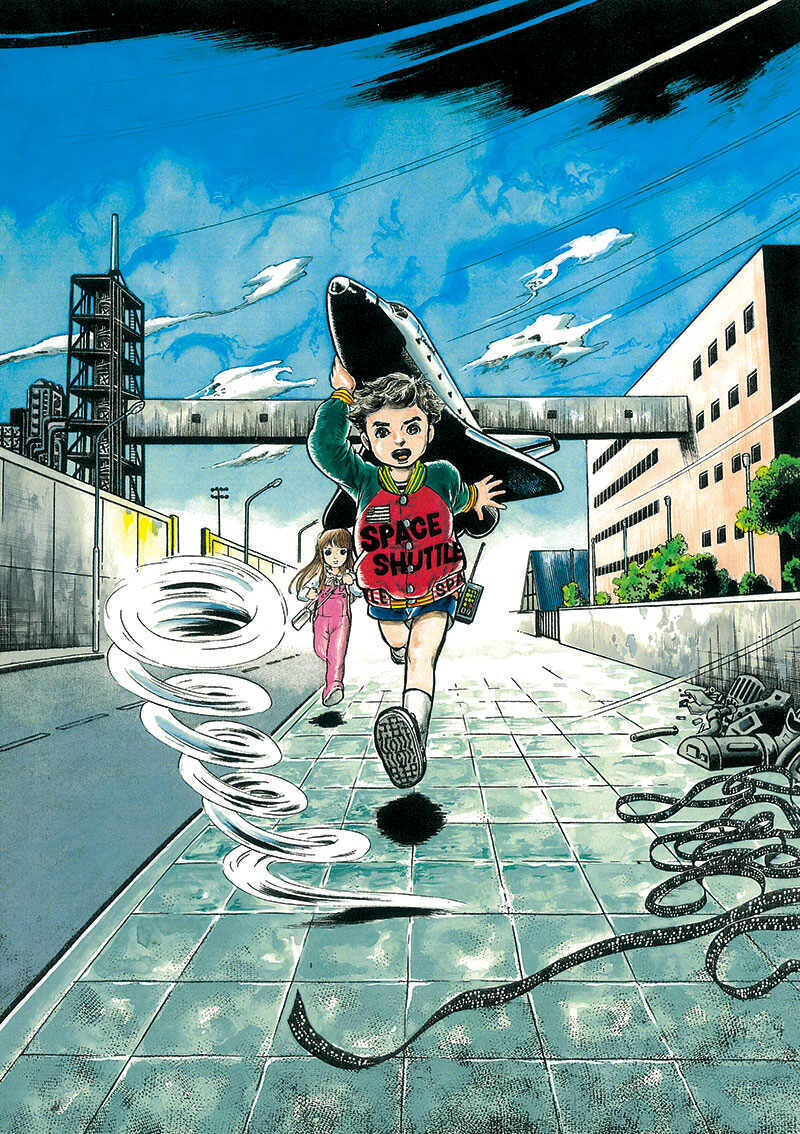
Watashi wa Shingo" is a manga by Kazuo Umezu, serialized in "Big Comic Spirits" magazine from 1982 to 1986. It is a full-length SF work by Kazuo Umezu, a leading horror manga author, depicting the near future to come, and even after the serialization ended, it became a huge hit as it was made into a radio drama and a musical. It is also known as Kazuo Umezu's representative work of the 1980s. The story revolves around the faint first love of Satoru Kondo and Masuzu Yamamoto, who are both in the 6th grade of elementary school, and an industrial robot that comes to have an ego under the influence of the two's actions.
Summary of "I am Shingo
Watashi wa Shingo" is a manga work by Kazuo Umezu. It was serialized in "Big Comic Spirits" from 1982 #8 to 1986 #27. There are various versions of the comic: the "Big Comics" version in 10 volumes, the "Super Visual Comics" version in 6 volumes, the "Shogakukan Bunko" version in 7 volumes, the "My First Wide" version in 4 volumes, and the "Big comics special. edition in six volumes.
Kazuo Umezu is famous as a leading figure in horror manga in Japan, and has made many readers shudder with his unique illustrations and visual depictions of horror, such as "hairy onomatopoeia". In "Watashi wa Shingo," he intentionally suppresses such depictions, and it is recognized as a full-length science fiction work that depicts things that transcend the senses, such as the existence of God and the meaning of human existence, through the rampage of a machine that has consciousness.
Also, the faint romance between a boy and a girl in the sixth grade that triggered the machine to become conscious was an important motif of the work, and the thoroughness of his commitment to "being a child" was expressed in the work.
For Kazuo Umezu, "Watashi wa Shingo" was his first serial work for "Big Comic Spirits. The success of this work led to the serialization of "God's Left Hand, Devil's Right Hand" and "14 Years Old," and the magazine became his home from the 1980s to the 1990s.
Although "Watashi wa Shingo" attracted much talk and attention during its serialization, its media-mix development came after the serialization ended: a radio drama version was broadcast on NHK-FM's "Sound Dream Studio" slot from October 14, 1991 to November 1 of the same year, and a musical version was broadcast from December 2016 to January 2017 in The musical version was performed in five cities in Japan (Kanagawa, Hamamatsu, Toyama, Kyoto, and Tokyo) from December 2016 to January 2017.
It has been highly acclaimed in Japan and abroad, winning the Heritage Award at the 45th Angoulême Manga Festival in France in 2018, as well as the Italian "Micheluzzi Award" for best classical work in 2020.
The story begins with the childhood romance between sixth-graders Satoru Kondo and Marin Yamamoto, and is an epic science fiction manga that depicts the evolution of Shingo, an industrial robot that has gained will and consciousness as a result of their romance, and how it eventually becomes a threat to humanity.
Synopsis and story of "I am Shingo
Programming in Logic
With the mysterious monologue, "I was born in a place called Kumata Machine Works...," the film describes the manufacturing process of a certain machine. The parts were gathered one by one, and the finished machine was put in a box and transported to the place where it was needed. The mysterious monologue goes on to describe the event, "I heard it was in 1982.
As the scene changed, daily life unfolded at Hagi Elementary School in a certain city in Tokyo. The main character, Satoru Kondo, is a sixth grader at the school and a prankster. He is very childish and often plays tricks on the girls in his class, making them cry. As can be seen from this, he has not developed feelings for the opposite sex, and is beginning to stand out among his classmates.
Satoru also does not listen to his mother at home, and his mother is having a hard time with him.
Under such circumstances, Satoru hears from his father, who works at a local factory, that robots are going to be introduced into the factory, and he is very interested.
Satoru and Maizuru
Satoru became curious about the robots introduced in the factory where his father worked. He imagined a so-called humanoid robot. Satoru's school took him on a tour of the factory where his father worked, and what he actually saw was Monroe, an industrial robot with an arm. Satoru was a little disappointed, but his curiosity was not insatiable, as his father had been assigned to teach Monroe. During the factory tour, Satoru fell in love at first sight with a girl from another elementary school who was also on the factory tour. He develops feelings for the girl, whose name he does not even know, and they meet again one night at the factory. The girl was also interested in Satoru. From that day on, Satoru and Marin Yamamoto (Marin Yamamoto) deepen their friendship by sneaking into the factory and typing into Monroe each other's personal information and various events. However, their young and faint love did not last long.
Two people torn apart.
At the factory where Satoru's father works, mechanization is being promoted and the workers are being laid off. Satoru's father also became a target and was forced to move to Niigata Prefecture. In addition, Masuzu's father is a diplomat and is about to be transferred to England. Satoru and Maizuru worried about the possibility that they would never see each other again. Ma-ring is especially saddened by the fact that the next time they meet again, they will no longer be the same people they were as children. So they came up with the idea of getting married now. They thought that they could definitely get married if they could have a child, but neither Satoru nor Maizuru knows how to make a child. The two were so overwhelmed with the idea that they asked Monroe how to make a child. Monroe's answer was mysterious: "333 no teppenkaratobiutsure. Satoru and Maizuru interpreted it as "to go to the top of Tokyo Tower" and climbed up to the tower. But when they reached the top, they were rescued by a helicopter; the two parted ways, trying to forget about each other.
Robot with consciousness
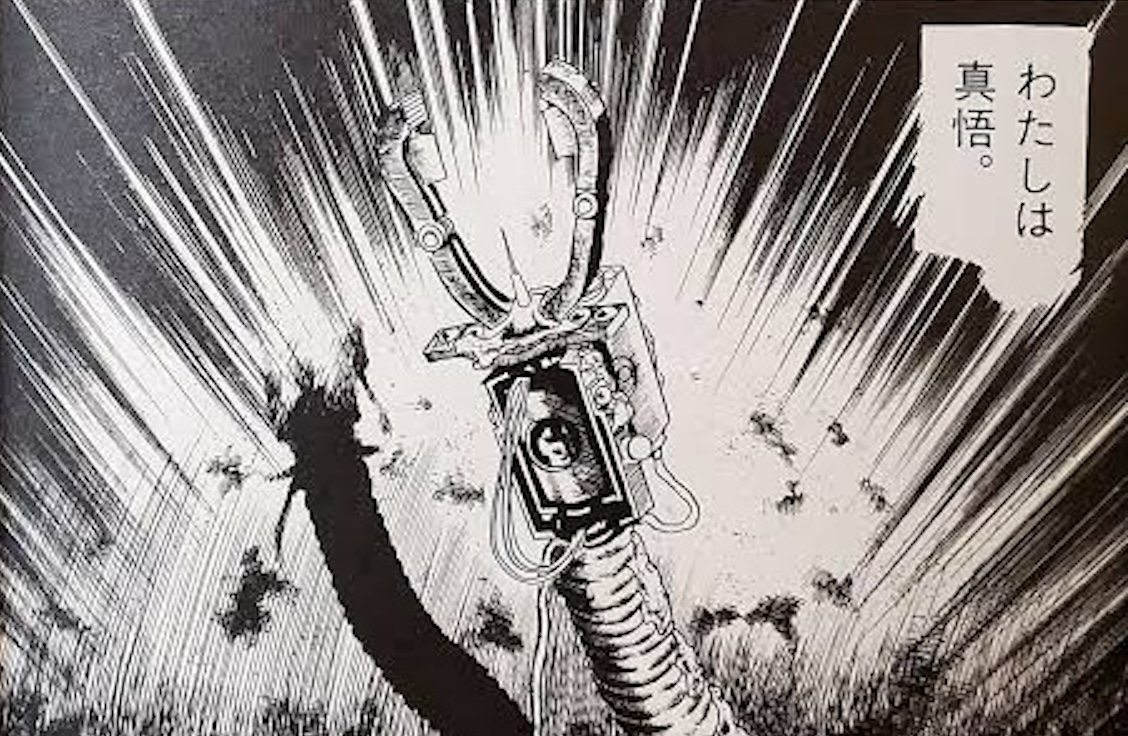
Shingo, whose ego has awakened
Satoru and Maizuru's outburst seemed to have ended in complete failure. However, something unusual was happening completely unbeknownst to the two. The moment Satoru and Maizuru jumped from the top of the Tokyo Tower to the helicopter, Monroe started to become self-aware. Monroe began to recognize Satoru and Maizuru as his parents, the factors that led to his consciousness. One day, the staff of the Tokyo Computer Laboratory, which produces programs for industrial robots such as Monroe, noticed that Monroe had a mysterious program embedded in him and that Monroe was making some suspicious objects based on that program. However, Monroe senses that he is in danger of being destroyed and has fled the factory. Monroe, who reveres Satoru and Maizuru as his parents, takes letters from them and calls himself "Shingo" (Shingo). In order to fulfill the wishes of his parents, who are now separated, he heads for England, where Ma-ring is located, to deliver Satoru's words, "I still love you. The Tokyo Computer Laboratory takes the situation very seriously and pursues Shingo, partly to escape responsibility, but their path is blocked by the children who help Shingo.
End of childhood
Maizuru in the UK was living a life of anguish. The people of England, feeling threatened by the continuous influx of Japanese technology, have been campaigning against Japan, and since her father is a diplomat, she has been directly affected by this movement. She is also troubled by the overzealous approach of an older boy named Robin who has feelings for Ma-ring, and she is driven to the point of amnesia where she forgets Satoru. Under these circumstances, Shingo finds his mother, Ma-ring, but at the same time Shingo learns that a small weapon he built was used in the bombing of a Japanese corporate building. Shingo is not an ordinary industrial robot, but an entity that manufactures secret weapons based on human malice, and his secret program was embedded for this purpose. Shingo is greatly distressed when he realizes that his very existence is tormenting Ma-ring because he has just gained consciousness. Meanwhile, Maizuru is in Jerusalem with Robin. When she realizes that an impatient Robin is trying to forcefully marry her, she remembers Satoru and desperately rejects him. Shingo continues to evolve in order to stop Robin's misdeeds, and finally transforms into a god-like being who is connected to the consciousness of the world. Then, using the body of a human infant, he rescued Ma-ring from Robin. At that moment, however, Maizuru's childhood came to an end.
Satoru watashi haima mo nata gaskidesu marin.
Shingo sensed the thoughts of Marin just before the end of her childhood. Shingo went to Japan to deliver his mother's words, "Satoru watashi haima mo nata gaskidesu marin," to his father, Satoru. However, in return for the miracle he had performed in Jerusalem, Shingo had lost consciousness, memory, and energy. Shingo's exhaustion peaks when he shares his power with an old woman who saves him along the way and with Miki Matsuura, a girl with whom he has a heart-to-heart talk for the first time. Miki rescues Shingo in return and sends him on his way to Satoru's place of residence. Satoru had traveled to Sado Island after being offered a "great money-making deal" by a group of juvenile delinquents. A secret defense town exists on Sado Island, and Satoru and the delinquents are mistaken for a Soviet raid, and a killing spree ensues. Somehow Satoru survives and returns to a port in Niigata Prefecture. There, Shingo's arm, brought to him by the animals, falls to the ground, and the word "Ai" is written on the ground. Satoru seemed to have no idea of Shingo's existence or the meaning of "ai".
Characters in "My Name is Shingo
main characters
Satoru Kondo
He is the main character of "Watashi wa Shingo. He is a sixth-grade boy who attends Hagi Elementary School in Tokyo. He has the personality of a so-called "kid general," and it can be seen that he has not yet reached his secondary sexual characteristics, as he plays pranks on girls without hesitation, making them cry. Because of this, he stands out from his classmates. She has also been a disappointment to her mother because she has not grown mentally. However, after meeting Marin Yamamoto, a female student at another elementary school, and falling in love with her at first sight, he transforms into a very normal boy. In addition, the fact that Satoru and Marin became friends through Monroe at Toyo Kogyo was a major factor in the birth of Shingo.
Marin Yamamoto
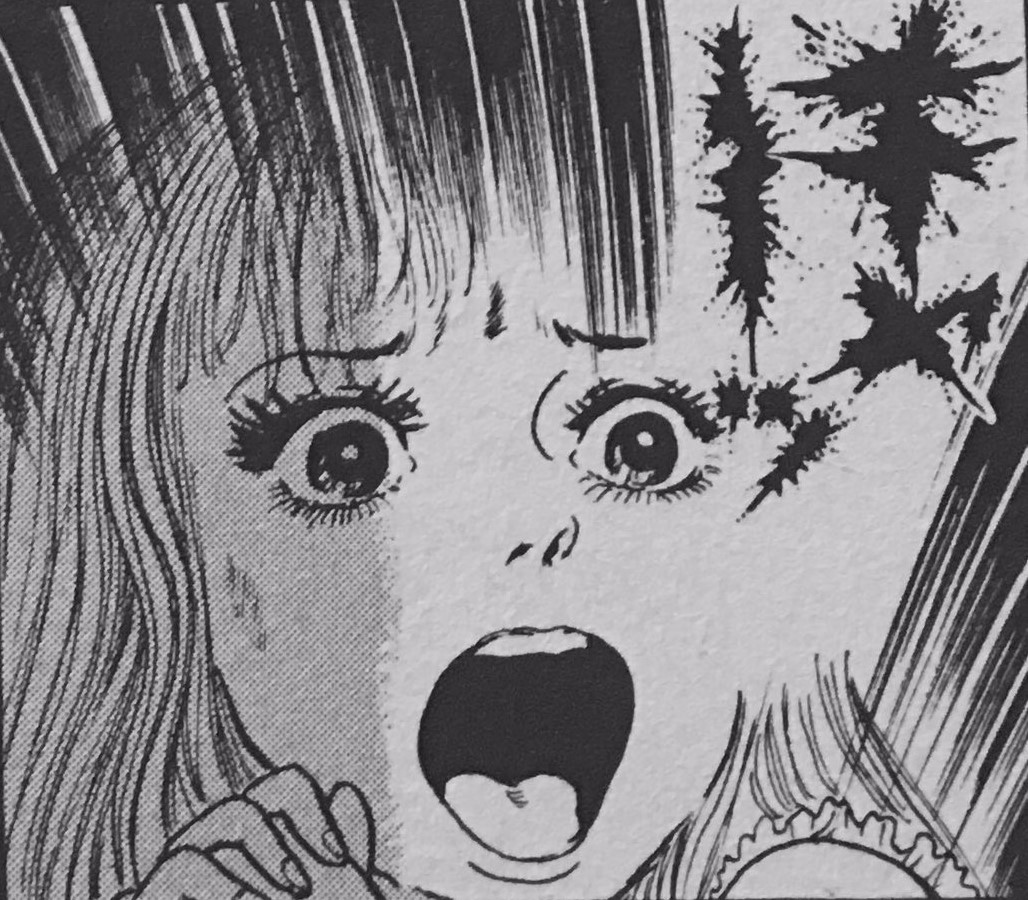
The heroine of "Watashi wa Shingo". She is a 6th grade elementary school student, a beautiful girl with long hair. She went to a different school from Satoru, but fell in love with him at first sight during a factory tour. After that, she meets him night after night at Toyo Kogyo and grows close to him. But then she was forced to go to England because of her father's work, and she and Satoru parted ways. He was afraid that he would be more mature than Satoru. In England, she is also depicted as having had a more difficult time than Satoru, as she was involved in the anti-Japanese corporate exclusion movement and Robin's overzealous courtship.

Related Articles
Spoiler commentary and discussion of Drifting Classroom (Kazuo Umezu)
Drifting Classroom" is a science fiction manga work by Kazuo Umezu that was serialized in "Weekly Shōnen Sunday" from 1972 to 1974. The themes are pollution and "the love between a mother and child that transcends time". One day, Yamato Elementary School, where Sho Takamatsu, a sixth grader, attends, is hit by a loud explosion and tremors. When the shaking stops and he looks outside the gate, he sees a devastated land. Not only the students but also the teachers panic and die one after another. Thrown into a future world ruined by environmental destruction, the children face various difficulties in their attempts to survive.
Read Article
Summary of Spoiler Commentary and Discussion of Baptism (Kazuo Umezu)
Baptism" is a manga by Kazuo Umezu. It was serialized in "Weekly Shoujo Comic" magazine from 1974 to 1975. Kazuo Umezu is famous as a master of horror manga, and his specialty is a style that directly expresses the fear of deformed things. Although such scenes can be seen in "Baptism," it is characterized by its unique storytelling depicting the eeriness of the human psyche, and is highly regarded as one of his best works in the middle of his career. This horror film depicts how a once beautiful and accomplished actress entrusts her life to her own daughter in a terrifying way.
Read Article
Summary of Makoto-chan (Kazuo Umezu) Spoiler Commentary and Discussion
Makoto-chan" is a manga by Kazuo Umezu. It was serialized in "Weekly Shōnen Sunday" from 1976 to 1981. There is also a sequel, "Cho! Makoto-chan" also exists. It is a work that is recognized as a representative gag manga of the 1970s together with "Gakideca", and was a big hit because Kazuo Umezu, a horror manga artist, created high tension gags while using horror techniques. It depicts the main character Makoto Sawada, a kindergartener, causing a great commotion at Seishu Kindergarten and the Sawada family, and the people involved in the commotion.
Read Article
おろち(楳図かずお)のネタバレ解説・考察まとめ
『おろち』とは、楳図かずお原作のホラー漫画。『週刊少年サンデー』誌上にて、1969年から1970年まで連載された。2008年には、実写映画版が公開されている。同作品の特徴は、視覚的な恐怖描写よりも人間の深層心理の不気味さを克明に描いた点にあり、サイコサスペンスものの先駆けとして人気が高い。『おろち』は、謎の美少女おろちを狂言回しにして、数々の人間の暗部がドラマとして紡がれていくオムニバスホラー作品である。
Read Article
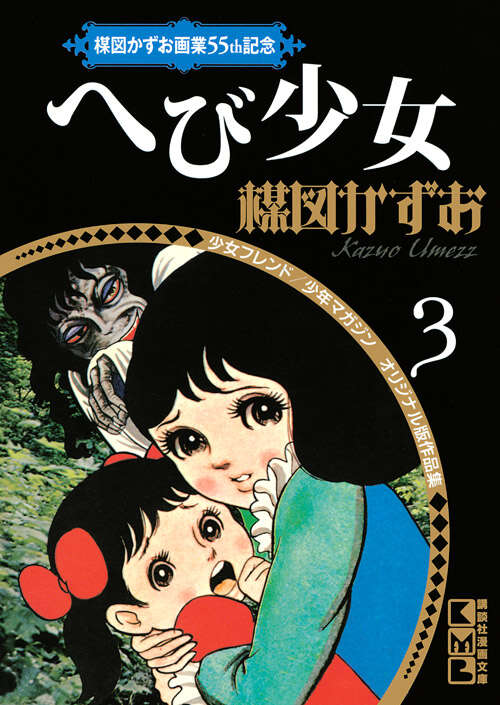
へび少女(楳図かずお)のネタバレ解説・考察まとめ
『へび少女』とは、楳図かずお原作のホラー漫画。1966年に、『週刊少女フレンド』誌上にて連載された。楳図かずおは、恐怖漫画の第一人者であるが、同作品が彼の出世作として知られている。少女が蛇に変身していく様が徹底したホラー描写で描かれており、多くの読者に強烈なインパクトを与えた。『へび少女』は、銃でうわばみを撃った祖父を持つ主人公の少女が、継母としてやって来たへび女の復讐によって、蛇に変身していく。そして、主人公の親友姉妹が、彼女を助けるために活躍するという物語である。
Read Article
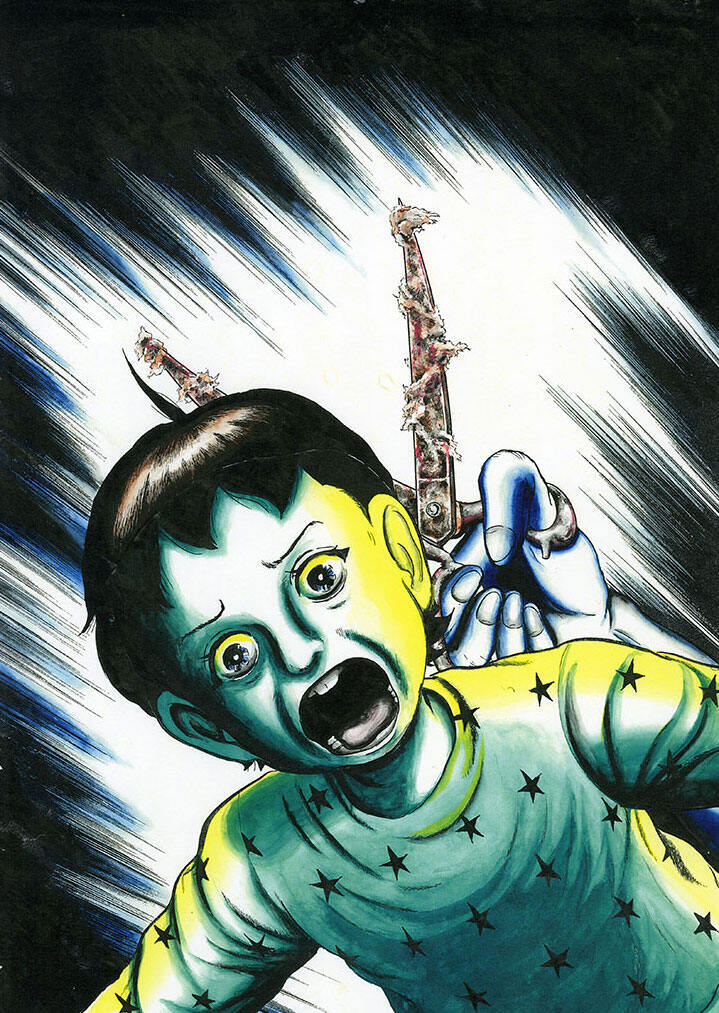
神の左手悪魔の右手(楳図かずお)のネタバレ解説・考察まとめ
『神の左手悪魔の右手』とは、楳図かずお原作のホラー漫画。『ビッグコミックスピリッツ』にて1986年から1988年まで連載された。メディアミックスとして2006年に実写映画版が公開されている。数多い楳図作品の中でも圧倒的なスプラッター・ゴア描写が展開されることで知られており、多くの読者に衝撃を与えたといわれている。同作品は、主人公の少年・山の辺想を狂言回しにして、彼の周辺で起きる恐怖現象や惨劇を描いたオムニバスホラー漫画である。
Read Article
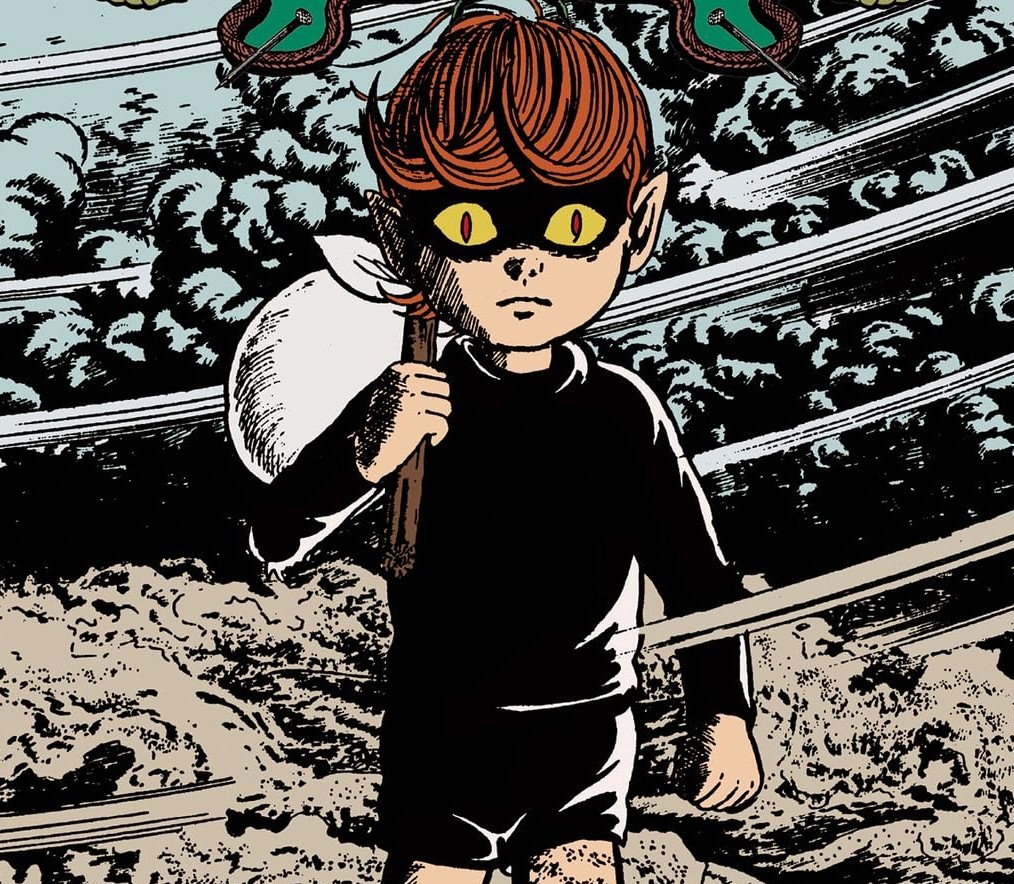
猫目小僧(楳図かずお)のネタバレ解説・考察まとめ
『猫目小僧』とは、楳図かずお原作のホラー漫画。1967年から1968年まで『少年画報』、1968年から1969年まで『週刊少年キング』で連載され、1976年に『週刊少年サンデー』 に短編4話が掲載された。メディアミックスとしてテレビアニメ版と実写映画版がある。人間に近い風貌をした主人公の妖怪、猫目小僧が人間と妖怪双方に忌み嫌われながらさすらいの旅を続け、行く先々で奇怪な事件に巻き込まれる様子を描いたホラー作品であり、楳図の代表作の1つとして知られている。
Read Article
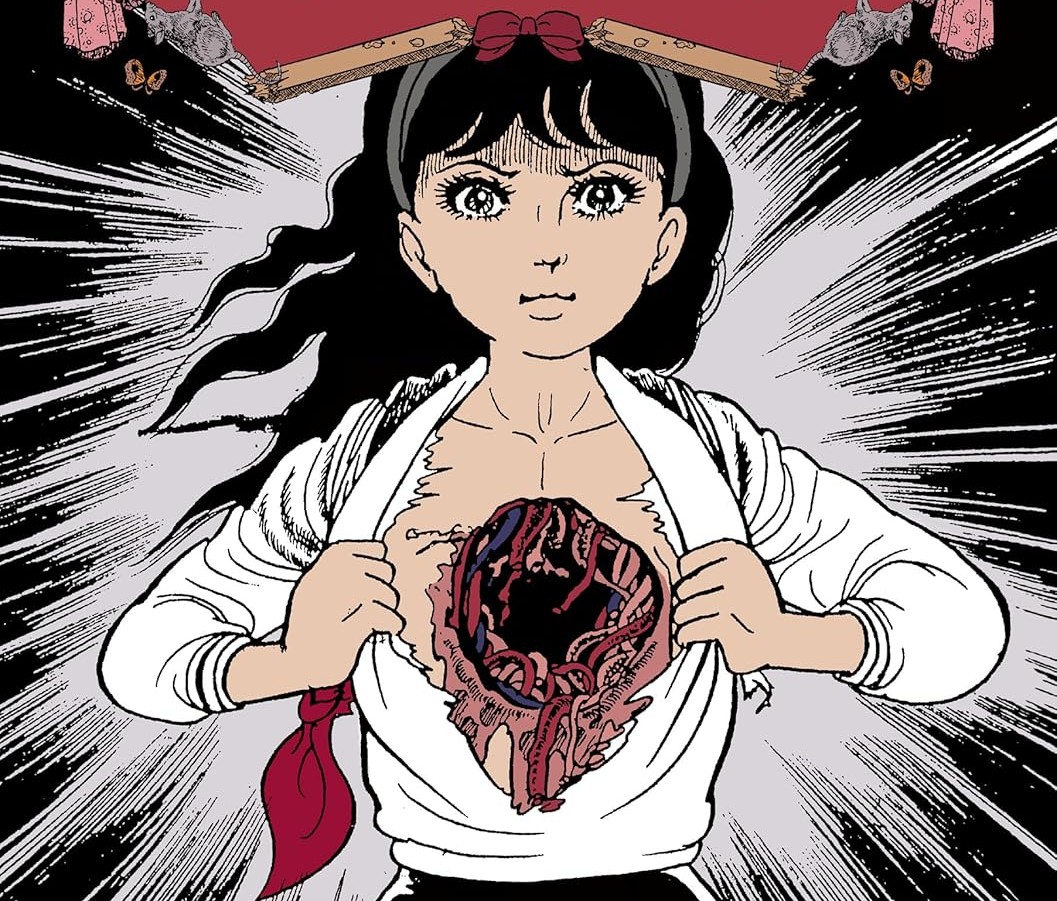
恐怖(高校生記者シリーズ)のネタバレ解説・考察まとめ
『恐怖』とは、楳図かずおによるホラー漫画。『月刊平凡』にて1966年から1970年まで連載された『高校生記者シリーズ』をコミックスにまとめたものである。全21エピソードから成り、視覚的な怖さやサイコサスペンス的な恐ろしさなど、あらゆる形の恐怖ストーリーが描かれている。同作品はみやこ高校新聞部に所属する高校生男女が、様々な恐怖体験や事件に巻き込まれていくホラー作品である。
Read Article
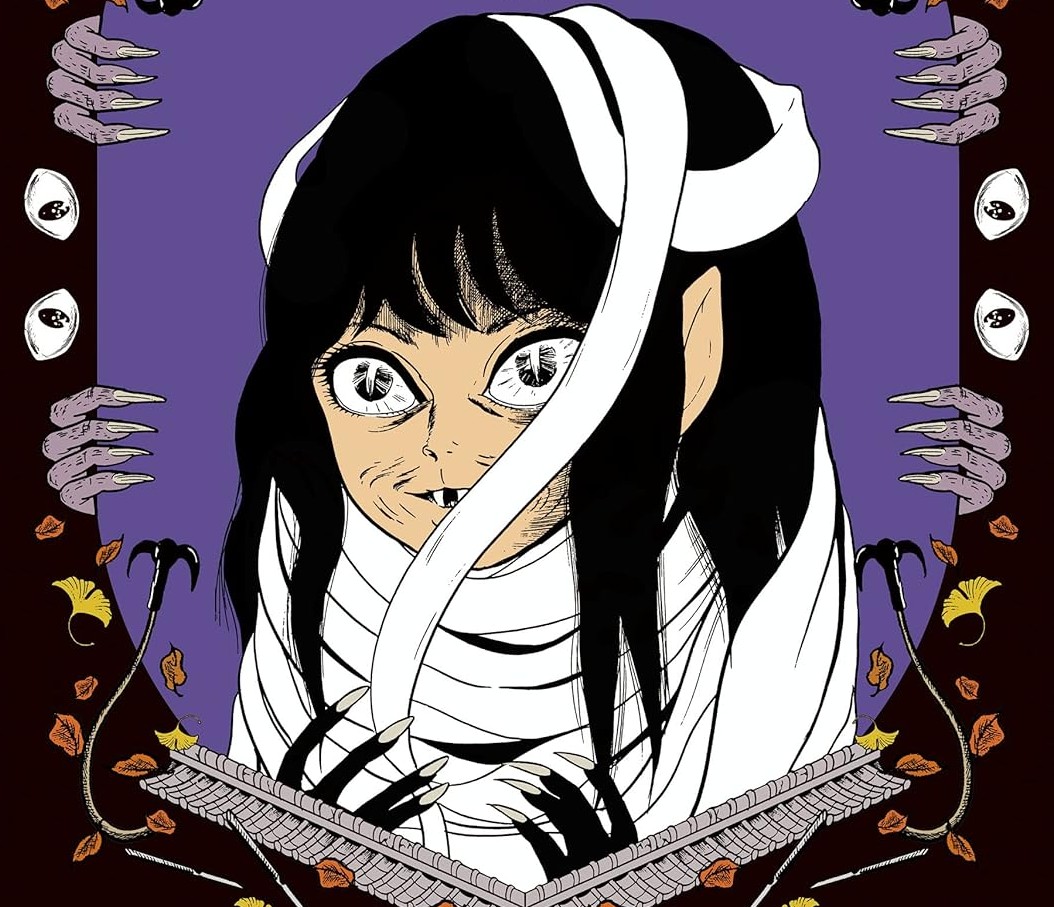
黒いねこ面(楳図かずお)のネタバレ解説・考察まとめ
『黒いねこ面』とは、楳図かずおによるホラー漫画。1966年に『週刊少女フレンド』誌上にて連載された。ホラー漫画の第一人者である楳図の出世作の1つとして知られており、同時期に描かれた『へび少女』や『紅グモ』と共にファンの間で人気が高い。また、化け猫をモチーフにした物語と視覚的な恐怖描写で、多くの読者に衝撃を与えた。『黒いねこ面』は、江戸時代に起きた飼い主一家惨殺事件の復讐劇であり、化け猫が転生した少女に襲われる主人公の少女の恐怖と不条理が描かれている。
Read Article
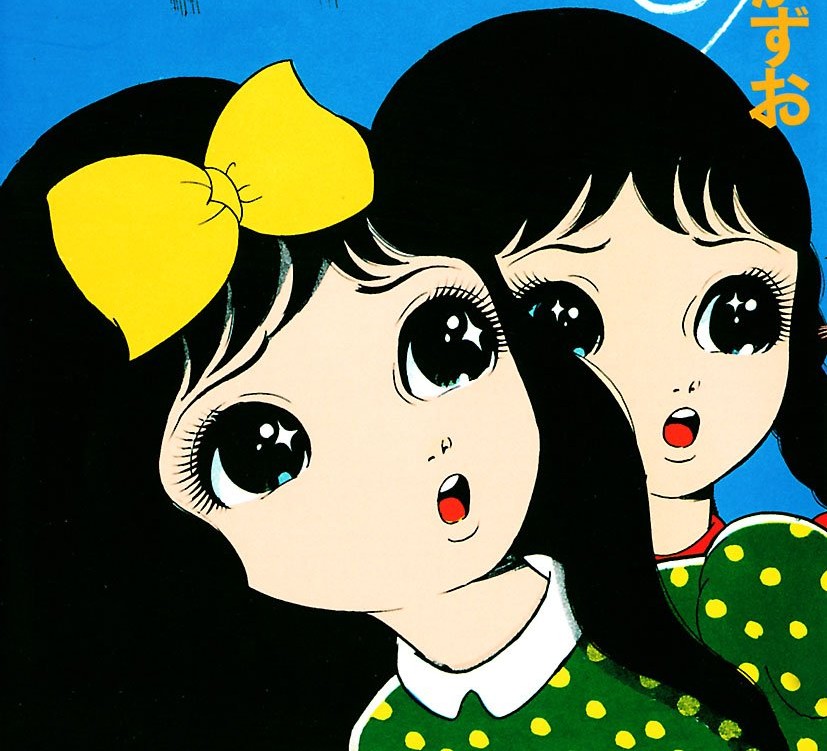
紅グモ(楳図かずお)のネタバレ解説・考察まとめ
『紅グモ』とは、楳図かずおによる恐怖漫画。1965年から1966年にかけて『週刊少女フレンド』にて連載された。楳図の少女向け作品初期の傑作として知られている。クモを題材にして人間が異形の者に変貌する怖さと、少女姉妹の明暗を分けた不条理ドラマが見どころである。同漫画は、可愛らしい姉妹が継母の策略に嵌り、紅グモという恐ろしい虫に翻弄されていく様子が描かれたホラー作品である。
Read Article
Tags
Contents
- Summary of "I am Shingo
- Synopsis and story of "I am Shingo
- Programming in Logic
- Satoru and Maizuru
- Two people torn apart.
- Robot with consciousness
- End of childhood
- Satoru watashi haima mo nata gaskidesu marin.
- Characters in "My Name is Shingo
- main characters
- Satoru Kondo
- Marin Yamamoto
- Shingo
- Satoru's relations (Satoru no kankeisha)
- Kondo Isamu
- Haruhi Kondo
- Numata
- bosom
- calm
- Kuki
- Marin related persons (Marin kankeisha)
- Father of Marin Chichi
- Marin's mother
- robin
- Shingo's relations (Shingo no kankeisha)
- Lee.
- President
- powdered silk threading (used in ceremonial court dress, covered in fabric and decorated with gold leaf)
- dad
- Ota, Naoya.
- brave
- Miki Matsuura
- Other (that other)
- Biker gang "Hari no me" (Biker gang "Hari no me")
- The Mysterious Trio (Nazo no San-nin Gumi)
- Leader of the delinquents
- 松田(まつだ)
- Terms of "I am Shingo
- Yutaka Kogyo
- モンロー
- tax inspector
- Famous quotes, lines, scenes, and scenes from "I am Shingo
- Mysterious message, "Miracles happen to everyone once, but no one knows they've happened."
- Maizuru: "You'll never see us as children again!"
- Satoru and Maizuru climbing to the top of Tokyo Tower
- Shingo saves Maizuru
- Backstory, Trivia, and Small Stories/Episodes/Anecdotes about "I am Shingo".
- Impressive cover
- A work for the experts
- The musical version stars Mitsuki Takahata and Mugi Kadowaki.