
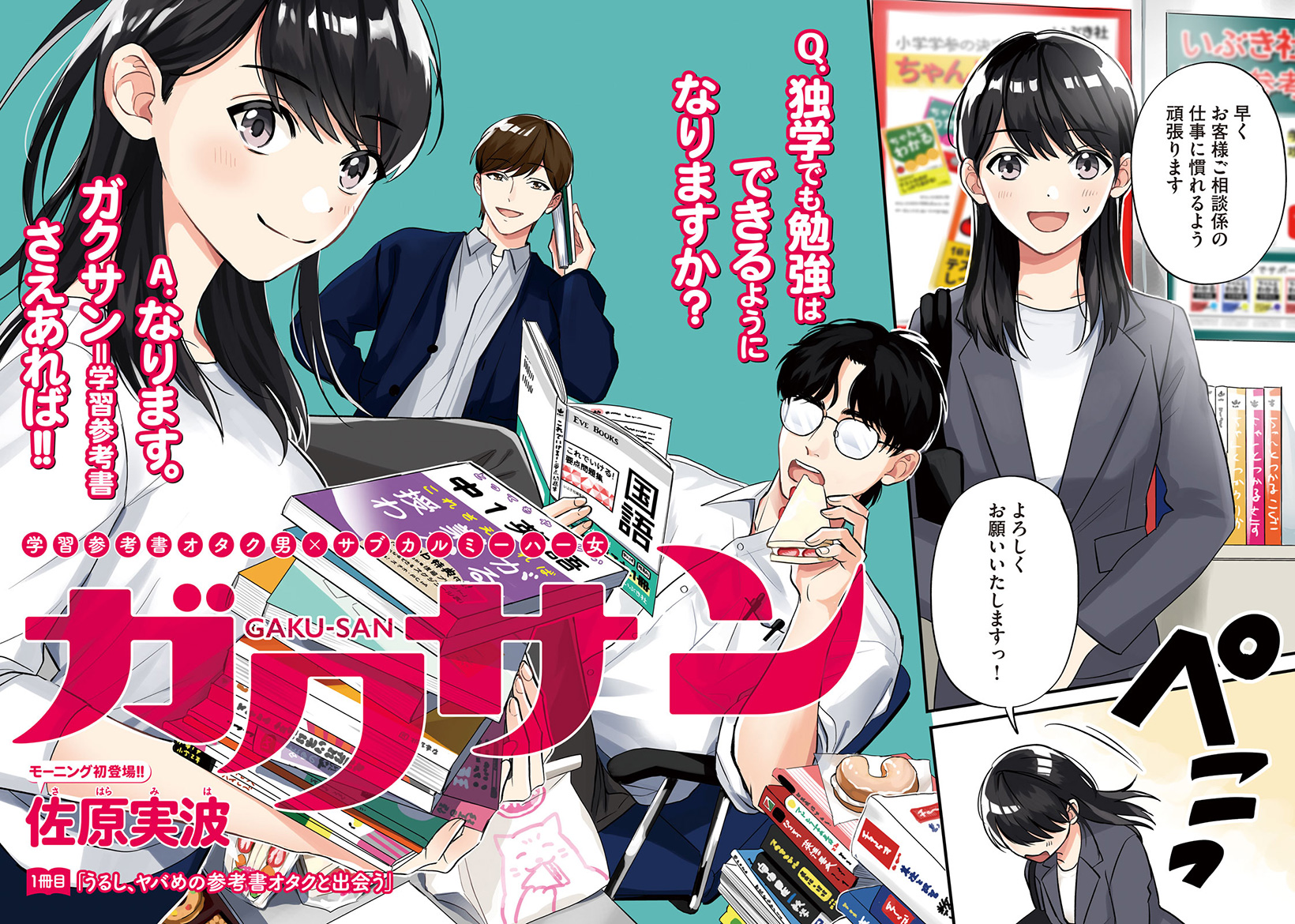
Gakusan" is a study reference book-themed manga work by Minami Sahara that began serialization in "Morning" in December 2021 and has been serialized in "Comic Days" since its transfer. Urushi Chino is a mid-career employee of a reference book publisher. He is assigned to the customer service department and meets Fukuyama, a quirky reference book nerd. Although he has many problems as a member of society, he has a wealth of knowledge about reference books, which inspires Urushi even though she is pushed around by him. Urushi learns about Fukuyama's past. The introduction of real-life reference books has been well received by students, parents, and working people who want to relearn.
Abbreviation for "study reference book" in the title of this work.
Ibuki Corporation
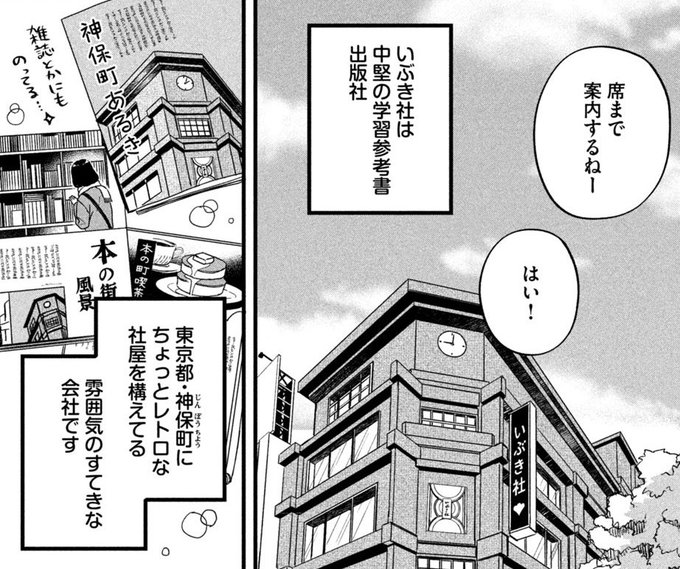
A mid-sized reference book publisher that the main character Urushi joined in mid-career. The company is located in Jimbocho and has been in business for 70 years. Although the company and reference books are fictitious in the setting, real companies and reference books appear in the story.
Customer Service
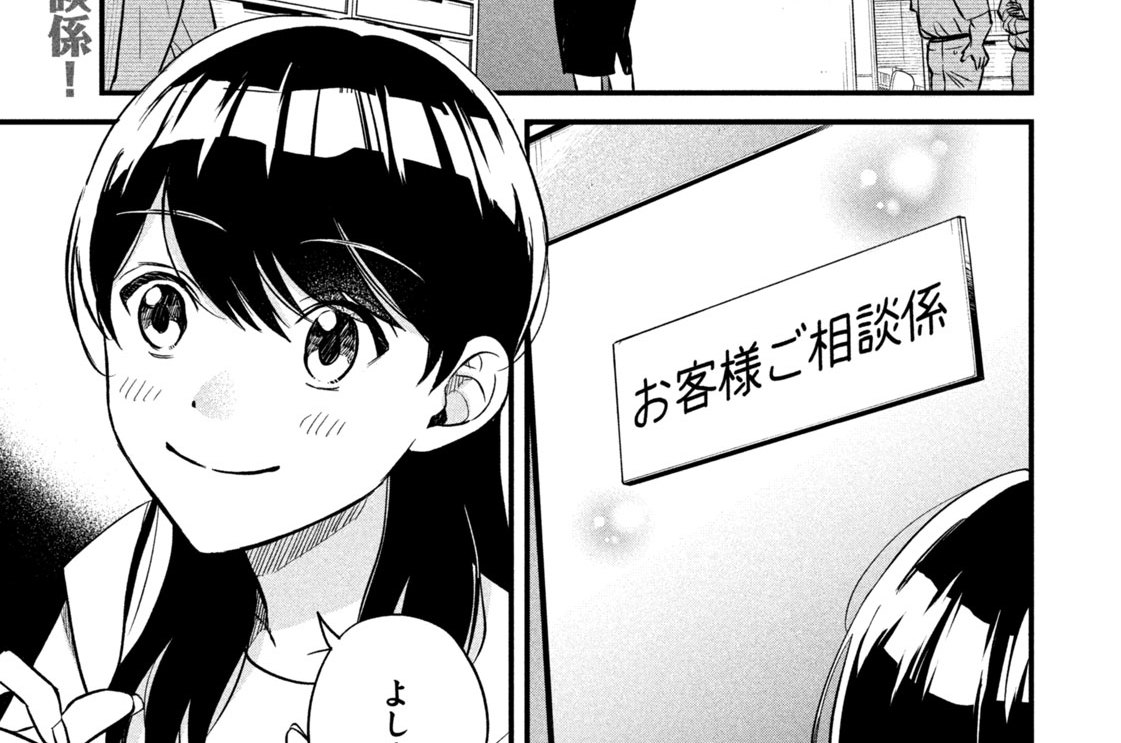
Essentially a department to prevent Fukuyama, the alleged power harasser, from performing any duties, the two-person department was staffed by Urushi's predecessor, who wrote in a manual notebook that he wanted to quit as soon as possible. After Urushi is assigned to the department and starts providing consultation services via SNS, the department becomes more active and gradually gains recognition from people in other departments.
gathering for receiving guests or paying their respects
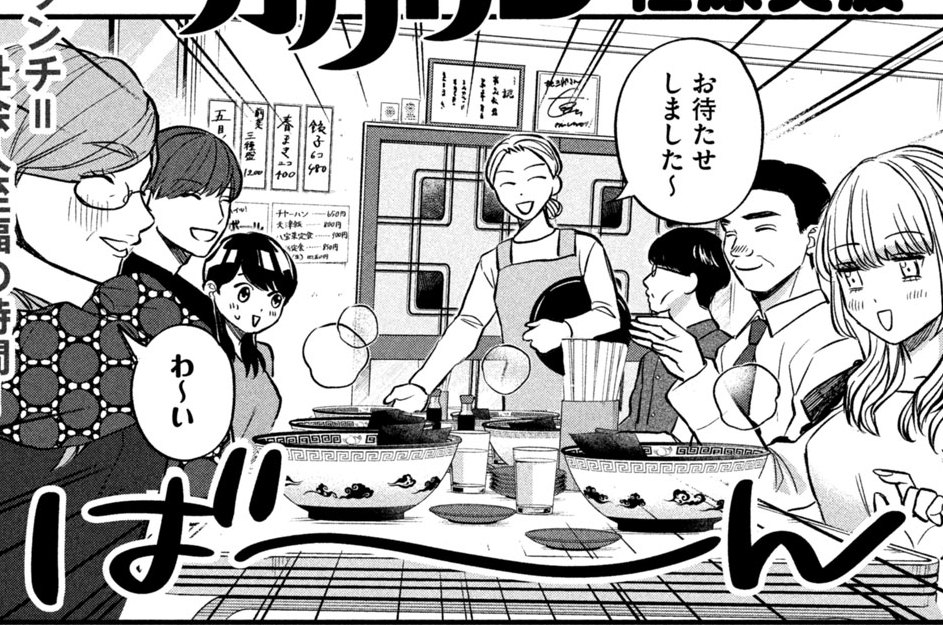
A study group that brings together members from each of IBUKISHA's departments. It was named "Shiori-kai" after the initiator, high school English editor Shiori Hanayama. IBUKISHA has many conservative employees, so Shiori started the group by calling on employees with high awareness. The group needs Fukuyama's help for future activities.
editorial department
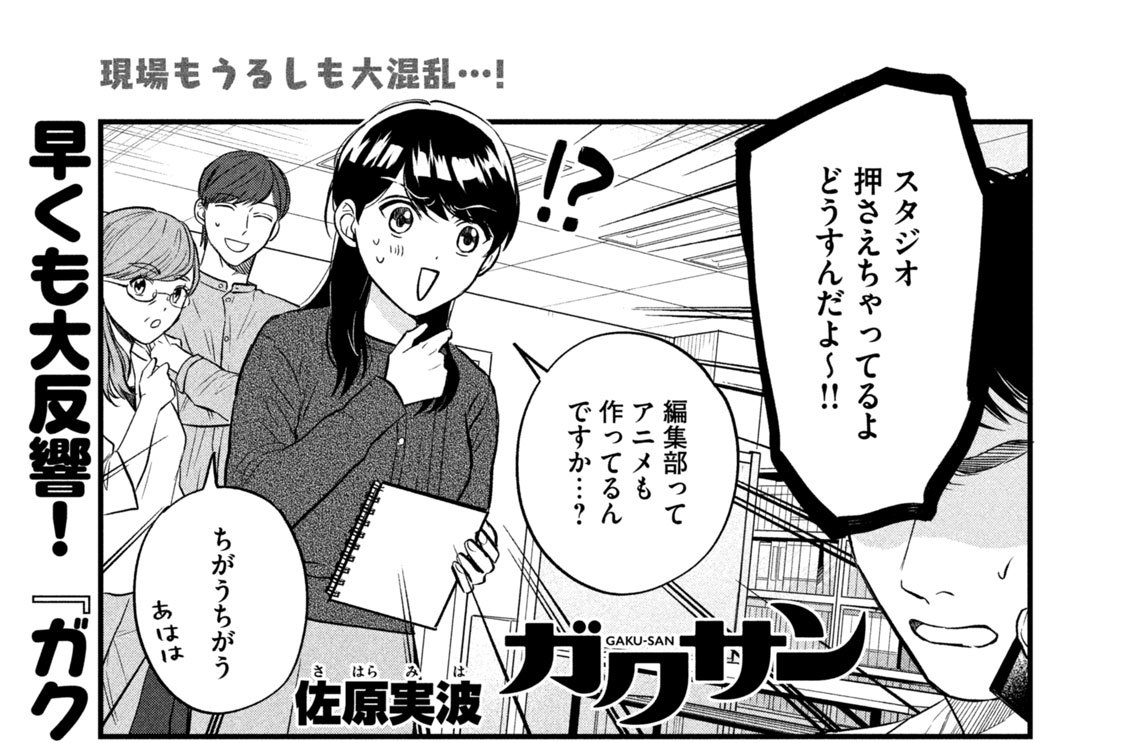
IBUKISHA's flowery department. The editorial structure is from the First Editorial Department to the Fourth Editorial Department. The first editorial department has four members in high school humanities. The second editorial department has six members in high school English. The third editorial department has seven members in high school science. The fourth editorial department has six members in all elementary and junior high schools. For a new book, a planning meeting is held at least one year in advance to determine the target, season, and concept. After the planning is decided, work proceeds with authors and designers, followed by proofreading and printing, and then the book is released. At IBUKISHA, several books are done at the same time.
Production Department
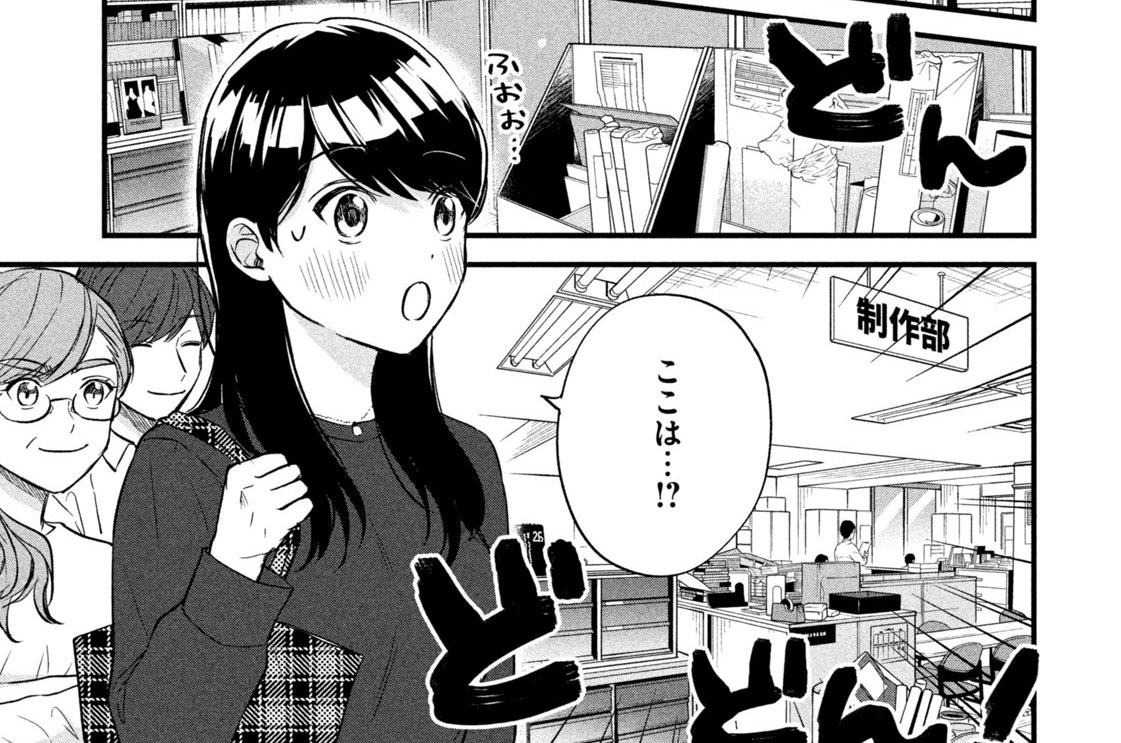
This department is primarily responsible for the physical aspects of book production. They secure paper for materials and deal with the printing company. In volume 5, Urushi asks a member of the "Shiori Kai" to show him around the production department and learns that the editor consults with the production department and together they decide on the paper that will serve the company's purpose. The editor is not satisfied with the paper.
Introduction.
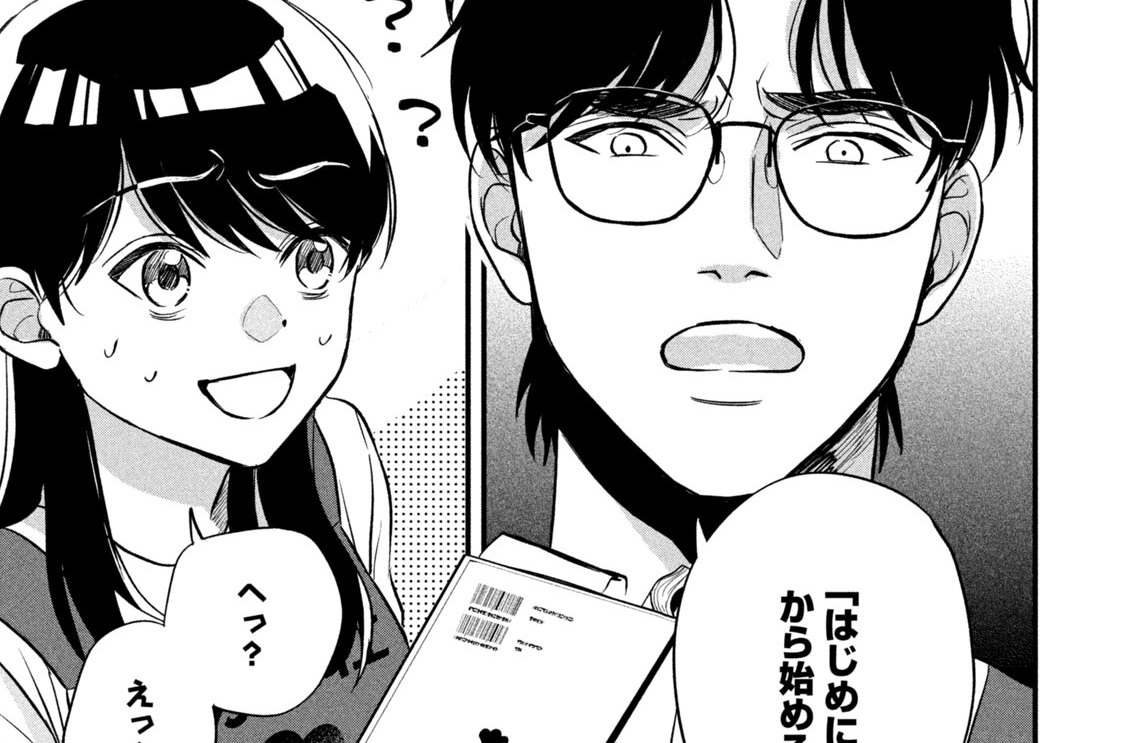
The person on the right side of the image is Jyo Fukuyama. The person on the left is Urushi Chino.
The "Introduction" is the explanatory text at the beginning of a reference book. It describes the author's or editor's intention in creating the book, what kind of learners it is suitable for, and how it should be used. In some cases, it even describes the author's educational philosophy and the issues it raises for society. Fukuyama teaches Urushi, on his first day at work, that when learning about reference books, he should start with "Hajime ni" (Introduction).
thwart
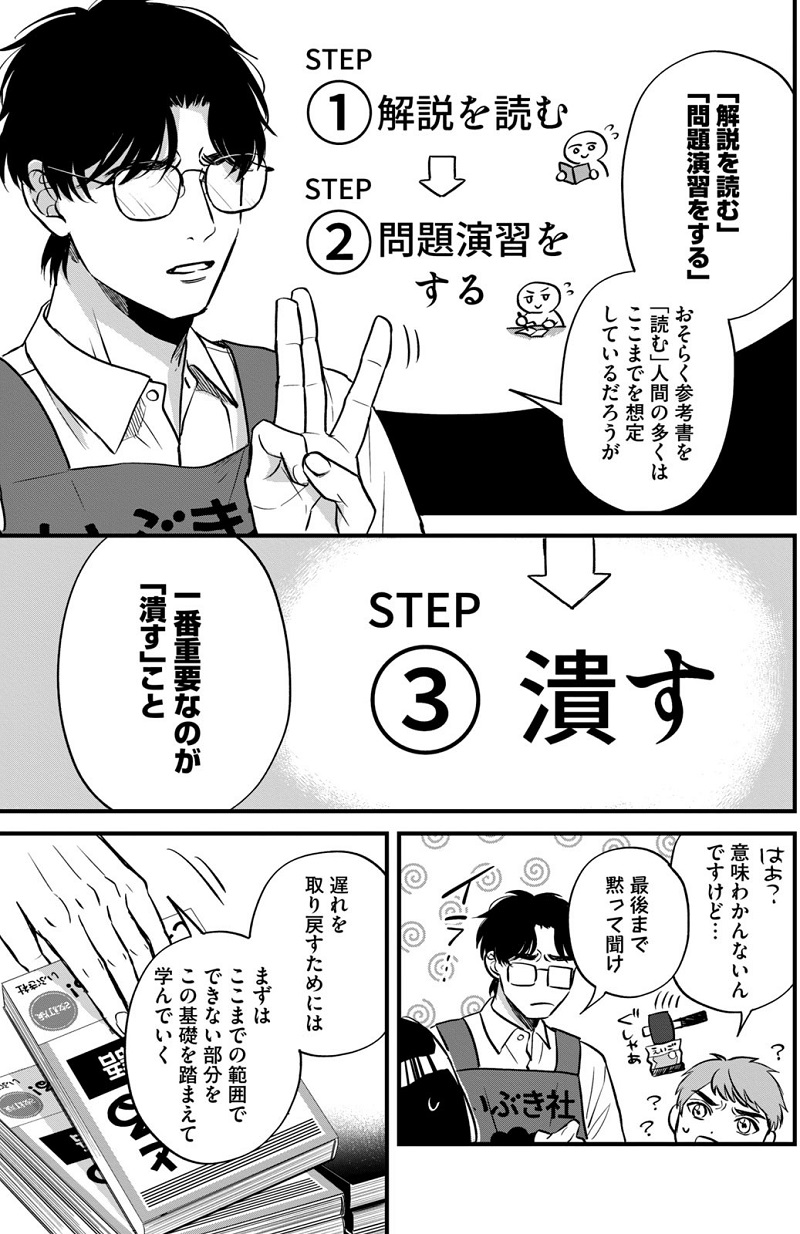
The most important of the three foundations of study in reference books. First, read the explanations, then solve the exercises, and finally do the crushing process. Put a sticky note on the wrong problem in the reference book and read and understand the explanation. Then, at a later date, re-solve the mistakes and remove the sticky note if you understand them. In the first volume, Fukuyama teaches junior high school boys who are struggling with their studies the importance of "crushing" problems.
Reading

Tags
Contents
- Outline of "Gaksan
- Synopsis and story of "Gaksan
- Encounter of Urushi and Fukuyama
- Joined "Shiori Association" of Urushi
- Change in Fukuyama's feelings
- Fukuyama's joining the "Shiori Kai" and the threat of dismissal.
- Characters and characters in "Gaksan
- Key Personnel (IBUKI Corporation Customer Service Section)
- KAYANO URUSHI
- Yuzuru Fukuyama
- Ibuki-sha Shiori-kai Member
- Sho Yamazaki
- Shiori Hanayama
- Tsukasa Yazu
- Mio Akagi
- Goro Kawaguchi
- Nanami Miyashita
- Ibuki Company Directors
- Hiiragi Editorial Director
- Leap relatives
- Akane Mochizuki
- Yukari Mochizuki
- Other Persons
- Aoi Yazu
- Umeyashiki / Ume-chan (Ume-Yashiki)
- Momo Saginuma (Momo Saginuma)
- Wakayama
- Hayase
- ren (ancient Chinese measure of height, depth, etc.; between 1-3 meters)
- Terms of "Gaksan
- hakusan
- Ibuki Corporation
- Customer Service
- gathering for receiving guests or paying their respects
- editorial department
- Production Department
- Introduction.
- thwart
- Reading
- new school (of thought, etc.)
- change
- Cognitive Characteristics
- learning disability
- The Three Elements of Academic Achievement
- Teaching Study Methods
- Cross-company planning office
- Famous quotes, lines/scenes and scenes from "Gaksan
- Fukuyama: "In the college entrance exam, you have to compete on the same playing field as children who are given resources like hot water. And yet. There was hope. That's what reference books are for."
- Fukuyama: "At first, it's fine if you want to take someone on and off as if you were using a matching app. But in the end, most people choose one person and keep him or her for the rest of their lives. The way to deal with reference books is the same as in love."
- Fukuyama: "Basic studies should be accumulated. That's because study is crucial for people to live confidently in this society."
- Urushi: "It's not just where you were born and how you grew up, but surely everything you have accumulated on your own by taking self-study exams with reference books is important."
- Fukuyama: "It means the reference book is on your side until the end."
- Fukuyama: "Beat those who are spoiled by experience with the power of reference books."
- Hiiragi, editorial director: "We want to produce a book that people will yearn to solve this and buy it."
- Backstory, trivia, small stories/episodes, and anecdotes from "Gaksan
- Ibuki-sha's reference books, which are not highly rated by Fukuyama but have a good selection of good books.
- Ibuki-sha, with its Taisho retro appearance so much so that it has been featured in magazines.
- A day in the life of Urushi depicted in the "Omake manga" at the end of the book.
- Setting Fukuyama's sweet tooth
- The playful cover and back of the cover of the book, which is rainbow-colored at the author's request.