
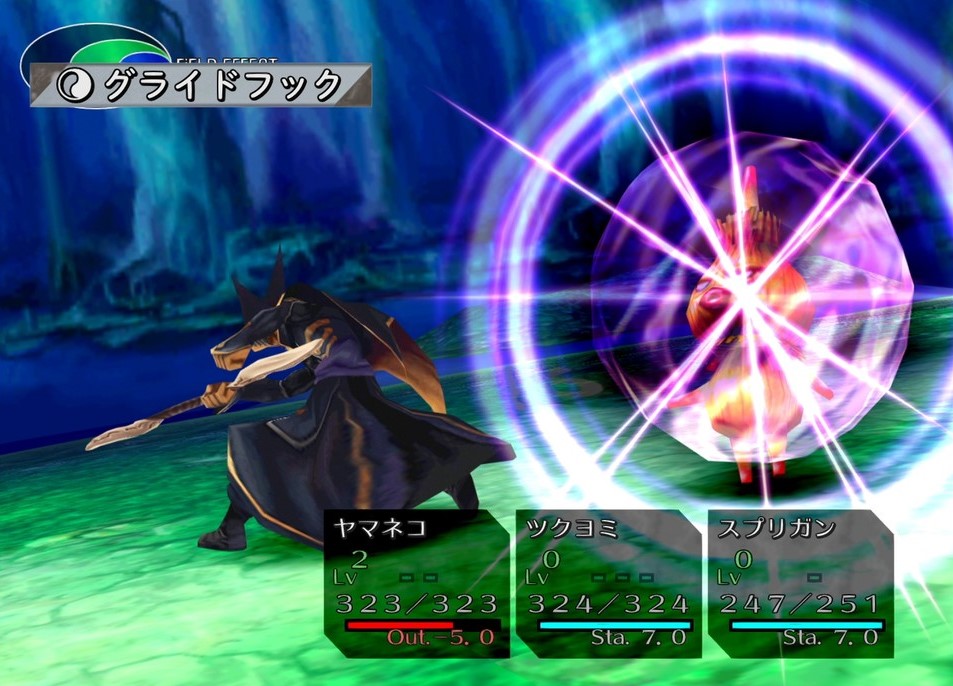
Chrono Cross" was released by Square in 1999. Serge, a boy who grew up in a peaceful fishing village, is suddenly transported to "Another World," a world where he is already dead, and his life is threatened. He is saved by Kid, a young bandit girl, and is soon caught up in a great battle for the survival of the world. Serge and his friends can use "elements" to unleash a variety of magic and techniques. One of the most exciting parts of the game is figuring out the placement of the elements and the combination of the techniques of up to 45 friends.
Chrono Cross" Overview
Chrono Cross" is an RPG title released by Square in 1999 for the PlayStation, a sequel to "Chrono Trigger" released in 1995, set 20 years after the time of Chrono and his friends. The game was especially praised for its high quality music and graphics, and was later ported to multiple platforms, including Nintendo Switch.
The Chrono series, including "Chrono Trigger" and its prequel "Radical Dreamers: The Unstolen Jewel," have shipped more than 5.5 million units in total.
The main character is Serge, a boy who lives with his mother in the peaceful fishing village of Arni. While conversing with his childhood friend Rena on the beach, Serge is suddenly enveloped by a mysterious light and finds himself in "Another World," where Serge has already died. In front of his own grave on a cliff, Serge is suddenly attacked by Kersh and his men of the "Acacia Dragon Knights. Serge is saved by Kidd, a young bandit girl, and decides to infiltrate the Serpent Bone Pavilion in Termina, where the Acacia Dragon Knights are based, in order to gain a better understanding of his situation. Serge and his team, together with their collaborators, dodge various enemies and traps and encounter a subhuman man called "Yamaneko" in the Serpent Bone Pavilion. This encounter leads Serge into the vortex of a great battle for the survival of the world.
Magic and recovery items in the previous work have been replaced by "elements," and the concept of MP for using magic has been eliminated. Although prior preparation and "attributes" must be taken into consideration, basically any character can recover, attack, and assist in battle without any difference. Also, although it is necessary to play through the game several times, up to 45 characters, including the main character Serge, can join the game, and each of them has their own unique skills. While they can be used individually, they can also be combined to create "coordinated techniques. Party formation and the choice and placement of elements are extremely important in order to gain an advantage in battle, and figuring out these combinations is one of the major attractions of this game.
Chrono Cross Spoilers - RENOTE
renote.net
Chrono Cross" was released in 1999 as a sequel to "Chrono Trigger.
The beautiful graphics and background music were highly acclaimed, but the comparison with the previous game led to a split opinion.
While the theme of the previous work was "time travel," the theme of this work is "parallel worlds.
The main character, Serge, travels back and forth between two worlds, "Home World" and "Another World," and unravels the secrets of the parallel world.
Element Type
There are six types of elements: yellow, green, blue, red, black, and white. They are categorized as "normal elements" that attack, heal, and assist during battle, "consumption elements" that can be used on the menu screen and run out after one use, and "trap elements" that set traps against techniques used by monsters.
In addition, each character can unleash "linked techniques" by combining "unique elements" that are exclusive to each character.
normal element
Basically, it can only be used once during a battle. It is revived with a probability when a unique technique or a specific element is used. There are several elements that can only be equipped by characters that fall under the innate attribute. The summoning element is limited to characters with the innate attribute and is not easy to activate because the field effects must be the same color, but it can wipe out the opponent with a powerful attack or restore the party's HP to its full strength. The summoning element is the one with the star symbol drawn next to its name.
consumption element
It can be used not only during battle but also on the menu screen (except for "Again," "Clear," and "Void.") Once used, it is gone. It can be obtained from stores and treasure chests in each world. If you pick it up on the map, you will get 5 of that element at a time.
When an element is placed on the grid, it is automatically placed from a stock of 5. If it is used during a battle, it is automatically replenished to 5 from the stock on hand after the battle is over (if 2 elements are used during a battle out of a stock of 10, the stock is reduced to 8).
trap element
If you use an element to trap an opponent's specific technique, you can obtain it after disabling the technique. Note, however, that the enemy may use the element, and if the element is taken, it will disappear from your possession. As with consumption elements, five elements are automatically placed per grid, and they are automatically replenished from the stock after the battle is over. Trap elements are those with a downward pointing arrow mark next to the element name.
intrinsic element
These elements are exclusive to each character and exist at lv. 3, 5, and 7 (Spriggan is only lv. 5). The level of each unique element is fixed and its placement cannot be changed. Normally, they are learned by acquiring level stars, which can be obtained by defeating boss monsters, but some characters need to complete special events to learn Lv. 7 techniques.
Element activation conditions
grid level
Each element has its own unique level and level width, and must be placed within that width. The intrinsic level is set between 1 and 8, and the level width between 0 and 7, and is indicated next to the element in the form of "level 0±0". In the case of a grid level 6±2 element, it can be placed between level 4 and level 8. The effect values of recovery and attack elements increase or decrease depending on the placement level. Elements such as recovery from abnormalities are not affected by the placement level, so it is recommended to place them at the lowest possible level.
power level
In order to activate an element, the power level must be raised and a direct attack with a weapon must be made on the enemy. Each character has "stamina" and can only act for the amount of stamina they have. There are three levels of direct attacks: "weak," "medium," and "strong." The stronger the attack, the lower the hit rate, but the more damage it inflicts. The stronger the attack, the less damage it can inflict, and the higher the power level, the more elements can be used. If the attack misses, stamina is reduced and the power level does not increase.
Field Effects
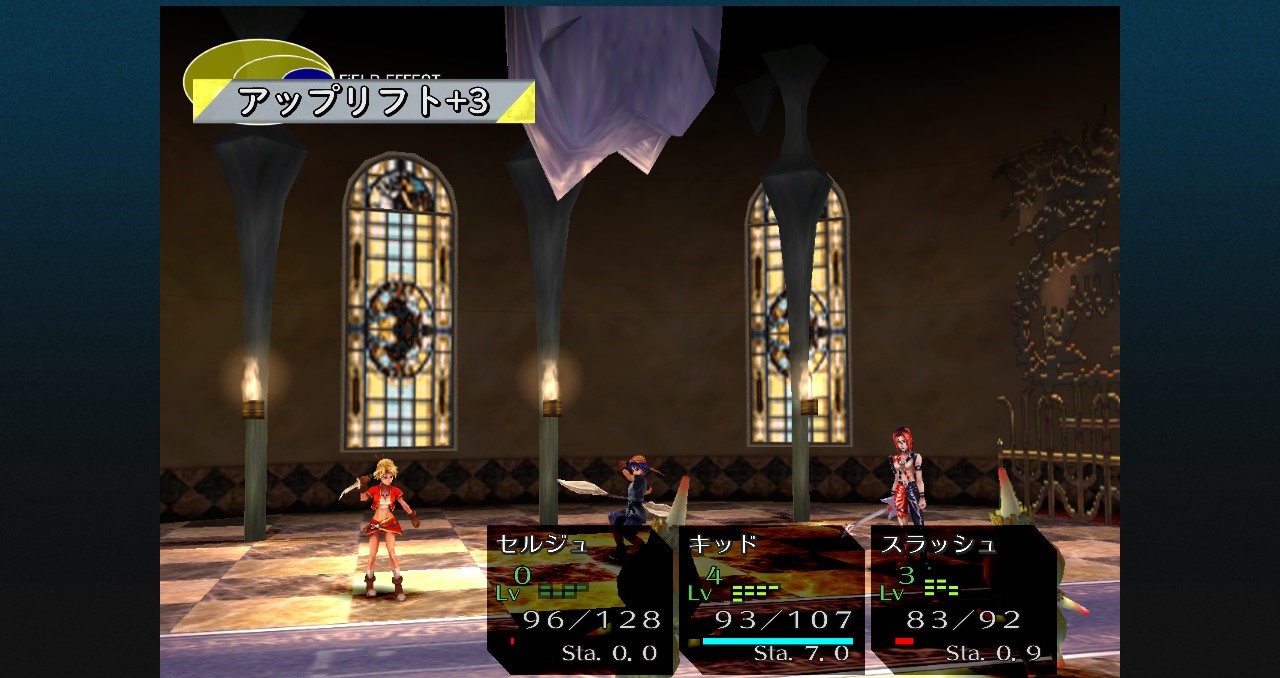
The battle screen displays "field effects," and when an element is activated, including both enemy and friendly elements, the field effects change to the color of the element (if elements are used in the order red, blue, and white, the field effects are also colored in the same order). The field effect affects the effect of the element, and if black is predominant in a sequence such as black, black, white, the power of the black-based element will increase. White elements conversely become less powerful, and other elements are unaffected.
(The white summoning element "Saints" can be activated when the field effects are unified with the color of the target element and the character with the white innate attribute accumulates power levels. (The white summoning element "Saints" can be activated when the field effects are unified in white and a character with the innate attribute white accumulates power level.)
Elements of "Chrono Cross"
yellow element
Uplift (equipment level 1±7)

Related Articles
Chrono Cross (Chrono Cross) Spoiler Commentary and Discussion Summary
Chrono Cross" was released in 1999 as a sequel to "Chrono Trigger. The beautiful graphics and background music were highly acclaimed, but the comparison with the previous game led to a split opinion. While the theme of the previous work was "time travel," the theme of this work is "parallel worlds. The main character, Serge, travels back and forth between two worlds, "Home World" and "Another World," and unravels the secrets of the parallel world.
Read Article
Chrono Trigger Spoiler Commentary and Discussion Summary
Chrono Trigger" is a role-playing game for the Super Nintendo Entertainment System released in 1995. It was planned as a dream project by Hironobu Sakaguchi (Final Fantasy), Yuji Horii (Dracula), and Akira Toriyama (Dragon Ball), and became a hot topic. The main character, Chrono, travels back and forth between the past, present, and future in his quest to defeat the future world destroyer, Lavos.
Read Article
Chrono Trigger magic, single and coordinated techniques summary
Chrono Trigger" was released by Square in 1995. Chrono, an ordinary boy, has a chance encounter with Princess Marle at a peace festival, and eventually begins to travel back and forth between different eras in order to save the world. As the main characters progress through the story, they learn various magic and coordination techniques. Since there are many different types of coordination techniques, one of the main attractions of this game is the freedom to create a party formation that will help the player gain an advantage in battle.
Read Article
Chrono Trigger Quotes, Lines of Wisdom, Scenes, and Scenes from Chrono Trigger
Chrono Trigger" still has a strong fan base more than 20 years after its release. It has attracted many game fans with its magnificent worldview that connects the primitive age to the future. In the journey to prevent the destruction of the world, unique characters living in different eras have left behind many wise words.
Read Article
Chrono Cross characters and character summary
Chrono Cross" is a sequel to "Chrono Trigger," and some of the characters from the previous game also appear in the game. In particular, characters such as Lucca, Sara, and Lavos play an important role in the story of "Chrono Cross". In this section, we will explain the characters and their roles in the game so that you can enjoy "Chrono Cross" even more.
Read Article
10 iphone games to buy
Many iphone games are still very interesting. However, many of them shy away from the idea of charging for them. So this time, I would like to introduce 10 games for the iphone that you can buy and play for free. Basically, many of them are ports of classic games from the SNES and PS2, so you won't be disappointed if you buy them. Let's take a look at these wonderful buy-one-get-one-free games.
Read Article
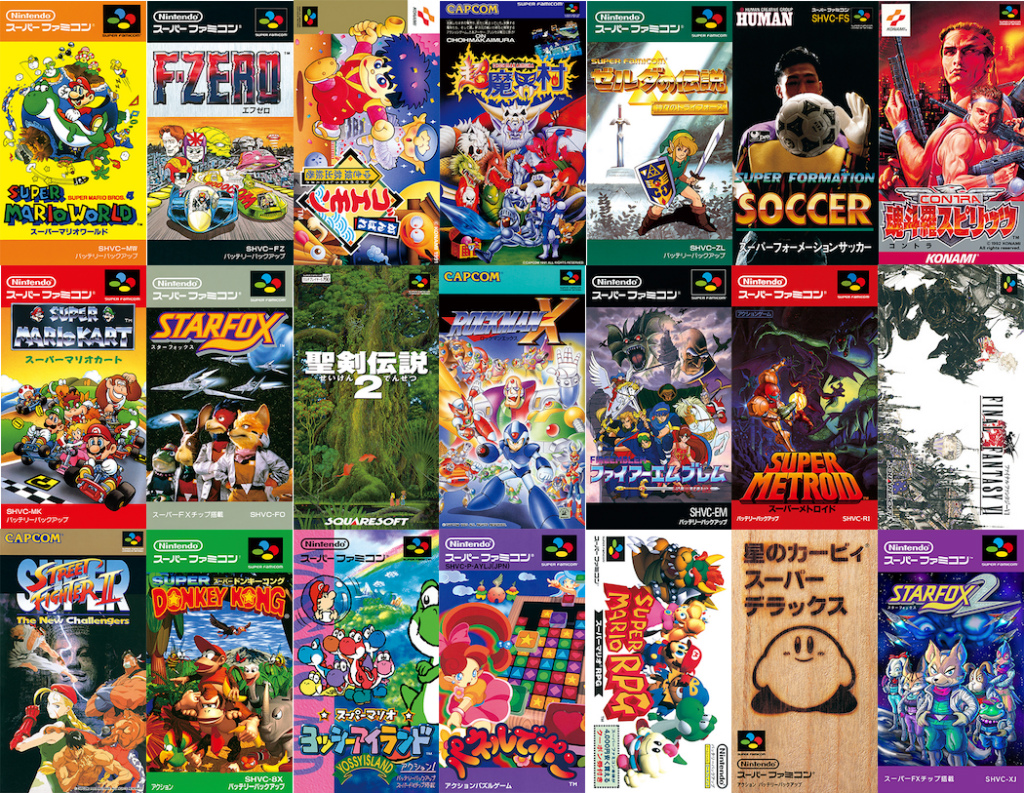
A compilation of recommended Super Nintendo Entertainment System (SNES) software classics.
We will compile a list of the most interesting and highly rated SFC classic software in the series by genre. The SNES is still colorful even if you play it now. Some of them have appeared on the Virtual Console.
Read Article
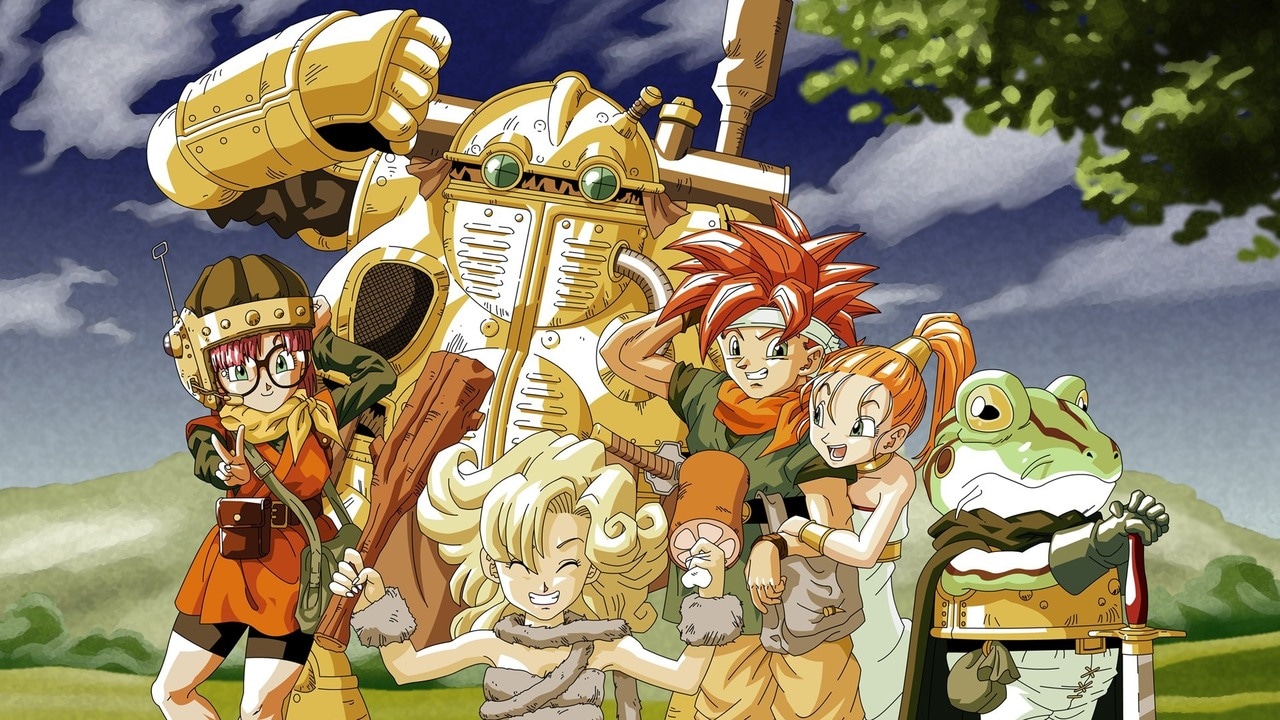
[SQUENCHI] Summary of official pictures and design illustrations of Chrono Trigger.
Chrono Trigger" is a game designed by renowned manga artist and illustrator Akira Toriyama, who is also well known for his "Dragon Quest" series. The following is a summary of the main characters, some of the boss monsters, and some of the illustrations that were lost.
Read Article
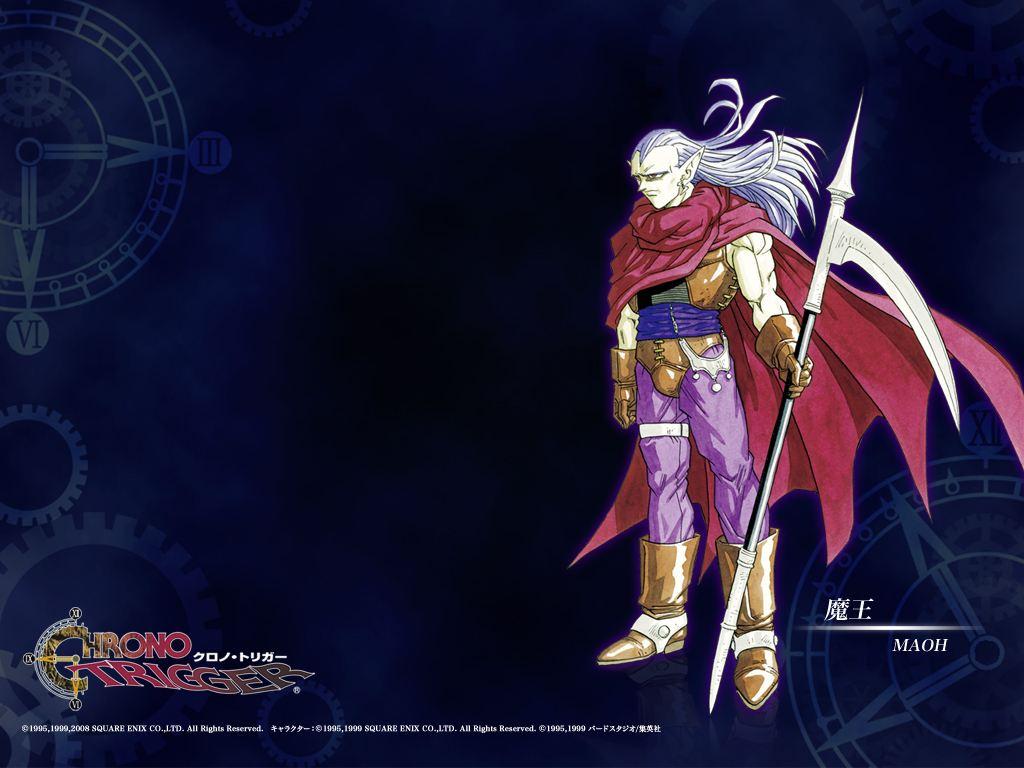
Is Jaki (the Demon King) of Chrono Trigger and Alf of Chrono Cross the same person? Verification and discussion summary
In "Chrono Trigger," Jaki is a prince of the Kingdom of Zeal who, after being swallowed by a space-time gate and crossing over into the Middle Ages, becomes a threat to mankind as the Demon King. On the other hand, Alf in "Chrono Cross" is a wandering magician who hides his face behind a mask. The two are very similar in terms of hair color and the attributes they handle, and a theory has emerged that they may be the same person.
Read Article
![A Masterpiece] I want to play it again before I die! Super NES Game 【Recommended】.](https://renote.net/files/blobs/proxy/eyJfcmFpbHMiOnsiZGF0YSI6MTgwNzkyLCJwdXIiOiJibG9iX2lkIn19--89a512c082c743fd6aa77efd98b378b2f9c670a1/z_5fb7b0d7ec722.jpg)
A Masterpiece] I want to play it again before I die! Super NES Game 【Recommended】.
I want to play it again before I die! This is a compilation of Super Nintendo Entertainment System (SNES) game titles. There are more than 1,000 Super Nintendo Entertainment System (SNES) game titles, so we took the time to compile this list. Generally, the further back you go, the older the release.
Read Article
A compilation of Akira Toriyama's illustrations of gods throughout his career! Dragon Ball, Chrono Trigger, and many more!
Akira Toriyama is famous as the creator of the nationally popular manga "Dragon Ball. Actually, did you know that he also designs characters for video games in addition to manga? Among his most well-known works are the "Dragon Quest" series and "Chrono Trigger. In this article, we have gathered together a number of illustrations drawn by Toriyama that are so divine. They are all wonderful!
Read Article
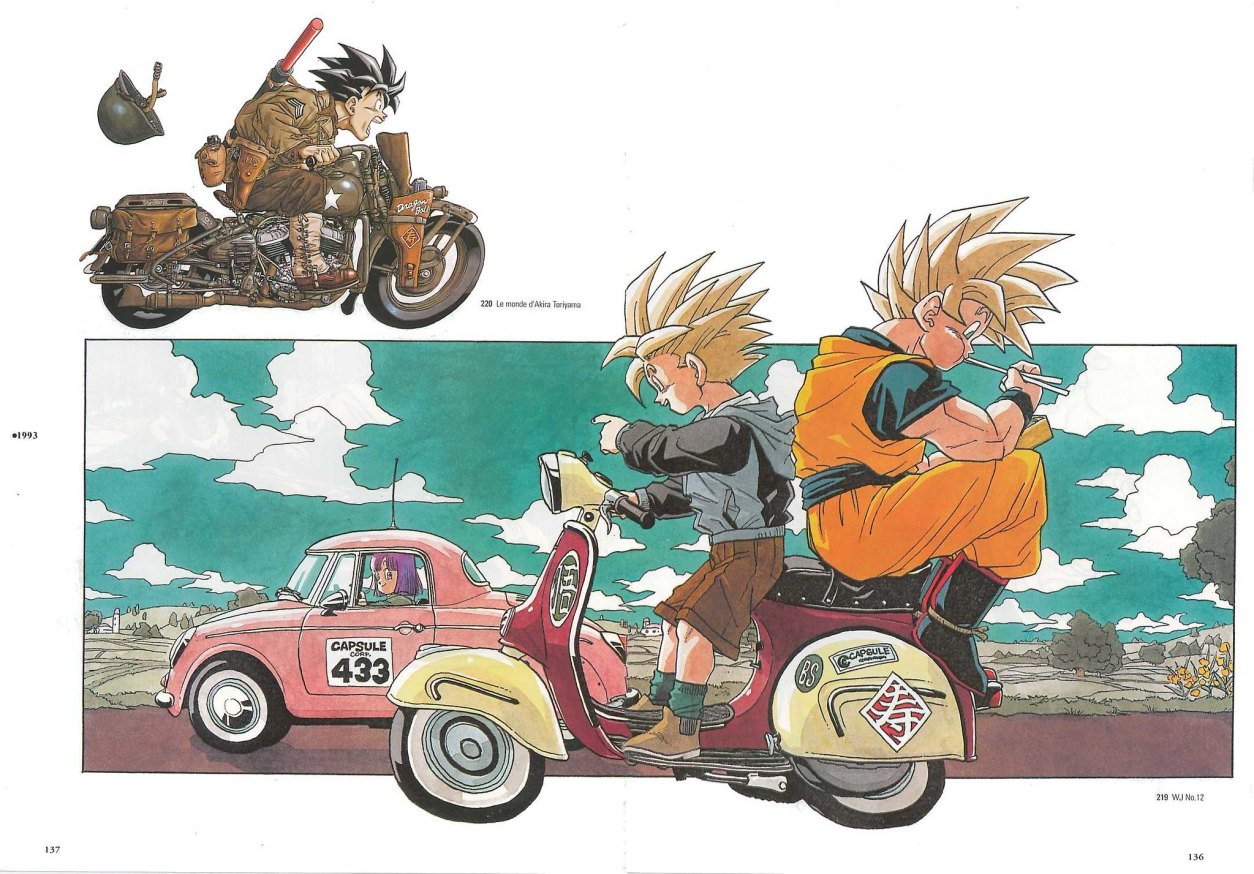
Illustrations of "Dracula," "Dragon Ball," "Arale-chan," and other works by Akira Toriyama.
Akira Toriyama, a manga artist and video game creator, has been involved in a truly wide range of works, creating unique characters. This section presents a collection of images of Akira Toriyama's works, including his masterpieces "Dragon Ball," "Dragon Quest," "Arale-chan," and "Chrono Trigger," that are perfect for wallpaper.
Read Article
10 Masterpiece RPG games other than DQ and FF [Chrono Trigger and others].
Here we will introduce masterpiece games other than the Dracula and FF series, focusing on the RPGs of the 1990s. Although Dracula and FF have been the driving force of Japanese RPGs, there are many other masterpieces and masterpieces as well. The 10 best RPGs, including "Chrono Trigger" and "Gensou Suikoden," are listed here.
Read Article
The best game of the Heisei era! What is the appeal of Chrono Trigger?
Chrono Trigger" is a time-travel themed game that was voted the best game of the Heisei era in a survey conducted by Famitsu magazine. What made game fans agree that this is one of the best games of all time? Here, we will take a closer look at the appeal of "Chrono Trigger".
Read Article
Tags
Contents
- Chrono Cross" Overview
- Element Type
- normal element
- consumption element
- trap element
- intrinsic element
- Element activation conditions
- grid level
- power level
- Field Effects
- Elements of "Chrono Cross"
- yellow element
- Uplift (equipment level 1±7)
- Fill yellow (equipment level 1±7)
- Discharge (equipment level 2±6)
- Disperse (equipment level 2±0)
- Upheaval (equipment level 3±5)
- Anti-Green (equipment level 3±5) (equipable character: limited to inherent attributes)
- Capsule (equipment level 3±0)
- Lightning (equipment level 4±4)
- No Close (equipment level 4±4)
- High protection (equipment level 4 ± 4)
- Earthquakes (equipment level 5±3)
- Yellow Earth (equipment level 5±3)
- Thunder Valley (equipment level 6±2) (equipable character: limited to innate attribute)
- P-Eraser (equipment level 6±2) (equipable character: limited to innate attribute)
- Golem (equipment level 7±2) (equipable character: innate attribute only)
- Thunder Serpent (equipment level 8±0) (equipable character: innate attribute only)
- Trap: Earth Quake (equipment level 5±0)
- Thunder Valley (equipment level 6±0)
- Golem (equipment level 7±0)
- red attribute
- Fireball (equipment level 1±7)
- Fill Red (equipment level 1±7)
- Tablet (equipment level 1±0)
- Bomber (equipment level 2±6)
- Aura (equipment level 2±0)
- Burning (equipment level 3±5)
- Anti-blue (equipment level 3±5) (equipable character: limited to inherent attributes)
- Week (equipment level 4 ± 4)
- Meltstone (equipment level 4±4)
- High Muscle (equipment level 4±4)
- Red Earth (equipment level 5±3)
- Heat (equipment level 5±3)
- Volcano (equipment level 6±2) (equipable character: limited to innate attribute)
- Nai-nai (equipment level 6±2) (equipable character: limited to innate attribute)
- Again (equipment level 6±0)
- Salamander (equipment level 8±0) (equipable character: innate attribute only)
- Married (equipment level 7 +/- 2) (equipable character: limited to innate attribute)
- Heat trap (equipment level 5±0)
- Trap: Volcano (equipment level 6±0)
- Trap, Married (equipment level 7±0)
- Green Element
- Leaf (equipment level 1±7)
- Phil Green (equipment level 1±7)
- Air saucer (equipment level 2±6)
- Heels (equipment level 2±6)
- Detoxin (equipment level 2±0)
- Needle (equipment level 3±5)
- Anti-Yellow (Equip Level 3±5) (Equipable character: limited to inherent attributes)
- Woofer (equipment level 4±4)
- Heal Wind (equipment level 4±4)
- Eagle Eye (equipment level 4±4)
- Totter (equipment level 4 ± 4)
- Hell Plant (equipment level 5±3)
- Green Earth (equipment level 5±3)
- Tornado (equipment level 6±2) (equipable character: limited to innate attribute)
- Heal Leaf (Equip Level 6 ±2) (Equipable Character: Predecessor Attribute Limited)
- Info (equipment level 6±2) (Equipable character: limited to inherent attributes)
- Sonia (equipment level 7±2) (equipable character: innate attribute only)
- Summon] Genie (equipment level 8±0) (equipable character: limited to innate attribute)
- Tornado (equipment level 5±0)
- Hell Plant (equipment level 6±0)
- Trap, Sonia (equipment level 7±0)
- blue element
- Aqua Beam (equipment level 1 ±7)
- Care (equipment level 1 ± 7)
- Fill Blue (equipment level 1±7)
- Ice lance (equipment level 2±6)
- Tier (equipment level 2±0)
- Aqua ball (equipment level 3±5)
- Carer (equipment level 3±5)
- Anti-Red (equipment level 3±5) (equipable character: limited to inherent attributes)
- Freeze (equipment level 4 ± 4)
- Slip (equipment level 4 ± 4)
- High grip (equipment level 4 ± 4)
- Flood (equipment level 5±3)
- Iceberg (equipment level 6±2) (equipable character: limited to innate attribute)
- Careless (equipment level 5±3) (equipable character: limited to inherent attributes)
- Blue Earth (equipment level 5±3)
- Infinity (equipment level 6±2) (equipable character: limited to innate attribute)
- G Frog (equipment level 7±2) (equipable character: innate attribute only)
- Summon] Terra Whale (equipment level 8±0) (equipable character: limited to innate attribute)
- Trap: Flood (equipment level 5±0)
- Iceberg trap (equipment level 6±0)
- G Frog (equipment level 7±0)
- Black Element
- Heavy Blow (equipment level 1 ± 7)
- Phil Black (equipment level 1±7)
- Get Soul (equipment level 2±0)
- Void (equipment level 2±0)
- Graviton (equipment level 3±5)
- Anti-white (equipment level 3±5) (equipable character: limited to inherent attributes)
- Inferno (equipment level 4±0)
- Houlish (equipment level 4±4)
- Genius (equipment level 4±4)
- Friction (equipment level 5±3)
- Revenge (equipment level 5 ±3) (equipable character: limited to innate attribute)
- Black hole (equipment level 6±2) (equipable character: limited to innate attribute)
- Foget (equipment level 6±2) (equipable character: limited to innate attribute)
- Mana fable (equipment level 6 ± 2)
- Potion (equipment level 6±0)
- Summon: Visitor (equipment level 7±1) (equipable character: innate attribute only)
- The End (equip level 8±0) (equipable character: limited to innate attribute)
- Trap: Friction (equipment level 5±0)
- Trap: Black hole (equipment level 6±0)
- Trap: Visitor (equipment level 7±0)
- white element
- Laser (equipment level 1±7)
- Revive (equipment level 1 ± 7)
- Phil White (equipment level 1±7)
- Shooting (equipment level 2 ± 6)
- Clear (equipment level 2±0)
- Photon (equipment level 3±5)
- Recover (equipment level 3±5)
- Anti-black (equipment level 3±5) (equipable character: limited to inherent attributes)
- Comet (equipment level 4±4)
- Wall (equipment level 4±4)
- Purify (equipment level 4 ± 4)
- Sensitive (equipment level 4 ± 4)
- All clear (equipment level 4±0)
- Holly (equipment level 5±4)
- Return (equipment level 5±3) (equipable character: limited to innate attribute)
- Holy Light (equipment level 6±2) (Equipable character: limited to innate attribute)
- Ultra Nova (equipment level 6±2) (equipable character: limited to innate attribute)
- Mana call (equipment level 6±2)
- M Eraser (equipment level 6 ± 2) (equipable character: limited to innate attribute)
- Unicorn (equipment level 7±1) (equipable character: limited to innate attribute)
- Saints (equipment level 8±0) (equipable character: limited to innate attribute)
- Trap: Holy (equipment level 5±0)
- Trap: Ultra Nova (equipment level 6±0)
- Trap: Unicorn (equipment level 7±0)
- Rainbow Elements
- Chrono Cross (Equipment Level 8±0) (Equipable Character: Serge)
- Unique Elements of the Congenital White Character in Chrono Cross
- serge
- Lv.3 Dash slash
- Lv.5 Shining
- Lv.7 Sky Arrow
- Polynesians, Micronesians, and native Hawaiians
- Lv.3 Body Hitting
- Lv.5 Soothing
- Lv.7 Hell Ranbu / Tsumaru Cannon / Ascension
- doku (monetary unit of China; one-tenth of a yuan)
- Lv.3 High Slow
- Lv.5 Bone Break
- Lv.7 Heel shower
- starling (any echinoderm of the class Asteroidea)
- Lv.3 Star Platinum
- Lv.5 Comet Beam
- Lv.7 Meteor Zapper
- Liddell.
- Lv.3 White Snake Recovery
- Lv.5 White Snake Protection
- Lv.7 Spirit of the White Snake
- Steena.
- Lv.3 Shadow of Dilea
- Lv.5 Shadow of Hydra
- Lv.7 Shadow of Garai
- Unique Elements of the Congenital Attribute Black Character in Chrono Cross
- lucky dun
- Lv.3 Jyudai
- Lv.5 Side Flip Flame Dance
- Lv.7 Stabbing Death Flame Dance
- ALF
- Lv.3 In-body
- Lv.5 Toushod
- Lv.7 Thor Heaven
- Luciana
- Lv.3 Pinstrike
- Lv.5 Chemical Haze
- Lv.7 Test Amoeba
- wildcat (Felis silvestris)
- Lv.3 Glide Hook
- Lv.5 Cat's Raid
- Lv.7 Zero Eternal
- Amaterasu Oomikami
- Lv.3 Moonblade
- Lv.5 Moon Protection
- Lv.7 Moon Breaking
- scull
- Lv.3 Full of balls
- Lv.5 One balloon
- Lv.7 Big Ball Rolling
- gaydalan
- Lv.3 Rocket arm
- Lv.5 Head saber
- Lv.7 Dark burst
- Unique Elements of the Congenital Attribute Blue Character in Chrono Cross
- Lena.
- Lv.3 Maiden Slap
- Lv.5 A Maiden's Heart
- Lv.7 Maiden's Prayer
- slash (fan fiction)
- Lv.3 Rhythm Break
- Lv.5 Freeze Beat
- Lv.7 Shock Noise
- Pierre.
- Lv.3 Badge Spark
- Lv.5 Double Hit
- Lv.7 Cyrus Punch
- colcha
- Lv.3 Headbutt
- Lv.5 Fishing
- Lv.7 Big Catch
- Irenes.
- Lv.3 Water Breath
- Lv.5 The Sound of Healing
- Lv.7 Water hammering
- morchella (Neotragus moschatus)
- Lv.3 Line piercing
- Lv.5 Lines spark
- Lv.7 Wipe off
- Falga.
- Lv.3 Nuzumi
- Lv.5 Long Range Shooting
- Lv.7 Invincible Slash
- Olga.
- Lv.3 Rengen
- Lv.5 Drunken Fist
- Lv.7 Sisters' Renken
- Unique Elements of the Congenital Attribute Red Character in Chrono Cross
- kid
- Lv.3 Steele
- Lv.5 Red Needle
- Lv.7 Heat shot
- mama's bicycle (because she is a mom)
- Lv.3 Hip Attack
- Lv.5 FOLDING
- Lv.7 Mother's Rage
- Gilbert.
- Lv.3 Lariat
- Lv.5 Spin Kick
- Lv.7 Gravesaltzi
- dragon child
- Lv.3 Tiny Breath
- Lv.5 Breath Wing
- Lv.7 Big Mam
- zap
- Lv.3 Power Crack
- Lv.5 Smith Spin
- Lv.7 Blacksmith's Damn Power
- the three players other than oneself (mahjong)
- Lv.3 Spice
- Lv.5 Mystery Cook
- Lv.7 Another Side
- Janes
- Lv.3 Drum Breath
- Lv.5 Carrot Arrow
- Lv.7 Gash out
- Miki.
- Lv.3 Stomping
- Lv.5 Sexy Eyes
- Lv.7 Aerial
- Unique elements of the congenital green character in Chrono Cross
- raspberry
- Lv.3 Raslin Star
- Lv.5 Raslin Heart
- Lv.7 Razzle Flower
- Glenn.
- Lv.3 Hard Hit
- Lv.5 Sword Sonic
- Lv.7 Sword Stubs
- Improved Fio.
- Lv.3 all the way to the top
- Lv.5 Choo-choo
- Lv.7 BATAN BATAN
- spriggan
- Lv.5 Style Copy
- radius
- Lv.3 Far sighting
- Lv.5 Iai-nuki
- Lv.7 Shin Kiwa
- bankliff
- Lv.3 Jump Throw
- Lv.5 Paint on the surface
- Lv.7 Bank Dash
- kash
- Lv.3 Dragon Ride
- Lv.5 Aura Axe
- Lv.7 Gyratory
- turnip-shaped whistle made of hollowed-out wood or deer horn (attached to an arrow to sound when fired)
- Lv.3 Turnip Chop
- Lv.5 Cub Shock
- Lv.7 Cub Magic
- Unique Elements of the Congenital Attribute Yellow Character in Chrono Cross
- posh
- Lv.3 Poyoshru
- Lv.5 Pushchu
- Lv.7 Bigashru
- Mel.
- Lv.3 Plagiarism
- Lv.5 Scribble
- Lv.7 Jutan.
- stone monument bearing an inscription (esp. memorial for future generations)
- Lv.3 Spiral Ray
- Lv.5 Aura Rain
- Lv.7 Full Shot
- Sneff.
- Lv.3 Rapid Throw
- Lv.5 HP shuffle
- Lv.7 Sword Box
- mushroom
- Lv.3 Lumberjack Attack
- Lv.5 practicing
- Lv.7 Dokkiri Mushrooms
- zoa
- Lv.3 Dragon Ride
- Lv.5 Spin Attack
- Lv.7 Upper Bomb
- Colonel Snakebone.
- Lv.3 Gravity Slash
- Lv.5 Vacuum blade
- Lv.7 Serpent Bone Group Flag
- rhea (flightless South American bird of family Rheidae)
- Lv.3 Cancer rock throw
- Lv.5 Tail Tatamaki
- Lv.7 Three-stage kick
- Cooperation techniques in "Chrono Cross".
- two-person operation of a puppet (bunraku)
- X slash (character used: Serge/Glenn)
- Cub Final (character used: improved Fio/Kabuo)
- True Dragon Sword (character used: Colonel Snake Bone/Radius)
- Sword Storm (Character used: Alf/Sneff)
- Dark Spark (Character used: Galladan/Ishto)
- Dragon Blow (Character used: Kersh/Zoa)
- Dragon Ride (Character used: Lea / Dragon Child)
- Flamenco (Character used: Slash/Miki)
- W Steel (Character used: Kid/Mel)
- three-man move
- Mixed Delta (characters used: Serge/Rena/Rasley)
- Z-slash (characters used: Serge/Kid/Suprigan)